Mistakes in bulk aluminum window procurement can lead to costly delays, budget overruns, and long-term issues that affect your project’s success. From miscalculating U-values to overlooking the Total Cost of Ownership, these small errors can escalate quickly.
このガイドで, we highlight seven critical procurement mistakes and offer actionable solutions to help you avoid them. By understanding key factors like thermal performance, proper vendor selection, そして長期的なコスト, you can secure high-quality windows that ensure both immediate savings and lasting value for your project.
間違い 1: Mismatching Thermal Specifications to Project Climate

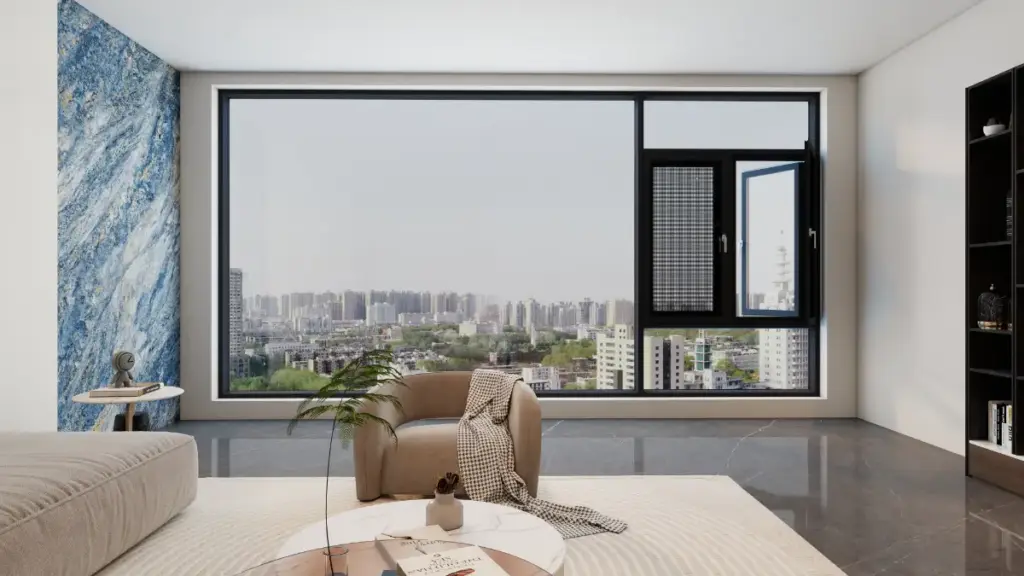
The U-value measures the thermal transmittance of a window, indicating how well it insulates. Lower U-values represent better insulation. 窓を選択する場合, it’s important to match the U-value to the project’s climate. Underspecifying U-values in cold climates or overspecifying them in hot climates can lead to excessive energy consumption and strain on HVAC systems.
The U-value includes heat loss from the entire window assembly, not just the center of the glass. Factors like frame material, glazing layers, ガスが充填される, and spacers all impact the overall U-value. To avoid inaccuracies, calculate the U-value based on the full window assembly using the following formula:
Where:
- R_glass is the thermal resistance of the glass.
- R_frame is the thermal resistance of the frame.
- R_spacer is the thermal resistance of the spacer.
- R_gas fill is the thermal resistance of any gas fill between the glass panes.
間違い 2: Underspecifying Hardware for Large or Heavy Panels
Panel size, glass thickness, and support configuration directly impact load capacity. Larger glass panels reduce load capacity, with panels between 8-12 sq ft losing 20% of capacity and those between 16-20 sq ft losing 40%. 同様に, glass thickness affects support strength—5mm annealed glass supports 40-50 lbs/sq ft, while 12mm glass can support up to 170 lbs/sq ft. Insufficient hardware specifications can lead to structural failure, especially in larger panels or those exposed to higher wind loads.
To address this, ensure hardware specifications match the panel size and support configuration. Measure the span and glass thickness accurately, and consult load capacity charts to determine the correct hardware. For panels exceeding 20 sq ft or maximum wind load areas, engage a structural engineer or contact Opuomen to design custom support systems, ensuring safe and reliable installation.
間違い 3: Ignoring Local Code Compliance and Certification Requirements
AAMA/CE certifications verify a product’s compliance with key performance standards, including structural strength, air leakage, そして水の浸透. These certifications ensure that the product meets 2026 building code requirements, making it suitable for commercial projects.
| Certification Program | Purpose | Key Benefit |
|---|---|---|
| FGIA/AAMA Product Certification Program | Verifies windows, ドア, and skylights meet AAMA/WDMA/CSA standards for structural strength, air leakage, そして水の浸透. | Provides documented proof of performance and code compliance to code officials and commercial buyers. |
| AAMA Profile Certification Program | Certifies PVC and other fenestration profiles meet AAMA specifications for dimensional, physical, and weathering properties. | Ensures lineals used in window/door systems maintain properties essential for system-level AAMA/CE performance. |
| AAMA Verified Components Program | Documents that individual components (insulating glass units, ハードウェア) comply with specific AAMA standards. | Supports overall AAMA/CE certification by using traceable, standards-compliant parts. |
| AAMA Laboratory Accreditation Program | Accredits independent testing laboratories to perform fenestration tests referenced in AAMA standards. | Guarantees performance data used for code compliance and CE documentation is generated under controlled, audited conditions. |
Ignoring local codes and certification requirements can lead to costly delays and legal issues. OPUOMEN mitigates these risks by holding CE, Rohs, and REACH certifications, along with ISO9001 quality management certification. With a focus on global climate adaptation, OPUOMEN customizes products to meet specific regional codes for temperature, 湿度, wind load, and coastal conditions.
プレミアムアルミニウムウィンドウ: Engineered for Global Performance
間違い 4: Choosing Non-System Manufacturers
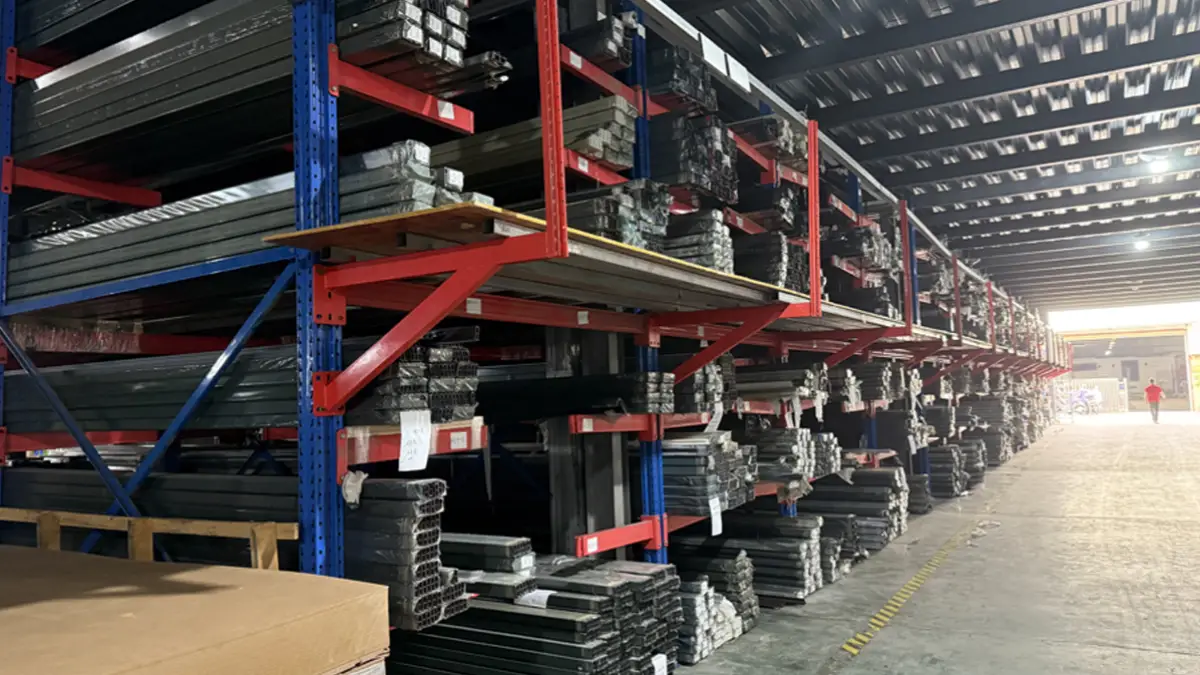
Non-system manufacturers assemble windows using components from various suppliers, lacking integrated design and quality control. This increases the risk of inconsistent component supply, undocumented changes, and missing performance test data. 結果として, defects, 漏れ, and warranty disputes are more likely.
To mitigate this risk, choose system manufacturers like オプオ, who design, テスト, and certify complete window systems. Ensure they maintain master design responsibility, provide documented performance data, and follow standardized testing procedures. Implement robust vendor due diligence by verifying system certifications, conducting factory audits, and evaluating key performance indicators (KPIs) like defect rates and contract compliance. This ensures reliable, high-quality products and reduces lifecycle risks.
間違い 5: Failing to Verify Packaging and Logistics Protocols
Failing to verify packaging standards can lead to costly reworks, delays, and increased project costs. To ensure windows arrive at their destination intact, you need to work closely with your manufacturer. Below are some effective solutions to mitigate risks.
- Packaging Standards
Classify each window by fragility, サイズ, and glazing type, then match these attributes to specific transit risks such as vibration and moisture. Set measurable packaging criteria, including drop heights, compression loads, and vibration resistance.
- Integrating Packaging with Logistics and Validation
Design packaging for the entire logistics chain, from factory loading to on-site handling. Verify stackability, tie-down points, and forklift access. Before full-scale orders, require pilot shipments to test packaging performance and adjust based on feedback.
- Continuous Monitoring and Improvement for Damage Reduction
Track and report transit damage consistently. Regularly audit packaging, inspect loads, and assess packaging effectiveness through data-driven improvements. Consider reusable packaging systems and smart monitoring devices to track damage causes and optimize protocols.
間違い 6: Incorrectly Calculating Lead Times for Project Milestones
Misunderstanding lead and lag times can disrupt project timelines. Lead time refers to the time between the start of one task and the start of the next, while lag time is the intentional delay between tasks. Confusing these terms can result in unrealistic estimates and delays, especially when task dependencies are not properly accounted for. Misaligned milestones and incorrect buffers lead to missed deadlines and compromised project outcomes.
To avoid this mistake, ensure that task dependencies are clearly mapped, and use project management tools to visualize the critical path. Always factor in historical data, necessary resources, and a 10-20% buffer for potential risks. Break down milestones into manageable chunks and define exit criteria early on to ensure that delivery aligns with project timelines. Regular reviews of progress and adjustments to the schedule help keep the project on track.
間違い 7: Focusing Solely on Unit Price Over Total Cost of Ownership (TCO)
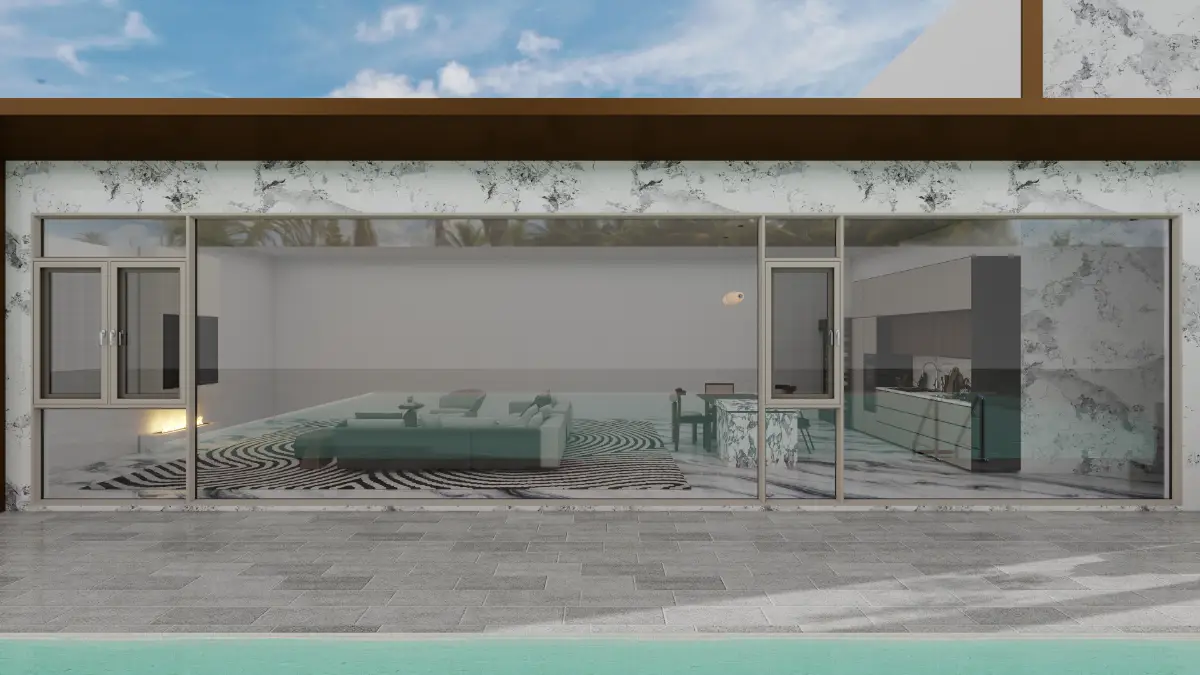
Focusing only on the unit price of windows overlooks the full financial impact over the product’s lifespan. Total Cost of Ownership (TCO) includes the initial purchase price, along with ongoing operational, メンテナンス, and replacement costs over 20-30 年. Solely considering unit price can lead to a short-term saving mindset, which may result in higher long-term expenses.
Key TCO Drivers:
- Acquisition & 設置費用: Initial purchase price and the cost of installation, including labor and site preparation.
- エネルギー効率: Windows with lower thermal performance result in higher energy costs due to poor insulation, increasing heating and cooling demands.
- Maintenance and Repairs: Lower-priced windows may require more frequent repairs and maintenance due to inferior quality, adding long-term costs.
- Replacement & Disposal: Poorer quality windows often have shorter lifespans and higher failure rates, leading to early replacement costs and disposal fees.
- Hidden Costs: Additional labor, reworks, warranty claims, and water intrusion remediation that often arise from low-quality windows.
To make better decisions, calculate TCO over the product’s lifespan, factoring in all associated costs. Incorporate TCO analysis into procurement processes to focus on long-term value, パフォーマンス, そして耐久性, rather than just the lowest initial price.
最終的な考え
Successful bulk aluminum window procurement goes beyond comparing unit prices. It requires a thorough understanding of thermal performance, hardware specifications, and certification standards like AAMA/CE. By adopting a holistic approach that emphasizes Total Cost of Ownership, buyers ensure long-term value and performance. Addressing these key factors proactively leads to fewer delays, better compliance.
For high-quality, compliant カスタマイズされた窓 to your project needs, trust OPUOMEN. Explore Our Window Solutions!
よくある質問
What is the best way to verify a factory’s QC process remotely?
To remotely verify a factory’s QC process, conduct a structured remote audit against ISO 9001, requesting procedures, work instructions, and records. Schedule live video tours to observe incoming, in-process, and final inspections, asking operators to demonstrate raw material checks and QC stations spontaneously. Implement golden sample and specification-based remote verification, where the factory demonstrates checks against approved samples and specs via live video. Engage third-party inspectors for remote sampling based on AQL, requiring real-time video and standardized reports. Standardize self-inspection with digital checklists, time-stamped photos, and videos. Leverage digital QC systems, IoT, or sensor data for remote monitoring of process parameters and test results. For advanced verification, integrate digital twins or virtual cells to validate parts and processes remotely in real time.
How can I legally ensure the manufacturer has the correct AAMA certification?
To legally ensure correct AAMA certification, first, request the actual AAMA/FGIA Gold (or Silver) Certification Label for the specific product being supplied, verifying it matches project specifications. 2番, cross-reference the manufacturer and product line in the official FGIA Product Certification Directory to confirm active certification. 三番目, include explicit contractual language in your purchase order, making current AAMA/FGIA certification and directory listing mandatory for all furnished products and a condition of acceptance. Fourth, demand supporting documentation, such as third-party laboratory test summaries (AAMA/FGIA/ANSI and NFRC) and evidence of an audited Quality Management System. ついに, physically inspect delivered units on-site to confirm the presence of correct AAMA/FGIA labels that match submittals, documenting discrepancies with photos for any necessary corrective action.
What is a standard penalty clause for late delivery in a B2B contract?
There is no single universal standard penalty clause for late delivery in B2B contracts; clauses vary by industry, jurisdiction, and negotiation, but common patterns emerge from legal templates and examples.[1][2][3]
Common structures involve penalties calculated as a percentage of the contract value, often 0.5%–2% per week or day of delay. These penalties are frequently capped, typically ranging from 5%–55% of the value of delayed goods. Clauses may also specify grace periods, usually 1–10 weeks, before penalties fully apply, and grant the buyer rights to cancel after a longer delay, such as 4–10 weeks. Calculations typically apply to the value of delayed items, with partial weeks counting as full, and exclude force majeure events.
例えば, some penalty clauses include 10.5% every two weeks, capped at 55% of equipment value, with termination after 10 weeks. Others may specify 1% in week one and 2% thereafter, with a max of 10% of delayed items. A common rate is 0.5% per week, sometimes capped at 5% of outstanding goods. One variant starts at 0.5% per week after two weeks, potentially leading to a refund plus penalties, with termination after four weeks. A fixed 5% liquidated damages on total value is another common structure.
These are samples from databases like Law Insider and Accord Project; enforceability depends on local laws (例えば, must be reasonable, not punitive).[4][9] Consult legal counsel for customization.[2][3]
How do I reconcile discrepancies between the shop drawing and the final product?
To reconcile discrepancies between shop drawings and the final product in window procurement, conduct a systematic review process including field measurements, multi-stage quality checks, and documentation of changes into as-built drawings.[1][2][3][5]
Shop drawings provide fabrication and installation details based on design drawings, but site conditions, 測定値, or changes can cause variances from the final installed product (例えば, Windows).[1][2][4] Common issues include mismatched dimensions, material specs, trade coordination gaps, or unit/scale errors.[1][2]
Key Steps for Reconciliation include: Perform Site Investigations and Field Surveys to measure actual site conditions early, identifying gaps between design/shop drawings and reality, especially for renovations or custom windows.[2][4] This ensures prefabricated components like windows fit without modification.[2]
Also, Conduct Multi-Stage Reviews and Quality Checks, verifying shop drawings against design specs, manufacturer data, and standards before fabrication. Include architect/engineer approval, coordination meetings for trades, and checks for dimensions, 材料, 組み立て, and connections.[1][2][5]
Document Changes in As-Built Drawings by recording all deviations (例えば, 位置, dimensional, 材料, or installation changes) during construction. Update from redline markups on shop drawings to create accurate records of the final product for maintenance or future use.[1][3]
さらに, Use Digital Tools for Tracking construction software for version control, revisions, approvals, and real-time coordination to prevent outdated info or conflicts.[1][5]
Windows-Specific Considerations for B2B window procurement mean shop drawings specify exact dimensions, プロフィール, tolerances, joints, アザラシ, and structural fits to avoid installation mismatches or rework.[4] Cross-check proprietary parts (例えば, ガラス, 仕上げ) with supplier data, and confirm no further mods are needed on-site.[2][4]
Regarding Potential Pitfalls and Prevention: Errors to watch for include spec misalignments, poor fabrication planning, or system conflicts.[1] A best practice is to foster communication between designers, 請負業者, とメーカー; track changes granularly to align the final product with the design intent.[5][7]
This process minimizes risks, delays, and costs for new B2B buyers and project managers.[4][7] If discrepancies persist post-installation, as-built drawings serve as the authoritative record over shop drawings.[3]