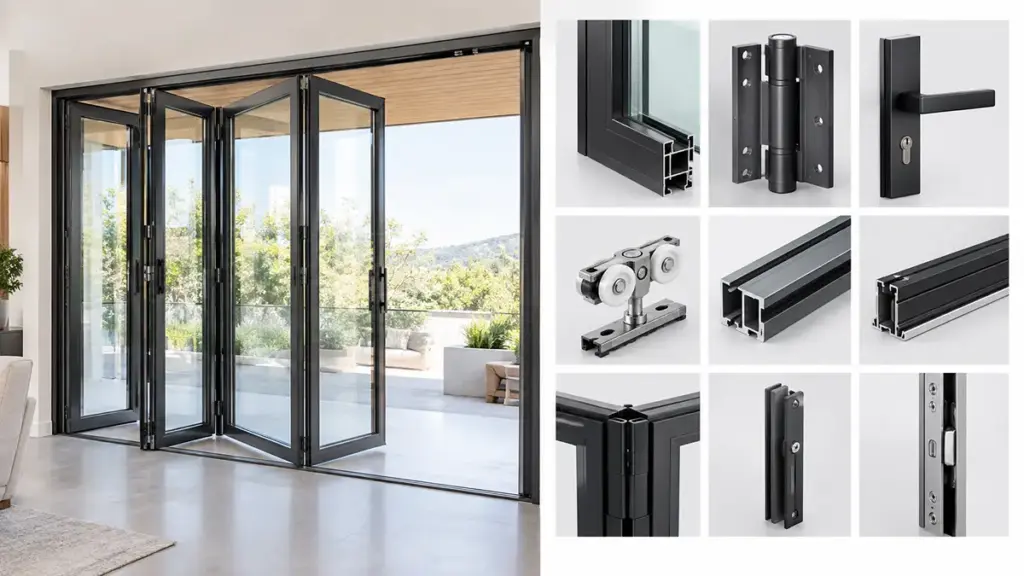
يعد التثبيت الصحيح أحد أهم العوامل التي تؤثر على الأداء طويل المدى لأبواب الألمنيوم. حتى نظام الأبواب عالي الجودة يمكن أن يواجه مشكلات تشغيلية إذا لم يتم تنفيذ إجراءات التثبيت بعناية. مشاكل مثل الفجوات غير المستوية, الختم السيئ, عملية صعبة, تسلل المياه, وغالبًا ما ينشأ التآكل المبكر للأجهزة من عدم دقة التثبيت وليس من عيوب المنتج.
لتعظيم قيمة هذه الأنظمة, يجب على القائمين على التركيب إيلاء اهتمام وثيق للتحضير, تحديد موضع الإطار, تعديل الأجهزة, والاختبار النهائي. يشرح هذا الدليل كيفية تركيب أبواب الألمنيوم بشكل صحيح مع تجنب مشكلات التركيب الأكثر شيوعًا التي تواجهها مواقع البناء.
أهمية الدقة في تركيب بابية الباب
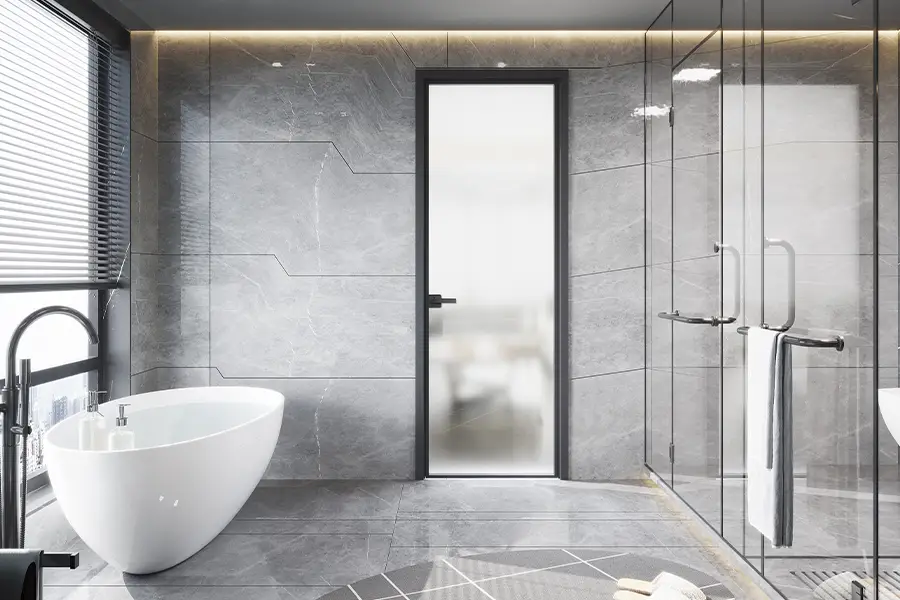
يبدأ التثبيت الناجح للأبواب المصنوعة من الألومنيوم بفهم أن كل مكون داخل النظام مترابط. يمكن أن تؤثر الانحرافات الصغيرة أثناء التثبيت على المحاذاة, أداء الختم, السلاسة التشغيلية, والموثوقية على المدى الطويل.
لماذا تؤثر دقة التثبيت بشكل مباشر على الأداء؟
على عكس بعض أنظمة الأبواب التقليدية التي قد تتحمل اختلافات أكبر في التركيب, أبواب بابية الألومنيوم الحديثة تم تصميمها بتفاوتات هندسية دقيقة. الإطار, وشاح, مفصلات, نقاط القفل, ويتم تصنيع جميع مكونات الختم للعمل معًا ضمن معايير أبعاد محددة.
إذا تم تثبيت الإطار خارج المربع أو إذا كانت نقاط التثبيت تسبب تشويهًا, قد لا تتم محاذاة ورقة الباب بشكل صحيح أثناء التشغيل. يمكن أن يؤدي هذا إلى ضغط غير متساوٍ على أختام الطقس, زيادة الاحتكاك أثناء الفتح والإغلاق, وتقليل أداء القفل.
يضمن التثبيت الدقيق أن تحافظ أبواب الأبواب المصنوعة من الألومنيوم على التشغيل السلس مع الحفاظ على السلامة الهيكلية للنظام. كما أنه يساعد على تحقيق خصائص الأداء المقصودة فيما يتعلق بمقاومة الطقس, حماية, وراحة المستخدم.
منع مشكلات الإعداد الشائعة قبل حدوثها
يصبح من الصعب تصحيح العديد من مشكلات التثبيت بمجرد الانتهاء من مواد التشطيب. لذلك, تعتبر التدابير الوقائية أكثر فعالية بشكل ملحوظ من تعديلات ما بعد التثبيت.
تتضمن مشكلات الإعداد الشائعة عادةً فجوات كشف غير متناسقة, ملزمة أثناء العملية, مشاركة قفل غير مناسبة, ومشاكل ضغط الختم. غالبًا ما تنشأ هذه المخاوف أثناء مراحل التثبيت المبكرة.
باتباع إجراءات التثبيت المنهجية, يمكن للمقاولين تجنب العديد من التحديات التي تؤثر سلبًا على أبواب الألمنيوم طوال فترة خدمتهم.
دعم الموثوقية التشغيلية على المدى الطويل
الهدف النهائي من التثبيت ليس مجرد تركيب الباب في الفتحة. بدلاً من, الهدف هو إنشاء نظام كامل يعمل بشكل ثابت على مدار سنوات عديدة.
تواجه أبواب الألمنيوم المثبتة بشكل صحيح ضغطًا أقل على الأجهزة, الحفاظ على أداء أفضل للختم, وتتطلب تعديلات تصحيحية أقل بعد الانتهاء من المشروع. ويساهم ذلك في زيادة رضا العملاء وانخفاض متطلبات الصيانة على المدى الطويل.
فحوصات ما قبل التثبيت: التحقق من مواصفات الافتتاح الخام
قبل أن تبدأ أي أعمال التثبيت, يجب فحص الفتحة الخشنة بعناية. تضع هذه المرحلة الأساس لجميع أنشطة التثبيت اللاحقة وتساعد على منع حدوث مشكلات في المحاذاة لاحقًا في المشروع.
تأكيد الأبعاد المفتوحة والتسامحات
يجب أن يبدأ كل تركيب بالتحقق من أن أبعاد الفتح التقريبية تتوافق مع المتطلبات المحددة للمنتج أبواب بابية مختارة من الألومنيوم.
يجب أن يتم أخذ القياسات في نقاط متعددة عبر عرض الفتحة وارتفاعها. يساعد هذا في تحديد أي مخالفات قد تؤثر على موضع الإطار. حتى لو بدا الافتتاح صحيحًا بصريًا, يمكن أن تخلق اختلافات الأبعاد تحديات كبيرة أثناء التثبيت.
تسمح القياسات الدقيقة للقائمين بالتركيب بالتأكد من وجود مساحة كافية لوضع الإطار, الملئ, وختم محيط. يؤدي التحقق الصحيح من الأبعاد إلى تقليل خطر دفع أبواب الألمنيوم إلى فتحات غير مناسبة.
فحص المستوى, راسيا, وشروط المربع
دقة الأبعاد وحدها ليست كافية. يجب أيضًا تقييم الافتتاح التقريبي للمستوى, راسيا, وأحوال مربعة.
تساعد العتبة المستوية على ضمان التشغيل المتسق للأبواب ذات الأبواب المصنوعة من الألومنيوم, في حين تدعم عضادات راسيا محاذاة الإطار الصحيح. التربيع له نفس القدر من الأهمية لأن الفتحات خارج المربع يمكن أن تخلق ضغطًا قطريًا على الإطار وورقة الباب.
يجب على القائمين على التركيب مقارنة القياسات القطرية للتأكد من أن الشكل الهندسي للفتح يقع ضمن التفاوتات المقبولة. تساعد معالجة المخالفات الهيكلية قبل التثبيت على تجنب المشكلات التشغيلية بعد الانتهاء.
فحص الهياكل الداعمة
يجب أن يوفر هيكل الجدار المحيط الدعم الكافي للنظام المثبت. أي علامات للحركة, ضرر, أو يجب معالجة عدم الاستقرار قبل المتابعة.
يسمح الدعم الهيكلي المناسب للأبواب المصنوعة من الألومنيوم بالحفاظ على المحاذاة طوال فترة خدمتها. تساعد الركيزة المستقرة أيضًا على ضمان أداء أنظمة التثبيت بفعالية في ظل الأحمال التشغيلية والظروف البيئية.
ارتقِ بالمشاريع باستخدام أنظمة الألومنيوم المتميزة
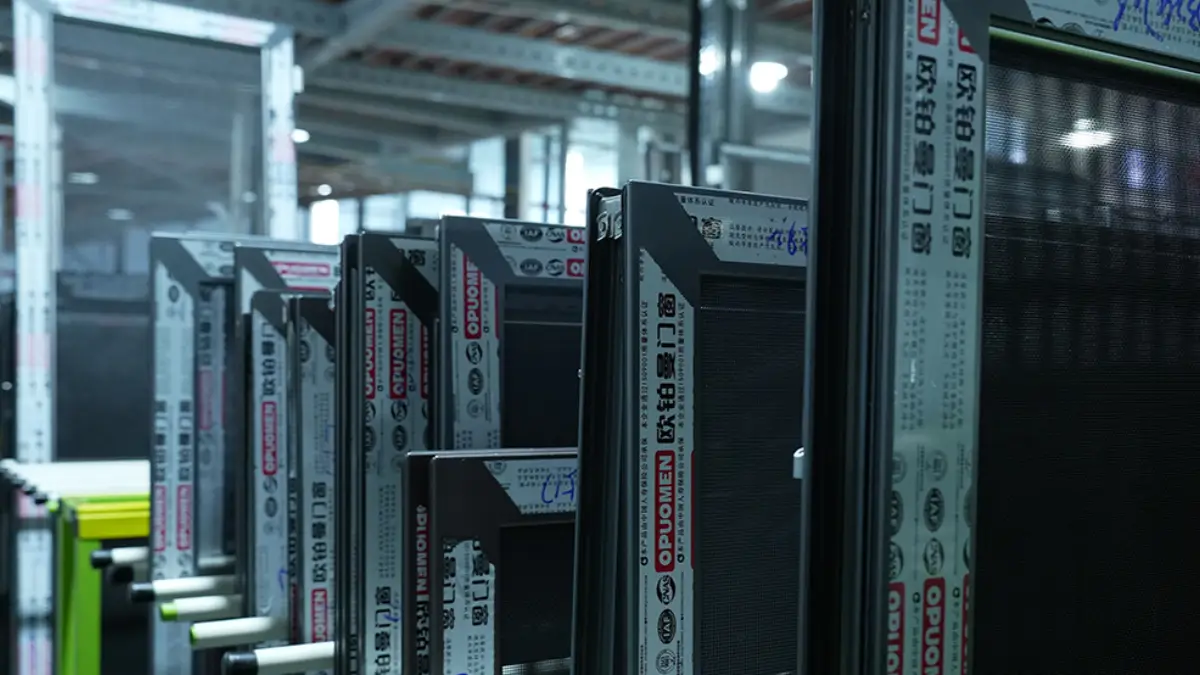
تقنيات التجميع والتربيع المناسبة للإطار الفرعي
يلعب تركيب الإطار الفرعي دورًا حاسمًا في إنشاء أساس ثابت للأبواب المصنوعة من الألومنيوم. قد تؤدي الأخطاء في هذه المرحلة إلى الإضرار بدقة التثبيت بأكمله.
فهم دور الإطار الفرعي
يعمل الإطار الفرعي بمثابة هيكل الدعم الأساسي بين فتحة المبنى ونظام الباب النهائي. يساعد على نقل الأحمال مع الحفاظ على ثبات الأبعاد.
متى تركيب أبواب بابية الألومنيوم, يجب تجميع الإطار الفرعي وفقًا للأبعاد والتفاوتات المحددة. يوفر التجميع الدقيق النقاط المرجعية اللازمة لتحديد موضع الإطار والمحاذاة النهائية.
يساهم الإطار الفرعي المبني بشكل صحيح أيضًا في الاستقرار الهيكلي والاتساق التشغيلي على المدى الطويل.
تحقيق تربيع دقيق للإطار
يعد التربيع أحد أهم مؤشرات الجودة أثناء التثبيت. حتى الانحرافات الصغيرة يمكن أن تؤثر على تشغيل أبواب الألمنيوم.
يجب على القائمين على التركيب التحقق من القياسات القطرية أثناء التجميع وإجراء التعديلات قبل تثبيت المكونات بشكل دائم. تشير الأقطار المتسقة إلى أن هندسة الإطار تظل مربعة وقادرة على دعم حركة الباب بسلاسة.
يساعد التربيع الدقيق على منع حدوث مشكلات مثل الفجوات غير المستوية, اختلال القفل, والإجهاد المفصلي المفرط.
الحفاظ على الاستقرار أثناء التثبيت
يمكن استخدام الدعامات المؤقتة للحفاظ على المحاذاة أثناء تقدم التثبيت. يساعد منع الحركة أثناء التجميع في الحفاظ على الدقة التي تم تحقيقها أثناء عملية التربيع.
تسمح بيئة التثبيت المستقرة بوضع أبواب الألمنيوم بشكل صحيح دون التسبب في تشويه غير مقصود أو إجهاد هيكلي.
تحديد موضع الإطار وإدارة فجوات التمدد الحراري
يعد تحديد موضع الإطار الصحيح أمرًا ضروريًا لتحقيق الأداء الأمثل. في نفس الوقت, يجب على القائمين على التركيب مراعاة حركة المواد الناتجة عن التغيرات في درجات الحرارة.
تحديد موضع الإطار الصحيح
يجب وضع الإطار بدقة داخل الفتحة مع الحفاظ على خلوص ثابت حول المحيط. يمكن أن يؤثر الوضع غير المتساوي على المظهر والتشغيل.
عند تركيب أبواب بابية الألومنيوم, يجب على القائمين بالتركيب التحقق من بقاء الإطار مستويًا, راسيا, ومربع طوال عملية تحديد المواقع. يساعد التحقق المستمر على منع الأخطاء التراكمية التي قد تؤثر على الأداء النهائي.
يؤدي وضع الإطار المناسب إلى إنشاء الأساس لضبط الأجهزة بنجاح وختم الطقس.
فهم متطلبات التمدد الحراري
يتمدد الألومنيوم وينكمش بشكل طبيعي استجابة لتقلبات درجات الحرارة. يجب مراعاة هذه الخاصية أثناء التثبيت لتجنب مشاكل التشغيل.
قد يؤدي عدم كفاية بدل التوسع إلى خلق ضغط داخل الإطار, من المحتمل أن يؤثر ذلك على تشغيل أبواب الألمنيوم مع مرور الوقت. يمكن أن تؤدي التركيبات الضيقة للغاية أيضًا إلى تقليل فعالية أنظمة مقاومة الطقس.
تساعد الفجوات المحيطية المناسبة على استيعاب الحركة الحرارية مع الحفاظ على الاستقرار الهيكلي.
موازنة الحركة وأداء الختم
يتمثل التحدي أثناء التثبيت في تحقيق التوازن بين متطلبات التوسعة وأداء الختم الفعال. تسمح الإدارة السليمة للفجوات للأبواب المصنوعة من الألومنيوم بالاستجابة للظروف البيئية دون المساس بمقاومة الطقس.
يساهم التخطيط الدقيق في هذه المرحلة في تحقيق الموثوقية التشغيلية والمتانة على المدى الطويل. يتم استخدام حشوات مطاطية عالية الجودة في الإطارات للحفاظ على الختم والعزل طوال فترة خدمة الباب.
بروتوكولات التلميع والتثبيت لتحقيق الاستقرار الهيكلي
يعد التصفيح والتثبيت من العمليات الحاسمة التي تؤثر بشكل مباشر على الأداء الهيكلي للأبواب المصنوعة من الألومنيوم المثبتة.
استخدام الحشوات للحفاظ على المحاذاة
تساعد الحشوات في إنشاء نقاط دعم دقيقة بين الإطار والبنية المحيطة. والغرض منها ليس مجرد سد الفجوات ولكن الحفاظ على المحاذاة المناسبة تحت الحمل.
تساعد الحشوات الموضوعة بشكل استراتيجي على ضمان بقاء أبواب الألمنيوم مربعة ومستقرة بعد التثبيت. قد يؤدي وضع الرقائق بشكل غير صحيح إلى حدوث تشوه يؤثر على التشغيل. الهدف هو توفير دعم موحد دون إنشاء نقاط ضغط يمكن أن تشوه الإطار.
تطبيق السحابات دون تشويه الإطار
يجب أن تقوم أدوات التثبيت بتثبيت الإطار بإحكام مع الحفاظ على شكله الهندسي. التشديد المفرط يمكن أن يؤدي إلى تشويه, في حين أن التثبيت غير الكافي قد يسمح بالحركة بمرور الوقت.
أثناء تركيب أبواب الألمنيوم, يجب تثبيت أدوات التثبيت وفقًا لمتطلبات المشروع والتحقق من أدائها المتسق.
يدعم التثبيت المناسب السلامة الهيكلية على المدى الطويل مع الحفاظ على المحاذاة الدقيقة اللازمة للتشغيل السلس.
التحقق من الاستقرار الهيكلي قبل المتابعة
قبل الانتقال إلى مراحل التثبيت اللاحقة, يجب فحص الإطار للتأكد من بقائه مستويًا, راسيا, ومربع. تساعد خطوة التحقق هذه على ضمان استمرار عمل الأبواب المصنوعة من الألومنيوم على النحو المنشود بعد تثبيت ضلفة الباب والأجهزة.
تركيب مصراع الباب وضبط المفصلات بدقة
بمجرد أن يصبح الإطار آمنًا, يتحول الاهتمام إلى تثبيت المكونات القابلة للتشغيل للنظام.
وضع ورقة الباب بشكل صحيح
يجب وضع مصراع الباب بدقة داخل الإطار لتحقيق فجوات كشف متسقة والتفاعل الصحيح للأجهزة.
لأبواب بابية الألومنيوم, حتى الانحرافات الطفيفة في المحاذاة يمكن أن تؤثر على المظهر والوظيفة. يساعد تحديد المواقع بعناية في تحديد خط الأساس للتعديلات اللاحقة.
ضبط المفصلات للتشغيل السلس
توفر المفصلات آلية الحركة التي تسمح للأبواب المصنوعة من الألومنيوم بالفتح والإغلاق بكفاءة. تساعد أوضاع المفصلات الدقيقة على التخلص من الربط, فجوات متفاوتة, والاحتكاك الزائد.
يجب أن تركز إجراءات التعديل على تحقيق حركة سلسة مع الحفاظ على خلوص موحد حول محيط ورقة الباب. يدعم تعديل المفصلة الصحيح أيضًا الضغط المناسب لموانع تسرب الطقس وأنظمة القفل.
تأكيد الاتساق التشغيلي
يجب إجراء دورات فتح وإغلاق متعددة بعد التعديل. يتيح ذلك للقائمين بالتركيب التحقق من أن أبواب الألمنيوم تتحرك بسلاسة وثبات في ظل ظروف التشغيل العادية. يساعد التصحيح المبكر لمشاكل المحاذاة على منع مخاوف الصيانة المستقبلية.
تطبيق المواد المانعة للتسرب والعزل من الدرجة التجارية
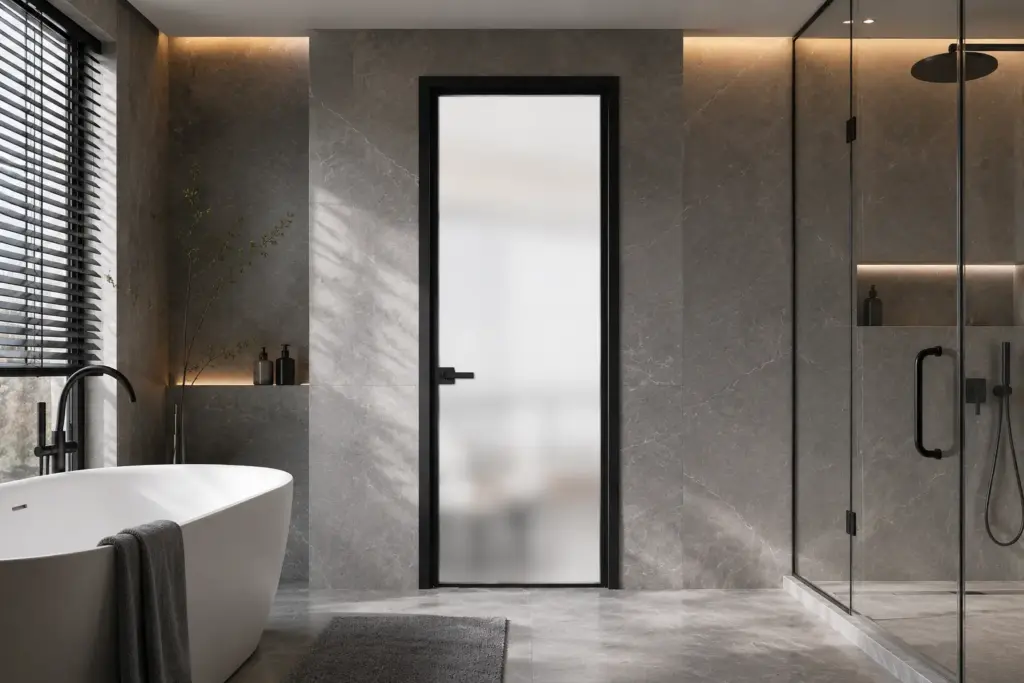
يعد العزل الحراري عنصرًا حاسمًا في تركيب الأبواب الاحترافية. يحمي الختم المناسب غلاف المبنى وأداء أبواب الألمنيوم.
إنشاء حاجز الطقس المستمر
تساعد المواد المانعة للتسرب على منع تسرب المياه وتسرب الهواء حول محيط التثبيت. التطبيق المتسق ضروري للحفاظ على مقاومة الطقس. عند تركيب أبواب بابية الألومنيوم, وينبغي التحقق من استمرارية مانع التسرب للقضاء على المسارات المحتملة لتسرب الرطوبة. يساهم التثبيت المحكم بشكل صحيح في المتانة وراحة الركاب.
دمج المواد العازلة بشكل فعال
تساعد المواد العازلة على تحسين أداء التجميع العام. التثبيت الصحيح يمنع الفجوات التي يمكن أن تقلل من الفعالية. يساعد الجمع بين العزل والمواد المانعة للتسرب أبواب الألمنيوم على المساهمة في تحقيق أهداف أداء غلاف المبنى.
تجنب أخطاء الختم الشائعة
الإفراط في التطبيق, تغطية غير كاملة, والمواد غير المتوافقة يمكن أن تؤثر جميعها على جودة التثبيت. يساعد الاهتمام الدقيق أثناء عملية الختم على ضمان ذلك توفر الأبواب المصنوعة من الألومنيوم أداءً ثابتًا للطقس على المدى الطويل.
عملية الاختبار, تنسيق, وقفل الضغط
تركز المرحلة النهائية من التثبيت على الاختبار الشامل. تؤكد هذه العملية أن كل مكون يعمل بشكل صحيح قبل اكتمال المشروع.
التحقق من الأداء التشغيلي
يجب تشغيل النظام المثبت بشكل متكرر لتقييم جودة الحركة. يشير الفتح والإغلاق السلس إلى أن الإطار, مفصلات, والأجهزة تعمل معًا بشكل صحيح. يجب التحقق من أي مقاومة غير عادية قبل الانتهاء من التثبيت. ل أبواب بابية الألومنيوم, يعد التشغيل المتسق أحد أوضح مؤشرات التثبيت الناجح.
تقييم المحاذاة وكشف الفجوات
يساعد الفحص البصري في التأكد من أن فجوات الكشف تظل موحدة حول محيط ورقة الباب. المحاذاة الصحيحة تساهم في المظهر, الوظيفة, وأداء الختم لأبواب بابية الألومنيوم. وقد تشير الفجوات غير المتسقة إلى الحاجة إلى مزيد من التعديل.
اختبار قفل المشاركة والضغط
يجب أن يعمل نظام القفل بسلاسة مع توفير ضغط ثابت عبر أسطح الغلق. يساعد الضغط الصحيح أبواب الألمنيوم على تحقيق مقاومة موثوقة للطقس وأداء أمني. يجب تصحيح القوة المفرطة أو المشاركة غير الكاملة قبل تسليم المشروع. يضمن الاختبار الشامل أن النظام المثبت يلبي التوقعات الوظيفية والجودة.
الأفكار النهائية
يتطلب التثبيت الناجح للأبواب المصنوعة من الألومنيوم أكثر من مجرد تركيب إطار في الفتحة. قياسات دقيقة, الإعداد السليم للإطار الفرعي, تحديد المواقع بعناية, التألق الاستراتيجي, تعديلات مفصلة دقيقة, والاختبار الشامل يساهم جميعها في الأداء النهائي للنظام.
كشركة مصنعة محترفة لحلول الأبواب المخصصة, Opuo تقدم أنظمة أبواب ألمنيوم عالية الجودة مصممة لتلبية احتياجات الوحدات السكنية, تجاري, والمشاريع المعمارية. سواء كنت تبحث عن منتجات للتطورات واسعة النطاق أو التطبيقات المخصصة المتخصصة, توفر شركة Opuomen حلولاً مخصصة تجمع بين الوظائف, متانة, والتصميم الحديث.
استكشف حلول أبواب الألومنيوم من Opuomen اليوم واكتشف كيف يمكن للأبواب المصنوعة من الألومنيوم المصممة بشكل احترافي أن تساعد في رفع أداء ومظهر مشروعك التالي.