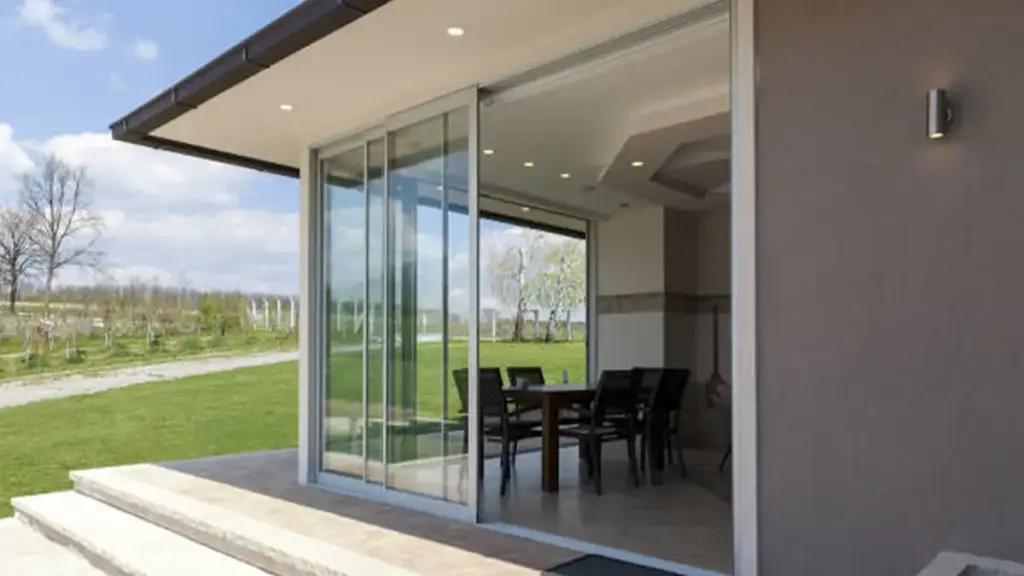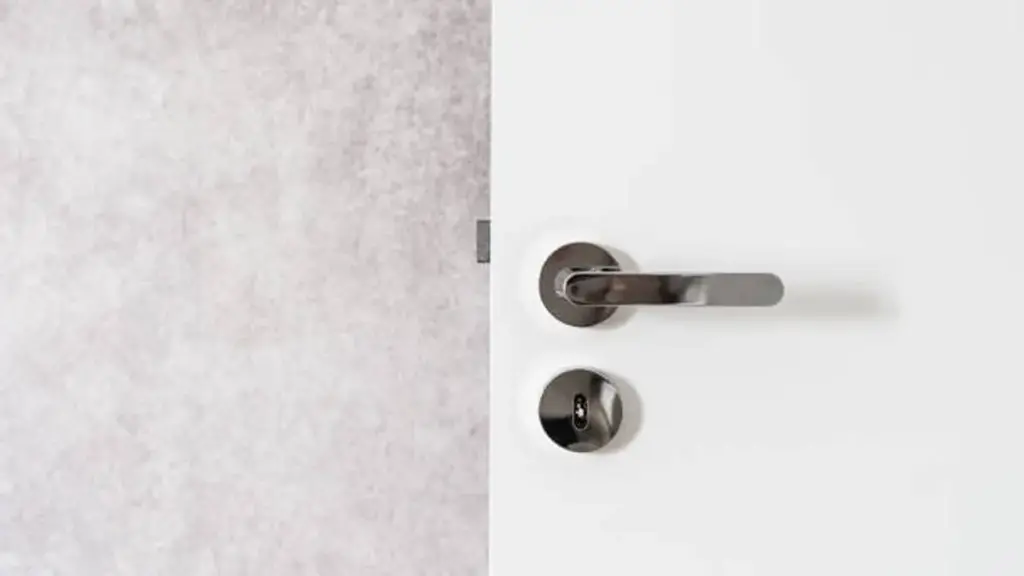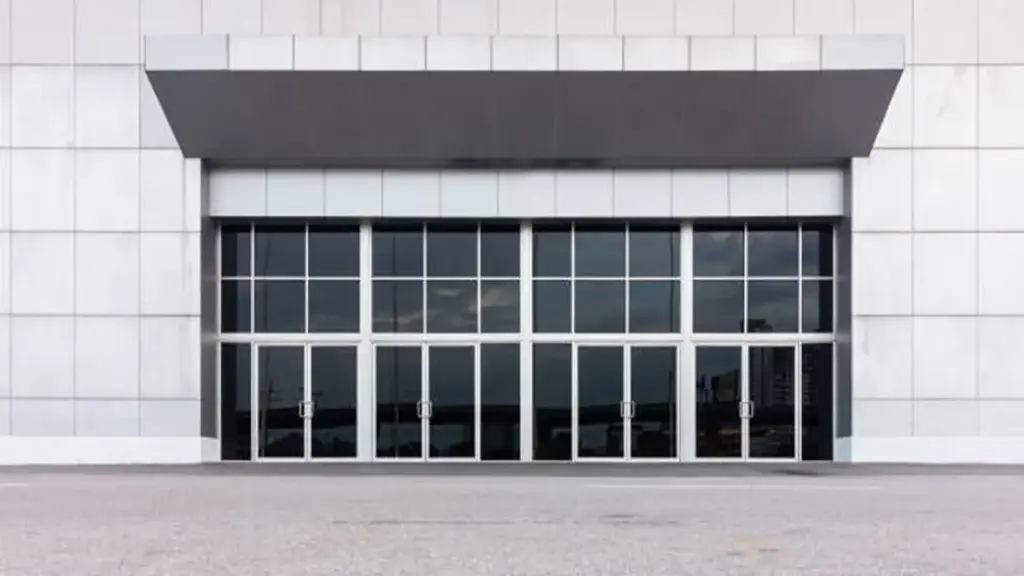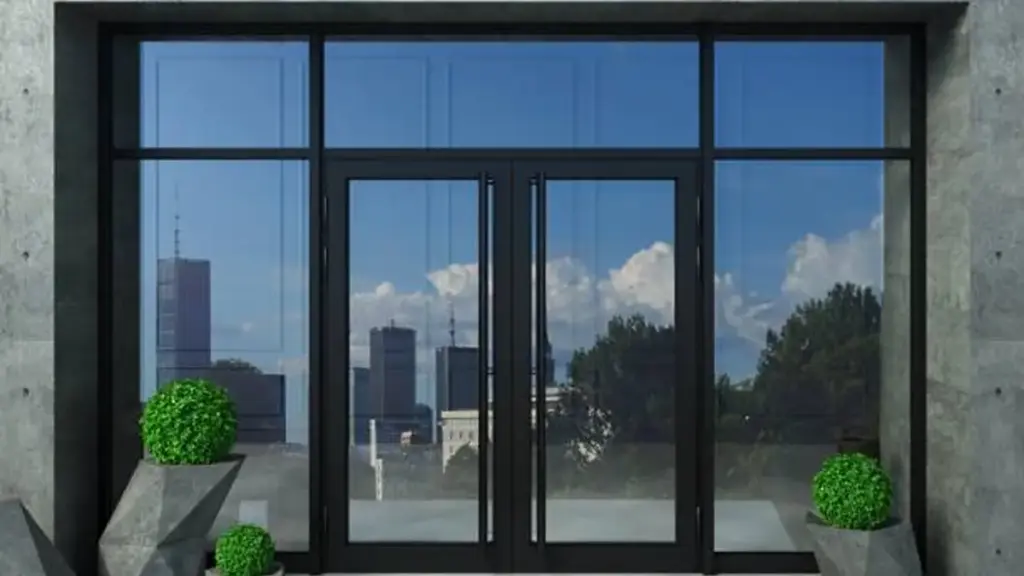
Die tatsächlichen Kosten von Aluminiumtüren werden nicht nur durch den anfänglichen Kaufpreis bestimmt. Falsche Auswahl in Profilen, Verglasung, und Hardware können die Wartungskosten erhöhen und die Lebensdauer verkürzen. Auswahl ungeeigneter Aluminiumprofile, Verglasungssysteme, oder Hardware zu Beginn eines Projekts können später zu höheren Wartungskosten und unnötigen Ersatzkosten führen.
We analyze the main cost factors affecting the cost of aluminum doors, inklusive Aluminiumprofilen, Verglasungsoptionen, hardware performance, and tested door systems designed for demanding commercial applications. Zusätzlich, this approach ensures long-term performance and optimizes your project budget.
Aluminum Door Requirements for Multi-Family and Hospitality Projects
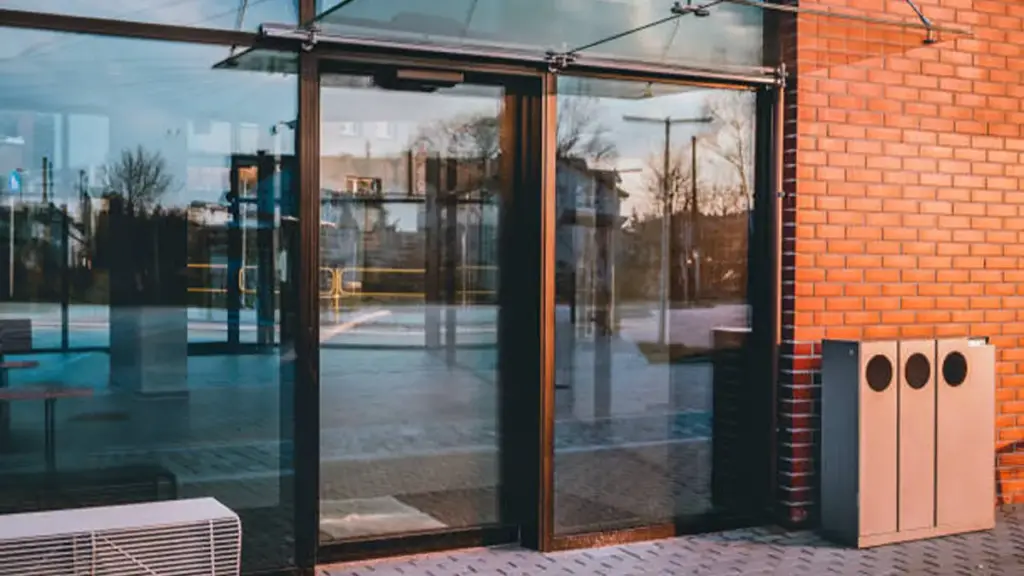
High-performance aluminum doors are commonly specified for modern multi-family and hospitality projects where durability, Energieeffizienz, and design flexibility are important. They meet aesthetic, funktionell, and economic demands, aligning with contemporary expectations for wellness, flexibility, und Nachhaltigkeit.
Core Design and Performance Criteria
- Aesthetic demands for slim profiles, klare Linien, and expansive glazed areas.
- Requirement for consistent façade language through integrated fenestration systems.
- Flexibility in finishes (pulverbeschichtet, eloxiert) and customization to match brand identity.
- High energy efficiency and thermal performance, meeting regulatory standards with advanced thermal breaks.
- Haltbarkeit, Korrosionsbeständigkeit, and long service life for high-traffic and exposed conditions.
- Structural integrity to support large-span openings and oversized glass panels.
- Effective acoustic performance for noise mitigation in urban environments.
- Compliance with life-safety egress, Zugänglichkeit, and hardware standards.
- Recyclable aluminum materials and durable finishes help reduce replacement frequency during the building lifecycle.
- Low maintenance requirements contributing to reduced operating costs over time.
Project Integration and Economic Considerations
Total project cost evaluation: Consider the complete cost of aluminum doors, including profiles, Glas, Hardware, Installationsanforderungen, und langfristige Wartung.
Long-term value optimization: Although higher initial investment may increase upfront expenses, it can be balanced by improved durability, reduzierter Wartungsaufwand, Energieeinsparungen, and extended service life.
Project-scale supply solutions: Multi-unit residential and hospitality developments often require reliable suppliers capable of providing consistent systems, Anpassung, and factory-direct support.
Application-specific requirements: Different projects may require tailored solutions for balconies, Gästezimmer, public entrances, amenity spaces, and large architectural openings.
Design and installation balance: Successful projects combine modern aesthetics, große Glasflächen, schlanke Profile, strukturelle Leistung, and proper installation capabilities.
Aluminum Door Cost Factors for Commercial Projects
The cost of aluminum doors for commercial projects depends on multiple factors, including profile specifications, Verglasungssysteme, Hardware-Auswahl, customization requirements, und Projektbedingungen. A complete cost evaluation should consider both initial investment and long-term operational performance.
Aluminum Profile Specifications and Door System Design
Profile specifications represent one of the major factors affecting the overall cost of aluminum doors in commercial projects. The profile design, Legierungsauswahl, Wandstärke, thermal break configuration, and structural requirements directly influence material usage and manufacturing complexity.
By contrast, standard commercial applications may use conventional aluminum profiles, while high-performance projects such as hotels, Hochhäuser, and premium residential developments often require reinforced systems with thermal breaks, larger sections, and improved structural performance. These upgraded specifications increase initial costs but provide better durability, Isolierung, und langfristige Zuverlässigkeit.
Glass Selection and Energy Performance Requirements
Glass specification significantly affects the overall cost of aluminum doors. Different glass options for aluminum doors, including single glass, insulated glass units (IGUs), Low-E-Glas, and laminated glass, provide different levels of thermal insulation, akustische Kontrolle, Sicherheit, and solar performance.
Für kommerzielle und Gastronomieprojekte, higher-performance glazing is often required to meet energy codes, improve occupant comfort, and reduce operational costs. Although advanced glass systems increase upfront investment, they can contribute to better building efficiency and lower energy consumption throughout the service life of the door system.
Hardware Quality and Usage Requirements
Hardware selection is another important factor affecting aluminum door costs, and proper aluminum door hardware selection helps ensure durability, Sicherheit, und langfristige Leistung. Scharniere, Schlösser, Griffe, Rollen, Schließer, and multi-point locking systems must be selected according to door size, Öffnungshäufigkeit, security requirements, and project application.
Aus diesem Grund, Handelsgebäude, Hotels, and public entrances typically require heavy-duty hardware designed for frequent operation. Nevertheless, higher-quality components may increase initial costs but help reduce maintenance frequency, prevent operational issues, and extend the service life of the complete door system.
Anpassung, Ausführungen, and Project-Specific Requirements
Zusätzlich, customization requirements can also influence aluminum door pricing. Factors such as non-standard dimensions, special frame configurations, architectural finishes, and customized colors may require additional engineering, tooling, and production processes.
Common finish options include powder coating, Eloxieren, and wood-grain finishes. While these surface treatments improve appearance and durability, premium finishes or customized color matching may increase manufacturing costs, especially for large-scale architectural projects requiring consistent appearance across multiple buildings.
Installation Requirements and Long-Term Project Value
The total cost of aluminum doors should also include installation requirements, project coordination, and long-term maintenance considerations. Folglich, incorrect installation or unsuitable specifications can lead to air leakage, Wasserinfiltration, hardware failure, and increased replacement costs.
daher, for commercial projects, evaluating aluminum doors based only on the lowest purchase price may result in higher lifecycle costs. Selecting the right combination of profiles, Verglasung, Hardware, and installation support helps achieve better performance, reduced maintenance requirements, and improved return on investment over the building lifecycle.
Kernstrukturmerkmale von Premium-Aluminium-Flügeltüren
Premium aluminum casement doors combine structural strength, Witterungsbeständigkeit, Sicherheit, and refined aesthetics. Their engineered profiles and advanced sealing systems provide reliable performance for modern residential, kommerziell, und Hospitality-Projekte.
| Structural Feature | Performance Benefit |
|---|---|
| High Structural Rigidity | Strong aluminum profiles support large glass panels and tall door leaves while maintaining slim frame designs. |
| Advanced Weather Sealing | Multi-layer gaskets and precision manufacturing improve air tightness, Wasserbeständigkeit, und akustische Leistung. |
| Enhanced Security Design | Reinforced frames and multi-point locking systems improve resistance against forced entry. |
| Long-Term Durability | Corrosion-resistant aluminum and protective finishes provide stable performance in demanding environments. |
| Minimalist Appearance | Slim profiles maximize glass areas and create a modern architectural appearance. |
Structural Design and Functional Performance
Premium aluminum casement doors are built with high-strength alloy profiles engineered to resist bending, Verformung, and wind pressure. The excellent strength-to-weight ratio of aluminum allows manufacturers to create slim frames that support larger glass panels while maintaining structural stability and smooth operation.
Zusätzlich, the sash and frame system is reinforced around key stress areas, especially hinges and locking points. Hochwertige Hardware, reinforced fixing points, and multi-point locking mechanisms help maintain alignment, reduce wear, and ensure reliable performance during frequent operation.
Zusätzlich, large glass areas are supported through carefully designed glazing systems using durable gaskets and glazing beads. These components distribute glass loads evenly while allowing the use of insulated glass units (IGUs), Verbundglas, and Low-E glazing for improved thermal, akustisch, und Sicherheitsleistung.
Advanced Performance Features
In modern applications, premium aluminum casement doors often incorporate thermal break technology, which separates the interior and exterior aluminum sections with insulating materials such as polyamide. When combined with insulated glazing and high-performance seals, thermal breaks reduce heat transfer, improve energy efficiency, and minimize condensation.
Weather resistance is achieved through continuous sealing systems, precision fabrication, and effective drainage designs. These features help prevent air leakage, Wasserinfiltration, and noise transmission, making aluminum casement doors suitable for high-rise buildings, Hotels, and urban environments.
Unlike wood or standard PVC systems, aluminum frames maintain dimensional stability under changing temperatures, Luftfeuchtigkeit, and long-term exposure. With anodized or powder-coated finishes, premium aluminum casement doors provide long service life with minimal maintenance while maintaining their appearance and structural performance.
The combination of slim aesthetics, strukturelle Stärke, and customizable configurations allows aluminum casement doors to support single, doppelt, and large-format designs. This makes them a preferred solution for projects requiring both architectural flexibility and dependable performance.
Optimize Your Commercial Aluminum Door Project
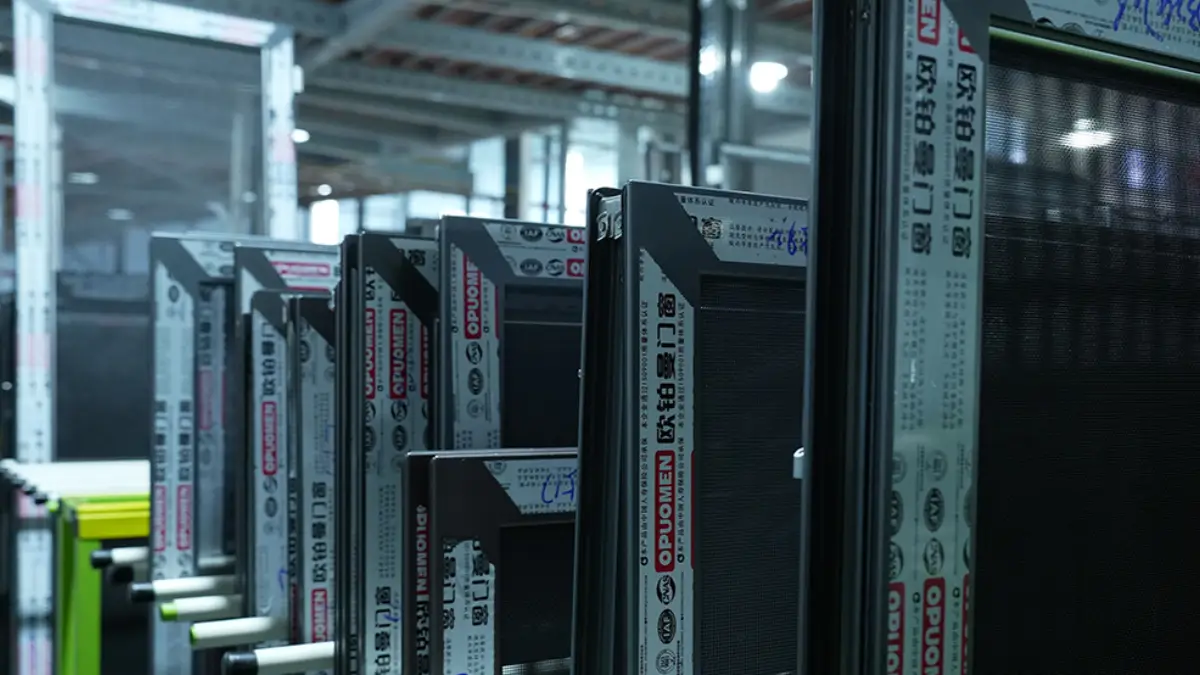
Akustische Leistungsstandards für die Privatsphäre von Gästezimmern
Guest room privacy depends on effective acoustic design. For aluminum doors, achieving the right sound isolation requires selecting appropriate STC ratings, tested door assemblies, and integrated sealing systems.
Defining Acoustic Performance Metrics and Goals
The primary metric for measuring airborne sound insulation is the Sound Transmission Class (STC). STC ratings are determined through ASTM E90 laboratory testing, which measures sound transmission loss across multiple frequencies, and ASTM E413, which converts test results into a single rating.
For aluminum guest room doors, typical privacy expectations include:
- STC 30: Limited privacy; normal speech may remain understandable.
- STC 35: Provides partial privacy, with loud speech reduced but still noticeable.
- STC 40: Provides good privacy, with speech typically heard only as a faint sound.
- STC 45+: Suitable for luxury applications requiring higher acoustic separation.
For glazed aluminum door systems, ASTM E1425 is also relevant because it evaluates acoustic performance of windows, Türen, and glazed assemblies. Hotel brands commonly specify higher STC requirements for premium properties, with luxury guest rooms often targeting STC 40 or above depending on local building requirements and tested door assemblies.
Corridor doors are often the weakest point in guest room sound control. Standard doors without acoustic seals may only achieve STC 28–34, while properly engineered aluminum doors with acoustic glazing, full perimeter seals, and tested assemblies can reach significantly higher ratings.
Strategies and Door Specifications for Achieving Privacy
High-performance aluminum door systems can achieve improved acoustic performance through laminated glass, insulated glazing units, multi-layer sealing systems, and properly engineered frames. Actual STC ratings depend on the complete tested assembly. The door should be specified as a complete acoustic system rather than as an individual component.
Zu den Schlüsselkomponenten gehören:
- Door leaf: High-mass construction with acoustic cores or laminated glazing to improve sound reduction.
- Rahmen: Rigid aluminum frames with precise tolerances to maintain consistent sealing performance.
- Sealing system: Continuous perimeter gaskets and automatic drop seals to eliminate sound leakage paths.
- Frame-to-wall connection: Proper anchoring and acoustic sealant around the frame perimeter to prevent sound bypass.
Recommended STC targets for aluminum hotel doors:
| Hotel Segment / Verwenden | Recommended Door STC |
|---|---|
| Mid-range guestroom doors | STC 32–34 minimum |
| Upper-upscale hotels | STC 36–40 |
| Luxury hotels and suites | STC 40–45+ |
Certified acoustic aluminum doorsets provide reliable and repeatable performance because the complete assembly—including door leaf, rahmen, Siegel, and hardware—is tested together. This ensures compliance with ASTM E90, E413, and E1425 requirements for hospitality projects.
Aluminum Door Specification Checklist for Acoustic Privacy
- Select the correct STC rating: Specify based on hotel segment and guest privacy expectations, with STC 40+ recommended for luxury applications.
- Require tested acoustic doorsets: Confirm the door, rahmen, Siegel, and hardware have been tested as a complete system.
- Use high-performance construction: Combine engineered aluminum frames, acoustic glazing, high-mass cores, and effective sealing systems.
- Control sound leakage: Ensure proper frame installation, acoustic sealants, and coordination with surrounding walls.
- Verify field performance: Confirm installed aluminum door systems achieve the required privacy standards for the project.
Thermal Efficiency and Energy Code Compliance Requirements
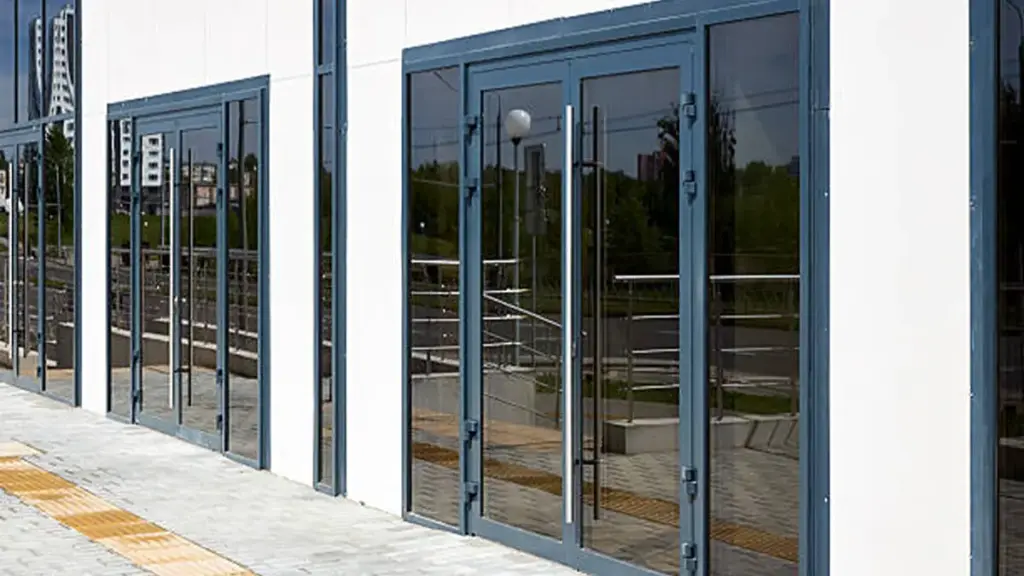
In Regionen mit strengen Energievorschriften, high-performance aluminum doors often require thermal breaks, advanced glazing, and effective sealing systems.
Achieving Thermal Performance in Aluminum Doors
- Thermal break systems using insulating materials such as PA66 reduce heat transfer through aluminum frames.
- Low-E-Beschichtungen, argon-filled IGUs, and multi-pane glazing improve insulation performance and reduce energy loss.
- High-quality EPDM seals and tested air/water resistance prevent infiltration and maintain long-term efficiency.
- Whole-door U-value should be evaluated as the primary indicator of thermal performance rather than glazing data alone.
2026 Energy Code Compliance and Specification Guidelines
Außerdem, commercial aluminum doors should include documented performance data for U-values, Luftleckage, and water resistance to verify compliance with local energy requirements. When specifying products, prioritize tested door configurations with thermal breaks, energieeffiziente Verglasung, and certified sealing systems to ensure reliable performance throughout the building lifecycle.
Anforderungen an Hochleistungshardware und Hochfrequenzzyklustests
Commercial aluminum doors require properly specified hardware and cycle-tested components to maintain reliable operation under frequent use.
Specifying Heavy-Duty Hardware for Durability
Hardware selection should match door size, traffic frequency, security requirements, and operating conditions. High-traffic aluminum doors typically require reinforced hinges, Drehpunkte, Schließer, Schlösser, and properly supported frame connections to prevent premature wear and alignment issues.
Effective specifications coordinate hardware preparation with the door construction. Reinforcement at hinge, sperren, and closer locations helps distribute loads through the door assembly, improving long-term performance. For demanding commercial applications, durable corrosion-resistant hardware and replaceable sealing components further extend service life.
High-Frequency Cycle Testing for Long-Term Performance
Cycle testing verifies that aluminum door hardware can withstand repeated operation without excessive wear, loosening, Fehlausrichtung, or loss of function. High-cycle requirements are especially important for entrances, Handelsgebäude, campuses, and other high-traffic openings.
Testing evaluates mechanical integrity, closing accuracy, reibungsloser Betrieb, and the durability of connected components. For reliable performance, aluminum doors should be specified as complete systems, including door leaves, Rahmen, reinforcements, Hardware, and accessories designed for the expected usage level.
Ästhetische Anpassung: Rahmenprofile und luxuriöse Oberflächenveredelungen
Aluminum door aesthetics are defined by frame profiles, Oberflächenveredelungen, and detailing choices that influence architectural style, perceived quality, and project value.
Custom Frame Profiles and Design Impact
Frame profiles directly influence the visual character of aluminum doors. Zu den gängigen Optionen gehören::
- Mitered profiles: Provide clean 45° corners and a seamless premium appearance, often used in high-end architectural projects.
- Butt-joint profiles: Offer a practical and cost-effective solution suitable for standard commercial applications.
- Tubular and structural profiles: Provide stronger visual presence and increased rigidity for large or heavy-duty luxury entrances.
- Slimline profiles: Reduce visible frame width to maximize glass area and create a modern minimalist appearance.
Profile selection affects both aesthetics and cost. Most architectural aluminum doors use 6063 alloy profiles because they provide a good balance of strength, Korrosionsbeständigkeit, and extrusion performance.
Luxury Surface Finishes and Material Appearance
Surface finishes define color, Textur, Haltbarkeit, and maintenance requirements. Common luxury options include:
- Eloxieren: Creates a durable metallic finish with excellent UV and corrosion resistance, commonly used for premium architectural doors.
- Pulverbeschichtung: Provides flexible color options, including RAL finishes, textures, and custom architectural colors.
- Wood-grain finishes: Deliver a natural wood appearance while maintaining aluminum durability and low maintenance.
- Custom coatings: Support unique colors, effects, and signature designs for specialized projects.
For contemporary luxury designs, slim frames with dark anodized or matte powder finishes create a minimalist appearance. Classical projects often combine stronger profiles with wood-grain finishes, while corporate and high-tech buildings may use structural profiles with metallic finishes to emphasize engineering quality.
Hardware, Griffe, Siegel, and frame colors should be coordinated with the overall design concept. These details help create a consistent premium appearance while maintaining long-term durability.
Mehrpunktverriegelungssysteme für Sicherheit und Einbruchschutz
Multi-point locking systems enhance aluminum door security by engaging multiple locking positions along the door height. This improves resistance against forced entry while maintaining long-term operational performance.
Core Mechanisms and Security Enhancements
A multi-point locking system secures the aluminum door sash to the frame through multiple points, typically including a central lock case with additional hooks, bolts, or rollers at the top and bottom. These locking points distribute closing pressure across the entire door leaf, improving resistance against prying, bending, and forced opening compared with traditional single-point locks.
For aluminum doors, these systems are designed to integrate with standard aluminum profiles and euro-groove configurations, ensuring proper alignment and reliable engagement with frame keeps. Mechanical and automatic versions are available depending on project security requirements.
Strategic Implementation and Long-Term Value
Maximum security performance depends on correct installation and supporting components. Reinforced lock and hinge zones, langlebige Hardware, Verbundglas, and precise frame installation work together to create a complete anti-burglary aluminum door system.
By 2026, multi-point locking systems have become a key security upgrade for commercial and high-end entrance doors. They can also integrate with smart access technologies, providing improved protection while supporting modern building access control requirements.
Why Choose Opuomen for Commercial Aluminum Door Projects
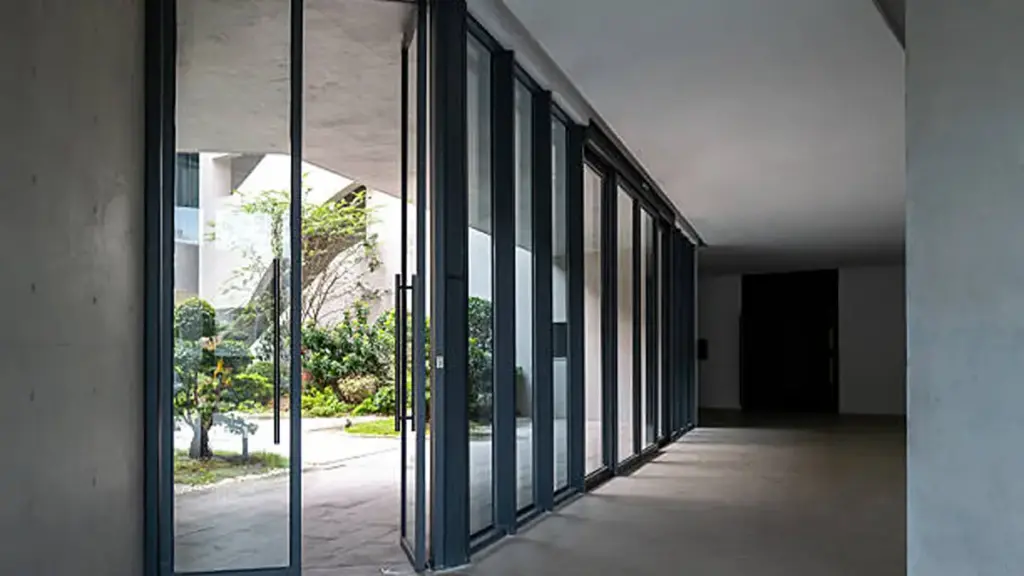
Selecting the right aluminum door supplier is essential for commercial projects that require consistent quality, zuverlässige Lieferung, und langfristige Leistung. Opuo specializes in customized aluminum door solutions for residential developments, Hotels, and large-scale architectural projects. With a 60,000㎡ production base and professional manufacturing capabilities, we provide integrated solutions covering aluminum profiles, Verglasungsoptionen, Hardware-Auswahl, und Oberflächenveredelungen.
Our aluminum door systems are engineered to meet the practical requirements of international projects, including durability, Energieeffizienz, Sicherheit, and aesthetic customization. Darüber hinaus, from design support to bulk production, Opuomen works closely with architects, Auftragnehmer, and distributors to deliver project-specific solutions with stable quality control. Supported by customized manufacturing services and a 5-year warranty, we help global buyers reduce sourcing risks while achieving reliable performance throughout the building lifecycle.
Letzte Gedanken
The lowest initial price does not always represent the lowest project cost. Understanding the true cost of aluminum doors requires evaluating suitable profiles, Verglasung, Hardware, and installation requirements together. Infolge, this approach helps reduce maintenance requirements and improves long-term building performance.
Stop guessing on material performance. Take the next step: contact our team to review detailed specifications and explore custom solutions for your next project. We are ready to help you optimize your bulk commercial bids with proven aluminum door systems.
Häufig gestellte Fragen
How much do commercial aluminum doors cost?
Commercial aluminum doors typically range from several hundred dollars to several thousand dollars per unit, abhängig vom Systemdesign, specifications, und Projektanforderungen.
Basic commercial aluminum doors with standard profiles and glazing are generally more cost-effective, while premium systems with thermal breaks, Hochleistungsglas, Hochleistungshardware, and customized finishes require a higher investment.
- Profilsystem: Thermal-break designs, reinforced profiles, and higher structural requirements can increase material costs.
- Glass specification: Low-E-Glas, Verbundglas, insulated glazing units (IGUs), and acoustic glazing affect overall pricing.
- Hardware selection: Hochleistungsscharniere, Mehrpunktverriegelungssysteme, and high-cycle hardware are typically required for commercial applications.
- Customization and volume: Large-scale projects may require customized designs, endet, and production planning that influence the final quotation.
Für kommerzielle Projekte, the lowest initial price does not always provide the best value. A complete cost evaluation should consider durability, Energieleistung, Wartungsanforderungen, and the expected service life of the aluminum door system.
Was macht eine Flügeltür zur besten Wahl für Luxushotels??
High-quality aluminum casement doors are widely used in luxury hotels because they combine modern aesthetics, guest comfort, Energieeffizienz, Sicherheit, und langfristige Haltbarkeit.
- Premium appearance: Slim aluminum profiles and large glass areas create a modern architectural look while supporting different hotel design styles.
- Better comfort: Thermische Pausen, Isolierverglasung, and high-performance seals improve insulation and reduce outside noise.
- Reliable performance: Strong aluminum frames and durable hardware support frequent daily operation in hospitality environments.
- Geringer Wartungsaufwand: Aluminum widersetzt sich der Korrosion, Feuchtigkeit, und Verformung, making it suitable for hotels, Resorts, Balkone, and terraces.
For luxury hotel projects, recommended specifications usually include thermal-break aluminum profiles, Low-E insulated glass, Mehrpunktverriegelungssysteme, and corrosion-resistant finishes.
Was ist die Standard-Schalldämmung für Flügeltüren in Wohnungen??
The typical soundproofing rating for aluminum casement doors in apartments is around STC 30–35 when using upgraded frames with acoustic glazing. Standard systems usually achieve about STC 25–30, while advanced acoustic designs can reach STC 40–50+ depending on glass type, Rahmendesign, and sealing performance.
- Glasauswahl: Verbundglas, thicker glass, and insulated glazing improve sound reduction.
- Frame performance: Thermal-break aluminum profiles provide better insulation and structural stability.
- Sealing system: Quality gaskets and multi-point locking reduce air leakage and improve acoustic performance.
For most apartment projects, aluminum casement doors with STC 30–35 provide a practical balance between privacy, kosten, und Leistung.
Wie vielen Öffnungszyklen sollten stark frequentierte Hoteltüren standhalten??
High-traffic hotel aluminum doors should typically withstand at least 500,000 Öffnungszyklen during their service life. Haupteingänge, Lobbys, and public areas often require higher-performance hardware designed for 1,000,000+ Zyklen.
- Haupteingänge: Recommended for 500,000–1,000,000+ cycles depending on traffic volume.
- Public areas: Require durable hinges, Schlösser, Schließer, and operators for continuous use.
- Wartung: Proper installation and regular inspection help achieve rated cycle performance.
For luxury hotels, selecting aluminum doors with high-cycle hardware ensures smoother operation, geringere Wartungskosten, and better guest experience.
Sind Aluminium-Flügeltüren für Hochhäuser energieeffizient??
Ja. Aluminum casement doors can provide excellent energy efficiency in high-rise buildings when combined with thermal-break frames, Hochleistungsverglasung, and proper sealing systems.
- Thermal-break frames: Reduce heat transfer through aluminum profiles.
- Hochleistungsglas: Low-E-Beschichtungen, Doppelverglasung, and insulated glass units improve insulation and solar control.
- Air-tight sealing: Quality gaskets help prevent air leakage under high-rise wind pressure.
The overall energy performance depends on the complete door system, including frame design, glass specification, Installationsqualität, und Testergebnisse.
Welche Zertifizierungen sind für Aluminiumtüren in gewerblichen Projekten erforderlich??
Commercial aluminum doors usually require certifications related to energy performance, structural safety, fire protection, Beschichtungen, and manufacturing quality. Requirements vary depending on building codes and project location.
- NFRC: Provides verified thermal performance data such as U-factor and SHGC for energy-efficient glazing systems.
- AMAMA 2604/2605: Confirms coating durability and weather resistance for commercial applications.
- UL and NFPA standards: Required for fire-rated doors and safety-related applications.
- ASTM E330: Used for structural performance and wind-load testing.
- ISO certifications: Demonstrate manufacturer quality and environmental management systems.
The correct certification package depends on the application, Standort, and performance requirements of the commercial project.