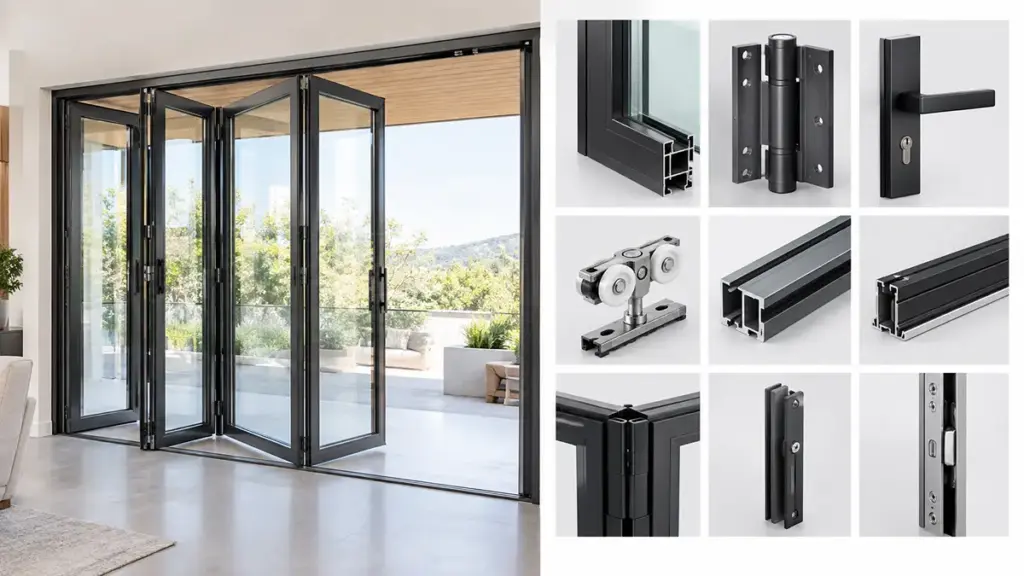
Sicherheit ist einer der wichtigsten Aspekte bei der Auswahl von Türsystemen für den Wohnbereich, kommerziell, Gastfreundschaft, und gemischt genutzte Siedlungen. Während Ästhetik und Haltbarkeit oft Kaufentscheidungen beeinflussen, Langzeitsicherheit und Betriebssicherheit sind gleichermaßen wichtig. Moderne Flügeltüren aus Aluminium sollen nicht nur ein elegantes architektonisches Erscheinungsbild bieten, sondern auch Sicherheit bieten, zuverlässig, und komfortablen täglichen Gebrauch.
Aluminium-Türsysteme werden weiterhin in einer Vielzahl architektonischer Anwendungen eingesetzt, Es wird immer wichtiger zu verstehen, wie Sicherheitsstandards funktionieren, Hardware-Technologien, und Wartungspraktiken tragen zur Gesamtleistung bei. In diesem Leitfaden werden die wichtigsten Sicherheitsaspekte für Aluminium-Flügeltüren erläutert, Unterstützung von Projektfachleuten dabei, fundierte Entscheidungen bei der Spezifizierung von Türsystemen für moderne Bauprojekte zu treffen.
Einführung in die Sicherheitsstandards für Flügeltüren
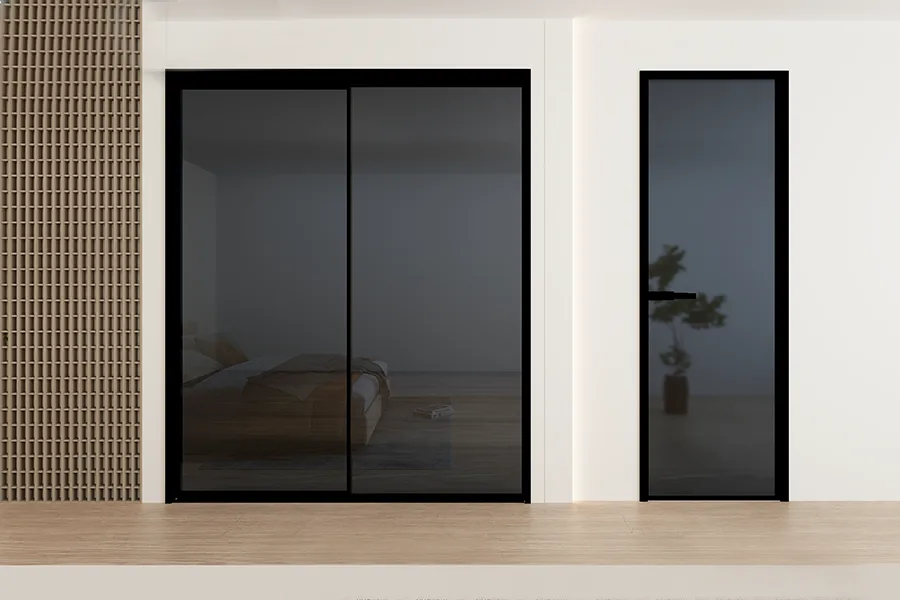
Sicherheitsstandards bilden einen wichtigen Rahmen für die Bewertung der Leistung moderner Türsysteme. Sie tragen dazu bei, dass Aluminium-Flügeltüren die im Wohnbereich erwarteten funktionalen Anforderungen erfüllen, kommerziell, und öffentliche Umgebungen.
Warum Sicherheitsstandards wichtig sind
Es gibt Sicherheitsstandards, um die Gebäudenutzer zu schützen und gleichzeitig einen zuverlässigen Gebäudebetrieb zu unterstützen. Sie legen Leistungserwartungen im Zusammenhang mit der strukturellen Stabilität fest, Integrität der Verglasung, Haltbarkeit der Hardware, und Notzugänglichkeit.
Für Projektentwickler und Planer, Das Verständnis der geltenden Sicherheitsanforderungen trägt dazu bei, dass Aluminium-Flügeltüren den örtlichen Bauvorschriften und Projektzielen entsprechen. Compliance ist nicht nur eine regulatorische Anforderung. Es trägt auch zur langfristigen Zuverlässigkeit und zum Vertrauen der Benutzer bei.
Integration von Sicherheit in modernes Türdesign
Moderne Flügeltüren aus Aluminium wurden unter Berücksichtigung mehrerer Sicherheitsaspekte entwickelt. Hersteller integrieren verstärkte Hardwaresysteme, langlebige Rahmenkonstruktionen, und kompatible Verglasungsoptionen zur Unterstützung eines sicheren Betriebs.
Anstatt Sicherheit als optionale Funktion zu betrachten, Zeitgemäßes Türdesign integriert Schutzmaßnahmen in die gesamte Produktarchitektur. Dieser Ansatz trägt dazu bei, dass die Sicherheit während des täglichen Gebrauchs gleich bleibt.
Die Beziehung zwischen Design und Leistung
Sicherheitsstandards beeinflussen viele Aspekte des Türdesigns, inklusive Rahmenkonstruktion, Hardware-Auswahl, Verglasungsspezifikationen, und betriebliche Funktionalität.
Korrekt spezifizierte Aluminium-Flügeltüren können sowohl architektonischen Wert als auch zuverlässige Sicherheitsleistung bieten, ohne dass die Ästhetik oder Benutzerfreundlichkeit beeinträchtigt wird. Die schwereren laminierten und isolierten Einheiten. Für große Flügeltüren, verwenden 3+3 Laminarglas oder dickere Verbundkonstruktionen mit geeignetem Aluminiumrahmen.
Werten Sie Ihre Projekte mit Premium-Aluminium-Holztüren auf
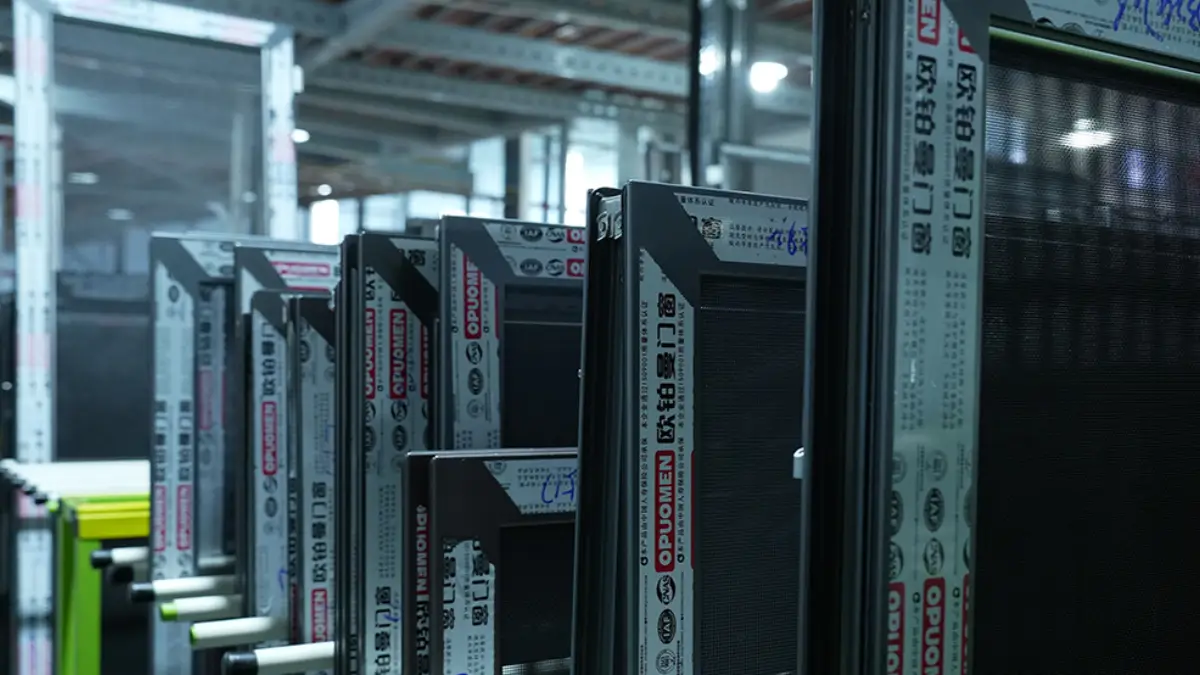
Verglasungssicherheit: Spezifizierung von gehärtetem und laminiertem Sicherheitsglas
Die Auswahl des Glases spielt eine wichtige Rolle für das Sicherheitsprofil von Aluminium-Flügeltüren. Da viele moderne Architekturentwürfe große Glasflächen beinhalten, Die Auswahl des geeigneten Sicherheitsglases ist von entscheidender Bedeutung.
Gehärtetes Sicherheitsglas verstehen
Gehärtetes Glas soll die Sicherheit verbessern, indem es das Bruchmuster des Glases verändert. Anstatt in große, scharfe Fragmente zu zerbrechen, Gehärtetes Glas zerbricht normalerweise in kleinere Stücke, was das Risiko schwerer Verletzungen verringert.
Für Aluminium-Flügeltüren im Wohn- und Gewerbebau, Gehärtetes Glas wird häufig ausgewählt, um die Sicherheit der Insassen zu gewährleisten und gleichzeitig die optische Offenheit und natürliche Lichtdurchlässigkeit zu gewährleisten. Seine Langlebigkeit trägt auch in häufig genutzten Türsystemen zur Alltagssicherheit bei.
Die Vorteile von Verbundglas
Verbundglas besteht aus mehreren Glasschichten, die durch eine Zwischenschicht miteinander verbunden sind. Bei Aufprall, Das Glas könnte brechen, aber die Zwischenschicht hilft dabei, die Fragmente zurückzuhalten und eine Barriere aufrechtzuerhalten.
Diese Eigenschaft bietet zusätzliche Sicherheit Vorteile für Aluminium-Flügeltüren, insbesondere bei Anwendungen, bei denen ein verbesserter Schutz und ein kontrolliertes Bruchverhalten gewünscht sind.
Verbundverglasungen können auch zur akustischen Leistung und zum Komfort der Bewohner beitragen, Dadurch eignet es sich für eine Vielzahl von Projektumgebungen.
Anpassung der Verglasungsspezifikationen an die Projektanforderungen
Die passende Verglasungslösung hängt von der konkreten Anwendung ab. Wohnprojekte, Gastgewerbeeinrichtungen, Bildungsgebäude, und kommerzielle Entwicklungen können jeweils unterschiedliche Sicherheitserwartungen haben.
Bei der Spezifikation von Aluminium-Flügeltüren, Projektteams sollten neben den Sicherheitszielen auch die Anforderungen an die Verglasung bewerten, architektonische Gestaltungsziele, und regulatorische Überlegungen, um das beste Gesamtergebnis zu erzielen.
Mechanische Schutzmaßnahmen: Wie Mehrfachverriegelungen Einbrecher abschrecken
Sicherheit ist ein entscheidender Aspekt der Türsicherheit, insbesondere bei Projekten, bei denen Zugangskontrolle und Eigentumsschutz Priorität haben. Moderne Schließtechnologien spielen eine wichtige Rolle bei der Verbesserung der Sicherheitsleistung von Aluminium-Flügeltüren.
Mehrpunktverriegelungstechnologie verstehen
Im Gegensatz zu herkömmlichen Einzelpunktschlössern, Mehrpunktverriegelungssysteme sichern die Tür an mehreren Stellen entlang des Rahmens. Dadurch wird eine gleichmäßigere Sperrkraftverteilung erreicht und die Widerstandsfähigkeit gegen unbefugte Zutrittsversuche verbessert.
Für Aluminium-Flügeltüren, Mehrpunkt-Verriegelungssysteme sorgen für einen festen Rahmeneingriff und unterstützen gleichzeitig die Sicherheit und die Wetterabdichtungsleistung.
Das Ergebnis ist ein Türsystem, das sich während des Betriebs sicherer anfühlt und einen besseren Schutz für Insassen und Eigentum bietet.
Verbesserung des strukturellen Widerstands durch verteilte Verriegelung
Durch gleichzeitiges Einrasten mehrerer Verriegelungspunkte, die Tür erfährt eine ausgewogenere Kraftverteilung. Dies reduziert lokale Spannungen und trägt zur Gesamtstabilität des Systems bei.
In vielen gewerblichen und privaten Anwendungen, Aluminium-Flügeltüren, die mit Mehrpunktverriegelungssystemen ausgestattet sind, bieten im Vergleich zu herkömmlichen Verriegelungskonfigurationen ein höheres Maß an Sicherheit.
Die zusätzlichen Angriffspunkte erschweren die Manipulation der Türstruktur bei Einbruchsversuchen.
Unterstützung von Komfort und Sicherheit im Alltag
Dabei bleibt Sicherheit das vorrangige Ziel, Mehrpunktverriegelungen tragen ebenfalls zum Benutzerkomfort bei. Ein reibungsloser Eingriff und ein zuverlässiger Betrieb tragen dazu bei, dass die Bewohner die verfügbaren Sicherheitsfunktionen konsequent nutzen.
Für moderne Aluminium-Flügeltüren, Sicherheit und Benutzerfreundlichkeit sollten zusammenarbeiten und nicht miteinander konkurrieren. Bei stark beanspruchten Passagen ist eine ordnungsgemäße Wartung von entscheidender Bedeutung, wo das Ausfallrisiko durch häufigen Gebrauch und größere Kräfte höher ist.
Einklemmschutz und Kindersicherung für den täglichen Gebrauch
Die tägliche Benutzerinteraktion führt zu einzigartigen Sicherheitsaspekten, insbesondere bei Wohnimmobilien, Bildungseinrichtungen, und familienorientierte Entwicklungen.
Wichtige Sicherheitsmechanismen und Hardware für Flügeltüren
Um das Einklemmen der Finger zu verhindern und das unbeaufsichtigte Öffnen zu kontrollieren, Aluminium-Flügeltüren verwenden spezielle Beschläge. Einklemmschutzabdeckungen bzw. schirmen die Scharnier- und Schließkanten ab. Öffnungsbegrenzer und -begrenzer verringern die Schwenkweite einer Tür. Kindersicherungen sorgen für zusätzliche Barriere, Zum Öffnen ist die Aktion eines Erwachsenen erforderlich.
Mehrere Hardwaretypen erfüllen diese Sicherheitsanforderungen:
- Scharnierseitiger Klemmschutz: Hierbei handelt es sich um einfache Schutzabdeckungen oder -leisten, die in der Nähe des Scharniers oder der Schließkante angebracht werden. Sie reduzieren die exponierte Quetschstelle.
- Wegbegrenzer: Diese mechanischen Anschläge, Kabelbegrenzer, oder Schlossbegrenzer begrenzen den Öffnungswinkel bzw. -abstand.
- Sekundärschlösser: Zusatzverschlüsse, Schlüsselschlösser, oder Stiftschlösser erfordern zum Lösen die Geschicklichkeit eines Erwachsenen.
- Reibungseinstellung beim manuellen Schließen: Sofern die Türbeschläge dies zulassen, Durch die Anpassung der Schließkraft kann verhindert werden, dass die Tür zu schnell zuschlägt. Dies funktioniert am besten mit einer Drossel oder einem Schutz.
Effektive Anwendung und Wartung von Sicherheitsfunktionen
Durch die korrekte Anwendung und Wartung dieser Sicherheitsfunktionen wird sichergestellt, dass sie wie vorgesehen funktionieren. Testen Sie den Schließpfad immer nach der Installation. Dies bestätigt, dass die Schutzvorrichtung oder der Anschlag die Abdichtung nicht beeinträchtigt, einrastend, oder Dichtungsstreifen.
- Wählen Sie kompatible Hardware: Wählen Sie Produkte für Aluminiumrahmen aus. Einige Kindersicherungsprodukte für Schiebetüren oder -fenster passen ohne Modifikation möglicherweise nicht zu Beschlägen im Flügelstil.
- Sorgen Sie für eine einfache Freigabe durch Erwachsene: Sorgen Sie dafür, dass alle Begrenzer für Erwachsene leicht zu lösen sind. Dies ist wichtig für den Notausgang, speziell für nach außen öffnende Türen.
- Überprüfen Sie die Befestigungselemente regelmäßig: Schrauben in Aluminiumrahmen können sich mit der Zeit lösen. Auch die wiederholte Anwendung kann zu einer Verschiebung der Ausrichtung führen, Überprüfen Sie daher die Befestigungselemente häufig.
- Vermeiden Sie es, sich auf Bildschirme zu verlassen: Bildschirme verhindern weder Stürze noch das Öffnen von Türen. Verwenden Sie spezielle Sicherheitshardware.
- Messen Sie sorgfältig: Messen Sie den Schwenkweg und die Spaltgröße, bevor Sie ein Gerät auswählen. Einklemmschutzprodukte müssen zur Türgeometrie und zum Scharnierabstand passen.
- Richtig montieren: Vermeiden Sie die Montage von Zusatzschlössern und -anschlägen an Glas- oder Strukturschwachstellen. Installieren Sie sie mit Schrauben im Rahmen oder im festen Flügelbereich.
- Bestätigen Sie das Einrasten der Verriegelung: Einige Kindersicherungszusätze können die Türausrichtung verändern oder die Schließkraft verringern, wenn sie zu fest installiert werden. Stellen Sie sicher, dass die Verriegelung nach den Einstellungen richtig einrastet.
Für den effektivsten Schutz, Kombinieren Sie einen Einklemmschutz, ein Öffnungsbegrenzer, und ein kindersicheres Schloss. Geräte, die dauerhaft installiert bleiben, behindern Sie nicht den normalen Betrieb, und ermöglichen eine schnelle Freigabe durch Erwachsene und eignen sich am besten für den häufigen Gebrauch.
Compliance beim Notfallausgang und Schnellfreigabefunktion

Die Zugänglichkeit im Notfall ist ein entscheidender Aspekt der Gebäudesicherheit. In bestimmten Situationen, Türsysteme können bei Notfällen als wichtige Fluchtwege dienen.
Ausgangsstandards und lichte Öffnungsmessung
Mit Flügeltüren aus Aluminium, Das Rahmenmaterial ist weniger wichtig als die tatsächliche lichte Öffnung. Die Tür muss im vollständig geöffneten Zustand einen ungehinderten Durchgang ermöglichen. Dies bedeutet, dass Scharniere berücksichtigt werden müssen, stoppt, Hardware, und etwaige teilweise Behinderungen durch Bildschirme oder Gitter.
Eine Tür, die auf dem Papier groß genug aussieht, entspricht möglicherweise nicht den Ausgangsregeln. Die nutzbare Öffnung muss der erforderlichen Breite entsprechen, Höhe, und Fläche, gemessen in geöffneter Position.
Zu den häufigsten Gründen für Compliance-Verstöße gehören:: Die Nettoöffnungsfläche ist zu klein, Die Schwelle ist zu hoch, oder Sicherheitsfunktionen erfordern Werkzeuge zum Entfernen. Die örtlichen Bauvorschriften können variieren, Informieren Sie sich daher immer über die Besonderheiten Ihrer Gerichtsbarkeit.
Eine Überprüfung vor Ort ist unerlässlich. Nach der Installation, Öffnen Sie das Gerät vollständig und messen Sie die lichte Öffnung direkt. Die Unterlagen sollten diese Maße dokumentieren, zusammen mit der Schwellenhöhe, Freigabemethode, innere Bedienbarkeit, und jegliches Abschirmungs- oder Sicherheitszubehör.
Balance zwischen Sicherheit und Zugänglichkeit
Eine der Herausforderungen bei der Türkonstruktion besteht darin, die Sicherheitsanforderungen mit den Notzugangsanforderungen in Einklang zu bringen. Hochsichere Schließsysteme müssen den berechtigten Bewohnern weiterhin den Ausstieg ohne unnötige Verzögerungen ermöglichen.
Modern Flügeltüren aus Aluminium kann so konfiguriert werden, dass beide Ziele unterstützt werden, Wir tragen dazu bei, dass Sicherheit und Schutz vereinbar bleiben.
Schnellverschlussfunktionen und einfache Bedienung
Die Schnellverschlussfunktion kann die Nutzbarkeit im Notfall verbessern, indem sie bei Bedarf ein schnelles Öffnen von Türen ermöglicht. Eine einfache und intuitive Bedienung ist besonders in öffentlichen Gebäuden und Umgebungen mit hoher Auslastung wichtig.
Durch Berücksichtigung der Notausstiegsanforderungen bei der Spezifikation und Installation, Projektteams können dazu beitragen, dass Aluminium-Flügeltüren einen positiven Beitrag zur allgemeinen Gebäudesicherheit leisten.
Wartungsroutinen zur Wahrung der strukturellen Schlossintegrität
Selbst die am besten konzipierten Sicherheitsfunktionen erfordern eine ständige Wartung, um wirksam zu bleiben. Regelmäßige Inspektionen und Wartungsarbeiten tragen dazu bei, die Sicherheit und Funktionalität von Aluminium-Flügeltüren langfristig zu gewährleisten.
Verhinderung von Hardwareverschlechterung
Mechanische Komponenten unterliegen im Laufe der Zeit naturgemäß einem Verschleiß. Durch regelmäßige Inspektionen können Wartungsteams sich entwickelnde Probleme erkennen, bevor sie die Sicherheitsleistung beeinträchtigen.
Für Aluminium-Flügeltüren, Wartung der Scharniere, Schlösser, Reibung bleibt, und Dichtungssysteme tragen dazu bei, sowohl die Betriebssicherheit als auch die strukturelle Integrität zu bewahren.
Aufrechterhaltung der Sperrleistung
Verriegelungssysteme sollten regelmäßig überprüft werden, um sicherzustellen, dass sie ordnungsgemäß einrasten und ausgerichtet sind. Ein reibungsloser Betrieb zeigt an, dass die Hardwarekomponenten in gutem Zustand bleiben und weiterhin das vorgesehene Maß an Sicherheit bieten.
Eine konsequente Wartung trägt dazu bei, dass Aluminium-Flügeltüren sicher bleiben und gleichzeitig unerwartete Betriebsprobleme vermieden werden.
Etablierung einer vorbeugenden Wartungsstrategie
Vorbeugende Wartung ist im Allgemeinen effektiver und wirtschaftlicher als reaktive Reparaturen. Ein strukturiertes Wartungsprogramm ermöglicht es Gebäudeeigentümern, die Lebensdauer von Aluminium-Flügeltüren zu maximieren und gleichzeitig ihre sicherheitsrelevanten Funktionen zu schützen.
Die langfristige Leistung hängt nicht nur von der Produktqualität ab, sondern auch von fortlaufender Pflege und Inspektion.
Letzte Gedanken
Sicherheit wird nicht durch ein einzelnes Merkmal bestimmt. Stattdessen, es resultiert aus der kombinierten Leistung von Verglasungssystemen, Schließtechnologien, unterstützende Hardware, Notfall-Zugänglichkeitsfunktionen, Installationsqualität, und laufende Wartung. Wenn alle diese Elemente effektiv zusammenarbeiten, Aluminium-Flügeltüren können eine sichere Lösung bieten, dauerhaft, und benutzerfreundliche Lösung für ein breites Spektrum architektonischer Anwendungen.
Bei Opuo, Jede Aluminium-Türlösung wird unter Berücksichtigung der Funktionalität entwickelt, Haltbarkeit, und praktische Anwendungsbedürfnisse. Durch die Kombination von modernem Design mit sorgfältig entwickelter Hardware und Systemleistung, Opuomen unterstützt Projekte, die sowohl architektonischen Wert als auch einen zuverlässigen Alltagsbetrieb erfordern.