Comprender cómo asegurar puertas corredizas es esencial porque el sistema de bloqueo, estructura del marco, y la configuración del vidrio afectan directamente el desempeño de seguridad general de una propiedad. Los pestillos básicos de un solo punto utilizados en algunas puertas corredizas tradicionales pueden brindar una protección limitada en comparación con los sistemas modernos de bloqueo multipunto..
Esta guía explica cómo las diferentes actualizaciones de hardware y opciones de vidrio pueden mejorar el rendimiento de seguridad de las puertas corredizas.. Evaluamos el rendimiento de las cerraduras de doble cerrojo., componentes de vía anti-levantamiento, y capas intermedias laminadas como PVB y SGP para establecer una confiabilidad, estándar de seguridad multicapa.
Cómo asegurar puertas correderas de forma eficaz
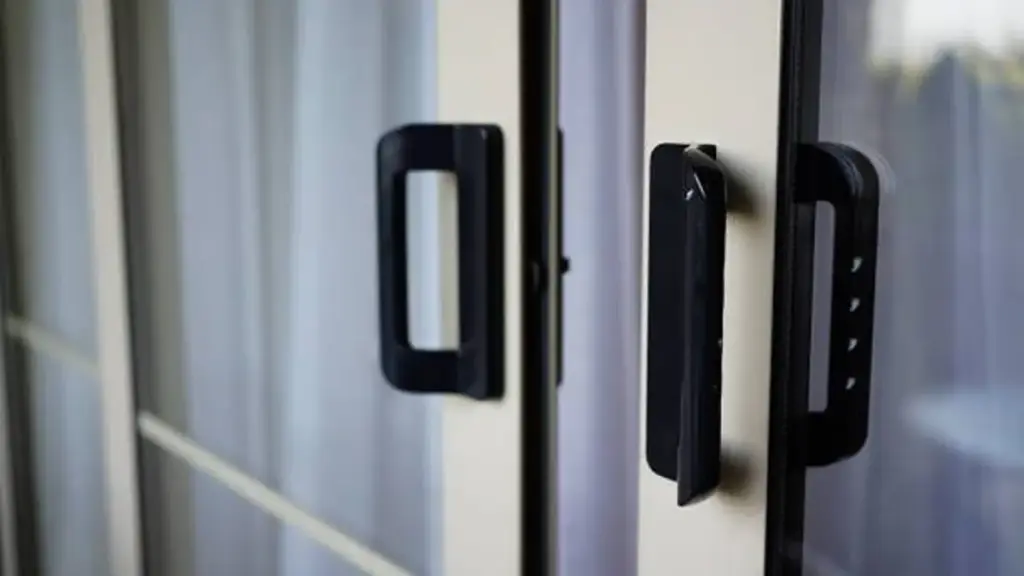
Mejorar la seguridad de las puertas corredizas requiere una combinación de herrajes de bloqueo confiables, anti-lift protection, acristalamiento reforzado, y correcta instalación.
Barreras mecánicas y mejoras de vías
Los sistemas básicos de bloqueo de un solo punto utilizados en algunas puertas corredizas tradicionales pueden brindar menos protección en comparación con las soluciones modernas de bloqueo de múltiples puntos.. Puede reforzar inmediatamente estos puntos de entrada asegurando las orugas y el marco con barreras físicas resistentes..
- Bloqueadores de vías y rejas de seguridad.: Coloque una barra resistente o una clavija de madera calibrada en el riel inferior para evitar que la puerta se deslice incluso si un intruso anula la cerradura principal..
- Tornillos y bloques anti-levantamiento: Instale tornillos o bloques especializados en el riel superior para eliminar el juego vertical., Evitar que intrusos saquen el panel de su marco..
- Pernos de pie y cerraduras de pasador: Monte cerraduras de pasador de acero o pernos activados con el pie para unir el panel de operación directamente al marco., agregando un punto de bloqueo secundario altamente resistente.
Dispositivos de monitoreo y protección de vidrio
Los paneles de vidrio grandes son una consideración importante al diseñar sistemas de puertas correderas seguras porque el rendimiento del acristalamiento afecta tanto a la seguridad como a la resistencia a la intrusión.. Reforzar el cristal y añadir sistemas de detección activa neutraliza esta vulnerabilidad.
- Película de seguridad de alta resistencia: Aplique una película adhesiva de 8 mil o más gruesa en la cara interior del vidrio para mantener unidos los fragmentos bajo impacto., retrasar la entrada física.
- Sensores de contacto y rotura de cristales: Coloque sensores de alarma inalámbricos en el marco y el vidrio para activar alertas inmediatas en el momento en que un intruso intente una infracción..
- Iluminación activada por movimiento: Posición brillante, luces exteriores para iluminar el acceso al patio, despojar a los intrusos de la cubierta oscura en la que confían.
Riesgos comunes de seguridad de las puertas correderas
Las puertas corredizas estándar presentan vulnerabilidades de entrada críticas debido a pestillos débiles, riesgos de levantamiento, vidrio frágil, y malos hábitos operativos.
Debilidades estructurales y de hardware
Algunas puertas correderas antiguas o de menor rendimiento pueden tener limitaciones de seguridad causadas por hardware obsoleto., refuerzo insuficiente, o instalación inadecuada. Estas vulnerabilidades mecánicas permiten a los intrusos eludir los puntos de entrada estándar de forma rápida y silenciosa..
- Pestillos débiles de un solo punto: Los pestillos de gancho estándar se rompen o fallan fácilmente cuando se los somete a una fuerza de palanca directa..
- Seguimiento de la vulnerabilidad de elevación: Los intrusos pueden levantar físicamente los paneles deslizantes no asegurados directamente de sus carriles desde el exterior..
- Paneles de vidrio frágiles: El vidrio templado de un solo panel o sin protección se rompe en segundos, permitiendo un acceso rápido a las cerraduras.
- Marcos flexibles: Los marcos de menor calidad con refuerzo insuficiente pueden sufrir deformaciones bajo una fuerza excesiva..
Actualización a cerraduras multipunto y bloques de vidrio reforzado estos bypass mecánicos, obligar a los intrusos a enfrentarse a una gran resistencia y a un ruido fuerte.
Vulnerabilidades operativas y situacionales
Incluso el hardware robusto falla si los hábitos y las condiciones físicas diarias crean brechas de seguridad. Los intrusos aprovechan activamente los descuidos situacionales y los problemas de mantenimiento para poder entrar..
- Aperturas no seguras: Dejar las puertas desbloqueadas o ligeramente entreabiertas para ventilación crea una, invitación sencilla para el robo sin cita previa.
- Colocación de baja visibilidad: Las puertas de patio que dan a áreas aisladas del patio trasero brindan a los ladrones la privacidad y el tiempo que necesitan para pasar desapercibidos..
- Mal mantenimiento: La suciedad acumulada y los rodillos desgastados causan problemas de alineación, evitando que el pestillo se enganche completamente.
- Brechas calzadas: Los herrajes sueltos y los marcos deformados dejan espacios visibles que permiten desviaciones simples de herramientas..
Asegurar estos puntos de entrada requiere una combinación de estricta disciplina de bloqueo., mantenimiento rutinario de vías, e iluminación estratégica del paisaje para eliminar los puntos ciegos.
Soluciones premium de puertas corredizas para proyectos globales
Sistemas de bloqueo de puertas corredizas y actualizaciones de hardware
Los pestillos de las puertas corredizas estándar fallan al hacer palanca básica. Asegurar estos puntos de entrada requiere una configuración en capas de cerraduras mecánicas de alta resistencia., hardware anti-elevación, y copias de seguridad físicas inteligentes.
| Tipo de hardware | Función de seguridad primaria | Rendimiento de seguridad |
|---|---|---|
| Cerradura de embutir de alta resistencia | Proporciona un cierre de bloqueo más fuerte en comparación con los sistemas de pestillo básicos al asegurar el panel deslizante más profundamente en el marco.. | Medio a alto |
| Sistema de bloqueo multipunto | Bloquea la puerta corrediza en múltiples puntos a lo largo del marco., Distribuir la fuerza de manera más uniforme y mejorar la estabilidad general.. | Alto |
| Cerradura de doble perno | Ancla el panel de la puerta en los puntos superior e inferior para reducir los riesgos de elevación y mejorar la resistencia contra movimientos forzados.. | Alto |
| Abrazaderas de riel & Cerraduras de pasador | Crea una barrera física adicional al restringir el movimiento deslizante y conectar el panel móvil con el marco fijo.. | Medio a alto |
| Cerradura electromagnética | Utiliza fuerza de retención magnética con integración de control de acceso, Adecuado principalmente para edificios comerciales y aplicaciones de entrada controlada.. | Dependiente de la aplicación |
Actualizaciones de cerraduras mecánicas y hardware antilevantamiento
Las cerraduras de gancho estándar de fábrica dependen de resortes internos débiles que ceden rápidamente ante una palanca básica.. Los instaladores de seguridad reemplazan estos pestillos básicos con unidades de mortaja de alta resistencia y placas de cierre reforzadas.. Anclar estas placas de impacto en los montantes estructurales de la pared en lugar de molduras de madera finas evita que el marco se parta localmente bajo presión..
Los ataques curiosos aprovechan la flexión del marco. Agregar hardware auxiliar evita que los intrusos doblen la puerta lo suficiente como para desactivar la cerradura.
- Cerraduras de doble cerrojo: Los instaladores montan estas cerraduras en los rieles superior e inferior.. Este anclaje de doble punto bloquea el despegue vertical y detiene los ataques de curiosidad..
- Cerraduras y abrazaderas de riel: Estos dispositivos se atornillan firmemente en el riel inferior., sirviendo como un tope físico que bloquea el deslizamiento horizontal.
- barras charley: Esta barra de metal se articula desde el marco y se pliega detrás del panel de operación para cerrar la puerta bajo carga..
- Cerraduras de pasador de acero endurecido: Insertar un pasador de acero sólido a través del marco dentro del marco del panel une ambas unidades para eliminar las tolerancias de deslizamiento y elevación..
Elegante, Electrónico, y sistemas de acceso de alta seguridad
El acceso electrónico añade verificación remota a los paneles corredizos. Las integraciones de cerraduras inteligentes ofrecen entrada sin llave, seguimiento de actividad en tiempo real, y alertas de estado. Sin embargo, La comodidad electrónica no puede sustituir a la resistencia mecánica.. Las configuraciones de alta seguridad combinan interfaces inteligentes con cerrojos físicos robustos y copias de seguridad manuales para preservar las opciones de entrada durante cortes de energía..
El uso de herrajes operados con llave en una puerta corrediza para patio requiere un equilibrio estricto entre la seguridad física y los protocolos de seguridad humana..
- Sistemas de cerradura de cilindro: Las cerraduras de cilindro reforzadas brindan acceso controlado mientras trabajan junto con mecanismos de bloqueo multipunto para asegurar el panel de la puerta corrediza..
- Cerraduras electromagnéticas: Comúnmente utilizado en aperturas comerciales y entornos de acceso controlado., Estos sistemas proporcionan fuerza de sujeción adicional cuando se integran con el hardware de control de acceso adecuado..
- Fuentes de alimentación dedicadas: Las unidades de bloqueo magnético dependen de la electricidad continua. Los instaladores los conectan a una fuente de alimentación dedicada con baterías de respaldo para mantener la seguridad durante los cortes..
Independientemente del sistema elegido, hacer coincidir los herrajes con el marco estructural limita la flexión y evita que las herramientas de derivación se deslicen entre los paneles. La selección adecuada del hardware también es fundamental para el rendimiento a largo plazo., especialmente en proyectos que requieren configuraciones personalizadas. Consulte nuestro Guía de selección de herrajes para puertas de aluminio. para más consideraciones.
Opciones de vidrio para una mejor protección
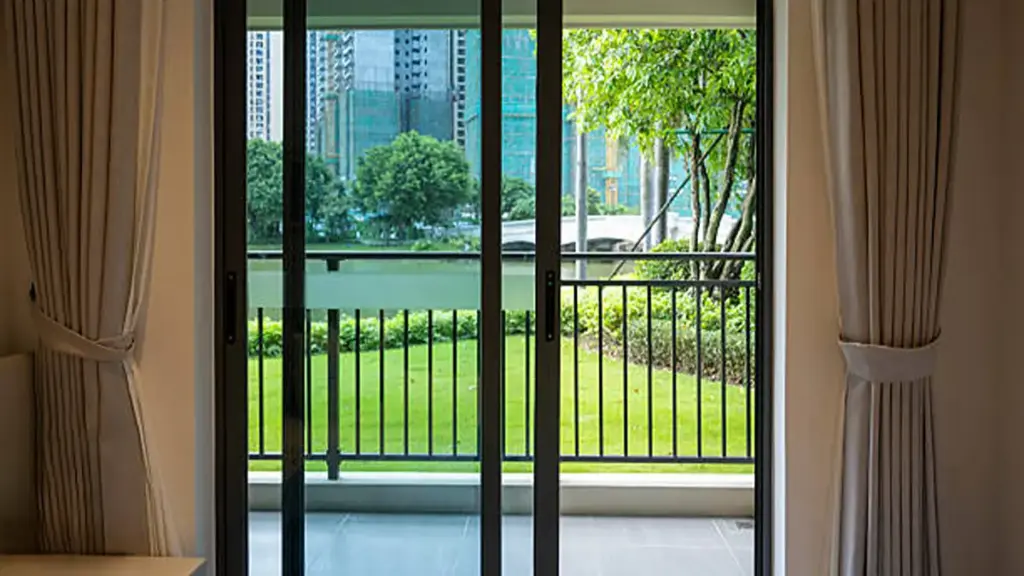
Actualizar el vidrio de las puertas corredizas desde capas intermedias templadas estándar a capas intermedias laminadas de PVB o SGP retrasa significativamente la entrada forzada, aumentando significativamente la resistencia a la entrada forzada y retrasando el acceso no autorizado.
Las puertas corredizas estándar se envían con vidrio de seguridad básico que no detiene a un intruso.. La construcción de una barrera resistente requiere capas intermedias especializadas que mantengan unido el conjunto de vidrio después del impacto..
Comparaciones de rendimiento de capas intermedias de vidrio templado y laminado
Diferentes configuraciones de vidrio producen tiempos de retardo muy diferentes durante un intento de robo. La elección del material adecuado determina si una barrera falla inmediatamente o se mantiene bajo un ataque sostenido.:
- Límites del vidrio templado: El vidrio templado estándar mejora la seguridad porque se rompe en pequeños fragmentos cuando se daña, pero no proporciona el mismo rendimiento de retención post-rotura que el vidrio laminado.
- Vidrio laminado PVB: El vidrio laminado PVB mejora el rendimiento de seguridad al mantener unidos los vidrios rotos después del impacto, ayudando a mantener una barrera después del daño.
- Capas intermedias SGP: Las capas intermedias SGP proporcionan una mayor rigidez y un mejor rendimiento post-rotura en comparación con las opciones tradicionales de vidrio laminado..
- Estándares de espesor: Las instalaciones residenciales suelen utilizar 0.38 mm a 0.76 mm capas intermedias, mientras que los sitios comerciales o de alto riesgo requieren 1.52 Laminados multicapa de mm o más gruesos..
La selección de la capa intermedia adecuada determina directamente cuánto tiempo su entrada puede resistir un ataque físico., dar tiempo a los equipos de respuesta para reaccionar.
Calificaciones de impacto, Películas de modernización, e integración completa del sistema
El endurecimiento del vidrio sólo es efectivo cuando se integra en una defensa estructural integral. Los herrajes no reforzados o los marcos débiles simplemente invitan a los intrusos a pasar por alto el vidrio por completo..
- Vidrio resistente a impactos: La combinación de capas termoendurecidas con PVB o SGP multicapa protege contra fuerzas físicas extremas y cargas de viento elevadas..
- Reequipamiento de películas de seguridad: Una película de 8 mil o más gruesa proporciona una capa de contención de bajo costo para el vidrio existente., pero carece de la durabilidad a largo plazo de las unidades laminadas de fábrica.
- Integración del sistema: El acristalamiento mejorado requiere cerraduras multipunto, marcos reforzados, y bloques de vía anti-levantamiento para evitar hacer palanca y levantar desvíos.
- Monitoreo activo: Los sensores y alarmas de rotura de cristales detectan las vibraciones iniciales del impacto., alertar a los sistemas de monitoreo mientras la capa intermedia mantiene físicamente a raya la amenaza.
Una mejora segura del vidrio solo funciona cuando el marco y las cerraduras circundantes coinciden con su resistencia física., evitando un bypass mecánico fácil.
Factores de instalación que afectan la seguridad de las puertas correderas
Una mala instalación compromete incluso las cerraduras de alta calidad. La verdadera seguridad depende del anclaje estructural, alineación precisa del marco, y eliminar espacios físicos que los intrusos explotan con herramientas de palanca.
Alineación estructural y anclaje del marco
La estabilidad del marco constituye la base de cualquier barrera física.. Cuando el marco de una puerta corredera se mueve o se arquea bajo presión, el mecanismo de bloqueo no se engancha de forma segura, dejando la apertura vulnerable a las herramientas básicas.
- Cuadrado, Sondear, y posicionamiento de nivel: La verificación de la alineación exacta del marco garantiza el acoplamiento completo del pestillo de la cerradura y elimina los espacios de apalancamiento que los intrusos pueden aprovechar.
- Fijación directa del marco al montante: Colocar tornillos estructurales directamente a través del marco en los montantes de la pared evita que el marco se doble o se salga bajo presión de entrada forzada..
- Ajustes de altura del rodillo: El ajuste de los rodillos mantiene un cierre de panel cuadrado., que impide que los intrusos aprovechen los pestillos parcialmente enganchados.
- Paneles de alféizar impermeables: La instalación de un alféizar impermeable preserva la estructura de madera circundante, mantener los puntos de anclaje estructurales fuertes y libres de putrefacción con el tiempo.
Sin anclaje profundo a montantes estructurales, Las cerraduras caras proporcionan una falsa sensación de seguridad.. Los intrusos evitan la cerradura por completo simplemente flexionando el marco débil y alejándolo del panel de la puerta..
Seguimiento de la configuración y la integración del hardware
La pista es el camino mecánico principal de la puerta.. Asegurar esta área requiere restringir tanto el desplazamiento vertical como el horizontal mediante barreras físicas integradas..
- Bloques antielevación ajustables: Colocar estos bloques en el canal principal evita que los intrusos hagan palanca en el panel deslizante hacia arriba y lo saquen de su carril..
- Cerraduras multipunto: La actualización a sistemas multipunto distribuye las cargas de entrada forzada a lo largo del marco de la puerta en lugar de concentrar la presión en un solo, punto de golpe débil.
- Barras rígidas de bloqueo de vías: Asegurar barras de bloqueo de alta resistencia directamente en el marco evita físicamente que el panel se abra incluso si se anula el bloqueo..
- Sellos climáticos y enclavamientos: Garantizar sellos herméticos y enclavamientos robustos limita los espacios de inserción de herramientas entre los paneles deslizantes y fijos..
Bloquear los ejes vertical y horizontal obliga a los intrusos a tratar directamente con el vidrio reforzado, lo que aumenta significativamente los tiempos de infracción y activa alarmas locales.
Elegir un fabricante confiable de puertas corredizas
Para proyectos residenciales y comerciales de gran escala., La seguridad de las puertas correderas depende no sólo de los componentes individuales del hardware sino también de la calidad general del sistema de la puerta.. Opuo se especializa en personalizado puertas correderas de aluminio y soluciones para ventanas, integrando perfiles de aluminio reforzado, sistemas de hardware confiables, y múltiples opciones de vidrio para cumplir con los diferentes requisitos del proyecto. Con una instalación de producción de 60.000㎡, Gestión de calidad certificada ISO9001, y CE, ROHS, y productos con certificación REACH, OPUOMEN ofrece sistemas de puertas de alto rendimiento para clientes globales con personalización profesional, capacidad de producción estable, y soporte de servicio a largo plazo.
Consejos de mantenimiento para la seguridad a largo plazo
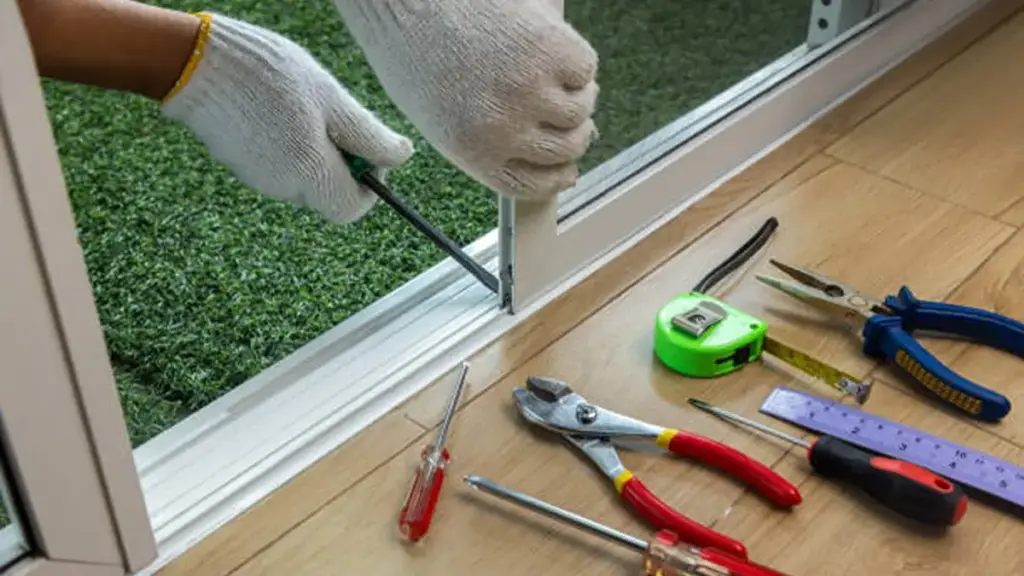
Limpieza regular de pistas, lubricación de hardware, y la calibración del sensor evitan derivaciones mecánicas y mantienen las defensas físicas de las puertas corredizas completamente activas durante años de funcionamiento..
Cuidado de Hardware y Mantenimiento Estructural
El ajuste del hardware físico detiene los intentos de entrada forzada antes de que comiencen. Con el tiempo, El uso diario intenso y la exposición ambiental degradan incluso los componentes más fuertes., convertir una puerta segura en un blanco fácil.
- Espacio libre del riel inferior: Limpie la suciedad y los escombros de los rieles inferiores con regularidad para evitar problemas de alineación y espacios que comprometan la seguridad física..
- Lubricación de hardware: Lubricar cerraduras, pestillos, y rodillos anualmente con aerosoles a base de silicona o grasa de litio blanca en lugar de lubricantes a base de aceite que atraen la suciedad.
- Ajustes anti-elevación: Pruebe y ajuste los bloques antilevantamiento del riel superior y las cerraduras secundarias para evitar que intrusos levanten el panel fuera de su marco..
- Inspecciones estructurales: Inspeccionar las juntas del marco., burlete, y paneles de vidrio para garantizar que todo el conjunto resista el apalancamiento físico y la palanca.
Ignorar estas piezas mecánicas permite a los intrusos evitar las cerraduras utilizando un simple apalancamiento.. Los rieles limpios y los rodillos alineados aseguran que el panel se asiente firmemente, Mantener la integridad estructural de todo el sistema de puertas..
Inspecciones programadas e integración de sistemas electrónicos
El hardware físico requiere respaldo electrónico para crear un perímetro de seguridad completo.. Los programas de inspección de rutina mantienen tanto las barreras mecánicas como los sistemas de alerta funcionando sin espacios.
- Programa de mantenimiento: Realizar inspecciones de seguridad trimestrales de todos los mecanismos de bloqueo y programar un mantenimiento profundo del hardware una vez al año..
- Mantenimiento de sensores: Pruebe periódicamente los sensores inalámbricos de contacto de puertas y los detectores de rotura de cristales, Reemplazo de baterías para evitar brechas de monitoreo..
- Alineación de la cámara: Alinee las cámaras de seguridad exteriores para monitorear el acceso al patio directamente y verificar las reglas de armado del sistema..
- Protocolo Operativo: Verifique el cierre completo de la puerta antes de bloquearla y evite dejar los paneles parcialmente abiertos sin paradas de ventilación seguras..
Los sensores electrónicos solo protegen la casa si la puerta se cierra y traba completamente. Esta configuración de doble capa garantiza que sus cerraduras físicas y alertas automáticas funcionen al unísono para detectar, demora, y disuadir a los intrusos.
Preguntas frecuentes
¿Cómo puedo hacer que mi puerta corredera sea más segura??
Puedes asegurar una puerta corrediza combinando múltiples capas defensivas. Actualizar el bloqueo principal, agregue un bloqueador físico de vías como una barra de seguridad de alta resistencia, Instale tornillos anti-levantamiento en el riel superior para evitar que se retire el panel., y reforzar el vidrio con una película de seguridad irrompible. La integración de sensores de rotura de puertas y cristales conectados a un sistema de alarma monitoreado añade una capa activa de detección.
¿Las puertas correderas son fáciles de forzar??
Las puertas corredizas estándar suelen ser más fáciles de superar que las puertas exteriores sólidas porque dependen de pestillos básicos de fábrica., tener orugas vulnerables a palancas o levantamientos, y cuentan con grandes paneles de vidrio. Agregar dispositivos anti-elevación, cerraduras secundarias, y la película de seguridad reduce significativamente estas vulnerabilidades y disuade a los intrusos oportunistas.
¿Cuál es el tipo de cerradura para puerta corredera más segura??
La configuración más segura combina una cerradura de embutir de alta resistencia o un cerrojo de seguridad para patio con llave como cerradura principal con una cerradura secundaria de doble perno que se ancla al marco tanto en la parte superior como en la inferior.. Complementarlos con una barra de seguridad de alta resistencia en el riel inferior proporciona la barrera física más fuerte contra el deslizamiento forzado..
¿Puedo agregar seguridad a una puerta corredera existente??
Puede actualizar fácilmente una puerta corrediza existente con mejoras de seguridad económicas sin reemplazar toda la unidad. Agregue una barra de seguridad o una clavija de madera al riel, Atornille los bloques anti-elevación en el riel superior., aplique una película de seguridad resistente a roturas al vidrio, y conecte sensores inalámbricos de contacto y rotura de cristales para alertarle de manipulación.
¿Son seguras las puertas correderas de aluminio??
Las puertas corredizas de aluminio brindan una excelente seguridad cuando cuentan con cerraduras multipunto, anti-lift protection, y vidrio laminado. Las ventajas de elegir sistemas de aluminio para proyectos centrados en la seguridad se analizan con más detalle en nuestra guía para puertas de aluminio para seguridad. Mientras que el marco rígido de aluminio resiste la palanca, La seguridad general todavía depende de cerraduras robustas y vidrio reforzado para evitar ataques de rotura y alcance.. Elija sistemas probados según estándares de seguridad reconocidos como PAS 24.
¿Qué vidrio es mejor para puertas correderas seguras??
El vidrio laminado de seguridad es la mejor opción para puertas correderas seguras. Al seleccionar un sistema completo, factores como el diseño del marco, configuración de hardware, y las especificaciones del vidrio también deben ser consideradas. A detailed guía de compra de puertas correderas Puede ayudar a comparar estas opciones antes de tomar una decisión final.. Esta retención posterior a la rotura mantiene una barrera física sólida y retrasa significativamente la entrada forzada..
Pensamientos finales
Mientras que los pestillos básicos de fábrica y el vidrio templado estándar ofrecen costos iniciales más bajos, actualizar a cerraduras de embutir de alta resistencia y vidrio laminado PVB o SGP es la única manera de proteger sus propiedades contra la entrada forzada. La selección de herrajes para puertas de calidad inferior corre el riesgo de sufrir fallos estructurales, robos costosos, y la confianza dañada del cliente. Invertir en barreras mecánicas robustas y anclajes multipunto salvaguarda su reputación y garantiza la seguridad del edificio a largo plazo..
Para distribuidores, constructores, y desarrolladores de proyectos, Elegir un proveedor confiable de puertas corredizas ayuda a garantizar una calidad constante, soluciones personalizadas, y desempeño del proyecto a largo plazo. Recomendamos revisar nuestro catálogo completo de cerraduras multipunto certificadas, hardware anti-elevación, y soluciones de vidrio resistentes a impactos. Póngase en contacto con nuestro equipo de ingeniería hoy para obtener muestras o analizar especificaciones OEM personalizadas para su próximo proyecto.