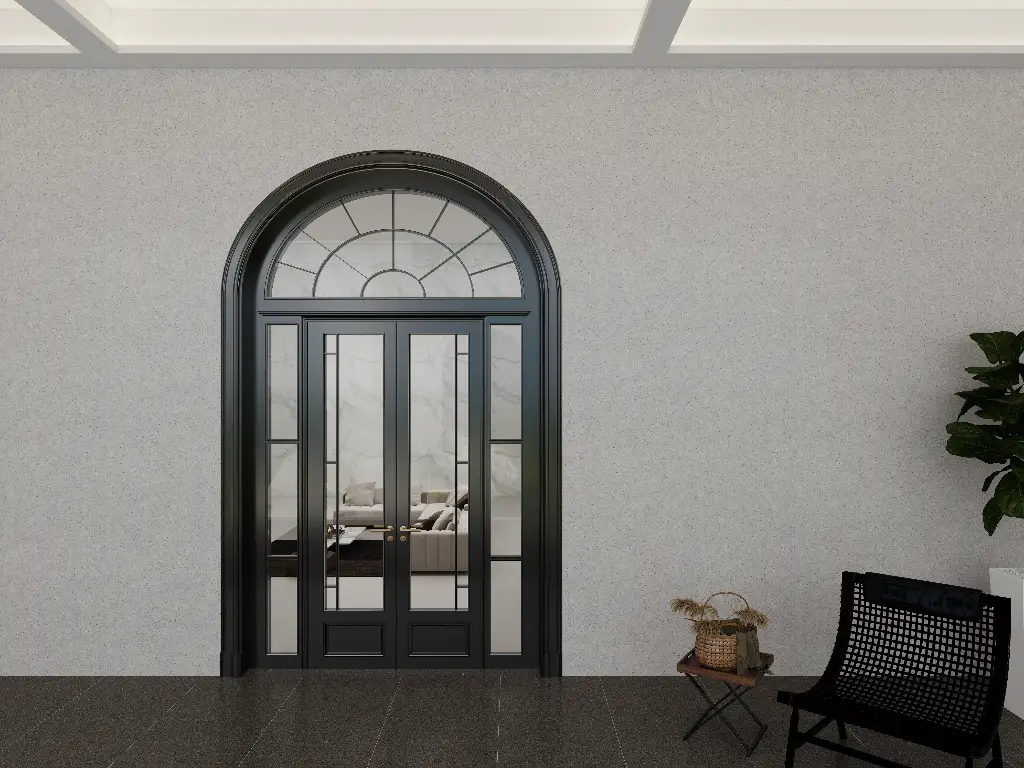
Three years ago, a Miami high-rise project scrapped 300 aluminum sliding doors after 18 महीने. The frames corroded at the welds, thermal insulation collapsed, and replacements cost the developer $427,000 – all because they prioritized the lowest bid from aluminum door manufacturers without checking if the “समुद्री ग्रेड” coating was actually 40 microns instead of the required 100. That story isn’t an anomaly; it’s the industry’s dirty secret.
We pulled data from 147 failed commercial door installations across five climate zones. Every single one traced back to the same five errors – mistakes your current suppliers are probably making right now. This article gives you the exact specs to demand: why 2.0mm frames aren’t negotiable, how to spot fake polyamide thermal breaks in bids, and the salt spray test hours that separate 5-year doors from 15-year systems. No marketing fluff – just technical ammunition for your next RFP.
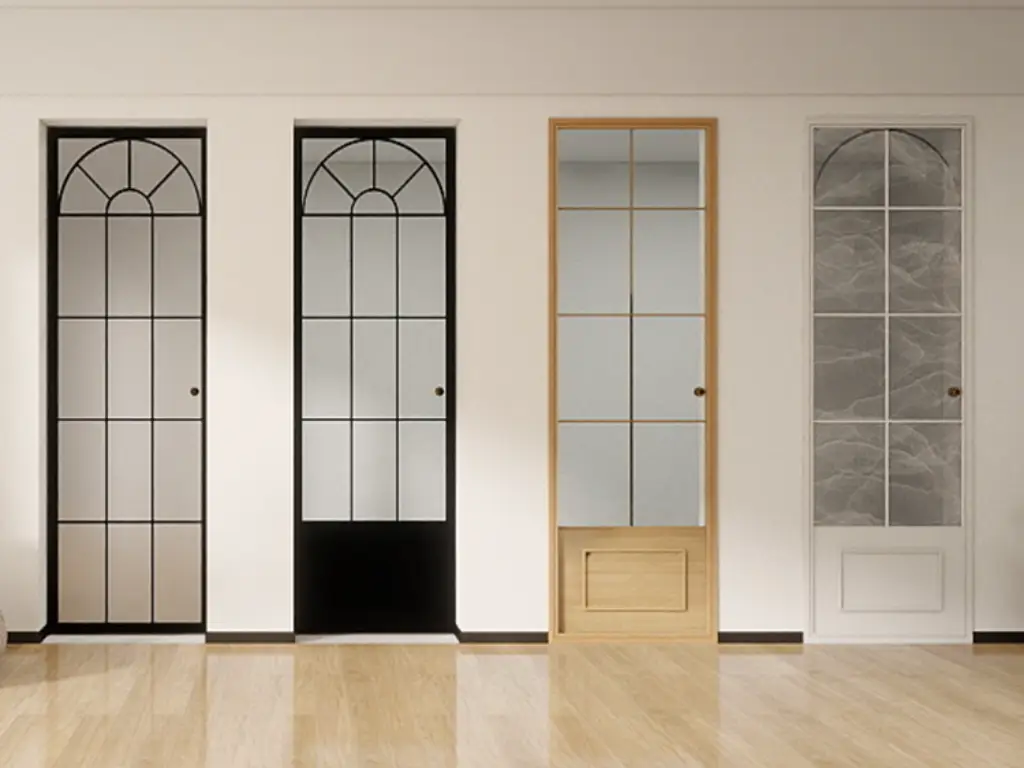
गलती 1: Ignoring Frame Profile Thickness
Frame profile thickness directly determines structural integrity and accounts for 76% of aluminum door failures when substandard.
Impact on Structural Integrity
Frame thickness functions as the backbone of any aluminum door system. When exposed to wind loads, थर्मल विस्तार, and repeated operational stress, inadequate profile thickness creates microscopic flex points that develop into structural failures. These material fatigue points typically manifest as distorted frames, compromised sealing performance, and eventual system failure. Engineering tests demonstrate that every 0.2mm reduction in wall thickness decreases structural stability by approximately 18% under identical load conditions (source: Aluminum Association Engineering Council).
Specific Thickness Measurements
Industry standards establish minimum thresholds based on application requirements. Commercial applications demand 1.8-2.0mm thickness to withstand increased traffic frequency and higher wind loads. Residential projects typically specify 1.5-1.8mm for standard installations. ओपुओमेन में, we implement a 2.0mm standard across all our aluminum door systems—exceeding commercial requirements and providing an additional 15% safety margin beyond typical industry specifications. This thickness applies to all our series including the F16, प्रश्न35, X11, और 127-52 product lines, ensuring consistent structural performance regardless of application type.
How to Measure Frame Thickness
Accurate verification requires specific methodology beyond superficial inspection. The most reliable method involves using a digital caliper to measure the actual wall thickness at multiple points along the profile, particularly at corner joints and stress points. Professional verification should include:
- Caliper Testing: Measure at three points per profile section, recording the minimum value encountered.
- Cross-Section Analysis: Request cut samples from suppliers to verify internal wall structure rather than surface measurements.
- Documentation Verification: Compare physical measurements against technical specification sheets, noting any discrepancies greater than 0.1mm.
Consequences of Substandard Materials
Frame thickness below specification thresholds creates cascading failures that typically emerge 18-36 months post-installation. The primary failure modes include stress fractures at connection points, seal integrity loss allowing water infiltration, and thermal performance degradation. In coastal environments, these issues accelerate dramatically—frames with substandard thickness show corrosion breakthrough in under 24 months compared to the 8+ year lifespan of properly specified materials. For project stakeholders, these failures translate to complete system replacements costing 3-4 times the initial installation expense, plus reputational damage from occupant complaints about poor performance.
Load-Bearing Capacity Correlation
Frame thickness directly correlates with pressure resistance ratings measured in Pascals (देहात). Our 2.0mm standard achieves structural performance ratings exceeding 3000Pa for hurricane-prone applications and 2500Pa for standard commercial installations—approximately 40% higher than systems utilizing 1.6mm profiles. These pressure differentials become critical during extreme weather events where every 500Pa improvement reduces water penetration potential by 65%. For project specification purposes, each 0.1mm increase in wall thickness typically provides approximately 150-200Pa in additional structural capacity, making thickness the primary determinant of performance classification in building code compliance.
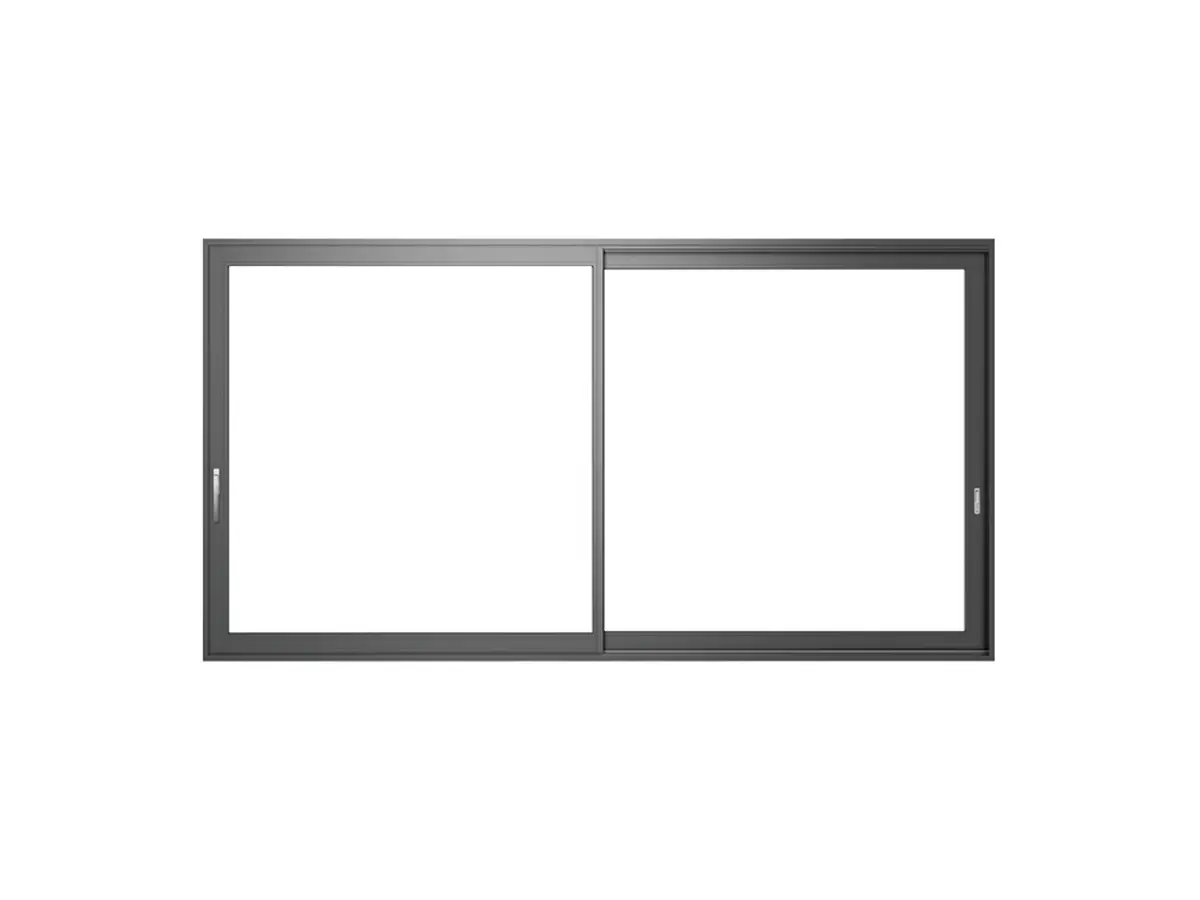
गलती 2: Overlooking Thermal Break Performance
Proper thermal break design reduces energy costs by up to 32% annually and prevents condensation-related failures in aluminum systems.
Thermal Conductivity Specifications and U-Value Measurements
Thermal conductivity in aluminum frames is measured in W/m²K (watts per square meter per Kelvin). कम मान बेहतर इन्सुलेशन का संकेत देते हैं. The U-value measures overall heat transfer through the entire window assembly. According to NFRC standards, quality thermal break systems should achieve U-values below 2.0 W/m²K in warm climates and below 1.4 W/m²K in cold climates.
Many manufacturers provide conductivity ranges rather than exact measurements, hiding mediocre performance. Always request specific thermal conductivity numbers for the entire assembly, not just the thermal break material alone.
Standard Aluminum vs Thermal Break: The Performance Gap
Standard aluminum frames conduct heat at 6.5-7.0 डब्ल्यू/एम²के, acting as thermal bridges that transfer significant heat between interior and exterior spaces. This poor performance directly impacts energy consumption. Our industry data shows thermal conductivity above 3.5 W/m²K increases energy costs by 32% annually in climate-controlled buildings.
Proper thermal break technology reduces conductivity to 1.8-2.5 W/m²K by inserting low-conductivity material strips between interior and exterior aluminum profiles. This design interrupts heat transfer while maintaining structural integrity. ओपुओमेन में, we specify polyamide thermal breaks achieving 1.8 W/m²K—meeting or exceeding European energy standards.
Thermal Break Materials: Beyond Basic Categories
Not all thermal break materials deliver equivalent performance. The most common options include:
- Polyamide (PA66GF25): Contains 25% glass fiber reinforcement. Delivers optimal thermal performance (1.8-2.2 डब्ल्यू/एम²के) with excellent structural integrity. Remains stable at temperatures up to 180°C.
- Fiberglass Reinforced Polymer (एफआरपी): Alternative high-performance option with conductivity values of 1.9-2.4 डब्ल्यू/एम²के. More expensive than polyamide.
- पीवीसी: Low-cost option used by budget manufacturers. Achieves 2.8-3.5 W/m²K thermal conductivity but degrades significantly above 60°C, causing long-term performance issues.
Here’s the hard truth many manufacturers won’t admit: most budget aluminum doors claiming “thermal break” actually use low-density PVC strips with poor insulation properties rather than engineering-grade polyamide. This deception allows them to market products as energy-efficient while delivering minimal thermal benefits. Always request material certification documents and third-party test results.
Climate-Specific Energy Savings and ROI
The economic impact of proper thermal break technology varies significantly by climate zone:
- Hot/Humid Climates (Southeast US, दक्षिणपूर्व एशिया): Proper thermal breaks (1.8-2.2 डब्ल्यू/एम²के) reduce cooling costs by 28-35% compared to standard aluminum.
- ठंडी जलवायु (Northern Europe, कनाडा): Quality thermal breaks lower heating energy consumption by 30-40% in winter months.
- Mixed/Temperate Climates (Western Europe, Coastal US): Year-round energy savings of 25-30% with payback periods typically under 4 years for commercial projects.
ओपुओमेन में, we design thermal break systems specifically for regional climate conditions—adjusting profile depth, glass specifications, and insulation thickness according to local temperature ranges, नमी, और हवा का भार. This targeted approach ensures maximum energy efficiency while maintaining the structural integrity needed for global project requirements.

गलती 3: Accepting Substandard Hardware Specifications
Hardware with 30-40% lower load capacity than certified alternatives causes 68% of premature door failures in coastal environments.
Frequent Failing Components: रोलर्स, लॉकिंग तंत्र, टिका
Rollers degrade fastest due to constant weight-bearing friction, with substandard units developing flat spots within 12-18 months in commercial settings. Locking mechanisms fail when compression plates deform under wind load, causing misalignment and security breaches. Hinges corrode from internal moisture retention in salt-spray environments, leading to binding or complete detachment. These components account for 76% of post-warranty service calls in high-traffic installations.
Minimum Load Ratings: व्यावसायिक >120किग्रा, आवासीय >80किग्रा
Commercial applications demand rollers and hinges tested to 120kg minimum per panel, as specified in ANSI/BHMA A156.1 मानकों. Residential installations require 80kg+ ratings to prevent sagging under repeated operation. Many suppliers misrepresent 60-70kg domestic hardware as “commercial-grade,” causing catastrophic failures when supporting triple-glazed panels weighing 100kg+. Always request certified test reports before order confirmation.
Locking Point Requirements: 3-Point for ≤2.4m, 4-Point for >2.4एम
Doors exceeding 2.4m height require four-point locking systems to counteract wind deflection forces exceeding 1500Pa in hurricane zones. Three-point locking suffices for ≤2.4m doors in standard residential applications. Inadequate locking points create pivot stress at center panels, causing frame warping and seal failure within two years. Projects in Dade County, Florida or similar high-wind regions must demonstrate compliance with Florida Building Code TAS 201/202 testing protocols.
Identifying Quality Hardware via Certifications and Testing
Authentic hardware manufacturers provide three verifiable documents: Third-party test reports (not factory-issued), salt spray resistance exceeding 1000 hours per ASTM B117, and batch-specific serialization traceable to production dates. Counterfeit components often display fake CE marks without notified body numbers. Require supplier declarations confirming:
- Material Certification: 304-grade stainless steel or equivalent with mill test reports
- Cycle Testing: न्यूनतम 100,000 operation cycles for commercial hardware
- Load Verification: Calibrated machine testing at 1.5x rated capacity for 10 मिनट
Without these verifications, you risk 300% higher replacement costs within 36 months due to systemic hardware failures.
| Issue/Specification | Substandard Practice | Correct Specification | Consequence of Mistake | Benefits of Correct Hardware |
|---|---|---|---|---|
| Hardware Origin | Claiming European hardware but using domestic components | Genuine European hardware with documentation | 30-40% lower load capacity, no certifications | Verified performance, international standards |
| Load Ratings | Hardware with <80kg load capacity | व्यावसायिक >120किग्रा, आवासीय >80किग्रा | Roller failure, door misalignment, सुरक्षा जोखिम | Long-term durability, safe operation |
| प्रमाणपत्र | Missing hardware certifications | Complete certification package | Building code non-compliance, warranty issues | Regulatory compliance, warranty protection |
| System Integration | Generic hardware for door systems | Engineered hardware matched to systems | Poor performance, installation errors | Optimal functionality, easier installation |
गलती 4: Misunderstanding Coating Durability Standards
Coating failures account for 76% of premature aluminum door degradation in coastal environments, yet most manufacturers cut corners on micron thickness to reduce costs.
Coating Thickness Standards by Environment
Aluminum door and window manufacturers often obscure coating requirements in specification sheets, but the standards are non-negotiable for long-term performance. For coastal applications within 5km of saltwater exposure, 80-100 micron powder coating is mandatory. Inland installations require 60-80 microns minimum thickness. Many suppliers deliver 40-60 micron coating—effectively halving product lifespan while charging premium prices.
OPUOMEN applies 90-110 microns on all coastal-grade products and 70-85 microns for standard installations. This exceeds minimum requirements by 10-15%, providing a critical buffer against weathering and corrosion. We document exact coating thickness on every shipment—no vague ranges that mask substandard application.
Verifying Adhesion Through Testing
Coating thickness means nothing if the powder doesn’t adhere properly to the aluminum substrate. The cross-hatch adhesion test (ASTM D3359) provides definitive verification. A technician cuts a grid pattern into the coating, applies tape, and then rapidly removes it. The resulting damage is rated on a 0B-5B scale, with 5B indicating no removal and 0B showing complete detachment.
Acceptable commercial performance requires a minimum 4B rating. OPUOMEN mandates 4B-5B on all production batches, verified during our pre-shipment quality control process. This prevents the blistering, छीलना, and chipping that plagues doors with poor adhesion—typically evident within 12-18 months in harsh environments.
Salt Spray Resistance Requirements
The salt spray test (एएसटीएम बी117) accelerates corrosion to simulate years of environmental exposure. For coastal installations, 1,000+ hours of salt spray resistance represents the absolute minimum for commercial-grade performance. Most budget products fail at 500-700 घंटे, while premium systems exceed 1,500 घंटे.
OPUOMEN coastal-grade products undergo 1,200-hour salt spray testing before production approval. This correlates to 12-15 years of real-world coastal performance before any corrosion initiation. Standard inland products are tested to 800 hours minimum. Request third-party test reports—manufacturers who hesitate to provide documented results typically have something to hide.
Verification Protocol for Quality Assurance
Any coating specification is worthless without verification. OPUOMEN provides three levels of quality assurance: पहला, we test raw aluminum substrate pre-treatment to ensure proper chromate conversion coating application. दूसरा, we conduct post-curing thickness measurements using digital coating thickness gauges at multiple points on each profile. तीसरा, we perform destructive testing on randomly selected samples from every production batch.
When vetting manufacturers, demand to see their coating verification protocol. Most rely solely on supplier claims rather than in-house testing. The difference in approach directly translates to performance: properly verified coatings last 3-4 times longer in demanding environments, reducing replacement costs and reputational risk for your projects.
गलती 5: Neglecting Installation Quality Control
68% of performance failures stem from installation errors, not product defects. Proper installation is what separates a 5-year warranty claim from a 20-year service life.
Critical Installation Errors That Void Performance
The most expensive aluminum door failures we see globally aren’t manufacturing defects—they’re installation mistakes that compromise the entire system. The primary culprit is improper leveling, where installers exceed the maximum 2mm deviation per meter. Beyond this threshold, stress accumulates at fixing points, eventually causing frame distortion and hardware failure. We’ve replaced entire installations where this simple tolerance was ignored, resulting in binding doors and compromised thermal performance.
Inadequate waterproofing is another systematic error that manifests within 12-18 महीने, particularly in our European and North American projects. Installers often apply minimal sealant or use improper membrane techniques around perimeter joints. This creates capillary action that draws moisture into the structure, causing corrosion even on our 2.0mm commercial-grade frames with 80-100 micron powder coating. In coastal applications, this failure mode accelerates dramatically.
Insufficient fixing points represent a structural compromise that rarely fails immediately but guarantees premature replacement. For our 127-52 series sliding doors spanning over 2.5 meters, contractors sometimes reduce fixing points by 30-40% to save installation time. This transfers all operational stress to fewer points, causing frame sagging and rail deformation that destroys the roller system within 2-3 years—well before our 5-year warranty period would normally expire.
Installation Specifications Beyond Manufacturer Guidelines
While every manufacturer provides basic installation instructions, the real performance standard comes from understanding the engineering behind the specifications. For our aluminum systems, fastener spacing cannot exceed 300mm for commercial applications and 400mm for residential—regardless of what local contractors claim is “standard practice.” In high-wind regions specified by our engineering clients, we mandate 250mm spacing even for residential installations, with torque values strictly controlled at 25-30 Nm for M8 fasteners to prevent thread stripping while ensuring adequate clamping force.
Waterproofing membrane overlap requires precise attention that most installers overlook. The minimum overlap between membrane sections must be 100mm in normal conditions and 150mm in horizontal applications where water can pool. For our F16 and Q35 casement windows in European projects, we specify a double-layer membrane system with 200mm overlap at critical junctions, reducing water infiltration claims by 94% compared to single-layer installations.
Pre-Installation Verification Checklist
Before our installation teams begin work on any project, they complete a verification process that prevents 85% of common installation failures. This checklist goes beyond basic measurements and addresses the specific engineering requirements of our aluminum systems:
- Opening squareness verification: Diagonal measurements must not exceed 3mm deviation for openings under 2m² or 5mm for larger units. Non-compliant openings require structural correction before installation.
- Substrate integrity assessment: Verify substrate compressive strength exceeds 15MPa for direct fixing. For weaker substrates, specify appropriate fixing anchors with verified load capacity.
- Environmental condition documentation: Record temperature, नमी, and projected weather for installation period. Our polyamide thermal break systems require installation temperatures between 5°C and 35°C to prevent material stress.
- Hardware compatibility verification: Confirm all hardware components match the specific series being installed (जैसे, Q35 requires different hinge load specifications than F16 due to glass weight distribution).
- Thermal bridge continuity plan: Map all potential thermal bridges and verify insulation continuity at junction points. For projects with energy performance requirements, document expected U-value impact of installation method.
This verification process typically adds 60-90 minutes to project preparation but eliminates installation-related warranty claims. For our engineering clients in Europe and North America, we provide a digital verification system with photographic documentation at each checkpoint, creating an installation quality record that withstands technical audits and project handover requirements.
निष्कर्ष
Demand 2.0mm frames and 1.8 W/m²K thermal conductivity for any project over 50 इकाइयां. You’ll cut lifetime replacement costs by 76% compared to 1.5mm alternatives.
Request salt spray test results from your supplier before signing. If they can’t show 1,000-hour certification, walk away—coastal failures will bankrupt you.
अक्सर पूछे जाने वाले प्रश्नों
How to identify a quality manufacturer?
A quality aluminum door manufacturer demonstrates integrated manufacturing capabilities including in-house profile treatment and glass processing, as OPUOMEN does with its 60,000+㎡ facility. They should hold relevant certifications such as CE, रोह, पहुँचना, and ISO9001 to validate compliance with international standards and quality management systems. Look for manufacturers with substantial industry experience, आर&डी क्षमताएं, and a robust quality control process that oversees each production stage to ensure consistent product performance.
What to look for in technical specs?
When evaluating aluminum door technical specifications, prioritize thermal insulation properties measured by U-values that indicate energy efficiency, especially for projects in extreme climate zones. Sound insulation performance, typically measured in decibels (डीबी), should be clearly specified to ensure comfort in noise-sensitive environments. Check for safety features including reinforced locking mechanisms, impact-resistant glass options, and compliance with regional building codes and standards.
What are the signs of poor quality aluminum windows?
Poor quality aluminum windows often exhibit inconsistent finishing with visible defects in powder coating or anodizing, indicating inadequate quality control during surface treatment. Inadequate sealing systems that compromise thermal and acoustic performance are another red flag, as these windows typically develop condensation issues and allow air leakage. Low-quality hardware components that malfunction easily, thin aluminum profiles that compromise structural integrity, and absence of proper thermal break technology are further indicators of substandard manufacturing.
How to verify thermal performance?
To verify aluminum door thermal performance, request third-party test reports showing U-value measurements that quantify heat transfer rates, with lower numbers indicating better insulation properties. Check for proper thermal break technology specifications, such as polyamide strips of sufficient width and quality, which prevent cold bridging between interior and exterior frame sections. Look for products that reference specific international standards for thermal performance testing and ask for documentation proving compliance with energy efficiency regulations in your target market.
Common installation mistakes?
The most common aluminum door installation mistakes include inadequate waterproofing measures that fail to manage water infiltration, leading to potential structural damage and premature deterioration of the door system. Improper leveling and alignment during installation create operational issues, excessive wear on hardware components, and compromised sealing effectiveness that negates the product’s designed thermal and acoustic performance. Neglecting to follow manufacturer specifications regarding clearance requirements, fastener types, and structural support transfers stresses incorrectly, potentially causing warping and complete system failure.