Aluminum garage doors are widely chosen for modern residential and commercial projects because they combine durability, lightweight construction, contemporary aesthetics, and reliable performance. For property owners, builders, contractors, and distributors, proper maintenance is essential to ensure that aluminum garage doors continue to operate smoothly while maintaining their appearance for years.
Regular maintenance helps protect these investments, minimizes unexpected repairs, and supports long-term operational efficiency. According to industry best practices, routine inspection, cleaning, lubrication, and seasonal maintenance can significantly extend the service life of aluminum garage doors while preserving their visual appeal.
The Core Benefits of Proactive Aluminum Garage Door Maintenance
Effective maintenance begins with understanding why routine care matters. Aluminum garage doors are designed to withstand daily use, but they still rely on multiple interconnected components working together.
One of the primary advantages of preventive maintenance is that it helps identify minor issues before they become major repairs. Small amounts of dirt accumulation, slight hardware loosening, or early signs of component wear can often be corrected quickly and affordably when detected during routine inspections. If ignored, these issues may eventually affect the performance of aluminum garage doors and lead to more extensive maintenance requirements.
Regular maintenance also helps preserve the aesthetic appeal that makes aluminum garage doors so popular. Since these doors are frequently used as a prominent architectural feature, keeping surfaces clean and hardware functioning properly contributes to the overall appearance of the property. Consistent care ensures that aluminum garage doors continue to provide both visual appeal and reliable functionality throughout their lifespan.
Another important benefit is operational efficiency. Well-maintained aluminum garage doors place less strain on springs, rollers, and opener systems. Reduced friction and smoother movement help minimize unnecessary wear, which can contribute to longer service life for both mechanical and electronic components.
Cleaning Aluminum Panels and Preserving Surface Coatings
Routine cleaning is one of the simplest yet most effective maintenance practices for aluminum garage doors. Exterior surfaces are constantly exposed to environmental elements such as dust, rain, airborne pollutants, and seasonal debris.
Establishing a Consistent Cleaning Routine
Cleaning aluminum garage doors on a regular basis helps prevent dirt buildup and allows property owners to inspect the condition of the door while performing maintenance. A mild detergent mixed with warm water is generally sufficient for removing most surface contaminants. Using a soft cloth or sponge helps avoid scratching the finish, while thorough rinsing removes any remaining cleaning residue.
The cleaning process also provides an opportunity to identify signs of damage that might otherwise go unnoticed. Scratches, dents, or areas of finish deterioration can often be detected during routine washing. Addressing these concerns early helps prevent further exposure of the underlying material and supports the long-term appearance of aluminum garage doors.
Preserving Protective Surface Finishes
Many aluminum garage doors feature powder-coated or finished surfaces designed to enhance durability and maintain visual appeal. These coatings serve as a protective barrier against environmental exposure while contributing to the overall aesthetic of the door. Although aluminum naturally resists corrosion, preserving the finish remains important for maintaining a clean and professional appearance.
Environmental contaminants such as road salt, bird droppings, industrial pollutants, and chemical residues should be removed promptly whenever possible. Allowing these substances to remain on the surface for extended periods may gradually affect the condition of the coating. Gentle cleaning methods are generally preferred because abrasive brushes, harsh chemicals, and aggressive cleaning equipment may damage the finish.
For aluminum garage doors installed in coastal regions or areas with frequent winter road treatment, additional cleaning may be beneficial. Salt exposure can accelerate wear on exterior surfaces, making regular washing an important part of the maintenance routine.
Inspecting Glass and Framing Components
Many contemporary aluminum garage doors incorporate glass panels that enhance natural light and complement modern architectural designs. During cleaning, it is advisable to inspect both the aluminum frame and glass sections carefully. Looking for cracks, seal deterioration, moisture intrusion, or other visible concerns allows property owners to address issues before they affect the overall performance of the door system.
Elevate Projects with High-Performance Aluminum Systems

Inspecting and Lubricating Torsion Springs, Rollers, and Hinges
The mechanical components of aluminum garage doors are subjected to repeated movement every day. Over thousands of operating cycles, friction naturally develops between moving parts. Proper inspection and lubrication help minimize wear and support reliable operation.
Understanding the Importance of Moving Components
Torsion springs, rollers, hinges, bearings, and other hardware components work together to control the movement of aluminum garage doors. Because these parts experience constant motion, they are among the most important areas to include in a maintenance program.
As components age, signs of wear may begin to appear. Property owners may notice increased operating noise, rough movement, vibration, or inconsistent door travel. These symptoms often indicate that inspection and maintenance are needed. Identifying such issues early helps prevent additional stress on surrounding components and reduces the likelihood of unexpected failures.
Applying Lubrication Correctly
Lubrication plays a critical role in maintaining the performance of aluminum garage doors. Properly lubricated rollers, hinges, bearings, and spring assemblies experience less friction during operation, allowing the door to move more smoothly and quietly.
When lubrication is neglected, friction gradually increases, which may accelerate wear on mechanical components. Applying a garage-door-specific lubricant to appropriate moving parts helps maintain efficient operation while reducing unnecessary strain on the system. Excess lubricant should be removed after application to avoid attracting dust and debris that could interfere with performance.
Regular lubrication not only contributes to quieter operation but also helps extend the lifespan of many moving components within aluminum garage doors.
Monitoring Torsion Spring Condition
Torsion springs are responsible for counterbalancing the weight of aluminum garage doors and assisting with smooth opening and closing. Because these springs operate under significant tension, they should be inspected carefully during routine maintenance.
Visual inspections can reveal signs of corrosion, deformation, uneven wear, or changes in spring condition. Any indication of damage should be addressed promptly by qualified professionals. Maintaining healthy spring systems is essential because properly functioning springs help ensure safe and efficient operation of aluminum garage doors throughout their service life.
Verifying Track Alignment and Clearing Debris Lines
The track system serves as the guide path for aluminum garage doors during operation. Even small alignment issues can affect movement quality and place unnecessary stress on rollers, hinges, and opener systems.
Why Track Alignment Should Never Be Overlooked
Properly aligned tracks allow aluminum garage doors to move smoothly and evenly. When tracks become misaligned, the door may experience increased resistance, unusual noise, or uneven movement. Over time, these conditions can accelerate wear on multiple components and negatively impact overall system performance.
Track alignment issues may develop gradually due to vibration, environmental factors, accidental impacts, or general wear. Routine inspections help identify these concerns before they become more serious.
When observing aluminum garage doors during operation, property owners should pay attention to signs such as shaking, binding, scraping noises, or irregular travel patterns. These symptoms often indicate that further evaluation of the track system is necessary.
Keeping Tracks Clean and Free of Obstructions
Garage environments naturally collect dust, leaves, insects, and other debris that can accumulate within track channels. While these materials may seem insignificant, they can interfere with smooth roller movement and contribute to increased operating resistance.
Periodic cleaning helps maintain proper track function and supports efficient movement of aluminum garage doors. A soft brush or cloth is typically sufficient for removing debris from track surfaces. Unlike other moving components, tracks generally do not require lubrication because excessive lubricant can attract additional dirt and create buildup over time.
Maintaining clean and properly aligned tracks helps reduce unnecessary stress on aluminum garage doors and contributes to smoother daily operation.
Testing the Auto-Reverse Safety Sensors and Balance Mechanics
Modern aluminum garage doors incorporate safety features designed to protect people, vehicles, and property. These systems should be tested regularly to ensure they continue functioning as intended.
Maintaining Reliable Sensor Performance
Photo-eye sensors are a critical component of automated aluminum garage doors. Positioned near the floor on either side of the opening, these sensors detect obstructions and help prevent accidental closure when objects are present in the door’s path.
Over time, dirt accumulation, vibration, or accidental contact may affect sensor alignment. Regular inspection ensures that sensors remain clean, properly positioned, and free from obstructions. Even minor misalignment can cause operational inconsistencies or prevent the door from functioning correctly.
Consistent sensor maintenance supports both safety and reliability, helping aluminum garage doors operate according to manufacturer specifications.
Verifying Auto-Reverse Functionality
The auto-reverse system provides an additional layer of protection by causing the door to reverse direction when resistance is encountered during closing. This feature should be tested periodically to confirm that it responds appropriately.
A properly functioning auto-reverse mechanism contributes significantly to the safe operation of aluminum garage doors. If the system does not respond as expected during testing, professional service should be arranged promptly to ensure continued safety compliance.
Evaluating Door Balance
Balance is another important factor affecting the performance of aluminum garage doors. When a door is properly balanced, its weight is evenly supported by the spring system. This reduces strain on openers and other mechanical components while promoting smoother operation.
An unbalanced door may drift upward or downward when manually positioned halfway open. Such behavior often indicates that adjustments are needed. Maintaining correct balance helps aluminum garage doors operate more efficiently and can reduce long-term wear throughout the entire system.
Replacing Worn Weatherstripping and Bottom Rubber Seals
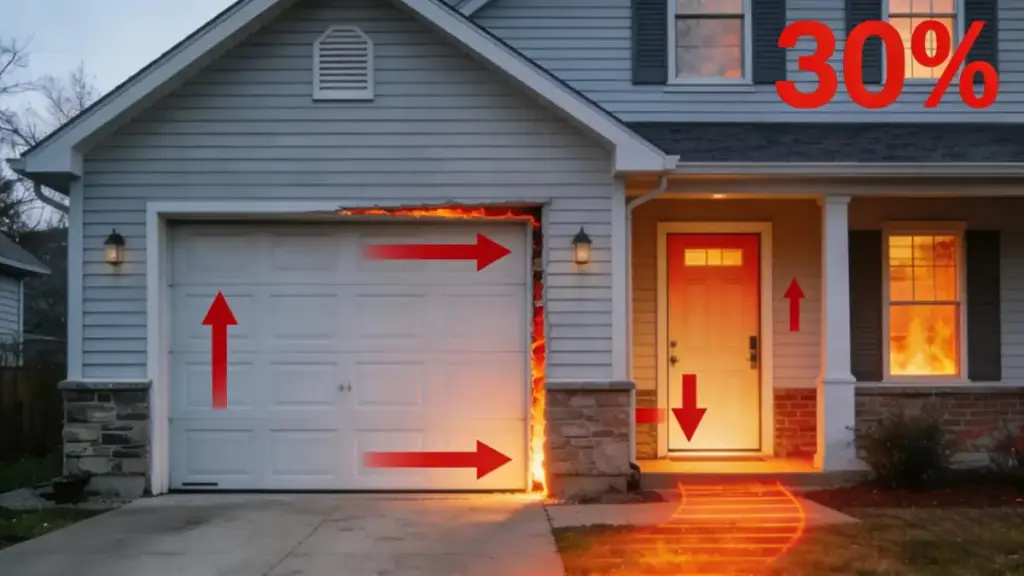
Weather protection components play a vital role in preserving interior conditions and protecting garage openings from environmental exposure. Although these parts are often overlooked, they contribute significantly to the performance of aluminum garage doors.
Understanding the Importance of Weather Seals
Weatherstripping creates a protective barrier around the perimeter of aluminum garage doors. By helping to limit air infiltration, dust penetration, moisture intrusion, and pest entry, these seals support a cleaner and more comfortable interior environment.
Because weatherstripping remains exposed to sunlight, temperature fluctuations, and daily movement, gradual deterioration is unavoidable. Over time, materials may become brittle, compressed, cracked, or detached from the door assembly.
Routine inspection helps identify signs of wear before seal performance declines significantly. Replacing damaged weatherstripping at the appropriate time allows aluminum garage doors to maintain effective environmental protection.
Inspecting and Replacing Bottom Rubber Seals
The bottom seal experiences some of the harshest operating conditions within the entire door system. Constant contact with the garage floor subjects the material to friction, moisture, debris, and temperature changes.
As deterioration progresses, gaps may develop between the door and the floor. These openings can allow water, dust, insects, and cold air to enter the garage. Regular inspection of the bottom seal helps identify wear before these problems become more severe.
Replacing damaged seals restores proper contact with the floor and supports the overall efficiency of aluminum garage doors. Well-maintained sealing systems also contribute to improved protection against weather-related challenges throughout the year.
Protecting Garage Openings from Extreme Cold
Seasonal weather conditions can significantly influence the performance of aluminum garage doors. Cold temperatures introduce unique maintenance considerations that should not be ignored, particularly in regions that experience extended winter conditions.
Understanding Cold Weather Challenges
Extreme cold affects multiple components within aluminum garage doors. Lubricants may become less effective, weather seals can stiffen, and moisture may freeze around critical moving parts. Repeated temperature fluctuations can also influence the behavior of materials throughout the door system.
These environmental conditions may result in increased operating resistance or reduced movement efficiency. While aluminum garage doors are designed to withstand a variety of climates, preventive maintenance remains important for ensuring dependable winter performance.
Preparing Aluminum Garage Doors for Winter
Winter preparation begins with a comprehensive inspection of the entire door system. Cleaning panels, removing debris from tracks, checking seals, and lubricating moving components help reduce the likelihood of cold-weather operational issues.
Verifying the functionality of safety systems, examining spring condition, and confirming proper balance further contribute to reliable winter operation. By addressing potential concerns before temperatures drop significantly, property owners can help ensure that aluminum garage doors continue operating smoothly throughout the season.
Managing Moisture and Ice Exposure
Moisture control is particularly important during winter months. Snow accumulation, melting ice, and condensation can introduce excess moisture around garage openings. If allowed to remain for extended periods, these conditions may contribute to hardware corrosion, seal deterioration, or frozen components.
Regularly removing snow and standing water from areas surrounding aluminum garage doors helps minimize these risks. Maintaining a dry operating environment supports both performance and longevity while reducing the impact of seasonal weather conditions on the overall door system.
Final Thoughts
The long-term performance of aluminum garage doors depends heavily on consistent preventive maintenance. While aluminum is valued for its durability, lightweight structure, and modern appearance, every garage door system benefits from regular inspection and care.
To truly optimize your aluminum door system, it is not enough to merely understand these best practices. We recommend that you directly consult with us to tailor a preventive maintenance plan based on your specific operational requirements, ensuring long-term stable performance. Contact our experts to protect your assets and optimize your maintenance strategy.