>

How to Install an Aluminum Garage Door in the Correct Way

How to Install an Aluminum Garage Door in the Correct Way

共有:

目次

Installing an aluminum garage door requires careful preparation, accurate measurements, and proper handling of every structural and mechanical component. Although aluminum garage doors are known for their lightweight construction, モダンな外観, そして信頼できるパフォーマンス, correct installation plays a critical role in ensuring long-term durability, スムーズな動作, そして安全.

With appropriate installation methods and professional attention to each installation stage, aluminum garage doors can deliver reliable performance while maintaining their aesthetic value for many years.

The Core Framework of Proper Aluminum Garage Door Installation

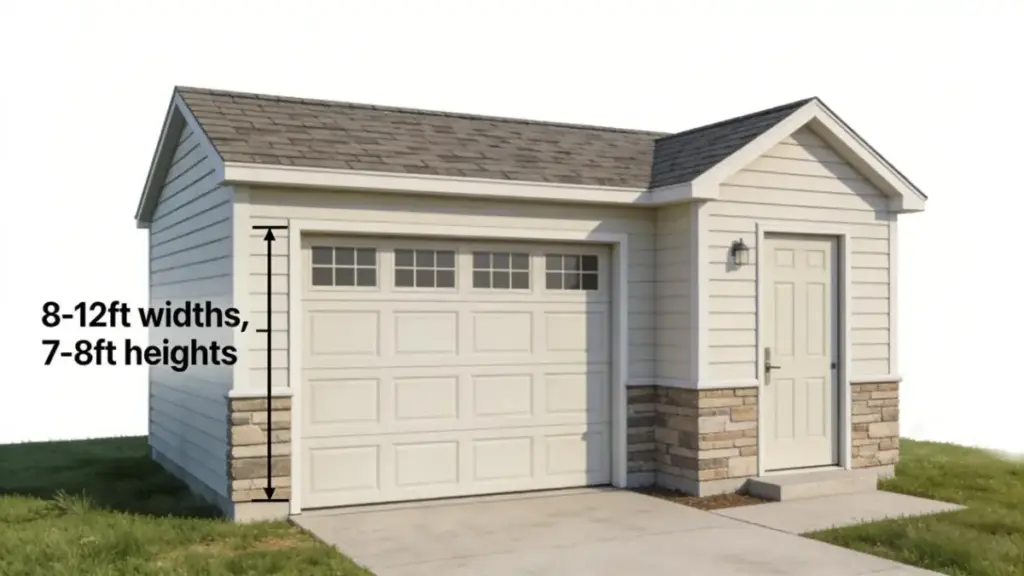
ガレージドアのサイズ

A successful aluminum garage door installation depends on a combination of accurate preparation, correct component assembly, and systematic testing.

Preparing the Installation Environment and Components

Before beginning the installation process, it is essential to inspect the garage opening, confirm the required dimensions, and prepare all necessary components. Aluminum garage doors typically consist of multiple sections, トラック, ローラー, ヒンジ, springs, アザラシ, and operating hardware that must work together as a complete system.

The installation area should be clean and free from obstacles that could interfere with assembly. The garage opening should also be checked to ensure that the frame structure is suitable for supporting the door system. Proper preparation creates a stable foundation for installing aluminum garage doors and helps prevent alignment issues during later stages.

During preparation, installers should verify that all supplied components match the selected door configuration. Different aluminum garage doors may have variations in panel design, ガラスのオプション, ハードウェア仕様, and operating systems. Confirming these details before installation reduces delays and prevents incorrect assembly.

Following a Structured Installation Sequence

The installation sequence is an important factor affecting the final performance of aluminum garage doors. Components should be installed in the correct order because many parts depend on previous installation steps for proper positioning.

一般的に, the process begins with accurate measurements and frame preparation, followed by panel installation, track assembly, roller and hinge connection, spring installation, opener mounting, and final operational testing.

A systematic approach ensures that each component supports the next stage of installation. Rushing through individual steps or skipping verification procedures may create problems such as uneven movement, excessive noise, poor sealing, or premature component wear.

For professional installers and project contractors, following a consistent installation framework is especially important when handling multiple aluminum garage doors across residential developments, 商業ビル, or customized projects.

Measuring Headroom and Sideroom Clearances

Accurate measurement is one of the most important steps before installing aluminum garage doors. The available space around the garage opening directly determines whether the door system can operate correctly.

Understanding Required Installation Space

Before installing aluminum garage doors, installers need to evaluate several key areas around the garage opening, including opening height, opening width, headroom, and sideroom clearance.

Headroom refers to the space between the top of the garage opening and the ceiling. This area is necessary for installing torsion springs, トラック, and other overhead components. Insufficient headroom may prevent the door from opening properly or require alternative hardware configurations.

Sideroom refers to the available space on both sides of the garage opening. Adequate sideroom is required for vertical tracks, brackets, and other supporting hardware. If the side clearance is insufficient, the tracks may not be positioned correctly, affecting the movement of aluminum garage doors.

Checking Opening Dimensions and Level Conditions

In addition to measuring available space, installers should verify that the garage opening itself is properly prepared. The opening should be level, 四角, and structurally suitable for supporting the door system.

An uneven opening can create installation challenges and may cause aluminum garage doors to operate unevenly. 例えば, if one side of the opening is higher than the other, the tracks may become misaligned, creating additional stress on rollers and hinges.

設置前, checking the condition of the header, side jambs, and surrounding structure helps establish a stable installation foundation. This preparation is especially important for larger aluminum garage doors, where proper support is necessary to maintain long-term performance.

Planning for Opener and Additional Hardware Space

Modern aluminum garage doors are often installed with automatic opening systems. したがって, measurement planning should also consider the space required for opener mounting and safety sensor installation.

The ceiling area should provide enough room for opener rails and motor units, while side areas should allow proper placement of safety sensors. Considering these requirements during the measurement stage helps avoid conflicts during final installation.

Proper space planning ensures that aluminum garage doors can integrate smoothly with automated systems while maintaining reliable operation.

Premium Aluminum-Wood Doors for Global Projects

Deliver exceptional quality and aesthetic appeal with our customizable aluminum-wood door systems. 一貫生産のメリット, reliable project delivery, and competitive pricing for optimal value.

アルミニウムと木製のドアを詳しく見る →

CTA画像

Stacking and Securing the Aluminum Door Panels Correctly

The correct installation of door panels directly influences the appearance, 強さ, and operating performance of aluminum garage doors. Since sectional garage doors are assembled from multiple connected panels, each section must be positioned accurately and secured properly.

Positioning the Bottom Panel as the Foundation

The bottom panel is the starting point of the installation process and plays an important role in determining the alignment of the entire door system. Installers must ensure that the first panel is positioned evenly within the garage opening before adding additional sections.

If the bottom panel is not properly aligned, later panels may gradually shift out of position, causing uneven gaps or operational problems. A correctly positioned foundation allows subsequent sections of aluminum garage doors to stack smoothly and maintain consistent alignment.

During installation, the bottom seal should also be properly positioned to support weather resistance. A secure bottom panel helps create the foundation for stable movement and effective sealing performance.

Connecting Panels Through Hinges and Fasteners

Once the bottom panel is correctly positioned, additional aluminum garage door panels can be installed one by one. Each section must be connected using the appropriate hinges and fasteners to create a flexible but secure door structure.

The connection points between panels allow the door to bend as it moves along the curved track system. Proper hinge installation ensures that the sections move together smoothly without unnecessary friction or resistance.

Incorrect fastening can create several problems, including loose connections, uneven movement, and increased stress on other components. したがって, installers should confirm that all hardware connections are secure while avoiding excessive tightening that could affect panel movement.

Maintaining Consistent Panel Alignment

Visual consistency is an important quality factor for aluminum garage doors, especially when used in modern architectural applications. Proper panel stacking ensures that horizontal lines remain aligned and that the overall appearance remains clean and professional.

During installation, each panel should be checked for even positioning before moving to the next section. Small alignment corrections made during installation are much easier than attempting to correct problems after the entire system has been assembled.

Correctly stacked panels contribute not only to appearance but also to long-term performance. When sections are properly aligned, aluminum garage doors experience balanced movement and reduced mechanical stress during daily operation.

Vertical and Horizontal Track Alignment Protocols

Track installation is a critical stage that determines how smoothly aluminum garage doors will operate. The track system guides the movement of panels from the vertical opening position into the horizontal overhead position.

Installing Vertical Tracks Correctly

Vertical tracks are responsible for guiding the initial upward movement of aluminum garage doors. They must be installed straight and securely attached to the garage frame.

Incorrect vertical track positioning can cause the door to bind, move unevenly, or place additional pressure on rollers and hinges. During installation, installers should verify that both sides are positioned evenly and that the distance between tracks matches the door specifications.

Proper vertical alignment allows the panels to travel smoothly while maintaining balanced movement throughout the opening cycle.

Connecting Horizontal Tracks and Maintaining Level Position

After vertical tracks are installed, horizontal tracks must be connected and positioned correctly along the ceiling area. These tracks allow aluminum garage doors to move overhead when fully opened.

The horizontal tracks should maintain proper level alignment to prevent uneven loading. If one side is higher or lower than the other, the door may experience imbalance during operation, increasing stress on mechanical components.

Secure mounting of track supports is also essential. Loose brackets or unstable connections may create vibration and noise during operation. Properly installed horizontal tracks provide the stability required for aluminum garage doors to function efficiently.

Verifying Complete Track Alignment Before Operation

Before moving to the next installation stage, the entire track system should be inspected carefully. The connection between vertical and horizontal sections should be smooth, and rollers should move freely without obstruction.

Correct track alignment reduces friction, improves operational smoothness, and helps protect the lifespan of aluminum garage doors. Since track problems can affect many other components, careful verification at this stage is essential.

Assembling the Roller and Hinge Hardware Links

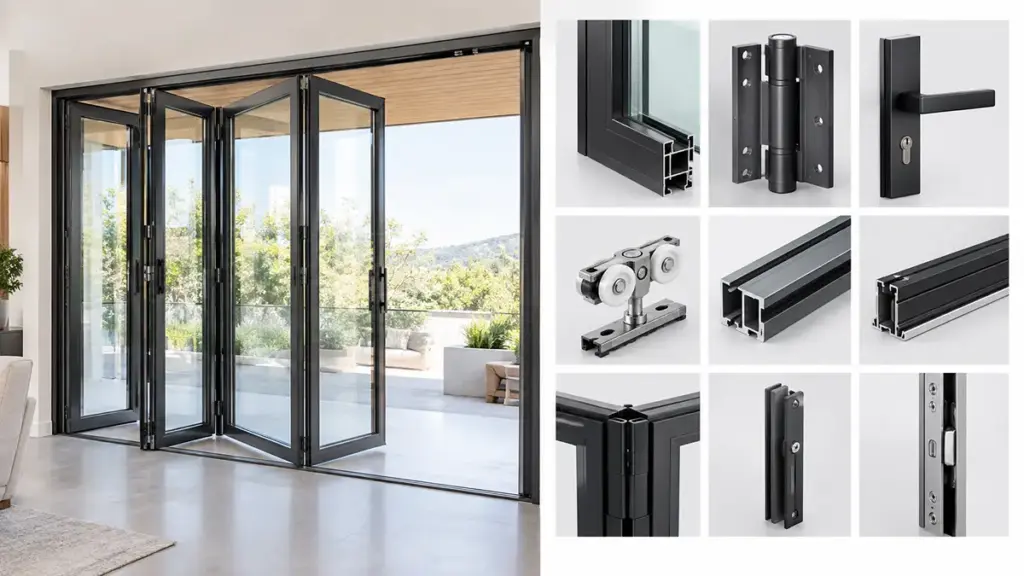
After the panels and track system have been positioned correctly, the next important stage involves assembling the roller and hinge hardware connections. These components serve as the mechanical links between the aluminum garage door panels and the track system, allowing the door sections to move smoothly during opening and closing cycles.

Installing Rollers into the Track System

Rollers are responsible for guiding aluminum garage doors along the installed tracks. Each roller must be positioned correctly inside the track channel to ensure smooth movement without excessive resistance.

During installation, rollers should be checked to confirm that they move freely and maintain consistent contact with the track surface. Misaligned rollers may cause the door to shake, create unusual operating sounds, or increase stress on other hardware components.

The quality and condition of rollers also influence the overall アルミガレージドアの性能. Well-installed rollers help distribute the weight of the door evenly and support smooth movement throughout the entire opening cycle.

Installers should avoid forcing rollers into position or allowing them to sit unevenly within the tracks. Incorrect roller placement can gradually affect panel alignment and create additional strain on hinges and tracks.

Connecting Hinges Between Door Sections

Hinges provide flexibility between individual aluminum garage door panels. As the door moves from a vertical position into the horizontal track area, the hinges allow each section to bend and follow the movement path.

Each hinge should be securely attached according to the designed installation position. Proper hinge connection ensures that panels move together as one complete system rather than operating independently.

Loose or incorrectly positioned hinges may result in gaps between panels, uneven movement, and increased mechanical stress. During installation, all hinge fasteners should be checked carefully to ensure stable connections.

For aluminum garage doors used in residential and commercial projects, precise hinge installation is particularly important because it affects both operational reliability and visual consistency.

Checking Hardware Connections Before Final Assembly

Before completing the hardware installation process, all rollers, ヒンジ, brackets, and fasteners should be inspected. Every connection should provide sufficient stability while allowing the necessary movement required for door operation.

A properly assembled hardware system allows aluminum garage doors to move quietly and efficiently. It also reduces the workload placed on springs and openers, helping extend the service life of the entire garage door system.

Careful inspection at this stage can prevent future maintenance problems and ensure that the finished installation meets expected performance standards.

Critical Safety Step: Handling High-Tension Torsion Springs

ガレージのドア

The torsion spring system is one of the most important mechanical elements in aluminum garage doors. It provides the counterbalance needed to lift and lower the door smoothly, reducing the amount of force required from the opener system or manual operation.

Installing and Adjusting Springs with Proper Safety Procedures

Torsion spring installation is a highly technical process because springs operate under high tension. Professional installers should use appropriate tools and follow correct procedures when mounting and adjusting spring systems.

The spring assembly must be positioned accurately on the shaft and securely connected with the required hardware. Incorrect positioning may result in poor balance, unstable operation, or premature component failure.

Unlike routine maintenance tasks such as cleaning panels or removing debris, spring adjustment should not be performed without proper expertise. Professional installation helps ensure that aluminum garage doors operate safely and reliably after completion.

Testing Spring Balance After Installation

After torsion springs are installed, balance testing is necessary to confirm that the door weight is properly supported.

A balanced aluminum garage door should move smoothly without requiring excessive force. When disconnected from the opener system, the door should remain stable when positioned partially open.

If the door moves unexpectedly, feels too heavy, or cannot maintain position, the spring system may require adjustment. Proper balance reduces stress on mechanical components and improves the overall efficiency of aluminum garage doors.

Mounting the Garage Door Opener and Safety Reverse Sensors

Modern aluminum garage doors are often combined with automatic opener systems to provide convenient and reliable operation. Correct installation of the opener and safety sensors ensures that the complete system functions safely and efficiently.

Installing the Opener System Correctly

The garage door opener must be mounted securely to provide consistent movement control. The opener rail, motor unit, and connection points should be positioned according to the specific installation requirements of the door system.

A properly installed opener works together with balanced aluminum garage doors to provide smooth automatic operation. If the door is incorrectly balanced or the opener is improperly mounted, the motor may experience unnecessary strain.

During installation, the opener should be aligned correctly with the centerline of the door. Proper alignment helps distribute operating force evenly and supports reliable performance over time.

Positioning Safety Reverse Sensors

Safety reverse sensors are essential components of automated aluminum garage doors. These sensors detect obstacles within the door opening area and help prevent accidental closing when an object is present.

The sensors should be installed facing each other at the appropriate height on both sides of the garage opening. Proper alignment is necessary for the system to function correctly.

During installation, installers should ensure that:

  • Sensor lenses remain clean.
  • Both sensors face each other directly.
  • Mounting brackets remain stable.
  • No objects block the detection path.

Incorrect sensor positioning may cause the opener system to stop unexpectedly or fail to respond properly during operation.

Connecting Opener Performance with Door Balance

The opener system and aluminum garage doors must work together as a complete operating unit. A properly balanced door reduces the workload placed on the opener motor and allows smoother movement.

If the door requires excessive force to open or close, the issue may not be with the opener itself but with door balance, track alignment, or mechanical components.

Testing the complete system after installation helps identify whether all components are functioning together correctly.

Testing Operational Balance and Setting Limit Travel Switches

The final installation stage involves comprehensive testing to confirm that aluminum garage doors operate smoothly, safely, and according to the required movement range.

Checking Opening and Closing Performance

After installation is complete, aluminum garage doors should be operated several times to evaluate movement quality. During testing, installers should observe whether the door moves evenly, quietly, and without resistance.

Important factors to check include:

  • Smooth movement along the tracks
  • Stable panel alignment
  • Proper sealing when closed
  • Consistent opening and closing speed
  • Absence of unusual noise

Any irregular movement should be investigated before final project completion. Early correction prevents small installation issues from developing into long-term operational problems.

Adjusting Limit Travel Settings

Automatic opener systems use limit settings to control how far aluminum garage doors travel during opening and closing. Correct adjustment ensures that the door stops at the proper positions without excessive force.

If the closing limit is set incorrectly, the door may not seal completely or may press too strongly against the floor. If the opening limit is incorrect, the door may stop too early or place unnecessary pressure on the opener system.

Proper limit adjustment helps maintain smooth operation while protecting both the opener and the aluminum garage doors from unnecessary stress.

Performing Final Safety Testing

Safety testing should always be completed before the installation is considered finished. The auto-reverse function, sensor response, manual operation, and overall balance should all be verified.

A properly installed aluminum garage door should provide reliable performance while maintaining safe operation for users and vehicles.

Final testing also provides an opportunity to confirm that all installation steps have been completed correctly. Any loose hardware, alignment issues, or operational concerns should be addressed before the system enters daily use.

最終的な考え

While rushing installations may save time upfront, a meticulously executed workflow for aluminum garage doors is the only way to protect your projects and reputation. Following these precise steps prevents costly alignment call-backs, ensures peak operational performance, and guarantees user safety every time.

You should review the current installation process by referring to these verified guidelines. Please contact our team to learn about customized training programs or high-quality component packages to simplify the compliance process and enhance efficiency.

ユアン・ウェン

一流のアルミニウム製窓およびドアメーカーの創設者兼 CEO として, 持ってきます 12 高性能建材に関する長年にわたる専門知識. 私のキャリアは、エネルギー効率とエンジニアリングの卓越性への取り組みによって定義されます。, 世界中の請負業者や開発者が建築上のビジョンを達成できるよう支援します.

私のリーダーシップの下で, カスタマイズされたソリューションを正常にエクスポートしました 30+ ヨーロッパ中の国々, 中東, そして東南アジア, 以上のサポート 500 大規模な住宅および商業プロジェクト. 私は OEM/ODM 製造と複雑なアルミニウム被覆木材システムを専門としています。, すべての製品が厳格な世界基準と多様な気候要件を確実に満たすようにする. 私は先進的な製造業と世界貿易の間の橋渡しに専念しています, プロフェッショナルを提供する, 次のプロジェクトに合わせたカスタマイズされたサポート.

連絡してください

人気のブログ

It seems we can't find what you're looking for.

カスタムアルミニウムドアを入手してください & 今日のウィンドウの引用!

高品質のドアを探しているかどうか, Windows, またはカスタムソリューション, 私たちはあなたがあなたのビジョンを生き返らせるのを助けるためにここにいます.

*私たちはあなたの機密性を尊重し、すべての情報が保護されています.