For aluminum casement door projects, glass selection directly affects safety, 에너지 효율, 편안, and the overall appearance of the finished installation. 건축가, 건축업자, and distributors need to consider glass type, 두께, and performance requirements before finalizing specifications. An unsuitable glass specification may lead to poor insulation, insufficient safety performance, or premature issues during installation and use.
알루미늄 도어 제조에, 강화 유리와 접합 유리는 가장 일반적으로 사용되는 두 가지 안전 유리 옵션입니다.. 둘 중 하나를 선택하는 것은 설치 위치와 같은 요소에 따라 다릅니다., 기후 조건, 및 프로젝트 요구 사항. 더 나은 절연 또는 소음 제어가 필요한 응용 분야용, insulated glazing units (IGU) such as 4/12/4mm configurations can improve thermal performance. Higher acoustic performance usually requires additional solutions, such as laminated glass, 최적화된 에어 갭, and well-sealed aluminum frames.
여닫이문에서 유리 선택이 중요한 이유
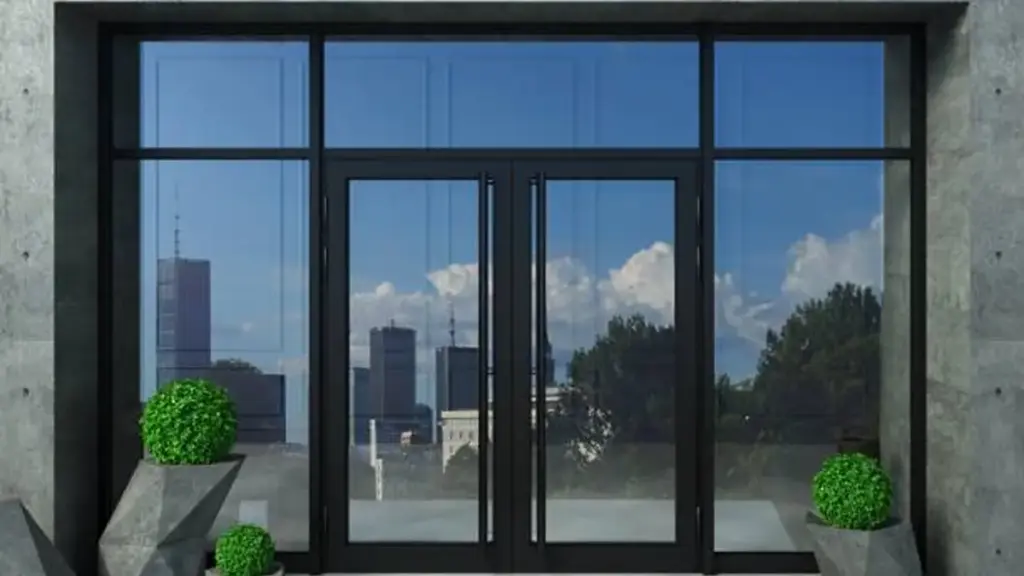
Glass performance critically affects casement door energy, 안전, 편안, 내구성, 그리고 미학. 올바른 유리를 선택하면 특정 응용 분야 요구 사항에 맞는 최적의 성능이 보장됩니다..
도어 성능 및 실내 환경에 미치는 영향
In aluminum casement doors, glass occupies a large portion of the visible area and plays a major role in controlling heat transfer, solar gain, 일광, and sound transmission. Understanding glass performance for aluminum windows also helps architects evaluate thermal efficiency, acoustic control, and long-term durability when selecting glazing systems. The frame provides structural support, while the glass and aluminum system work together to determine overall door performance. Similar principles also apply to aluminum casement windows, where glazing selection directly affects insulation, 통풍, and overall system performance. Double glazing reduces heat transfer by using two glass panes separated by an insulating air or gas cavity. When combined with Low-E coatings and proper frame systems, it can further improve thermal performance. 로이 유리, especially with thermal-break frames, significantly cuts heating and cooling loads by limiting infrared and UV transmission.
Glass choice also impacts safety and security. 강화유리는 작은 조각으로 안전하게 부서집니다.. Laminated glass remains intact when broken, 보안 및 추락 방지 개선. 소음 제어용, laminated and insulated glass improves sound transmission loss, crucial for urban installations.
내구성면에서는, 더 두껍거나 적층된 장치와 같은 무거운 유리 유형은 원활한 작동을 유지하기 위해 적절한 힌지 및 프레임 사양이 필요합니다.. 큰 유리 영역의 두께가 충분하지 않으면 바람의 압력으로 인해 휘어지거나 밀봉이 실패할 수 있습니다.. 적절한 가장자리 보호는 취급 중 균열도 방지합니다..
실내의 편안함은 유리 선택에 달려 있습니다.. Low-E 코팅 및 단열 장치는 안정적인 실내 온도 유지에 도움이 됩니다.. Laminated glass can improve sound insulation, especially when combined with insulated glazing units and acoustic-grade interlayers. 시각적으로, 매우 투명한 유리는 야외 및 인지 공간과의 연결을 향상시킵니다., 시야가 막히지 않으려면 전체적인 선명도가 중요합니다..
유리를 특정 요구 사항 및 설계 목표에 맞추기
Matching glass to project needs is crucial. 고층부지나 해안부지용, you need verified wind pressure performance and tempered or laminated safety glass. Glass thickness should be determined based on panel size, 풍하중 요구 사항, and the door system design. Larger panels often require thicker glass or laminated configurations. This ensures the door meets safety and building codes in exposed areas.
Energy-efficient buildings, like homes and villas, benefit from thermally broken aluminum frames with Low-E double-glazing (예를 들어, 5mm+6A+5mm or 5mm+15A+5mm tempered units). 이 설정은 넓은 유리 영역을 통해 난방 및 냉방 손실을 줄입니다., 실내의 편안함 향상.
시끄러운 거리나 도시 지역을 향한 도어용, 적층 및 절연 유리는 소음 감쇠를 크게 향상시킵니다.. Evaluating acoustic glass performance through factors such as STC ratings and glazing configuration can help determine the right solution for noise-sensitive projects. 여닫이 하드웨어의 압축 씰과 결합된 경우, external noise is greatly reduced. 디자인 중심의 내부 도어 또는 컴팩트한 공간용, 슬림한 알루미늄 프레임에 매우 투명한 단일 유리가 있어 미적 감각과 가벼움을 향상시킵니다., 개인 정보 보호에 영향을 미치는, 광선 투과, 그리고 시각적 스타일.
궁극적으로, 유리를 선택하는 데 중요한 매개변수에는 유형이 포함됩니다. (단련된, 적층), 구성 (하나의, 더블, 또는 적층 IGU), 및 코팅 (에너지 효율을 위한 Low-E). 강도를 위해 두께도 고려하세요., 광학적 성질 (분명한, 매우 선명한, 착색, 희게 센), 그리고 적절한 설치 방법. 올바른 선택은 유리 성능과 프레임 디자인을 일치시킵니다., 문 크기, 건물 노출, 용도와 용도.
투명 유리 vs 젖빛 유리 vs 착색 유리
명확하게 비교한다, 희게 센, 알루미늄 여닫이문용 착색 유리. Each glass type serves a different purpose. Clear glass maximizes views, frosted glass improves privacy, and tinted glass helps control glare and solar heat.
주요 속성: 분명한, 희게 센, 그리고 색유리
- 투명 유리는 최소한의 프라이버시로 최대의 전망과 일광을 제공합니다..
- 반투명 유리는 빛을 확산시키고 직접적인 시야를 가려 높은 프라이버시를 보장합니다..
- 착색 유리는 눈부심과 태양열을 줄여줍니다., 적당한 시각적 프라이버시 및 UV 차단 기능 제공.
- For energy-efficient aluminum casement doors, 분명한, 희게 센, or tinted glass can be combined with IGUs and Low-E coatings depending on project requirements.
- 안전 요구 사항은 내충격성을 위해 모든 유리 유형에 걸쳐 강화 또는 적층 옵션을 지정하는 경우가 많습니다..
알루미늄 여닫이문을 위한 전략적 선택
- 넓은 전망과 풍부한 자연 채광이 중요한 경우 거실이나 발코니에 투명 유리를 선택하세요..
- 일광을 희생하지 않고 강력한 프라이버시가 필요한 구역에는 반투명 유리를 선택하세요., 욕실이나 출입구 같은.
- 태양열 증가와 눈부심을 완화하려면 착색 유리를 선택하세요., 특히 햇빛에 노출된 건물 정면이나 더운 기후의 경우.
- Consider project-specific design goals and local building codes when selecting safety glass options such as tempered or laminated glass.
- 최적의 열 성능과 장기적인 내구성을 위해 선택한 유리를 고급 알루미늄 여닫이 도어 시스템과 통합하세요..
Find the Right Aluminum Casement Door Solutions
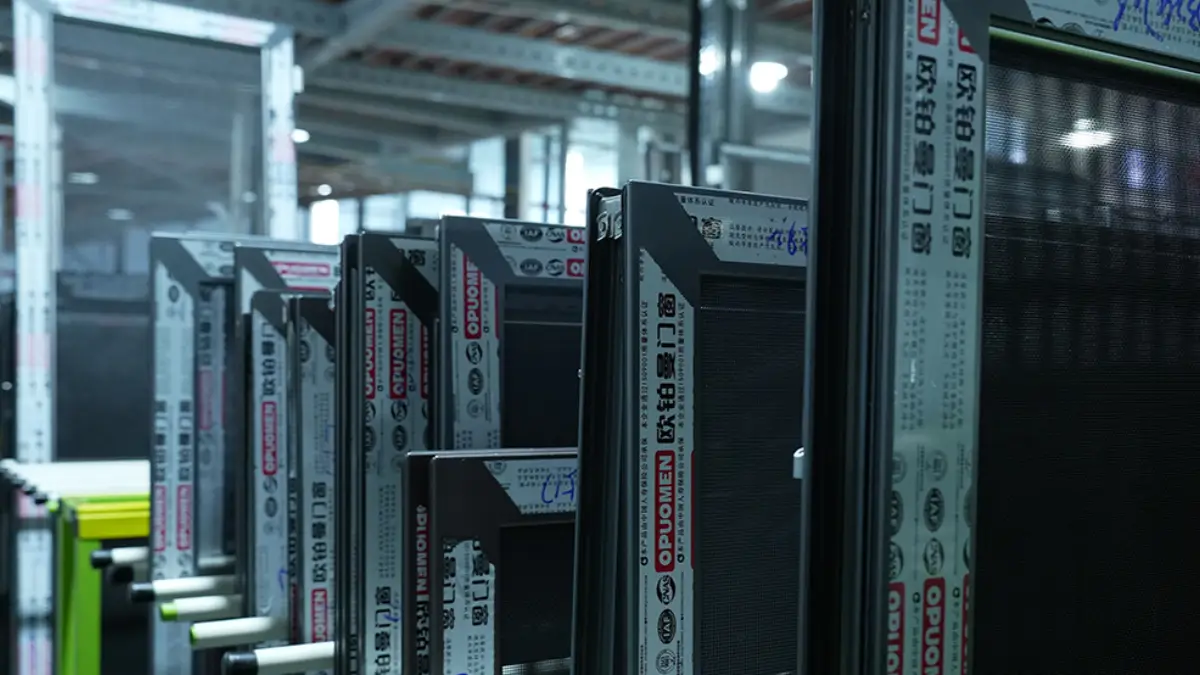
패턴 및 장식 유리 옵션
프라이버시를 보호하는 알루미늄 여닫이문용 패턴 유리, 빛, 그리고 디자인. 질감이 있는 표면을 사용하여 자연광이 들어오도록 하면서 시야를 확산시킵니다..
장식유리의 특성과 종류
패턴 유리는 알루미늄 여닫이문에서 다양한 용도로 사용됩니다..
- 주요 기능: 패턴유리는 직접적인 시야를 차단하여 프라이버시를 제공합니다.. 자연광이 공간 전체로 퍼지도록 해줍니다., 맞춤형 건축 모티프를 갖춘 디자인 요소로도 작용.
- 일반적인 패턴 및 장식 유형: 옵션에는 비가 포함됩니다. (물같은 질감), 리드/리브/플루티드 (선형 텍스처), 글루칩 (얼음, 결정질 질감), 초라한/거품 (요철이 박힌 유리), 반투명/새틴 에칭/샌드블래스트 (무광택 표면), 다양한 표준 모호하거나 특수한 패턴.
- 패턴유리가 만들어지는 과정: 제조업체는 일반적으로 양각 질감을 만들기 위해 뜨거운 유리에 디자인을 굴립니다.. 산성 에칭 또는 연마 표면 처리로 반투명 및 샌드블라스트 효과 생성.
- 알루미늄 여닫이문과 관련된 성능 특성: 무늬가 있는 유리는 선명한 시야를 가리면서 유용한 일광을 제공합니다.. 질감에 따라 가려지는 정도가 달라집니다.. Patterned glass is available in different thicknesses and sizes depending on the glass type, 안전 요구 사항, and the aluminum door system.
- 알루미늄 여닫이문 관련 재질 및 외관 참고 사항: 알루미늄 프레임은 날씬한 프로파일을 특징으로 합니다., 패턴유리를 더욱 돋보이게 해주는. 유리는 종종 현대의 주요 디자인 요소로 작용합니다., 미니멀한 알루미늄 여닫이문.
- 제조업체가 사용하는 일반적인 제품 카테고리: 회사에서는 종종 이를 색조로 분류합니다., 무늬가 있는, 애매하게 하다, 그리고 특수유리. 그들은 프라이버시 패턴 유리 또는 장식 패턴 유리로 판매합니다..
장식 유리의 응용 및 사양
- 알루미늄 여닫이문의 일반적인 용도: 건축업자들은 매력과 프라이버시를 억제하기 위해 현관 여닫이문에 장식 유리를 사용합니다.. It goes into bathrooms or sheltered side openings for visibility reduction, and in interior-exposed exterior doors to let light in without a clear view into the home.
- Selection factors: You should consider the required privacy level; heavier textures or frosted finishes block more views. Match the architectural style—linear patterns work for modern frames; seedy, gluechip, or bubble styles fit traditional looks. Ensure glass size and thickness are compatible with the door’s glazing system. 또한, think about maintenance needs; cleaning effort varies by texture.
- Practical specification considerations: Confirm glazing requirements (하나의, 절연된, or laminated safety) because availability varies by pattern. Check maximum panel dimensions early; decorative textures often have narrower fabrication limits than clear glass. 개인 정보 보호의 균형을 효과적으로 유지하는 패턴을 선택하세요., 일광 투과율, 특정 도어 위치에 대한 청소 허용 오차.
안전유리: 강화 및 적층
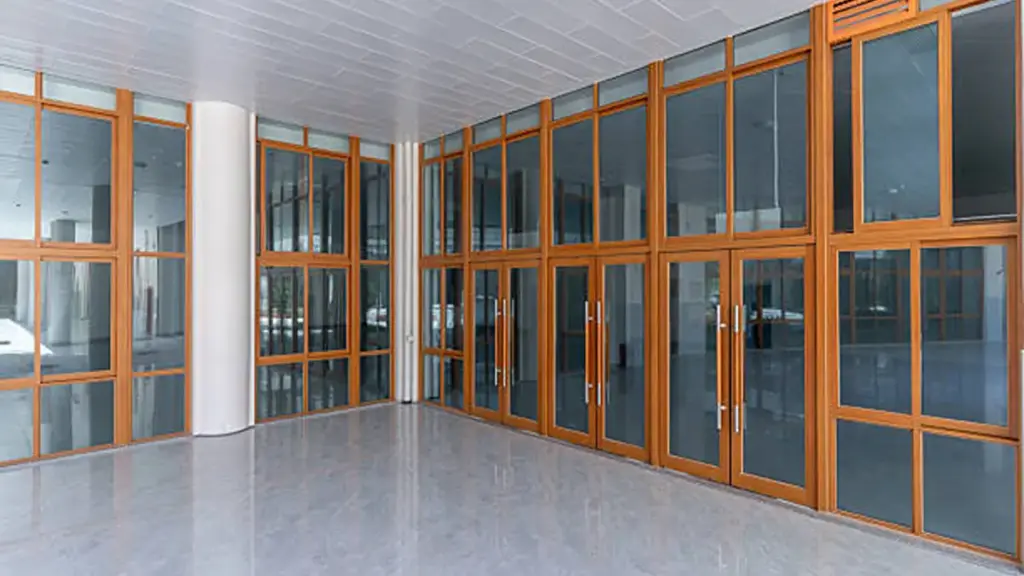
강화유리와 합판유리는 확실한 안전성을 제공합니다., 보안, 알루미늄 여닫이문의 성능 및 특징. 올바른 유형을 선택하는 것은 내충격성과 같은 특정 프로젝트 요구 사항에 따라 달라집니다., 보안 요구, 방음, 그리고 예산.
강화 및 접합 안전유리의 특성 및 응용
알루미늄 여닫이문용 안전유리는 강화유리 또는 적층유리를 사용하는 것을 의미합니다.. 제조업체는 부상 위험을 줄이기 위해 이러한 유형의 유리를 설계합니다., 보안을 강화하다, 안전 유리 규정을 준수합니다..
안전 유리는 도어 유리가 파손될 경우 절단 및 충격 부상을 최소화합니다.. 우발적인 충격에도 저항합니다., 강제입국, 그리고 혹독한 날씨. 건축 법규 및 안전 유리 표준 (예를 들어, ANSI Z97.1, CPSC 16 CFR 1201, ASTM C1172) 그 사용을 명령하다.
강화 안전 유리
단련된 (강화) glass starts as standard annealed glass, then undergoes heat or chemical tempering to increase its strength. This process creates internal stresses, making the glass up to four times stronger than regular annealed glass of the same size and thickness.
Tempered glass is designed for safe breakage. When overloaded, it shatters completely into many small, 무딘 조각. This breakage pattern reduces sharp edges and serious lacerations. After breaking, it loses structural integrity and no longer acts as a barrier.
This glass provides high strength and impact resistance, suitable for high-traffic doors. It is also resistant to heat, supporting use in sun-exposed aluminum frames. Tempered glass generally costs less than laminated glass. Typical applications include interior casement doors and residential aluminum glass casement doors where safe breakage and energy efficiency are key.
For architectural use in aluminum doors, tempered glass has maximum area limits based on thickness. Larger door panels typically use 8–12 mm tempered glass to meet these limits and manage deflection. If a door design exceeds these areas, designers often divide the opening or consider laminated glass.
Laminated Safety Glass
Laminated glass consists of two or more panes of annealed glass joined by a plastic interlayer, like polyvinyl butyral (PVB). This interlayer bonds the panes, increases energy absorption during impact, and maintains integrity after breakage. 자주, it’s called a “glass sandwich”: 유리 + PVB + 유리.
Laminated glass is designed for containment and retention. When cracked or broken, the interlayer holds glass fragments together, keeping the opening largely covered. Broken glass stays in the aluminum frame, limiting fall-out and maintaining a partial barrier. This reduces injury risk from falling shards and maintains security and weather protection even after impact.
Laminated glass provides strong security and forced entry resistance. The interlayer resists tearing and cutting, making penetration difficult. It also improves impact resistance because the interlayer helps hold the glass together after cracking. Multi-pane designs and the interlayer offer soundproofing. When combined with insulated glazing systems, laminated glass can contribute to better thermal and acoustic performance while maintaining integrity after impact. Laminated glass costs more than tempered glass. Typical uses include exterior aluminum casement doors needing higher security, post-breakage containment, sound protection, 및 내후성.
In many applications, laminated glass allows larger glazed areas because the interlayer helps maintain stability after breakage. This supports designing full-height, wide glass casement doors with fewer mullions, while maintaining safety compliance.
Integration with Aluminum Casement Door Design
Aluminum casement door frames, typically powder-coated, securely hold tempered or laminated glass units. They use gasket systems, glazing beads, and proper edge cover. The aluminum frame’s structural capacity must match the weight and thickness of the glass. Laminated glass requires the frame and hardware to support additional weight and provide long-term clamping.
Aluminum casement doors with double-glazed safety glass improve indoor comfort and help maintain stable temperatures. Laminated units also enhance energy efficiency. 접합유리, combined with tight-sealing aluminum casement hardware, offers soundproofing, especially for exterior doors near roads or public spaces.
Safety glass is crucial in areas prone to human impact, such as near floor level or at entrances. Building codes often require safety glazing in door panels and compliance with impact performance standards like ANSI Z97.1 and CPSC 16 CFR 1201.
Comparative Analysis, 완성, and Specification for Aluminum Casement Doors
Comparative Overview
Below is a direct comparison of tempered and laminated safety glass in aluminum casement doors.
| 측면 | 강화 안전 유리 | Laminated Safety Glass |
|---|---|---|
| Primary safety mode | Safe breakage – shatters into small blunt pieces | Containment – fragments held together by interlayer |
| Post‑breakage barrier | Barrier lost once glass shatters | Barrier largely maintained; opening stays covered |
| 쉬기 전의 힘 | 단련된 유리보다 최대 4배 더 강함 | 다중 창 시스템의 강점 + 중간층; 충격 방지 |
| 보안 / 침입 방지 | 보통의; 한 번 부서진, 개통 가능 | 높은; 균열 후에도 침투하기 어려움 |
| 방음 | IGU에 결합되지 않은 경우 표준 | 적층 구조로 인해 강화됨 |
| 비용 | 낮추다 | 더 높은 |
| 일반적인 문 사용 | 내부 / 일반 주거용 여닫이문 | 외부, 충격 방지, 보안 및 소음 제어 도어 |
| 최대 면적 (예) | 6 mm: 3.0 m²; 8 mm: 4.0 m² | 8.38 mm: 5.0 m²; 10.38 mm: 7.0 m²; 12.38 mm: 8.0 m² |
도어 애플리케이션의 위험 중심 비교
강화 유리와 합판 유리는 모두 안전 유형입니다., 하지만 그들은 부상 위험을 다르게 관리합니다. 강화유리로 날카로운 것을 방지합니다., 작은 조각으로 조각화하여 큰 조각. 합판유리는 파편을 잡아주어 낙하를 방지하고 커버력을 유지해줍니다..
충격 후 닫힌 상태를 유지해야 하는 여닫이문의 경우, 접합 유리가 더 적합합니다.. This is because more of the opening remains covered after breakage. Tempered glass offers a more economical safety solution when immediate replacement is feasible and safe egress is not compromised.
Compliance and Quality Considerations
Both tempered and laminated safety glass in aluminum casement doors should conform to standards. These include ANSI Z97.1 for safety glazing materials, CPSC 16 CFR 1201 for consumer product safety, and ASTM C1172 for laminated architectural flat glass.
Quality control involves correct tempering, proper lamination, and proper installation. Correct tempering avoids unpredictable breakage. Proper lamination prevents interlayer defects. Installation practices ensure adequate edge cover, compatible sealants, and frame/hardware alignment to prevent premature breakage.
욕실과 침실의 개인정보 보호 요구
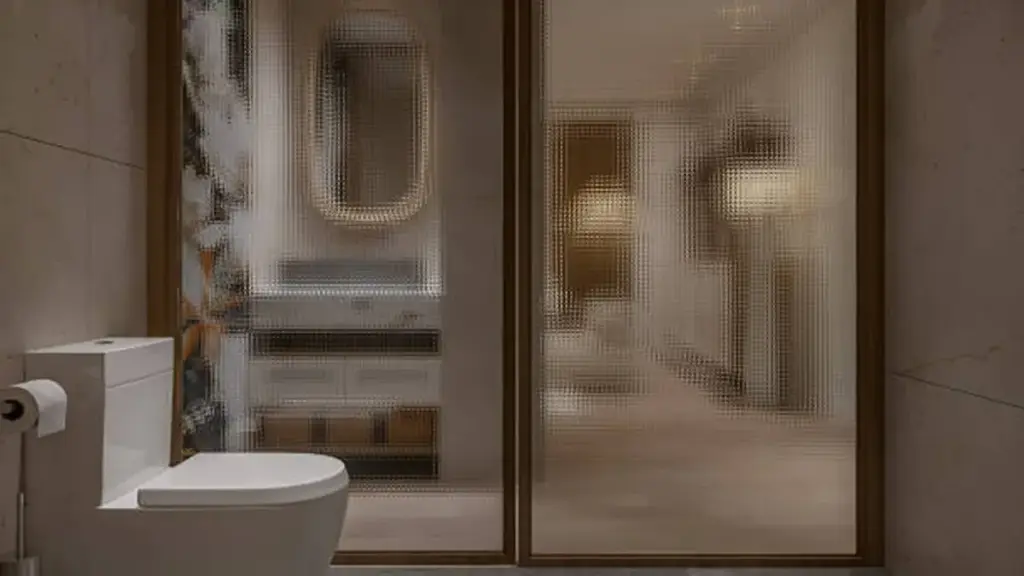
Bathrooms and bedrooms demand tailored privacy. Aluminum casement doors achieve this through obscured glass, solid construction, and tight seals, balancing light with confidentiality.
Specific Privacy Needs in Bathrooms
Use frosted or obscured glass. This blocks direct visibility, but still lets daylight in.
Choose solid-core doors. They offer better noise reduction and complete visual privacy.
Implement integrated seals. These reduce gaps, enhancing sound control and moisture resistance.
Prioritize moisture-resistant materials and finishes. This maintains door alignment and prevents privacy gaps in humid environments.
Consider aluminum casement doors for their durability and low maintenance in bathrooms. Make sure you have proper swing clearance.
Key Privacy Considerations for Bedrooms
Bedrooms usually require more privacy than shared living areas, especially in terms of visual separation and noise control.
Select solid panels or glass with privacy film or frosted treatment for visual confidentiality.
Ensure tighter seals to minimize light leakage, sightline exposure through edges, and sound transmission.
Utilize aluminum casement doors when you want a clean, 현대 미학. Combine them with effective privacy treatments and frame design.
Balance light transmission with privacy. Solid construction improves privacy and sound reduction, but it reduces natural light.
거실과 사무실의 조명과 디자인
Aluminum casement doors maximize daylight and views, balancing comfort and performance through thoughtful design in both homes and offices.
Maximizing Daylight and Visual Openness
Aluminum casement doors use slim profiles and large glass panels. This brings a lot of daylight into interiors.
They spread daylight evenly, cutting down on harsh contrast and the need for artificial lights.
The design gives clear, unbroken views outside. This makes spaces feel bigger and connects people to the outdoors.
Positioning these doors strategically, especially on south or east sides, captures optimal natural light for daily tasks.
사무실에서, continuous bands of perimeter doors and interior glass partitions push daylight deep into floor plans.
This transparency helps distribute daylight deeper into the space and creates a more open interior environment.
Full-height casement doors visually connect indoor living areas with outdoor spaces. This strengthens open-plan designs.
Integrating Performance, 편안, and Architectural Harmony
Advanced glass, like low-E or spectrally selective glazing, balances light transmission with thermal control for comfort.
Effective glare management, using external shading and internal blinds, ensures visual comfort, especially near screens.
Frame color, 마치다, and low threshold details integrate doors smoothly with interior design. This enhances a continuous aesthetic.
Operable casement doors allow natural cross-ventilation. They bring in fresh air and complement mechanical systems.
Compression sealing and thermal breaks in aluminum frames improve energy efficiency and stabilize indoor temperatures.
High structural strength and low maintenance mean long-term durability and reliable function.
Multi-point locking hardware and safety glass offer better security for living areas and offices.
Slim aluminum frames fit well with contemporary, 미니멀리스트 건축. They also reinforce a modern corporate identity.
Interior aluminum framed glass partitions allow flexible office space planning while keeping light flow and acoustic separation.
주문서에 명시할 사항
An effective order sheet requires precise details. Include fundamental door characteristics, 재료, performance expectations, special additions, and logistical elements for accurate manufacturing and delivery.
Fundamental Door Characteristics and Materials
To avoid miscommunication and delays, specify the core aspects of the door and its components upfront.
- Door type, 구성 (single/pair, in/out-swing), and intended use location.
- Exact frame and door leaf dimensions, including width, 키, and specified tolerance class.
- Aluminum alloy, 성질, profile system series, 벽 두께, and required reinforcement.
- Glass or panel type, 두께, IGU build-up, glass bite, and glazing position.
- Complete hardware schedule reference, including hinge count, lock type, and handle type.
- Weatherstripping system, threshold profile, and drainage/weep requirements for exterior use.
- Finish system, color code, 광택 수준, and any required control samples.
성능, Additions, and Project Logistics
Beyond basic construction, outline specific performance targets, integrated features, and site-related logistics to ensure the door meets project requirements.
- Required performance standards and target values (예를 들어, 바람, 공기, 물, 열의, 음향학).
- List of all non-standard accessories, integrated features, or special security/safety enhancements.
- 설치 조건, required anchorage, perimeter sealing methods, and submittal requirements (상점 그림, 샘플).
Customized Glass Solutions from OPUOMEN
Choosing the right glass configuration requires more than selecting a glass type. It also involves matching the glass with aluminum profiles, hardware systems, 기후 조건, 및 프로젝트 요구 사항. opuo provides customized aluminum door and window solutions for residential, 광고, 건축 프로젝트, supporting different glass configurations including tempered glass, 접합 유리, 이중창, and Low-E options.
With a production base covering more than 60,000㎡ and a professional team of engineers, technicians, QA, and QC specialists, OPUOMEN manages the entire process from design and production to quality inspection and delivery. The company’s aluminum doors and windows are manufactured under ISO9001 quality management standards and meet international requirements such as CE, 로스, 및 REACH 인증.
For overseas distributors, builders, and project contractors, OPUOMEN offers OEM customization, technical support, and reliable production capacity to help deliver aluminum door systems that balance safety, energy efficiency, and modern architectural design.최종 생각
Choosing the right glass for 알루미늄 여닫이문 means more than just a purchase; it’s an investment in enduring performance and safety. Generic options may cut initial costs, but they expose your projects and reputation to critical failures in privacy, 보안, 에너지 효율성. 정확한 유리 사양에 맞게 정렬하면 도어가 엄격한 적용 요구 사항과 건축 법규를 충족할 수 있습니다., 미래의 위험으로부터 보호.
Working with a reliable manufacturer helps ensure that glass selection, processing, and installation requirements are properly considered from the beginning. 당사의 세부 사양을 검토하고 샘플 주문을 고려하여 당사의 품질을 직접 경험해 보시기 바랍니다.. Connect with our team today to define your precise OEM requirements and secure your next supply.
FAQ
알루미늄 욕실 문에 가장 적합한 유리는 무엇입니까??
알루미늄 욕실 도어용, 가장 좋은 유리는 일반적으로 강화유리 또는 적층 안전유리입니다., 두께 약 6~8mm. 프라이버시를 위해 반투명 유리 또는 불투명 유리와 같은 반투명 마감을 원합니다.. 문이 바깥쪽을 향하거나 시끄러운 지역을 향하고 있는 경우 음향 또는 열 제어 속성을 추가하세요.. 습한 환경에서는 안전이 핵심입니다, 유리는 습기와 잦은 청소에 강해야 합니다..
문용 강화유리와 합판유리의 차이점은 무엇인가요??
강화유리는 열처리를 통해 일반 유리보다 4배 더 강한 강화유리입니다.; 그것은 작게 산산이 부서진 것입니다, 부서지면 무딘 조각. 이는 기본적인 안전을 제공하지만 파손 후 장벽은 없습니다.. 접합유리는 파손될 때 파편을 함께 잡아주는 중간층을 사용합니다., 장벽을 유지하고 높은 보안성을 제공, 방음, 그리고 자외선 차단. 강화 유리는 주거용 문에 더 저렴하고 일반적입니다.. 접합유리는 가격이 더 비싸지만 보안성이 높다는 점에서는 더 좋습니다., 높은 소음, 또는 추락 위험이 있는 장소.
알루미늄 내부 도어용 패턴 유리를 선택할 수 있나요??
예, 패턴 유리는 알루미늄 내부 문에 잘 맞습니다.. 서리로 덥은 것을 사용할 수 있습니다, 질감이 있는, 분사된, 또는 갈대/홈이 있는 유리. 이러한 옵션은 빛을 통과시키면서 프라이버시를 제공합니다., 현대적인 인테리어에 시각적 흥미와 개성을 더하다. 항상 강화 안전 유리인지 확인하세요., 일반적으로 4mm 이상, 안전 요구 사항을 충족하고 충격 저항을 향상시킵니다..
젖빛 유리는 침실이나 욕실 문에 충분히 비공개적입니까??
예, 반투명 유리는 침실과 욕실 문 모두에 높은 프라이버시를 제공합니다.. 세부 사항을 모호하게 만듭니다., 흐릿한 모양과 움직임만 표시됨, 명확하지 않은 기능. 최상의 결과를 얻으려면, 전체 패널을 덮는 샌드블래스트 또는 산부식 강화 반투명 유리를 선택하세요.. 이는 내구성을 제공합니다., 일관된 개인 정보 보호, 습도를 잘 조절한다, 안전 규정을 충족합니다.. 전략적 조명과 문 배치도 프라이버시를 극대화하는 데 도움이 됩니다..
접합 유리가 소음을 줄입니까??
예, laminated glass can significantly improve sound insulation, especially when combined with insulated glazing units and well-sealed aluminum frames. 플라스틱 중간층은 소리 진동을 흡수합니다., 특히 교통 소음과 같은 저주파. 최상의 결과를 얻으려면, 다중 창 단위와 결합, 최적화된 에어 갭, 그리고 딱딱한, 완벽한 알루미늄 프레임. 음향 접합 유리, 특수 중간막을 사용한, 방음이 더욱 향상됩니다..
구매 주문서에 어떤 유리 세부 사항을 포함해야 합니까??
알루미늄 여닫이문용 유리 주문 시, 정확한 세부정보를 포함하세요. 정확한 유리 종류 지정 (예를 들어, 이중 유리 강화 IGU), 아르곤 충전으로 4/12/4mm와 같은 전체 빌드업, 및 총 단위 두께. 또한, 전체 IGU 크기 목록 (폭x높이mm), 필수 Low-E 코팅, 목표 U-값 또는 태양광 제어. 음향 또는 보안 업그레이드에 유의하세요., 적층 내부 창처럼. 미적 선택을 명확하게 정의 (분명한, 희게 센, 착색) 안전기준 준수 여부를 확인합니다..