When selecting windows for residential or commercial projects, standard-sized windows are favored by homeowners and contractors for their stability, cost-effectiveness, and easy installation. As a professional Door and window manufacturer, OPUOMEN Doors and Windows manufacturer has long focused on optimizing standard window sizes to meet diverse market needs. Among them, the 48×48 Window, a typical 4ft x 4ft square standard size, stands out with its balanced proportions and strong adaptability. It’s important to note that the 48×48 size refers to the actual window size, not the wall-to-wall opening size, ensuring accurate matching with installation needs. For this size, OPUOMEN offers a variety of styles including 48×48 Sliding Window, Casement Window, Awning Window, and Tilt and Turn Window, with UPVC/Vinyl or Aluminum materials available for customization. Today, we will focus on comparing two of the most popular styles—48×48 Casement Window and 48×48 Sliding Window—detailing their features, differences, and applicable scenarios to help you make an informed selection.
48×48 Window (4ftx4ft): Standard Size Definition & Core Advantages
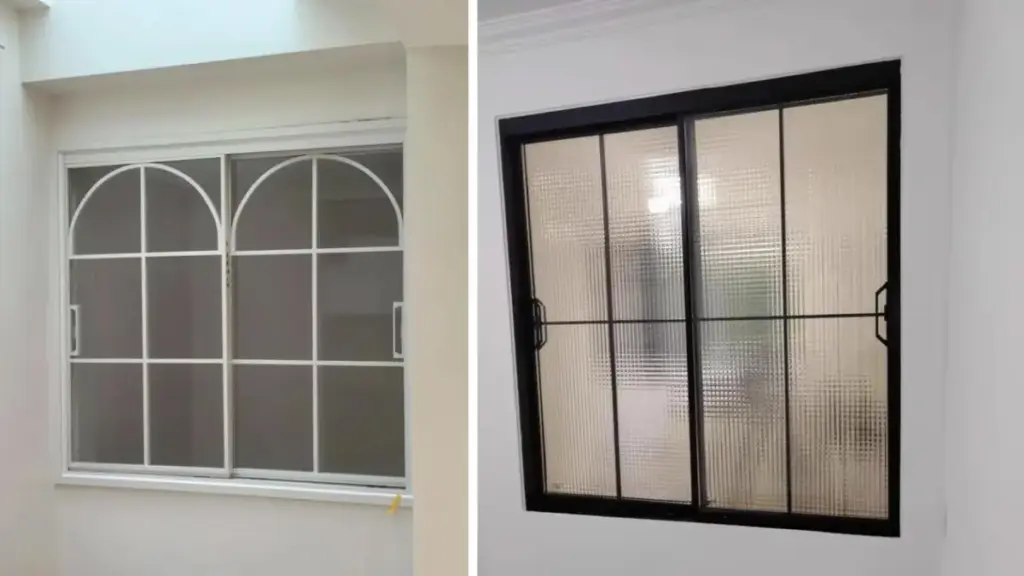
First, clarifying the core definition of 48×48 Window is essential for understanding its value. As a standard size, 48×48 Window measures 48 inches in width and 48 inches in height, which is equivalent to 4 feet x 4 feet, presenting a perfect square proportion. Unlike custom-sized windows that require personalized design and production, the standardization of 48×48 Window enables OPUOMEN to carry out large-scale mass production, which not only ensures stable product quality but also reduces production costs, bringing more competitive pricing to consumers. Additionally, the 48×48 size is widely recognized in the industry, making it easy to match with mainstream building materials and construction processes, simplifying the installation process and reducing labor costs.
Another key advantage of 48×48 Window is its strong adaptability and customizable flexibility. While it is a standard size, OPUOMEN also provides customized size services to meet special project needs. The square proportion of 48×48 Window makes it suitable for both residential spaces (such as bedrooms, living rooms, and studies) and commercial spaces (like retail stores, office lounges, and small cafes). It can maximize natural light intake, creating a bright and open indoor environment. Moreover, OPUOMEN’s 48×48 Window supports both UPVC/Vinyl and Aluminum materials, allowing users to choose according to regional climate conditions, budget, and aesthetic preferences. For example, Aluminum 48×48 Window is more suitable for areas with harsh weather, while UPVC/Vinyl 48×48 Window excels in energy efficiency, making it ideal for energy-saving projects.
Casement Window: Key Features, Benefits & Ideal Scenarios
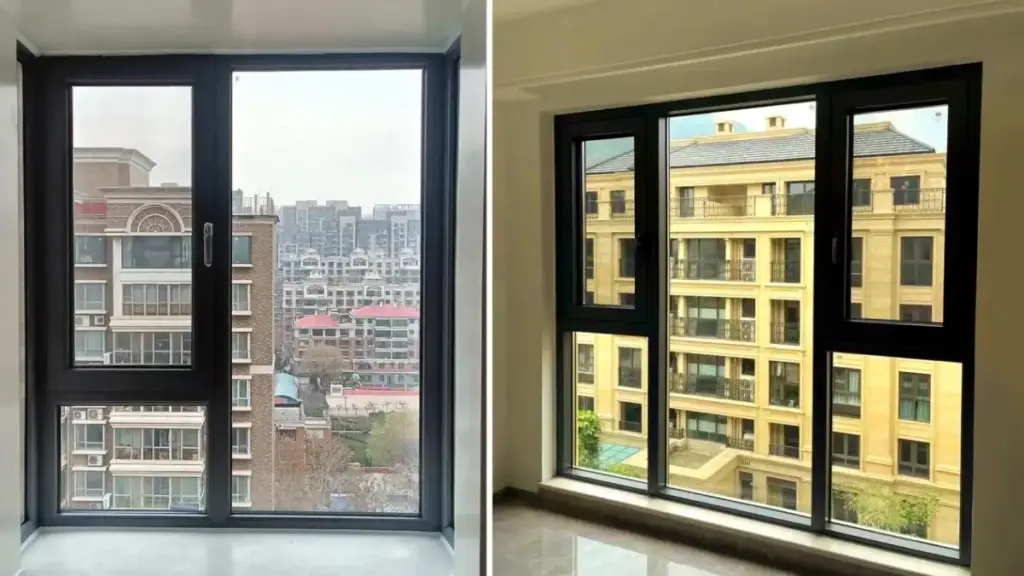
48×48 Casement Window is a classic style favored for its excellent functionality and aesthetic appeal. Its core feature is a sash that opens outward or inward on hinges, usually operated by a crank handle, which allows for precise control of the opening angle. This structural design gives it distinct advantages that make it suitable for a wide range of scenarios.
One of the most prominent benefits of 48×48 Casement Window is its superior ventilation performance. When fully opened, the entire sash can swing outward, creating a large unobstructed opening that allows maximum fresh air to circulate into the room. This is particularly beneficial for spaces that require frequent ventilation, such as kitchens, bedrooms, and home offices. OPUOMEN’s 48×48 Casement Window is equipped with high-precision hardware hinges and multi-point locking systems, which not only ensure smooth and stable operation but also enhance the window’s sealing performance when closed. The tight fit between the sash and frame effectively prevents air leakage and water infiltration, improving thermal insulation and sound insulation effects—reducing heating and cooling costs and creating a quiet indoor environment.
In terms of aesthetics, 48×48 Casement Window features clean and simple lines that blend seamlessly with various architectural styles, from modern minimalist to classic traditional. Its square proportion enhances the sense of balance and harmony in the space, making it an ideal choice for rooms that pursue a neat and elegant look. The ideal application scenarios for 48×48 Casement Window include residential living rooms, bedrooms, and kitchens, as well as commercial spaces such as boutique stores and office lounges. Compared to Single-hung Window which has limited ventilation, 48×48 Casement Window’s full-opening design offers more efficient airflow, making it a better choice for spaces with high ventilation requirements.
Sliding Window: Functional Traits & Space-Saving Advantages
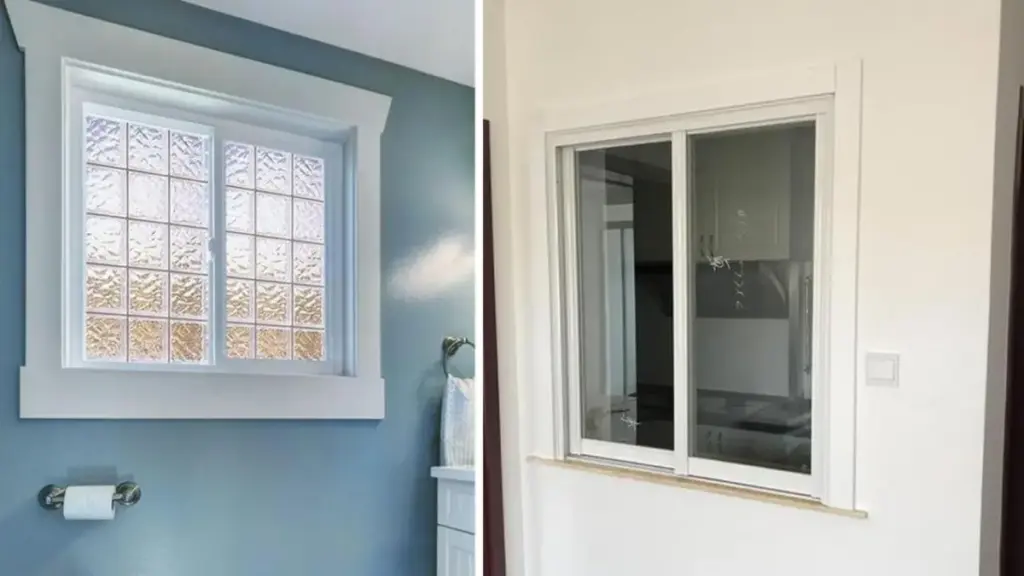
As another popular style of 48×48 Window, 48×48 Sliding Window has unique functional traits that cater to space-saving needs. Its core design is horizontal sliding sashes that move along precision-engineered tracks, eliminating the need for extra space for swinging sashes—an obvious advantage for spaces with limited surrounding area.
The most notable advantage of 48×48 Sliding Window is its space-saving performance. It does not occupy indoor or outdoor space when opened, making it suitable for narrow balconies, walkways, and rooms with furniture placed close to the window. OPUOMEN’s 48×48 Sliding Window uses high-quality sliding tracks and pulleys, ensuring smooth and quiet operation with minimal force, which is convenient for users of all ages. Additionally, 48×48 Sliding Window has a simple structure with fewer moving parts, resulting in lower production and maintenance costs, making it a cost-effective choice for budget-conscious consumers.
In terms of lighting, 48×48 Sliding Window’s square design and narrow frame maximize the glass area, allowing ample natural light to enter the room and enhancing the brightness of the space. Its aesthetic style is modern and sleek, making it suitable for contemporary residential and commercial spaces. The ideal application scenarios for 48×48 Sliding Window include residential balconies, bathrooms, and small bedrooms, as well as commercial spaces such as fast-food restaurants and convenience stores. Compared to Casement Window which requires exterior clearance, 48×48 Sliding Window is more practical for spaces with nearby obstacles such as awnings or railings.
Casement vs. Sliding Window: Key Differences in Performance & Use
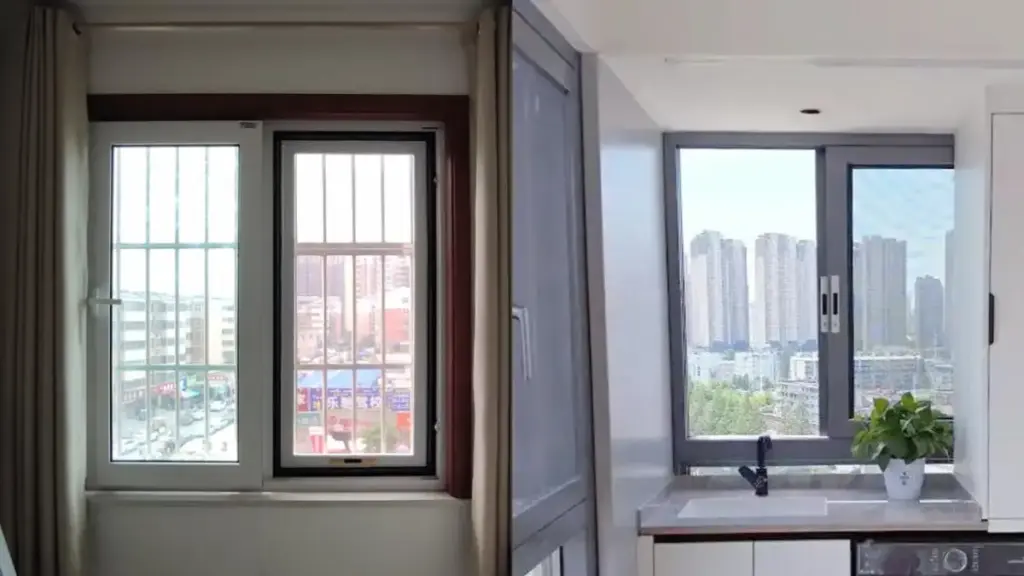
While both 48×48 Casement Window and 48×48 Sliding Window belong to the 48×48 Window family and share the advantages of standard size and material versatility, they differ significantly in performance, functionality, and applicable scenarios. Understanding these differences is crucial for making the right choice.
In terms of ventilation performance, 48×48 Casement Window has obvious advantages. Its full-opening design allows for maximum airflow, while 48×48 Sliding Window can only open one sash at a time (usually half the window size), resulting in limited ventilation. For spaces that require efficient air circulation, such as kitchens and bedrooms, Casement Window is more suitable; for spaces with low ventilation requirements, such as storage rooms, Sliding Window can meet the needs.
In terms of energy efficiency and sound insulation, 48×48 Casement Window is superior due to its tight sealing mechanism. The multi-point locking system ensures the sash fits tightly with the frame, reducing air leakage and noise transmission. 48×48 Sliding Window, on the other hand, may have slight gaps between the sash and track, leading to lower thermal insulation and sound insulation performance. For areas with extreme temperatures or high noise levels (such as near busy streets), Casement Window is the better choice.
In terms of space requirements and operation, 48×48 Sliding Window is more space-saving and easier to operate, making it suitable for narrow spaces and users who prefer simple operation. 48×48 Casement Window requires exterior clearance for opening, which may be inconvenient for spaces with nearby obstacles, but its crank operation allows for precise control of the opening angle. In terms of maintenance, Sliding Window has fewer moving parts and lower maintenance costs, while Casement Window may require occasional maintenance of hinges and crank mechanisms to ensure smooth operation.
UPVC/Vinyl vs. Aluminum: Material Choices for 48×48 Casement & Sliding Window
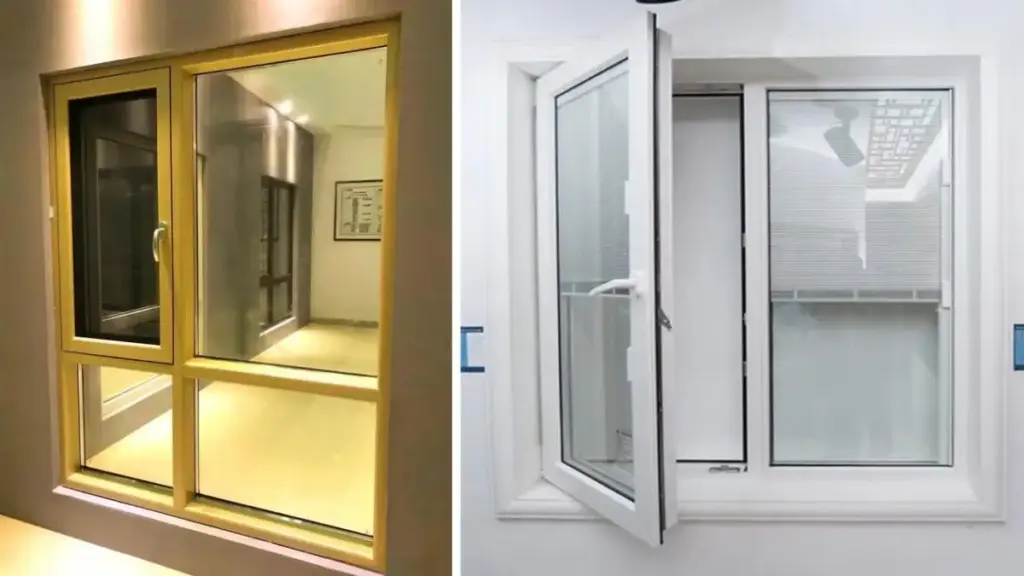
As a professional manufacturer, OPUOMEN provides two high-quality material options—UPVC/Vinyl and Aluminum—for 48×48 Casement Window and 48×48 Sliding Window, each with unique characteristics to meet different needs. Choosing the right material is crucial for the window’s performance, durability, and aesthetic appeal.
UPVC/Vinyl 48×48 Window (both Casement and Sliding styles) is favored for its excellent energy efficiency, affordability, and low maintenance. UPVC/Vinyl is a poor conductor of heat, which can effectively reduce indoor and outdoor heat transfer, improving energy efficiency and reducing utility bills. It is also resistant to rot, mold, and insects, making it suitable for humid environments such as bathrooms and coastal areas. OPUOMEN’s UPVC/Vinyl 48×48 Window uses high-quality PVC materials with advanced surface treatment, ensuring good durability and color retention. This material is ideal for budget-conscious homeowners and residential projects that prioritize energy efficiency.
Aluminum 48×48 Window, on the other hand, is known for its durability, strength, and sleek appearance. Aluminum is a lightweight yet robust material that resists corrosion, warping, and deformation, making it suitable for harsh climate conditions (such as high temperatures, strong winds, and heavy rain). The frame of Aluminum 48×48 Window is thin and elegant, maximizing the glass area and enhancing the visual effect. OPUOMEN’s Aluminum 48×48 Window uses high-grade aluminum profiles with powder coating, ensuring excellent weather resistance and scratch resistance. This material is particularly suitable for commercial spaces, high-end residential projects, and areas with strict requirements for structural strength. For 48×48 Casement Window, Aluminum material can better support the sash’s weight and ensure long-term stable operation; for 48×48 Sliding Window, Aluminum tracks offer better wear resistance, extending the window’s service life.
Other Popular Styles for 48×48 Window: Awning & Tilt and Turn Options
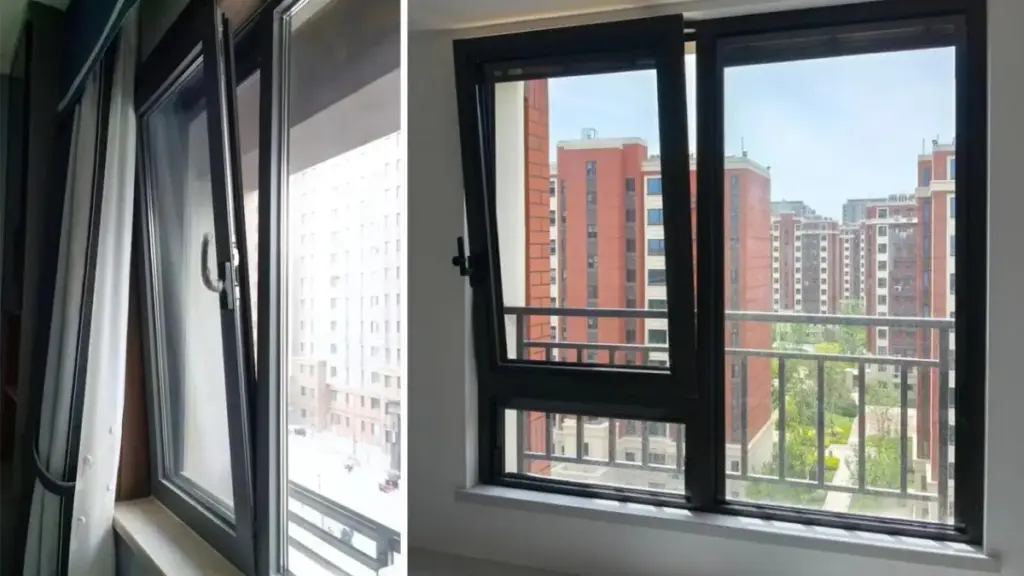
In addition to Casement and Sliding styles, OPUOMEN also offers other popular styles for 48×48 Window to meet diverse project needs, including Awning Window, Tilt and Turn Window, as well as Single-hung Window and Double-hung Window for customers who prefer traditional sliding sash designs. These styles inherit the advantages of 48×48 standard size and can be customized with UPVC/Vinyl or Aluminum materials.
48×48 Awning Window opens outward from the bottom, creating an awning-like effect that can shield against rain while maintaining ventilation—making it ideal for bathrooms, kitchens, and other spaces that require rain-safe ventilation. Its crank operation allows for precise control of the opening angle, and the tight sealing performance ensures good energy efficiency. 48×48 Tilt and Turn Window combines the advantages of Casement and Awning styles, with two operation modes: tilting inward from the top for gentle ventilation and swinging inward from the side for full access and easy cleaning. This style is suitable for high-end residential and commercial projects that pursue high functionality and convenience.
For customers who prefer vertical sliding sashes, 48×48 Single-hung Window and Double-hung Window are excellent choices. 48×48 Single-hung Window has a fixed top sash and a movable bottom sash, offering basic ventilation performance with simple structure and low cost. 48×48 Double-hung Window has two movable sashes that can slide up and down independently, providing more flexible ventilation options and easy cleaning with its tilt-in function. These two styles are particularly suitable for traditional-style homes and projects that require classic window designs.
How to Choose Between 48×48 Casement & Sliding Window?

Choosing between 48×48 Casement Window and 48×48 Sliding Window requires comprehensive consideration of your project type, functional needs, budget, and aesthetic preferences. Here are practical guidelines from OPUOMEN’s professional team to help you make the right decision:
First, prioritize your ventilation and energy efficiency needs. If you need maximum ventilation (such as in kitchens or stuffy bedrooms) or live in an area with extreme temperatures or high noise levels, 48×48 Casement Window is the better choice due to its superior ventilation and sealing performance. If ventilation requirements are moderate and energy efficiency is not the top priority, 48×48 Sliding Window can meet your basic needs.
Second, evaluate your space constraints. If you have limited indoor or outdoor space around the window (such as narrow balconies or furniture placed close to the window), 48×48 Sliding Window’s space-saving design is more practical. If you have ample exterior space and no obstacles nearby, 48×48 Casement Window’s full-opening design can be fully utilized.
Third, consider your budget and maintenance willingness. If you are on a tight budget and prefer low-maintenance windows, 48×48 Sliding Window (especially UPVC/Vinyl material) is more cost-effective. If you are willing to invest more for better performance and durability, 48×48 Casement Window (Aluminum or UPVC/Vinyl) is worth choosing.
Finally, align with your architectural style. 48×48 Casement Window is more versatile, fitting both modern and traditional styles. 48×48 Sliding Window is more suitable for modern and contemporary styles. OPUOMEN’s customizable color and finish options can further ensure the window blends seamlessly with your space’s decor.