Architects and developers often face a tough choice: do you go with the organic luxury of wood or the high-tech precision of metal? It’s a decision that defines a building’s character and performance for decades.
This guide breaks down everything you need to know about aluminum clad wood doors and thermal break aluminum. We’ll cut straight to the facts, comparing their structural integrity, energy efficiency, and real-world costs. Whether you are dealing with extreme cold, coastal humidity, or tight project budgets, we analyze how each system holds up so you can make the right call for your next build.
Foundations of High-Performance Openings
To make an informed selection, one must first understand the fundamental engineering philosophies that separate these two systems. While both are designed for high-end envelopes, they achieve their performance through entirely different material structures.
What is Aluminum Clad Wood?
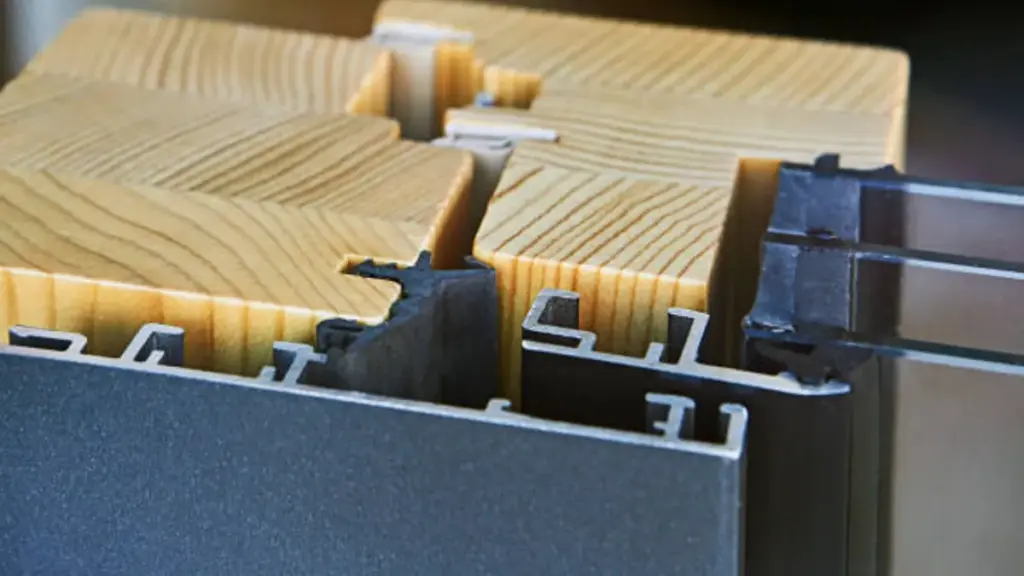
Aluminum clad wood is a hybrid system that utilizes a solid timber core as its structural and insulating foundation. The interior showcases the natural grain of premium wood species, while the exterior is “clad” in a heavy-gauge aluminum skin. This design relies on wood’s organic low thermal conductivity to block heat transfer, using the exterior metal purely as a low-maintenance shield against the elements.
What is Thermal Break Aluminum?
Thermal break aluminum is a precision-engineered all-metal system. Since aluminum is naturally conductive, these frames are “broken” into two parts. An insulating barrier—typically a non-conductive polyamide or reinforced fiberglass strip—is mechanically joined between the interior and exterior aluminum profiles.
This “thermal bridge” creates a barrier that interrupts the flow of heat and cold through the metal frame, balancing structural strength with energy efficiency.eered to exceed standard energy codes, they serve different architectural visions and functional priorities.
What Are the Key Structural and Material Differences?
While both systems aim for durability, their structural integrity and long-term behavior are governed by the inherent physics of their materials.
Frame Geometry and Architectural Sightlines
The most immediate difference lies in the strength-to-weight ratio.
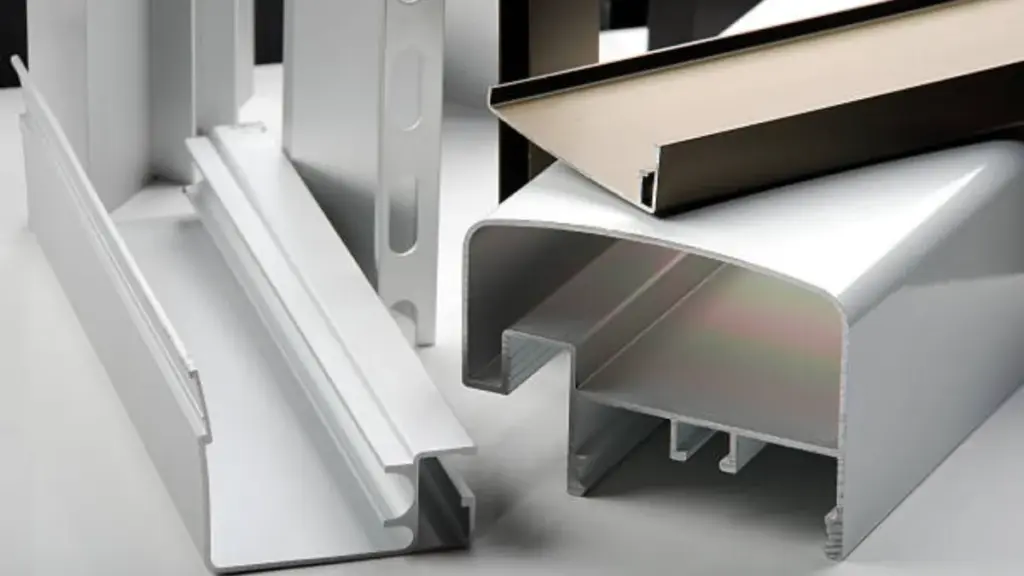
- Thermal Break Aluminum: Due to the high structural rigidity of aluminum, these systems can support massive glass loads with remarkably slim profiles. This allows for the “minimalist” aesthetic and narrow sightlines (40mm-60mm) favored in contemporary curtain walls.
- Aluminum Clad Wood: Wood is a bulkier structural material. To achieve comparable wind-load resistance, the frames are inherently more substantial. While this provides a sense of tectonic mass and luxury, it results in wider sightlines that may not suit projects requiring maximum transparency.
Dimensional Stability vs. Thermal Expansion
How the door reacts to the environment dictates its lifecycle maintenance:
- Dimensional Stability: Thermal break aluminum is virtually immune to humidity; it will not warp, swell, or rot. However, it has a higher coefficient of linear thermal expansion. In extreme heat, the metal expands, which is why high-quality polyamide breaks are essential to allow for independent movement between the inner and outer skins.
- Hygroscopic Nature: The interior wood core of clad systems is sensitive to relative humidity (RH). Without proper HVAC control during the construction phase or in humid climates, the wood can undergo minor expansion or contraction, potentially affecting the precision of the hardware alignment over time.
Material Behavior in Fire and Stress
From a life-safety and engineering perspective, the materials fail differently under extreme heat:
- The Aluminum Softening Point: Aluminum begins to lose structural integrity at approximately 400°C and melts near 660°C. In a fire, an all-aluminum frame may buckle or fail relatively quickly.
- The Sacrificial Char Layer: Wood ignites at a lower temperature(approximately 250°C), but it possesses a unique safety feature: charring. The outer carbon layer acts as an insulator, protecting the inner structural core and slowing the rate of collapse, which can provide a predictable window for egress in certain fire-rated scenarios.
How Do Thermal Performance and Energy Efficiency Compare?
Thermal efficiency is determined by how effectively a frame disrupts the flow of heat. While both systems utilize advanced glazing, their frames govern the overall energy envelope.
The Thermal Mass Advantage
Aluminum Clad Wood is the gold standard for insulation. Wood’s cellular structure is a natural thermal insulator with a low conductivity of approximately 1.3 W/m·K. Its high thermal mass allows it to “buffer” temperature swings, maintaining a warmer interior surface in winter.
This system easily achieves superior U-factors as low as 0.15 to 0.22, making it the preferred choice for Passive House or Net-Zero developments.
Engineering the Thermal Bridge
Thermal Break Aluminum relies on mechanical intervention. Because raw aluminum is highly conductive (approximately 237 W/m·K), energy efficiency is entirely dependent on the polyamide bridge. While modern systems are highly efficient—often reaching U-factors of 0.17 to 0.30—they generally lack the natural condensation resistance of wood.
However, they excel in solar heat gain control when paired with high-performance Low-E coatings, offering a versatile solution for temperate and mixed climates.
Your Partner for High-End Door & Window Solutions
How Do Soundproofing and Water Resistance Differ?
A door’s ability to block noise and moisture depends less on the frame material and more on the complexity of its sealing architecture.
Acoustic Dampening
Aluminum clad wood systems typically lead in acoustic performance due to the density of the natural timber core, which absorbs sound vibrations rather than reflecting them. When paired with acoustic glass, these systems often utilize a triple-layer gasket strategy.
The combination of a heavy wood interior and a decoupled aluminum exterior creates a “buffer zone” that significantly raises the Sound Transmission Class (STC) rating. This makes them ideal for luxury projects near high-traffic infrastructure where silence is a primary requirement.
Water Penetration
While both systems meet stringent AAMA standards, they manage water pressure differently:
Thermal Break Aluminum: These systems excel in high-pressure environments, such as coastal high-rises. They use sophisticated internal drainage channels and “equalized pressure” chambers to manage water infiltration under extreme wind loads (measured in pounds per square foot, or psf).
Aluminum Clad Wood: Water resistance relies on a dual-seal barrier. The exterior aluminum cladding is designed to shed water immediately, while secondary EPDM gaskets prevent moisture from ever reaching the interior wood core. This prevents the swelling or rot that can plague inferior hybrid systems in humid climates.
What Are the Cost Differences in Bulk Orders?
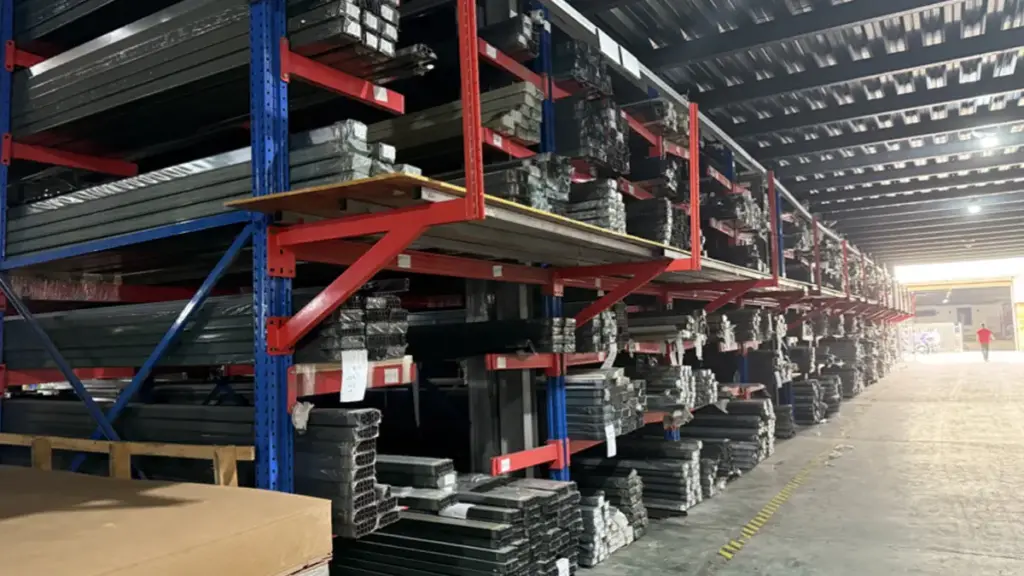
For developers and commercial procurement officers, the financial decision between these two systems involves balancing initial capital expenditure (CAPEX) against the scale of the project. Understanding the aluminum door pricing guide is essential for navigating these variables.
Initial Unit Premiums
Aluminum clad wood units carry a significant initial premium, typically ranging from 19% to 75% higher than thermally broken aluminum units of the same size and performance tier.
For example, a standard 36 x 60 inch operable module, a thermal break aluminum unit averages around 779 USD, whereas the aluminum-clad wood equivalent fluctuates between 929 USD and 1,363 USD, depending on the chosen wood species and finish.
Bulk Discount Dynamics
The pricing gap often widens as project scale increases due to “discount elasticity.”
Thermal Break Aluminum: Generally offers stronger discount potential in bulk. Since extrusion, powder coating, and hardware sourcing scale efficiently, suppliers often provide sharper percentage reductions for large-scale multi-unit packages.
Aluminum Clad Wood: While B2B platforms list these between 185–350 USD per square meter for low MOQs (Minimum Order Quantities), the absolute dollar savings per unit during negotiation can be higher because of the higher baseline price, even if the percentage discount is slightly lower than all-metal systems.
Strategic Procurement Levers
To maximize value in container-load or high-contract-value orders, procurement teams should negotiate beyond the base unit price. Key levers that influence the final quote include:
- Glazing Substitutions: Adjusting glass specs while maintaining U-factor requirements.
- Hardware Branding: Balancing between premium European brands and high-quality domestic equivalents.
- Logistics: Consolidating shipping and optimizing fabrication batches to fill full containers, which can yield high single-digit to double-digit percentage savings on the total landed cost.
How Do Wood Species Impact the Cost and Aesthetic?
In an aluminum-clad wood system, the interior wood species is the primary driver of both material cost and perceived luxury. Unlike all-aluminum doors where the finish is achieved via paint or anodizing, the wood species dictates the grain pattern, structural density, and how the interior accepts stains.
Comparative Evaluation of Common Interior Wood Species
Selecting the right species requires balancing the project’s “warmth” with its financial constraints. Below is a breakdown of the most specified species in 2026:
| Wood Species | Grain & Texture | Style & Aesthetic | Price Range (Premium %) | Best Applied In |
|---|---|---|---|---|
| Pine | Soft, wide grain with occasional knots. | Rustic, Traditional, or Scandi-minimal. | Baseline (0%) | Mountain cabins, budget-conscious residential. |
| Oak | Strong, prominent grain; high durability. | Timeless, Craftsman, or Modern Organic. | +25% to +40% | High-end family homes, high-traffic interiors. |
| Maple | Fine, uniform grain; very light and clean. | Contemporary, Minimalist, Sleek. | +30% to +45% | Modern galleries, boutique retail spaces. |
| Walnut | Rich, dark tones with elegant swirls. | Mid-Century Modern, Executive Luxury. | +60% to +85% | Luxury penthouses, executive boardrooms. |
| Teak | Tight grain with high natural oil content. | Tropical Modern, Coastal Luxury. | +90% to +120% | Coastal resorts, high-humidity luxury estates. |
The Long-Term Design Value of Species Selection
Beyond the initial cost, the choice of wood offers unique design flexibility and asset value. For projects requiring both the performance of metal and the organic feel of timber, Opuomen’s aluminum wood doors offer a perfect blend of aesthetics and functionality. Ideal for both residential and commercial spaces, they are the top choice for custom door solutions and premium door suppliers.
Refinishing Potential: Unlike powder-coated aluminum, solid wood interiors can be re-sanded and re-stained years later to match updated interior design trends.
Tactile Comfort: Denser hardwoods like Oak or Walnut feel notably warmer to the touch and provide superior natural acoustic dampening compared to softwoods or metal.
Asset Appreciation: In the 2026 luxury market, specifying premium species significantly increases the resale value and “prestige” of the property.
Which System Performs Better in Extreme Weather?
In extreme climates, the choice between systems depends on whether the primary threat is thermal energy loss or structural wind-load pressure.
Extreme Cold
For regions facing sub-zero temperatures, Aluminum Clad Wood is the superior performer. Wood’s natural cellular structure prevents the “cold-bridge” effect far more effectively than any synthetic thermal break. It maintains higher interior surface temperatures, virtually eliminating the condensation and frost buildup that can lead to mold. In extreme cold, this system ensures maximum occupant comfort and significantly lower heating demands.
Hurricanes and High Winds
In storm-prone coastal areas or high-rise applications, Thermal Break Aluminum holds the structural advantage. Aluminum’s exceptional strength-to-weight ratio allows for deeper frame profiles and reinforced glazing pockets that resist massive wind pressures (psf) without racking or deforming. Its dimensional stability ensures that the door remains operable even after repetitive cyclic loading during a storm.
Coastal Humidity
While the exterior aluminum of both systems resists rust, Thermal Break Aluminum is the safer choice for high-humidity or salt-spray environments. All-metal construction is immune to the rot or swelling that can occur if the wood core of a clad system is not perfectly maintained. For oceanfront projects requiring low-intervention durability, the inorganic nature of the thermal break system offers greater peace of mind.
How Do Maintenance Requirements Compare?
Long-term value is not just about the initial purchase; it is defined by the service interventions required over 20+ years. While both systems are “low-maintenance” compared to pure wood, they require different levels of attention.
Aluminum Clad Wood
Because this system incorporates an organic material, the interior requires more environmental oversight than the exterior.
- Interior Wood Care: Inspect annually for any signs of moisture damage, failing caulk, or finish deterioration. In high-humidity rooms, re-coating the stain or paint every few years may be necessary to preserve the wood’s integrity.
- Exterior Cleaning: The aluminum shell typically requires cleaning 1 to 5 times per year. In dry inland climates, twice is sufficient; however, coastal or high-pollution urban areas demand more frequent rinsing to prevent salt or soot buildup.
Thermal Break Aluminum
The all-metal construction is engineered for “fit-and-forget” durability, making it the preferred choice for commercial and investor-owned portfolios.
- Surface Cleaning: Maintenance is generally limited to wiping down the metal frames and glass once or twice a year. Aluminum is naturally resistant to rot and UV radiation, meaning there is no risk of structural degradation if a cleaning is missed.
- Environmental Resilience: This system is far more forgiving in aggressive environments (coastal or tropical), as it lacks the hygroscopic interior that sensitive wood cores possess.
Shared Mechanical Maintenance
Regardless of the frame material, the moving components require a consistent schedule to ensure smooth operation:
- Hardware Lubrication: Apply a high-quality lubricant to hinges, locks, and rollers once or twice a year.
- Hardware Check: Tighten any loose screws and inspect safety fittings. For high-traffic doors (over 50 cycles daily), increase these checks to a quarterly basis.
- Gasket Integrity: Periodically check the EPDM seals for cracks or compression set to maintain the door’s original airtightness and soundproofing performance.
Final Thoughts
The decision ultimately hinges on a fundamental design philosophy: are you creating a sanctuary of interior comfort or a monument to structural precision? While aluminum clad wood offers an organic, high-insulation soul for luxury living, thermal break aluminum provides the resilient, low-maintenance skeleton modern architecture demands. Both systems represent the pinnacle of fenestration engineering, ensuring your building envelope performs as beautifully as it looks.
As a premier provider of high-performance solutions, Opuomen delivers the perfect synergy of aesthetics and durability. Whether you require custom wood species or sleek, thermally efficient aluminum, our systems are engineered to elevate global projects.
Ready to refine your architectural vision? Contact Opuomen today for a professional consultation and custom quote.