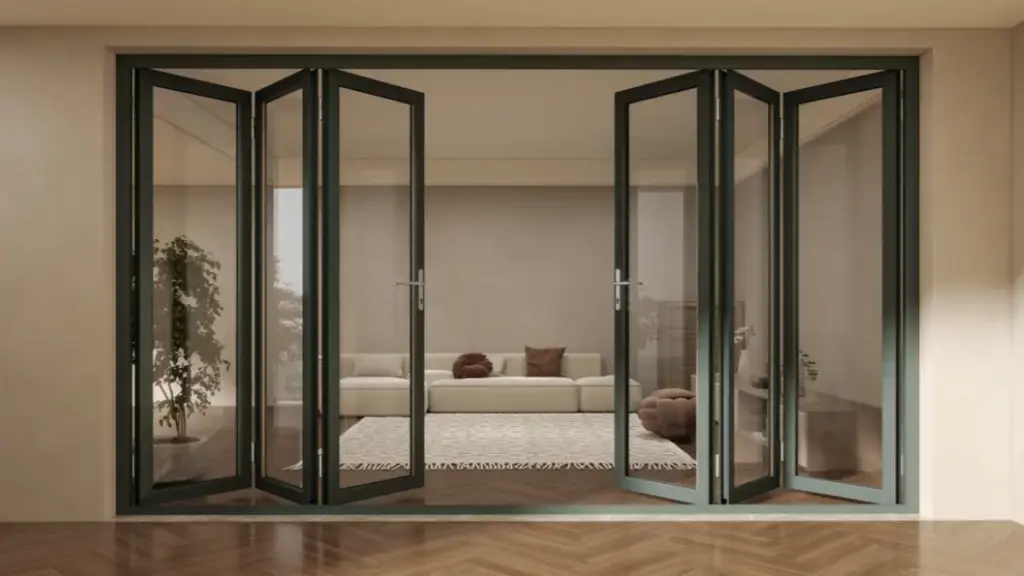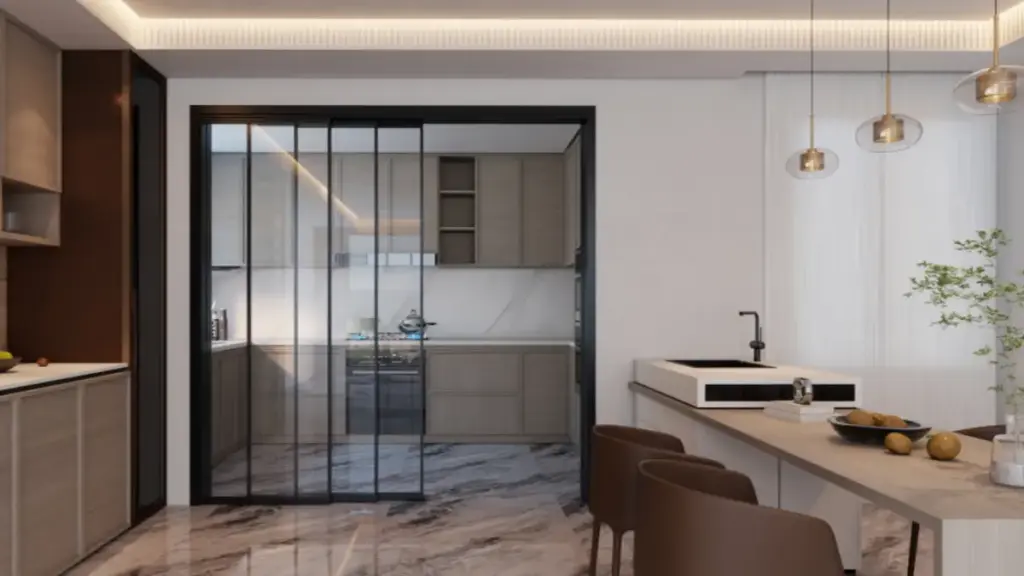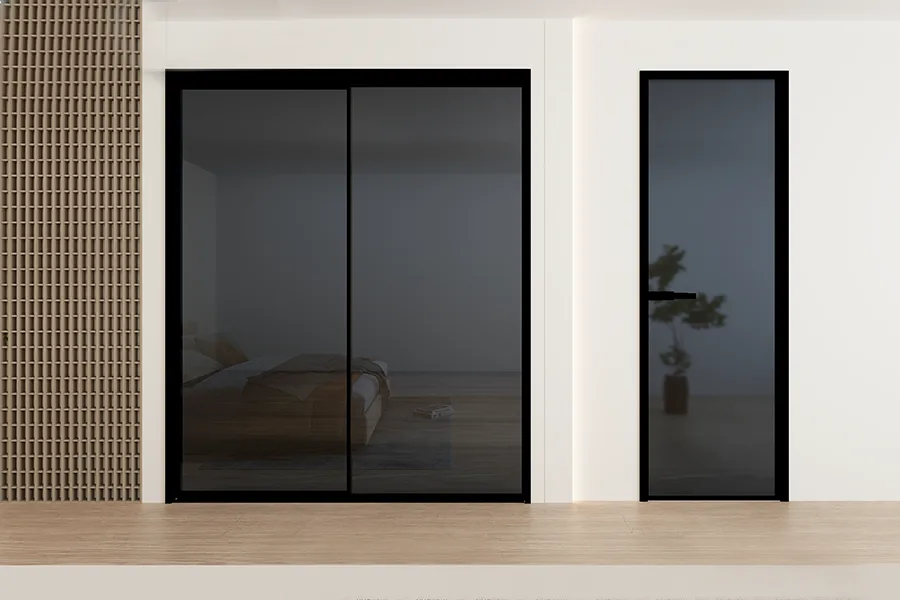
Selecting the right glass specification is an important part of designing reliable aluminum casement door systems for architects, بناة, and door distributors. The wrong glass specification can affect safety, الأداء الحراري, عزل الصوت, and the long-term reliability of the finished project.
In aluminum door manufacturing, tempered and laminated glass are the two most commonly used safety glass options. Choosing between them depends on factors such as installation location, الظروف المناخية, ومتطلبات المشروع. For applications requiring better insulation or sound control, solutions like 4/12/4mm insulated glazing units (وحدات IGU) can provide improved thermal and acoustic performance while meeting safety and building code requirements.
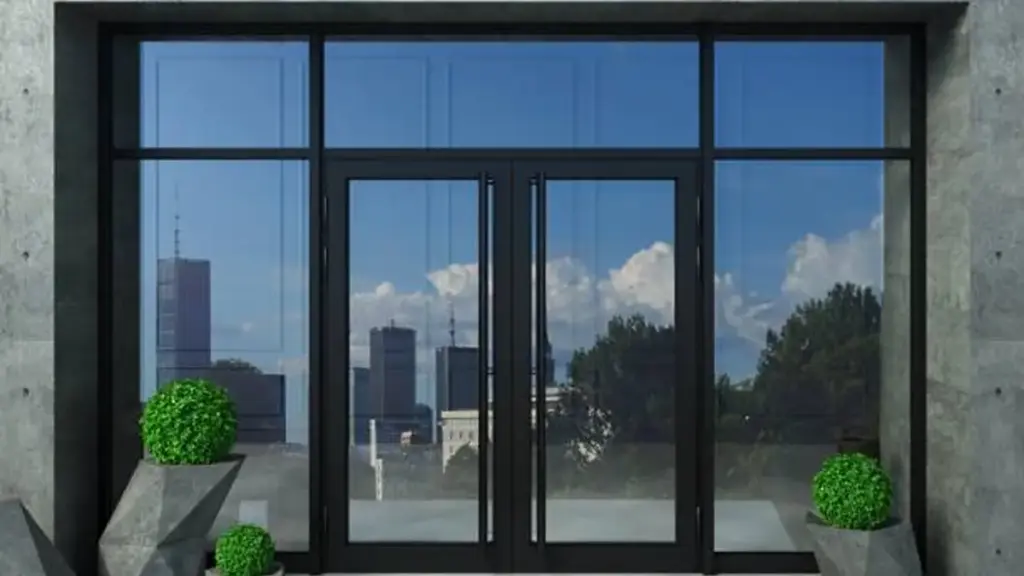
لماذا يهم اختيار الزجاج في الأبواب الزجاجية؟
The glass used in an aluminum casement door directly influences several key factors, including thermal insulation, أمان, daylight performance, والمظهر العام. Selecting the right glass ensures optimal performance for specific application needs.
Impact on Door Performance and Indoor Environment
Glass is a key component of an aluminum casement door system, influencing thermal insulation, solar control, تخفيض الصوت, وأداء السلامة. لكن, the overall performance of the door depends on the entire assembly, including the aluminum profile, thermal break, الأجهزة, glazing system, الأختام, ونوعية التثبيت. Double-glazed units with an insulated cavity help reduce heat transfer, while tempered glass improves strength and safety performance. When combined with thermal-break frames, Low-E glass can improve energy efficiency by reducing radiant heat transfer and controlling solar heat gain.
Beyond energy efficiency, glass selection also plays a critical role in safety and security. Tempered glass breaks safely into small fragments. Laminated glass holds broken fragments together after breakage, improving security and fall protection. For noise control, laminated glass and insulated glazing units can improve الأداء الصوتي, making them suitable for urban environments.
In terms of durability, heavier glass types like thicker or laminated units demand appropriate hinge and frame specifications to maintain smooth operation. Insufficient thickness in large glass areas can lead to deflection or seal failure under wind pressure. Proper edge protection also prevents cracks during handling.
Indoor comfort also hinges on glass selection. Low-E coatings and insulated units help maintain stable indoor temperatures. الزجاج الرقائقي, especially acoustic laminated glass, can further reduce external noise. بصريا, ultra-clear glass enhances connection to the outdoors and perceived space, while overall clarity is key for unobstructed views.
Matching Glass to Specific Needs and Design Goals
Matching glass to project needs is crucial. For high-rise or coastal sites, glass selection should consider verified wind pressure performance, safety requirements, and exposure conditions. Glass thickness should be selected based on door size, متطلبات حمل الرياح, safety standards, and project location. Tempered or laminated safety glass may be required in these applications to improve impact resistance and post-breakage retention, helping the door system meet applicable building codes.
Energy-efficient buildings benefit from thermally broken aluminum frames combined with Low-E insulated glazing units, such as 5mm+6A+5mm or 5mm+15A+5mm configurations, which help reduce heat transfer and improve indoor comfort. This setup reduces heating and cooling losses through the large glazed areas, improving comfort indoors.
For doors facing noisy streets or urban areas, laminated plus insulated glass significantly improves sound attenuation. When combined with the casement hardware’s compression seal, external noise can be reduced. For design-focused interior doors or compact spaces, ultra-clear single glass in slim aluminum frames can enhance aesthetics and light, impacting privacy, light transmission, and visual style.
أخيرًا, critical parameters for selecting glass include the type (خفف, مغلفة), إعدادات (أعزب, مزدوج, or laminated IGUs), and coatings (Low-E for energy efficiency). Also consider thickness for strength, optical properties (واضح, ultra-clear, ملون, صقيع), and proper installation methods. The right choice aligns glass performance with frame design, حجم الباب, building exposure, and intended use.
What glass is best for aluminum bathroom doors?
For aluminum bathroom doors, the best glass is typically tempered or laminated safety glass, around 6-8mm thick. You want translucent finishes like frosted or opaque glass for privacy. Add acoustic or thermal control properties if the door faces outside or a noisy area. Safety is key in wet environments, and glass must resist humidity and frequent cleaning.
What is the difference between tempered and laminated glass for doors?
Tempered glass is heat-treated to be four times stronger than regular glass; يحطم إلى صغير, blunt pieces when broken. This offers basic safety but no post-breakage barrier. Laminated glass uses an interlayer that holds fragments together when broken, maintaining a barrier and offering high security, عزل الصوت, and UV protection. Tempered glass is cheaper and common for residential doors. Laminated glass is more expensive but better for high-security, high-noise, or fall-risk locations.
Is frosted glass private enough for bedroom or bathroom doors?
نعم, frosted glass offers high privacy for both bedroom and bathroom doors. It obscures details, showing only blurred shapes and movement, not clear features. For best results, choose sandblasted or acid-etched tempered frosted glass with full-panel coverage. This provides durable, consistent privacy, handles humidity well, and meets safety codes. Strategic lighting and door placement also help maximize privacy.
Can I choose patterned glass for aluminum interior doors?
نعم, patterned glass works well for aluminum interior doors. You can use frosted, محكم, ساندبلاستيد, or reeded/fluted glass. These options provide privacy while still letting light through, adding visual interest and character to modern interiors. Always ensure it’s tempered safety glass, commonly 4mm or thicker, to meet safety requirements and improve impact resistance.
Does laminated glass reduce noise?
نعم, laminated glass significantly reduces noise in aluminum casement doors, usually by 30-40 ديسيبل. Its plastic interlayer absorbs sound vibrations, especially low frequencies like traffic noise. For best results, combine it with multi-pane units, فجوات الهواء الأمثل, and a rigid, airtight aluminum frame. Acoustic laminated glass, with specialized interlayers, further improves sound insulation.
What glass details should I include in my purchase order?
When ordering glass for aluminum casement doors, include precise details. Specify the exact glass type (على سبيل المثال, double-glazed tempered IGU), full build-up like 4/12/4mm with argon fill, and total unit thickness. أيضًا, list overall IGU size (W x H mm), required Low-E coatings, and target U-value or solar control. Note any acoustic or security upgrades, like laminated inner panes. Clearly define aesthetic choices (واضح, صقيع, ملون) and confirm compliance with safety standards.
واضح مقابل متجمد مقابل زجاج ملون
We compare clear, صقيع, and tinted glass for aluminum casement doors. Each type balances visibility, خصوصية, ضوء, and energy performance, allowing specific application choices.
Key Properties: واضح, متجمد, والزجاج الملون
- Clear glass offers maximum views and daylight with minimal privacy.
- Frosted glass diffuses light and ensures high privacy by obscuring direct visibility.
- Tinted glass reduces glare and solar heat, providing moderate visual privacy and UV protection.
- Modern energy-efficient aluminum doors often combine insulated glazing units (وحدات IGU) and Low-E coatings where higher thermal performance is required.
- Safety requirements often specify tempered or laminated options across all glass types for impact resistance.
Strategic Selection for Aluminum Casement Doors
- Choose clear glass for living areas or balconies when expansive views and abundant natural light are important.
- Select frosted glass for areas needing strong privacy without sacrificing daylight, like bathrooms or entryways.
- Opt for tinted glass to mitigate solar heat gain and glare, particularly for sun-exposed facades or hot climates.
- Consider project-specific aesthetic goals and local building codes for safety (tempered or laminated glass) as of 2026.
- Integrate your glass choice with advanced aluminum casement door systems for optimal thermal performance and long-term durability.
Custom Aluminum Casement Door Solutions for Global Projects
خيارات الزجاج المزخرف والزخرفي
Patterned glass for aluminum casement doors blends privacy, ضوء, والتصميم. It uses textured surfaces to diffuse views while letting natural light in.
Characteristics and Types of Decorative Glass
Patterned glass serves multiple purposes in aluminum casement doors.
- Primary functions: Patterned glass offers privacy by blocking direct sightlines. It allows natural light to spread through spaces, also acting as a design element with custom architectural motifs.
- Common pattern and decorative types: Options include Rain (a water-like texture), Reeded/ribbed/fluted (linear textures), Gluechip (an icy, crystalline texture), Seedy/bubble (glass with embedded irregularities), Frosted/satin etch/sandblasted (matte surfaces), and various standard obscure or specialty patterns.
- How patterned glass is made: Makers commonly roll a design into hot glass to create embossed textures. Acid etching or abrasive surface treatments produce frosted and sandblasted effects.
- Performance characteristics relevant to aluminum casement doors: Patterned glass provides useful daylight while obscuring clear views. The degree of obscuration changes based on the texture. Manufacturers offer it in multiple thicknesses (من 3/16 inch to 1/2 بوصة) and large sizes (ما يصل الى 96 inches × 130 inches for some frosted options, و 72 inches × 96 inches for certain patterned options).
- Material and appearance notes specific to aluminum casement doors: Aluminum frames feature slender profiles, which makes patterned glass stand out. The glass often acts as a primary design element in modern, minimalist aluminum casement doors.
- Common product categories used by manufacturers: Companies often group these as tinted, patterned, obscure, and specialty glass. They market these as privacy patterned glass or decorative pattern glass.
Application and Specification of Decorative Glass
- Typical applications in aluminum casement doors: Builders use decorative glass in front entry casement doors for curb appeal and privacy. It goes into bathrooms or sheltered side openings for visibility reduction, and in interior-exposed exterior doors to let light in without a clear view into the home.
- Selection factors: You should consider the required privacy level; heavier textures or frosted finishes block more views. Match the architectural style—linear patterns work for modern frames; seedy, gluechip, or bubble styles fit traditional looks. Ensure glass size and thickness are compatible with the door’s glazing system. أيضًا, think about maintenance needs; cleaning effort varies by texture.
- Practical specification considerations: Confirm glazing requirements (أعزب, معزول, or laminated safety) because availability varies by pattern. Check maximum panel dimensions early; decorative textures often have narrower fabrication limits than clear glass. Select a pattern that effectively balances privacy, daylight transmission, and cleaning tolerance for the specific door location.
زجاج الأمان: خفف ومغلفة
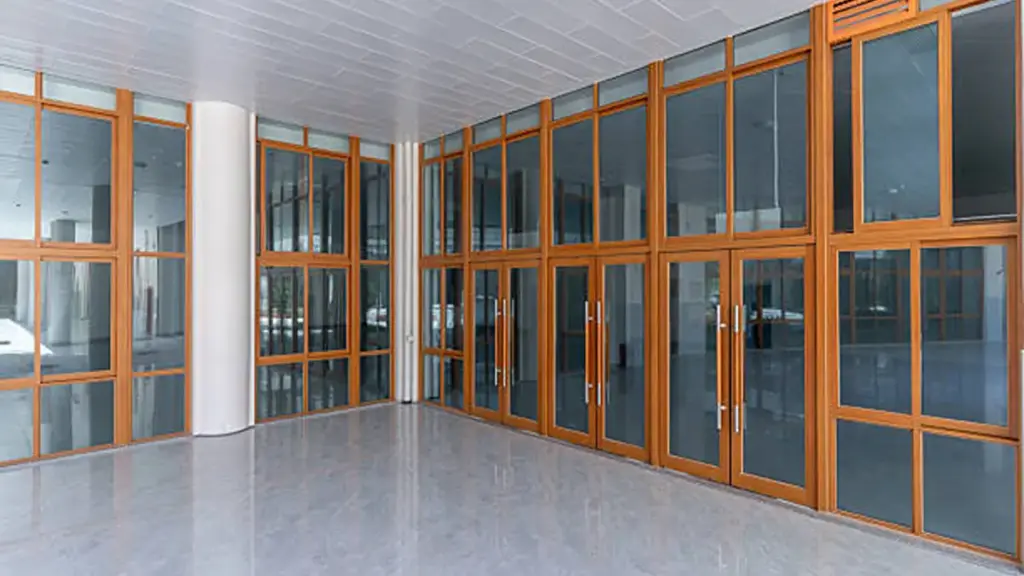
Tempered and laminated glass offer distinct safety, حماية, and performance features for aluminum casement doors. Selecting the right type depends on specific project requirements like impact resistance, security needs, عزل الصوت, والميزانية.
Properties and Applications of Tempered and Laminated Safety Glass
Safety glass for aluminum casement doors means using tempered or laminated glazing. Manufacturers engineer these glass types to reduce injury risk, improve security, and meet safety glazing regulations.
Safety glass minimizes cuts and impact injuries if the door glass breaks. It also resists accidental impact, forced entry, والطقس القاسي. Building codes and safety glazing standards (على سبيل المثال, ANSI Z97.1, CPSC 16 CFR 1201, ASTM C1172) mandate its use.
زجاج الأمان المقسى
خفف (toughened) glass starts as standard annealed glass, then undergoes heat or chemical tempering to increase its strength. This process creates internal stresses, making the glass up to four times stronger than regular annealed glass of the same size and thickness.
Tempered glass is designed for safe breakage. When overloaded, it shatters completely into many small, شظايا حادة. This breakage pattern reduces sharp edges and serious lacerations. After breaking, it loses structural integrity and no longer acts as a barrier.
This glass provides high strength and impact resistance, suitable for high-traffic doors. It is also resistant to heat, supporting use in sun-exposed aluminum frames. Tempered glass generally costs less than laminated glass. Typical applications include interior casement doors and residential aluminum glass casement doors where safe breakage and energy efficiency are key.
For architectural use in aluminum doors, tempered glass has maximum area limits based on thickness. Larger door panels typically use 8–12 mm tempered glass to meet these limits and manage deflection. If a door design exceeds these areas, designers often divide the opening or consider laminated glass.
Laminated Safety Glass
Laminated glass consists of two or more panes of annealed glass joined by a plastic interlayer, like polyvinyl butyral (بفب). This interlayer bonds the panes, increases energy absorption during impact, and maintains integrity after breakage. غالباً, it’s called a “glass sandwich”: زجاج + بفب + زجاج.
Laminated glass is designed for containment and retention. When cracked or broken, the interlayer holds glass fragments together, keeping the opening largely covered. Broken glass stays in the aluminum frame, limiting fall-out and maintaining a partial barrier. This reduces injury risk from falling shards and maintains security and weather protection even after impact.
Laminated glass provides improved security and forced-entry resistance compared with standard monolithic glass. The interlayer resists tearing and cutting, making penetration more difficult. It also helps maintain structural integrity after breakage. Multi-pane designs and acoustic interlayers can improve sound reduction performance. When combined with Low-E coatings or insulated glazing units, laminated glass can contribute to improved energy performance. Its retained-fragment performance also helps improve safety in high-wind or impact-prone environments. Laminated glass typically costs more than monolithic tempered glass due to its additional interlayer and manufacturing process. It is often selected for exterior aluminum casement doors and other applications where enhanced safety, حماية, الأداء الصوتي, or post-breakage containment is required.
Laminated glass is often preferred for larger door areas where post-breakage retention is required. Compared with monolithic tempered glass in similar applications, it can provide better safety performance by holding fragments together after breakage. This supports designing full-height, wide glass casement doors with fewer mullions, while maintaining safety compliance.
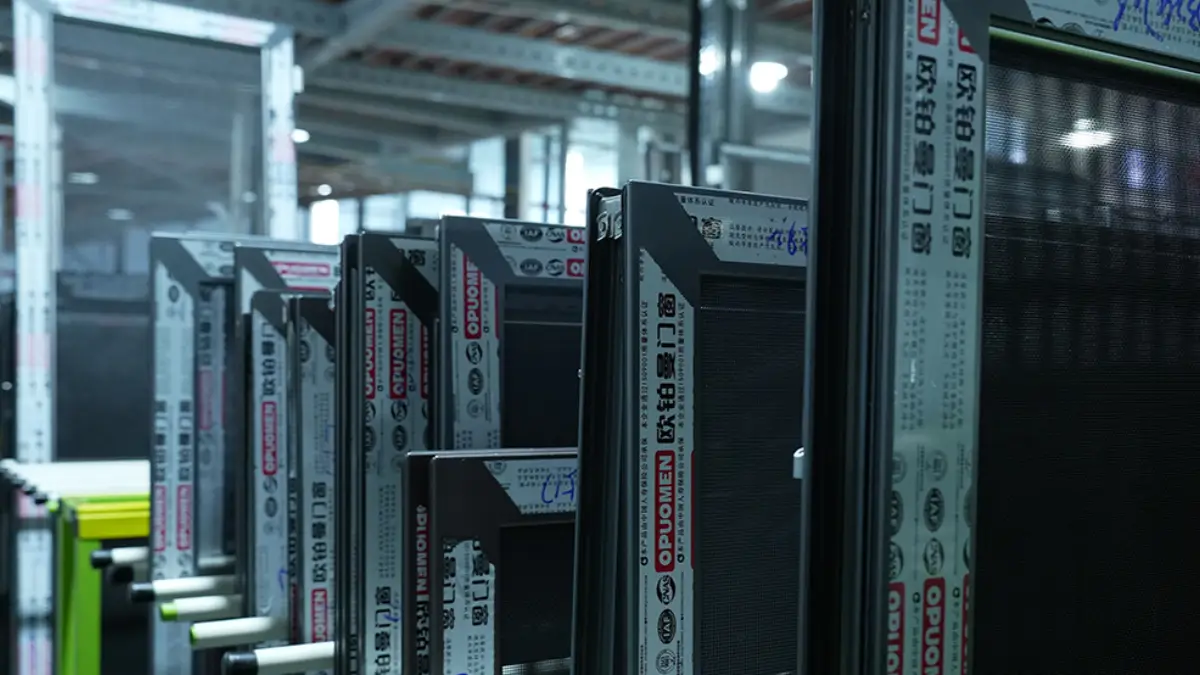
في Opuo, glass selection is integrated into our complete aluminum door and window manufacturing process. As a high-end aluminum door and window solutions provider, we combine customized design, professional manufacturing, and strict quality control to deliver glazing solutions for overseas distributors, بناة, and project contractors. With a 60,000㎡ production facility and experienced production teams, Opuo provides tempered glass, الزجاج الرقائقي, زجاج منخفض الانبعاث, and insulated glazing solutions tailored to different climates, applications, ومتطلبات المشروع.
Integration with Aluminum Casement Door Design
Aluminum casement door frames, typically powder-coated, securely hold tempered or laminated glass units. They use gasket systems, glazing beads, and proper edge cover. The aluminum frame’s structural capacity must match the weight and thickness of the glass. Laminated glass requires the frame and hardware to support additional weight and provide long-term clamping.
Aluminum casement doors with double-glazed safety glass improve indoor comfort and help maintain stable temperatures. Laminated units also enhance energy efficiency. الزجاج الرقائقي, combined with tight-sealing aluminum casement hardware, offers soundproofing, especially for exterior doors near roads or public spaces.
Safety glass is crucial in areas prone to human impact, such as near floor level or at entrances. Building codes often require safety glazing in door panels and compliance with impact performance standards like ANSI Z97.1 and CPSC 16 CFR 1201.
Comparative Analysis, اندماج, and Specification for Aluminum Casement Doors
Comparative Overview
Below is a direct comparison of tempered and laminated safety glass in aluminum casement doors.
| وجه | زجاج الأمان المقسى | Laminated Safety Glass |
|---|---|---|
| Primary safety mode | Safe breakage – shatters into small blunt pieces | Containment – fragments held together by interlayer |
| Post‑breakage barrier | Barrier lost once glass shatters | Barrier largely maintained; opening stays covered |
| Strength before break | Up to 4× stronger than annealed glass | Strength from multi‑pane system + interlayer; impact‑resistant |
| حماية / anti‑intrusion | معتدل; مرة واحدة مكسورة, opening is accessible | عالي; difficult to penetrate even after cracking |
| عزل الصوت | Standard unless combined in IGU | Enhanced due to laminated construction |
| يكلف | أدنى | أعلى |
| Typical door use | الداخلية / general residential casement doors | Exterior, impact‑resistant, security and noise‑control doors |
| Maximum Area (example) | 6 مم: 3.0 م²; 8 مم: 4.0 م² | 8.38 مم: 5.0 م²; 10.38 مم: 7.0 م²; 12.38 مم: 8.0 م² |
Risk-Focused Comparison in Door Applications
Tempered and laminated glasses are both safety types, but they manage injury risk differently. Tempered glass prevents sharp, large shards by fragmenting into small pieces. Laminated glass prevents fall-out and maintains coverage by holding shards together.
For casement doors needing to stay closed after impact, laminated glass is a better fit. This is because more of the opening remains covered after breakage. Tempered glass offers a more economical safety solution when immediate replacement is feasible and safe egress is not compromised.
Compliance and Quality Considerations
Both tempered and laminated safety glass in aluminum casement doors should conform to standards. These include ANSI Z97.1 for safety glazing materials, CPSC 16 CFR 1201 for consumer product safety, and ASTM C1172 for laminated architectural flat glass.
Quality control involves correct tempering, proper lamination, and proper installation. Correct tempering avoids unpredictable breakage. Proper lamination prevents interlayer defects. Installation practices ensure adequate edge cover, compatible sealants, and frame/hardware alignment to prevent premature breakage.
احتياجات الخصوصية في الحمامات وغرف النوم
Bathrooms and bedrooms demand tailored privacy. Aluminum casement doors achieve this through obscured glass, solid construction, and tight seals, balancing light with confidentiality.
Specific Privacy Needs in Bathrooms
Use frosted or obscured glass. This blocks direct visibility, but still lets daylight in.
Choose laminated, صقيع, or insulated glass solutions depending on the required privacy level and acoustic performance.
Implement integrated seals. These reduce gaps, enhancing sound control and moisture resistance.
Prioritize moisture-resistant materials and finishes. This maintains door alignment and prevents privacy gaps in humid environments.
Consider aluminum casement doors for their durability and low maintenance in bathrooms. Make sure you have proper swing clearance.
Key Privacy Considerations for Bedrooms
Bedrooms demand stronger visual and acoustic privacy compared to shared living areas.
Select solid panels or glass with privacy film or frosted treatment for visual confidentiality.
Ensure tighter seals to minimize light leakage, sightline exposure through edges, and sound transmission.
Utilize aluminum casement doors when you want a clean, الجمالية الحديثة. Combine them with effective privacy treatments and frame design.
Balance light transmission with privacy. Solid construction improves privacy and sound reduction, but it reduces natural light.
الإضاءة والتصميم في مناطق المعيشة والمكاتب
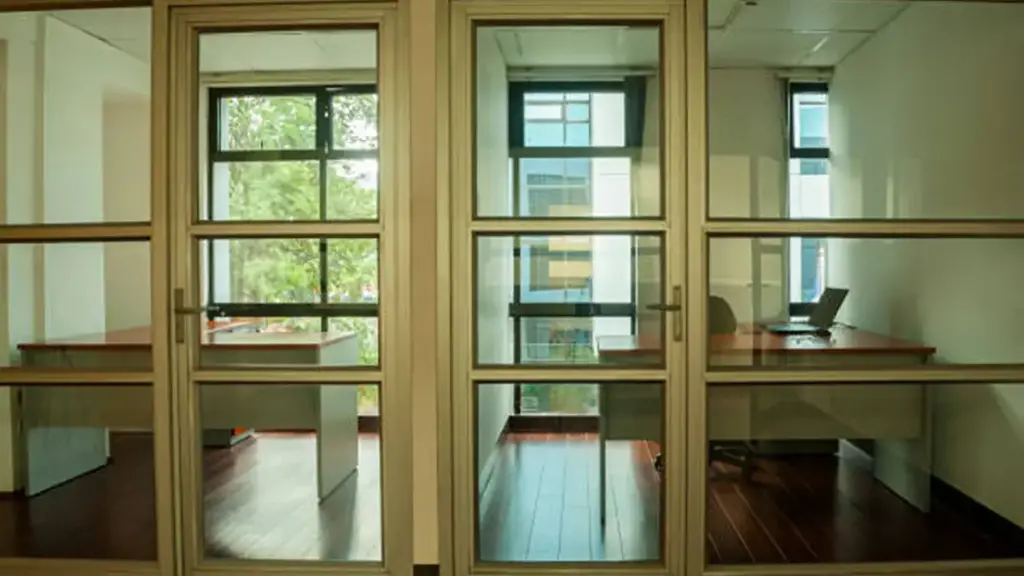
Aluminum casement doors maximize daylight and views, balancing comfort and performance through thoughtful design in both homes and offices.
Maximizing Daylight and Visual Openness
Aluminum casement doors use slim profiles and large glass panels. This brings a lot of daylight into interiors.
They spread daylight evenly, cutting down on harsh contrast and the need for artificial lights.
The design gives clear, unbroken views outside. This makes spaces feel bigger and connects people to the outdoors.
Positioning these doors strategically, especially on south or east sides, captures optimal natural light for daily tasks.
في المكاتب, continuous bands of perimeter doors and interior glass partitions push daylight deep into floor plans.
This added transparency helps occupants feel better, work smarter, and perceive more space in both settings.
Full-height casement doors visually connect indoor living areas with outdoor spaces. This strengthens open-plan designs.
Integrating Performance, راحة, and Architectural Harmony
Advanced glass, like low-E or spectrally selective glazing, balances light transmission with thermal control for comfort.
Effective glare management, using external shading and internal blinds, ensures visual comfort, especially near screens.
Frame color, ينهي, and low threshold details integrate doors smoothly with interior design. This enhances a continuous aesthetic.
Operable casement doors allow natural cross-ventilation. They bring in fresh air and complement mechanical systems.
Compression sealing and thermal breaks in aluminum frames improve energy efficiency and stabilize indoor temperatures.
High structural strength and low maintenance mean long-term durability and reliable function.
Multi-point locking hardware and safety glass offer better security for living areas and offices.
Slim aluminum frames fit well with contemporary, الهندسة المعمارية البسيطة. They also reinforce a modern corporate identity.
Interior aluminum framed glass partitions allow flexible office space planning while keeping light flow and acoustic separation.
ما يجب تحديده في ورقة الطلب
An effective order sheet requires precise details. Include fundamental door characteristics, مواد, performance expectations, special additions, and logistical elements for accurate manufacturing and delivery.
Fundamental Door Characteristics and Materials
To avoid miscommunication and delays, specify the core aspects of the door and its components upfront.
- Door type, إعدادات (single/pair, in/out-swing), and intended use location.
- Exact frame and door leaf dimensions, including width, ارتفاع, and specified tolerance class.
- Aluminum alloy, حِدّة, profile system series, سمك الجدار, and required reinforcement.
- Glass or panel type, سماكة, IGU build-up, glass bite, and glazing position.
- Complete hardware schedule reference, including hinge count, lock type, and handle type.
- Weatherstripping system, threshold profile, and drainage/weep requirements for exterior use.
- Finish system, color code, مستوى اللمعان, and any required control samples.
أداء, Additions, and Project Logistics
Beyond basic construction, outline specific performance targets, integrated features, and site-related logistics to ensure the door meets project requirements.
- Required performance standards and target values (على سبيل المثال, رياح, هواء, ماء, الحرارية, صوتي).
- List of all non-standard accessories, integrated features, or special security/safety enhancements.
- شروط التثبيت, required anchorage, perimeter sealing methods, and submittal requirements (رسومات المتجر, عينات).
الأفكار النهائية
Choosing the right glass for aluminum casement doors means more than just a purchase; it’s an investment in enduring performance and safety. Generic options may cut initial costs, but they expose your projects and reputation to critical failures in privacy, حماية, وكفاءة الطاقة. Aligning with precise glass specifications ensures your doors meet strict application demands and building codes, protecting against future risks.
The right glazing specification helps aluminum casement doors achieve the required safety, الأداء الحراري, and long-term reliability for each project. We invite you to review our detailed specifications and consider a sample order to experience our quality firsthand. Connect with our team today to define your precise OEM requirements and secure your next supply.