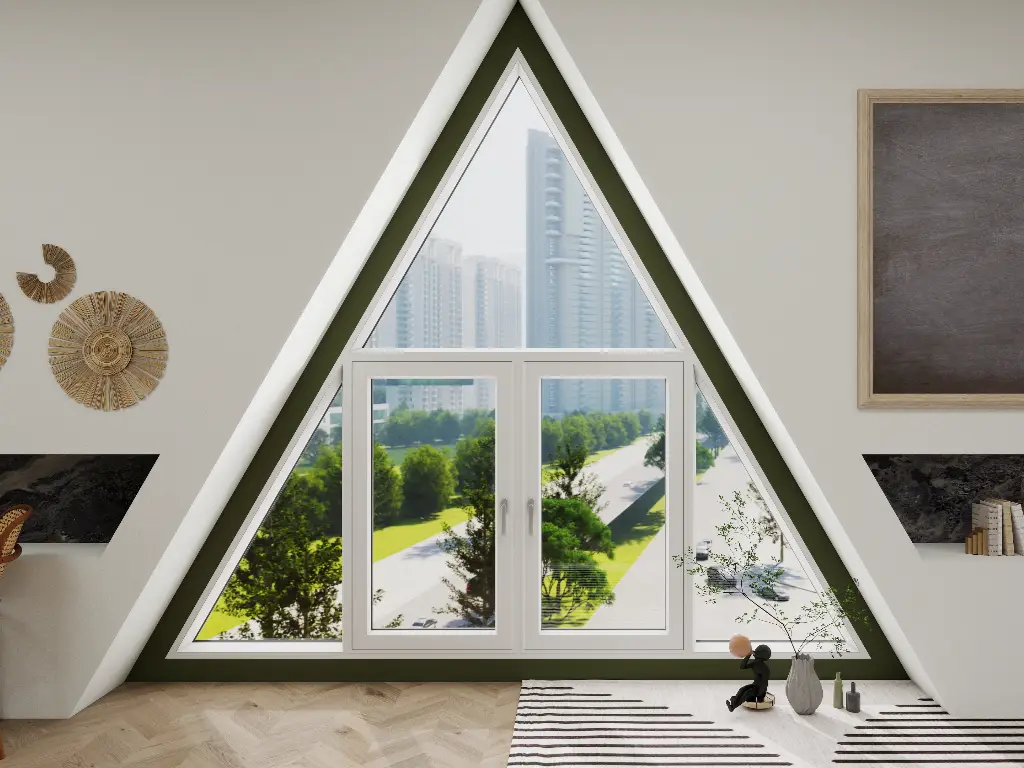
A window is often the weakest point in a building—but it doesn’t have to be. The difference between a secure property and an easy target often comes down to the locking system and structural design behind the frame. Standard single-latch setups may look sufficient, yet they leave openings for forced entry and increase exposure to risk, damage, and compliance issues.
This analysis highlights the importance of high-performance casement systems that meet stringent safety standards. We evaluate aluminum profiles and multi-point locking mechanisms to ensure reliable impact resistance and compliance with building codes for optimal security.
Are Casement Windows Safe Against Break-Ins?
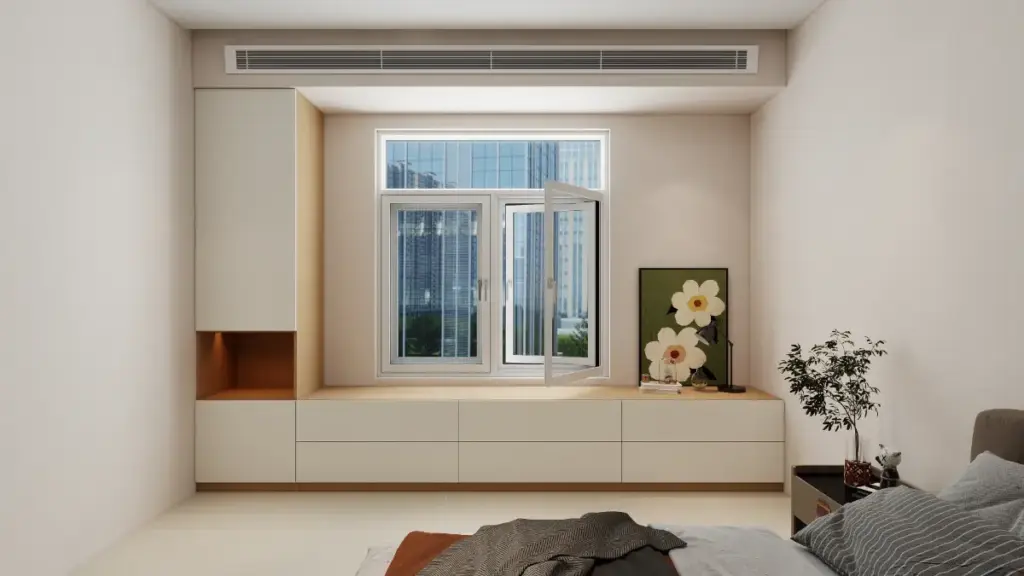
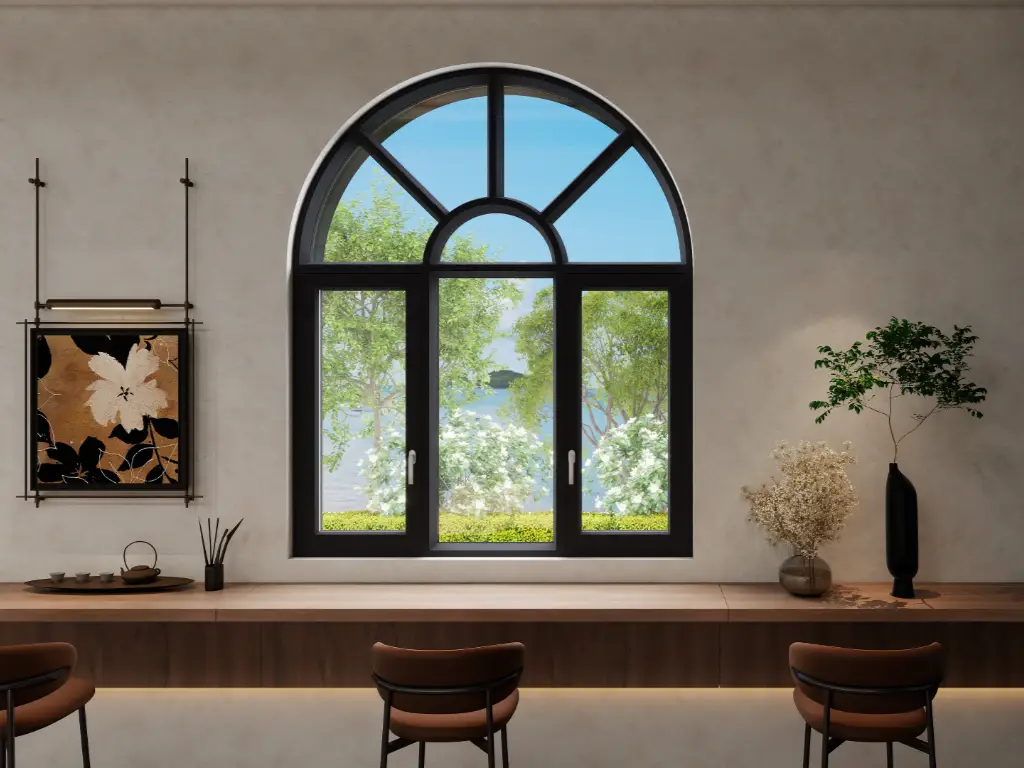
Casement windows provide strong security through tightly sealed frames, embedded multi-point locks, and sturdy construction that force intruders to face loud, time-consuming barriers.
How Casement Design Deters Forced Entry
The fundamental design of a casement window actively frustrates forced entry attempts. When pulled shut, the tightly sealed frames form a solid physical barrier that prevents attackers from bypassing the latch from the outside. Because the operating mechanism sits completely inside the frame, an intruder must shatter the glass and fully breach the window to reach the interior locks. This action generates loud noise and severely delays their progress, pushing them to abandon the attempt.
Multi-Point Locks and Reinforced Aluminum Frames
Hardware and frame integrity dictate how well a window survives a physical attack. Modern casement units abandon standard single-latch designs to distribute defensive strength across the entire opening using specific structural upgrades.
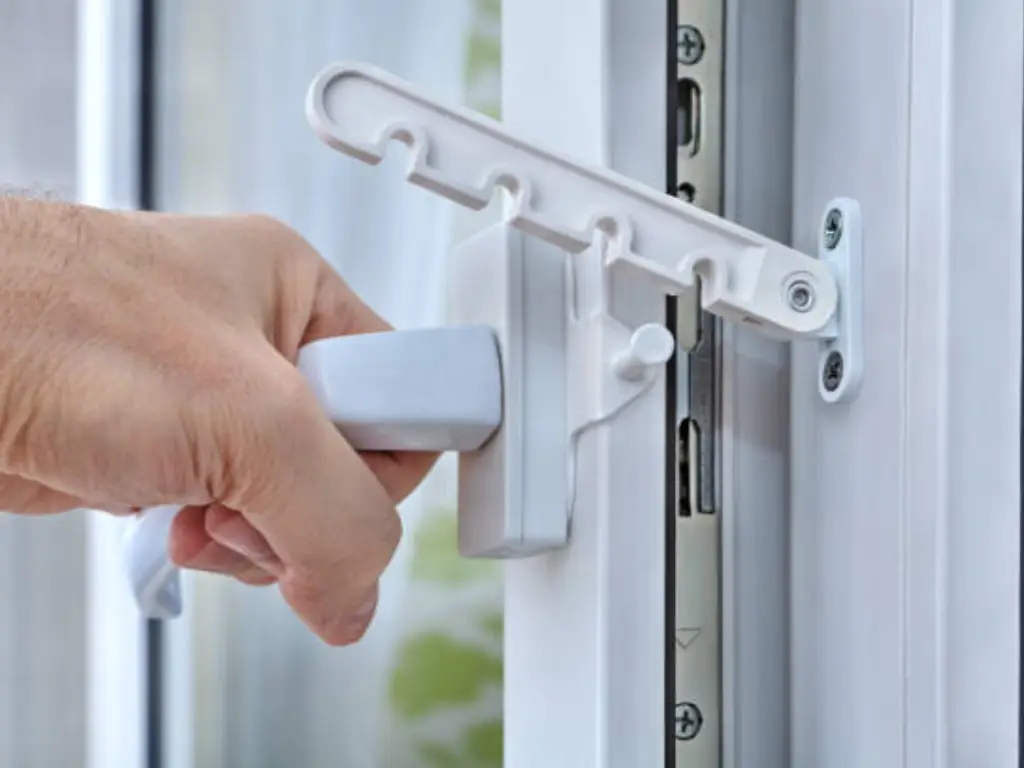
- Embedded Multi-Point Locks: These mechanisms anchor the window securely at several points along the frame, directly stopping crowbars and prying tools.
- Structural Aluminum Profiles: Durable commercial-grade systems, specifically the F16 and Q35 series, provide the rigid strength necessary to absorb heavy blunt force.
- Safety Glazing: Toughened or laminated glass pairs directly with the heavy-duty aluminum frames to keep the physical barrier intact even after repeated strikes.
Can Strong Winds Break Casement Windows?
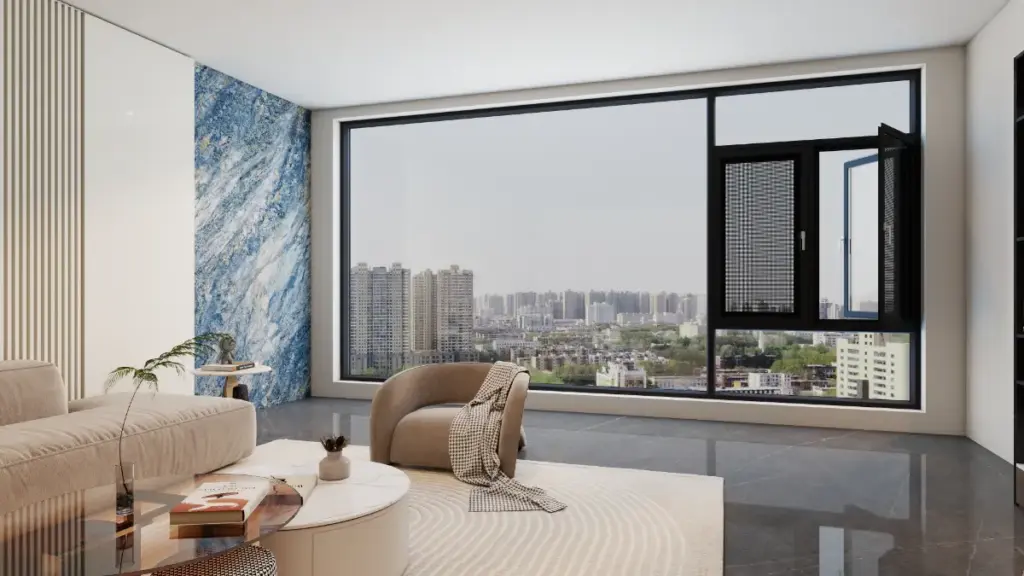
Fully closed and locked casement windows resist high winds effectively. Leaving them open invites structural damage, making heavy-duty aluminum frames and impact glass essential for storm protection.
Structural Vulnerabilities During Severe Wind Conditions
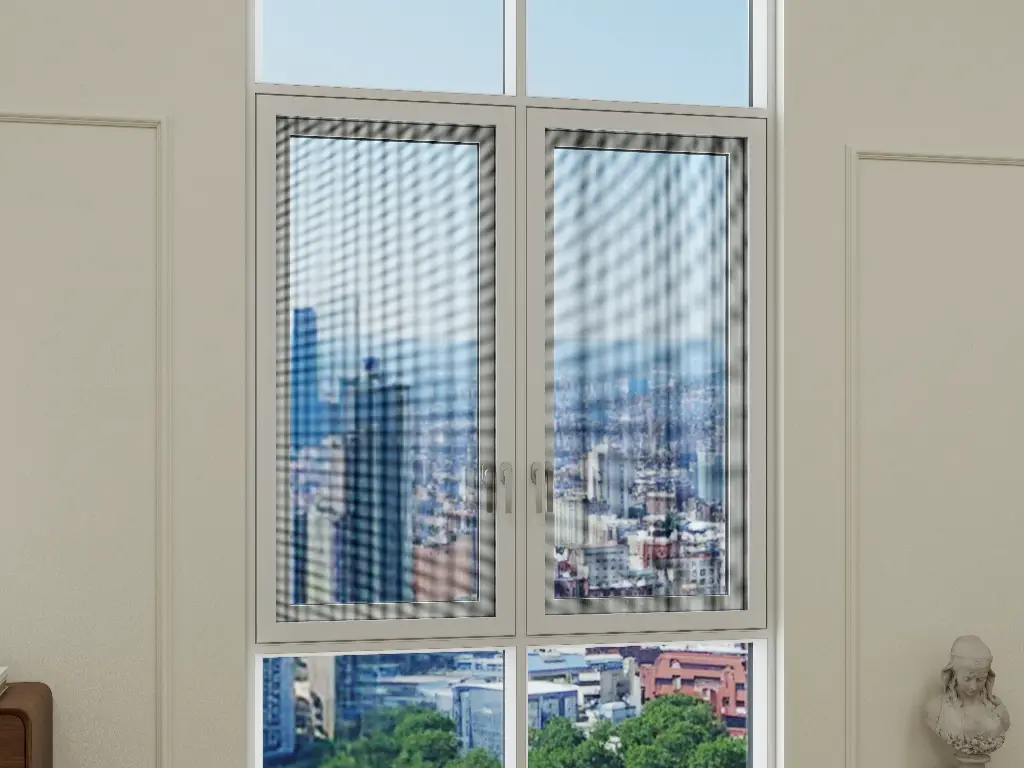
Casement windows handle wind loads exceptionally well when fully closed. The sash presses directly against the frame, distributing the pressure evenly and creating a tight, unified seal. This compression works with the wind to keep the elements outside.
The dynamic changes entirely when users leave latches unsecured. Sudden wind gusts easily force an unlatched sash wide open, placing immediate and extreme stress on the hardware. This sudden transfer of force frequently snaps or bends the hinges.
Open windows face even greater risks during storm conditions. High wind pressure actively back-drives the operating mechanisms. Sustained force against standard, non-reinforced frames forces the structure to warp, bend, or develop stress cracks. Over time, these intense physical pressures compromise the weather stripping. Once gaps form along the seal, wind and moisture penetrate the assembly, systematically degrading the frame’s structural integrity until total failure occurs.
Wind Resistance in Aluminum Series
Standard window frames struggle in severe climates. Manufacturers solve this structural gap by engineering heavy-duty aluminum casement profiles built specifically for high coastal wind loads. We focus on three specific configurations designed for storm mitigation:
- F16 Series: Engineered for sustained high-pressure wind resistance in exposed locations.
- Q35 Series: Balances structural rigidity with advanced weather sealing for heavy rain and wind combination events.
- X11 Series: Provides maximum structural integrity for extreme climate applications.
Configuring these aluminum systems with impact-resistant glass drastically reduces blowout risks. The glass utilizes a resilient interlayer. If flying debris strikes the window during a storm, this internal layer holds the shattered pieces firmly in place, preventing extreme air pressure from breaching the building envelope.
We also integrate custom thermal break profiles and heavy-duty multi-point locking hardware into these specialized series. This combination eliminates natural weak points along the window edge. When fully engaged, the multi-point locks pull the sash tight against the frame, keeping the entire assembly rigid and permanently sealed against storm-force winds.
High-Performance Casement Windows for Global Projects
Multi-Point Locking Systems in Aluminum Windows
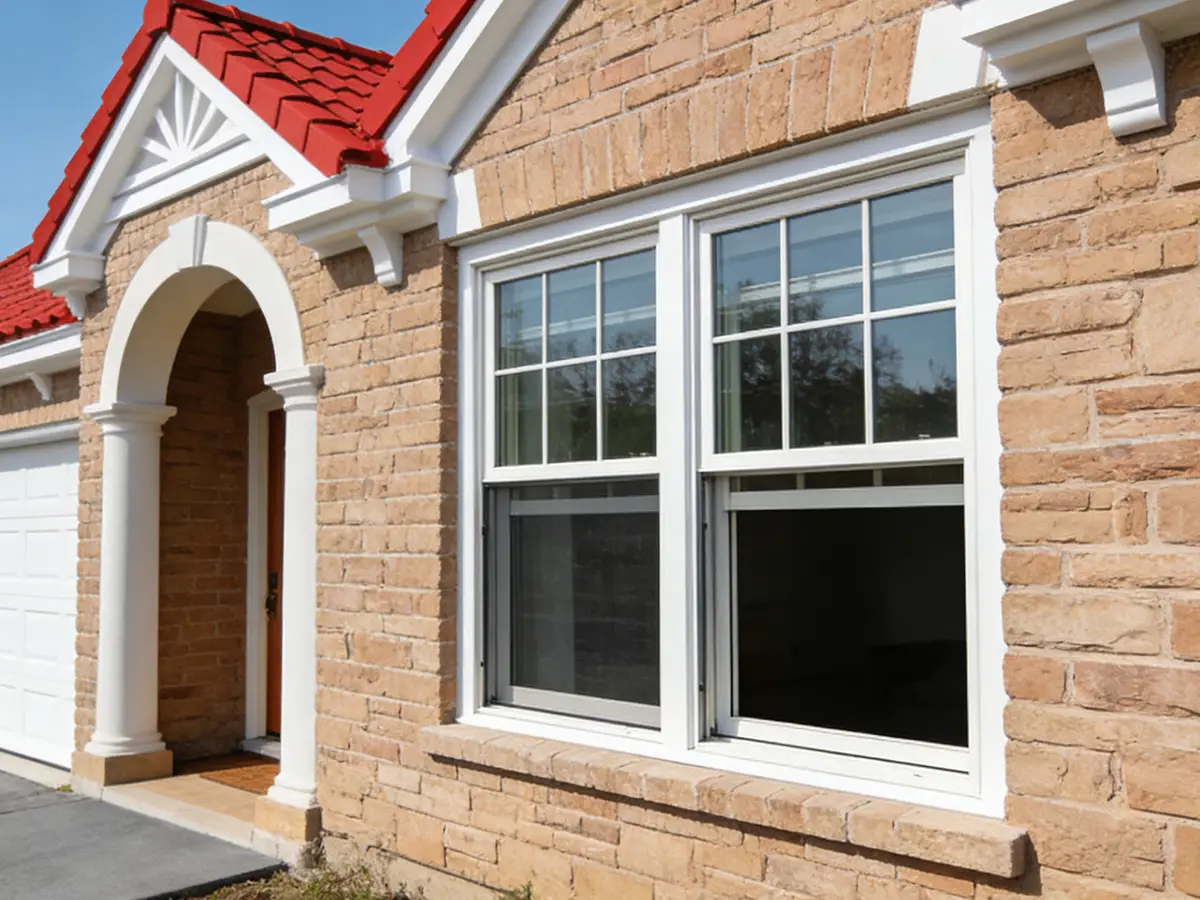
Multi-point locks secure aluminum windows at several engagement points, boosting break-in resistance, reducing energy costs with tighter weather seals, and preventing frame warping through even pressure distribution.
Mechanics of Multi-Point Engagement
Multi-point hardware replaces vulnerable single-lock designs by securing the window sash to the frame at several locations along the perimeter. This multiple-engagement setup creates a tight weather seal that actively blocks air leakage, cuts energy costs, and limits noise infiltration from the outside environment.
Beyond security and insulation, these systems protect the structural integrity of the window itself. By distributing mechanical pressure evenly across the entire frame, the hardware stops the aluminum from warping and prevents structural misalignment during years of heavy use.
Hardware Configurations for Casement Window Series
To guarantee long-term performance, manufacturers build internal locking mechanisms using heavy-duty zinc and aluminum alloys. Engineers conceal these hardware systems directly within the window profiles to preserve a clean, minimalist aesthetic while delivering maximum structural strength.
- Profile Compatibility: Integrates directly into F16, Q35, and X11 casement series.
- Surface Treatments: Custom finishes applied via industrial powder coating and electroplating.
- Regulatory Standards: Tested and verified to meet CE, RoHS, and REACH requirements.
How Casement Windows Serve as Emergency Egress Exits
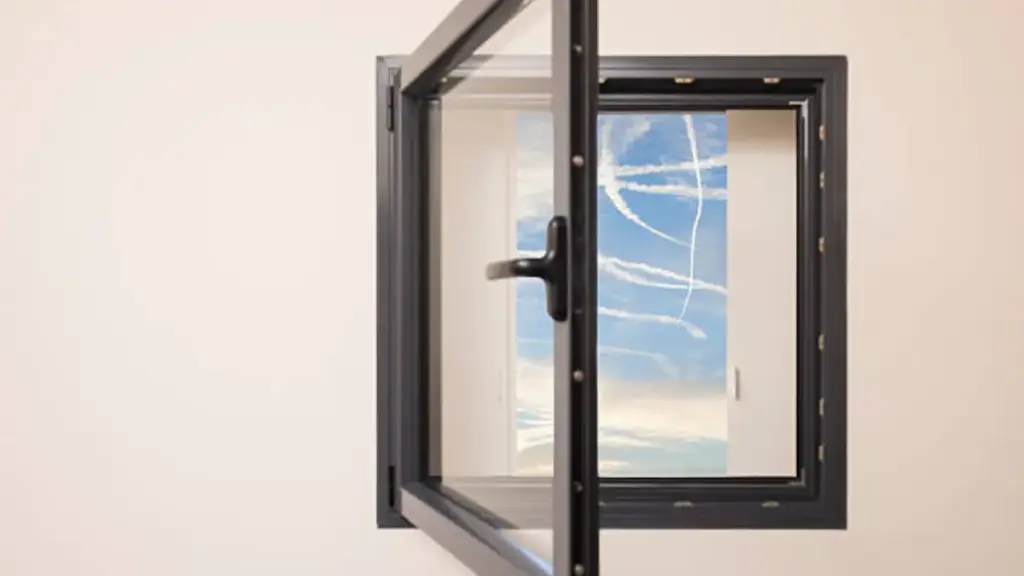
Casement windows excel as emergency exits because their hinged sashes swing completely clear of the frame. They must meet strict dimensional and operational building codes to pass inspection.
Meeting Minimum Egress Size Requirements
Casement windows dominate egress applications because the entire sash pushes outward, maximizing the available escape space. To qualify as a compliant emergency exit, the unit must satisfy strict physical dimensions. Building codes mandate that the window meets all dimensional constraints simultaneously. Passing only two out of the three parameters results in a failed inspection.
- Minimum Width: Provide exactly 20 inches of clearance when fully open.
- Minimum Height: Deliver 24 inches of vertical clearance when fully open.
- Net Clear Opening: Achieve at least 5.7 square feet (reduced to 5.0 square feet for specific ground-floor installations).
- Regional Variations: Account for local codes, such as the Canadian standard dictating a minimum 550 mm width and 900 mm height.
Operational Standards for Safe Evacuation
Size alone does not guarantee a safe escape route. The window must perform flawlessly under high-stress situations. The fully swinging hinged sash clears the entire window opening during a crisis, but the hardware and installation placement ultimately dictate how fast occupants can evacuate.
- Accessibility: Window hardware must operate easily with minimal physical force, requiring absolutely no special tools or keys to unlock.
- Sill Height: Installers must position the window sill no more than 44 inches above the finished interior floor.
- Clear Pathways: Both interior and exterior pathways must remain entirely unobstructed to allow rapid movement.
- Basement Egress: Below-grade setups require dedicated window wells integrating built-in ladders or steps to ensure a safe climb to ground level.
Comparing Security: Casement vs. Sliding vs. Double Hung Windows
Casement windows maximize intruder resistance via multi-point locks. Double-hung styles prioritize child safety with restricted openings, while sliding windows rely on rigid tracks for horizontal protection.
| Security Feature | Casement Windows | Double-Hung Windows | Sliding Windows |
|---|---|---|---|
| Intruder Resistance | Highest (Multi-point locking) | Moderate | Moderate |
| Child Safety | Good (Requires aftermarket locks) | Highest (Limited vertical opening) | Moderate |
| Tamper Vulnerability | Low (Inaccessible internal crank) | Medium (Exposed meeting rail) | Medium (Requires track stops) |
Intruder Resistance and Child Safety Performance
Window selection dictates how a building defends against forced entry and prevents domestic accidents. Each operating style offers a distinct structural approach to occupant protection.
- Casement Windows: These units create a nearly airtight seal when closed. This compression makes them extremely difficult for intruders to pry open from the outside.
- Double-Hung Windows: These models excel in homes with small children. Their limited vertical opening range significantly reduces the risk of accidental falls from upper floors.
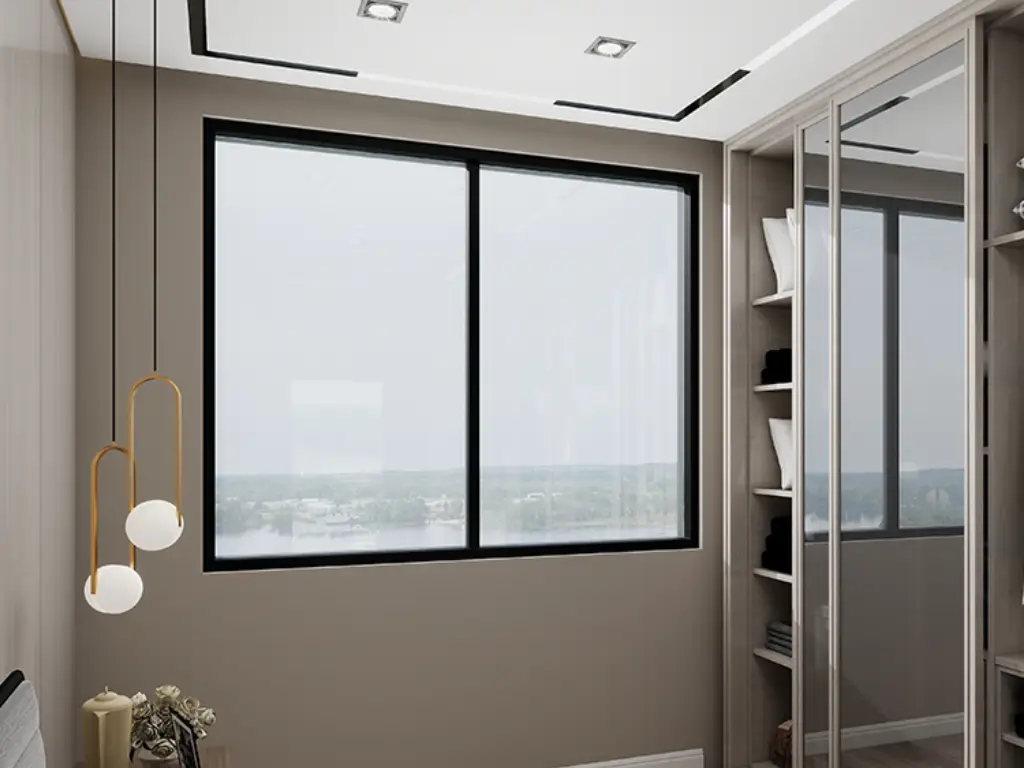
- Sliding Windows: These designs maintain steady security through rigid track systems that restrict unauthorized horizontal movement and block external sash removal.
Hardware Systems That Drive Window Security
The defensive capability of any window relies directly on its internal locking hardware. Manufacturers engineer specific mechanisms to lock the sash firmly to the frame under applied force.
- Multi-Point Fastening: Casement designs utilize multi-point locking systems that anchor the sash securely to the frame at several vertical locations simultaneously.
- Concealed Operators: The internal crank mechanism of a casement window remains completely inaccessible to exterior tampering.
- Cam-Action Hardware: Double-hung systems rely on cam-action locks to unite both sashes at the meeting rail. Users must secure multiple locking points to ensure maximum protection.
Property owners routinely upgrade standard factory hardware on sliding and double-hung units with heavy-duty secondary latches to match the baseline protection of casement models.
Advances in Intelligent Window Security Features
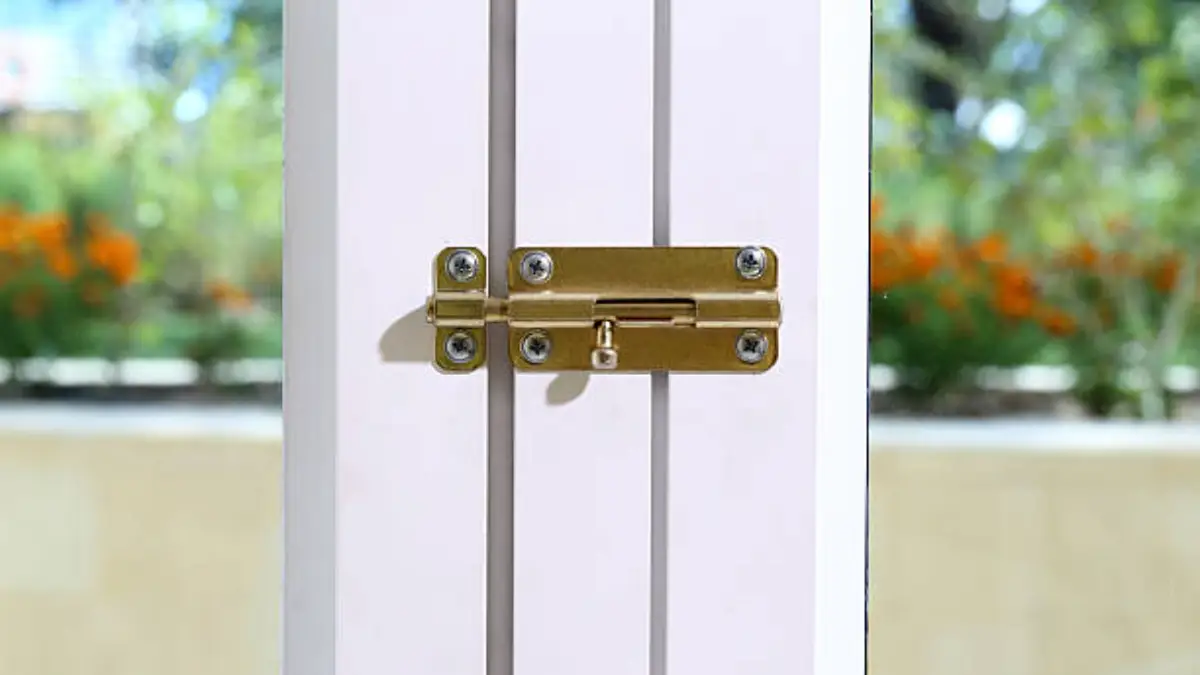
Merging IoT monitoring, biometric access, and AI video with impact-resistant glass and aluminum frames provides real-time breach detection and significantly reduces break-in risks.
IoT Sensors and Biometric Access Systems
Digital innovations drive modern window security. IoT-enabled sensors actively detect breaches and send immediate alerts to property managers or homeowners. Industry data shows that installing these connected sensors contributes to a 40% drop in break-ins.
To restrict unauthorized entry, manufacturers now integrate biometric access controls directly into window hardware. We see three main digital components dominating the current market:
- IoT Sensors: Provide real-time breach detection and trigger instant mobile notifications.
- Biometric Controls: Use fingerprint and facial recognition technologies to restrict physical access.
- AI Video Integration: Links sensor activity directly with live camera feeds to identify suspicious behavior instantly.
Physical Reinforcement Using Impact-Resistant Glass and Aluminum Frames
Intelligent systems require a strong physical foundation to function correctly. You cannot mount advanced biometric sensors on a weak frame. Building a reliable hybrid security ecosystem requires specific physical specifications and operational protocols.
- Impact-Resistant Glass: Uses laminated glass with a resilient plastic interlayer that actively resists shattering during forced entry attempts.
- Custom Aluminum Frames: Specific profiles, such as the F16, Q35, and X11 series, accommodate complex smart hardware while maintaining structural integrity.
- Operational Upkeep: Builders must prioritize robust network reliability and schedule regular software maintenance to keep these systems fully operational.
Pairing heavy-duty physical materials with digital monitoring creates a comprehensive defense system that outperforms traditional mechanical locks.
Testing Standards for Impact-Resistant Glass
Manufacturers evaluate impact-resistant glass using strict global standards like ANSI Z97.1 and BS EN 12600 to verify safety under extreme forces, weather events, and simulated human impacts.
Major Global Impact Resistance Protocols
Testing facilities push glass to its breaking point to verify structural integrity. Different regions rely on specific protocols to measure how well the material handles blunt force and environmental stress.
- ANSI Z97.1: Requires impact, thermal, and weathering tests for laminated glass. Testers also perform center punch fragmentation tests on tempered glass to evaluate safe break patterns.
- BS EN 12600: Evaluates structural resistance by dropping a 50 kg pendulum weight from varying heights to simulate different levels of human impact forces.
- ASTM E1886 and E1996: Assesses hurricane survivability by firing small and large missiles at specific glass target zones. The unit then undergoes 9,000 continuous cycles of pressure changes to establish a precise Design Pressure (DP) rating.
Customizing Glass Specifications for Regional Certifications
Meeting strict testing protocols requires precise engineering. Project managers cannot rely on a single glass type for every global market. They adjust system configurations, including glass specifications and sealing structures, to secure necessary regional certifications like CE, RoHS, and REACH compliance.
Engineers build heavy-duty laminated glass using tough polyvinyl butyral (PVB) or polycarbonate interlayers. These specific core materials keep the glass completely intact during high-velocity impacts. Product designers then pair these specialized glass assemblies with robust aluminum frames tailored to local climate demands.
By matching temperature tolerances, wind load capacities, and coastal conditions, manufacturers secure highly specialized regional approvals. A prime example involves configuring the hardware and glass seals specifically to achieve the rigorous Florida Product Approval for hurricane-prone areas.
Final Thoughts
Choosing the right casement window system is not just about cost—it directly impacts security, durability, and long-term performance. High-quality aluminum series with multi-point locking systems provide superior resistance to forced entry and extreme weather, making them a more reliable solution for commercial applications. Compared to basic single-latch designs, these advanced systems reduce risk, lower maintenance costs, and ensure consistent structural integrity over time.
For projects that demand proven performance, Opuomen offers engineered casement solutions tailored to high-wind regions and commercial standards. From reinforced aluminum profiles to precision multi-point hardware, every component is built for reliability. Contact our team today to discuss your project specifications and customization needs.
Frequently Asked Questions
Are casement windows safe against break-ins?
Yes, casement windows offer superior security. Their design includes multi-point locking systems that secure the sash at several places. The frame houses the locks internally, making them inaccessible from the outside. Closing the window creates a tight compression seal that heavily resists prying.
How do multi-point locking systems work on casement windows?
A single interior handle activates three to five independent locking points along the frame. This distributed system stops the sash from separating from the frame. The embedded hardware remains completely tamper-proof from the exterior.
Can intruders easily force open closed casement windows?
Intruders find it extremely difficult to force open closed casement windows. The tight seal and inward-facing locking mechanisms stop external manipulation. But windows left partially open present a vulnerability, as an intruder could reach the crank mechanism.
Do casement windows withstand strong winds?
Standard casement windows resist moderate winds well when fully closed. For extreme weather, impact-resistant casement windows featuring aluminum alloy frames and laminated glass provide reliable protection against high winds and flying debris.
What are the main benefits of multi-point window locks?
Multi-point locks enhance security by distributing force across multiple engagement points. They improve energy efficiency by creating a tighter compression seal against the weather and offer superior durability by reducing wear on individual hardware components.
Are casement windows more secure than sliding windows?
Casement windows generally provide better default security than sliding windows. Their built-in multi-point locking systems and outward-opening design make them harder to force open. Sliding windows typically need upgraded locking hardware to match this protection level.