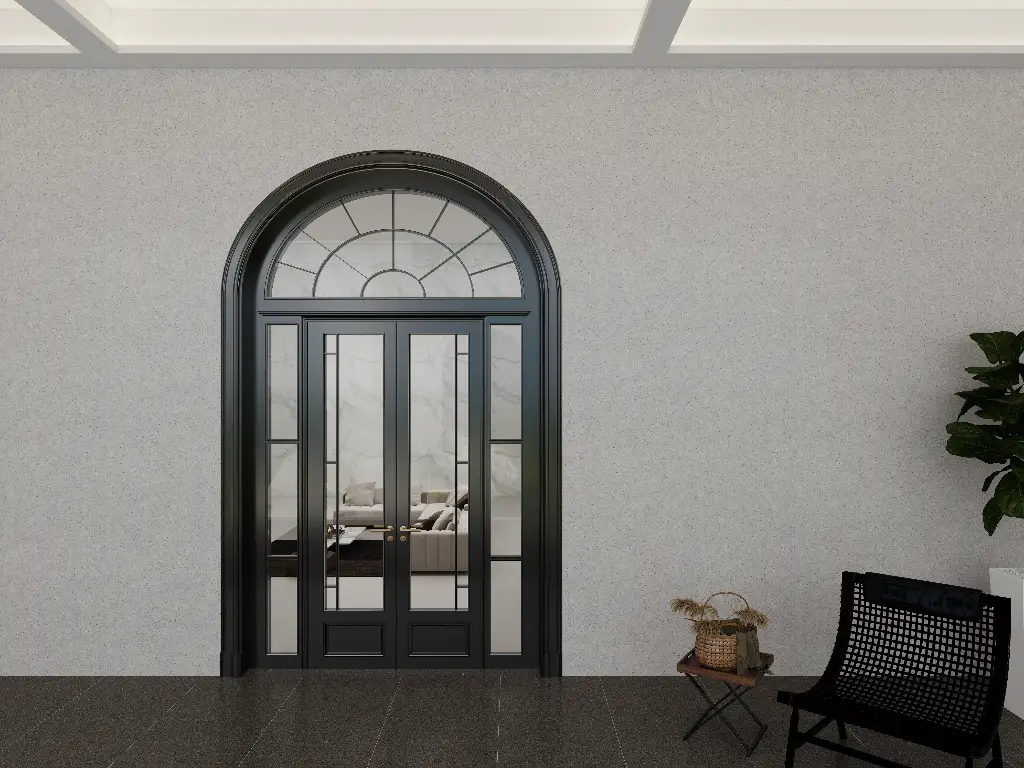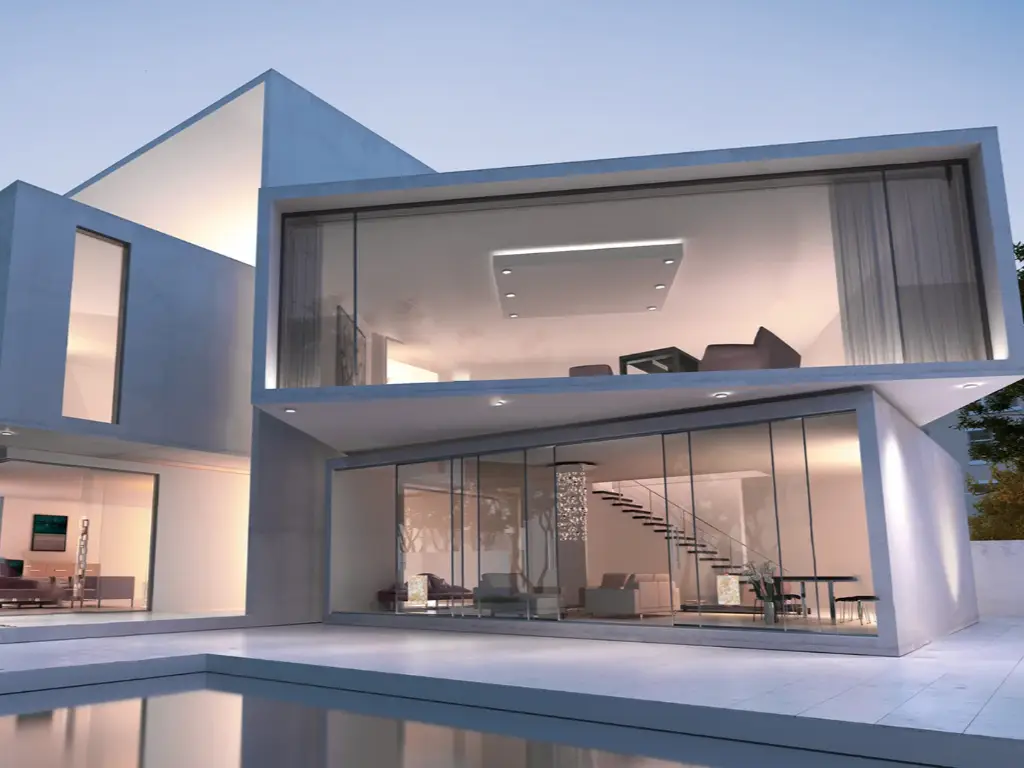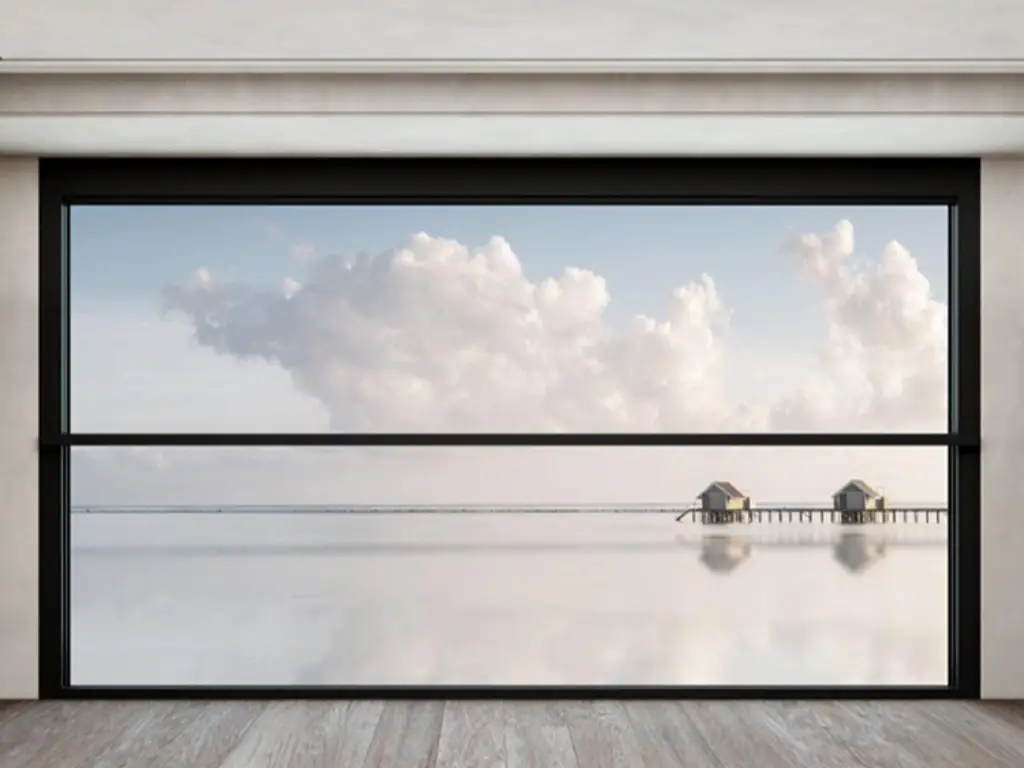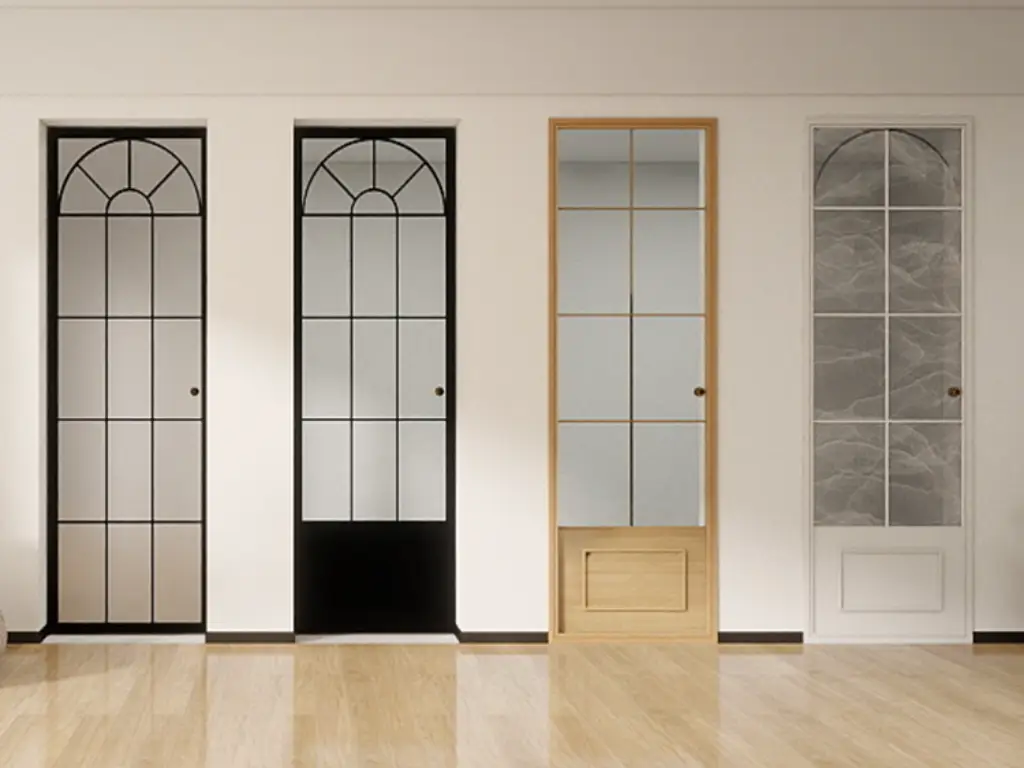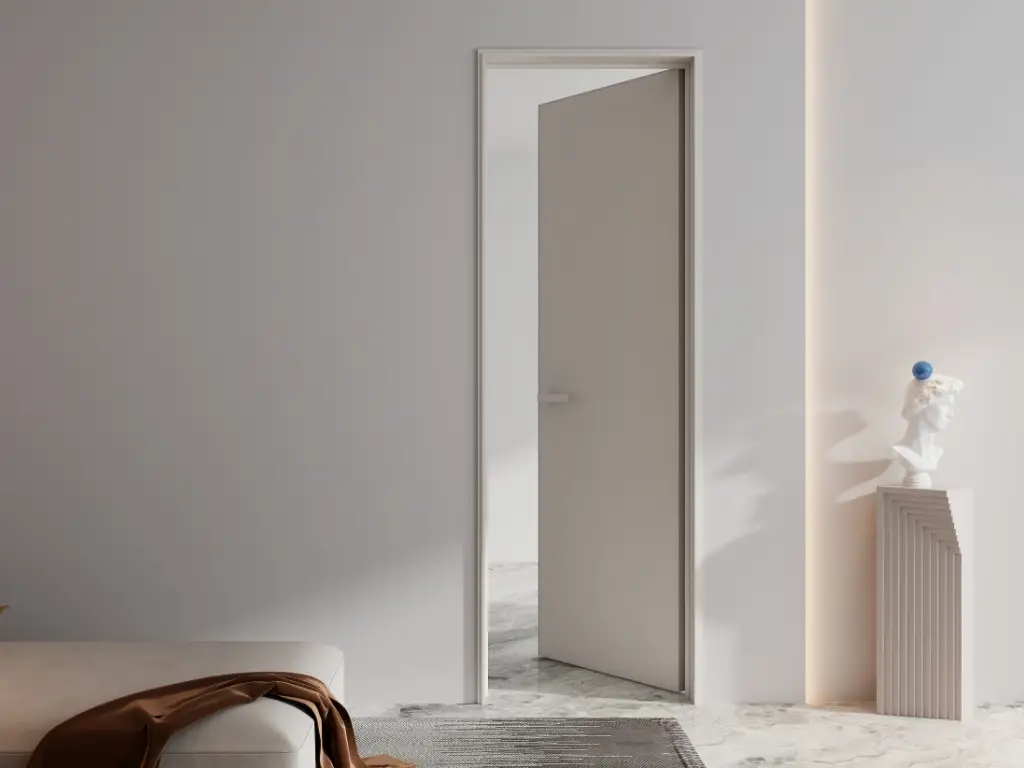
Aluminum doors and windows play a defining role in commercial facade design, particularly when comparing curtain wall and window wall systems. Although these two solutions are often evaluated mainly on upfront cost, they differ widely in structural logic, performance capability, installation methods, and long-term maintenance demands.
This guide highlights the essential differences between aluminum curtain walls and window walls, providing practical insight to help project teams align facade choices with performance expectations and lifecycle objectives.
What Are Curtain Walls?

A curtain wall is a non-load-bearing exterior cladding system, typically made of extruded aluminum framing (mullions and transoms) and infill panels, such as insulated glass, spandrel panels, or opaque units. It is hung from the building’s structure, transferring only its own dead load and environmental loads (such as wind and seismic forces) to the primary structure.
Curtain walls are designed as pressure-equalized, drained, and ventilated assemblies, with engineered weep holes for water evacuation. They are distinct from storefront systems and are specified under CSI MasterFormat 08 44 13 – Glazed Aluminum Curtain Walls.
Key Features:
- Structure & Load Transfer: Non-load-bearing, supported by the building’s frame, transferring dead and environmental loads.
- Water Resistance: Factory-sealed, pressure-equalized design to minimize water infiltration.
- Thermal & Acoustic Performance: Designed to optimize insulation with advanced glazing and sealed units.
- Installation Process: Begins with substrate preparation, followed by the anchoring of vertical mullions and horizontal transoms, sealing joints, and glazing with pressure plates.
What Are Window Walls?
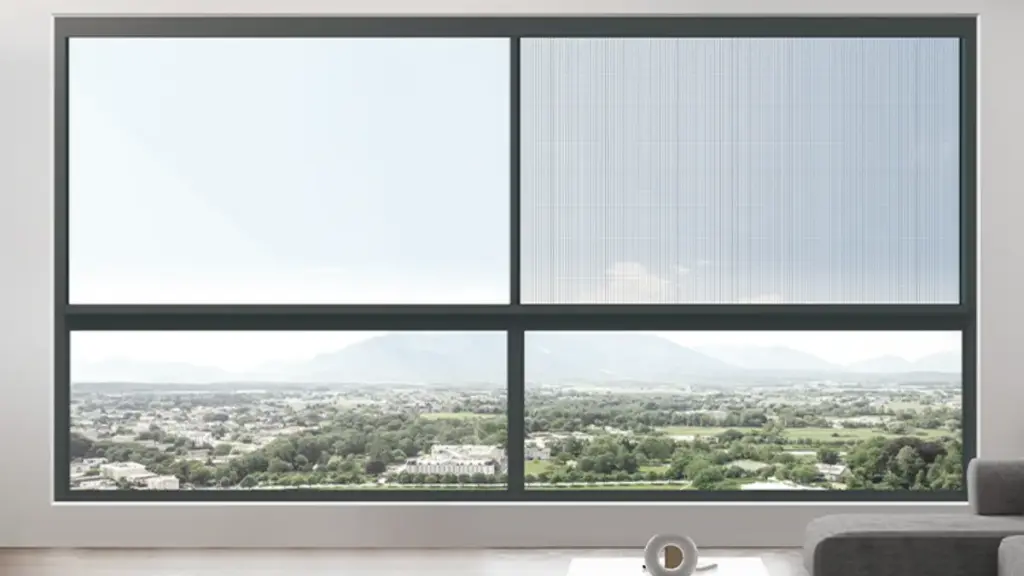
Window walls are non-load-bearing, slab-to-slab glazed facade systems that span a single floor, supported directly by concrete floor slabs. Unlike curtain walls, which are hung from the building’s structure, window walls are anchored within the slab edges, transferring wind and glass dead loads directly to the slabs.
These systems offer inherent fire and acoustic separation, as the concrete slab at each floor serves as a barrier against both fire and sound. They are commonly used in mid-rise buildings (typically under 15 stories) where wind loads are less intense.
Window walls are also suitable for projects requiring operable vents and balcony doors, making them ideal for residential and hospitality applications. With a simpler structure and installation process, they are typically 20–40% less expensive upfront than curtain walls.
Key Features:
- Structure: Slab-supported, spanning one floor at a time.
- Fire & Acoustic Separation: Concrete slabs offer natural firestopping and sound isolation.
- Cost & Efficiency: Lower initial costs and easier installation, ideal for mid-rise buildings.
- Integration: Easily accommodates operable vents and balcony doors.
How Do Curtain Walls and Window Walls Compare in Performance?
Building on the structural and support differences outlined above, performance is where the practical impact of curtain walls and window walls becomes most evident.
Curtain walls typically outperform window walls in air, water, and thermal efficiency due to factory sealing and advanced glazing, though they are more costly. Window walls, often built as aluminum window-based assemblies, offer inherent fire-stopping and better acoustic isolation at a lower upfront cost, relying more on field-applied sealants.
The table below outlines a detailed performance comparison between the two systems.
| Performance Area | Curtain Wall Performance | Window Wall Performance |
|---|---|---|
| Air Leakage | Typically 0.10 CFM/ft² | 0.20–0.40 CFM/ft² for field-sealed systems |
| Thermal Efficiency | Stronger R-value at clear wall and slab intersections; supports thicker IGUs with thermal breaks and low-E coatings | Rely on field sealants at more joints; performance can be improved with low-E, gas fills, and warm-edge spacers for mid-rise |
| Water Penetration | Superior; factory-sealed pressure-equalized rainscreen design; fewer exposed parts | Higher risk from field-applied sealants; higher sealant renewal needs |
| Acoustic Performance | Poorer; vertical sound transfer possible | Excellent; inherent slab isolation per floor |
| Fire-Stopping | Requires engineered system | Inherent (slab acts as barrier) |
| Cost (per sq.ft) | $140–$200 | $90–$130 |
Premium Aluminum Window Systems for Global Projects
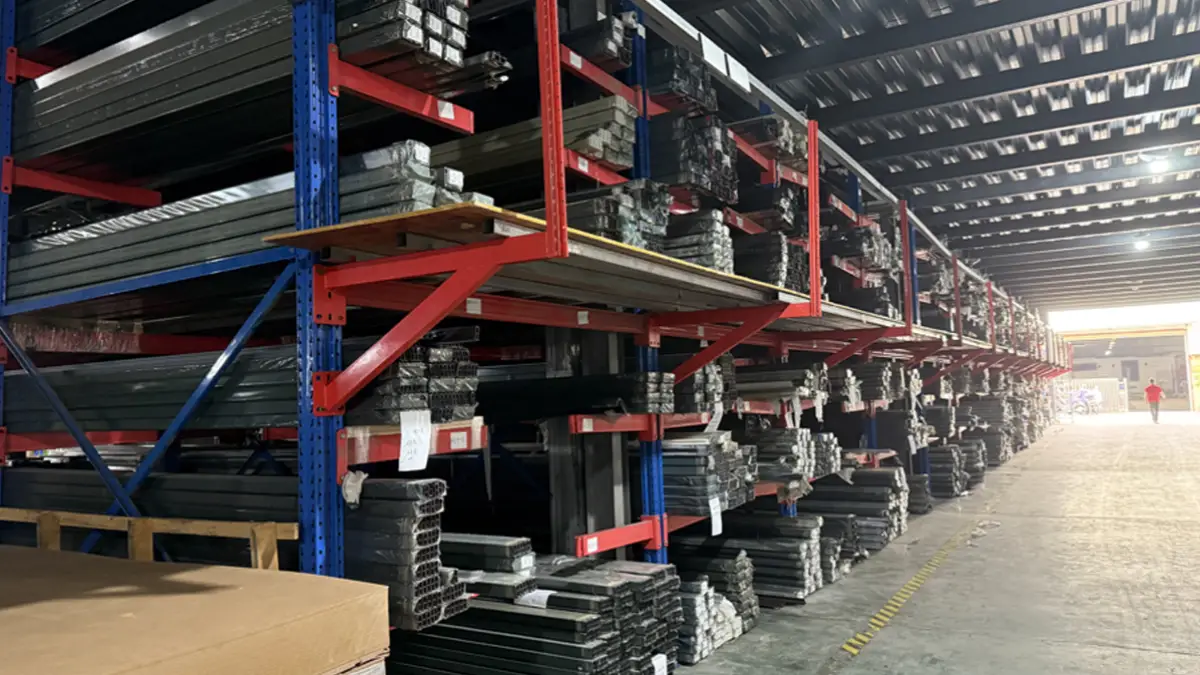
Which System Offers Better Installation Efficiency and Cost Savings?
After comparing structural and performance characteristics, the next practical consideration is how these systems differ in installation approach, initial cost, and long-term financial impact across a project’s lifecycle.
Upfront Installation Efficiency
Window wall systems generally offer higher upfront installation efficiency due to their slab-to-slab, floor-by-floor configuration. Pre-fabricated units are installed directly between concrete slabs, reducing on-site labor, scaffolding complexity, and coordination time. This streamlined approach allows faster enclosure schedules, particularly for mid-rise residential, hospitality, and mixed-use projects.
Curtain walls, by contrast, require hung anchors, multi-floor mullions, and more extensive alignment across stories. While unitized curtain walls improve installation speed compared to stick systems, they still involve greater logistical complexity and crane coordination, increasing early-stage construction time.
Initial Cost Comparison
From an initial cost perspective, window walls are typically more economical, averaging $90–$130 per sq ft, often close to half the installed cost of unitized curtain walls. Their simpler framing, reduced anchorage requirements, and lower fabrication complexity contribute directly to these savings.
Curtain wall systems generally range from $140–$200 per sq ft, reflecting higher material costs, engineered anchoring systems, and multi-story structural integration.
Long-Term Cost Savings and Lifecycle Value
While curtain walls demand higher upfront investment, they often deliver superior lifecycle value. Factory-sealed unitized assemblies achieve lower air leakage rates (around 0.10 CFM/ft²), improved thermal continuity, and reduced reliance on field-applied sealants. This translates into lower energy consumption, fewer water-related failures, and reduced long-term maintenance.
Window walls, with higher air leakage levels (0.20–0.40 CFM/ft²), may incur greater sealant maintenance and energy costs over time. As a result, window walls favor budget-driven, mid-rise projects, while curtain walls are better suited to high-performance, long-term commercial developments.
How Do Aesthetics and Maintenance Compare Between Curtain and Window Walls?
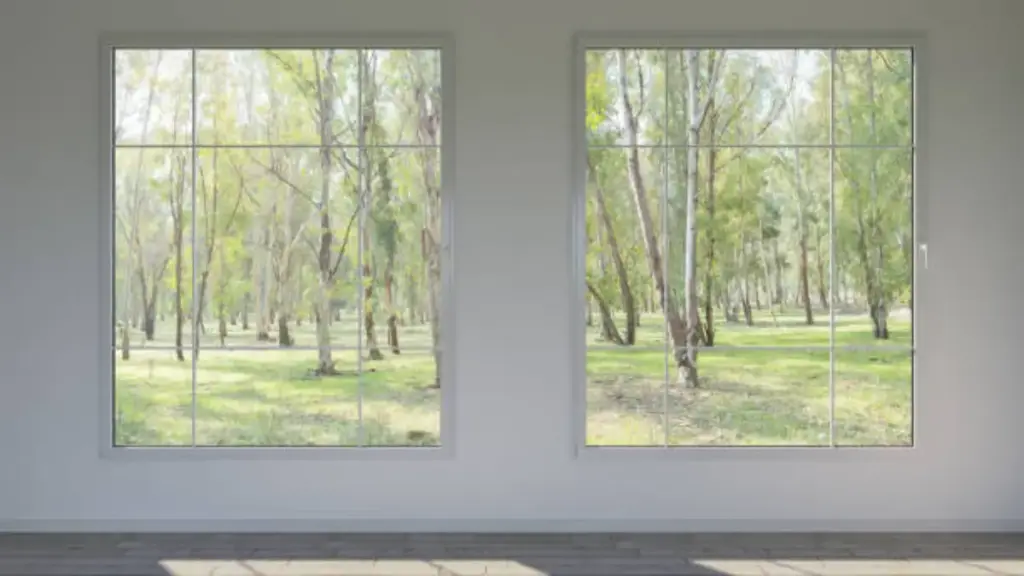
Once performance and cost considerations are addressed, visual expression and long-term upkeep become the next areas of differentiation. The way each facade system is assembled directly influences architectural continuity, joint visibility, and how the exterior envelope ages over time.
Visual Impact and Architectural Continuity
Curtain walls create a smooth, uninterrupted glass facade with minimal visual breaks, allowing design intent to carry consistently across multiple floors. Their multi-story framing supports cleaner sightlines and a more unified exterior, which is especially desirable in high-rise commercial architecture.
Window walls, composed of aluminum window units, typically feature a more pronounced horizontal and vertical grid, leading to a compartmentalized look.This grid-like expression can be acceptable—or even intentional—in mid-rise residential or hospitality projects, but offers less visual continuity overall.
Maintenance Characteristics and Long-Term Durability
Curtain wall systems typically benefit from factory-controlled fabrication, pressure-equalized designs, and fewer exposed joints, which helps maintain water tightness over time. Window walls rely more heavily on field-applied sealants at slab interfaces, where movement and weather exposure increase the likelihood of sealant degradation and maintenance intervention.
How Do Wind Load and Deflection Requirements Affect High-Rise Selection?
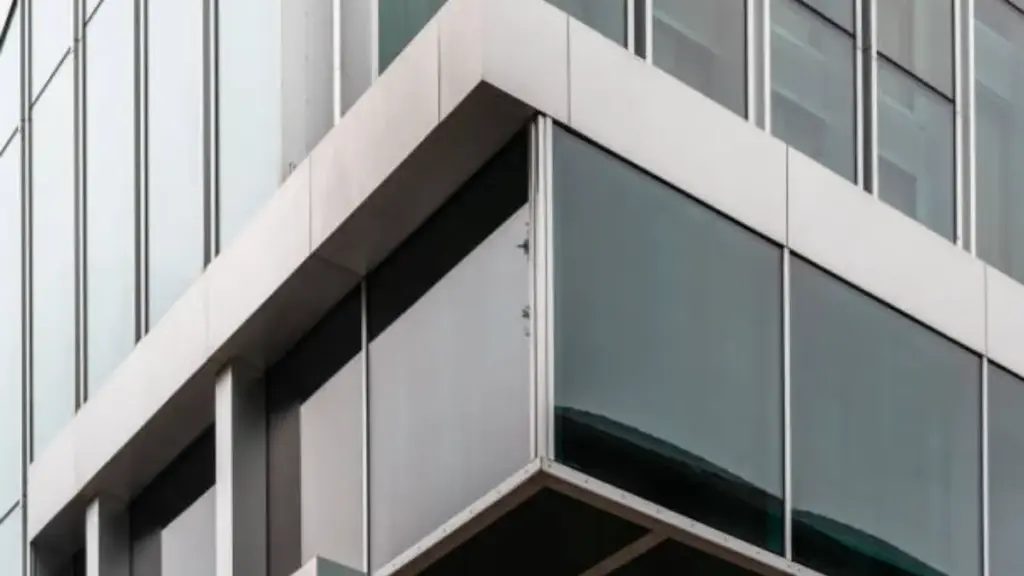
In facade engineering, wind load and deflection are two closely related factors that directly influence system selection in high-rise buildings. As building height increases, both become increasingly restrictive for slab-supported facade systems.
What Do Wind Load and Deflection Mean in Facade Design?
Wind load refers to the pressure applied to the facade by wind, which determines mullion size, anchorage strength, and glass thickness.
Deflection describes how much framing and glazing are allowed to bend under that load without causing glass breakage, seal failure, or long-term performance issues.
Governing Standards and Design Criteria
High-rise facade design in North America is governed by ASCE 7 and IBC Chapter 16, which define design wind speeds, components-and-cladding pressures, and serviceability limits that directly control facade sizing and movement tolerance.
| Category | Standard / Limit | Details / Impact |
|---|---|---|
| Primary Wind Load Standard | ASCE 7-16 / 7-22; IBC/ICC 2021 Ch 16 | Governs high-rise wind design in North America. |
| Design Wind Speeds (Vult) | 140–180 mph (coastal); 115–130 mph (inland) | Ultimate-level basic wind speeds per ASCE 7 maps. |
| Façade Member Deflection | L/175 (glass lite) / L/60 (member length) | Total load deflection for aluminum framing supporting glass. |
| Secondary Member Deflection | L/90 (metal siding); L/120 (aluminum panels) | Design wind-load deflection for secondary wall members or sandwich panels. |
| Global Interstory Drift | H/600 to H/400; Absolute ~0.375 in (3/8 in) | Common practice (ASCE 7-16 App CC) to prevent nonstructural damage. |
| Serviceability Wind Load Check | 0.42 × C&C wind loads | Permitted for deflection checks (10-year return period wind). |
| Required Drawing Data | V, Vasd, Risk Category, Exposure, Pressure Coeff., C&C Pressure | IBC/SBC §1603.1.4 mandates these wind design parameters on drawings. |
Implications for Curtain Walls vs. Window Walls
Curtain walls perform better under high wind and movement demands due to their continuous, story-to-story framing and unitized joints that accommodate interstory drift. Window walls, supported floor by floor at slab edges, are more sensitive to deflection limits and building movement, often requiring heavier framing or tighter detailing as height and wind pressure increase. Consequently, curtain walls are generally the more practical choice for high-rise facades with strict wind and deflection requirements.
What Are OPUOMEN’s Unitized Solutions and Technical Support?
As a custom aluminum doors and windows manufacturer, OPUOMEN offers factory-fabricated unitized aluminum window and facade systems, leveraging pre-engineered modules for efficient installation and high performance. Built on pre-engineered 6063-T5/T6 aluminum extrusion platforms, our unitized modules are fully assembled and pre-glazed under controlled factory conditions, integrating glass, spandrel panels, insulation, anchors, and air-water barriers into complete, install-ready units.
- For high-end hotels and office towers, this approach ensures consistent facade quality, reliable air and water performance, and clean architectural lines across multiple floors.
- For developers and large-scale procurement teams, unitized construction reduces on-site labor, shortens installation cycles, and improves cost predictability on repeat projects.
Beyond fabrication, OPUOMEN provides comprehensive technical support, including project-specific wind load analysis, anchorage and movement detailing, AAMA-compliant testing coordination, shop drawings, and on-site installation guidance. This integrated support model helps project teams manage facade risk with confidence—from design development through final installation.
Final Thoughts
Choosing between aluminum curtain walls and window walls depends on building height, performance requirements, and lifecycle expectations. Window walls suit mid-rise projects with tight budgets and schedules, while unitized curtain walls deliver stronger performance control, durability, and facade consistency for high-rise and commercial developments. With factory-built systems and technical support, OPUOMEN helps project teams reduce risk and achieve long-term facade performance.
Contact us to explore a unitized facade solution tailored to your next project.
Frequently Asked Questions
What are the typical deflection tolerances for a window wall system?
For commercial window wall systems, typical industry deflection tolerances at design wind load are L/175 for framing spans up to 13 ft 6 in, and L/240 + ¼ in for spans over 13 ft 6 in, measured as out‑of‑plane deflection of the framing supporting glass. These limits derive from AAMA TIR‑11 and are incorporated into codes such as CBC 1604A.3.7 for window wall framing. Many proprietary window wall specs further cap member deflection at L/175 under ASTM E330 uniform load testing.
How is condensation managed in a stick-built curtain wall?
Condensation in a stick‑built curtain walls is managed through a continuous interior air/vapour barrier, thermally broken aluminum framing (often with polyamide breaks), insulated glazing, and controlled drainage/venting of cavities. Design also adheres to quantitative condensation‑resistance criteria (e.g., AAMA 1503 CRF, NFRC, CSA) to ensure interior surfaces remain above the dew point under specified conditions, limiting air leakage to prevent moisture accumulation in cavities.
Which system is generally more expensive per square meter installed?
Curtain wall systems are generally more expensive per square meter installed than window wall systems. Industry data indicates unitized curtain walls cost approximately $300–$540/m² ($104.9/ft² equivalent) compared to double-glazed window walls at $150–$295/m² ($54.6/ft² equivalent).
Can a window wall system be easily upgraded to a higher U-Value later?
No, window wall systems cannot be easily upgraded to a higher U-value (lower number, better insulation) later. Such improvements necessitate replacing glazing units (e.g., from double-pane to triple-pane Low-E with argon fill), spacers, or frames, which involves significant disassembly, structural access challenges, and potential mullion modifications, making it an impractical retrofit.