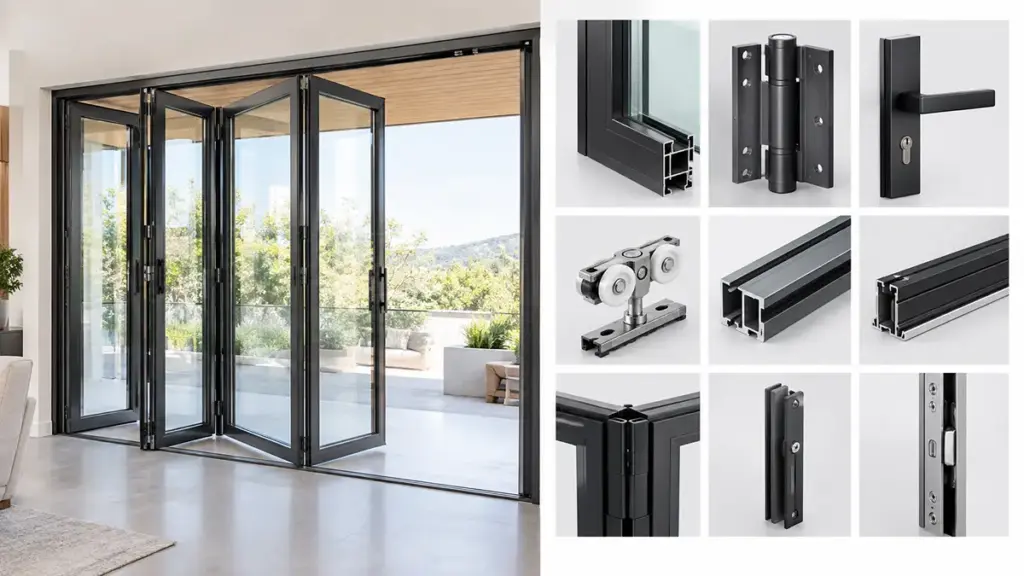
Beschaffung zuverlässiger Akustik & Schalldichte Schiebefenster sind ein entscheidender Schutz gegen fehlgeschlagene kommunale Lärminspektionen. Während Standard-Einkammergeräte die Vorlaufkosten senken, Sie verfehlen regelmäßig die strengen städtischen Dezibel-Vorgaben, Dies setzt Architekten hohen Nachrüstungskosten und Verzögerungen bei der Einhaltung von Vorschriften aus.
Wir bewerten Lösungen auf Mehrkammer-Aluminiumprofilen, asymmetrische Verbundverglasung, und luftdichte EPDM-Dichtungsstrukturen, die Ihnen helfen, konforme Systeme für Entwicklungsprojekte mit hohem Lärmpegel zu sichern.
Warum die meisten Schiebefenster den Schallschutztest nicht bestehen
Herkömmliche Schiebefenster versagen bei der Schalldämmung, da durch ihre Schienen Luftspalte entstehen, Ihren Rahmen fehlt die Entkopplung, und identische Glasscheiben können akustische Frequenzen nicht effektiv brechen.
Akustische Einschränkungen bei Standard-Gleiskonstruktionen
Schallwellen breiten sich genau dort aus, wo sich die Luft bewegt. Standardgleitschienen und -rollen erzeugen unvermeidbare Mikrospalte, die als offene Kanäle für das Eindringen von Außengeräuschen in ein Gebäude dienen.
Einfache Fensterrahmen fangen Außengeräusche aktiv ein. Denn die Hersteller bauen diese Rahmen nicht baulich entkoppelt, Sie übertragen Schallschwingungen direkt von der Außenumgebung in den Innenraum.
Die meisten Anbieter konstruieren Standard-Doppelscheibeneinheiten mit zwei identischen Glasstärken. Dieser Aufbau sorgt für Wärmedämmung, trägt jedoch nahezu nicht dazu bei, die Frequenzen akustischer Wellen zu verwirren oder zu zerstören.
Konfigurieren von Glas- und Dichtungsstrukturen für die akustische Kontrolle
Akustische Kontrolle erfordert eine physische Barriere gegen Mikrospalten. Installateure wenden neben thermisch getrennten Profilen spezielle Dichtungsstrukturen an, um die Lücken zu schließen, die bei typischen Dichtungsstreifen übersehen werden.
Umgebungen mit hohem Lärmpegel und strenge Bauvorschriften erfordern präzise Ingenieurskunst. Speziell entwickelte Systeme, einschließlich der 120, TS5, und TS6 Schiebefensterserie, Integrieren Sie spezielle strukturelle Konfigurationen, um die Schallübertragung zu stoppen:
- Asymmetrische Scheibenstärken: Mehrere Glasspezifikationen im Inneren des Geräts schwächen Schallwellen aggressiv ab, bevor sie in den Innenraum dringen.
- Profile mit thermischer Trennung: Interne strukturelle Separatoren verhindern, dass Vibrationen durch den Fensterrahmen gelangen.
- Fortschrittliche Dichtungsstrukturen: Technische Barrieren dichten die Gleis- und Rollenwege dicht ab, um das Eindringen von Luft zu verhindern.
Effektive Schallschutztechniken für Schiebefenster
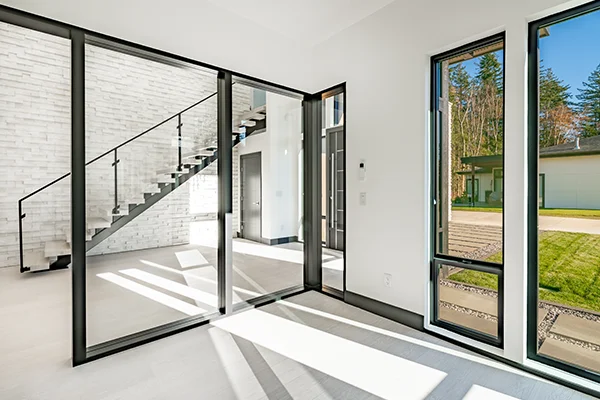
Standard-Schiebefenster fallen bei akustischen Tests aufgrund von Luftlecks und Glasvibrationen durch. Umrüstung auf Mehrkammerrahmen, EPDM-Dichtungen, und Verbundglas liefert messbare STC-Verbesserungen für kommerzielle Anwendungen.
| Technik | Primärmaterial | Kernvorteil | Zielmarkt |
|---|---|---|---|
| Mehrkammerrahmen | Aluminium | Erhöhte Steifigkeit und Geräuschunterdrückung | Kommerziell & Wohnbauten |
| Akustische Abdichtung | EPDM-Gummi | ~5 dB Geräuschreduzierung | Nachrüst- und Schiebesysteme |
| Spezialverglasung | Verbundglas (PVB/EVA) | 50-95% Lärmreduzierung | Städtische Umgebungen & Flughäfen |
Mehrkammer-Aluminiumrahmen
Bei Standard-Schiebefenstern hat die Wärmeleistung Vorrang vor der Schalldämmung. Schallwellen dringen durch kontinuierliche Strukturschwingungen leicht in Einkammerrahmen ein. Mehrkammer-Aluminiumrahmen unterbrechen genau diesen Weg. Die Hersteller entwerfen diese Profile mit mehreren inneren Hohlräumen, die die Schallwellenübertragung unterbrechen und die Gesamtsteifigkeit der Fenstereinheit verbessern.
- Standardkonfiguration: 2 Zu 3 Innenkammern für grundlegende Leistung.
- Hochleistungsmodelle: Bis zu 10+ Kammern, die auf Zonen mit starker Kälte oder hohem Lärmpegel zugeschnitten sind.
- Primäre Anwendungen: Kommerzielle Architektur, Schaufenstersysteme, und LEED-konforme Konstruktion.
Dabei erhöht sich der Fertigungsaufwand im Vergleich zu Einkammerkonstruktionen leicht, Die resultierende Masse und die entkoppelten inneren Strukturen führen zu messbaren Einbußen bei der Geräuschübertragung. Käufer, die nach Modernisierungsprojekten suchen, suchen aktiv nach diesen Mehrkammerprofilen, um strengere städtische Lärmschutzvorschriften einzuhalten.
EPDM-Dichtungen für bessere Schalldämmung
Luftlecks an Schienen und Flügeln beeinträchtigen die akustische Leistung jedes Schiebefensters. Schall bewegt sich durch genau die gleichen Mikrospalten wie Luft. Auf Rollen und Schienen sammelt sich mit der Zeit zwangsläufig Schmutz an, Schieben Sie die Flügel aus der Ausrichtung und zerstören Sie das Werkssiegel. Der Dichtungsstreifen aus EPDM-Gummi sorgt für eine lange Lebensdauer, selbstklebende Fixierung, die aktiv komprimiert wird, um diese strukturellen Hohlräume zu füllen.
- D-Typ-Profile: 96-mm-Standardgröße für primäre Rahmenlücken.
- T-Profile: Speziell geformter Kantenschutz für Schiebefensterschienen.
- Akustische Wirkung: Liefert ungefähr 5 dB messbare Geräuschreduzierung.
Installateure müssen die Rahmenabstände überprüfen, bevor sie dickere Profile anbringen. Übergroße EPDM-Streifen können den Schiebemechanismus beeinträchtigen, wodurch die Tür oder das Fenster blockiert. Bei richtiger Größe, Dieses kostengünstige Material reduziert gleichzeitig die Geräuschübertragung und den Energieverlust erheblich.
Verbundglas für den städtischen Schallschutz
Eine Aufrüstung des Rahmens und der Dichtungen nützt nichts, wenn das Glas selbst als vibrierender Lautsprecher fungiert. Standard-Doppelglasfenster verwenden häufig identische Glasstärken, Dadurch können bestimmte Schallfrequenzen direkt durch das Gerät geleitet werden. Verbundglas behebt diesen strukturellen Fehler, indem ein spezieller Dämpfungskern zwischen die Scheiben gelegt wird, um akustische Energie zu absorbieren, bevor sie in den Raum gelangt.
- Zwischenschichtmaterialien: Polyvinylbutyral (PVB) oder Ethylen-Vinylacetat (EVA) Dämpfungskerne.
- Akustische Leistung: Erfolgt 50% Zu 95% Geräuschreduzierung abhängig von der genauen Montage.
- Ziel-STC-Bewertungen: Benutzerdefinierte Baugruppen gehen häufig über STC hinaus 55 für die Einhaltung kommerzieller Vorschriften.
Beschaffungsteams spezifizieren dieses Glas stark für Hotels, Aufnahmestudios, und Wohngebäude in der Nähe von Flughäfen oder stark frequentierten Korridoren. Der doppelte Vorteil der thermischen Effizienz und der akustischen Isolierung rechtfertigt die höheren Herstellungskosten und längeren Vorlaufzeiten, die für diese Spezialverglasungseinheiten erforderlich sind.
Hochleistungs-Aluminiumfenster für globale Projekte

Vergleich der STC-Bewertungen von Sliding vs. Casement Windows
Flügelfenster erreichen durch luftdichte Kompressionsdichtungen höhere STC-Werte, während spezielle Glas- und Rahmenkonfigurationen die Akustik von Schiebefenstern deutlich verbessern.
Kompressionsdichtungen versus Gleitschienen
Das betriebliche Design bestimmt die Luftdichtheit und akustische Leistung eines Fensters. Schall bewegt sich auf genau demselben Weg wie Luft. Wenn Sie a sperren Flügelfenster, es zieht den Flügel fest gegen den Rahmen. Dadurch entsteht eine dichte Kompressionsdichtung, die Luftschall aktiv daran hindert, in ein Gebäude einzudringen.
Schiebefenster funktionieren anders. Sie sind auf überlappende Flügel und Bürstendichtungen angewiesen, um sich reibungslos entlang ihrer Schienen zu bewegen. Durch diese mechanische Anforderung entstehen natürlich Mikrospalte, Ermöglichen, dass schalltragende Luft durch das Rahmensystem strömt. Wir sehen diesen Unterschied deutlich in den grundlegenden Leistungskennzahlen:
- Einscheiben-Einheiten: STC 26 Zu 28
- Standard-Doppelscheiben-Einheiten: STC 26 Zu 32
Akustische Konfigurationen in F16-Flügel- und TS5-Schiebesystemen
Auftragnehmer müssen die exakten STC-Werte einhalten, um die örtlichen Lärmpegelanforderungen zu erfüllen. Dies erreichen Sie, indem Sie den richtigen strukturellen Rahmen mit maßgeschneiderten Glasspezifikationen kombinieren. Spezielle Produktserien ermöglichen es Installateuren, die akustische Lücke zwischen Fenstertypen zu schließen.
- Casement-Serie (F16, F35, X11): Diese Einheiten maximieren die Luftdichtheit für Projekte, die eine strenge Schalldämmung und gleichzeitig eine hohe Energieeffizienz erfordern.
- Schiebeserie (120, TS5, TS6): Diese Systeme nutzen maßgeschneiderte thermische Trennprofile und kundenspezifische Dichtungsstrukturen, um die akustische Leistung in Anwendungen zu steigern, in denen Platzbeschränkungen einen Schiebemechanismus erfordern.
- Maßgeschneiderte Verglasung: Durch die Anpassung der Glasspezifikationen können Projektunternehmer unabhängig vom Grundrahmenstil exakte STC-Bewertungen anstreben.
Technische Tipps für flughafennahe Wohnprojekte
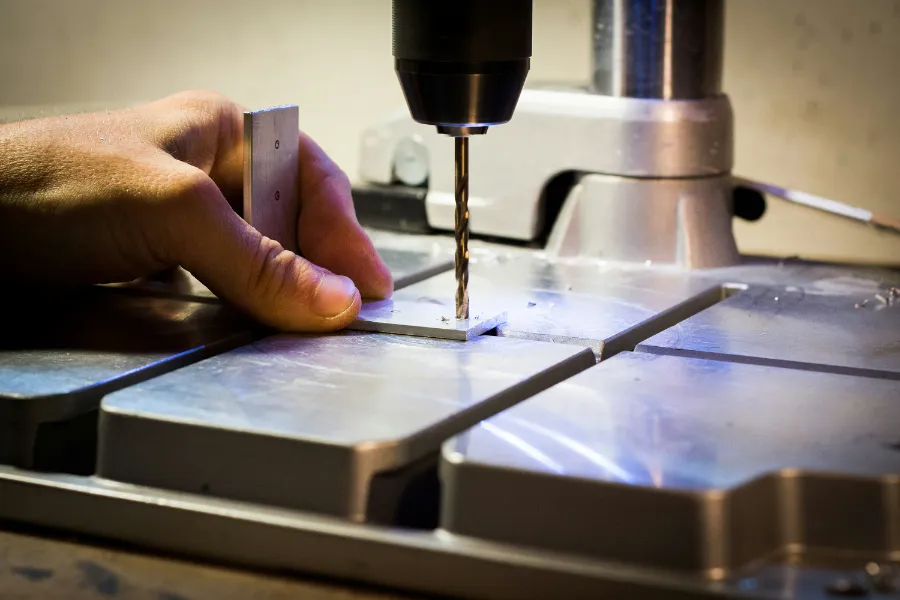
Für an Flughäfen angrenzende Projekte ist ein Innengeräuschpegel von erforderlich 45 dB DNL. Ingenieurteams erreichen dies mithilfe spezieller Strukturmaterialien, modernisierte HVAC-Systeme, und präzise eingebaute Akustikfenster.
Akustische Anforderungen an flughafennahe Häuser
Um die Richtlinien zur Wohnverträglichkeit in der Nähe von Flughäfen zu erfüllen, müssen bestimmte Dezibel-Ziele erreicht werden. Die FAA legt den Standard-Innengeräuschpegel für diese Projekte auf fest 45 dB DNL oder niedriger. Um dies zu erreichen, Ingenieure überdenken die gesamte Gebäudehülle, anstatt sich auf Standardmethoden für den Wohnungsbau zu verlassen.
Die Besatzungen müssen mehrere Strukturelemente aufrüsten, um das Rumpeln niederfrequenter Flugzeuge effektiv zu blockieren. Standardbaupraktiken weisen zu viele akustische Schwachstellen auf.
- Dichte Wandaufbauten: Das Hinzufügen von Masse zu Außenwänden stört die Übertragung von Schallwellen.
- Vollkerntüren: Ersetzen von Standard-Außentüren durch schwere, Akustisch bewertete Alternativen verhindern Schalllecks.
- Deckenmodifikationen: Durch die Verbesserung der Dach- und Deckendämmung wird eine umfassende Barriere gegen Fluglärm geschaffen.
- Zentralisierte HVAC-Systeme: Durch die Installation einer Kanalklimatisierung sind Fenster-Klimaanlagen nicht mehr erforderlich, die bekanntermaßen eine extreme Geräuschdurchdringung ermöglichen.
Fenstersystemkonfigurationen und Installationstoleranzen
Fenster stellen das schwächste akustische Glied in jeder Gebäudefassade dar. Standard-Thermo-Doppelverglasungen versagen bei hohem Fluglärm. Sie benötigen spezielle Akustikfenstersysteme, die so konstruiert sind, dass sie Vibrationen entkoppeln und Schallwellen abbauen.
- Spezialisierte Strukturprofile: Mehrkammerrahmen erfordern spezielle thermische und akustische Trennungen.
- Mehrere Glasschichten: Asymmetrische Glaskonfigurationen verwenden unterschiedliche Scheibendicken, um Mitschwingschwingungen zu verhindern.
- Hochleistungsdichtungsstrukturen: Tiefe Akustikdichtungen und breite Luftspalte blockieren die Schallübertragungswege.
Der Kauf von Fenstern mit hohem STC-Wert deckt nur die Hälfte der Arbeit ab. Bauteams müssen vor Ort strenge Einbautoleranzen durchsetzen. Schon ein Millimeter Spalt im Rahmenbeschlag beeinträchtigt die gesamte Lärmschutzwand. Sobald der Bau abgeschlossen ist, Akustikspezialisten führen nach dem Bau Tests durch, um sicherzustellen, dass die Strukturbaugruppe tatsächlich Außengeräusche abschirmt und die Anforderungen erfüllt 45 dB-Mandat.
Wartung und Langzeitleistung von Schallschutzfenstern
Konsequente Wartung wie halbjährliche Reinigung und Dichtungsprüfungen verhindert Lärmaustritt und verlängert die akustische Lebensdauer Ihrer Schiebe- und Flügelfenster.
Grundlegende routinemäßige Reinigungs- und Inspektionspraktiken
Akustikfenster erfordern eine besondere saisonale Pflege, um ihre schalldämmenden Eigenschaften aufrechtzuerhalten. Die Ansammlung von Schmutz und Schmutz beeinträchtigt die engen Toleranzen, die für eine optimale Geräuschreduzierung erforderlich sind.
- Halbjährliche Reinigung: Waschen Sie Glas und Rahmen mindestens zweimal im Jahr mit einem weichen Tuch und einem milden Reinigungsmittel. Scheuernde Reinigungsmittel beschädigen spezielle Schallschutzbeschichtungen.
- Visuelle Inspektionen: Überprüfen Sie regelmäßig Rahmen und Akustikdichtungen. Achten Sie auf sichtbare Abnutzung, Oberflächenrisse, oder Mikrospalten, die es Außengeräuschen ermöglichen, die Barriere zu durchdringen.
- Wintervorbereitung: Überprüfen Sie die Fenster auf Zugluft, bevor es kalt wird. Tragen Sie wetterfestes Dichtmittel auf, um sowohl Wärmeverluste als auch das Eindringen von Lärm zu verhindern.
Das frühzeitige Erkennen kleiner Lücken verhindert, dass geringfügiger Verschleiß zu großen Schalllecks führt. Proaktive Inspektionen halten die strukturelle Integrität intakt und stellen sicher, dass die luftdichte Umgebung nicht beeinträchtigt wird.
Hardware-Schmierung und Austausch der akustischen Dichtung
Bewegliche Teile und luftdichte Verschlüsse tragen im täglichen Betrieb die Hauptlast. Die Wartung dieser mechanischen Komponenten hat direkten Einfluss darauf, wie gut das Fenster Schallwellen physikalisch blockiert.
- Hardwarewartung: Tragen Sie ein fettfreies Schmiermittel auf die Scharniere auf, Spuren, und Schließmechanismen zweimal im Jahr. Dies gewährleistet eine reibungslose Bewegung der Komponenten und sorgt dafür, dass der Flügel fest am Rahmen anliegt.
- Dichtungsaustausch: Identifizieren Sie fehlerhafte Komponenten sofort. Ersetzen Sie abgeflachte oder rissige Dichtungsstreifen durch neue, dicht schließende Silikon- oder Gummidichtungen.
- Luftdichte Ausführung: Stellen Sie sicher, dass alle neuen Ersatzdichtungen perfekt bündig am Rahmen anliegen. Jede Fehlausrichtung führt zu flankierenden Pfaden für Rauschen.
Sie können den grundlegenden Austausch der Dichtungen selbst durchführen, indem Sie das alte Material entfernen, Reinigen der Strecke, und den neuen Gummi fest einsetzen. Richtig sitzende Dichtungen sperren Luftschall und sichern die akustische Lebensdauer der Anlage.
So wählen Sie die beste Schallschutzlösung für Ihr Projekt aus
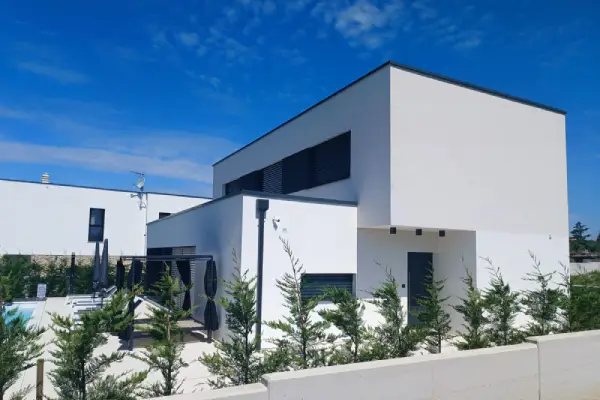
Eine wirksame Schalldämmung erfordert die Analyse Ihrer spezifischen Lärmquelle und die Kombination der Masse, Dämpfung, Entkopplung, und Absorption an den gefährdeten Stellen Ihres Gebäudes.
Bewertung der Arten von Luft- und Strukturlärm
Zunächst müssen Sie die genaue Art des Lärms identifizieren, der die Struktur angreift. Luftschall, wie Straßenverkehr oder Stimmen, bewegt sich anders als niederfrequente Strukturschwingungen, die durch Maschinen oder schwere Schritte verursacht werden. Die Behandlung beider erfordert völlig unterschiedliche Materialprofile und Installationsstrategien.
Sobald Sie das Geräuschprofil isoliert haben, Passen Sie die Behandlung an den jeweiligen Anwendungsbereich an, um eine maximale akustische Effizienz zu gewährleisten:
- Böden: Installieren Sie eine Gummiunterlage mit hoher Dichte, um strukturelle Stöße zu absorbieren und stehende Wellen abzuleiten, bevor sie in die Balken eindringen.
- Wände: Montieren Sie elastische Schallkanäle, um die Trockenbauwand von den Ständern zu entkoppeln, gepaart mit Dämpfungsmitteln, um physikalische Schwingungen in Spuren von Wärme umzuwandeln.
- Schwachstellen: Dichten Sie alle vorhandenen Lücken rund um Versorgungsleitungen und Fensterfenster mit flexiblem Akustikdichtstoff ab. Herkömmliche Dichtungsmassen verhärten und versagen akustisch, Akustikdichtstoffe bleiben biegsam und blockieren Schalllecks dauerhaft.
Passende Akustikmaterialien mit individuellen Konfigurationen
Um eine ernsthafte Lärmreduzierung zu erreichen, ist die Planung der gesamten Gebäudehülle erforderlich. Sie müssen allgemeine Raumgestaltungen mit speziellen Fenster- und Türkonfigurationen kombinieren, um flankierende Wege zu vermeiden, bei denen Schall schwere Wände leicht umgeht.
Um Leistung und Projektbudgets in Einklang zu bringen, Auftragnehmer verlassen sich auf bestimmte Materialkombinationen:
- Wand- und Fensterintegration: Kombinieren Sie schwere Barrieren wie massenhaft beladenes Vinyl (MLV) innerhalb der Wandhohlräume mit maßgeschneiderten Schallschutzfenstersystemen, um eine flächendeckende Abdeckung ohne Schwachstellen zu gewährleisten.
- Glasspezifikationen: Wählen Sie asymmetrische Glasdicken und technische Dichtungsstrukturen aus, um Schallwellen basierend auf den genauen Außengeräuschpegeln des Projektstandorts zu unterbrechen.
- Budgetzuweisung: Optimieren Sie die Kosten, indem Sie Wandhohlräume mit einer kostengünstigen Akustikdämmung aus Mineralwolle ausfüllen. Investieren Sie diese Ersparnisse in leistungsstarke, thermisch getrennte Aluminiumprofile und hochwertige Akustikdichtstoffe.
Häufig gestellte Fragen
Reduzieren Schiebefenster wirksam den Lärm??
Ja. Richtig konstruierte Schiebefenster reduzieren den Außenlärm 50 Zu 90 Prozent. Dies erreichen die Hersteller durch den Einsatz mehrerer Scheiben, laminiertes Akustikglas, optimierte Luftspalte, und hochdichte Rahmen, um die Tonübertragung zu blockieren. Schallgedämmte Schiebemodelle der Spitzenklasse erfüllen durchweg die STC-Qualität (Tonübertragungsklasse) Bewertungen zwischen 45 Und 50.
Wie mache ich bestehende Schiebefenster schalldicht??
Beginnen Sie damit, Luftlecks rund um den Rahmen mit Akustikdichtungsmasse und Dichtungsstreifen abzudichten. Zur moderaten Geräuschreduzierung, Installieren Sie Schallschutzvorhänge, Massenbeladenes Vinyl, oder magnetische Fensterdichtungssätze. Wenn Sie maximale Ergebnisse ohne vollständiges Ausreißen wünschen, Installieren Sie individuelle Schallschutzwände aus Acryl oder rüsten Sie den vorhandenen Flügel mit einer Akustikverglasung auf.
Welche Glasdicke eignet sich am besten zur Schalldämmung??
Der optimale Aufbau kombiniert 6 mm bis 8 mm starkes laminiertes Akustikglas in einer asymmetrischen Konfiguration – wie eine 6 mm dicke Scheibe, die einer 4 mm dicken Scheibe gegenübersteht. Dadurch wird verhindert, dass die beiden Glasschichten mit der gleichen Frequenz schwingen. Die Unterbrechung dieser Resonanz verbessert die Geräuschreduzierung über einen viel größeren Tonhöhenbereich im Vergleich zu standardmäßigem symmetrischem Glas.
Sind Schiebefenster genauso schalldicht wie Flügelfenster??
Flügelfenster sorgen im Allgemeinen für eine dichtere Abdichtung, da die Verriegelungsbeschläge den Flügel fest gegen den Rahmen ziehen. Schiebefenster laufen auf Schienen, natürlich etwas mehr Luft- und Schallinfiltration ermöglichen. Trotz dieses strukturellen Unterschieds, Akustische Schiebefenster, die mit speziellen Kompressionsdichtungen und Verbundglas ausgestattet sind, bieten dennoch STC-Bewertungen, die starkem Stadtlärm standhalten.
Beeinflusst das Fensterrahmenmaterial die Schalldämmung??
Ja. Rahmendichte und -masse bestimmen direkt die akustische Leistung. Schwere Materialien wie Holz und Glasfaser blockieren auf natürliche Weise Schallwellen. Aluminiumrahmen leiten Geräusche besser, Doch Ingenieure optimieren sie durch die Integration thermischer Trennungen, Dämpfungsmassen, und spezielle Akustikdichtungen für eine erstklassige Schalldämmung.
Was sind die besten Schallschutzfenster für Wohnungen??
Die effektivsten Wohnungslösungen verfügen über eine Dreischeibenkonstruktion mit laminierten Akustikzwischenschichten. Dieses Design zwingt Schallwellen durch mehrere Barrieren aus Glas und Inertgas, Absorbiert niederfrequenten Stadtlärm wie Straßenverkehr. Die Kombination dieses Spezialglases mit Mehrkammer-uPVC- oder thermisch getrennten Aluminiumrahmen maximiert die gesamte Schallschutzwirkung.
Letzte Gedanken
Während Standard-Einkammer-Schiebefenster geringere Vorlaufkosten bieten, Die Investition in Mehrkammer-Aluminiumprofile und asymmetrisches Verbundglas ist die einzige Möglichkeit, Ihre Projekte vor nicht bestandenen kommunalen Lärmschutzinspektionen zu schützen. Kürzungen bei der Schalldämmung führen in dicht besiedelten Stadtgebieten unweigerlich zu kostspieligen Abrissen und Mieterbeschwerden. Die Spezifikation speziell angefertigter Akustiksysteme schützt Ihre Margen und gewährleistet die langfristige Einhaltung gesetzlicher Vorschriften.
Überlassen Sie die akustische Leistung Ihres Gebäudes nicht dem Zufall. Wir empfehlen, ein physisches Schnittmuster unserer Mehrkammer-Extrusion anzufordern, um die strukturelle Steifigkeit und die Qualität der EPDM-Dichtung aus erster Hand zu überprüfen. Kontaktieren Sie unser Engineering-Team Überprüfen Sie noch heute Ihre genauen STC-Ziele und besprechen Sie individuelle Verglasungskonfigurationen für Ihr nächstes kommerzielles Projekt.