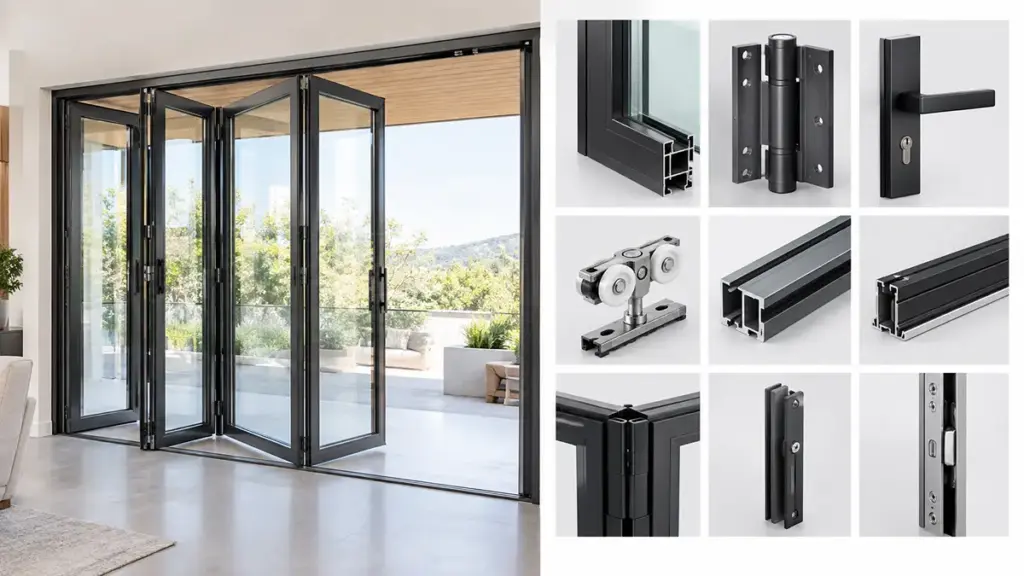
विश्वसनीय ध्वनिक की सोर्सिंग & ध्वनिरोधी स्लाइडिंग खिड़कियां असफल नगरपालिका शोर निरीक्षण के खिलाफ एक महत्वपूर्ण बचाव है. जबकि मानक एकल-कक्ष इकाइयाँ अग्रिम लागत को कम करती हैं, वे नियमित रूप से सख्त शहरी डेसीबल जनादेश को विफल करते हैं, आर्किटेक्ट्स को गंभीर रेट्रोफिटिंग खर्चों और अनुपालन में देरी का सामना करना पड़ रहा है.
हम बहु-कक्ष एल्युमीनियम प्रोफाइल पर समाधानों का मूल्यांकन करते हैं, असममित लैमिनेटेड ग्लेज़िंग, और वायुरोधी ईपीडीएम सीलिंग संरचनाएं आपको उच्च-शोर विकास परियोजनाओं के लिए अनुपालन प्रणालियों को सुरक्षित करने में मदद करती हैं.
अधिकांश स्लाइडिंग विंडोज़ ध्वनिरोधी परीक्षण में विफल क्यों हो जाती हैं?
मानक स्लाइडिंग खिड़कियाँ ध्वनिरोधी में विफल हो जाती हैं क्योंकि उनके ट्रैक हवा के अंतराल पैदा करते हैं, उनके फ्रेम में डिकॉउलिंग की कमी है, और समान ग्लास पैनल ध्वनिक आवृत्तियों को प्रभावी ढंग से तोड़ नहीं सकते हैं.
मानक ट्रैक डिज़ाइन में ध्वनिक सीमाएँ
ध्वनि तरंगें ठीक वहीं यात्रा करती हैं जहां हवाई यात्रा करती है. मानक स्लाइडिंग ट्रैक और रोलर्स अपरिहार्य सूक्ष्म अंतराल बनाते हैं जो किसी इमारत में प्रवेश करने के लिए बाहरी शोर के लिए खुले चैनल के रूप में काम करते हैं.
बुनियादी खिड़की के फ्रेम सक्रिय रूप से बाहरी शोर को पकड़ते हैं. क्योंकि निर्माता इन फ़्रेमों को संरचनात्मक डिकॉउलिंग के साथ नहीं बनाते हैं, वे ध्वनि कंपन को बाहरी वातावरण से सीधे आंतरिक स्थान में संचारित करते हैं.
अधिकांश आपूर्तिकर्ता दो समान ग्लास मोटाई का उपयोग करके मानक डबल-फलक इकाइयों का निर्माण करते हैं. यह सेटअप थर्मल इन्सुलेशन प्रदान करता है लेकिन ध्वनिक तरंग आवृत्तियों को भ्रमित करने या तोड़ने में लगभग कुछ भी नहीं करता है.
ध्वनिक नियंत्रण के लिए ग्लास और सीलिंग संरचनाओं को कॉन्फ़िगर करना
ध्वनिक नियंत्रण के लिए सूक्ष्म अंतराल के विरुद्ध एक भौतिक अवरोध की आवश्यकता होती है. इंस्टॉलर उन अंतरालों को बंद करने के लिए थर्मल ब्रेक प्रोफाइल के साथ-साथ विशिष्ट सीलिंग संरचनाएं लागू करते हैं जो सामान्य मौसम स्ट्रिपिंग में छूट जाती हैं.
उच्च शोर वाले वातावरण और सख्त बिल्डिंग कोड सटीक इंजीनियरिंग की मांग करते हैं. उद्देश्य-निर्मित प्रणालियाँ, सहित 120, TS5, और TS6 स्लाइडिंग विंडो श्रृंखला, ध्वनि स्थानांतरण को रोकने के लिए विशेष संरचनात्मक विन्यास शामिल करें:
- असममित फलक मोटाई: यूनिट के अंदर कई ग्लास विनिर्देश ध्वनि तरंगों को आंतरिक रूप से तोड़ने से पहले आक्रामक रूप से कम कर देते हैं.
- थर्मल ब्रेक प्रोफाइल: आंतरिक संरचनात्मक विभाजक कंपन को खिड़की के फ्रेम के माध्यम से जाने से रोकते हैं.
- उन्नत सीलिंग संरचनाएं: वायु घुसपैठ को खत्म करने के लिए इंजीनियर्ड बैरियर ट्रैक और रोलर मार्गों को कसकर सील कर देते हैं.
स्लाइडिंग विंडोज़ के लिए प्रभावी ध्वनिरोधी तकनीकें
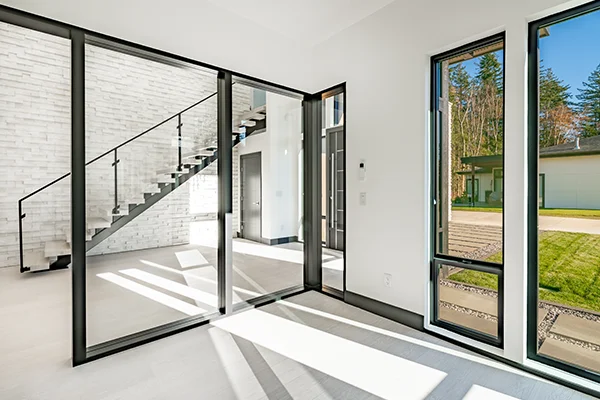
हवा के रिसाव और कांच के कंपन के कारण मानक स्लाइडिंग खिड़कियां ध्वनिक परीक्षण में विफल हो जाती हैं. मल्टी-चेंबर फ़्रेम में अपग्रेड करना, ईपीडीएम सील, और लेमिनेटेड ग्लास व्यावसायिक अनुप्रयोगों के लिए मापने योग्य एसटीसी सुधार प्रदान करता है.
| तकनीक | प्राथमिक सामग्री | मुख्य फ़ायदा | बाजार लक्ष्य |
|---|---|---|---|
| बहु-कक्ष फ़्रेम | अल्युमीनियम | बढ़ी हुई कठोरता और शोर व्यवधान | व्यावसायिक & आवासीय निर्माण |
| ध्वनिक सीलिंग | ईपीडीएम रबर | ~5 डीबी शोर में कमी | रेट्रोफिट और स्लाइडिंग सिस्टम |
| विशिष्ट ग्लेज़िंग | लेमिनेट किया हुआ कांच (पीवीबी/ईवीए) | 50-95% शोर में कमी | शहरी वातावरण & हवाई अड्डों |
मल्टी-चेंबर एल्यूमिनियम फ्रेम्स
मानक स्लाइडिंग विंडो ध्वनिक अलगाव पर थर्मल प्रदर्शन को प्राथमिकता देती हैं. ध्वनि तरंगें निरंतर संरचनात्मक कंपन के माध्यम से एकल-कक्ष फ़्रेम में आसानी से प्रवेश करती हैं. बहु-कक्ष एल्यूमीनियम फ्रेम इस सटीक मार्ग को बाधित करते हैं. निर्माता इन प्रोफाइलों को कई आंतरिक गुहाओं के साथ डिज़ाइन करते हैं जो ध्वनि तरंग संचरण को तोड़ते हैं और विंडो इकाई की समग्र कठोरता में सुधार करते हैं.
- मानक विन्यास: 2 को 3 आधारभूत प्रदर्शन के लिए आंतरिक कक्ष.
- उच्च-प्रदर्शन मॉडल: तक 10+ अत्यधिक ठंड या उच्च शोर वाले क्षेत्रों के लिए तैयार किए गए कक्ष.
- प्राथमिक अनुप्रयोग: वाणिज्यिक वास्तुकला, स्टोरफ्रंट सिस्टम, और LEED-संगत निर्माण.
जबकि एकल-कक्ष डिजाइनों की तुलना में विनिर्माण जटिलता थोड़ी बढ़ जाती है, परिणामी द्रव्यमान और वियुग्मित आंतरिक संरचनाएं शोर संचरण में मापनीय गिरावट प्रदान करती हैं. आधुनिकीकरण परियोजनाओं के लिए सोर्सिंग करने वाले खरीदार सख्त शहरी शोर कोड को पूरा करने के लिए सक्रिय रूप से इन बहु-कक्ष प्रोफाइल की तलाश करते हैं.
बेहतर साउंडप्रूफिंग के लिए ईपीडीएम सील
पटरियों और सैशों के आसपास हवा का रिसाव किसी भी स्लाइडिंग विंडो के ध्वनिक प्रदर्शन को खराब कर देता है. ध्वनि हवा के समान सूक्ष्म अंतरालों से होकर गुजरती है. रोलर्स और ट्रैक पर समय के साथ अनिवार्य रूप से गंदगी जमा हो जाती है, सैशों को संरेखण से बाहर धकेलना और फ़ैक्टरी सील को नष्ट करना. ईपीडीएम रबर वेदरस्ट्रिपिंग एक टिकाऊ प्रदान करता है, स्वयं-चिपकने वाला फिक्स जो इन संरचनात्मक रिक्तियों को भरने के लिए सक्रिय रूप से संपीड़ित करता है.
- डी-टाइप प्रोफाइल: 9प्राथमिक फ्रेम अंतराल के लिए x6mm मानक आकार इंजीनियर किया गया.
- टी-टाइप प्रोफाइल: एज ट्रिम विशेष रूप से स्लाइडिंग विंडो ट्रैक के लिए आकार दिया गया है.
- ध्वनिक प्रभाव: लगभग वितरित करता है 5 मापने योग्य शोर में कमी का डीबी.
इंस्टॉलरों को मोटी प्रोफाइल लगाने से पहले फ्रेम क्लीयरेंस को सत्यापित करना होगा. बड़े आकार की ईपीडीएम स्ट्रिप्स स्लाइडिंग तंत्र में हस्तक्षेप कर सकती हैं, जिसके कारण दरवाजा या खिड़की बंध जाती है. जब आकार सही हो, यह कम लागत वाली सामग्री शोर संचरण और ऊर्जा हानि को एक साथ काफी कम कर देती है.
शहरी ध्वनिरोधी के लिए लेमिनेटेड ग्लास
यदि ग्लास स्वयं एक कंपन स्पीकर के रूप में कार्य करता है तो फ्रेम और सील को अपग्रेड करने से कुछ हासिल नहीं होता है. मानक डबल-फलक खिड़कियां अक्सर समान ग्लास मोटाई का उपयोग करती हैं, विशिष्ट ध्वनि आवृत्तियों को सीधे इकाई से गुजरने की अनुमति देना. लैमिनेटेड ग्लास कमरे में प्रवेश करने से पहले ध्वनिक ऊर्जा को अवशोषित करने के लिए पैनलों के बीच एक विशेष डैम्पिंग कोर को सैंडविच करके इस संरचनात्मक दोष को हल करता है।.
- इंटरलेयर सामग्री: पॉलीविनाइल ब्यूटिरल (पीवीबी) या एथिलीन-विनाइल एसीटेट (ईवा) गीला कोर.
- ध्वनिक प्रदर्शन: प्राप्त 50% को 95% सटीक असेंबली के आधार पर शोर में कमी.
- लक्ष्य एसटीसी रेटिंग: कस्टम असेंबली अक्सर एसटीसी से आगे निकल जाती हैं 55 वाणिज्यिक विनियामक अनुपालन के लिए.
खरीद टीमें होटलों के लिए इस ग्लास को विशेष रूप से निर्दिष्ट करती हैं, रिकॉर्डिंग स्टूडियो, और हवाई अड्डों या उच्च-यातायात गलियारों के पास स्थित आवासीय भवन. थर्मल दक्षता और ध्वनिक अलगाव का दोहरा लाभ इन विशेष ग्लेज़िंग इकाइयों के लिए आवश्यक उच्च विनिर्माण लागत और विस्तारित लीड समय को उचित ठहराता है।.
वैश्विक परियोजनाओं के लिए उच्च-प्रदर्शन एल्युमीनियम विंडोज़
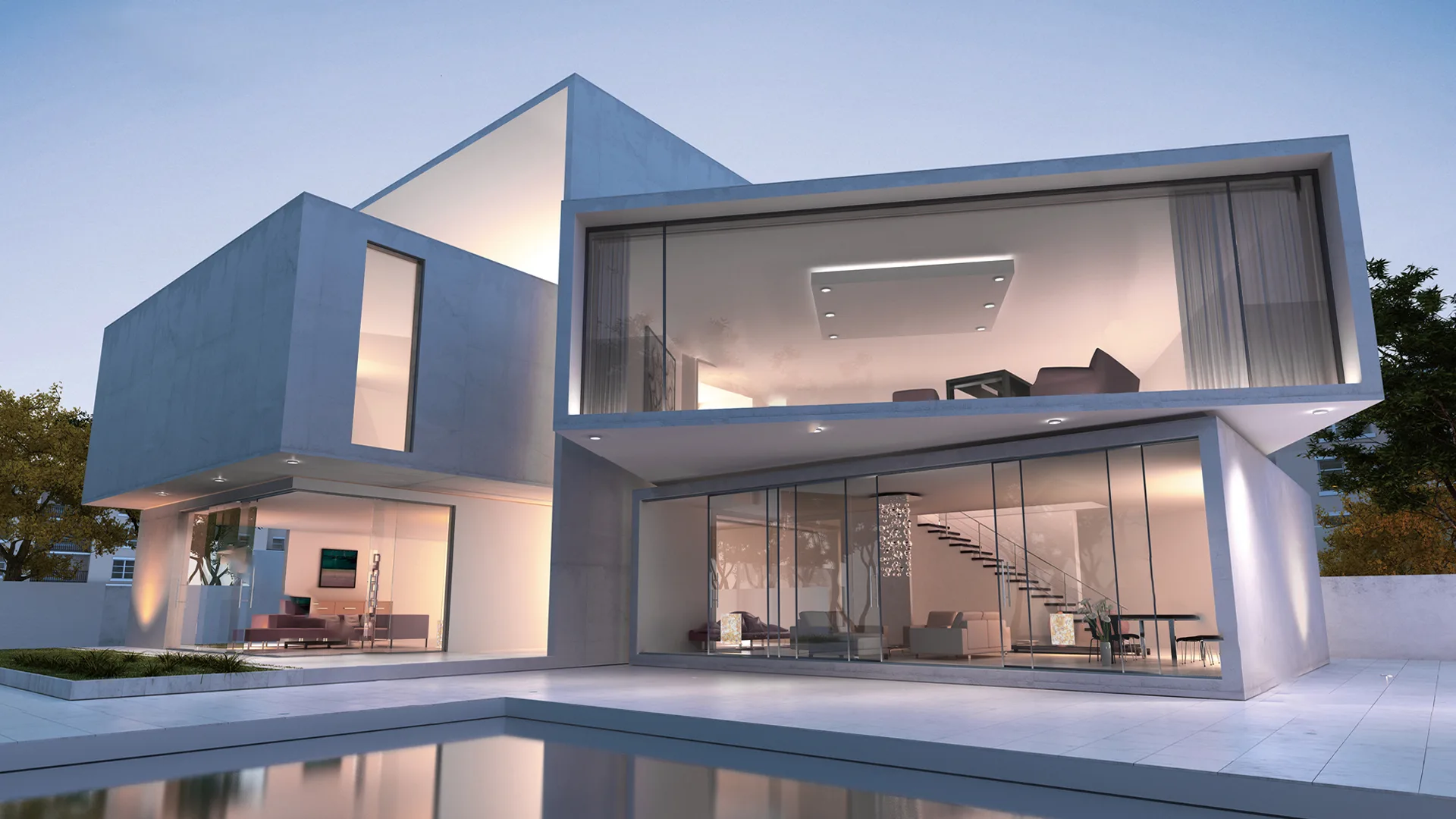
स्लाइडिंग बनाम की एसटीसी रेटिंग की तुलना करना. घाटी -खिड़कियां
ख़िड़की खिड़कियां वायुरोधी संपीड़न सील के माध्यम से उच्च एसटीसी रेटिंग प्राप्त करती हैं, जबकि विशेष ग्लास और फ़्रेम कॉन्फ़िगरेशन स्लाइडिंग विंडो ध्वनिकी को महत्वपूर्ण रूप से उन्नत करते हैं.
संपीड़न सील बनाम स्लाइडिंग ट्रैक
परिचालनात्मक डिज़ाइन खिड़की की वायुरोधीता और ध्वनिक प्रदर्शन को निर्धारित करता है. ध्वनि ठीक उसी मार्ग से यात्रा करती है जिस मार्ग से हवा चलती है. जब आप लॉक करते हैं ख़िड़की खिड़की, यह सैश को फ्रेम के विरुद्ध मजबूती से खींचता है. यह एक तंग संपीड़न सील बनाता है जो हवाई शोर को किसी इमारत में प्रवेश करने से सक्रिय रूप से रोकता है.
स्लाइडिंग विंडो अलग तरीके से काम करती हैं. वे अपने ट्रैक पर आसानी से चलने के लिए ओवरलैपिंग सैश और ब्रश सील पर भरोसा करते हैं. यह यांत्रिक आवश्यकता स्वाभाविक रूप से सूक्ष्म अंतराल पैदा करती है, ध्वनि-वाहक हवा को फ़्रेमिंग सिस्टम से गुजरने की अनुमति देना. हम बेसलाइन प्रदर्शन मेट्रिक्स में इस अंतर को स्पष्ट रूप से देखते हैं:
- एकल-फलक इकाइयाँ: एसटीसी 26 को 28
- मानक दोहरे फलक इकाइयाँ: एसटीसी 26 को 32
F16 केसमेंट और TS5 स्लाइडिंग सिस्टम में ध्वनिक विन्यास
स्थानीय शोर स्तर की आवश्यकताओं को पूरा करने के लिए ठेकेदारों को सटीक एसटीसी रेटिंग प्राप्त करनी होगी. आप अनुकूलित ग्लास विनिर्देशों के साथ सही संरचनात्मक फ़्रेमिंग को जोड़कर इसे प्राप्त करते हैं. विशिष्ट उत्पाद श्रृंखला इंस्टॉलरों को विंडो प्रकारों के बीच ध्वनिक अंतर को पाटने की अनुमति देती है.
- ख़िड़की श्रृंखला (F16, प्रश्न35, X11): ये इकाइयाँ उच्च ऊर्जा दक्षता के साथ-साथ सख्त ध्वनि इन्सुलेशन की मांग करने वाली परियोजनाओं के लिए वायुरोधी क्षमता को अधिकतम करती हैं.
- स्लाइडिंग श्रृंखला (120, TS5, टीएस6): ये सिस्टम उन अनुप्रयोगों में ध्वनिक प्रदर्शन को बढ़ावा देने के लिए अनुकूलित थर्मल ब्रेक प्रोफाइल और कस्टम सीलिंग संरचनाओं का उपयोग करते हैं जहां जगह की कमी के कारण स्लाइडिंग तंत्र की आवश्यकता होती है.
- कस्टम ग्लेज़िंग: ग्लास विशिष्टताओं को समायोजित करने से परियोजना ठेकेदारों को आधार फ्रेम शैली की परवाह किए बिना सटीक एसटीसी रेटिंग को लक्षित करने की अनुमति मिलती है.
हवाई अड्डे से सटे आवासीय परियोजनाओं के लिए इंजीनियरिंग युक्तियाँ
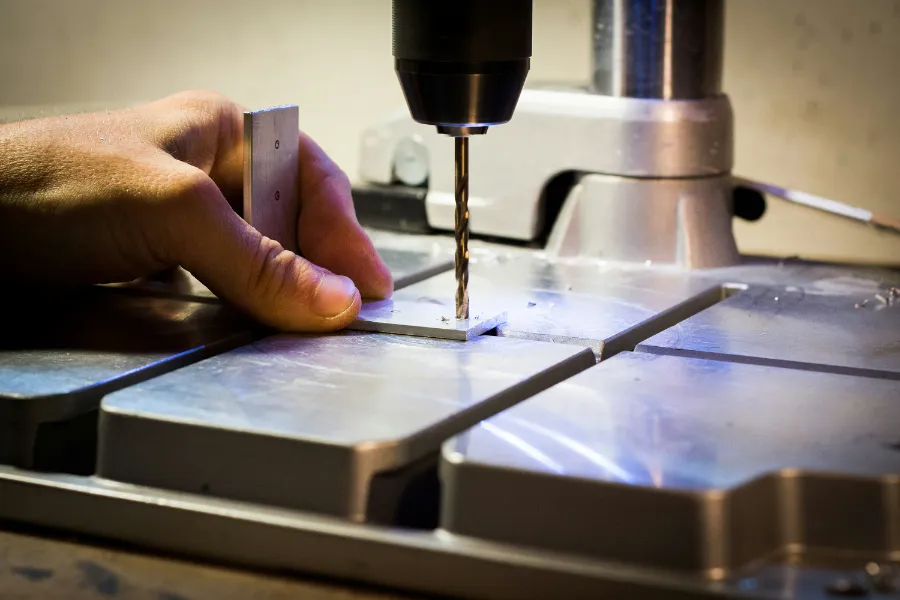
हवाई अड्डे से सटे परियोजनाओं के लिए आंतरिक शोर स्तर की आवश्यकता होती है 45 डीबी डीएनएल. इंजीनियरिंग टीमें विशेष संरचनात्मक सामग्रियों का उपयोग करके इसे हासिल करती हैं, उन्नत एचवीएसी सिस्टम, और सटीक रूप से स्थापित ध्वनिक खिड़कियां.
हवाई अड्डे-निकटता वाले घरों के लिए ध्वनिक आवश्यकताएँ
हवाई अड्डों के पास आवासीय अनुकूलता दिशानिर्देशों को पूरा करने का अर्थ है विशिष्ट डेसीबल लक्ष्यों को प्राप्त करना. एफएए इन परियोजनाओं के लिए मानक आंतरिक शोर स्तर निर्धारित करता है 45 डीबी डीएनएल या उससे कम. इसे हासिल करने के लिए, इंजीनियर मानक आवासीय निर्माण विधियों पर भरोसा करने के बजाय संपूर्ण भवन निर्माण पर पुनर्विचार करते हैं.
कम आवृत्ति वाले विमानों की गड़गड़ाहट को प्रभावी ढंग से रोकने के लिए क्रू को कई संरचनात्मक तत्वों को अपग्रेड करना होगा. मानक निर्माण पद्धतियाँ बहुत अधिक ध्वनिक कमजोरियाँ छोड़ देती हैं.
- घनी दीवार संयोजन: बाहरी दीवारों पर द्रव्यमान जोड़ने से ध्वनि तरंग संचरण बाधित होता है.
- ठोस कोर दरवाजे: मानक बाहरी दरवाजों को भारी दरवाजों से बदलना, ध्वनिक रूप से रेटेड विकल्प ध्वनि रिसाव को रोकते हैं.
- छत संशोधन: छत और छत के इन्सुलेशन को अपग्रेड करने से ओवरहेड उड़ान शोर के खिलाफ एक व्यापक बाधा उत्पन्न होती है.
- केंद्रीकृत एचवीएसी सिस्टम: डक्टेड क्लाइमेट कंट्रोल स्थापित करने से विंडो एसी इकाइयों की आवश्यकता समाप्त हो जाती है, जो कुख्यात रूप से अत्यधिक शोर प्रवेश की अनुमति देता है.
विंडो सिस्टम कॉन्फ़िगरेशन और इंस्टॉलेशन सहनशीलता
खिड़कियाँ किसी भी इमारत के मुखौटे में सबसे कमजोर ध्वनिक कड़ी का प्रतिनिधित्व करती हैं. मानक थर्मल डबल-ग्लेज़िंग उच्च-डेसीबल विमान शोर के विरुद्ध विफल रहता है. आपको कंपन को कम करने और ध्वनि तरंगों को कम करने के लिए इंजीनियर किए गए विशिष्ट ध्वनिक विंडो सिस्टम की आवश्यकता है.
- विशिष्ट संरचनात्मक प्रोफाइल: बहु-कक्षीय फ़्रेमों को समर्पित थर्मल और ध्वनिक ब्रेक की आवश्यकता होती है.
- एकाधिक कांच की परतें: असममित ग्लास विन्यास सहानुभूतिपूर्ण कंपन को रोकने के लिए अलग-अलग फलक मोटाई का उपयोग करते हैं.
- हेवी-ड्यूटी सीलिंग संरचनाएं: गहरे ध्वनिक गास्केट और चौड़े वायु अंतराल ध्वनि संचरण पथ को अवरुद्ध करते हैं.
हाई-एसटीसी विंडो खरीदने से केवल आधा काम ही पूरा होता है. निर्माण टीमों को साइट पर सख्त स्थापना सहनशीलता लागू करनी होगी. यहां तक कि फ्रेम फिटिंग में एक मिलीमीटर का अंतर भी पूरे शोर अवरोध को कम कर देता है. एक बार निर्माण पूरा हो जाए, ध्वनिक विशेषज्ञ यह सत्यापित करने के लिए निर्माण के बाद परीक्षण करते हैं कि संरचनात्मक असेंबली वास्तव में बाहरी शोर को रोकती है और उससे मिलती है 45 डीबी अधिदेश.
ध्वनिरोधी विंडोज़ का रखरखाव और दीर्घकालिक प्रदर्शन
द्विवार्षिक सफाई और सील निरीक्षण जैसे निरंतर रखरखाव शोर रिसाव को रोकता है और आपकी स्लाइडिंग और ख़िड़की खिड़कियों के ध्वनिक जीवनकाल को बढ़ाता है.
मुख्य नियमित सफ़ाई और निरीक्षण प्रथाएँ
ध्वनिक खिड़कियों को अपनी ध्वनि-अवरुद्ध क्षमताओं को बनाए रखने के लिए विशिष्ट मौसमी देखभाल की आवश्यकता होती है. गंदगी और जमी हुई गंदगी इष्टतम शोर कटौती के लिए आवश्यक सख्त सहनशीलता से समझौता करती है.
- द्विवार्षिक सफ़ाई: साल में कम से कम दो बार कांच और फ्रेम को मुलायम कपड़े और हल्के डिटर्जेंट से धोएं. अपघर्षक क्लीनर विशेष ध्वनिरोधी कोटिंग्स को नुकसान पहुंचाते हैं.
- दृश्य निरीक्षण: फ़्रेम और ध्वनिक सील की नियमित रूप से जाँच करें. दृश्यमान पहनावे की तलाश करें, सतह की दरारें, या सूक्ष्म-अंतराल जो बाहरी शोर को अवरोध में प्रवेश करने की अनुमति देते हैं.
- शीतकालीन तैयारी: ठंड का मौसम आने से पहले ड्राफ्ट के लिए ऑडिट विंडो. गर्मी के नुकसान और शोर घुसपैठ दोनों को रोकने के लिए मौसमरोधी सीलेंट लगाएं.
छोटे अंतरालों को जल्दी पकड़ने से छोटी-मोटी टूट-फूट को बड़े ध्वनि रिसाव में बदलने से रोका जा सकता है. सक्रिय निरीक्षण संरचनात्मक अखंडता को बरकरार रखते हैं और सुनिश्चित करते हैं कि वायुरोधी वातावरण असम्बद्ध बना रहे.
हार्डवेयर स्नेहन और ध्वनिक सील प्रतिस्थापन
चलने वाले हिस्सों और वायुरोधी सीलों को दैनिक संचालन का खामियाजा भुगतना पड़ता है. इन यांत्रिक घटकों को बनाए रखने से सीधे तौर पर प्रभावित होता है कि खिड़की भौतिक रूप से ध्वनि तरंगों को कितनी अच्छी तरह रोकती है.
- हार्डवेयर रखरखाव: टिकाओं पर चिकनाई रहित स्नेहक लगाएं, पटरियों, और साल में दो बार तंत्र को लॉक करना. यह घटकों को सुचारू रूप से चलाता रहता है और यह सुनिश्चित करता है कि सैश फ्रेम के खिलाफ मजबूती से खिंचे.
- सील बदलना: विफल घटकों को तुरंत पहचानें. चपटी या टूटी हुई वेदरस्ट्रिपिंग को ताज़ा से बदलें, टाइट-फिटिंग सिलिकॉन या रबर सील.
- वायुरोधी निष्पादन: सत्यापित करें कि सभी नई प्रतिस्थापन सीलें फ्रेम के बिल्कुल विपरीत बैठती हैं. कोई भी गलत संरेखण शोर के लिए फ़्लैंकिंग पथ बनाता है.
आप पुरानी सामग्री को हटाकर बुनियादी सील प्रतिस्थापन को घर में ही संभाल सकते हैं, ट्रैक की सफाई, और नए रबर को मजबूती से बैठाना. उचित रूप से लगाई गई सीलें हवाई शोर को रोकती हैं और इंस्टॉलेशन के ध्वनिक जीवनकाल को सुरक्षित करती हैं.
अपने प्रोजेक्ट के लिए सर्वश्रेष्ठ साउंडप्रूफिंग समाधान कैसे चुनें
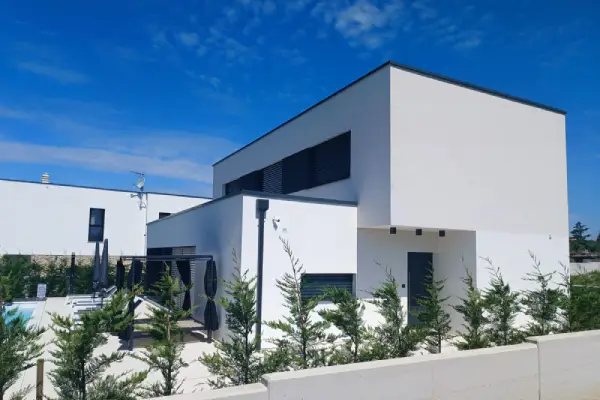
प्रभावी ध्वनिरोधी के लिए आपके विशिष्ट शोर स्रोत का विश्लेषण करने और द्रव्यमान के संयोजन की आवश्यकता होती है, भिगोना, decoupling, और आपके भवन के कमजोर बिंदुओं पर अवशोषण.
हवाई और संरचनात्मक शोर के प्रकारों का मूल्यांकन
आपको सबसे पहले संरचना पर हमला करने वाले सटीक प्रकार के शोर की पहचान करनी होगी. हवाई शोर, जैसे सड़क पर यातायात या आवाजें, मशीनरी या भारी कदमों के कारण होने वाले कम-आवृत्ति वाले संरचनात्मक कंपन से अलग तरह से यात्रा करता है. दोनों के उपचार के लिए पूरी तरह से अलग सामग्री प्रोफाइल और स्थापना रणनीतियों की आवश्यकता होती है.
एक बार जब आप शोर प्रोफ़ाइल को अलग कर लें, अधिकतम ध्वनिक दक्षता सुनिश्चित करने के लिए विशिष्ट अनुप्रयोग क्षेत्र के साथ उपचार का मिलान करें:
- फर्श: संरचनात्मक प्रभावों को अवशोषित करने और जॉयस्ट में जाने से पहले खड़ी तरंगों को नष्ट करने के लिए उच्च घनत्व रबर अंडरलेमेंट स्थापित करें.
- दीवारों: ड्राईवॉल को स्टड से अलग करने के लिए लचीले ध्वनि चैनल माउंट करें, भौतिक कंपन को गर्मी की थोड़ी मात्रा में परिवर्तित करने के लिए भिगोने वाले यौगिकों के साथ जोड़ा जाता है.
- कमजोरियों: लचीले ध्वनिक कॉक का उपयोग करके उपयोगिताओं और विंडो फेनेस्ट्रेशन के आसपास सभी मौजूदा अंतरालों को सील करें. मानक कौल्क कठोर हो जाते हैं और ध्वनिक रूप से विफल हो जाते हैं, जबकि ध्वनिक सीलेंट ध्वनि रिसाव को स्थायी रूप से रोकने के लिए लचीले रहते हैं.
कस्टम कॉन्फ़िगरेशन के साथ ध्वनिक सामग्री का मिलान
गंभीर शोर में कमी लाने का मतलब है पूरी इमारत की इंजीनियरिंग करना. फ़्लैंकिंग पथों को खत्म करने के लिए आपको सामान्य कमरे के उपचार को विशेष खिड़की और दरवाज़े के विन्यास के साथ जोड़ना होगा जहां ध्वनि आसानी से भारी दीवारों को पार कर जाती है.
परियोजना बजट के साथ प्रदर्शन को संतुलित करना, ठेकेदार विशिष्ट सामग्री संयोजनों पर भरोसा करते हैं:
- दीवार और खिड़की का एकीकरण: बड़े पैमाने पर लोड किए गए विनाइल जैसे भारी अवरोधों को मिलाएं (एमएलवी) कमजोर कड़ियों के बिना व्यापक कवरेज सुनिश्चित करने के लिए कस्टम-फिटेड साउंडप्रूफ विंडो सिस्टम के साथ दीवार के गुहाओं के अंदर.
- ग्लास विशिष्टताएँ: परियोजना स्थल के सटीक बाहरी शोर स्तरों के आधार पर ध्वनि तरंगों को बाधित करने के लिए असममित ग्लास मोटाई और इंजीनियर सीलिंग संरचनाओं का चयन करें.
- बजट आवंटन: किफायती ध्वनिक खनिज ऊन इन्सुलेशन के साथ दीवार की गुहाओं को पैक करके लागत को अनुकूलित करें. उस बचत को उच्च प्रदर्शन वाले थर्मल ब्रेक एल्यूमीनियम प्रोफाइल और प्रीमियम ध्वनिक सीलेंट में पुनः निवेश करें.
अक्सर पूछे जाने वाले प्रश्नों
क्या स्लाइडिंग खिड़कियाँ शोर को प्रभावी ढंग से कम करती हैं?
हाँ. उचित रूप से डिज़ाइन की गई स्लाइडिंग खिड़कियाँ बाहरी शोर को कम करती हैं 50 को 90 प्रतिशत. निर्माता एकाधिक पैन का उपयोग करके इसे प्राप्त करते हैं, टुकड़े टुकड़े में ध्वनिक ग्लास, अनुकूलित वायु अंतराल, और ध्वनि संचरण को अवरुद्ध करने के लिए उच्च घनत्व वाले फ़्रेम. शीर्ष स्तरीय ध्वनिरोधी स्लाइडिंग मॉडल लगातार एसटीसी को प्रभावित करते हैं (ध्वनि संचरण कक्षा) के बीच रेटिंग 45 और 50.
मैं मौजूदा स्लाइडिंग विंडो को ध्वनिरोधी कैसे बनाऊं??
ध्वनिक कौल्क और वेदरस्ट्रिपिंग के साथ फ्रेम के चारों ओर हवा के रिसाव को सील करके शुरुआत करें. मध्यम शोर में कमी के लिए, ध्वनिरोधी पर्दे लगाएं, बड़े पैमाने पर लोड किया गया विनाइल, या चुंबकीय खिड़की सील किट. यदि आप बिना पूरी गड़बड़ी के अधिकतम परिणाम चाहते हैं, कस्टम ऐक्रेलिक ध्वनि अवरोधक स्थापित करें या मौजूदा सैश को ध्वनिक ग्लेज़िंग के साथ अपग्रेड करें.
ध्वनिरोधी के लिए सबसे अच्छी कांच की मोटाई क्या है??
इष्टतम सेटअप एक असममित विन्यास में 6 मिमी से 8 मिमी के लेमिनेटेड ध्वनिक ग्लास को जोड़ता है - जैसे कि 6 मिमी का फलक 4 मिमी के फलक के सामने होता है. यह दो कांच की परतों को समान आवृत्ति पर कंपन करने से रोकता है. इस अनुनाद को बाधित करने से मानक सममित ग्लास की तुलना में पिचों की एक बहुत विस्तृत श्रृंखला में शोर में कमी में सुधार होता है.
स्लाइडिंग खिड़कियाँ ख़िड़की खिड़कियों की तरह ध्वनिरोधी होती हैं?
ख़िड़की वाली खिड़कियां आम तौर पर एक सख्त सील बनाती हैं क्योंकि लॉकिंग हार्डवेयर सैश को फ्रेम के खिलाफ मजबूती से खींचता है. स्लाइडिंग खिड़कियाँ पटरियों पर काम करती हैं, स्वाभाविक रूप से थोड़ी अधिक हवा और ध्वनि घुसपैठ की अनुमति देता है. इस संरचनात्मक अंतर के बावजूद, विशेष संपीड़न सील और लेमिनेटेड ग्लास से निर्मित ध्वनिक स्लाइडिंग खिड़कियां अभी भी गंभीर शहरी शोर को संभालने में सक्षम एसटीसी रेटिंग प्रदान करती हैं.
क्या खिड़की के फ्रेम की सामग्री ध्वनि इन्सुलेशन को प्रभावित करती है?
हाँ. फ़्रेम घनत्व और द्रव्यमान सीधे ध्वनिक प्रदर्शन को निर्धारित करते हैं. लकड़ी और फाइबरग्लास जैसी भारी सामग्री स्वाभाविक रूप से ध्वनि तरंगों को रोकती है. एल्युमीनियम फ्रेम अधिक तत्परता से शोर का संचालन करते हैं, लेकिन इंजीनियर थर्मल ब्रेक को एकीकृत करके उन्हें अनुकूलित करते हैं, अवमंदन यौगिक, और प्रीमियम ध्वनि इन्सुलेशन प्राप्त करने के लिए विशेष ध्वनिक सील.
अपार्टमेंट के लिए सबसे अच्छी ध्वनिरोधी खिड़कियां कौन सी हैं??
सबसे प्रभावी अपार्टमेंट समाधानों में लैमिनेटेड ध्वनिक इंटरलेयर के साथ निर्मित ट्रिपल-फलक निर्माण शामिल है. यह डिज़ाइन ध्वनि तरंगों को कांच और अक्रिय गैस की कई बाधाओं के माध्यम से मजबूर करता है, सड़क यातायात जैसे कम आवृत्ति वाले शहरी शोर को अवशोषित करना. इस विशेष ग्लास को बहु-कक्षीय यूपीवीसी या थर्मली टूटे हुए एल्यूमीनियम फ्रेम के साथ जोड़ने से कुल ध्वनि-अवरुद्ध क्षमता अधिकतम हो जाती है.
अंतिम विचार
जबकि मानक सिंगल-चेंबर स्लाइडिंग विंडो कम अग्रिम लागत प्रदान करती हैं, मल्टी-चेंबर एल्युमीनियम प्रोफाइल और एसिमेट्रिकल लैमिनेटेड ग्लास में निवेश करना आपकी परियोजनाओं को असफल नगरपालिका शोर निरीक्षणों से सुरक्षित रखने का एकमात्र तरीका है।. उच्च-घनत्व वाले शहरी विकास में ध्वनिक सीलिंग पर कोनों को काटने से अनिवार्य रूप से महंगा फाड़-फाड़ और किरायेदारों की शिकायतें होती हैं. उद्देश्य-निर्मित ध्वनिक प्रणालियों को निर्दिष्ट करना आपके मार्जिन की रक्षा करता है और दीर्घकालिक नियामक अनुपालन सुनिश्चित करता है.
अपने भवन के ध्वनिक प्रदर्शन को यूं ही न छोड़ें. हम संरचनात्मक कठोरता और ईपीडीएम सील गुणवत्ता को प्रत्यक्ष रूप से सत्यापित करने के लिए हमारे मल्टी-चेंबर एक्सट्रूज़न के भौतिक अनुभाग नमूने का अनुरोध करने की सलाह देते हैं।. हमारी इंजीनियरिंग टीम से संपर्क करें आज अपने सटीक एसटीसी लक्ष्यों की समीक्षा करने और अपने अगले वाणिज्यिक प्रोजेक्ट के लिए कस्टम ग्लेज़िंग कॉन्फ़िगरेशन पर चर्चा करने के लिए.