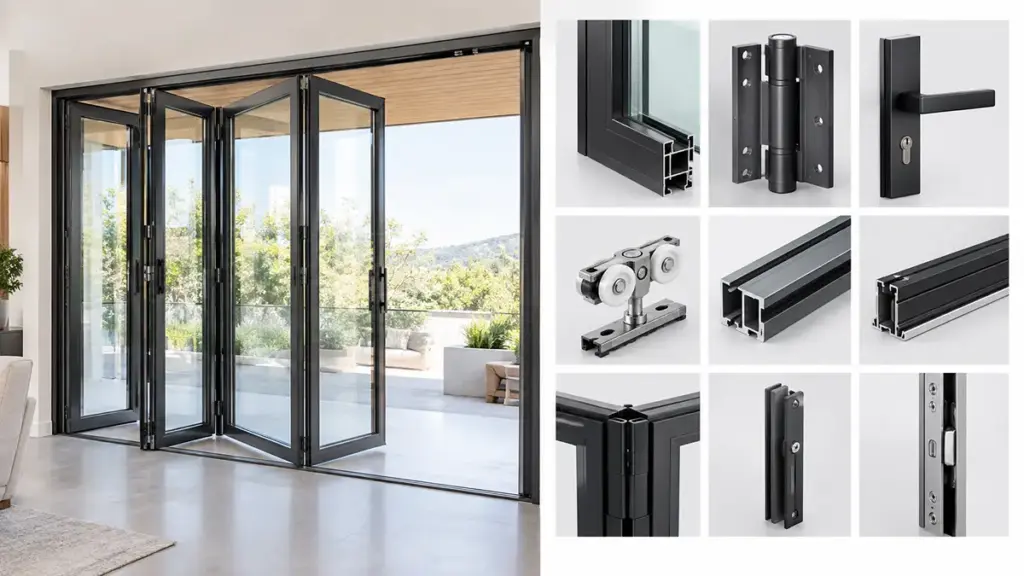
Understanding how sliding doors work mechanically can help prevent premature wear, track damage, and costly repairs. For heavy glass panels, the way the door weight is supported and transferred through the rollers and track affects how smoothly the system operates and how long the hardware lasts.
This guide compares top-hung, bottom-rolling, and lift-and-slide systems, with a focus on how their tracks, rodillos, and sealing systems work together. Understanding these differences can make it easier to choose the right system, troubleshoot common problems, and keep the door operating smoothly.
How Sliding Door Systems Work
Sliding door systems use tracks, rodillos, and guides to move the door panel horizontally while keeping it aligned within the frame. When the panel closes, the locking and sealing components help reduce air and water infiltration.
| Tipo de sistema | Load-Bearing Mechanism | Guidance Method | Sealing Mechanics |
|---|---|---|---|
| Top-Hung | Overhead track and roller carriers support the door panel from above. | Floor guide or pin limits sway and twisting. | Standard pile weatherstripping and compression gaskets. |
| Bottom-Rolling | Adjustable bottom rollers support the door panel weight on the sill track. | Top guide channel keeps panel upright and prevents tipping. | Interlocking stiles compress weatherstripping upon closing. |
| Levantar y deslizar | Heavy-duty carriages engage when handle lifts panel. | Recessed sill track guides massive glass sashes. | Retracting carriages drop door directly onto seals. |
Essential Components and the Mechanics of Horizontal Movement
A sliding door system replaces the rotational swing of a hinged door with linear horizontal travel. By transferring the door’s mass to a guided pathway, the system minimizes the force required to operate heavy architectural panels.
- Track and Roller Assemblies: These components support and guide the panel according to the system’s load path, allowing the door to move with less rolling resistance.
- Guide Hardware: Positioned at the opposite edge of the rollers, guides stabilize the moving panel to prevent lateral sway, retortijón, or tipping off the rail.
- Sealing and Locking Systems: High-security locks pull the active panel into the frame, compressing weatherstripping at closure to block air and water infiltration.
The interaction between these parts ensures the door remains captive within its sliding envelope, allowing repeatable movement along a fixed path without wobbling or derailment.
Structural Configurations and Maintenance Dynamics
Specifying a sliding system requires matching the structural load path with the space constraints. The choice between suspended and floor-supported mechanics dictates both installation design and long-term upkeep.
- Top-Hung vs. Bottom-Rolling: Top-hung setups suspend panel weight from above via overhead hangers, whereas bottom-rolling systems support heavy loads directly on the sill track to distribute vertical forces.
- Lift-and-Slide Dynamics: These designs lift the entire panel off its seals before horizontal movement, reducing gasket friction during operation and optimizing weatherproofing when lowered and locked.
- Maintenance Vulnerabilities: Debris accumulation and misaligned rollers introduce rolling resistance, causing sticking, accelerated track wear, and uneven seal compression.
Inspecting the track with a straight edge and clearing grit from the channels protects both the roller bearings and the track rails from early degradation.
How Sliding Door Tracks Guide Panel Movement
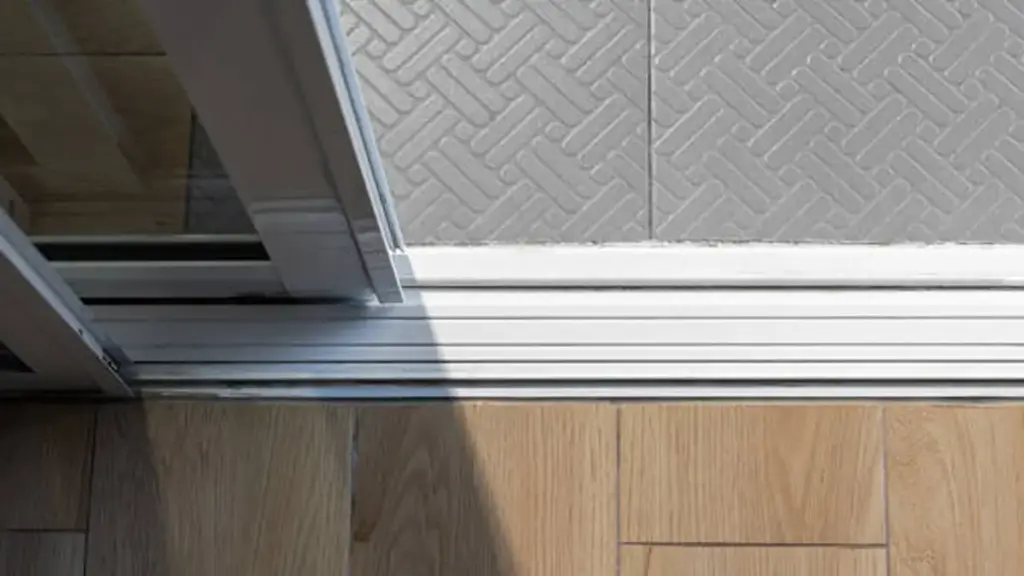
Sliding door tracks act as the primary structural and lateral guide, converting vertical load and lateral force into a controlled, one-dimensional linear path.
Weight Distribution and Load Paths in Suspended and Floor-Rolling Systems
A sliding door track does more than guide the panel. Depending on the system, it may also form part of the load path and transfer forces into the supporting structure. It determines how the door’s weight is transferred into the floor, header, or other supporting structure and how the system handles movement during daily use.
- Top-Hung Configurations: These systems suspend the entire weight of the door panel from wheeled trolleys inside an overhead rail. If this rail deviates from a perfectly level plane, the door drifts spontaneously under gravity.
- Bottom-Rolling Designs: By directing heavy panel loads through adjustable roller carriages directly onto the sill track, this layout offers superior structural stability for massive glass panels.
- Glazing Blocks: Setting blocks support the glass within the sash and help transfer its weight into the door frame. The frame then transfers the overall panel load to the roller assemblies.
- Track Rigidity: The overall stiffness of the track profile, combined with secure anchoring, distributes concentrated loads at roller contact points and resists wind-induced design pressure.
Selecting the right load path depends directly on the wall’s structural load capacity. Top-hung doors require adequate structural support above the opening, while bottom-rolling systems place much more of the load on the sill or floor structure.
Linear Alignment and Lateral Constraints for Controlled Motion
Controlling horizontal travel requires both positive direction and rigid boundaries. The track assembly constrains the panel’s movement to a single plane, preventing any potential derailment or wobble.
- Horizontal Guidance: Straight, properly aligned rails provide the physical path for the rollers or carriers., preventing any deviation from the designated sliding path.
- Lateral Constraints: Floor guides and overhead head channels stop panels from swinging or rattling under wind load or user-applied force.
- Travel Boundaries: Integrated track stops and end caps define the limits of travel, securely arresting the panel at its fully open or closed limits.
- Roller-to-Track Contact: Rollers that properly match the track profile can reduce friction and help the door move more smoothly and quietly.
Without proper guides, the panel can move sideways or rock while opening and closing. This puts extra stress on the rollers and can lead to uneven wear over time.
Premium Sliding Door Systems For Global Projects
The Role of Sliding Door Rollers and Carriers
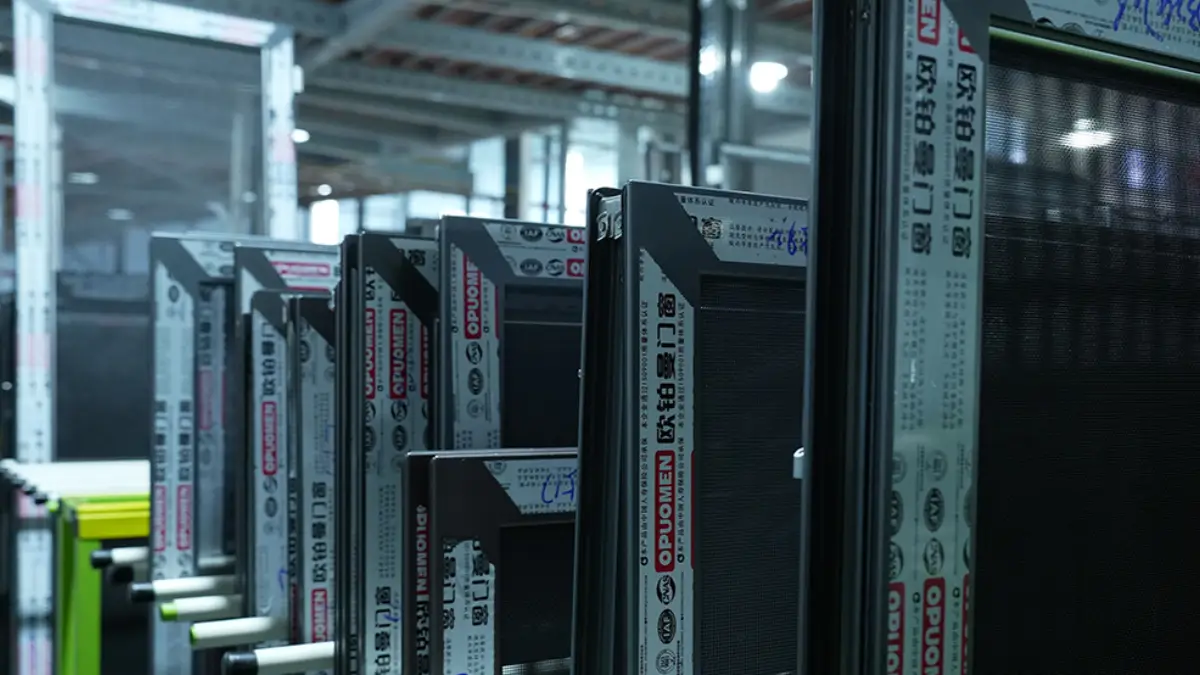
Rollers and carriers play a major role in how smoothly and reliably a sliding door operates. They support the panel load, keep it aligned with the track, and reduce the effort needed to open and close the door.
Load Distribution and Motion Control Mechanics
Every sliding system relies on a defined mechanical load path. How you distribute this panel weight determines how long the tracks and structural framing survive daily operation.
- Load configuration: Top-hung systems suspend the door panel from wheeled carriers inside an overhead track, while bottom-rolling systems use roller carriages at the sill to carry the panel load.
- Vertical adjustment: Adjustable threaded studs and hangers maintain vertical alignment, enabling installers to level panels and prevent drift along the track.
- Friction management: Precision ball bearings and materials like nylon or steel reduce rolling resistance and control operational noise during daily cycles.
When a heavy panel is out of alignment, the rollers do not share the load evenly. This can increase wear on individual rollers and eventually damage the track.
Component Architecture and Track Integration
Rollers do not operate in isolation. They form an integrated mechanical subsystem with the track profile, requiring exact dimensional alignment to prevent system failure.
- Structural integration: Carrier assemblies integrate wheels, marcos, and mounting hardware to connect the door panel directly to the track profile.
- Dimensional tolerances: Precise dimensions for track width, altura, and wheel centers ensure stable track-carrier engagement and prevent accidental derailment.
- Capacity thresholds: System designs factor in load ratings and safety margins, often distributing heavy loads across multiple carriers per door panel to extend service life.
Using rollers or carriers that are not designed for the track can create clearance and alignment problems. If the wheel size or carrier dimensions do not match the track profile, the door may bind, arrastrar, or run unevenly.
Why Sliding Doors Need Proper Panel Alignment

Proper panel alignment helps the door move smoothly, keeps the seals seated correctly, and allows the lock to engage properly.
Daily Performance and Energy Efficiency
Proper panel alignment lets sliding doors glide with minimal friction and noise. This stops the heavy dragging, scraping, and binding that happens when rollers sit unevenly in the track.
Keeping the panel square inside the frame ensures the weatherstripping compresses consistently. This uniform seal blocks drafts, stops water leaks, and maintains interior comfort.
Proper panel alignment helps maintain consistent gaps and seal contact around the frame. This can reduce air leakage and improve indoor comfort.
Quick adjustments with the bottom roller screws keep the vertical edges parallel to the side jambs. This adjustment can improve seal contact and help maintain the door’s intended thermal and acoustic performance.
Hardware Longevity and Home Security
Crooked panels distribute weight unevenly. This imbalance can accelerate roller wear and, con el tiempo, damage the track surface.
Proper panel alignment keeps the lock latch in line with the frame keeper, allowing the lock to engage smoothly and securely. This helps ensure the door closes and locks properly while reducing the risk of alignment-related security issues.
Fixing alignment issues early prevents track damage and broken rollers. Early intervention avoids expensive emergency repairs and keeps maintenance fast and cheap.
A smooth, stable path prevents sudden wobbly movements or derailments. Maintaining proper alignment also reduces unnecessary effort when opening and closing a heavy panel.
Sliding Door Systems Built Around Project Requirements
Sliding door performance starts with getting the basic specifications right. Opuo works with distributors, contratistas, and project teams to develop door and window solutions around opening dimensions, operating requirements, condiciones climáticas, y preferencias de diseño. Our product range includes puertas correderas, ventanas correderas, puertas de aluminio y madera, ventanas estancadas, and other customized systems. For each project, customers can specify dimensions, colores del marco, tipos de vidrio, configuraciones de acristalamiento, and hardware requirements so the finished system fits the intended application. Our production capabilities cover profile processing, procesamiento de vidrio, frame assembly, hardware installation, and final quality inspection, with dedicated teams for engineering, producción, and quality control. We also offer design and installation guidance to help customers move from drawings and samples to finished products. With an ISO 9001-certified manufacturing system and products meeting CE, ROHS, y requisitos REACH, OPUOMEN provides a practical option for projects that need consistent quality and flexible customization.
How Locks and Seals Work on Sliding Doors
Sliding door security and weather resistance depend on both the locking hardware and the sealing system working correctly.
A sliding door must do two things simultaneously: prevent forced entry and block the elements. Because sliding sashes move horizontally on tracks rather than swinging on hinges, they require specialized mechanical components to secure the perimeter and compress the seals when closed.
Mechanical Locking Mechanisms and Security Design
Sliding doors use specialized locking hardware to secure the moving panel against the frame. Depending on the system, the lock may use hooks, pernos, rodillos, or other locking points to limit panel movement and improve security.
- Mortise Hook Locks: Many sliding doors use hook-type mortise locks, in which a steel hook engages with a keeper on the frame to help prevent the panel from being forced open.
- Cylinder and Deadbolt Integration: Keyed cylinders control lock engagement, while vertical shoot bolts and solid deadbolts offer high-security resistance against lifting and forced entry.
- Sistemas de bloqueo multipunto: Multiple hooks or rollers engage simultaneously along the door perimeter to distribute resistance and pull the sash tightly against the frame.
Sealing Components and Environmental Protection
Without reliable sealing, sliding doors suffer from air leaks and water infiltration. Sliding door systems use different sealing methods, including pile weatherstripping, compression gaskets, and rubber seals, dependiendo del diseño.
- Pile Weatherstripping and Gaskets: Brush-like pile strips and rubber compression gaskets seal the vertical stiles, top tracks, and sills to control drafts, polvo, and water.
- Lock-Driven Compression Sealing: On systems with reachout or compression-type locking hardware, the lock pulls the moving panel toward the frame so the weatherstripping makes more consistent contact.
- Frame-to-Wall Seals and Perimeter Caulking: High-grade exterior silicone sealing around the outer frame prevents wind-driven rain and air leakage from bypassing the door assembly.
Maintaining Smooth Sliding Door Operation

Poor track maintenance and roller misalignment can accelerate hardware wear and make the door harder to operate. Regular debris removal and precise height adjustments keep heavy panels sliding with minimal effort.
Effective Track Cleaning and Lubrication Practices
Dirt and grit act like sandpaper inside sliding door tracks, grinding down rollers with every cycle. Keeping these pathways clear is the simplest way to extend the lifespan of your door hardware.
- Vacuuming channels: Use a vacuum to remove loose dirt and debris from the running track and guide channels.
- Scrubbing grime: Break down stubborn, packed grime by scrubbing the track surfaces with mild soapy water and a stiff-bristled brush.
- Lubricación: Keep the running track clean and free of debris. Only lubricate the track, rodillos, or other moving parts when the door manufacturer’s maintenance instructions specifically call for it. Many sliding-door roller systems use sealed bearings and are designed to operate without lubrication.
- Avoiding wet oils: Avoid applying oil or grease to the running track unless the manufacturer specifically recommends it. These products can collect dust and debris and may interfere with smooth roller movement.
Establish a strict cleaning schedule based on the environment. High-traffic or coastal installations may need more frequent cleaning, while low-use interior doors may need less. Follow the manufacturer’s recommended maintenance schedule and inspect the track whenever the door starts to feel rough or stiff.
Roller Maintenance and Panel Alignment Techniques
Even the cleanest track cannot compensate for worn-out rollers or a crooked panel. When a sliding panel sits out of square, it unevenly distributes load, forcing the user to fight friction and risking damage to the lock keeper.
- Roller inspection: Examine the wheel assemblies for flat spots, cracks in nylon tires, and seized or rusted bearings.
- Height adjustment: Turn the corner adjustment screws in small, deliberate increments to level and square the door panel within its frame.
- Hardware tightening: Secure loose mounting screws on roller carriages, mangos, and locks to eliminate wobbling and prevent track binding.
Check roller height before periods of heavy seasonal use and make small adjustments when necessary. This can help prevent the panel from rubbing against the weatherstripping and keep operation smooth.
Preguntas frecuentes
How do sliding doors work?
Sliding doors work by moving a door panel horizontally along a track instead of swinging on hinges. Rollers or carriers support the panel and allow it to move with less friction, while guides keep it aligned and prevent excessive sideways movement. Because the panel moves parallel to the wall or frame, sliding doors also save floor space.
The way a sliding door carries its weight depends on the system. In bottom-rolling designs, rollers at the sill support the panel load. In top-hung systems, wheeled carriers suspend the panel from an overhead track, while a guide at the bottom keeps it stable. When the door is unlocked, the panel can slide along its track until it reaches the travel stop.
How do sliding door rollers work?
Sliding door rollers sit recessed within the panel rails as structural assemblies that carry the door’s weight and guide its path. The structural load travels from the sash into the roller housing, through the axle and bearings, and onto the track rail. This setup converts high sliding friction into low-resistance rolling friction, allowing heavy panels to slide with minimal manual effort.
Precision ball bearings inside the wheels allow them to spin freely around the fixed axle. Built-in height-adjustment screws connect the roller carriage to the door frame, allowing you to raise or lower the panel to square it within the opening, resolve dragging, and align the lock with the keeper.
How do sliding doors stay on the track?
Sliding doors stay on their tracks through a combination of rollers, guides, and track profiles that keep the panel aligned while it moves horizontally. The rollers support the door’s weight, while the guides limit sideways movement and help prevent the panel from tilting or lifting out of position.
The exact retention method depends on the type of sliding door:
- Sistemas de enrollado de fondo: Rollers at the bottom of the panel carry the door along the sill track. An upper guide or channel keeps the panel upright and limits lateral movement, helping prevent it from tipping out of the track.
- Sistemas suspendidos: The panel is suspended from wheeled carriers that run inside an overhead track. A floor guide, channel, or roller keeps the bottom of the panel stable and prevents excessive sideways movement.
Proper roller adjustment also helps keep the panel correctly seated in the track and maintains the right clearance around the frame. Track stops then limit the panel’s travel so it cannot move beyond its intended opening or closing position.
Why is my sliding door hard to open?
Excessive operating resistance usually indicates friction buildup or physical misalignment within the track-and-roller system. When components drift from their designed path, the door drags and scrapes against the frame.
Common culprits include:
- Contaminated tracks: Suciedad, pet hair, sand, and organic debris pack into the track groove, blocking the rollers and forcing them to drag instead of roll.
- Failed rollers: Heavy use or moisture can cause flat spots on nylon wheels, rust roller axles, or seize internal ball bearings.
- Panel misalignment: Structural settling or worn rollers can make the panel sit crookedly, causing the metal rails to scrape the threshold or frame.
- Bent tracks: Impacts can bend aluminum track rails, pinching the wheels or creating physical obstructions.
To resolve this, vacuum and clean the tracks, inspect the rollers for wear or damage, and adjust the rollers to square the panel within the frame. Lubricate the rollers or track only when the manufacturer’s maintenance instructions call for it.
Do sliding doors have wheels?
Many sliding door systems use wheeled roller assemblies to support and move the panel. These wheels run inside or on top of dedicated tracks, transforming dragging resistance into low-friction rolling motion.
Architectural hardware utilizes specific wheel configurations and materials based on the door’s weight and environment:
- Nylon and composite wheels: These materials minimize rolling noise and vibration, making them ideal for residential and interior doors.
- Steel and stainless steel wheels: These provide high load capacity and wear resistance, suited for heavy industrial doors or large exterior glass walls.
- Tandem or quad assemblies: Residential sliding glass doors typically use tandem (double-wheel) rollers to distribute the panel weight across the track. Larger architectural systems may use multiple roller wheels or carriage assemblies to distribute the panel load, with the exact configuration depending on the door weight and hardware system.
Many roller assemblies use sealed bearings for smooth wheel rotation, while height-adjustment screws allow installers to level the panel, maintain proper clearances, and keep the door aligned within the frame.
How do sliding door locks work?
Sliding door locks secure the moving panel by engaging a hook, bolt, pin, or similar mechanism with a fixed receiver on the frame. The mechanism secures the opening and pulls the sash tightly against the frame to compress the weatherstripping.
Common locking mechanisms include:
- Mortise hook locks: Operating the thumb latch or keyed cylinder rotates a curved steel hook out of the active panel stile. This hook reaches behind the lip of a keeper plate fixed to the door jamb, clamping the door tight to eliminate gaps.
- Shoot bolts: Some higher-security systems use vertical bolts that engage with receivers in the head and/or sill to prevent the panel from being moved or lifted.
- Multi-point systems: A single handle turn drives multiple hooks and bolts along the door perimeter simultaneously. This distributes locking pressure evenly to maximize forced-entry resistance and seal compression.
- Track and foot locks: These auxiliary locks slide a metal pin into the roller path or lower track, physically blocking the wheel carriage from moving even if the primary lock is compromised.
Regular roller and strike adjustments keep the hook aligned with the keeper, ensuring the lock engages smoothly without catching or rubbing.
Pensamientos finales
Low-cost tracks and rollers may reduce upfront spending, but the hardware still needs to match the panel weight, track profile, and expected usage. Choosing the right roller and track system can help reduce dragging, premature wear, and unnecessary service calls. Properly sized and adjustable roller systems make it easier to maintain panel alignment and consistent sealing during regular use. Investing in heavy-duty components protects your reputation and eliminates early structural wear.
For larger or custom sliding door systems, it is worth checking the hardware specifications, capacidad de carga, and adjustment range before production. We recommend requesting a sample kit or downloading our architectural hardware catalog to evaluate our track and roller tolerances firsthand. Contact our engineering team today to discuss your OEM specifications or bulk distribution needs.