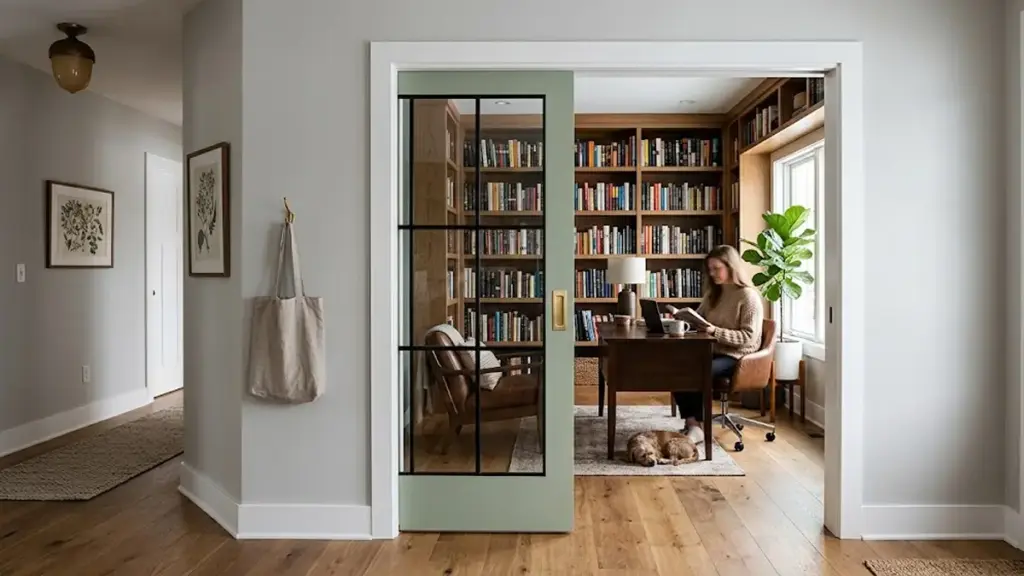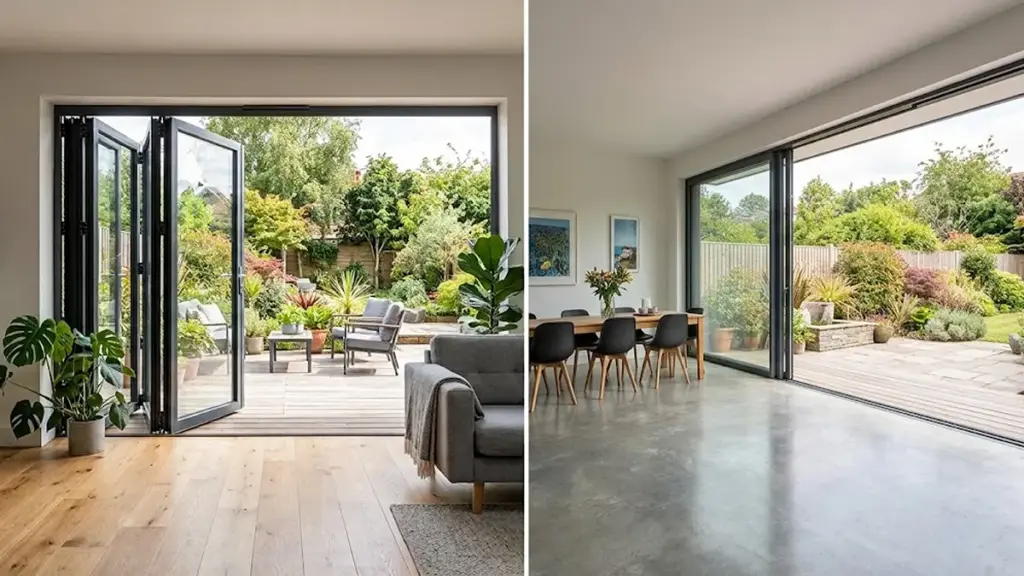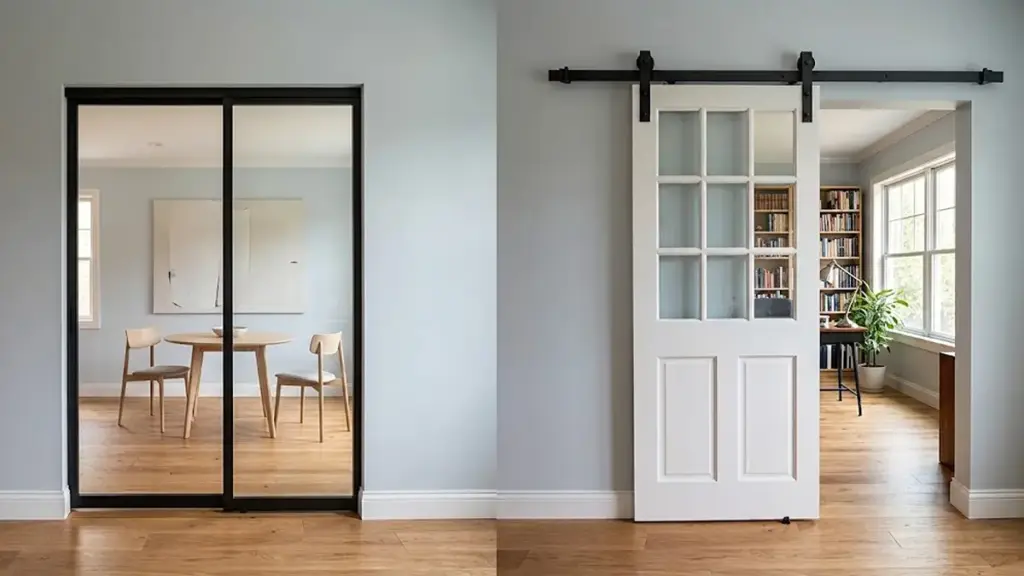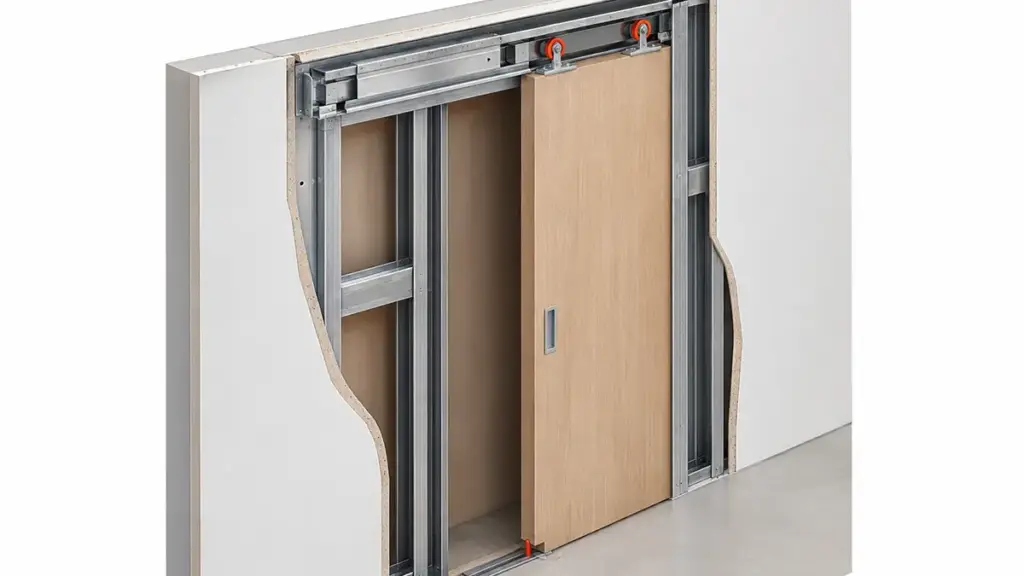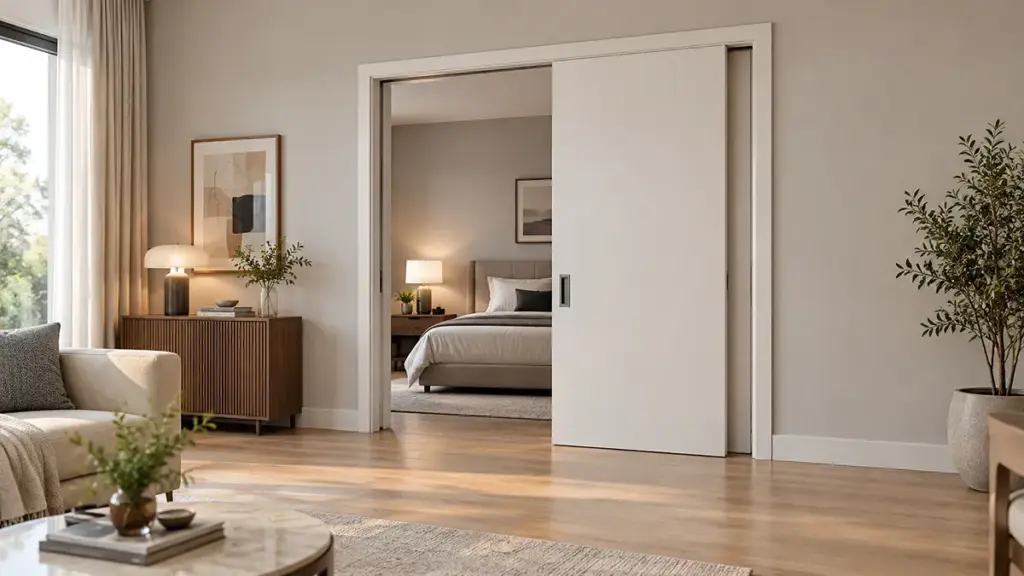
Selecting upvc vs aluminium sliding doors requires balancing immediate procurement margins against long-term structural callback risks. Para grandes aberturas, an unsuitable door system can increase the risk of frame deflection, seal problems, hardware wear, and costly adjustments later.
This guide compares the two frame materials across structural strength, rendimiento térmico, durabilidad, mantenimiento, costo, y flexibilidad de diseño. We compare typical differences in structural performance, eficiencia térmica, durabilidad, and whole-door U-values to help you choose the right system for your project.
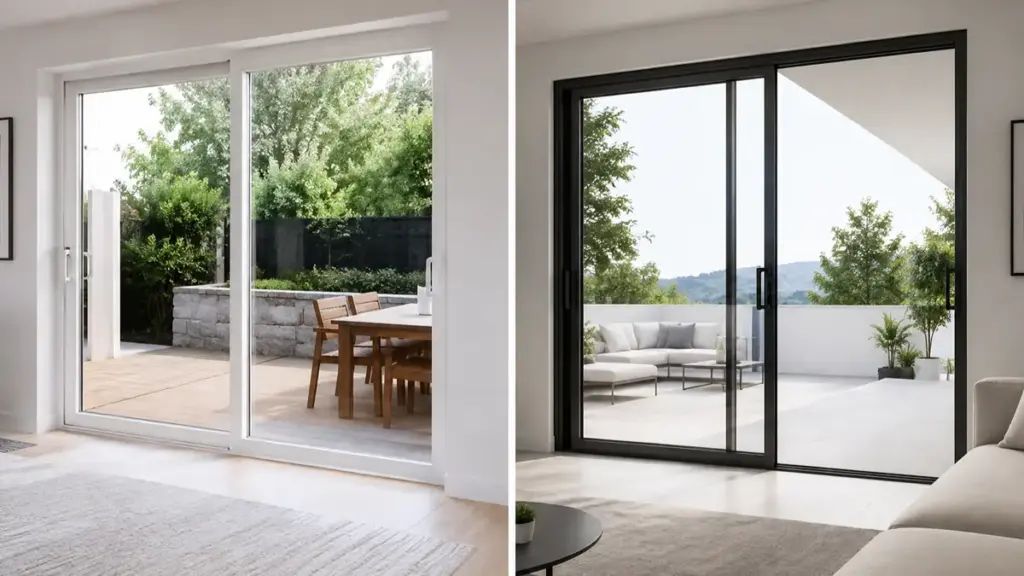
Puertas corredizas de UPVC vs aluminio: Diferencias clave
Aluminium offers slim profiles and long-term durability for large spans, while UPVC delivers superior cost-effective thermal insulation for standard residential openings.
| Aspecto | UPVC Sliding Doors | Aluminium Sliding Doors |
|---|---|---|
| Resistencia estructural & Tamaño | Moderate strength; requires internal steel reinforcement; bulkier frames. | Alta relación resistencia-peso; supports slimmer frames and larger panel sizes. |
| Térmico & Rendimiento acústico | Inherent natural insulator; multi-chambered profiles block heat transfer. | Conductive metal; requires advanced polyamide thermal breaks to compete. |
| Esperanza de vida & Durabilidad | 20 a 35 años; prone to expansion/contraction under heat. | 30 a 45+ años; resistant to warping, fatigue, y meteorización. |
| Costo & Upkeep | 20% a 40% lower upfront cost; low-to-medium long-term upkeep. | Higher initial investment; low routine maintenance when properly finished and maintained. |
Resistencia estructural, Estética, and Frame Profiles
The frame material is one of the main factors affecting the structural capacity and visual profile of a sliding door system. While both materials serve typical residential applications, their physical limits define their structural roles.
- Integridad estructural: Aluminium offers higher structural stiffness, making it easier to design slimmer profiles and larger glazed panels than many reinforced UPVC systems.
- Perfil del marco: Many UPVC sliding door systems use steel reinforcement to increase stiffness, which can result in thicker frame profiles than comparable aluminium systems.
- Profile Stability: Aluminium maintains better dimensional stability under normal temperature changes, which can help preserve alignment and smooth operation over time.
- Thermal Movement: UPVC experiences greater thermal expansion and contraction than aluminium, which can become more noticeable in larger openings and areas with significant temperature changes.
For architectural projects requiring expansive, uninterrupted glass walls, aluminium provides the necessary load-bearing capacity. Standard patio installations with smaller apertures can safely rely on reinforced UPVC.
Eficiencia térmica, Mantenimiento, and Long-Term Value
Thermal efficiency and lifetime maintenance costs heavily influence the total cost of ownership for sliding systems. Each material handles heat conduction and surface wear differently.
- Inherent Insulation: UPVC functions as a natural insulator, utilizing multi-chambered profiles to deliver excellent thermal and acoustic performance.
- Tecnología de ruptura térmica: Aluminium requires advanced polyamide thermal breaks to match the inherent insulation properties of UPVC.
- Costo inicial: UPVC represents a highly budget-friendly initial investment, costing roughly 20% a 40% less than premium aluminium alternatives.
- Surface Stability: Aluminium has a higher upfront cost, but durable powder-coated or anodised finishes and a longer potential service life can improve its long-term value.
While UPVC minimizes initial capital outlay and maximizes heat retention out of the box, aluminium can offer better long-term value where durability, grandes aberturas, and slim sightlines are important.
Structural Strength and Wind Load Performance
Aluminium generally provides higher structural strength, with some systems supporting spans up to 30% wider than comparable UPVC designs while allowing slimmer profiles. En comparación, UPVC sliding doors typically use internal steel reinforcement to improve rigidity and control deflection.
Core Mechanical Properties and Rigidity Comparison
Structural integrity in large-format sliding doors depends entirely on the base material’s stiffness. Choosing the wrong profile leads to frame deflection, sticky operation, and eventual seal failure.
- Aluminium Alloys (P.EJ., 6063-T5/T6): Provide an excellent strength-to-weight ratio, allowing slim frames to support heavy double- or triple-glazed panels without bending under load.
- UPVC Profiles: Rely on internal steel reinforcement and thicker wall sections to achieve acceptable stiffness, which results in bulkier frame designs and reduced glass area.
- Thermal Stability: UPVC undergoes greater thermal expansion and contraction than aluminium, while well-designed aluminium systems generally experience less dimensional movement as temperatures change.
- Span Limits: Aluminium can support spans roughly 30% wider than comparable UPVC systems, making it well suited to expansive multi-panel sliding configurations.
The difference in profile stiffness becomes more noticeable as door sizes increase. Larger UPVC systems may need more reinforcement and adjustment to maintain alignment, while aluminium systems are generally better suited to heavier, larger panels.
Wind Load Resistance and Long-Term Durability
Exposure to extreme weather tests the limits of frame engineering. Doors in high-rise, costero, or other highly exposed locations may face significant wind pressures and require appropriate tested performance.
- Wind Load Classification: Some tested aluminium sliding door systems can achieve high wind-resistance classifications, but the required rating depends on the system, tamaño de apertura, building height, and local wind-load requirements.
- UPVC Performance Limits: UPVC sliding systems can also be tested for wind resistance, but the maximum allowable size and performance depend on the profile design, reforzamiento, peso del vidrio, hardware, and tested configuration.
- Fatigue Resistance: Aluminium resists structural fatigue, pandeo, and localized hardware stress over decades of heavy daily operation.
- Integración de hardware: Hardware can be integrated into both systems, but large UPVC sliding doors may require reinforced profiles to provide sufficient fixing strength and support heavier hardware.
For projects exposed to high wind loads or frequent use, compare tested performance data for both materials and select a system that meets the project requirements.
Premium Aluminium Doors for Global Projects
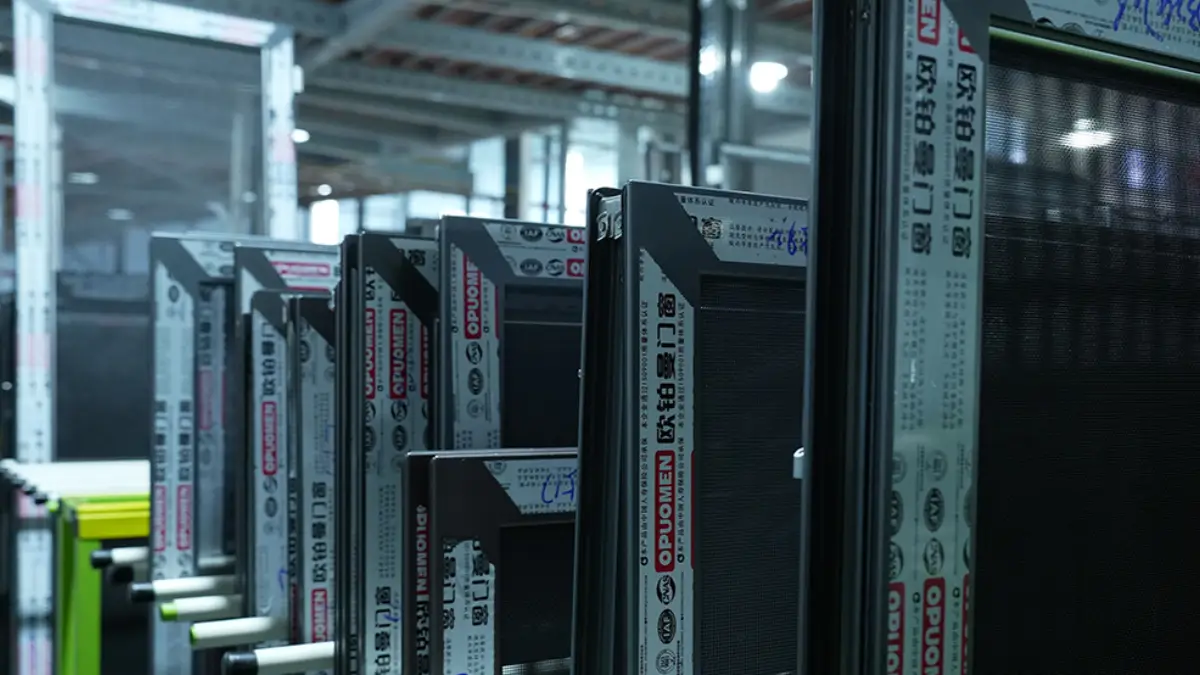
Energy Efficiency and Thermal Insulation Factors
UPVC has better thermal insulation than non-thermally-broken aluminium, but a well-designed aluminium system can achieve strong thermal performance with a thermal break and suitable glazing.
Thermal Conductivity and the Role of Frame Materials
UPVC naturally resists heat flow due to its low thermal conductivity and multi-chambered frame designs that trap insulating air pockets. This engineering creates an effective barrier against heat loss without requiring extra insulating inserts.
Aluminium is highly conductive, so bare frames transfer heat quickly. Manufacturers use polyamide thermal breaks to reduce heat transfer through aluminium profiles and improve the overall thermal performance of the door system.
These thermally broken aluminium frames narrow the performance gap with UPVC. This design reduces heat transfer through the aluminium frame compared with a non-thermally-broken profile.
Valores U, Glazing Specifications, and Real-World Energy Performance
While frame material dictates the baseline conductivity, the entire door assembly determines real-world energy performance. Standard and premium systems use several key components to control heat loss:
- Valores U para toda la puerta: Lower whole-door U-values indicate better thermal performance. Whole-door U-values vary significantly with the frame, acristalamiento, espaciador, and door configuration. En general, UPVC provides strong baseline thermal insulation, while high-performance thermally broken aluminium systems can achieve similarly low U-values.
- Glazing Specifications: Triple glazing and warm-edge spacers influence the overall energy rating as much as the frame material itself, maximizing heat retention across large glazed areas.
- Air Tightness and Sealing: Air tightness, perimeter sealing, and precise installation prevent drafts and maintain the physical insulation values of the sliding door system.
Durability and Maintenance Requirements
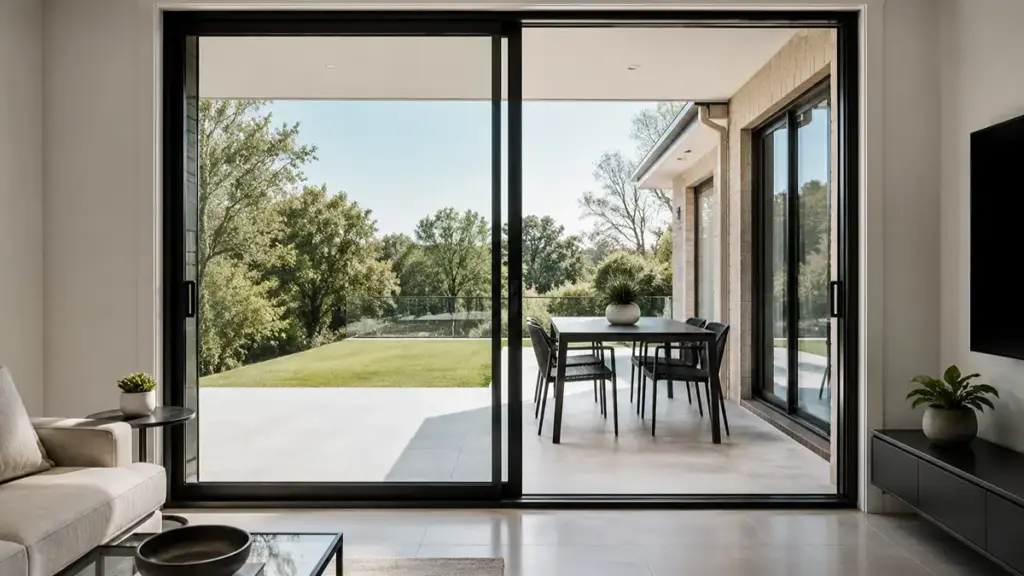
Aluminium sliding doors generally offer a longer service life than UPVC systems and are less prone to heat-related deformation in large, sun-exposed openings.
Lifespan and Weather Resistance Comparison
Frame material directly dictates how long a sliding door remains functional and structurally sound under environmental stress.
- UPVC Lifespan: Many UPVC sliding door systems can provide 20–30 years of service, although prolonged UV exposure and high temperatures can affect some profiles, acabados, and hardware over time.
- Aluminium Lifespan: Many aluminium systems can provide a long service life of 35 años o más, with good resistance to deformation when correctly designed for the opening size and environmental conditions.
The higher stiffness of aluminium can help reduce deflection in large sliding door systems and maintain smoother panel operation over time.
Routine Cleaning and Hardware Maintenance
While both options require minimal upkeep, specific maintenance protocols preserve their long-term operational efficiency.
- Limpieza de superficies: Wash frames with mild soapy water and a soft cloth, avoiding abrasive cleaners that degrade surface finishes.
- Hardware Care: Keep sliding tracks clear of debris and lubricate rolling hardware where recommended by the hardware manufacturer.
Dirt and debris in the tracks can accelerate roller wear, especially on heavier aluminium doors. Regular cleaning helps keep the rollers running smoothly.
Related post: Cómo mantener las puertas corredizas de aluminio para garantizar un funcionamiento suave
A Factory Partner for Custom Aluminium Door Projects
For projects that require custom sizes, acabados, opciones de vidrio, or different performance configurations, working with an experienced manufacturer can make specification and production easier. Opuo has more than 60,000㎡ of factory space, a team of 200+ empleados, and a monthly production capacity of over 23,000㎡. The factory operates under an ISO9001 quality management system, while products are available with CE, ROHS, y certificaciones REACH. Customization can cover door dimensions, configuraciones, bandera, acristalamiento, and hardware based on project requirements. OPUOMEN also provides a 5-year quality warranty and engineering support to help customers move from drawings and quotations to production and delivery. For residential developments, villas, and other architectural projects, esta combinación de capacidad de fabricación, personalización, and project support can help buyers select a sliding door system that fits both the design and performance requirements of the building.
Design Flexibility for Modern Residential Projects
Aluminium sliding doors deliver unmatched design flexibility with ultra-slim sightlines and expansive spans, while UPVC suits standard-sized, cost-sensitive residential openings.
Structural Capabilities and Opening Configurations
Large-scale architectural glazing requires high structural integrity to withstand wind loads and heavy glass weights while maintaining operability.
- Expansive Spans: Aluminium supports wall-to-wall glazing and tall panels due to its high strength-to-weight ratio, whereas UPVC requires thicker frame profiles to handle similar structural loads.
- Líneas de visión delgadas: Some modern aluminium systems achieve interlocks around 29–45 mm, while many UPVC systems have thicker visible profiles, often around 70 mm or more depending on the design.
- Diseños multipista: Multi-track configurations allow multiple panels to slide and stack behind one another, maximizing the open aperture.
These properties make aluminium a practical choice for large openings that connect interior living areas with balconies, patios, y terrazas.
Visual Customisation and Architectural Aesthetics
Sliding doors define the visual character of a modern facade, serving as key elements of both exterior envelope design and interior spatial layout.
- Architectural Palettes: Powder-coated and anodised aluminium finishes allow precise colour-matching across hundreds of custom shades and textures.
- Stylistic Alignment: Pulcro, low-profile aluminium frames align with minimalist aesthetics, while UPVC options cater to conventional, traditional designs with basic foils.
- Thermal Integration: High-performance thermal breaks allow slim aluminium profiles to achieve better thermal performance while supporting larger glazed areas.
With the right thermal break, acristalamiento, y terminar, aluminium systems can combine energy performance with the slim profiles required for modern residential designs.
Choosing the Right Sliding Door for Your Project
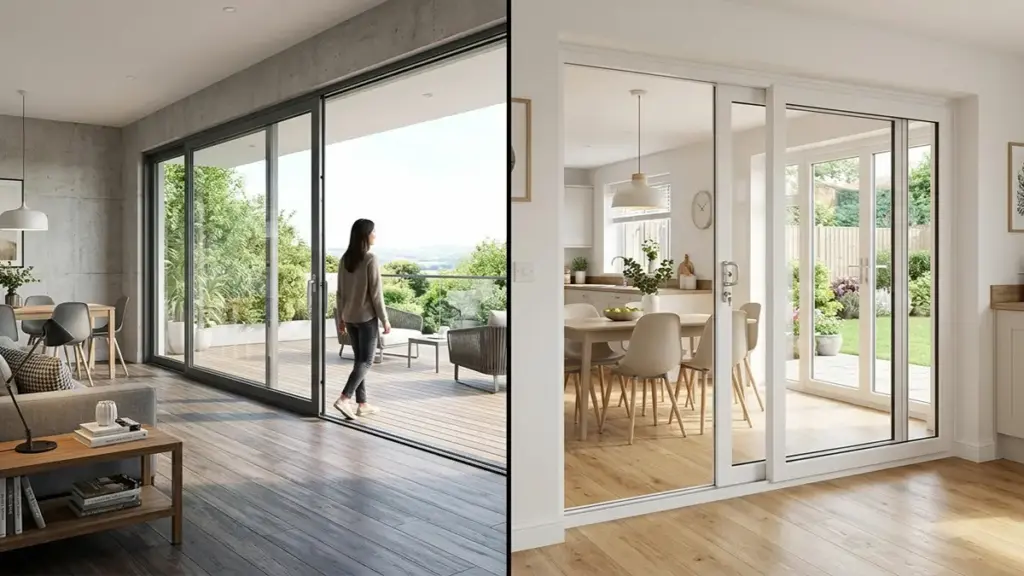
Aluminium excels in large, high-exposure openings requiring slim profiles, while UPVC offers unmatched cost-to-insulation value for standard residential builds.
Evaluating Structural and Architectural Requirements
The size of the opening is one of the main factors in choosing between UPVC and aluminium. Grande, multi-panel configurations demand the high strength-to-weight ratio of rigid aluminium. Standard residential patio doors can rely on steel-reinforced UPVC, which handles typical residential loads at a lower price point.
Frame profiles also influence your project’s aesthetic. Aluminium systems deliver ultra-slim sightlines—often between 29mm and 45mm—to maximize glass area and natural light. UPVC profiles require a thicker frame, typically around 70mm, resulting in a heavier visual presence.
Customization needs vary widely between the two systems. Aluminium offers extensive powder-coated color options with excellent color stability. En contraste, UPVC offers standard colors alongside realistic woodgrain foil finishes for traditional aesthetics.
Aligning Climate Conditions and Budget Priorities
Initial purchase costs show a clear gap, con UPVC doors costing 20% a 40% less than aluminium. Sin embargo, the higher initial cost of aluminium can be justified when larger openings, slimmer sightlines, or longer service life are priorities. While UPVC typically lasts 20 a 35 años, aluminium systems regularly deliver a service life of 45 años o más.
Your local climate should be considered when selecting the glazing and thermal-break specification. UPVC is a naturally non-conductive polymer that blocks heat transfer without requiring complex thermal breaks. For high-end energy targets in conductive frames, you must specify premium, thermally broken aluminium to match or beat UPVC’s baseline insulation.
Consider local environmental exposure before finalizing your choice. In hot or highly exposed locations, compare the tested thermal, weather, and corrosion performance of the complete door system rather than choosing a material based on climate alone. UPVC can be a practical option where upfront cost, aislamiento térmico, and standard opening sizes are the main priorities.
Preguntas frecuentes
What is the difference between UPVC and aluminium sliding doors?
UPVC and aluminium sliding doors differ across several key areas. UPVC doors use a rigid plastic polymer, often reinforced with steel, resulting in thicker, bulkier frames. They are highly cost-effective, typically costing 20% a 40% less than aluminium, and offer excellent natural insulation. Aluminium doors use extruded metal, allowing for ultra-slim frames, paneles de vidrio más grandes, and a modern aesthetic. While aluminium requires a thermal break for high energy efficiency and comes with a premium upfront cost, it provides superior structural strength, lasts up to 45 años (compared to 20 a 35 years for uPVC), and maintains its colour without fading.
Are aluminium sliding doors better than UPVC doors?
Aluminium sliding doors perform better if you prioritize architectural design, ultra-slim sightlines, área máxima de vidrio, and long-term durability for large openings. They handle structural loads easily and resist warping under extreme weather conditions. UPVC sliding doors represent the better choice if you operate on a tight budget or prioritize maximum energy efficiency at a lower entry cost, as UPVC naturally insulates without the expensive thermal breaks required in premium metal frames.
Which sliding door lasts longer, aluminium or UPVC?
Aluminium sliding doors generally have a longer service life than UPVC systems. Many aluminium systems can provide around 30–45+ years of service, while UPVC sliding doors commonly provide around 20–35 years, depending on system quality, instalación, clima, y mantenimiento. Aluminium also offers good resistance to deformation and weathering, making it well suited to larger openings.
Are aluminium sliding doors more energy efficient?
Bare aluminium conducts heat rapidly, making basic aluminium doors less energy efficient than naturally insulating UPVC. Moderno, premium aluminium sliding doors close this gap by incorporating polyamide thermal breaks and high-performance double or triple glazing. A high-performance thermally broken aluminium system can achieve very strong whole-door U-values, sometimes matching or outperforming UPVC systems depending on the glazing and overall door design.
What are the disadvantages of UPVC sliding doors?
The primary disadvantages of UPVC sliding doors stem from their limited material strength. This limitation results in bulkier frames, wider sightlines, and reduced overall glass area. UPVC also expands and contracts significantly during temperature changes, which can cause the doors to stick or warp on hot days. Security depends on the frame reinforcement, hardware de bloqueo, acristalamiento, and tested door configuration rather than the frame material alone.
Which material is best for large sliding doors?
Aluminium is often the preferred material for very large sliding doors because of its structural stiffness and ability to support heavier glazed panels. Some aluminium sliding door systems can accommodate panels over 3 meters high and large multi-panel openings, depending on the profile, peso del vidrio, hardware, and wind-load requirements. Aluminium maintains structural stability and smooth, reliable sliding operation under heavy glass loads, whereas large UPVC sashes tend to flex, require excessively thick profiles, and suffer from operational stiffness over time.
Pensamientos finales
For large architectural openings, a well-designed thermally broken aluminium system can reduce the risk of excessive frame movement and operational problems while maintaining slim sightlines. Choosing the right material grade early prevents expensive callbacks and structural retrofits down the road.
Don’t guess on material performance—verify the engineering specifications yourself. We recommend requesting our physical section samples and architectural profile catalog to test the finishes firsthand. Póngase en contacto con nuestro equipo técnico hoy to discuss your project dimensions and structural wind load requirements.