Des erreurs lors de l’approvisionnement en gros de fenêtres en aluminium peuvent entraîner des retards coûteux, dépassements de budget, et les problèmes à long terme qui affectent la réussite de votre projet. De l'erreur de calcul des valeurs U à la négligence du coût total de possession, ces petites erreurs peuvent dégénérer rapidement.
Dans ce guide, nous mettons en évidence sept erreurs critiques en matière d'approvisionnement et proposons des solutions concrètes pour vous aider à les éviter. En comprenant des facteurs clés comme les performances thermiques, sélection appropriée des fournisseurs, et les coûts à long terme, vous pouvez obtenir des fenêtres de haute qualité qui garantissent à la fois des économies immédiates et une valeur durable pour votre projet.
Erreur 1: Inadéquation des spécifications thermiques au climat du projet

La valeur U mesure le coefficient de transmission thermique d'une fenêtre, indiquant à quel point il isole. Des valeurs U inférieures représentent une meilleure isolation. Lors de la sélection des fenêtres, il est important d’adapter la valeur U au climat du projet. Sous-spécifier les valeurs U dans les climats froids ou les sur-spécifier dans les climats chauds peut entraîner une consommation d'énergie excessive et mettre à rude épreuve les systèmes CVC..
La valeur U inclut la perte de chaleur de l'ensemble de la fenêtre., pas seulement le centre du verre. Des facteurs tels que le matériau du cadre, couches de vitrage, remplissage de gaz, et les entretoises ont tous un impact sur la valeur U globale. Pour éviter les inexactitudes, calculer la valeur U en fonction de l'assemblage de fenêtre complet à l'aide de la formule suivante:
Où:
- R_verre est la résistance thermique du verre.
- R_cadre est la résistance thermique du cadre.
- R_espaceur est la résistance thermique de l'entretoise.
- R_gas remplir est la résistance thermique de tout remplissage de gaz entre les vitres.
Erreur 2: Matériel sous-spécifié pour les panneaux grands ou lourds
Taille du panneau, épaisseur du verre, et la configuration du support a un impact direct sur la capacité de charge. Des panneaux de verre plus grands réduisent la capacité de charge, avec des panneaux entre 8-12 pieds carrés perdants 20% de capacité et ceux entre 16-20 pieds carrés perdants 40%. De la même manière, l'épaisseur du verre affecte la résistance du support : supports en verre recuit de 5 mm 40-50 lb/pied carré, tandis que le verre de 12 mm peut supporter jusqu'à 170 lb/pied carré. Des spécifications matérielles insuffisantes peuvent entraîner une défaillance structurelle, en particulier dans les panneaux plus grands ou ceux exposés à des charges de vent plus élevées.
Pour résoudre ce problème, assurez-vous que les spécifications matérielles correspondent à la taille du panneau et à la configuration prise en charge. Mesurez avec précision la portée et l’épaisseur du verre, et consultez les tableaux de capacité de charge pour déterminer le matériel approprié. Pour les panneaux dépassant 20 pieds carrés ou zones de charge de vent maximale, engagez un ingénieur en structure ou contactez Opuomen pour concevoir des systèmes de support personnalisés, garantir une installation sûre et fiable.
Erreur 3: Ignorer les exigences de conformité et de certification du code local
Les certifications AAMA/CE vérifient la conformité d'un produit aux normes de performance clés, y compris la résistance structurelle, fuite d'air, et pénétration de l'eau. Ces certifications garantissent que le produit répond 2026 exigences du code du bâtiment, ce qui le rend adapté aux projets commerciaux.
| Programme de certification | But | Avantage clé |
|---|---|---|
| Programme de certification de produits FGIA/AAMA | Vérifie les fenêtres, portes, et les puits de lumière répondent aux normes AAMA/WDMA/CSA en matière de résistance structurelle, fuite d'air, et pénétration de l'eau. | Fournit une preuve documentée des performances et de la conformité au code aux responsables du code et aux acheteurs commerciaux. |
| Programme de certification de profil AAMA | Certifie que le PVC et autres profils de fenestration répondent aux spécifications AAMA en matière de dimensions, physique, et propriétés de vieillissement. | Garantit que les linéaires utilisés dans les systèmes de fenêtres/portes conservent les propriétés essentielles aux performances AAMA/CE au niveau du système.. |
| Programme de composants vérifiés par l'AAMA | Documente que les composants individuels (vitrages isolants, matériel) respecter les normes spécifiques de l'AAMA. | Prend en charge la certification globale AAMA/CE en utilisant la traçabilité, pièces conformes aux normes. |
| Programme d'accréditation des laboratoires AAMA | Accrédite des laboratoires d'essais indépendants pour effectuer des essais de fenestration référencés dans les normes AAMA. | Garantit que les données de performance utilisées pour la conformité au code et la documentation CE sont générées sous contrôle, conditions auditées. |
Ignorer les codes locaux et les exigences de certification peut entraîner des retards coûteux et des problèmes juridiques.. OPUOMEN atténue ces risques en détenant du CE, Rohs, et REACH, avec la certification de gestion de la qualité ISO9001. En mettant l’accent sur l’adaptation au climat mondial, OPUOMEN personnalise les produits pour répondre aux codes régionaux spécifiques en matière de température, humidité, charge de vent, et conditions côtières.
Fenêtres en aluminium haut de gamme: Conçu pour une performance mondiale
Erreur 4: Choisir des fabricants non-système
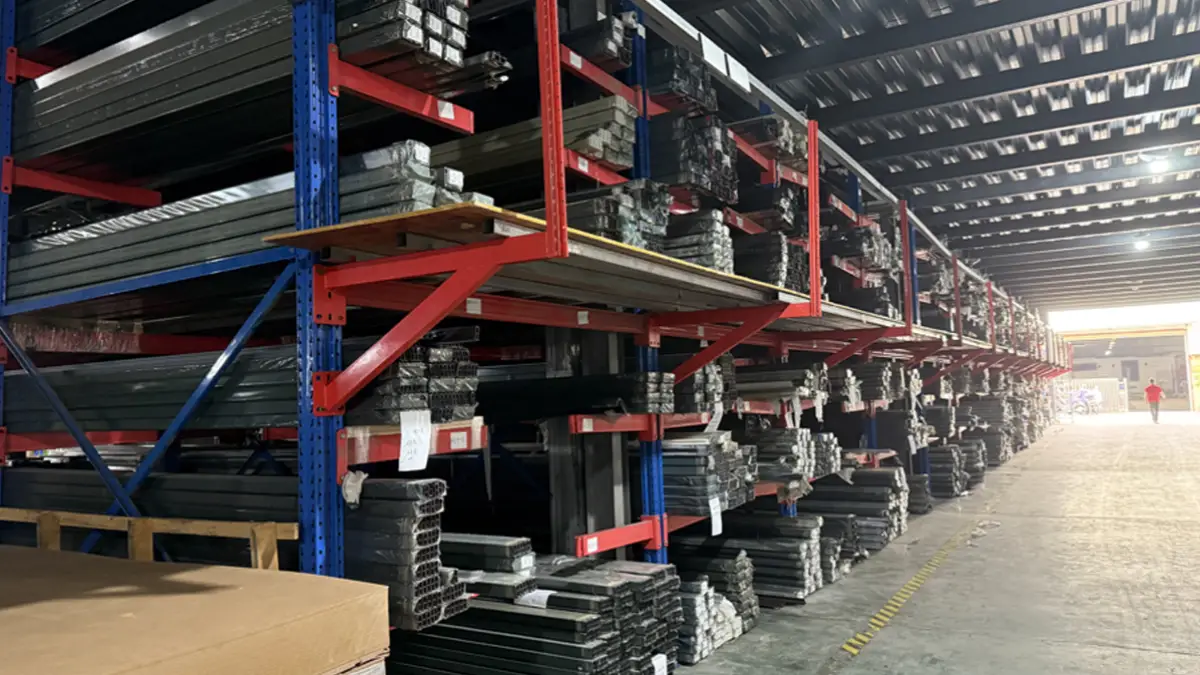
Les fabricants non-sytèmes assemblent les fenêtres à l'aide de composants provenant de divers fournisseurs, manque de conception intégrée et de contrôle de qualité. Cela augmente le risque d’approvisionnement incohérent en composants, changements non documentés, et données de test de performance manquantes. Par conséquent, défauts, fuites, et les litiges de garantie sont plus probables.
Pour atténuer ce risque, choisissez des fabricants de systèmes comme Opinion, qui conçoit, test, et certifier des systèmes de fenêtres complets. Veiller à ce qu’ils conservent la responsabilité de conception principale, fournir des données de performance documentées, et suivre des procédures de test standardisées. Mettre en œuvre une diligence raisonnable des fournisseurs en vérifiant les certifications du système, réalisation d'audits d'usine, et évaluer les indicateurs de performance clés (KPI) comme les taux de défauts et le respect des contrats. Cela garantit la fiabilité, produits de haute qualité et réduit les risques du cycle de vie.
Erreur 5: Ne pas vérifier les protocoles d'emballage et de logistique

Ne pas vérifier les normes d’emballage peut entraîner des retouches coûteuses, retards, et une augmentation des coûts du projet. Pour garantir que les fenêtres arrivent intactes à destination, vous devez travailler en étroite collaboration avec votre fabricant. Vous trouverez ci-dessous quelques solutions efficaces pour atténuer les risques.
- Normes d'emballage
Classer chaque fenêtre par fragilité, taille, et type de vitrage, puis associez ces attributs à des risques de transit spécifiques tels que les vibrations et l'humidité. Définir des critères d'emballage mesurables, y compris les hauteurs de chute, charges de compression, et résistance aux vibrations.
- Intégration de l'emballage à la logistique et à la validation
Concevoir des emballages pour toute la chaîne logistique, du chargement en usine à la manutention sur site. Vérifier l'empilabilité, points d'arrimage, et accès pour chariot élévateur. Avant les commandes à grande échelle, exiger des expéditions pilotes pour tester les performances de l'emballage et les ajuster en fonction des commentaires.
- Surveillance et amélioration continues pour la réduction des dommages
Suivre et signaler les dommages dus au transport de manière cohérente. Auditer régulièrement les emballages, inspecter les charges, et évaluer l'efficacité de l'emballage grâce à des améliorations basées sur les données. Envisagez des systèmes d'emballage réutilisables et des dispositifs de surveillance intelligents pour suivre les causes des dommages et optimiser les protocoles.
Erreur 6: Calcul incorrect des délais pour les jalons du projet
Une mauvaise compréhension des délais d'exécution et de retard peut perturber les délais du projet. Le délai de réalisation fait référence au temps entre le début d’une tâche et le début de la suivante., tandis que le temps de latence est le délai intentionnel entre les tâches. Confondre ces termes peut entraîner des estimations irréalistes et des retards., surtout lorsque les dépendances des tâches ne sont pas correctement prises en compte. Des jalons mal alignés et des tampons incorrects entraînent des délais non respectés et des résultats de projet compromis.
Pour éviter cette erreur, s'assurer que les dépendances des tâches sont clairement cartographiées, et utiliser des outils de gestion de projet pour visualiser le chemin critique. Tenez toujours compte des données historiques, ressources nécessaires, et un 10-20% tampon pour les risques potentiels. Décomposez les jalons en morceaux gérables et définissez les critères de sortie dès le début pour garantir que la livraison est conforme aux délais du projet.. Des examens réguliers des progrès et des ajustements du calendrier aident à maintenir le projet sur la bonne voie..
Erreur 7: Se concentrer uniquement sur le prix unitaire par rapport au coût total de possession (Coût total de possession)

Se concentrer uniquement sur le prix unitaire des fenêtres néglige l’impact financier total sur la durée de vie du produit.. Coût total de possession (Coût total de possession) comprend le prix d'achat initial, ainsi que des activités opérationnelles continues, entretien, et les coûts de remplacement sur 20-30 années. Considérer uniquement le prix unitaire peut conduire à une mentalité d’épargne à court terme, ce qui peut entraîner des dépenses plus élevées à long terme.
Principaux facteurs de coût total de possession:
- Acquisition & Coûts d'installation: Prix d'achat initial et coût d'installation, y compris la main d'œuvre et la préparation du site.
- Efficacité énergétique: Les fenêtres aux performances thermiques inférieures entraînent des coûts énergétiques plus élevés en raison d'une mauvaise isolation., demandes croissantes de chauffage et de refroidissement.
- Entretien et réparations: Les fenêtres moins chères peuvent nécessiter des réparations et un entretien plus fréquents en raison de leur qualité inférieure., ajouter des coûts à long terme.
- Remplacement & Élimination: Les fenêtres de mauvaise qualité ont souvent une durée de vie plus courte et des taux de défaillance plus élevés, entraînant des coûts de remplacement précoces et des frais d'élimination.
- Coûts cachés: Travail supplémentaire, retravaille, demandes de garantie, et l'assainissement des intrusions d'eau qui proviennent souvent de fenêtres de mauvaise qualité.
Pour prendre de meilleures décisions, calculer le TCO sur la durée de vie du produit, en tenant compte de tous les coûts associés. Intégrer l’analyse du TCO dans les processus d’approvisionnement pour se concentrer sur la valeur à long terme, performance, et durabilité, plutôt que simplement le prix initial le plus bas.
Pensées finales
Un achat réussi de fenêtres en aluminium en gros va au-delà de la comparaison des prix unitaires. Cela nécessite une compréhension approfondie des performances thermiques, spécifications matérielles, et des normes de certification comme AAMA/CE. En adoptant une approche holistique qui met l'accent sur le coût total de possession, les acheteurs garantissent une valeur et des performances à long terme. Aborder ces facteurs clés de manière proactive entraîne moins de retards, meilleure conformité.
Pour une haute qualité, conforme fenêtres sur mesure aux besoins de votre projet, faites confiance à OPUOMEN. Découvrez nos solutions de fenêtres!
Foire aux questions
Quelle est la meilleure façon de vérifier à distance le processus de contrôle qualité d’une usine?
Pour vérifier à distance le processus de contrôle qualité d’une usine, réaliser un audit structuré à distance par rapport à l'ISO 9001, procédures de demande, instructions de travail, et des enregistrements. Planifiez des visites vidéo en direct pour observer les arrivées, en cours, et inspections finales, demander aux opérateurs de démontrer spontanément les contrôles des matières premières et les stations de contrôle qualité. Mettre en œuvre une vérification à distance basée sur des échantillons de référence et des spécifications, où l'usine démontre les contrôles par rapport aux échantillons et aux spécifications approuvés via une vidéo en direct. Engager des inspecteurs tiers pour un échantillonnage à distance basé sur le NQA, nécessitant une vidéo en temps réel et des rapports standardisés. Standardisez l’auto-inspection avec des listes de contrôle numériques, photos horodatées, et des vidéos. Tirer parti des systèmes de contrôle qualité numériques, IdO, ou données de capteur pour la surveillance à distance des paramètres de processus et des résultats de tests. Pour une vérification avancée, intégrer des jumeaux numériques ou des cellules virtuelles pour valider les pièces et les processus à distance et en temps réel.
Comment puis-je m'assurer légalement que le fabricant possède la bonne certification AAMA?
Pour garantir légalement la certification AAMA correcte, d'abord, demander le véritable AAMA/FGIA Gold (ou Argent) Étiquette de certification pour le produit spécifique fourni, vérifier qu'il correspond aux spécifications du projet. Deuxième, faire une référence croisée au fabricant et à la gamme de produits dans le répertoire officiel de certification des produits de la FGIA pour confirmer la certification active. Troisième, inclure un langage contractuel explicite dans votre bon de commande, rendant la certification AAMA/FGIA actuelle et l'inscription dans l'annuaire obligatoires pour tous les produits fournis et une condition d'acceptation. Quatrième, exiger des pièces justificatives, tels que les résumés de tests de laboratoire tiers (AAMA/FGIA/ANSI et NFRC) et la preuve d'un système de gestion de la qualité audité. Enfin, inspecter physiquement les unités livrées sur place pour confirmer la présence des étiquettes AAMA/FGIA correctes qui correspondent aux soumissions, documenter les écarts avec des photos pour toute action corrective nécessaire.
Qu'est-ce qu'une clause pénale standard en cas de retard de livraison dans un contrat B2B?
Il n’existe pas d’universel unique clause pénale standard pour les retards de livraison dans les contrats B2B; les clauses varient selon l’industrie, juridiction, et négociation, mais des modèles communs émergent des modèles et des exemples juridiques.[1][2][3]
Les structures communes impliquent des pénalités calculées en pourcentage de la valeur du contrat, souvent 0,5 % à 2 % par semaine ou jour de retard. Ces pénalités sont fréquemment plafonnées, allant généralement de 5 à 55 % de la valeur des marchandises en retard. Les clauses peuvent également spécifier des délais de grâce, généralement 1 à 10 semaines, avant que les pénalités ne s'appliquent pleinement, et accorder à l'acheteur le droit d'annuler après un délai plus long, comme 4 à 10 semaines. Les calculs s'appliquent généralement à la valeur des articles en retard, avec des semaines partielles comptant comme complètes, et exclure les événements de force majeure.
Par exemple, certaines clauses pénales incluent 10.5% toutes les deux semaines, plafonné à 55% de la valeur de l'équipement, avec résiliation après 10 semaines. D'autres peuvent préciser 1% la première semaine et 2% par la suite, avec un maximum de 10% d'articles en retard. Un taux commun est 0.5% par semaine, parfois plafonné à 5% de biens en circulation. Une variante commence à 0.5% par semaine après deux semaines, pouvant conduire à un remboursement plus des pénalités, avec résiliation après quatre semaines. Un fixe 5% les dommages-intérêts sur la valeur totale sont une autre structure courante.
Ce sont des échantillons provenant de bases de données comme Law Insider et Accord Project.; l’applicabilité dépend des lois locales (Par exemple, doit être raisonnable, pas punitif).[4][9] Consultez un conseiller juridique pour la personnalisation.[2][3]
Comment puis-je concilier les écarts entre le dessin d'atelier et le produit final?
Pour concilier les écarts entre les dessins d'atelier et le produit final lors de l'achat de fenêtres, mener un processus d'examen systématique comprenant des mesures sur le terrain, contrôles de qualité en plusieurs étapes, et la documentation des modifications apportées aux dessins d'après exécution.[1][2][3][5]
Les dessins d'atelier fournissent des détails de fabrication et d'installation basés sur les dessins de conception., mais les conditions du site, mesures, ou des modifications peuvent entraîner des écarts par rapport au produit final installé (Par exemple, fenêtre).[1][2][4] Les problèmes courants incluent des dimensions qui ne correspondent pas, spécifications matérielles, lacunes en matière de coordination commerciale, ou des erreurs d’unité/échelle.[1][2]
Les étapes clés de la réconciliation comprennent: Effectuer des enquêtes sur site et des enquêtes sur le terrain pour mesurer rapidement les conditions réelles du site., identifier les écarts entre la conception/les dessins d’atelier et la réalité, notamment pour des rénovations ou des fenêtres sur mesure.[2][4] Cela garantit que les composants préfabriqués tels que les fenêtres s’ajustent sans modification.[2]
Aussi, Effectuer des examens en plusieurs étapes et des contrôles de qualité, vérifier les dessins d'atelier par rapport aux spécifications de conception, données du fabricant, et normes avant fabrication. Inclure l’approbation de l’architecte/ingénieur, réunions de coordination des métiers, et vérifie les dimensions, matériels, assemblée, et les connexions.[1][2][5]
Documenter les modifications dans les dessins tels que construits en enregistrant tous les écarts (Par exemple, emplacement, dimensionnel, matériel, ou modifications d'installation) pendant le chantier. Mettez à jour les marquages rouges sur les dessins d'atelier pour créer des enregistrements précis du produit final pour la maintenance ou une utilisation future.[1][3]
En outre, Utiliser Digital Tools for Tracking pour le contrôle de version des logiciels de construction, révisions, approbations, et une coordination en temps réel pour éviter les informations obsolètes ou les conflits.[1][5]
Les considérations spécifiques aux fenêtres pour l'achat de fenêtres B2B signifient que les dessins d'atelier spécifient les dimensions exactes, profils, tolérances, articulations, scellés, et des ajustements structurels pour éviter les erreurs d'installation ou les retouches.[4] Vérifier par recoupement les pièces propriétaires (Par exemple, verre, finitions) avec les données des fournisseurs, et confirmez qu'aucun autre mod n'est nécessaire sur site.[2][4]
Concernant les pièges potentiels et la prévention: Les erreurs à surveiller incluent les désalignements des spécifications, mauvaise planification de la fabrication, ou des conflits de système.[1] Une bonne pratique consiste à favoriser la communication entre les designers, entrepreneurs, et les fabricants; suivez les modifications de manière granulaire pour aligner le produit final sur l’intention de conception.[5][7]
Ce processus minimise les risques, retards, et les coûts pour les nouveaux acheteurs et chefs de projet B2B.[4][7] Si des divergences persistent après l'installation, les dessins conformes à l'exécution font autorité en matière de dessins d'atelier.[3]