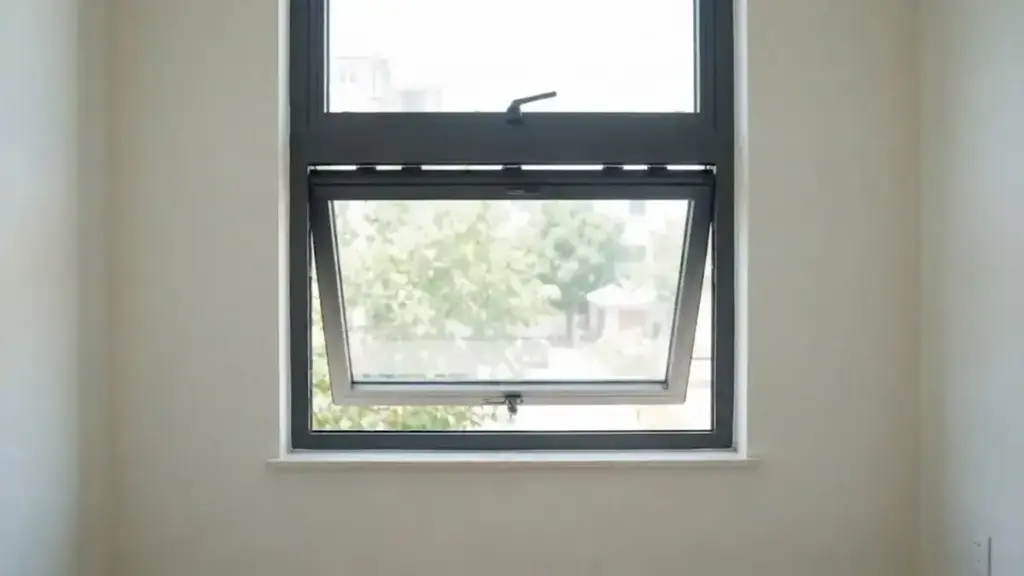
The quality of sliding window hardware directly affects operating smoothness, durée de vie, and maintenance costs. Poorly designed rollers may wear faster under repeated use, causing increased friction, uneven sash movement, and premature track wear. Au fil du temps, these issues can lead to difficult operation and higher replacement expenses for property owners and contractors. This premature mechanical failure creates immediate frustration for daily users and drives up replacement costs and operational downtime for property managers.
This guide compares common roller materials and hardware designs used in sliding window systems, while referencing industry testing methods such as the AMAMA 906-21 specification for sliding door and lift-and-slide roller assemblies. We evaluate common material configurations, from glass-reinforced PA66 nylon to 316 stainless steel hardware components, to help you select the right balance of load capacity, durabilité, et résistance à la corrosion.
Why Sliding Window Rollers Matter for Performance
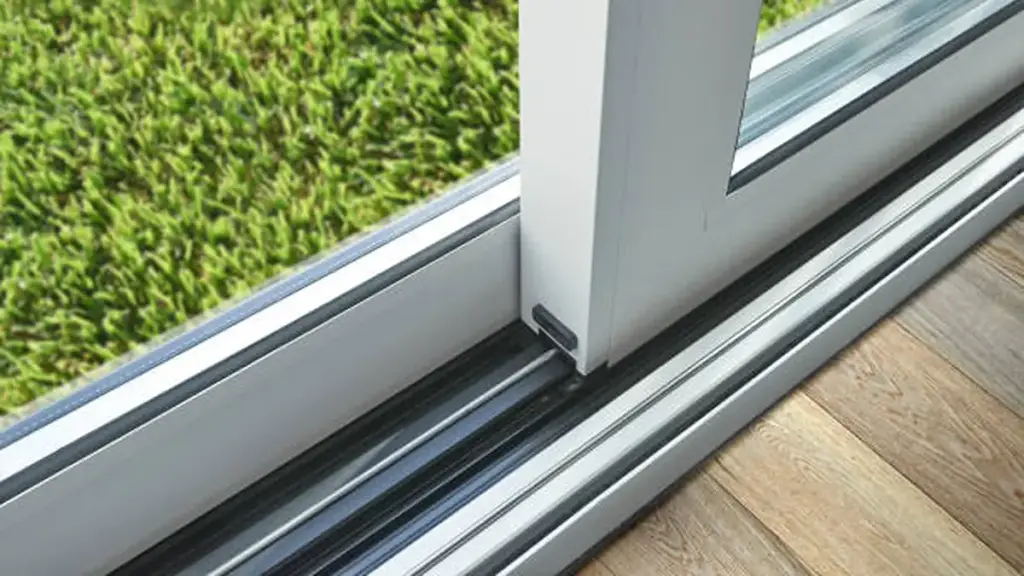
Roller quality has a direct impact on a sliding window’s operating smoothness, durée de vie, et performances d'étanchéité. Well-designed rollers help maintain sash alignment, reduce friction, and support consistent sealing performance by keeping the window operating smoothly.
How Roller Systems Impact Daily Operation
A single roller system controls how consistently the sash tracks along the frame. High-quality rollers provide stable alignment that eliminates sash wobble. This direct stability reduces frame rubbing and prevents uneven gaps from forming along the track.
When the sash sits perfectly level, it compresses the weatherstripping evenly. This uniform compression blocks drafts and maintains the building’s energy efficiency.
Upgrading to a premium roller changes the physical feel of the window. Smooth tracking cuts down the physical effort you need to push heavy sashes and engage the security latches.
Material Selection and Sealed Bearing Specifications
The physical components of the roller assembly dictate its lifespan, especially in harsh climates. Manufacturers rely on specific materials and bearing designs to ensure long-term performance across demanding environments.
- Sealed Bearings: These components block moisture and debris from entering the wheel hub. They reduce friction and help the roller assembly support sash weight more consistently, improving smooth operation over time.
- Wheel Materials: Builders use stainless steel, reinforced nylon, and brass to resist extreme temperature shifts and fight corrosion in coastal or industrial applications.
- Housing Rigidity: Stiff housing assemblies prevent the unit from flexing under heavy glass loads. This structural strength maintains consistent height control over years of daily use.
Key Features of High-Quality Sliding Window Rollers
High-quality sliding window rollers rely on stable alignment, sealed bearings, and application-specific materials to maximize load capacity and ensure smooth, long-term operation.
| Roller Material | Load Capacity Profile | Primary Advantage | Ideal Application |
|---|---|---|---|
| Acier inoxydable (304/316) | Heavy-duty applications requiring higher load capacity | Maximum strength and UV resistance | High-traffic commercial spaces |
| Nylon (PA66) | Standard to medium-duty applications | Excellent corrosion resistance and quiet operation | Coastal regions and residential use |
| Hybrid Systems | Robuste | Combines steel strength with polymer silence | Premium heavy glass windows |
| Brass | Service moyen | Smooth glide and corrosion resistance | Humid environments |
Roller quality directly dictates how a sliding window performs day to day. A single roller system controls the sash tracking, which impacts noise levels, weatherstripping compression, and overall security. When specifying hardware for residential or commercial projects, specific technical features define a premium roller assembly.
Precision Bearing Quality and Alignment
Bearing quality is one of the key factors affecting roller performance. It reduces friction and allows the roller assembly to support sash weight more smoothly, helping prevent sticking and dragging during operation. Top-tier manufacturers utilize sealed bearings, which block moisture and grit from entering the mechanism. Proper hardware selection should also be evaluated together with overall window performance, including air leakage, résistance à l'eau, and energy efficiency factors measured through recognized fenestration testing programs. This physical barrier extends the operational lifespan significantly in dusty or coastal climates.
Better assemblies also provide stiffer housings that resist flexing under load. Roller performance is also influenced by frame geometry and structural tolerances, which is why manufacturers must consider aluminum window frame specifications when selecting compatible hardware. This rigidity ensures stable alignment with minimal wobble. Proper alignment stops the sash from rubbing against the frame and maintains an airtight seal to block drafts and improve energy efficiency.
Application-Specific Materials
Material selection heavily influences durability across different climates and use cases. The industry relies on several core materials based on environmental demands:
- Acier inoxydable: Handles extreme weight loads and severe temperature shifts without deforming.
- Nylon (PA66 with glass fiber): Offers a non-marking, quiet glide that eliminates metal-on-metal track damage and resists salt-air corrosion.
- Brass: Delivers long-lasting performance and a smooth motion while resisting rust in high-humidity zones.
- Hybrid Assemblies: Pair a stainless steel body and axle for structural integrity with a nylon wheel to minimize noise.
High Load Capacity Design
Industry standards update continuously to reflect the market shift toward heavier, panneaux de verre plus grands. AMAMA 906-21 evaluates sliding door and lift-and-slide roller assemblies by cycling rollers under rated loads for 10,000 cycles to measure operating force and clearance changes.
Roller assemblies are typically selected according to sash weight, taille de la fenêtre, fréquence de fonctionnement, et glass selection for aluminum windows, as heavier glazing directly increases the load requirements placed on hardware components. Heavy-duty systems often use reinforced housings, larger wheels, and dual-wheel configurations to support larger glass panels while maintaining smooth movement.
To support massive loads, manufacturers increasingly adopt dual-wheel and tandem designs. These configurations spread the sash weight across multiple contact points, reducing localized strain on the track and extending the hardware’s functional life.
Résilience environnementale
Coastal and humid environments can accelerate corrosion on standard hardware components. High-quality rollers address this through targeted corrosion-resistant construction. Builders operating in marine environments prioritize nylon or marine-grade stainless steel paired with sealed bearings. These materials prevent the rapid transition from a smooth-gliding roller to a seized, rusted component under constant salt spray exposure.
Maintainability and Fine-Tuning
Even the best materials require periodic upkeep. Premium rollers feature accessible adjustment systems with strong screws that resist stripping. This allows installers and maintenance teams to easily adjust window height and correct alignment issues. Proper adjustability compensates for imperfect frame installations or building settling, ensuring the sash remains perfectly level over decades of use.
High-Performance Sliding Windows for Global Builders

Comparing Sliding Window Roller Materials: Steel vs. Nylon
Stainless steel rollers support up to 200 kg for heavy-duty commercial use, while nylon offers quiet, rust-proof operation. Hybrid configurations combine both materials for optimal high-traffic performance.
| Specification | Acier inoxydable (304/316) | Nylon (PA66) |
|---|---|---|
| Capacité de charge | 80 à 200 kg per roller | Standard residential to light commercial |
| Noise Level & Track Wear | Audible friction; potential track wear | Silent operation; non-marking |
| Environmental Resistance | Extreme temperature tolerance | 100% rust immunity |
Material Strength and Load-Bearing Performance
Manufacturers build stainless steel rollers from 304 or 316-grade alloys to support massive weights ranging from 80 à 200 kg per unit. Steel resists deformation under prolonged stress. This structural rigidity makes it the primary choice for oversized glass doors in heavy commercial applications.
Nylon rollers utilize glass-fiber reinforced PA66 polymers. These engineered plastics safely handle standard residential and light commercial weights without buckling under typical daily use.
Hybrid Roller Configurations for Commercial Demands
Solid steel rollers create metal-on-metal friction. This constant contact generates audible noise and actively wears down aluminum tracks over time. Nylon wheels solve this issue by providing inherent dampening properties for silent, non-marking operation and excellent corrosion resistance.
Premium commercial systems utilize a hybrid design to capture the best traits of both materials. Industry-standard solutions pair a solid stainless steel body and axle with a thermoplastic elastomer (TPE) or nylon wheel to maximize structural load capacity and maintain quiet operation.
Sliding Window Roller Corrosion Solutions for Coastal Projects

Coastal environments can accelerate metal corrosion. Securing coastal projects requires marine-grade alloys, layered protective coatings, and strict galvanic isolation techniques to stop salt-air corrosion before it starts.
Understanding Salt-Air Impact on Metal Hardware
Coastal climates create a harsh environment for metal degradation. The combination of high humidity, warm temperatures, and constant airborne salt deposits rapidly breaks down structural hardware and exposed metal components.
When airborne salt and moisture settle into tight hardware gaps, they restrict natural oxygen flow. This oxygen starvation directly fuels crevice corrosion, attacking the metal components from the inside out. Standard hardware materials may experience accelerated corrosion in coastal environments if protective treatments and suitable material selections are not applied. They cannot survive continuous chloride exposure unless you implement specialized material substitutions or heavy-duty surface treatments.
Material Selection and Isolation Strategies for Coastal Environments
Defeating coastal corrosion requires strict material specifications and deliberate installation practices. You must build defense systems directly into the hardware assembly.
- Primary Materials: Choose corrosion-resistant hardware components, including stainless steel or reinforced polymer rollers, sealed bearings, and aluminum profiles with protective surface finishes to improve durability in coastal climates.
- Protective Coatings: Apply multilayer barrier systems to block chloride penetration. Use a stacked combination of anodized finishes, epoxy primers, and durable polyurethane topcoats.
- Isolation galvanique: Block electrical pathways between dissimilar metals. Install nonconductive barriers like nylon washers, rubber gaskets, or plastic shims to eliminate galvanic corrosion.
- Moisture Management: Integrate drain holes and sloped surfaces into the system design. This physical geometry stops standing water and prevents localized salt accumulation.
Step-by-Step Guide to Replacing Window Latches and Rollers
Replacing window hardware involves safely removing the sash, extracting worn rollers with basic hand tools, cleaning the tracks, and installing precisely sized replacements to restore operation.
Safe Removal of the Window Sash and Old Hardware
Before dismantling the window assembly, prepare your workspace. Gather essential tools including a Phillips head screwdriver, long-nose pliers, and proper safety gear like gloves and protective eyewear. Sliding glass panels carry significant weight, so bring a second person to help support the sash during extraction.
Follow this sequence to extract the worn components without damaging the aluminum or vinyl frames:
- Retract the hardware: Lower the sash by turning the bottom adjustment screws anticlockwise. This pulls the rollers up and creates clearance.
- Remove the sash: Grasp the frame firmly on both sides, lift it straight up into the top channel, and tilt the bottom edge out of the track.
- Access the housing: Lay the window flat on a stable surface or turn it upside down to expose the bottom track.
- Extract the rollers: Unscrew the retaining fasteners with your Phillips screwdriver and pull out the old rollers using long-nose pliers.
Installing Replacements for 120, TS5, and TS6 Series Sliding Windows
You must match the exact dimensions of the old hardware to guarantee proper fitment. This precision matters heavily for robust profiles like the 120, TS5, and TS6 sliding series. Installing undersized or oversized rollers causes track damage, uneven weatherstripping compression, and immediate binding under heavy glass loads.
For aluminum sliding window manufacturers, distributeurs, and project suppliers, matching roller specifications with the complete window system is essential. Different profile designs, sash weights, and application conditions require properly selected hardware to ensure smooth operation and long-term performance. Understanding the overall structure of aluminum sliding window systems also helps ensure that rollers, profils, vitrage, and accessories work together effectively.
Execute these steps to install the new hardware and reassemble the window:
- Prep the track: Clean the window track thoroughly using a vacuum and a stiff brush attachment to clear all dirt, débris, and old grease.
- Seat the replacements: Insert the new components into the bottom channel, ensuring the wheels spin freely, and tighten the mounting screws.
- Lubricate the system: Apply a light coat of silicone-based lubricant along the clean track to reduce friction and repel dust.
- Reinstall the frame: Lift the sash back into the top channel, swing the bottom into the track, and adjust the roller height to level the window.
Following this exact procedure maintains long-term performance and upholds the strict 5-year warranty standards required for these commercial-grade systems.
Choosing the Right Sliding Window System Manufacturer
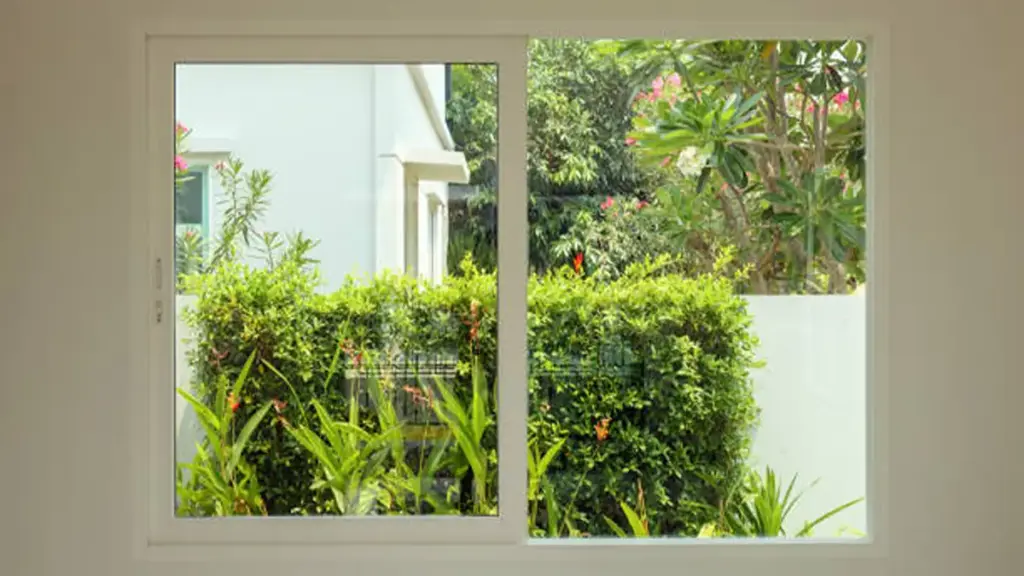
Selecting the right roller is only one part of creating a durable sliding window system. The overall performance also depends on profile design, manufacturing precision, glass selection, and quality control during production.
Opinion specializes in aluminum sliding windows, portes coulissantes, Windows à battements, and complete door and window solutions. With a 60,000+㎡ production base and more than 200 employés, the company integrates product design, fabrication, inspection de la qualité, and customization services to support global projects.
The company provides customized solutions based on different climates, candidatures, et les exigences du projet, with products designed around durability, efficacité énergétique, isolation phonique, et des performances à long terme. OPUOMEN also follows ISO9001 quality management standards and offers CE, Rohs, and REACH certified products to meet international market requirements.
By combining reliable hardware selection with professional aluminum window manufacturing, OPUOMEN helps distributors, constructeurs, and project contractors develop stable and durable window solutions.
Sliding Window Roller Selection and Maintenance Guide
Match hardware to your environment and maintain it regularly. Clear track debris, apply silicone lubricants quarterly, and replace components immediately when grinding starts.
Fundamentals of Roller Selection and Upkeep
Selecting the right sliding window roller sets the baseline for long-term performance. You must match the roller material to your specific environmental demands and sash requirements. For heavy glass loads, stainless steel delivers necessary structural strength, while nylon or brass options provide critical moisture resistance for coastal or high-humidity areas.
Even premium hardware fails without baseline maintenance. Saleté, oil, and debris naturally accumulate inside the door track over time. This buildup creates friction and acts as the primary cause of sticky, resistant window operation. Regular cleaning and proper care routines are also important parts of how professionals maintain aluminum windows and doors over their service life.
Execute a strict routine cleaning process to protect your hardware:
- Vacuum: Remove loose dirt and debris from the tracks using a crevice tool.
- Scrub: Break down compacted grime around the wheels and grooves with a stiff-bristled brush.
- Wipe: Clean the track thoroughly using a damp cloth and a mild cleaner.
- Dry: Remove all remaining moisture with a fresh cloth to prevent rust and mold formation.
Silicone-Based Lubrication and Replacement Indicators
After cleaning the tracks, proper lubrication ensures the rollers glide without resistance. Apply silicone-based lubricant periodically according to usage frequency and environmental conditions. This frequency maintains a protective barrier against friction and environmental wear.
Never use petroleum-based sprays or standard oil-based lubricants on your window tracks. These products attract dust and trap grit, creating an abrasive paste that rapidly degrades nylon rollers and forces them to dry out prematurely.
Maintenance has strict limits. If you hear grinding noises or feel rough, uneven movement after a thorough cleaning, the rollers have reached the end of their service life. Replace compromised rollers immediately. Continuing to operate a window with failing hardware will gouge the aluminum track, causing irreparable damage and forcing costly frame repairs.
Foire aux questions
Why is my sliding window so hard to open?
Dirt and debris buildup in the tracks, damaged rollers, or deteriorated weatherstripping usually cause this issue. Start by vacuuming and cleaning the tracks, then apply a silicone-based lubricant. If the window still drags, inspect the rollers for cracks or flat spots and replace them if needed.
How do I easily clean sliding window tracks?
D'abord, vacuum out loose dust and debris. Suivant, apply a solution of baking soda and white vinegar, or water mixed with dish soap. Let it sit for about 20 minutes, then scrub the corners with a small brush or toothbrush. Wipe the track clean with a damp microfiber cloth and finish by applying a silicone-based lubricant.
What are the best rollers for heavy glass windows?
Steel rollers with dual-wheel designs and adjustable features work best for heavy glass or commercial applications. Steel provides superior load capacity, while dual-wheel designs distribute weight evenly for smoother operation. Adjustable rollers let you fine-tune the window height and alignment.
How often should I lubricate my window tracks?
You should lubricate window tracks one to two times per year, ideally in the spring and fall. If you live in a coastal area with salt air or a high-dust region, increase this frequency to every six months. Always use a silicone-based lubricant instead of oil-based products to prevent dirt accumulation.
How do I replace sliding window rollers?
D'abord, remove the old roller by taking out the mounting screws and pulling the housing free. Take the broken roller to a hardware store to find an exact match. Clean the window track thoroughly, insert the new roller wheel-down, and secure it with screws. Enfin, adjust the roller height to ensure the window glides smoothly.
Can I fix a broken sliding window lock?
Oui, you can resolve most lock issues with simple adjustments. Try tightening loose screws or cleaning out dirt and paint buildup. If the latch and keeper are misaligned, loosen the screws to shift the keeper into the correct position. If the mechanism is completely broken, you can easily unscrew it and install a matching replacement.
Pensées finales
While generic rollers offer a lower upfront cost, specifying marine-grade 304/316 stainless steel or reinforced PA66 nylon actively safeguards your projects against seized bearings and costly maintenance call-backs. Selecting properly tested hardware and suitable roller configurations helps sliding windows maintain reliable operation under heavy use and challenging environmental conditions. Reliable, high-capacity inventory protects your margins and builds long-term trust with your buyers.
Stop guessing on hardware lifespan and verify the mechanical quality yourself. We recommend requesting a physical sample kit to test the bearing smoothness and material rigidity firsthand. Contactez notre équipe d’ingénierie dès aujourd’hui to secure your trial order or discuss custom OEM configurations for your high-traffic applications.