The choice between crank-out and push-out casement windows directly impacts long-term maintenance costs and building envelope integrity. Specifying the wrong mechanism can lead to hardware failure and costly warranty claims.
This analysis benchmarks both operating systems, evaluating their mechanical performance, efficienza termica, and architectural suitability. Whether you prioritize precise ventilation or minimalist design, this guide helps you select the ideal aluminum window solution to eliminate structural binding and protect your project margins.
Confronto rapido: Which Mechanism Wins?
| Caratteristica | Crank-Out Casement | Push-Out Casement |
|---|---|---|
| Operating Mechanism | Gear-driven rotary handle | Manual push with friction hinges |
| Relative Cost | Standard pricing (ca. 20% lower) | Premium/Designer pricing |
| Aesthetic Profile | Visible hardware, Traditional/Transitional | Minimalista, Concealed hardware |
| Egress Compliance | Full 90° opening (Meets 5.7 mq. piedi. standard) | Restricted by friction stay (Verify per project) |
| Maintenance Frequency | Moderare (Annual gear lubrication) | Basso (Basic wiping & tension checks) |
| Energy Star Compatibility | Alto (Excellent compression sealing) | Alto (Compatible with thermal breaks) |
| Custom Series Support | Available in F16, Q35, X11 Series | Available in F16, Q35 Series |
| Screen Integration | Fixed interior flyscreens | Integrated retractable screens |
What Are Crank-Out Casement Windows?
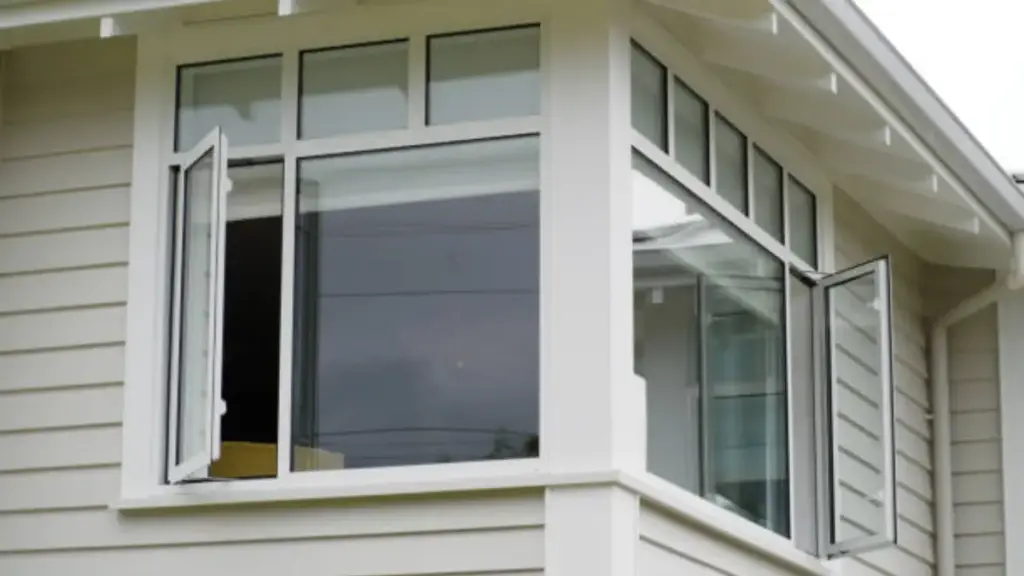
Crank-out casement windows operate on side hinges and open outward using a rotating crank handle. Driven by a hidden gear system, the sash swings open smoothly up to a full 90 gradi. Builders and architects specify this design because it delivers excellent ventilation, clear unobstructed views, and a highly effective weather seal when locked closed.
The core value of a crank-out window lies in its mechanical leverage. The internal gear system enables users to open heavy, triple-paned glass safely without leaning outside the building envelope.
- Mechanical Gear System: A rotating handle drives internal gears, providing the torque required to move large sashes (come il X11 series) smoothly.
- Precision Ventilation: Side hinges allow the sash to act as a “wind fin,” capturing exterior breezes and channeling fresh air into the interior.
- Multi-Point Locking: A single lever engages multiple points, pulling the sash tightly against the triple-seal system to block air leakage and moisture intrusion.
What Are Push-Out Casement Windows?
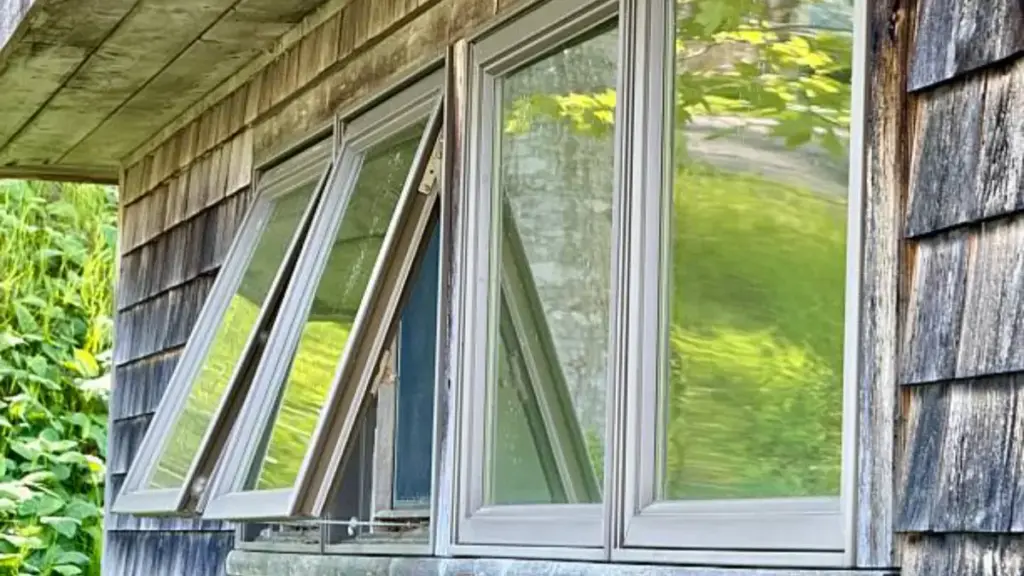
Push-out casement windows are side-hinged units that open manually without a crank. They provide unobstructed sightlines and rely on friction hinges to maintain their open position securely.
Push-out windows solve specific architectural challenges where traditional protruding hardware might fail.
- Direct Operation: A side turn-and-push handle replaces the bottom crank. You simply unlatch and push, much like a standard door.
- Clean Sightlines: The absence of a base crank mechanism creates a visually minimal interior, perfect for ultra-slim aluminum profiles.
- Friction Hinges: These internal stays hold the window at the desired angle, preventing wind gusts from slamming the sash shut.
- Integrated Retractable Screens: Often paired with screens that roll away into the frame, maintaining the “hardware-free” Aspetto.
High-Performance Casement Windows For Global Projects
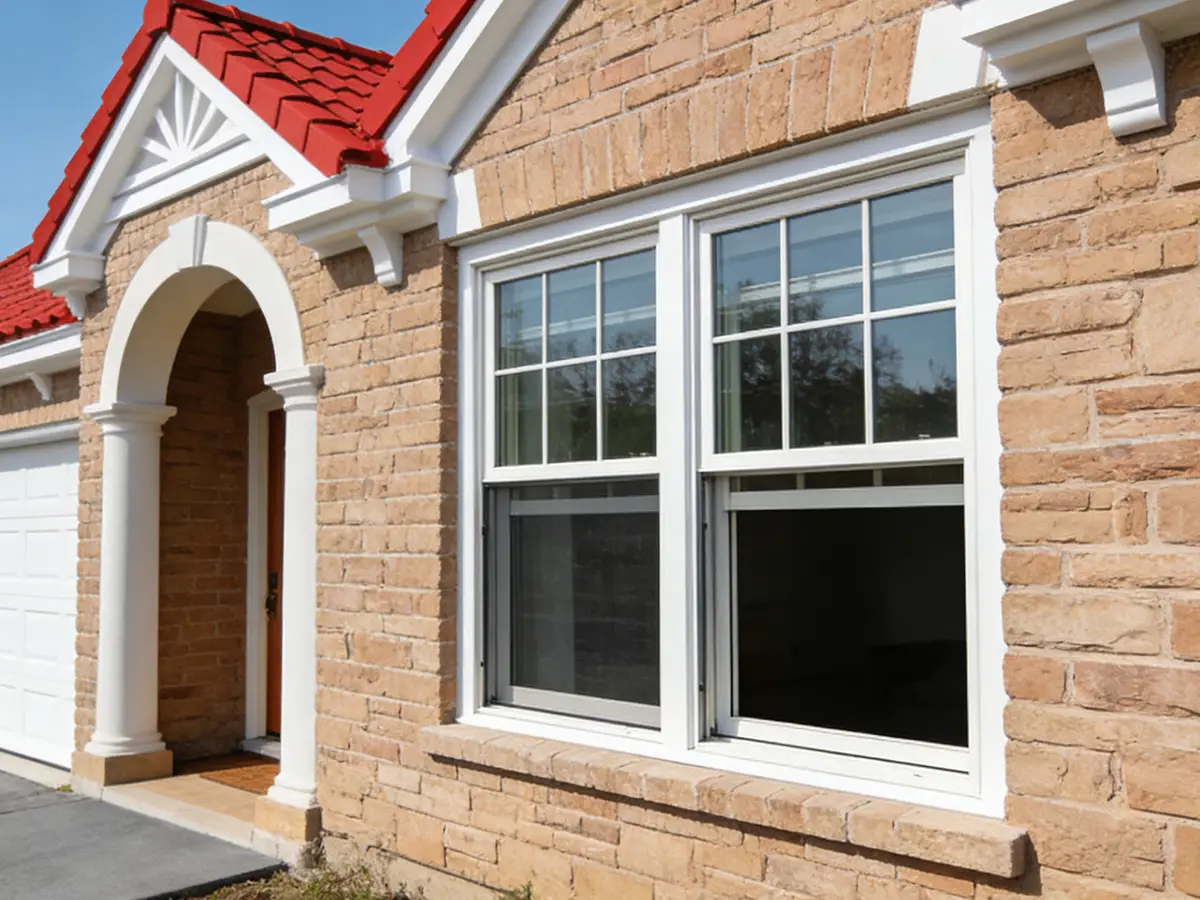
Key Differences Between Crank-Out and Push-Out Casement Windows
Crank-out windows offer precise ventilation control and cost 20% less, while push-out models provide a premium, minimalist aesthetic with simpler manual operation.
Operation and Mechanical Complexity
The mechanical simplicity of the push-out design means fewer parts can wear out or bind over time. Tuttavia, the crank mechanism provides significant leverage, making it the better choice for large, heavy triple-pane sashes.
- Crank-Out Hardware: Uses rotary handles, internal gears, and bottom-mounted tracks to control the sash movement.
- Push-Out Hardware: Relies on friction hinges, casement stays, and simple locking fasteners to hold the window open.
- Requisiti di manutenzione: Crank systems require periodic gear inspection and lubrication, while push-out hinges need basic wiping and tension adjustments.
Cost and Performance Metrics
Both styles deliver excellent energy efficiency. They utilize compression seals that lock tightly against the frame to block air infiltration and drafts. The main divergence lies in the price tag and market positioning. Crank-out models are the industry standard and typically cost 20% less than their push-out counterparts.
Manufacturers position push-out windows as premium upgrades. The specialized friction hinges and streamlined frames command higher prices, but buyers often accept this premium for the visual benefits and simplified manual operation.
Space Planning and Ergonomics
Select crank mechanisms when users need precise ventilation control or have deep reach barriers. Specify push-out hardware when clean aesthetics and immediate manual operation take priority.
- Deep Countertops: Crank models excel above kitchen sinks because turning a handle requires less reach and leaning than physically pushing a sash.
- Tight Interior Clearances: Push-out windows work best where interior space is constrained since no crank hardware protrudes into the room.
- Screen Placement: Push-out models often utilize retractable screens housed in the frame, while crank models use standard removable interior screens.
Performance and Efficiency Comparison
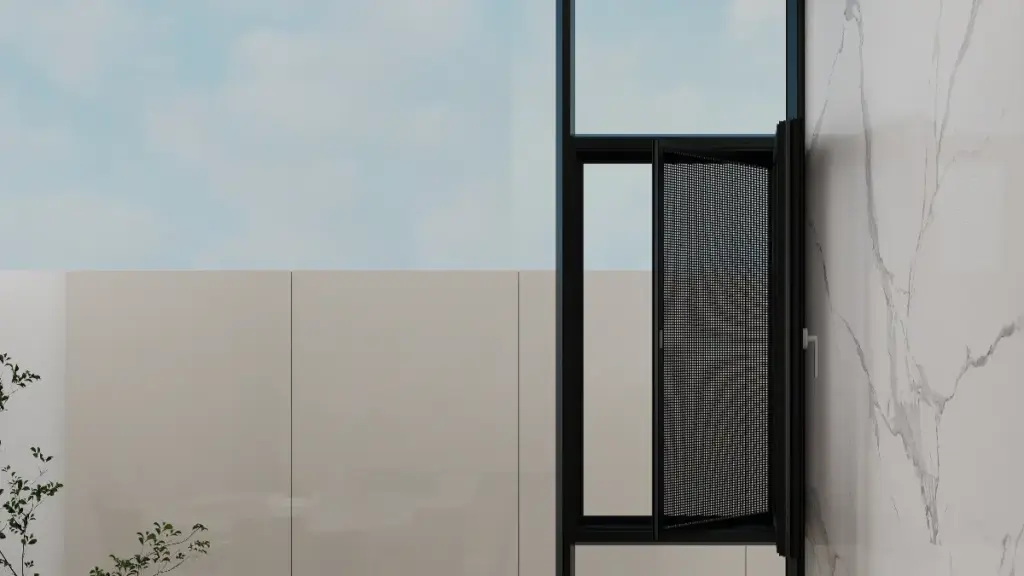
Entrambi casement types deliver exceptional energy efficiency via tight compression seals. Crank-out models maximize airflow, while push-out designs prioritize effortless operation and moderate ventilation.
Energy and Airflow Capabilities
Both window styles create airtight seals when closed, actively reducing facility heating and cooling costs. The structural design forces the sash against the frame, outperforming standard sliding windows in thermal retention.
Crank-out windows rely on a perimeter compression seal to stop air leaks. Turning the handle opens the sash to a full 90-degree angle, giving you maximum fresh air intake. This setup serves spaces demanding rapid, ventilazione ad alto volume.
Push-out designs take a different approach. They deliver moderate airflow and require almost zero physical effort to open. You simply unlatch the hardware and push the sash outward, bypassing the mechanical gear system entirely.
Hardware and Insulation Standards
Hardware selection directly dictates a window’s thermal and acoustic performance. Equipping either casement style with multi-point locking mechanisms secures the sash tightly at multiple locations along the frame. This continuous pressure ensures premium insulation that meets strict commercial building codes.
Manufacturers customize these window systems to match specific regional climates. You can specify thermal break profiles and specialized glass configurations to block external heat transfer effectively.
Integrating these structural components guarantees superior thermal comfort and sound dampening for both residential and commercial applications. The combination of heavy-duty locks, targeted glazing, and engineered profiles creates an impenetrable barrier against outside noise and extreme weather.
Aesthetic and Design Considerations
Push-out windows deliver a minimalist, modern look by hiding mechanisms, while crank-out models display hand cranks that complement traditional or transitional architecture.
Visual Hardware Profiles
Visible mechanical components directly dictate a window’s architectural fit. Push-out windows rely on a simplified push mechanism that eliminates bulky hardware from the frame interior. This approach creates the clean, unobstructed sightlines required for minimalist, case contemporanee.
Crank-out windows display prominent hand crank apparatuses. Instead of hiding the mechanics, this visible hardware adds distinct character that pairs naturally with classical and traditional architectural styles.
Integrating Ultra-Slim Aluminum Frames
Frame selection amplifies the visual impact of the operating mechanism. Custom window systems built with ultra-slim aluminum profiles push the streamlined aesthetic of crankless windows even further. By removing the visible hardware, the ultra-slim frame itself becomes the architectural focal point.
Designers use these custom configurations to match strict building demands. Minimalist aluminum-wood hybrid structures allow builders to maintain a uniform visual appeal across the exterior while matching interior finishes. The combination of a push-out mechanism and a low-profile frame maximizes the glass area and eliminates visual distractions.
Confronto dei costi: Crank-Out vs. Push-Out
Crank-out windows require a higher upfront investment due to complex hardware, but both styles deliver strong long-term energy savings that offset initial purchase prices.
Initial Hardware and Installation Expenses
The upfront cost difference between these two window types comes down to mechanical complexity and component counts.
- Crank-Out Hardware: Demands heavy-duty hinges, rotary hand-crank handles, and advanced compression seals. This specialized hardware pushes average installed costs to approximately $871 per unità.
- Push-Out Hardware: Relies on simpler friction hinges and manual cam handles. Removing the rotary mechanisms reduces the total number of moving parts, lowering the baseline manufacturing cost.
Lifecycle Value and Thermal Performance Adjustments
Initial price tags only outline the starting investment. Crank-out systems actively pull the sash tightly against the weatherstripping upon closure. This mechanical action creates a superior airtight seal that generates 15 A 25% in energy savings, directly reducing monthly heating and cooling bills over the building’s lifespan.
Builders and project managers optimize these long-term returns through targeted custom specifications. Integrating configurations like OPUOMEN’s F16 series with specialized thermal break profiles and insulated glass maximizes the cost-performance ratio. Specifying these exact thermal upgrades ensures mid-to-high-end residential projects hit their energy targets without wasting capital on over-engineered frames.
Quale Finestra a battente is Best for Your Project?
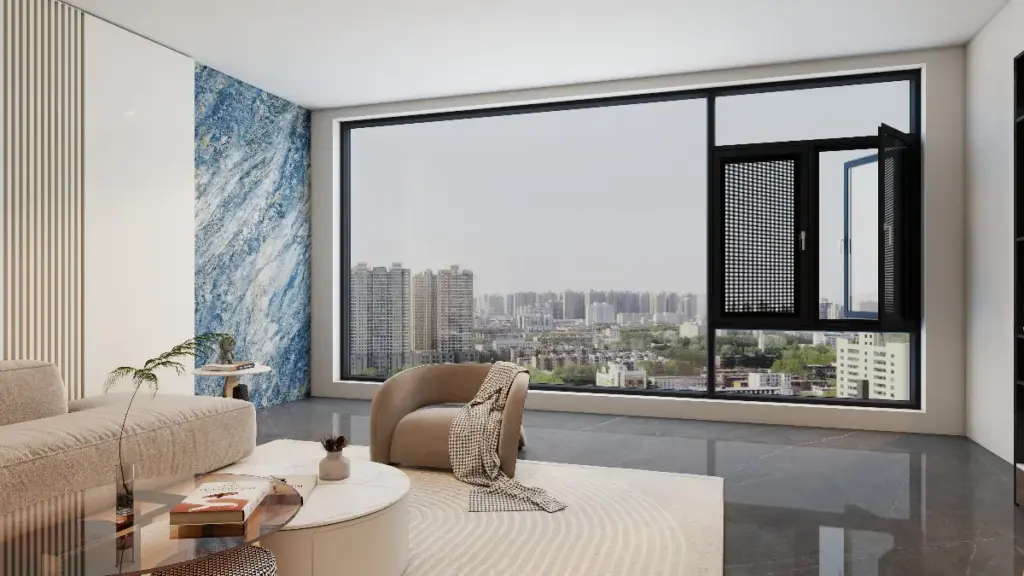
Your choice depends on space constraints and airflow needs. Crank mechanisms offer precise control and accessibility, while push-out designs deliver clean lines and mechanical simplicity.
Assessing Ventilation and Space Requirements
Room layout directly dictates your window selection. Push-out designs sit flush and completely eliminate the need for interior crank handle clearance. This makes them highly effective for tight architectural footprints or projects prioritizing unobstructed sight lines.
Prossimo, evaluate the specific airflow requirements of the room. The operating mechanism determines how users manage daily ventilation:
- Crank-operated systems: Deliver adjustable, controlled opening degrees for precise airflow management, especially useful in kitchens and bathrooms.
- Push-out frames: Swing open manually without protruding hardware, maximizing the immediate opening area but lacking geared micro-adjustments.
Evaluating Hardware Maintenance and Accessibility
Long-term usability requires balancing mechanical simplicity with physical accessibility. Push-out frames rely on minimal mechanical components. This streamlined design significantly reduces the routine maintenance and potential hardware failure associated with traditional crank gears and folding handles.
Physical accessibility often overrides maintenance concerns. You must assess the mobility needs of the end-user when specifying window hardware:
- Crank operators: Accommodate users with limited physical mobility. The gear ratio requires minimal force to turn the handle, making it easy to open windows in hard-to-reach areas.
- Push-out operation: Demands direct manual force to push the sash outward and pull it closed. This requires a stable stance and reach, which challenges users operating windows across wide countertops or deep sinks.
Considerazioni finali
Choosing the right casement mechanism is essential for balancing project margins with long-term durability. Whether you specify a heavy-duty crank-out system for ergonomic reach or a premium push-out hinge for minimalist aesthetics, Opuo ensures your build remains energy-efficient and weather-resistant.
Our high-performance aluminum profiles eliminate mechanical binding and costly maintenance callbacks. Stop compromising on hardware quality—contact the OPUOMEN engineering team today to secure the ideal window solution and elevate your next project’s structural integrity.
Domande frequenti
Che è meglio: push-out or crank-out casement windows?
Your daily needs dictate the best choice. Crank-out windows cost less and give you precise ventilation control, but their mechanical gears wear out over time. Push-out windows deliver a simpler manual operation and often include integrated retractable screens. Both styles guarantee excellent energy efficiency and airflow.
Why are crank casement windows common in North America?
Crank windows deliver high energy efficiency through a tight compression seal. This design appeals to buyers who want fresh air combined with robust protection against harsh weather. The crank mechanism also lets users easily open windows in hard-to-reach places like above kitchen sinks.
Can I convert my crank window into a push-out system?
NO, you cannot swap these mechanisms. Push-out and crank windows rely on entirely different structural designs. If you want a push-out style, you must replace the entire window unit. You can easily replace a broken crank handle, but that simply maintains the existing operating system.
Do standard fly screens fit on push-out windows?
Traditional fixed screens fail on push-out windows because the outward-swinging sash hits the screen frame. To block insects, you need retractable flyscreens that roll into side tracks or specially hinged screens built specifically for outward-opening window frames.
Which casement window performs best in high-wind areas?
Out-swing, crank-operated casement windows excel in high-wind zones because they use a compression seal. As wind blows against the building, the pressure forces the window sash tighter against the frame. This action creates a highly effective airtight and watertight barrier against severe storms.
Are push-out casement windows harder to open than crank windows?
Push-out windows actually require less effort. You simply unlatch the handle and push the sash outward. This direct motion bypasses the repetitive twisting of a mechanical crank handle. Push-out designs use friction stays to securely hold the window open with minimal manual force.