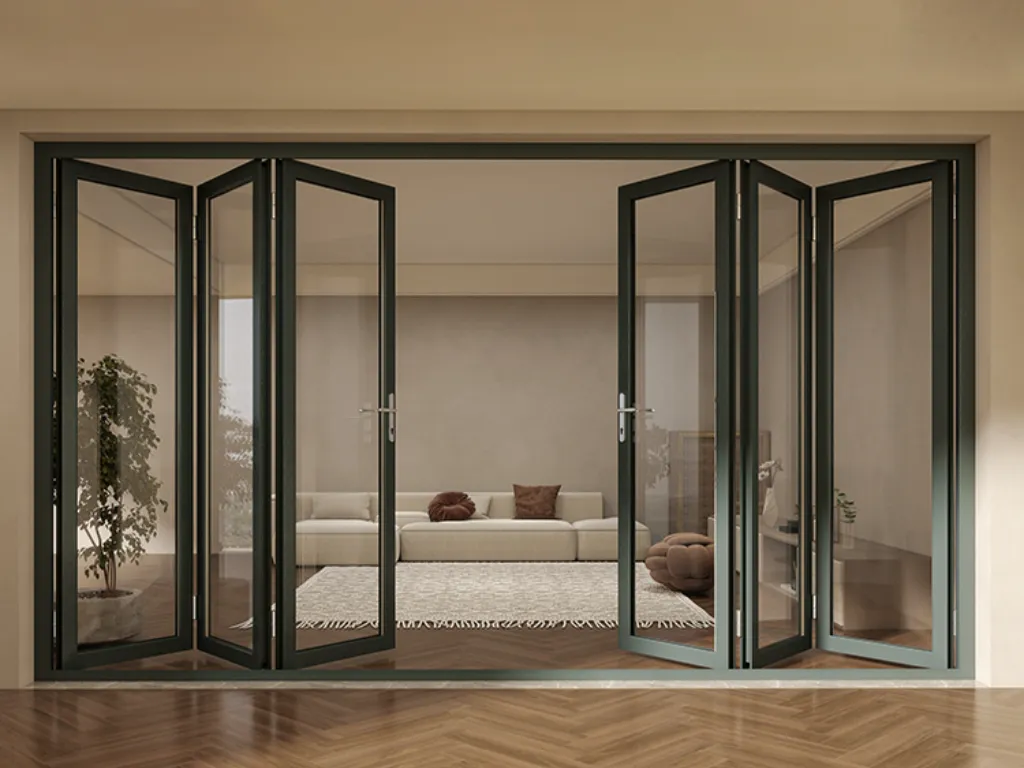
에너지 효율적인 알루미늄 도어를 EU 및 미국으로 수출하려면 엄격한 에너지 규정 준수 표준을 준수해야 합니다.. EU의 Ud와 같은 목표를 가지고 (W/m²K) 그리고 미국의 U-factor (BTU/h·ft²·°F), 이러한 요구 사항을 놓치면 비용이 많이 드는 지연이 발생할 수 있습니다.
이 가이드에서는 규정 준수의 핵심 요소를 다룹니다., 열 차단 구조의 역할을 포함하여, 고성능 글레이징, 그리고 적절한 설치 기술. 또한 북미 시장을 위한 NAFS와 같은 필수 인증을 강조합니다., 제조업체가 글로벌 에너지 효율 표준을 충족하고 수출 프로젝트를 성공적으로 수행하도록 보장.
필수 에너지 표준은 무엇입니까 (U-가치) EU/US 도어용?
EU에서는, 외부 도어의 에너지 효율성은 EPBD에 따라 결정됩니다. (개주 2024), 필수 열 성능 표준을 충족해야 함 2026. 열관류율 (우드) EN ISO 10077‑1에 따라 계산됩니다., 일반적인 규제 대상에는 다음이 포함됩니다. 1.2 주거용 및 주거용 W/m²K 1.4 상업용 도어용 W/m²K. 폴란드의 nZEB 규정은 최대 Ud를 지정합니다. 1.3 W/m²K. 고성능 도어는 0.60–1.10 W/m²K만큼 낮은 값을 달성할 수 있습니다..
미국에서는, U-인자 (BTU/h·ft²·°F) 사용된다, NFRC 및 IECC가 주도하는 규정 준수, 기후대에 따라 다름. Energy Star와 같은 자발적 표준은 주거용 불투명 도어에 대해 U-계수를 0.17~0.25 사이로 설정합니다.. 유럽 사양 도어는 U-팩터에 도달할 수 있습니다. 0.15, 미국의 여러 최소 요구 사항을 능가함. 아래 표에는 규정 준수 문서에 대한 EU의 Ud와 미국의 U-요인 간의 차이점이 요약되어 있습니다..
| 측면 | 유럽연합 (EU) 표준 | 미국 (우리를) 표준 |
|---|---|---|
| 미터법 & 단위 | 우드 (열관류율) W/m²K 단위 | U 계수(BTU/h·ft²·°F) |
| 계산 / 평가 방법론 | EN ISO 10077-1 (열관류 계산을 위해) | 전국 창호 등급 위원회 (NFRC) 방법론 |
| 규제 프레임워크 / 시행 | EPBD (개주 2024), 국가 nZEB/ZEB 건물 코드 | 국제 에너지 보존 코드 (IECC), 주 건축법 |
| 제품표준 / 선언 | EN 14351-1 (Ud 선언이 필요합니다) | NFRC 등급을 통한 규정 준수, 에너지스타 자원봉사 프로그램 |
| 일반적인 규제 대상 | 1.4W/m²K (산업/상업), 1.2W/m²K (주거) ~에 의해 2026. 폴란드: 최대 1.3 W/m²K (~에서 2021). | 기후대에 따라 다름 (IECC). 에너지스타: 예를 들어, 0.17–0.25 주거용 불투명 도어의 U-계수. |
| 고효율 성능 | 0.60–1.10W/m²K (에너지 효율적인 건물을 위한) | 최저 ~0.15 BTU/h·ft²·°F (유럽 사양 도어로 달성 가능) |
열 차단 구조는 어떻게 에너지 손실을 방지합니까??
열 차단은 열 전달의 전도성 경로를 방해하여 에너지 효율을 향상시키는 데 필수적입니다.. 알루미늄 프레임과 같은 전도성이 높은 요소에 낮은 전도성 재료를 삽입하여, 열 차단은 열교를 줄이고 열 손실을 최소화합니다..
열교의 원리: 열 흐름을 방해
열 차단 장치는 내부에서 외부로의 급격한 열 방출을 방지합니다., 에너지 비용을 절감하고 결로를 방지하는 데 도움이 됩니다., 곰팡이 위험 감소. 폴리스티렌 폼과 같은 전도성이 낮은 재료, 열경화성 폴리우레탄, 및 유리 섬유는 열 흐름을 크게 제한하면서 구조적 무결성을 유지하는 데 사용됩니다..
성능 및 재료 사양
단열재의 최소 두께는 다음과 같아야 합니다. 1 인치로 상당한 열 손실 감소 달성. 폴리스티렌 폼, 예를 들어, ~이다 98% 콘크리트보다 전도성이 낮음, 스테인레스 스틸 철근은 67% 탄소강보다 전도성이 낮음. 열 차단은 열 손실을 최대로 줄일 수 있습니다. 90% 구체적인 응용 분야 및 최대 50% 강철 대 강철 시스템에서.
열차단 성능은 열전도도로 측정됩니다. (케이) 또는 내열성 (아르 자형) 가치. 관련 ASTM 표준, C177을 포함하여 (열전도도) 그리고 D1621 (압축 강도), LEED 및 패시브 하우스와 같은 건축 법규 및 인증 준수 보장.
열 장벽용 재료 선택 비교
열 장벽용 재료를 선택할 때 알루미늄 문, 여러 옵션은 성능 요구 사항 및 애플리케이션 유형에 따라 고유한 이점을 제공합니다..
폴리우레탄
폴리우레탄은 북미 지역에서 지배적인 선택입니다., 초과하는 시장 점유율로 90% 알루미늄 창문에. U-값을 감소시키는 데 매우 효과적입니다., 종종 아래의 성과를 달성합니다. 2.2 로이 단열유리 유닛과 결합 시 W/m²·K. 폴리우레탄은 구조적 무결성을 손상시키지 않으면서 강력한 단열이 필요한 용도에 특히 적합합니다..
폴리아미드 스트립
폴리아미드 스트립은 폴리우레탄의 일반적인 대안입니다., 특히 북미 이외의 지역에서는. 이 스트립은 전도성 열 경로를 차단하고 열 성능을 향상시키기 위해 알루미늄 프로파일에 삽입됩니다.. 폴리아미드는 알루미늄 창문과 문에 에너지 효율적인 열 차단을 생성하는 데 널리 사용됩니다., 성능과 비용 사이의 균형 제공.
이트리아 안정화 지르코니아 (YSZ)
극한 온도 응용 분야용, 이트리아 안정화 지르코니아와 같은 세라믹 (YSZ) 예외적이다. YSZ는 뛰어난 단열성을 제공합니다., ~에 이르는 열전도율을 지닌 1.3 에게 1.7 100-900°C에서 W/m·K, 그리고 높은 열충격 저항성을 가지고 있습니다.. 주로 가스터빈, 디젤엔진 등 고온산업에 사용되지만, 우수한 내열성과 안정성이 요구되는 특수 건축 응용 분야에 유용할 수 있습니다..
프리미엄 알루미늄을 위한 파트너 & 알루미늄-목재 시스템
어떻게 유리 선택 (Low-E, 아르곤) 충격에너지 성과?
낮은 E. 코팅: 향상된 단열을 위한 열 반사
Low-E (낮은 방사율) 코팅은 매우 얇은 금속층입니다., 약 500 사람 머리카락보다 몇 배 더 얇은, 장파 적외선을 반사하도록 설계되었습니다.. 이는 유리를 통한 열 전달을 줄이는 데 도움이 됩니다.. 복사열을 내부로 반사시켜, Low-E 코팅으로 단열 성능을 향상하고 에너지 소비를 줄입니다.. 그들은 특히 효과적입니다:
- U-인자를 0.40–0.50에서 줄이기 (표준 이중창) 0.20~0.30으로 (ENERGY STAR 최대 효율).
- 반영 40-70% 전달된 열의, 단일창에 비해 30~50% 에너지 절감 효과.
아르곤 가스: 유리판 사이의 단열 강화
아르곤 가스, 무색, 무취의 불활성 기체, 단열 유리 장치의 창 사이에 밀봉되어 있습니다. (IGU). 유리층 사이의 대류 열 전달을 줄이는 데 도움이 됩니다., 전반적인 열 효율 개선. Low-E 코팅과 아르곤 가스의 조합은 열 전달의 세 가지 형태인 전도를 모두 해결합니다., 전달, 및 방사선—우수한 에너지 성능 보장.
성능 지표: U-인자 및 태양열 취득 계수 (SHGC)
- U-팩터: Low-E 코팅은 U-인자를 줄이는 데 도움이 됩니다., 열 전달을 측정하는 것, 단열 개선. 표준 이중창 유리의 U-계수는 일반적으로 0.40~0.50 범위입니다., Low-E 유리는 이를 0.20~0.30으로 줄일 수 있습니다..
- SHGC (태양열 취득 계수): Low-E 유리는 SHGC도 향상시킬 수 있습니다., 창문을 통해 들어오는 태양열의 양을 측정하는 것입니다.. Low-E 코팅 적용, SHGC는 0.25–0.40으로 개선됩니다., 더 나은 태양열 제어 및 냉각 부하 감소.
기후별 애플리케이션을 위한 전략적 배치
Low-E 코팅은 특정 유리 표면에 전략적으로 배치되어 기후 요구 사항에 따라 에너지 성능을 최적화할 수 있습니다.:
- 따뜻한 기후에서, 표면에 Low-E를 배치하면 단파 태양 에너지를 거부하는 데 도움이 됩니다., 냉각 비용 절감.
- 추운 기후에서, 표면에 Low-E를 배치하면 건물 내부의 열을 유지하는 데 도움이 됩니다..
추가 혜택: Low-E 폭풍 패널
이중창 위에 Low-E 폭풍 패널을 추가하면 에너지 효율성이 더욱 향상될 수 있습니다.:
- U-factor를 43~57%까지 줄일 수 있습니다..
- SHGC를 17~28%까지 줄일 수 있습니다., 전반적인 열 성능 개선 및 에너지 비용 절감.
열 등급 달성을 위한 설치의 역할
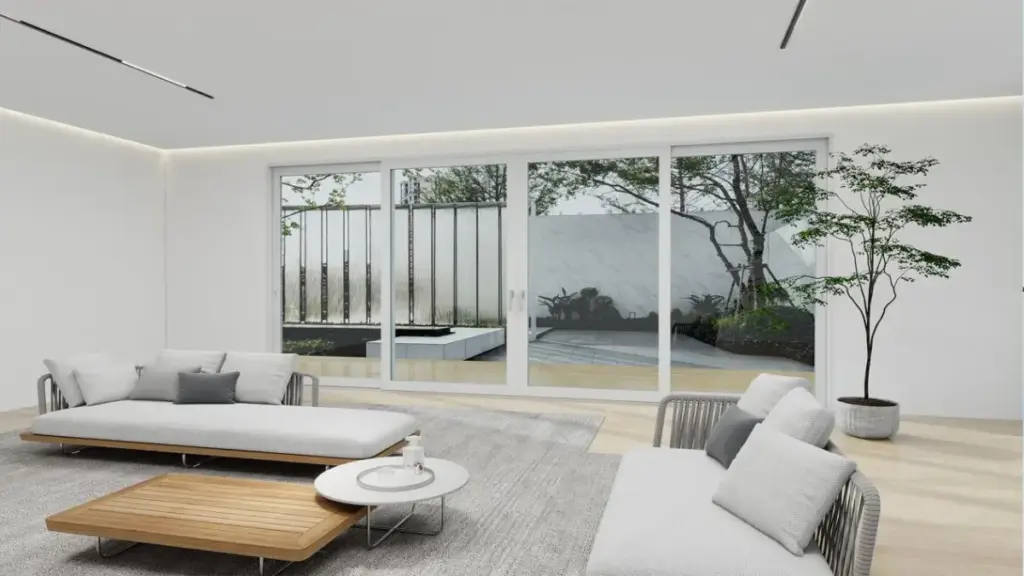
알루미늄 도어가 정격 열 성능을 유지하려면 올바른 설치가 중요합니다.. 열악한 설치 관행, 얼굴 교정과 같은, 부적절한 주변 밀봉, 또는 부적절한 개스킷 압축, 열교 및 공기 누출이 발생할 수 있습니다., 이는 열 손실을 극적으로 증가시키고 도어의 에너지 효율성을 저하시킵니다..
인증된 열 성능에 대한 설치의 영향
열 등급, NFRC 또는 ASHRAE의 제품과 같은, 이상적인 조건을 기반으로 합니다., 올바른 설치를 가정하면. 제대로 설치되지 않은 경우, 효과적인 열 성능이 저하될 수 있습니다.:
- 얼굴 수정: 기존의 얼굴 고정 설치에서는 프레임이 더 많이 노출됩니다., 매립형 또는 중앙 고정식 방법에 비해 열 손실이 증가하고 유효 R-값이 감소합니다..
- 주변 단열: 제대로 밀봉되지 않은 프레임과 주변 단열재의 틈으로 인해 열 손실이 발생할 수 있습니다., U-인자에 W/m²·K의 수십분의 1을 추가합니다., 공칭 U-값이 준수되는 경우에도.
- 공기 누출: 부적절한 밀봉으로 인해 프레임을 통한 공기 누출이 발생할 수 있습니다., 개스킷, 및 임계값, 열 손실이 크게 증가하고 열 성능이 저하됩니다..
열쇠 설치 관행 성능 극대화를 위한
- 중앙 고정형 또는 매립형 설치: 도어 프레임을 벽의 단열층과 정렬하면 프레임-벽 경계면에서 열교가 최소화되고 R 값이 테스트된 값에 가깝게 유지됩니다..
- 연속 밀봉: Aluminco D90과 같은 고성능 시스템은 지속적인, 기밀성을 보장하고 지정된 열 값을 유지하기 위해 적절하게 압축된 EPDM 개스킷.
- 노출된 프레임 최소화: ASHRAE와 같은 엄격한 표준을 충족하기 위해 90.1 (유 ≤ 0.5 추운 기후의 불투명 알루미늄 도어용 W/m²·K), 설치 시 노출된 프레임 영역을 최소화하고 필요한 경우 열에 의해 파손된 서브 프레임을 통합해야 합니다..
다양한 기후에 적합한 알루미늄 도어 설계
알루미늄 도어 두께 기후 조건에 따라 다름. 온대 지역의 경우, 문은 일반적으로 두께가 2mm에서 3mm 사이입니다.. 극한 기후에서, 도어가 더 두껍습니다(덥거나 추운 지역의 경우 4mm ~ 5mm)., 산업 또는 높은 보안 애플리케이션을 위한 6mm+. 맞춤형 엔지니어링으로 최적의 열 성능과 구조적 무결성 보장, 지역 규정 및 편의 요구 사항 충족
- 더운 기후: 104°F가 넘는 지역의 경우 (40℃), 열 차단을 포함하다, Low-E 코팅, 및 절연 유리 유닛 (IGU) ASHRAE에 따라 U-인자 및 SHGC를 관리하기 위해 아르곤 가스 사용 90.1.
- 추운 기후: 추운 지역에서는 (ASHRAE 구역 5-8), 낮은 U-팩터 달성 (예를 들어, 스윙 도어의 경우 ≤0.50) 열 손실을 제한하기 위해.
- 바람이 많이 부는 지역: 문이 ASTM E330 구조 테스트를 받도록 하세요., 충격 방지 유리와 폭풍 복원력을 위한 다중 잠금 장치 포함.
- 습한/해안 지역: 자외선 방지 사용, 부식 방지 마감 처리 및 방수 표준 충족 (ASTM E283/E547).
북미 시장 진출 성능 인증
북미시장 진출을 위해, 알루미늄 문과 창문은 특정 성능 표준을 충족해야 합니다.. 주요 인증에는 다음이 포함됩니다.:
- NAFS (AAMA/WDMA/CSA 101/I.S.2/A440): 미국과 캐나다의 외부 문과 창문에 대한 핵심 성능 표준, 유럽의 EN 14351-1과 유사. 제품 라벨링을 의무화합니다., 제품이 요구되는 열을 충족하는지 확인, 구조적, 및 운영 기준.
- NAFS-08 및 CSA A440S1-09 (캐나다): 캐나다 시장 진출을 위해, 문은 NAFS를 준수해야 합니다-08 및 CSA A440S1-09, 지역 건축 법규를 준수하는지 확인.
- 테스트 실험실: 모든 NAFS 테스트는 AAMA 승인 또는 인증 기관 등록 연구소에서 수행되어야 합니다., UL과 같은, 인터텍, 및 키스톤. ift 로젠하임 (독일) UL과 협력하여 NAFS 테스트도 수행, 국제적으로 인정되는 보고서 제공.
- 아마마 930 (도어 하드웨어): NAFS-08/11 참고자료 AAMA 930, 전반적인 시스템 규정 준수를 보장하기 위해 도어 하드웨어에 대한 테스트 요구 사항 지정.
- 경영시스템 인증: 제조업체는 종종 ISO를 채택합니다. 9001 (품질 관리), ISO 14001 (환경 관리), ISO 45001 (산업 보건 및 안전) 일관된 제품 품질과 운영 효율성을 위해.
- 알루미늄 관리 이니셔티브 (하지만) 성능기준: 알루미늄 제품의 책임 있는 소싱 보장, 북미 지역의 지속 가능한 건축 관행에 점점 더 중요해지고 있습니다..
최종 생각
글로벌 시장에서 알루미늄 도어의 에너지 규정 준수를 달성하려면 열 성능에 대한 깊은 이해가 필요합니다., EU의 Ud 기준을 준수하는 것부터 미국의 U-factor를 준수하는 것까지. 고급 열 차단 시스템 통합, 유리 선택 최적화, 특정 기후에 맞게 설계를 조정하는 것이 성공을 위해 매우 중요합니다.. 제조업체는 고품질 소재에 집중해야 합니다., 정확한 설치 관행, 진화하는 에너지 효율성 요구 사항을 충족하기 위한 NAFS와 같은 인증.
지속 가능한 건축 솔루션을 선도하고자 하는 기업을 위한, opuo 규정 준수를 보장하는 우수한 알루미늄 도어 시스템 제공, 성능, 그리고 내구성. 지금 당사의 솔루션을 살펴보고 글로벌 시장에서 앞서 나가십시오..
자주 묻는 질문
패시브하우스 인증 도어에 필요한 최소 열 차단 폭은 얼마입니까??
패시브하우스 기준에는 단일한 '최소 열 차단 폭'이 없습니다.. 하지만, 패시브 하우스 수준 U 값을 달성하는 열 파손 알루미늄/강철 도어 시스템은 일반적으로 13~25mm 범위의 폴리아미드 또는 유사한 열 차단 장치를 사용합니다. (심한 구조적 파손 시 최대 50mm). 인증된 패시브 등급 알루미늄/강철 문과 창문의 전체 프레임 깊이는 일반적으로 약 90~104mm입니다.. 패시브 하우스 수준의 문은 일반적으로 UD를 달성해야 합니다. (또는 Windows의 경우 Uw) 0.80W/m²K 이하.
알루미늄 도어의 외부 표면 온도는 내부 온도와 어떤 상관 관계가 있습니까??
알루미늄 도어의 외부 표면 온도는 내부 표면 온도를 직접적으로 나타내지 않습니다.. 대신에, 프레임 U-값 및 열 차단 설계로 패시브 하우스 기준을 충족하도록 내부 표면 온도를 제어합니다., 중요한 내부 표면 온도 요소를 보장하고 설계 겨울철 조건에서 표면 온도를 ~17~18°C 미만으로 방지합니다..
도어의 U-Value가 공인 연구소에서 테스트되었음을 입증하는 문서는 무엇입니까??
문의 U-값이 공인된 실험실에서 테스트되었음을 증명하기 위해, 지정자는 인증/인정 기관에서 테스트 및 인증 문서를 찾아야 합니다., EN 14351-1과 같은 / 안에 10077 / ISO 10077 또는 NFRC 테스트 보고서. 패시브하우스 프로젝트의 경우, 패시브 하우스 연구소의 부품 인증서 (피(PHI)) 필수, Uf/Uw/UD 값과 테스트 기관 세부 정보가 포함된 "부품 인증서 - 패시브 하우스에 적합한 부품" 포함.
미니멀한 프레임 디자인의 도어가 여전히 낮은 U-Value를 달성할 수 있습니까??
예, 매우 슬림하고 미니멀한 프레임 디자인의 도어는 여전히 낮은 U 값을 달성할 수 있습니다.. 이는 좁은 시야선과 깊은 단열 프로파일 및 고성능 삼중 유리를 결합한 열 파괴 강철 및 알루미늄 시스템으로 입증됩니다., 전체 창문/도어 U-팩터를 ≥0.8W/m²K까지 달성, 패시브하우스 요구사항에 적합.