Choosing the right pocket door guide helps keep the door stable as it slides and prevents it from rubbing against the jamb or wall. Because most pocket doors are supported by rollers on the overhead track, the bottom guide keeps the door from moving from side to side and helps reduce unnecessary stress on the hardware.
This guide compares floor-mounted blade and T-style guides with jamb-mounted options. It covers the basic door preparation, mounting requirements, and clearance adjustments needed to keep the door moving smoothly and stay properly aligned.
Pocket Door Guides and Their Main Purpose
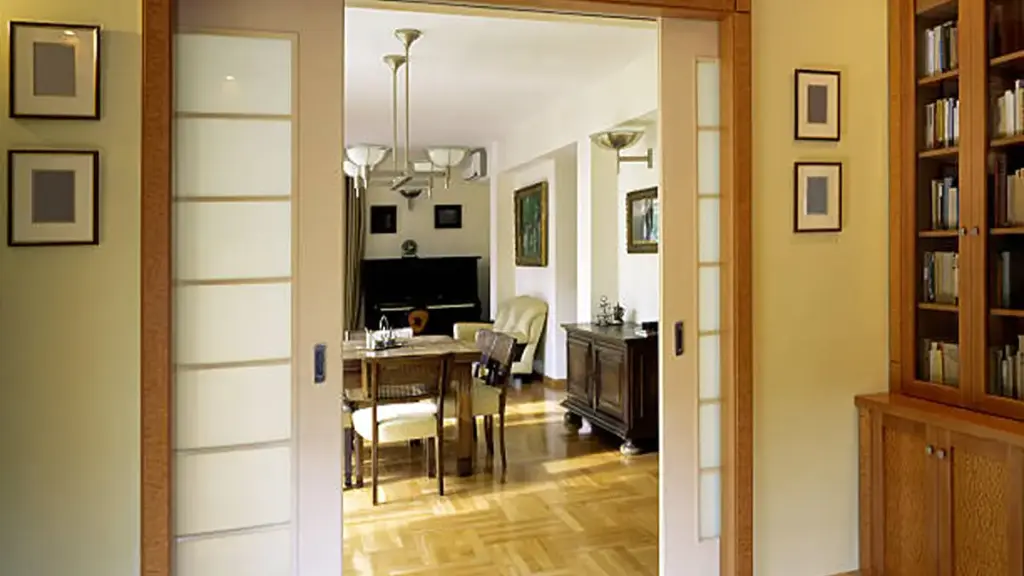
Bottom guides keep pocket doors stable, aligned, and silent. They eliminate lateral sway and prevent split jamb scraping without supporting any vertical door weight.
Core Functions and Structural Role of Bottom Guides
Top-hung pocket doors hang from rollers on an overhead track, leaving the bottom edge unsecured. Without a bottom guide, the door can swing from side to side as it moves, which may cause it to rub against the jambs or other parts of the pocket frame.
- Pendulum Control: Stopping lateral sway, torcendo, and side-to-side wobble during normal door operation.
- Surface Protection: Preventing the sliding panel from rubbing or scraping against split jambs, pocket framing, and wall finishes.
- Side-load Control: Limiting side-to-side movement helps reduce unnecessary stress on the door hangers and track during operation.
- Redução de ruído: Keeping the door centered can help reduce rattling and unwanted movement as the door slides.
Because the overhead track and hangers carry the door’s vertical weight, the bottom guide is primarily used to control lateral movement and keep the door aligned.
Hardware Configurations and Installation Requirements
Specifying the correct guide configuration depends on the door’s thickness, thickness variations, peso, and the required aesthetics of the finished opening.
- Blade vs. Hugging Guides: Choosing floor-mounted blades that ride hidden inside a bottom door groove, or opting for jamb-mounted U-guides that clasp the door faces under the casing.
- Door Mortising: Some floor-mounted guides require a straight groove or kerf in the bottom of the door. The required width and depth vary by guide, so follow the hardware manufacturer’s installation dimensions.
- Clearance Adjustment: Adjust the guide so it keeps the door centered without pinching the door or creating unnecessary friction.
- Heavy-Duty Guides: For heavier or higher-use doors, choose a guide designed for the door’s weight and construction. Some systems use a rigid metal guide or guide post that engages a groove in the bottom of the door.
Proper alignment means positioning the bottom guide so it keeps the door centered and plumb throughout its travel. Follow the pocket-door frame manufacturer’s layout and mounting instructions for the exact guide location. Installers secure the hardware directly to a solid wood subfloor or concrete substrate to ensure the panel tracks straight over years of use.
Floor-Mounted Pocket Door Guide Options
Floor-mounted guides provide the bottom restraint needed to reduce pocket door wobble, excessive lateral movement, and split-jamb scraping during operation.
Primary Design Profiles and Configuration Types
Bottom guidance prevents your pocket door from behaving like a swinging pendulum. Selecting the right hardware profile ensures the door slab travels along a true vertical plane without rubbing the pocket frame.
- Exposed Floor-Mounted Guides: These guides are secured to the floor or subfloor near the pocket opening and work with the bottom of the door to limit side-to-side movement. They use a low-profile steel bracket with nylon or plastic tips to minimize friction on standard 1-3/8 inch doors.
- Jamb-Mounted Guides: These guides attach to the split jambs, usually beneath the finished trim, and hold the door centered as it enters and leaves the pocket. Door-thickness compatibility varies by model.
- T-Style and Kerf-Engaging Options: These guides require a groove or kerf in the bottom of the door and are secured to the floor with fasteners suited to the substrate, such as wood screws or masonry fasteners. When properly installed, the guide remains concealed beneath the door for a clean, unobtrusive finish.
- Hidden Integrated Guides: These units lock inside heavy-duty pocket door frame systems behind the jambs. They secure wider or heavier slabs without requiring any exposed hardware on the finished threshold.
Matching the guide to the door’s weight, grossura, and aesthetic requirements can help reduce premature wear. Heavier doors may benefit from a more robust floor-mounted or hidden guide, while exposed or jamb-mounted options can be useful for simpler installations and some retrofit projects.
Installation Dynamics and System Integration Requirements
A pocket door system relies on precise geometry. If your track is level but your bottom guide sits off-center, the door will bind, scrape the drywall, or chew through its rollers.
- Door Preparation and Kerf Alignment: If the guide requires a bottom groove or kerf, route it straight and centered according to the guide manufacturer’s dimensions. The required clearance between the door and finished floor also varies by the pocket-door system, so accurate interior door measurements are important before installation.
- Substrate Anchoring: Secure the guide with fasteners appropriate for the floor construction. Wood subfloors typically require wood screws, while concrete installations require an approved masonry fastening method.
- Plumb and Square Positioning: Aligning the bottom guide precisely with the overhead track and vertical plumb line eliminates door wobble, vinculativo, and drywall scraping.
- System Balance and Wear Prevention: Use a properly matched track, rolos, and bottom guide to keep the door aligned during operation. Inspect the guide regularly for wear and replace worn components to prevent the door from rubbing against the frame.
Repeated door movement can eventually loosen improperly secured fasteners. Securing the guide to a solid substrate and verifying the vertical plumb line during the rough-in stage prevents costly callbacks after the drywall goes up.
Custom Pocket Doors for Premium Projects

Jamb-Mounted Guides for Pocket Doors
Jamb-mounted pocket door guides stabilize the bottom of top-hung doors, preventing lateral swing and channel wear without bearing any vertical weight.
Mechanical Design and Sizing Specifications
These guides keep a top-hung pocket door centered as it moves. The overhead hangers carry the door’s vertical load, while the bottom guide primarily limits side-to-side movement.
- Dual-Component Straddle Design: Left and right pieces mount to split jambs, capturing the door bottom to isolate lateral wobble.
- Low-Friction Materials: Nylon and engineering plastics minimize sliding resistance and eliminate rattling during fast operation.
- Steel-Backed Brackets: Steel-backed designs use a metal bracket with nylon or other low-friction guide surfaces for added rigidity and smooth operation.
- Sizing Adaptability: Many guides are designed for common door thicknesses such as 1-3/8 polegadas, while some models are available for thicker 1-3/4-inch doors. Check the guide specifications before installation rather than modifying the hardware unless the manufacturer allows it.
Selecting the right material pairing ensures the guide withstands daily impact without scraping the door’s face paint or wood finish.
Installation and Alignment Procedures
Proper alignment during installation keeps the door slab plumb and prevents split-jamb rubbing over years of operation.
- Split-Jamb Mounting: Secure the guide to the split jamb using the fasteners specified by the pocket-door frame or guide manufacturer.
- Clearance Tolerances: Leave enough clearance for the door to move freely without rubbing the jambs or pinching against the guide. Use the door-frame manufacturer’s recommended clearance rather than applying one universal measurement.
- Slotted Adjustments: Built-in slots let you slide the guide horizontally to center the door slab and eliminate drag.
- Solid Framing Anchor: Fastening the guide securely into solid framing or the appropriate substrate helps reduce movement or loosening during repeated use.
Always cycle the door repeatedly before putting up trim and casing to catch minor binding early.
How Pocket Door Guides Control Movement
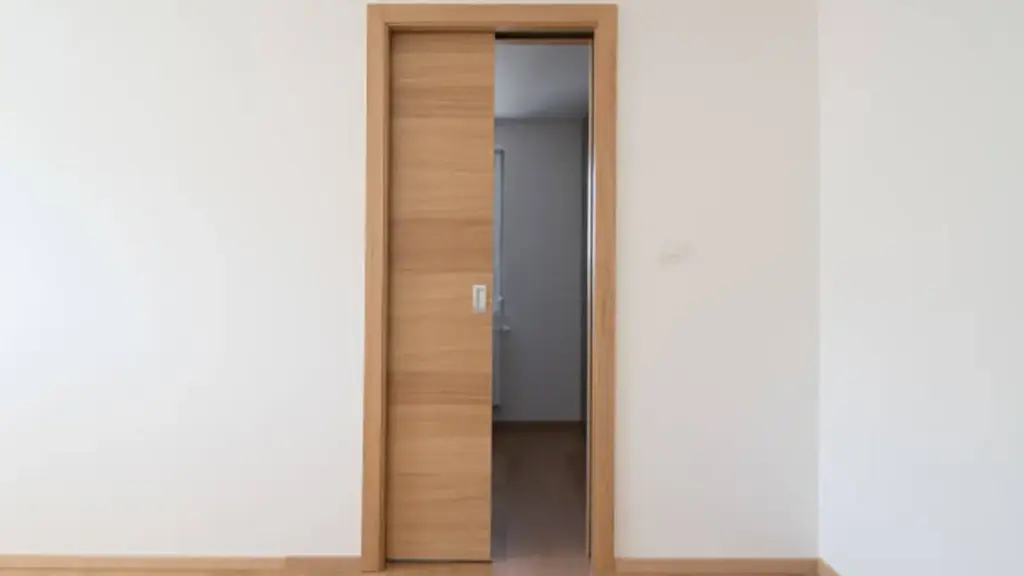
Bottom guides isolate lateral movement, keeping top-hung pocket doors plumb to prevent wall-cavity scraping and track derailment without carrying vertical load.
How Bottom Guides Keep the Door Aligned
Because a pocket door is supported from above, the bottom edge can move from side to side if it is not guided. A bottom guide keeps the panel centered and helps prevent it from rubbing against the jambs, pocket frame, or finished surfaces.
- Distribuição de carga: The overhead track supports the full weight of the door slab, while the bottom guide serves as a non-load-bearing stabilizer to control lateral movement.
- Clearance Tolerances: The guide should keep only enough contact or clearance to stabilize the door without creating drag. The exact setup depends on the guide design and door thickness.
- Cavity Protection: By restricting lateral translation and yaw, the guide prevents the door from rubbing against split studs and split jambs inside the wall cavity.
- Roller Protection: Limiting excessive side-to-side movement can reduce unnecessary stress on the door hangers and help the system operate more smoothly.
Keeping the Door Aligned During Operation
Movement control must remain consistent from full extension to deep retraction. If alignment fails at any point in the cycle, the door panel binds or scrapes.
- Pocket Entry: As the door enters the pocket, the guide keeps the panel centered and helps prevent it from rubbing against the pocket frame.
- Full Retraction: When the door is fully open, the guide helps keep the panel aligned inside the pocket so it does not rub against the frame.
- System Coordination: Coordinating guide alignment with the door hangers helps maintain consistent clearance and reduce binding along the sliding path.
- User Interaction: Open and close the door using the installed pull, and avoid forcing the panel sideways while it is moving. This helps reduce unnecessary stress on the guide and hangers.
Installing and Adjusting Pocket Door Guides
Properly aligned bottom guides prevent pocket doors from dragging, wobbling, and scratching finishes, ensuring smooth tracking and long-term system reliability.
Types and Installation of Pocket Door Guides
Bottom guides keep top-hung pocket doors from swinging like pendulums. You must match the guide system to your door’s bottom construction and installation phase to ensure optimal stability.
- System Selection: Select the appropriate guide system based on door preparation, utilizing floor-mounted guides (blade or groove style) or jamb-mounted split-jamb guides to prevent lateral wobble. For a broader overview of the installation process, see our guide to pocket door installation.
- Door Preparation: Route a straight, centered groove in the bottom of the door for groove-style guides, or ensure a smooth bottom edge for blade-style guides before mounting.
- Floor-Mounted Placement: Position the floor-mounted guide according to the door’s actual position after it has been hung. Mark the mounting holes, then secure the guide once the door is centered and aligned.
- Jamb-Mounted Securing: Secure jamb-mounted guides directly to the finished split jambs using fasteners that will not split the trim or pierce the pocket cavity.
| Guide Type | Mounting Location | Door Preparation | Principal benefício |
|---|---|---|---|
| Floor-Mounted (Groove) | Floor or subfloor near the pocket opening | Bottom routed groove | Concealed guidance |
| Floor-Mounted (Blade) | Floor or subfloor near the pocket opening | Depends on guide design | Simple bottom stabilization |
| Jamb-Mounted | Finished split jambs | Usually no bottom groove | Keeps the floor clear |
Adjustment Procedures and Troubleshooting Methods
A poorly adjusted guide can cause friction, scraping, and premature wear. Before tweaking your bottom hardware, you must ensure the top carriage performs its job correctly.
- Hanger Verification: Confirm that the door hangs plumb and level from the top track before making lateral adjustments to the bottom guides.
- Lateral Alignment: Loosen the mounting screws in the slotted holes slightly to slide the guide left or right, centering the door between the split jambs.
- Clearance Tuning: Adjust the guide so it removes excessive side-to-side movement without pinching the door or creating noticeable friction.
- Binding Correction: Correct binding or rubbing by realigning the guide with the bottom groove, ensuring the plastic tips contact only the designated control areas.
- Redução de ruído: Eliminate operational noise by cleaning construction debris from the floor guide area and backing off over-tightened guides that pinch the door.
Choosing Guides for Different Door Systems
Match pocket door guides to panel weight, mounting constraints, and aesthetic goals to ensure quiet, long-term stabilization without compromising clean floor transitions.
Selecting the right pocket door guide can improve door stability and reduce problems such as dragging, rattling, and premature wear. The guide should be compatible with the door, pocket frame, acompanhar, and hangers.
What to Consider When Choosing a Pocket Door Guide
The best pocket door guide depends on more than its mounting style. Before choosing one, consider the door’s thickness and weight, the construction of the door bottom, the available mounting surface, and how much of the hardware you want to see after installation.
- Door Thickness and Weight: Check that the guide is compatible with the door thickness and suitable for its weight. Heavier doors may require a more robust guide system.
- Door Bottom Construction: Groove-engaging guides require a properly sized slot or kerf in the bottom of the door, while some blade-style or jamb-mounted guides need little or no bottom preparation.
- Mounting Surface: Make sure the guide can be securely attached to the available floor, subfloor, or split jamb. The substrate and installation location can affect which guide is practical for the project.
- Appearance and Floor Finish: Floor-mounted guides may be partly or fully visible depending on the design, while jamb-mounted and hidden systems can provide a cleaner finished appearance.
- Hardware Compatibility: Choose a guide that is designed to work with the pocket-door frame, acompanhar, and hangers. Using compatible components makes it easier to maintain the clearances recommended by the hardware manufacturer.
Matching Guide Systems to Door Specifications and Operational Needs
Door thickness, peso, hardware, and installation conditions all affect which pocket door guide is appropriate and how it should be adjusted.
- Heavy Solid-Core Doors: May need a more robust guide that is compatible with the door’s weight and construction. Check the manufacturer’s load and compatibility specifications before selecting the hardware.
- Soft-Close and ADA Installations: Require careful alignment of the door, guia, and other hardware. For soft-close systems, proper alignment helps the mechanism operate smoothly, while accessible installations should also consider clearance, operating force, and hardware requirements.
- Retrofit Projects: Adjustable jamb-mounted guides can be a practical choice when working with existing or slightly out-of-square framing, especially when modifying the finished floor is not desirable.
- Compatible Hardware Systems: Using a track, hangers, and bottom guide designed to work together can simplify installation and help maintain the clearances recommended by the manufacturer.
Custom Door Solutions for Different Project Requirements
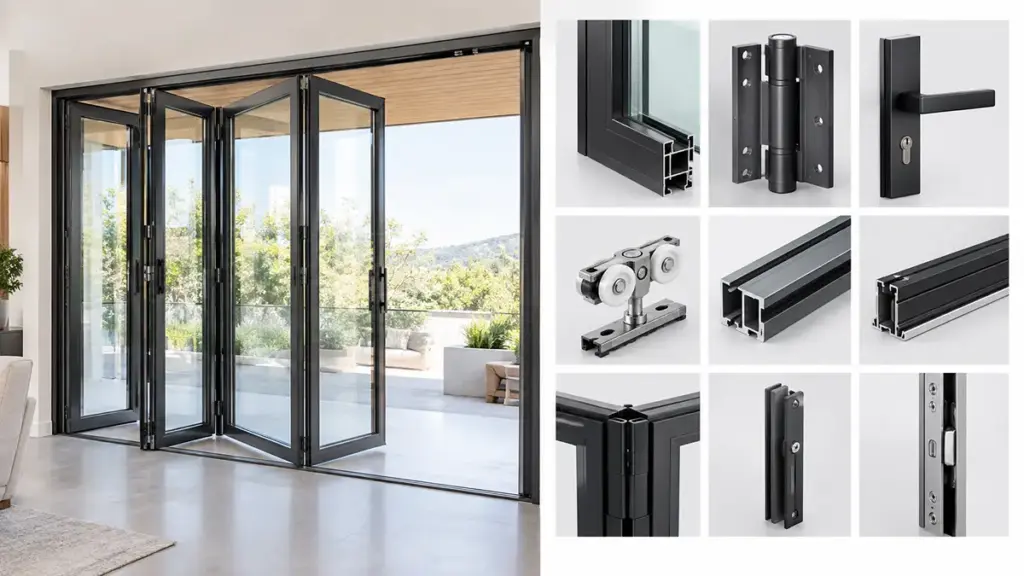
The pocket door guide is only one part of a complete door system. The door profile, especificação de vidro, hardware, dimensões, and installation conditions all need to work together for consistent performance. OPUOMEN Portas e Janelas provides customized aluminum and aluminum-wood door solutions for residential and commercial projects, with product options developed around different climate, projeto, e requisitos de aplicação. Our production covers aluminum profiles, processamento de vidro, door assembly, hardware installation, and quality inspection, allowing key components to be coordinated through one manufacturing process. OPUOMEN operates a 60,000+㎡ production facility with more than 200 employees and follows an ISO9001 quality management system. Products currently meet CE, Rohs, e requisitos REACH, while engineering and installation guidance can also be provided for project-specific needs. From initial design and sample confirmation to production and delivery, our team works with distributors, empreiteiros, and project buyers to develop door solutions that balance appearance, durabilidade, desempenho, and practical installation requirements.
Perguntas frequentes
What is the purpose of a pocket door guide?
A pocket door guide keeps the door aligned, estável, and centered as it slides into and out of the wall pocket. Since pocket doors are top-hung systems where the overhead track carries the door’s full weight, the bottom guide controls lateral movement. It prevents the door from swaying, rattling, or scraping against the split jambs, gesso cartonado, and finished trim. This simple hardware component ensures quiet, smooth operation and protects both the door’s finish and the surrounding wall from scratches and scuffs over its service life.
Where does a pocket door guide go?
A pocket door guide is installed at the bottom of the door opening or near the pocket entrance to keep the door panel centered as it slides. Depending on the hardware system, the guide may mount to the finished floor, subfloor, or split jambs. Floor-mounted guides work with the bottom edge or a groove in the door, while jamb-mounted guides attach to the split jambs and guide the panel from the sides. The exact mounting position and any required door groove should follow the guide and pocket-door frame manufacturer’s installation instructions.
Are all pocket door guides universal?
Não, pocket door guides are not universal. Compatibility depends on factors such as door thickness, guide design, mounting method, and the pocket-door frame. Some replacement guides fit multiple systems, while others are designed for a specific door or frame. Before choosing a guide, measure the door thickness, identify whether you need a floor-mounted or jamb-mounted design, and check the manufacturer’s compatibility and installation requirements. This helps ensure the guide fits properly and keeps the door moving smoothly without rubbing or binding.
How do you install pocket door guides?
To install a floor-mounted pocket door guide, first hang the door and make sure it is properly aligned in the opening. Position the guide so it lines up with the door’s bottom groove or guiding surface, then mark the mounting holes and secure it to the floor or subfloor with the recommended fasteners. For jamb-mounted guides, attach the guide blocks to the split jambs so they keep the door centered without pinching it. Após a instalação, slide the door fully open and closed several times to check for rubbing, vinculativo, or excessive movement, and make any necessary adjustments before finishing the trim.
How do I stop a pocket door from wobbling?
Start by checking the bottom guide and the overhead rollers. If the guide is loose or incorrectly positioned, adjust it so the door stays centered without rubbing or binding. Make sure the door hangs plumb from the top track, and adjust the hanger height if necessary. If the door continues to wobble, check the track, hangers, and guide for wear or misalignment and replace any incompatible or damaged hardware.
What are pocket door guides made of?
Pocket door guides are commonly made from nylon, other low-friction plastics, aço, alumínio, or a combination of materials. Nylon and similar plastics are often used for residential applications because they provide smooth, quiet operation and help protect the door finish from scratches. Metal components, such as steel or aluminum brackets and guide posts, can add rigidity for heavier or higher-use doors. Some guides combine a metal mounting plate with nylon contact surfaces to provide a good balance of strength, durabilidade, e operação suave.
Considerações Finais
Choosing the right pocket door guide is about more than preventing wobble. The guide should match the door thickness, peso, mounting method, e pocket door system to provide stable, quieto, e operação suave. Proper alignment and secure installation are just as important as the guide itself, helping prevent rubbing, unnecessary wear, and adjustment issues over time.
For development and custom door projects, selecting compatible guides, faixas, and hangers from the start can make installation easier and improve long-term performance. OPUOMEN provides custom aluminum and aluminum-wood door solutions for different project requirements, with design support, controle de qualidade, and installation guidance throughout the process. Contact our team to discuss your project requirements and find a door solution that fits your application.