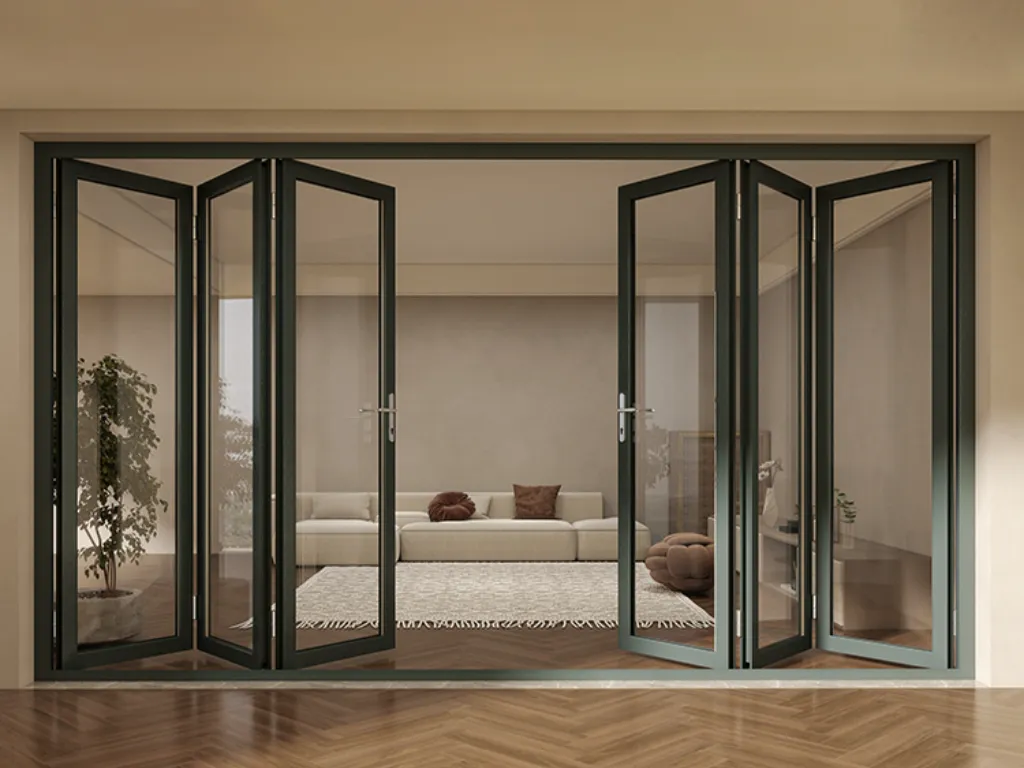
Алюминиевые и стальные окна имеют свои преимущества в зависимости от целей вашего проекта.. В этом руководстве эти материалы сравниваются по таким ключевым факторам, как прочность., тепловые характеристики, требования к установке, и стоимость. Превосходная прочность и энергоэффективность стали контрастируют с доступностью алюминия и простотой установки., помогая вам принять обоснованное решение, которое соответствует вашим дизайнерским потребностям и бюджету. К концу, вы сможете выбрать материал, который лучше всего соответствует видению вашего проекта и долгосрочным целям..
Чем известны стальные окна?
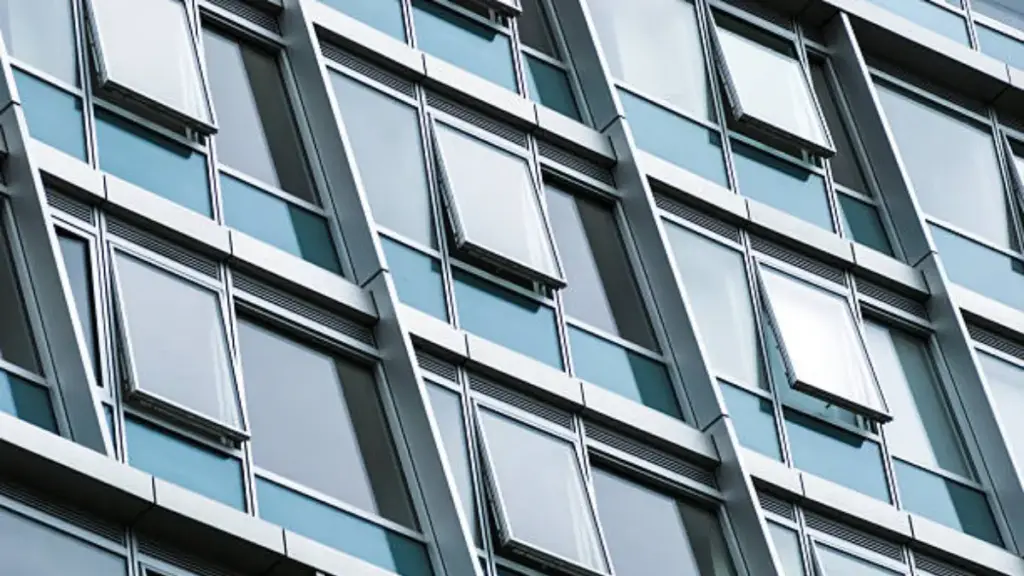
Стальные окна известны своей исключительной прочностью и тонкими профилями., обеспечивает превосходную жесткость, безопасность, и гибкость дизайна. Изготовлен из низкоуглеродистых конструкционных сталей. (НАПРИМЕР., АСТМ А36/А528), позволяют создавать большие проемы с минимальным прогибом при ветровых нагрузках. Стальные окна обычно имеют узкий обзор., обеспечивая гладкий, современный вид при сохранении структурной целостности.
Эти окна превосходны в безопасности, протестировано по стандартам ASTM F588 на устойчивость к взлому, с такими системами, как W40, демонстрирующими вертикальную грузоподъемность не менее 600 Н. Они также соответствуют передовым стандартам производительности в области тепловых технологий., акустический, и огнестойкость. Термически разрушенные системы достигают низких коэффициентов U. (0.8 Вт/м²·К), в то время как акустические рейтинги могут достигать Rw до 44 дБ. Огнестойкие версии соответствуют ASTM E152 и NFPA. 80 для безопасности.
Долговечность обеспечивается горячим цинкованием и полиэфирным порошковым покрытием., обеспечивает длительную защиту от коррозии и износа, вызванного воздействием окружающей среды..
Как алюминиевые окна сравниваются по стоимости и производительности?
Снижение первоначальных инвестиций и экономия в течение жизненного цикла
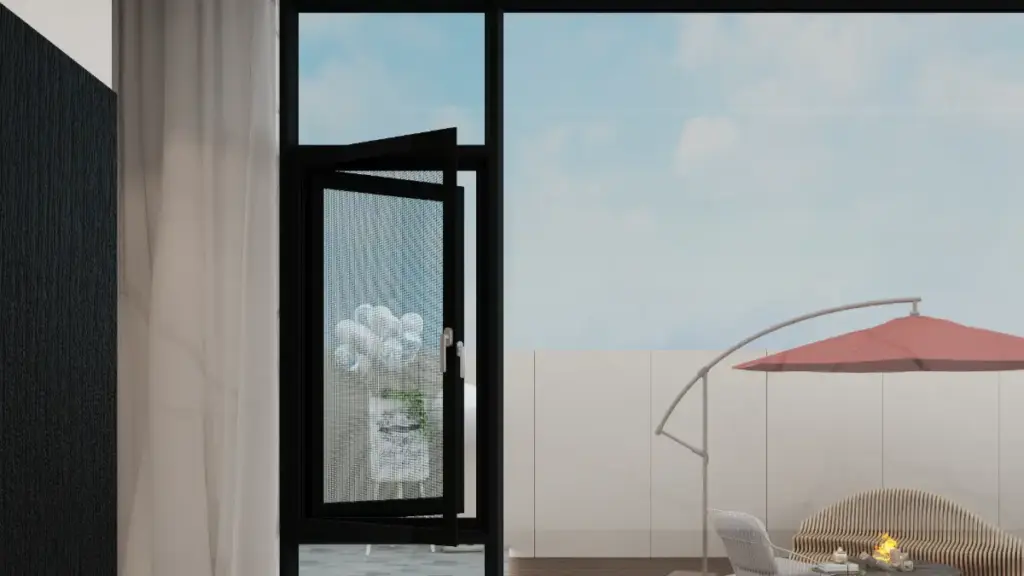
Алюминиевые окна обычно имеют более низкую первоначальную стоимость по сравнению со стальными., из-за более простых процессов изготовления, таких как механическое обжатие, а не интенсивной сварки, необходимой для стали.. Алюминий предлагает более экономичный вариант для высокопроизводительных проектов, не требующих чрезвычайной прочности стали..
Несмотря на то, что он позиционируется как вариант премиум-класса по сравнению с ПВХ или деревом., алюминий по-прежнему более экономичен для большинства проектов, с минимальными затратами на техническое обслуживание в течение срока службы 40–60 лет.. Снижение потребности в обслуживании способствует снижению затрат в течение жизненного цикла..
Высокая тепловая эффективность и структурная целостность
По тепловым характеристикам, алюминиевые окна обычно достигают значения U в диапазоне 0,8–2,0 Вт/м²·К., предлагая надежную энергоэффективность, особенно для элитных проектов. Хотя алюминиевые сплавы прочны (до 690 МПа), Превосходная прочность материала стали позволяет поддерживать ультратонкие линии обзора и большие пролеты..
Однако, Для алюминиевых рам могут потребоваться профили немного большей толщины, чтобы соответствовать структурным характеристикам стали., особенно для больших стеклянных панелей. Сталь отличается долговечностью, но требует большего ухода из-за риска коррозии..
Что обеспечивает лучшую прочность и обзорность?
Когда дело доходит до силы и обзора, Стальные окна превосходят алюминиевые благодаря своей превосходной несущей способности и способности поддерживать более тонкие профили..
Неотъемлемое преимущество стали в прочности
Сталь составляет примерно 3 раз прочнее алюминия в оконных применениях, обеспечивая значительно более высокую несущую способность и структурную целостность.
С самым высоким соотношением прочности и веса среди обычных материалов рамы., сталь сохраняет прочность при минимальном использовании материала.
В то время как алюминиевые сплавы имеют предел прочности до ≈690 МПа., общие структурные характеристики стали превосходны в больших масштабах и для требовательных применений.
Достижение сверхузких линий обзора и больших панелей
В отличие, алюминий, даже из высокопрочных сплавов, обычно требуются более толстые профили и дополнительное усиление для достижения аналогичных пролетов и жесткости., что приводит к более громоздким линиям обзора.
Благодаря превосходной прочности стали, он может добиться гораздо более узкого обзора — часто “самый тонкий” доступный в отрасли, при этом поддерживая большие стеклянные панели.
Преимущество в 3-кратной прочности позволяет стальным рамам создавать тонкие профили., максимальное увеличение видимого стекла и уменьшение соотношения рамы к стеклу, что также может улучшить тепловую эффективность.
Алюминиевые окна премиум-класса, Создано для глобального успеха
Как алюминий и сталь сравниваются по термическим характеристикам?
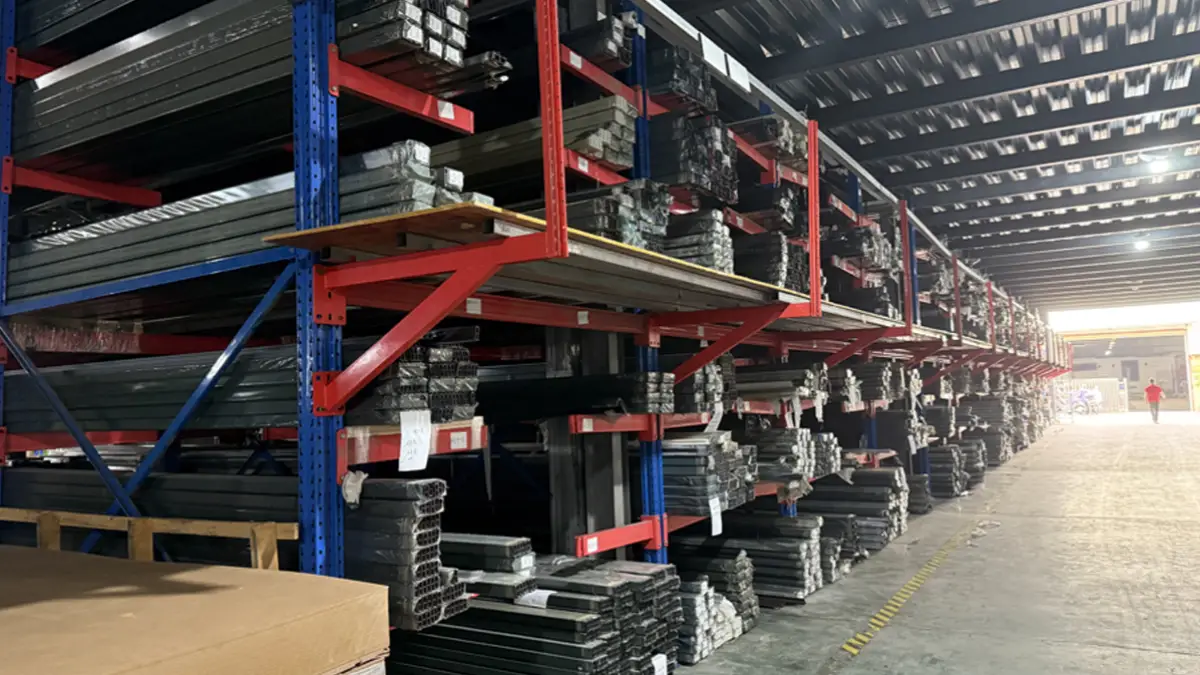
- Алюминий значительно более теплопроводен. (≈205 Вт/м·К) по сравнению со сталью (≈45–60 Вт/м·К), это означает, что необработанный алюминий является плохим изолятором и более эффективно передает тепло..
- Более низкая теплопроводность стали делает ее лучшим выбором для минимизации теплопередачи., обеспечение лучшей изоляции.
Алюминиевые окна обеспечивают высокие тепловые характеристики за счет использования термически разрушенные системы, обычно достигают значений U около 2.1 Вт/м²·К с двойным остеклением. Хотя немного более громоздкий по сравнению со сталью, эти системы сохраняют хорошие изоляционные свойства, хотя им может потребоваться дополнительное усиление для соответствия определенным стандартам энергоэффективности.. Такие производители, как Opumen, предлагают передовые решения для алюминиевых окон с технологией терморазрыва., обеспечение повышения энергоэффективности и улучшенной изоляции для высокопроизводительных проектов.
С другой стороны, сталь, с более низкой теплопроводностью, естественно, лучший изолятор. Современные системы из термически разрушенной стали достигают коэффициента U всего 0,57–0,8 Вт/м²·К., предлагая превосходную энергоэффективность. Более узкие профили стальных рам позволяют добиться более высокого соотношения стекла и рамы., что улучшает общие тепловые характеристики за счет сведения к минимуму влияния рамы на теплообмен..
Каковы различия в установке и весе??
Алюминиевые окна значительно легче стальных., что упрощает обращение с ними и упрощает сборку на месте.. Их низкая плотность снижает трудоемкость., потенциальное снижение затрат на установку по сравнению с более тяжелыми материалами, такими как сталь. Легкая природа алюминия позволяет быстрее, менее дорогостоящие процессы установки.
В отличие, стальные окна намного тяжелее и требуют профессиональной установки из-за своего веса и плотности. Прочная стальная конструкция обеспечивает превосходную прочность., включение больших неподдерживаемых панелей, но это также добавляет существенную собственную нагрузку на здание. Это требует точной установки и герметизации квалифицированными специалистами, чтобы предотвратить деформацию и обеспечить правильное выравнивание..
Архитекторы также должны учитывать увеличенный вес стали при расчете ветровых нагрузок и обеспечении сейсмических требований., поскольку это влияет на общую конструкцию здания.. Несмотря на высокую прочность алюминия на разрыв, сталь остается более тяжелым вариантом, влияние как на монтажные, так и на структурные аспекты.
Почему сталь дороже алюминия?
Стальные окна дороже из-за более высоких затрат на сырье., более сложные производственные процессы, и необходимость антикоррозионной обработки. Присущая стали прочность требует трудоемкой сварной конструкции., в отличие от алюминия, в котором используются более простые методы обжима и прорезания прорезей. Кроме того, стальные рамы часто требуют оцинковки или вариантов из нержавеющей стали для предотвращения ржавчины., добавление к производственным издержкам.
Превосходная прочность стали позволяет делать тоньше, более изысканные рамки, что делает его идеальным для элитных архитектурных проектов. Эта способность поддерживать более крупные, более тонкие стекла оправдывают более высокую цену, специально для роскошных и коммерческих применений. Стандартное стальное створчатое окно может стоить в 4–10 раз дороже алюминиевого аналога., стоимость установки варьируется от 1800 до 2400 фунтов стерлингов за метр..
При высокой стоимости стали, алюминиевые окна предлагают более доступную альтернативу без ущерба для прочности и эстетики.. Производителям нравится Опуо предоставить высокоэффективные алюминиевые окна с передовой технологией терморазрыва, что делает их отличным выбором для проектов, требующих долговечности., энергоэффективность, и экономическая эффективность.
Когда следует выбирать алюминий или сталь?
Выбор между алюминиевыми и стальными окнами зависит от множества факторов., включая бюджет, требования к производительности, и дизайнерские предпочтения. Ниже приведено сравнение, которое поможет вам решить, какой материал лучше всего подходит для вашего проекта..
| Особенность | Стальные оконные системы | Алюминиевые оконные системы |
|---|---|---|
| Сила & Макс. Пролеты | Предел текучести 235–275 МПа.. Пролеты до 3,2 м В × 1,3 м Ш без фрамуги. Приблизительно. 3х прочнее алюминия. Идеально подходит для больших панелей. | Прочность на разрыв до ≈690 МПа (сплавы). Отлично подходит для крупной рекламы, но не абсолютные максимальные пролеты стали. |
| Типичные линии обзора | Твердая сталь: ≈30 мм глубина профиля (сварной). Линия обзора рамки 53 мм; фиксированный свет 36 мм; штанга 19–23 мм. | Линия обзора рамки 58 мм; фиксированный свет 33 мм; штанга 20–25 мм. |
| Тепловые характеристики (тыш-ценности) | Высококлассный туберкулез: ≈0,57 Вт/м²К (тройной) к 1.2 Вт/м²К (двойной). Прочие твердые: 1.7–2,9 Вт/м²К. Сложенный лист: 1.3 Вт/м²К (тройной) к 1.6 Вт/м²К (двойной). | Современный туберкулез: ≈0,8–2,0 Вт/м²К. Продвинутый уровень с аэрогелем: ≈0,6 Вт/м²К. Нетуберкулезный: 4.0–6,0 Вт/м²К. |
| Коррозионная стойкость & Обслуживание | Требует регулярного обслуживания & защита (гальванизация, краска). Склонен к ржавчине, если не защищен, особенно в прибрежных/промышленных зонах. | Высокая собственная коррозионная стойкость благодаря защитной пленке Al₂O₃.. Минимальное обслуживание, необходимое в большинстве сред. |
| Срок службы | 50+ лет при правильном покрытии и уходе. | 40–60 лет с соответствующей спецификацией. |
| Соотношение затрат (против. Алюминий) | Обычно в 4–5 раз дороже сопоставимых алюминиевых конфигураций.. | Значительно более рентабельно, обычно 1/4 к 1/5 стоимость стали. |
| Масса & Умение обращаться | Плотность ~7,8 г/см³. Тяжелее, более сложная транспортно-монтажная логистика. | Плотность ~2,7 г/см³. Значительно легче, упрощение транспортировки, обработка сайта, и установка. |
Заключительные мысли
В конечном счете, Выбор между алюминиевыми и стальными окнами зависит от уникальных требований вашего проекта.. Сталь обеспечивает исключительную прочность и гибкость конструкции., что делает его идеальным для высокого класса, минималистский, и масштабные проекты. С другой стороны, алюминий представляет собой экономичное решение с отличными тепловыми характеристиками и долговечностью., что делает его идеальным для большинства жилых и коммерческих применений.
У Opuomen, мы специализируемся на высокоэффективные алюминиевые окна которые сочетают в себе элегантную эстетику и энергоэффективность, обеспечение того, чтобы ваш проект соответствовал как функциональным, так и дизайнерским целям. Готовы изучить преимущества алюминиевых окон? Связаться с нами сегодня, чтобы найти идеальное решение для вашего следующего проекта!
Часто задаваемые вопросы
Понимание фундаментального выбора: Алюминий против. Запросы на сталь
Клиенты часто спрашивают о балансе между первоначальными инвестициями и долгосрочными эксплуатационными расходами., включая техническое обслуживание. Часто возникают вопросы относительно эстетических результатов., конкретно связано с линиями обзора кадра (НАПРИМЕР., тонкие профили для максимальной площади остекления) и гибкость дизайна. Ключевой областью исследований является пригодность каждого материала для различных архитектурных стилей и масштабов проектов., от жилых до крупных коммерческих приложений.
Показатели производительности и вопросы пригодности проекта
Общие вопросы касаются структурной целостности и долговечности., например, превосходная прочность стали на растяжение (3x прочнее, чем чистый алюминий) для требовательных приложений. Тепловые характеристики и энергоэффективность имеют решающее значение, что приводит к вопросам о U-ценностях (термически сломанный алюминий: 0.6-2.0 ж/(м²К); сталь: 1.5-2.5 ж/(м²К)) и предотвращение образования конденсата. Часто задаются вопросы о сроке службы и ожиданиях в отношении технического обслуживания., учитывая алюминий 40-60 продолжительность жизни год (минимальное обслуживание) по сравнению со сталью 50+ годы (требующие защиты от коррозии). Соответствие требованиям безопасности (НАПРИМЕР., Стандарты PAS24) и адаптация к окружающей среде (НАПРИМЕР., характеристики алюминия при низких температурах, устойчивость к коррозии во влажных помещениях) также формировать важные вопросы клиента.
Легче ли обслуживать алюминий, чем сталь, в прибрежных районах??
Да. Для прибрежных проектов, оконные рамы из алюминия с порошковым покрытием или анодирования существенно легче обслуживать, чем окна из углеродистой стали., требующие периодической защиты от ржавчины, перекраска, и проверка покрытия при воздействии морской среды. Слой естественного оксида алюминия плюс заводское порошковое покрытие обычно ограничивают техническое обслуживание промывкой и легкой чисткой., тогда как стальные рамы в соленом воздухе необходимо регулярно проверять на предмет разрушения покрытия и коррозии., и повторное покрытие в определенном цикле. Алюминиевые рамы прибрежных окон обычно имеют срок службы 40–60 лет при минимальном обслуживании по сравнению с. сталь, требующая регулярного, профилактическое обслуживание и защитные процедуры для достижения 50+ лет в условиях соленого воздуха.
Каковы ограничения на изготовление стальных окон по сравнению с алюминиевыми??
Стальные окна обеспечивают большую индивидуализацию сложных форм., большие панели, и более тонкие профили (НАПРИМЕР., 30Профили мм, поддерживающие стекла высотой до 3,2 м и шириной 1,3 м без фрамуг) из-за внутренней силы. Алюминий ограничен более толстыми профилями., меньшая прочность, требующая дополнительных опор, и меньшая пригодность для негабаритных или сложных конструкций по сравнению с цельными стальными профилями..
Как соотносится толщина терморазрыва в высококачественных стальных окнах?
В высококачественных стальных оконных системах с термическим разрушением обычно используется термобарьер из полиамида или полиуретана толщиной около 3–5 мм. (примерно 1/8″) толстый. В некоторых узкопрофильных системах премиум-класса толщина теплового моста составляет ровно 1/8 дюйма. (3.2 мм) поддерживать очень узкую линию обзора (всего 1‑5/16 дюйма / 32 мм) одновременно соблюдая цели энергетического кодекса, такие как IECC/ASHRAE 90.1.
Какая система лучше для интеграции сложных конструкций навесных стен?
Карандашная система лучше подходит для интеграции сложных конструкций навесных стен благодаря своей превосходной гибкости для индивидуальных форм и модификаций на месте.. Это делает его идеальным для архитектурных проектов высокого класса, несмотря на то, что время установки, как правило, больше, чем у унифицированных систем..