Sourcing U-factor windows without verifying certified whole-assembly performance exposes importers and specifiers to failed energy-code audits, rework on site, and margin erosion after the container ships. Relying on raw center-of-glass values instead of true NFRC ratings is the most common reason a shipment falls short of ENERGY STAR Zone 4 or the applicable IECC prescriptive limits.
This article benchmarks common framing profiles against NFRC 100 protocol baselines to clarify the compliance path. It covers whole-window thermal resistance, spacer Psi-values, and frame thermal-break geometry, so your submittals match what an inspector will actually verify on site.
What U-Factor Windows Ratings Actually Measure
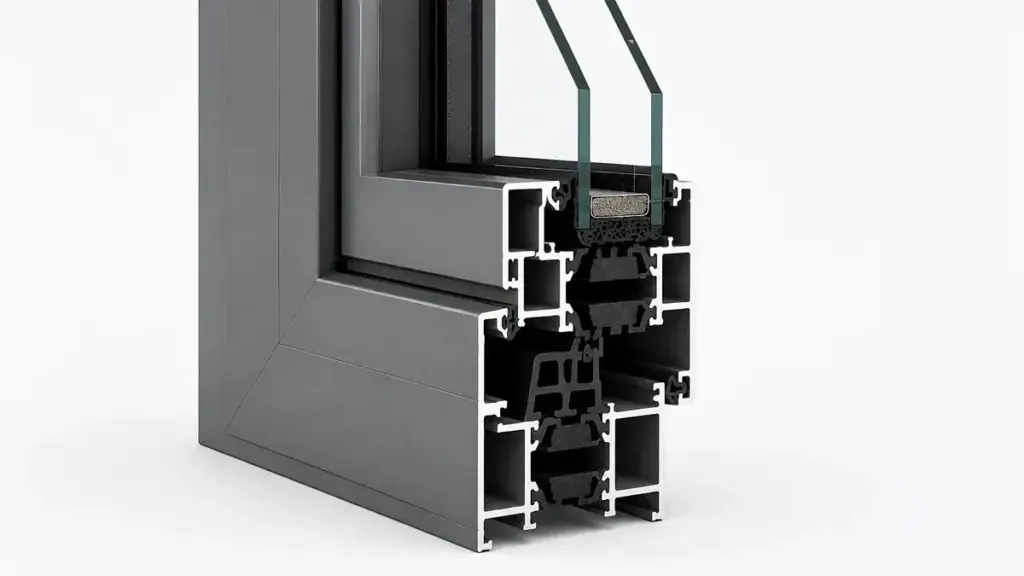
U-factor quantifies the rate of non-solar heat transfer through an entire window assembly. Lower values mean better thermal insulation, and only a certified whole-assembly figure is usable for code compliance.
How Heat Conducts Through the Complete Assembly
Engineers calculate conductive heat loss through a window using the formula Q = U × A × ΔT. In that equation, Q is heat flow in BTU per hour, A is the total window area, and ΔT is the temperature difference between the indoor and outdoor environments.
The overall U-factor does not evaluate the center of the glass alone. It measures the performance of the complete assembly, which brings three further thermal paths into the calculation:
- Window frames: Materials such as uninsulated aluminum conduct heat rapidly, while fiberglass, винил, and thermally broken profiles reduce thermal bridging.
- Edge-of-glass spacers: These structural elements separate the panes and can act as thermal bridges when made of raw metal rather than warm-edge material.
- Sealants and sashes: These materials secure the glazing unit and set the perimeter air and thermal boundary.
Specifiers often mistake center-of-glass performance for the whole-window rating. Center-of-glass U-factors measure only the insulated glass area and leave out the colder, more conductive frame, which is why the whole-window value typically reads higher—and closer to real conditions—than the center-pane figure. On dividing-line products such as sliding and folding systems, frame and edge effects cover a substantial share of the area, so the gap between the two numbers is not marginal.
U-Factor vs R-Value and Solar Heat Gain
U-factor and R-value describe opposite sides of the same thermal relationship. U-factor measures heat transmission; R-value measures resistance to heat flow. Mathematically they are reciprocals: R = 1 / ты. A window rated at U-factor 0.25 works out to an approximate whole-window R-value of 4.0. Wall insulation is specified in direct R-values, whereas window assemblies are rated in U-factor because a glazed unit combines conduction, конвекция, and radiation in one product.
U-factor measures non-solar heat transfer driven purely by temperature difference. Коэффициент усиления солнечного тепла (ШГК), напротив, measures the fraction of solar radiation that enters through the glass as heat, expressed between 0 и 1. Low U-factor windows can still admit heavy solar gain when their SHGC is high; the two metrics answer different design questions.
Other performance metrics stay independent of U-factor. Visible transmittance (VT) governs daylighting, and air leakage (AL) tracks physical drafts. Low U-factor windows do not protect a project where poor weatherstripping lets air bypass the frame, so review the whole label.
Climate-Based Selection and Performance Trade-offs
Climate dictates the target combination. In heating-dominated regions you need a low U-factor to limit winter heat loss, but a moderate or higher SHGC is often desirable so passive solar gain offsets part of the heating load.
In cooling-dominated regions the priorities shift: a low SHGC blocks solar radiation and reduces air-conditioning load, paired with a U-factor low enough to limit conductive gain from hot outside air.
ENERGY STAR regional criteria illustrate how targets differ by zone:
- Northern Climate: A U-factor of 0.22 или ниже, with SHGC left open so designs can capture passive solar heat.
- Southern Climate: Emphasis on solar control, with SHGC limits that block intense sun while the U-factor requirement is less strict.
- North-Central and South-Central Climates: Balanced targets that weigh seasonal heating against summer cooling loads.
How U-Factor Is Tested and Labelled
Window U-factor ratings rely on NFRC 100 protocols that combine computer simulation with physical hot box testing, which is what makes a rating usable for regional code compliance.
Laboratory Testing and Simulation Methods
А Национальный рейтинговый совет фенестрации (НФРК) sets how the industry determines window insulation performance. Under the NFRC 100 protocol, manufacturers cannot substitute center-of-glass estimates. The standard requires evaluating the product as a complete system, accounting for thermal bridging across frame, створка, проставки, and glass edges.
NFRC certification pairs virtual modeling with physical testing:
- Computer Thermal Simulation: Engineers model the specific assembly in certified software, calculating how heat moves through frame materials, glass coatings, проставки, and gas fills.
- Physical Hot Box Testing: An accredited laboratory places a specimen between two environmental chambers. One side mimics winter conditions, the other a heated interior, and the laboratory measures the energy required to hold the indoor temperature.
- Validation Protocols: The laboratory compares the physical result against the computer model. When the numbers agree within a narrow tolerance, the model is validated, allowing the manufacturer to certify the wider product family without physically testing every size configuration.
Labeling Requirements and Code Compliance
To pass field inspections, windows must carry verified performance data. Inspectors look for physical proof that installed units match the architectural energy specifications.
Two distinct labels serve this purpose during and after construction:
- Temporary Labels: Paper labels applied to the glazing. They display the certified NFRC matrix, including U-factor, ШГК, and Visible Transmittance. In most jurisdictions these stay attached until the inspector completes the final energy-code verification.
- Permanent Labels: Codes etched or printed onto sash or frame components. They establish long-term traceability for later audits, building sales, or warranty claims.
- ENERGY STAR Regional Criteria: Requirements shift by region, and the specified U-factor ceiling for the northern zone is materially tighter than for southern zones where cooling loads dominate.
Local building codes enforce prescriptive maximums based on these climate maps. Field audits fail routinely when installers pull temporary labels too early or swap specified models for cheaper, uncertified alternatives. Ask your supplier to list the matching NFRC certificate number for each product line on the packing list, so the submittal reconciles against the physical label without a site visit.
Typical U-Factor by Window Build
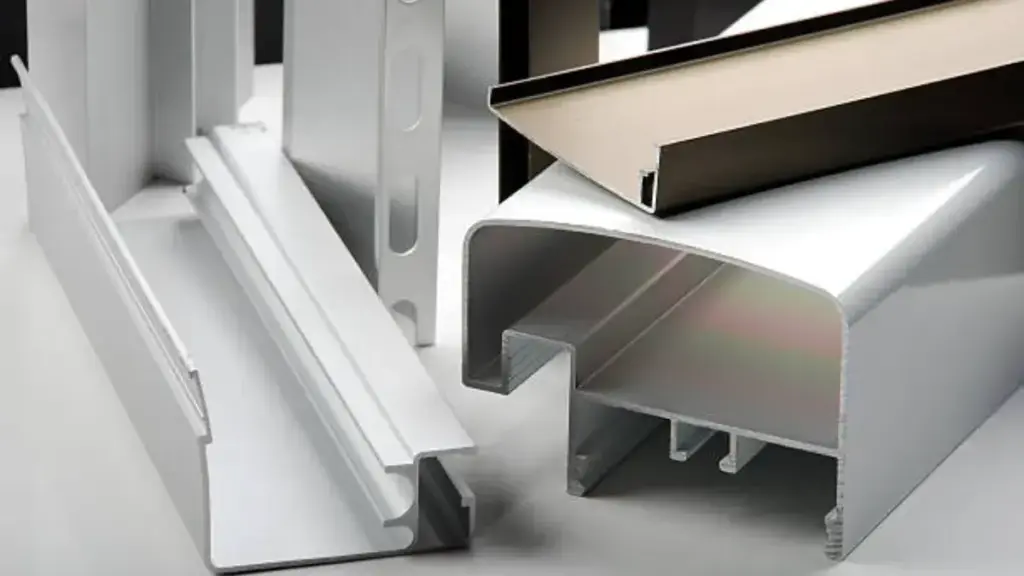
Certified U-factor windows combine glass, прокладка, and frame performance. Moving from single panes to insulated triple glazing cuts conductive heat transfer substantially, provided the frame keeps up with the glass.
Glazing Configurations and Component Performance
Thermal performance varies with how you configure the glass, gas cavity, and frame. The ranges below are typical whole-window bands used for early specification; certified values for your exact configuration always govern. When you compare U-factor windows across suppliers, confirm every quote is stated on the same rating basis before you put numbers side by side.
| Glazing Build | Typical Whole-Window U-Factor (IP) | Приблизительно. U-Value in W/(м²·К) | Where It Is Used |
|---|---|---|---|
| Single pane | 0.90–1.30 | 5.10–7.40 | Existing stock; rarely compliant in modern codes |
| Single pane with storm | 0.50–0.80 | 2.80–4.50 | Retrofit and preservation projects |
| Double pane, air fill | 0.45–0.60 | 2.60–3.40 | Baseline insulated glazing |
| Double pane, low-E plus argon | 0.25–0.32 | 1.40–1.80 | Mainstream compliance specification |
| Triple pane, dual low-E plus argon | 0.14–0.22 | 0.80–1.25 | Cold zones and high-performance projects |
| Insulated frame plus krypton or triple low-E | 0.10–0.18 | 0.57–1.02 | Passive-house and near-zero-energy targets |
Two component decisions drive most of the movement in that table. Heavy gases such as argon or krypton replace air inside the glazing pocket to slow center-of-glass heat transfer, and the frame determines whether the glass rating survives the whole-assembly calculation. Винил, древесина, and fiberglass frames block heat flow effectively; uninsulated aluminum acts as a thermal bridge and drags the assembled rating down. Where an aluminium profile is required for structural span or sightline, a polyamide thermal break is the feature that decides whether the unit reaches the target band or fails it, which is the same reasoning we apply to aluminum clad wood doors versus thermal break aluminum.
Whole-Window Measurement Standards and Selection Criteria
To pass building inspections and meet energy targets, you need certified ratings that reflect the entire unit rather than raw glass specifications.
- Whole-Window vs Center-of-Glass: Certified ratings incorporate the frame, створка, прокладка, and perimeter. Center-of-glass metrics exclude those structural thermal leaks, so the two are never interchangeable on a submittal.
- ENERGY STAR Most Efficient Tier: The top tier applies a materially tighter whole-window ceiling than the base regional criteria, in the northern, north-central, and south-central zones. Confirm the threshold stated in the specification edition in force for your delivery year.
- Building Code Baselines: Many regional codes set vertical glazing limits in the 0.26–0.36 band, while skylights generally carry a looser maximum, commonly in the region of 0.45.
- Climate-Specific Selection: Cold northern climates push toward aggressive targets in the 0.20–0.25 range; balance that against SHGC, project operating profile, and glass area.
- SI Metric Conversion: Multiply the imperial U-factor by 5.678 to obtain the metric equivalent in W/(м²·К) for Canadian or European compliance.
Glass selection is only part of the assembly decision—coatings, заполнение газом, and pane count each move the rating, and the interaction is covered in our guide to choosing aluminum window glass for peak performance.
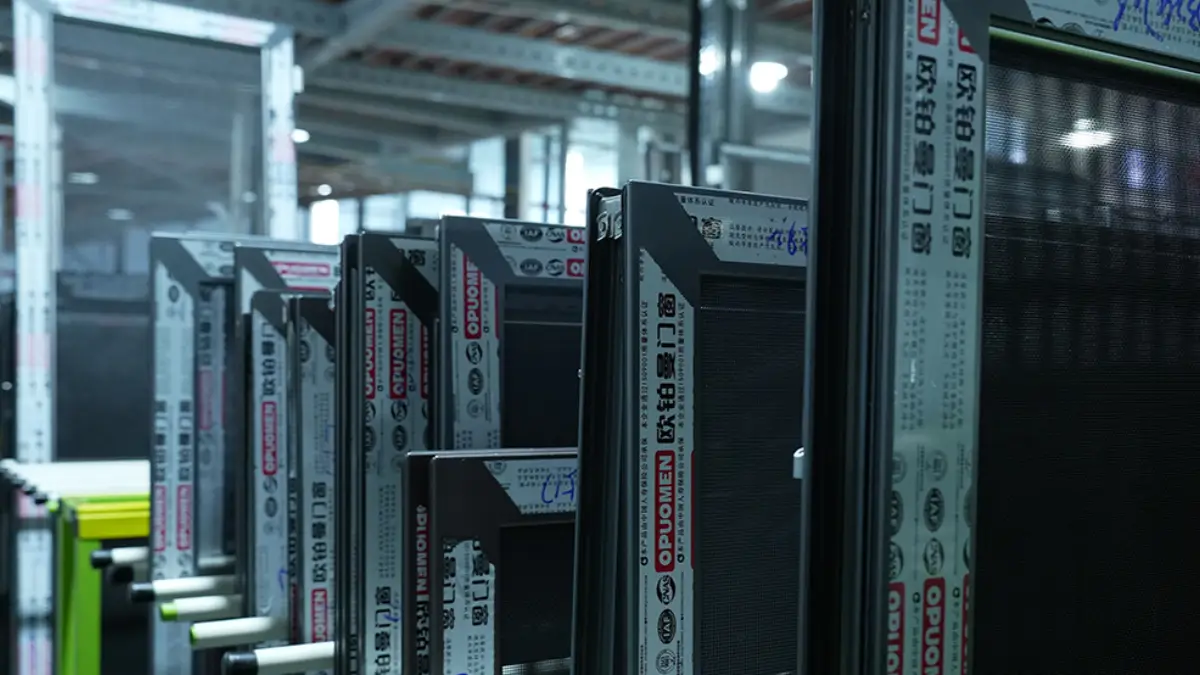
Meeting Climate-Zone Energy Codes
Aligning certified U-factor windows with regional climate zones keeps the envelope compliant while balancing thermal resistance against real-world solar cooling loads.
| IECC Climate Zone | Residential Max U-Factor | Commercial Fixed Max | Commercial Operable Max |
|---|---|---|---|
| 0 & 1 | 0.50 | 0.50 | 0.62 |
| 2 | 0.40 | 0.45 | 0.60 |
| 3 | 0.30 | 0.38 | 0.54 |
| 4 | 0.30 (4A/B) / 0.28 (4С) | 0.34 | 0.45 (4A/B) / 0.42 (4С) |
| 5 & 6 | 0.28 | 0.34 | 0.42 |
| 7 & 8 | 0.27 | 0.28 / 0.25 | 0.36 / 0.32 |
Values shown as prescriptive vertical-fenestration maxima for the 2024 IECC residential and commercial paths. Verify against the code edition adopted by the project authority having jurisdiction before quoting them in a submittal.
Residential and Commercial Prescriptive Frameworks
Prescriptive paths set performance baselines for vertical fenestration. Engineers must target exact whole-assembly metrics rather than relying on center-of-glass shortcuts to satisfy regional energy codes.
- Residential Targets: Requirements run from a 0.50 ceiling in hot southern zones down to 0.27 in the coldest climate zones 7 и 8.
- Commercial Bifurcation: Codes split requirements between fixed and operable systems, allowing higher U-factors on operable units to account for the additional sash and frame profile.
- Solar Heat-Gain Balance: Designers evaluate SHGC alongside thermal transmittance to optimise annual HVAC loads in sunny climates, since the two metrics pull in opposite directions.
Compliance Pathways and Field Installation Controls
Navigating code compliance requires a deliberate choice between rigid prescriptive limits and flexible design modeling. Securing approval depends on certified physical assemblies and disciplined job-site execution.
- Compliance Pathways: Project teams can use prescriptive tables, UA trade-offs, or whole-building performance modeling to demonstrate thermal envelope compliance.
- Modeling Trade-offs: Performance modeling can accept lower-performing glazing when it is offset by high-efficiency HVAC equipment or superior opaque wall insulation. Confirm your supplier can provide the certified U-factor, ШГК, and area data the modeler requires.
- Assembly Validation: Inspectors reject center-of-glass estimates and require official NFRC certificates to verify whole-product performance.
- Field Installation Controls: Installation crews maintain continuous perimeter air sealing and specify thermal shims to block localized air leakage and thermal bridging. Even a certified unit underperforms when the rough opening is left unsealed, which is why we cover the fixing side separately in our energy efficient window installation tips.
Spec Mistakes That Fail Audit
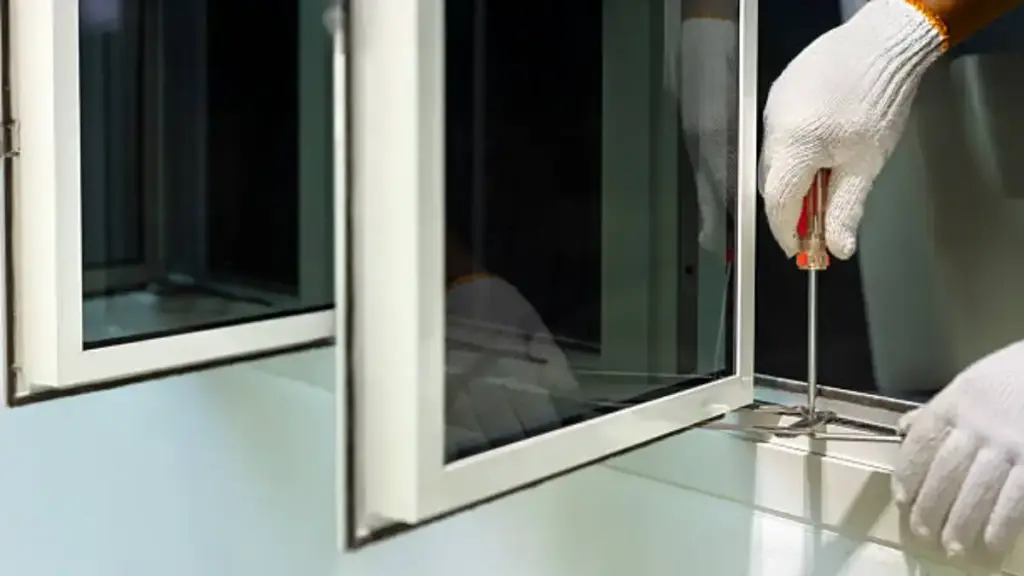
Most thermal audit failures stem from misrepresenting component performance or from missing active, configuration-specific certifications at the time of field inspection.
Thermal Rating and Component Configuration Discrepancies
Auditors flag errors when design teams use idealized glass data instead of the thermal reality of the complete assembly. These usually surface when schedules are rushed and no one verifies how frame and hardware options move the final U-factor.
- Center-of-Glass Substitutions: Using glass-only data in place of NFRC-certified whole-window U-factors, which understates the reported heat transfer rate.
- Mismatched Window Profiles: Applying thermal data from fixed units to operable casement or awning units that conduct more heat through the additional sash.
- Omitted Component Calculations: Excluding frame, прокладка, and edge-of-glass regions from the assembly calculation, leaving out critical thermal bridges.
- Unit Conversion Errors: Mixing metric and inch-pound units when transcribing project schedules, leading to incorrect performance ratings.
A window is not just glass. Рамка, прокладка, and sash act as thermal bridges, so a strong center-of-glass rating cannot rescue a conductive metal frame at inspection.
Compliance Verification and Certificate Management Failures
Paperwork gaps end compliance as quickly as poor product performance. Auditors require verified, active certifications that match the physical labels on the job site.
- Incorrect Climate Zones: Applying mismatched regional criteria, such as using southern-zone thresholds for a northern project.
- Unverified Performance Ratings: Relying on expired, unaccredited, or preliminary manufacturer estimates instead of active NFRC certifications.
- Physical Label Mismatches: Failing to reconcile the product labels found on site with the approved design submittals during field inspection.
- Unapproved Substitutions: Swapping window products on site without recalculating the energy model or securing formal project approval.
Where physical labels do not match approved submittals, inspectors can hold the project. Each field substitution generally requires a full recalculation of energy-model compliance, so it is cheaper to freeze the specification before production than to negotiate it after shipment.
From U-Factor Specification to Purchase Order
The same thermal logic applies to glazed door systems, where large glass area meets a conductive frame in one product. The practical question for procurement is how to turn a U-factor target into an order that arrives compliant. The sequence below freezes the baseline before production and verifies consistency before shipment.
| Этап | What You Lock Down | Почему это важно |
|---|---|---|
| 1. Запрос и отбор проб | Target whole-window U-factor and SHGC per zone, frame series, glass build, and NFRC certificate number. | Fixes the compliance baseline before anyone quotes a price. |
| 2. Образец утверждения | Physical corner sample, thermal-break cross-section, spacer type, and hardware set. | Gives the inspector and your QC team one reference object to compare against. |
| 3. Заморозка спецификации | Конфигурации, материалы, заполнение газом, покрытия, markings, допуски, and packaging confirmed in writing. | Undocumented changes are the usual cause of a label that no longer matches the submittal. |
| 4. Pre-shipment verification | Batch check against the frozen specification and the approved sample, including AQL sampling where agreed. | Catches substitutions while the goods are still at the factory. |
| 5. Доставка и послепродажное обслуживание | Certificate pack per product line, permanent label traceability, and warranty terms tied to the certified rating. | Supports field inspection and any later audit or building sale. |
Часто задаваемые вопросы
What is a good U-factor for windows in cold climates?
В холодном климате, U-factor windows rated 0.22 or lower give strong thermal performance and match the northern residential target. Ratings between 0.23 и 0.25 remain efficient where product choice is limited, while values above 0.30 generally allow too much conductive heat loss through a winter season.
Is U-factor the same as R-value?
They are related mathematical reciprocals. U-factor measures the rate of heat flow, where a lower number is better. R-value measures thermal resistance, where a higher number is better. You can approximate a window’s R-value by dividing 1 by its U-factor.
Do aluminum windows have a bad U-factor?
Standard aluminum conducts heat quickly, which usually depresses the whole-window rating. Thermally broken aluminum frames, with an insulating barrier inside the profile, perform considerably better and can reach strong ratings when paired with double or triple glazing, though they typically require more careful engineering than vinyl, древесина, or fiberglass to match the same figure.
Does the NFRC certify the whole window or just the glass?
The NFRC rates and certifies the complete assembly: стекло, рамка, створка, прокладка, и печати. Reading the whole-window rating is more accurate than center-of-glass values alone, because the frame and edges materially affect overall heat transfer.
How much does U-factor affect energy bills?
Replacing leaky glazing with low-U-factor windows cuts heating and cooling demand. Savings depend on climate severity, window area, local fuel prices, ШГК, and how well the perimeter is sealed in place.
Uncertified frames and center-of-glass ratings look cheaper at quotation stage, but NFRC-certified whole-window assemblies are what protect a project from failed field audits and inspection delays. Warm-edge spacers, verified thermal-break geometry, and an active certificate for the exact configuration decide whether a shipment clears the code.
Verify your specifications before delivery rather than after installation. Review our NFRC-tested catalog, request a structural sample to evaluate the thermal engineering in hand, and send your target climate zone to our technical team so a custom OEM order is quoted against the rating you actually need.