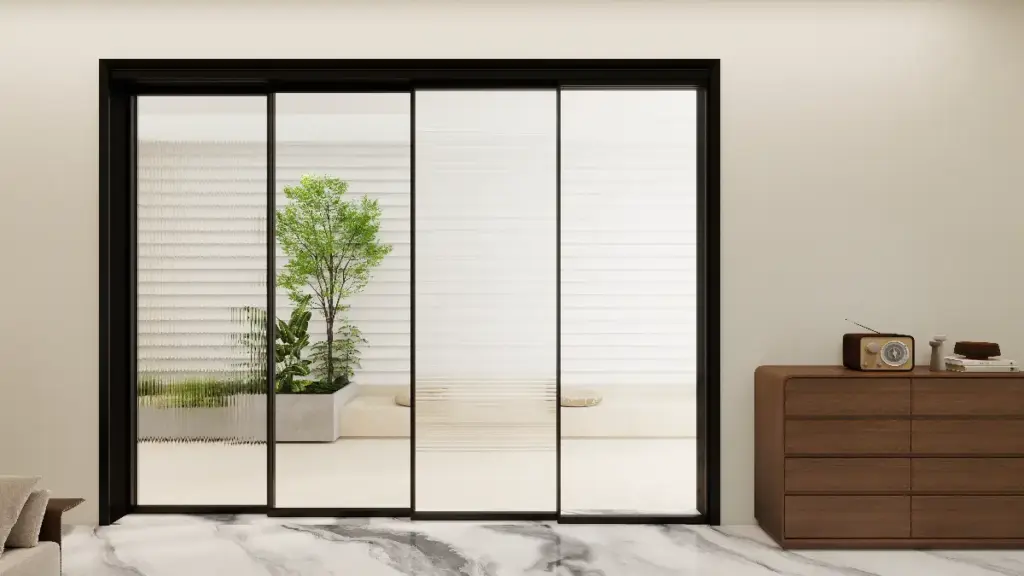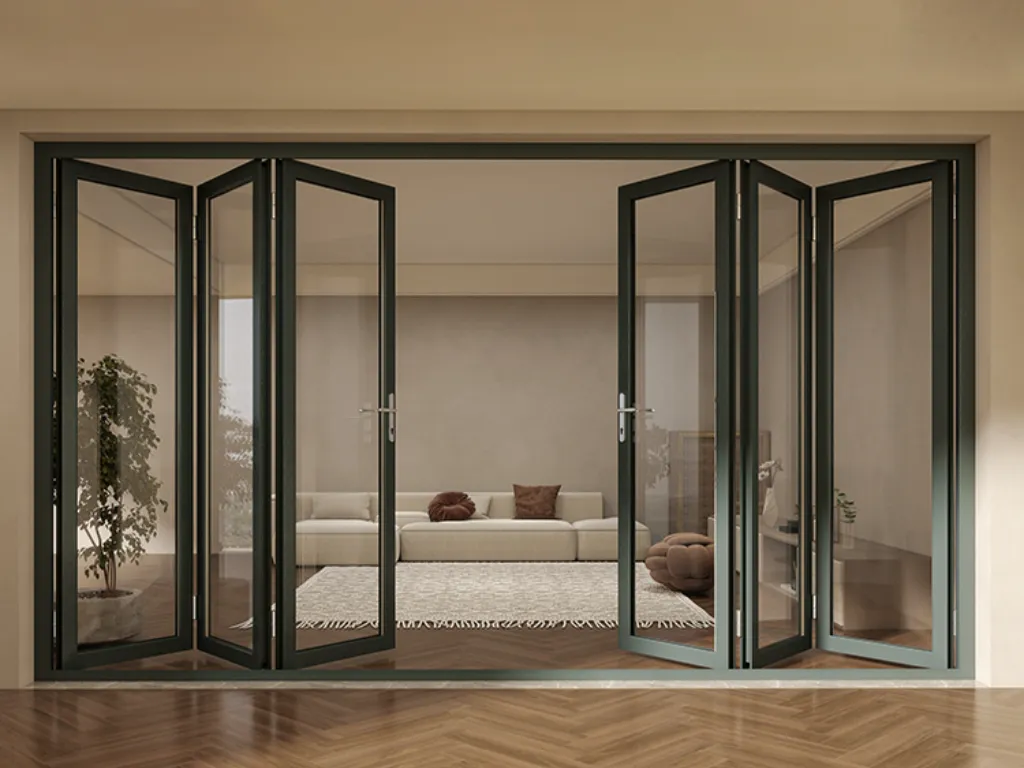
When selecting hardware for bulk aluminum door orders, the right choice goes beyond simply ticking boxes—it can significantly impact both project costs and long-term performance. The right aluminum door hardware influences everything from durability and security to compliance and energy efficiency.
This guide explores key factors, including the impressive cycle life of heavy-duty hinges, hardware standardization benefits, and inventory optimization. Learn how to balance cost savings with quality, ensuring that every door is equipped for lasting performance, efficiency, and compliance—maximizing the value of your bulk orders.
Key Performance Metrics for Door Hinges in High-Traffic Commercial Projects
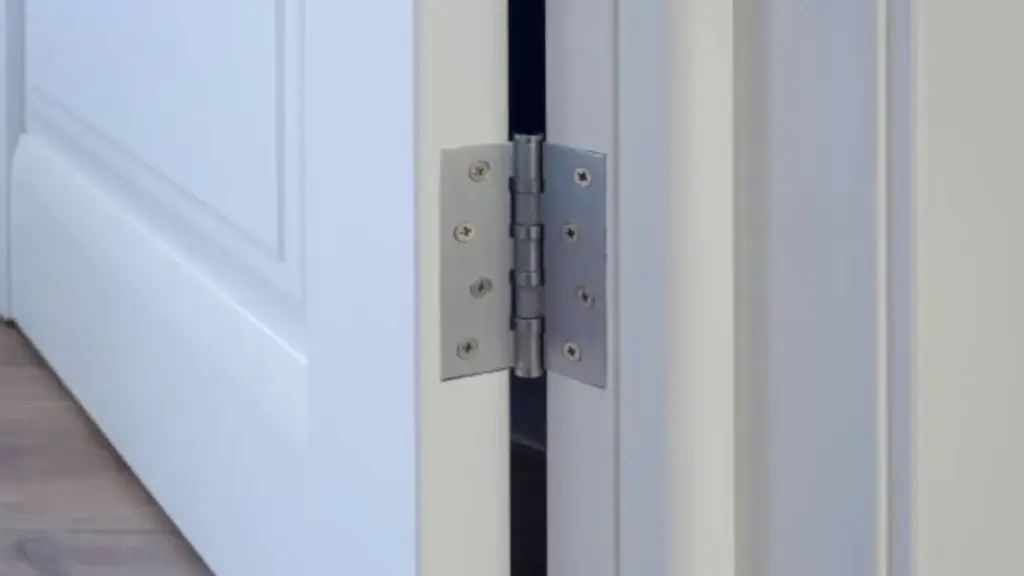
In high-traffic commercial settings, door hinges play a significant role in ensuring durability and safety. Their performance is primarily measured by two key metrics—cycle life and load capacity—which are defined by international standards such as ANSI/BHMA and BS EN.
Cycle Life and Load Capacity
- Heavy Weight Ball Bearing Hinges rated for 2,500,000 minimum cycles for optimal high-traffic performance.
- Standard Weight Ball Bearing Hinges designed for 1,500,000 minimum cycles.
To avoid premature failure and maintain door alignment, hinges must meet specific material thickness requirements. For example, 4-1/2” hinges need a minimum thickness of 0.180” (4.57 mm) to prevent sag.
Compliance Standards and Material Specifications
- Adherence to ANSI/BHMA A156.1 for butts and hinges, and A156.17 (Grade 1) for self-closing hinges/pivots.
- BS EN 1935 8-digit classification specifying performance, including Digit 1 for cycle durability (200,000 cycles) and Digit 3 for load capacity (up to 160 kg single-axis, 250 kg multi-axis).
- Mandatory fire ratings up to 3 hours for hollow metal doors, indicated by BS EN 1935 Digit 4.
- Standard material choice of SS304, with SS316 available for enhanced corrosion resistance in demanding environments.
How to Assess the Quality and Durability of Sliding Door Rollers and Tracks
Similar to door hinges, sliding door rollers and tracks require attention to material quality, design, and performance standards to ensure reliable operation and long-term durability.
Essential Material and Design Considerations
Roller Materials: Polyoxymethylene (POM) copolymer wheels with steel bearings (lower carriages) and vinyl rollers with steel bearings (upper) are preferred for low-friction, long-life performance without metal-on-metal wear.
Track Materials: High-quality cold rolled steel strip galvanized to BS 2989 (or 2.5mm extra thick galvanised steel) and Aluminum 6063 extrusions are critical for durability and corrosion resistance.
Hybrid Plastic Rollers: These designs often outperform traditional metal rollers on aluminum tracks by preventing costly replacements and reducing noise from flat-spotting.
Performance Metrics, Standards, and Load Capacity
Load Capacity Standards: Roller assemblies should meet a minimum of 34 kg (75 lbs) per roller, with increments of 11.4 kg (25 lbs) as specified by AAMA 906-05 to ensure reliable operation under specific weights.
Track Thickness Requirements: Top tracks require a minimum thickness of 0.064 inch, and bottom tracks 0.057 inch (for Aluminum 6063 extrusions) to resist deformation and maintain structural integrity.
Durability Testing: Systems are classified by weight (e.g., <50 kg, 51-100 kg, 101-330 kg, >330 kg) per DIN EN 1527:1998 and must be tested for up to 100,000 cycles to ensure long-term functionality.
Corrosion Resistance & Finish: Galvanised steel tracks must conform to BS 2989, and anodized aluminum finishes should meet AAMA 611 Class II standards for enhanced longevity and environmental resistance.
Current Trends in Door Handle Design and Functionality
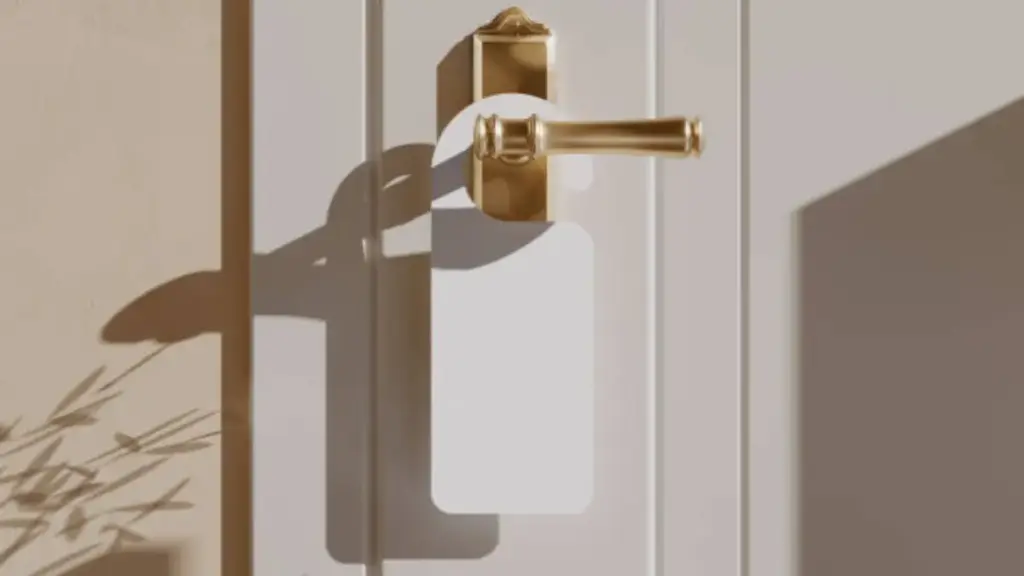
Evolving Materials and Aesthetics
- High-Performance Materials: Zinc-aluminum (ZnAl) alloys and recycled brass are increasingly used for their durability and versatility. ZnAl is ideal for complex shapes, while brass remains a premium choice for high-wear applications.
- Ergonomics and Functionality: Lever handles are still popular for ease of use, while long vertical pull handles are now preferred for large sliding and pivot doors. Flush pulls are common in pocket doors for a seamless look.
- Keyless Entry and Sensors: Handles are evolving into smart access systems, incorporating keyless entry and remote capabilities, enhancing both security and convenience.
Durability and Performance
- PVD Coatings: Physical Vapor Deposition (PVD) finishes are widely adopted for enhanced scratch and corrosion resistance. These coatings also align with eco-friendly practices by reducing waste.
- Rigorous Testing: Handles undergo durability testing for up to 200,000 operating cycles to ensure long-lasting performance in various environments.
- Compliance and Traceability: Handles must meet strict performance standards, with detailed certifications ensuring quality and longevity.
- Sustainable Materials: The use of recycled and eco-friendly materials is gaining ground, with PVD coatings helping reduce environmental impact.
Elevate Your Projects with Premium Aluminum Systems
Multi-Point Locking Systems: Integration for Different Door Types
Multi-point locking systems enhance door security by integrating 3-5 locking points across the top, center, and bottom. This design helps distribute the load evenly, preventing warping and improving sealing, making them ideal for doors made from wood, fiberglass, steel, and vinyl.
Key Benefits and Features
- Enhanced Door Integrity: Distributes loads across multiple points to strengthen door structure and prevent warping.
- Improved Sealing: Effectively seals against air and water infiltration, ensuring better energy efficiency and comfort.
- Versatility: Compatible with a wide range of door materials, including wood, fiberglass, and steel.
Specifications and Performance
- Backset Dimensions: Standard options include 2-3/8” (60.3mm) and 2-3/4” (69.9mm).
- Durability: Rated for over 100,000 cycles and able to withstand projectiles at 100 mph.
- Security: Meets Grade 1 standards, offering high resistance against forced entry.
These systems ensure strong, reliable performance while adding convenience with 90° single-action operation, suitable for both active and inactive door panels.
The Role of EPDM Gaskets and Weather Stripping in System Integrity
EPDM gaskets and weather stripping play a crucial role in maintaining the integrity of door and window systems by providing long-lasting seals that protect against environmental elements.
- Primary Barrier: EPDM gaskets are essential for blocking air, water, dust, and noise infiltration, directly improving energy efficiency and interior comfort.
- Weather Resistance: EPDM is engineered to withstand UV radiation, ozone, rain, wind, and temperature fluctuations, ensuring reliable performance over time.
- Temperature Range: EPDM operates effectively in a wide range of temperatures from -40°C to +120°C, with some grades extending from -51°C to +149°C.
- Elasticity and Strength: The material has excellent elasticity (300-600% elongation at break) and high tear resistance (10–40 kN/m), which helps absorb movement and maintain seal integrity.
- Environmental Resilience: EPDM resists water, steam, diluted acids, and UV exposure, making it ideal for harsh environments. However, it should not be exposed to hydrocarbon oils and fuels.
Optimizing Hardware Standardization for Inventory Management
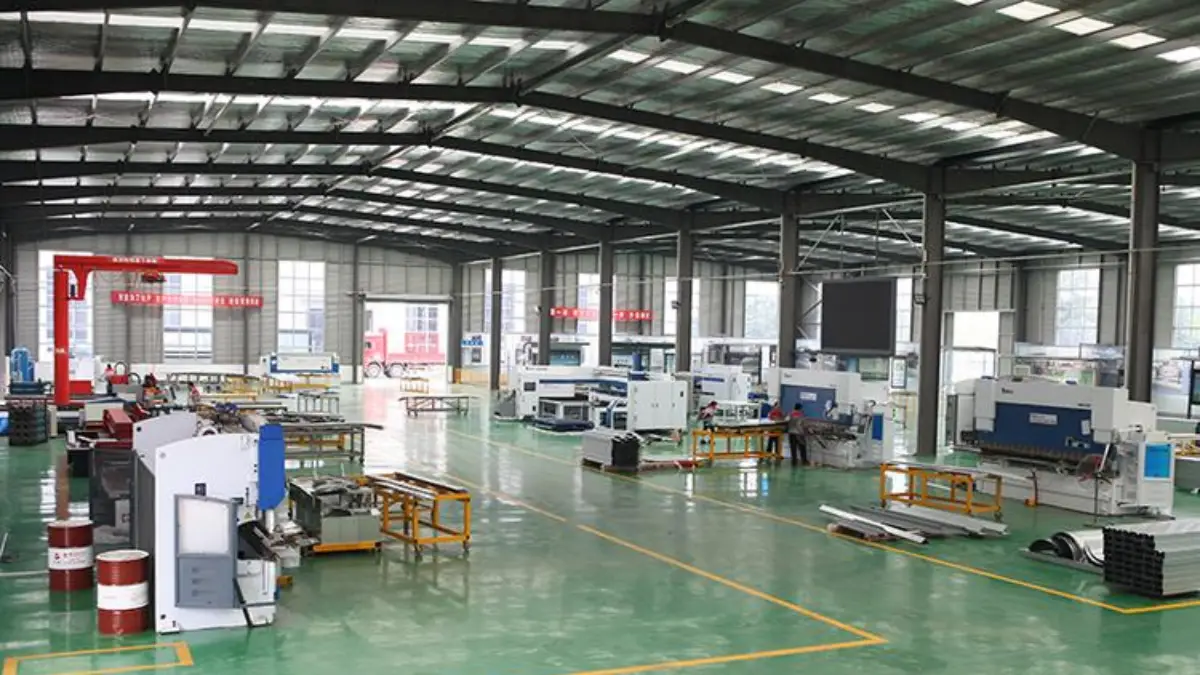
Effective hardware standardization is key to streamlining procurement processes, reducing costs, and improving supply chain efficiency for businesses. By adopting common specifications and leveraging industry standards, companies can significantly improve inventory management.
Strategic Benefits of Standardization
- Cost Savings: Standardization reduces inventory levels by up to 73%, minimizing stockouts and improving supply chain predictability. It also cuts procurement costs by up to 90% through consolidated digital orders.
- Consistency and Quality: Adhering to industry standards, such as ANSI/BHMA A156 series, ensures interoperability and consistent quality across hardware components from various manufacturers.
Advanced Inventory and Supply Chain Solutions
- Vendor Managed Inventory (VMI): Real-time data, minimum/maximum tuning, and autoreplenishment capabilities help maintain optimal stock levels and avoid shortages.
- Efficiency Tools: Scanning applications like eTurns TrackStock enhance procurement efficiency, achieving 4-10x improvements in inventory management.
- Material Standards: Using standardized materials, such as 6063-T6 aluminum alloy for continuous hinges, ensures reliable performance and compliance with fire-rated door requirements.
Matching Hardware to Door Size and Weight: Calculating Load Capacity
| Concept/Formula | Description/Details | Example/Range |
|---|---|---|
| Door Weight Calculation | Density (Specific Gravity) × Door Height (mm) × Door Width (mm) × Door Thickness (mm) ÷ 1,000,000 | MDF 0.8, particle board/plywood 0.7 |
| Initial Load Per Hinge | Total Door Weight ÷ Number of Hinges | 100kg door with 3 hinges = 33.33kg per hinge |
| Safety Factor Application | Incorporate 20-50% safety margin (factor 1.2-1.5) | 33.33kg × 1.2 = 40kg required per hinge |
| Hinge Grade by Door Weight | ANSI/BHMA or BS equivalent for total door weight | ≤60kg (Grade 10), 61-100kg (Grade 12), 101-120kg (Grade 13), ≥121kg (Grade 14) |
| Hinge Capacity Formula (lbs) | Total Door Weight / Number of Hinges × Safety Factor | 300-pound door, 3 hinges, 1.5 factor = 150 lbs per hinge |
| Hinge Size Formula (inches) | (Door Height × Door Weight) / 1000 | Varies by material |
| Hardware Material Tensile Strength | Key indicator for durability and load-bearing | Carbon Steel 400–800 MPa, Stainless Steel 500–900 MPa, Aluminum 100–250 MPa |
| Commercial Hinge Load Ratings | Capacity per set, adjusted by door weight | Commercial-duty 400-600 lbs, Heavy-duty 600-1000 lbs |
| Continuous Geared Hinge Sizing | Minimum capacity relative to door weight, with wind adjustment | 150% of door weight minimum; add 50-100 lbs for wind exposure |
| Industry Standards | Ensures performance compliance and safety | ANSI/BHMA (e.g., A156.14 for sliding/folding, A156.4 for closers) |
Final Thoughts
Selecting hardware for bulk aluminum door orders requires a deep understanding of performance metrics, industry standards, and application requirements. Key components, such as high-cycle hinges, robust sliding systems, multi-point locks, and EPDM gaskets, all contribute to a door’s functionality and durability.
For business buyers, this approach results in reduced total cost of ownership, lower maintenance, and improved energy efficiency. By choosing hardware that meets rigorous performance criteria, businesses can minimize risks, streamline procurement, and enhance project outcomes.
At OPUOMEN, we deliver high-quality, compliant aluminum door systems engineered for performance and longevity. Contact us today for tailored solutions.