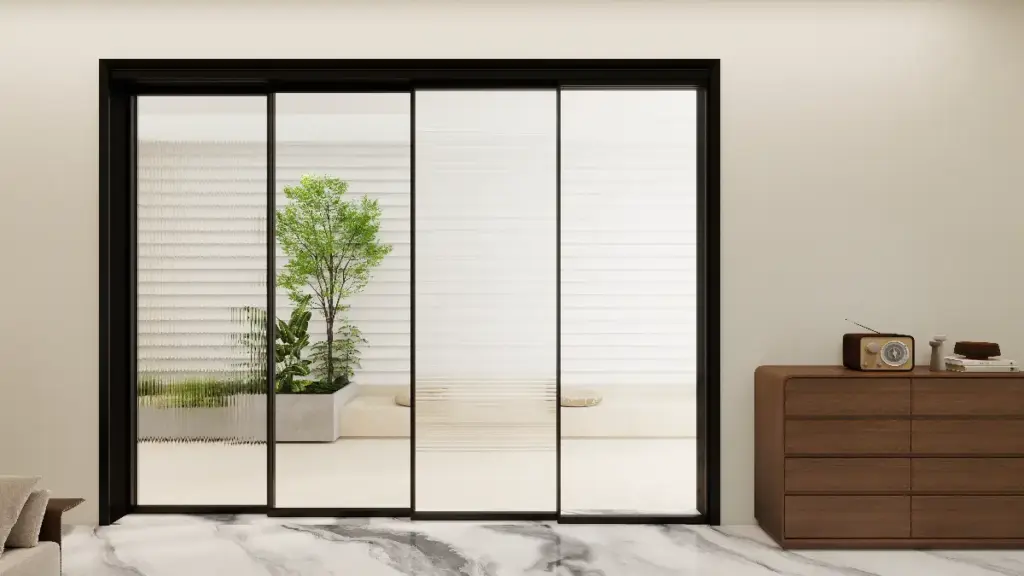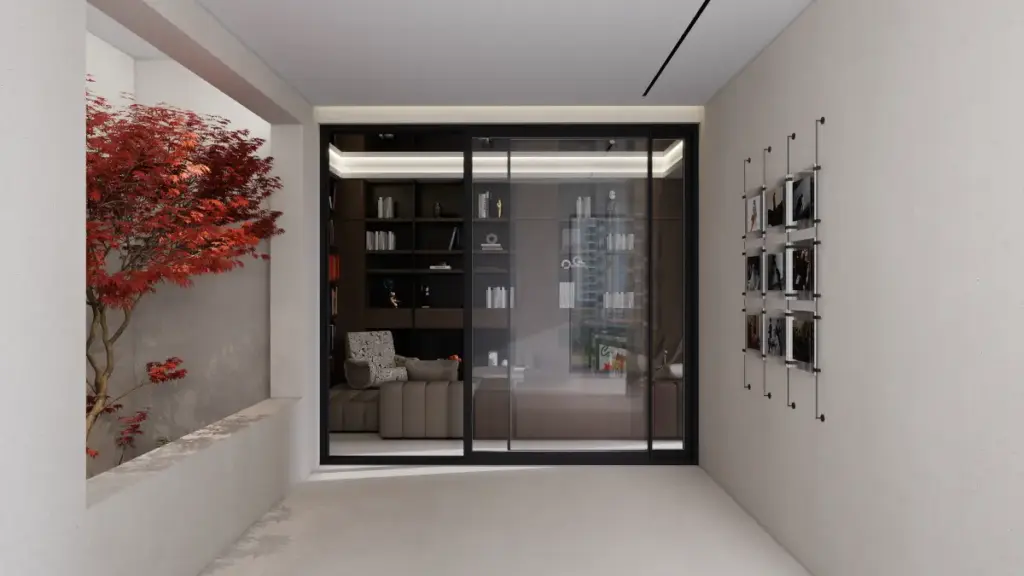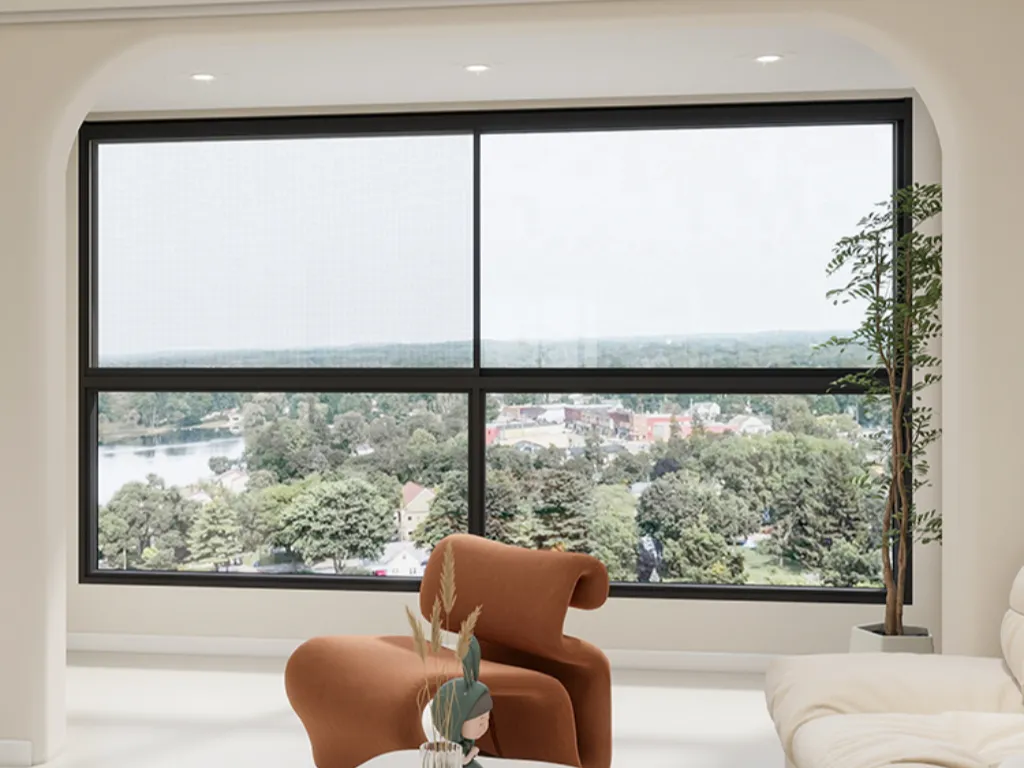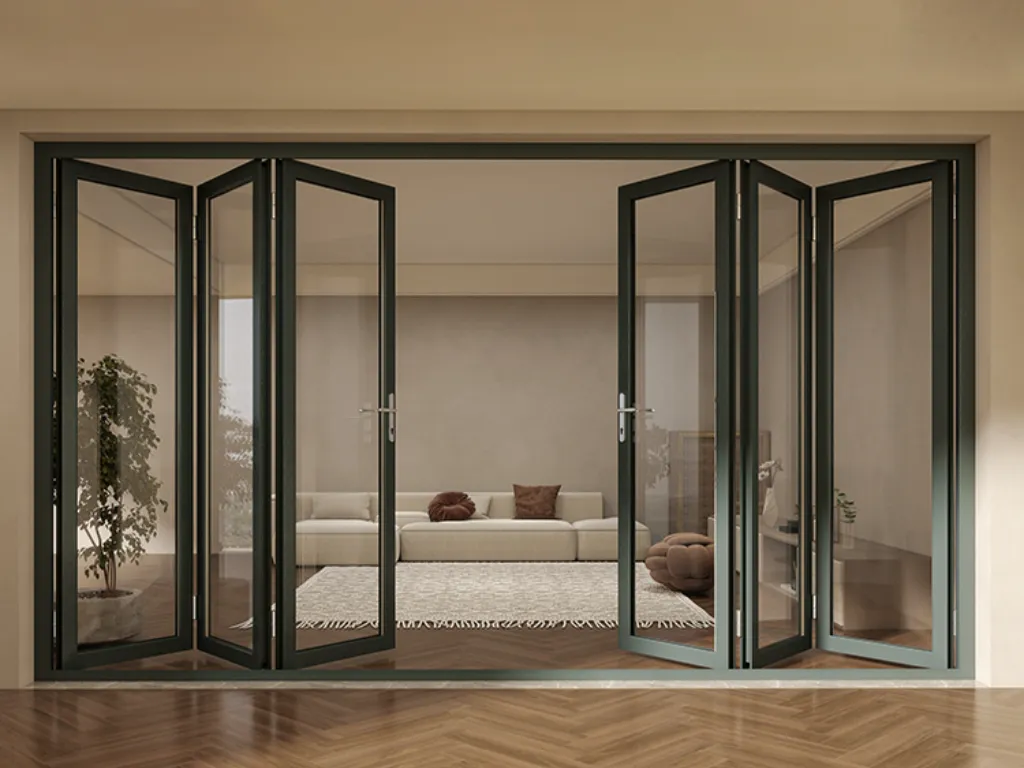
La sélection de la bonne fenêtre à battants en aluminium pour les projets B2B nécessite un examen attentif des performances, efficacité énergétique, et coûter. Ce guide offre un aperçu approfondi des principales caractéristiques et normes des fenêtres à battants en aluminium., aider les chefs de projets, architectes, et les équipes achats gèrent le processus de sélection. Des technologies avancées de rupture de pont thermique et des options de vitrage aux comparaisons de matériaux et aux choix de personnalisation, nous vous fournirons les informations nécessaires pour prendre des décisions éclairées. En plus, nous décomposerons les coûts, y compris les fourchettes de prix typiques, pour garantir que vos sélections correspondent aux exigences esthétiques et fonctionnelles du projet.
Que sont les fenêtres à battants en aluminium?
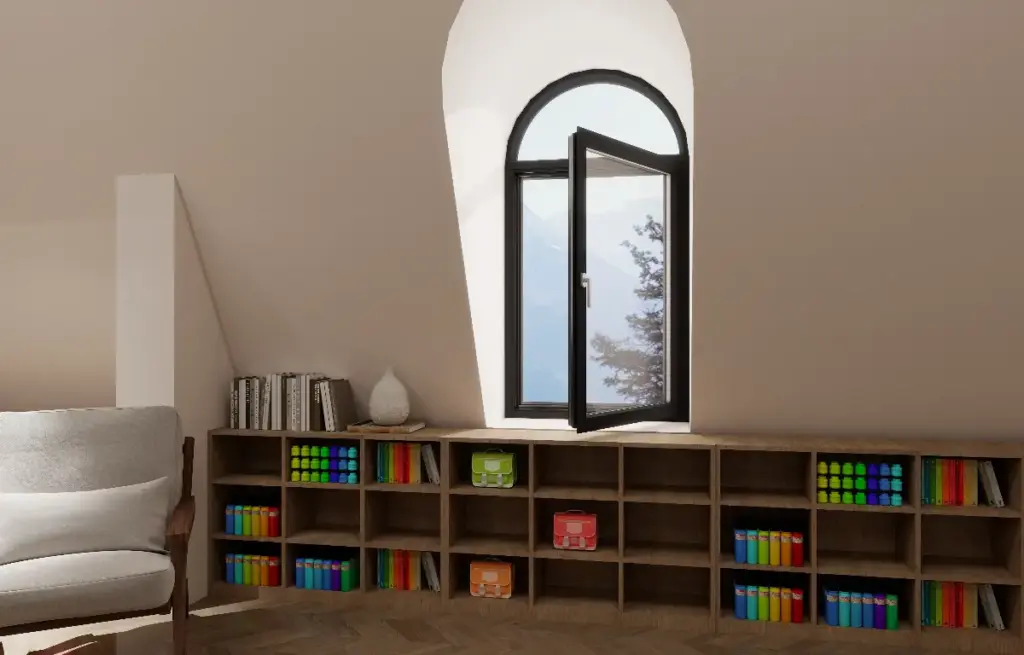
Windows à battants en aluminium sont un type de fenêtre qui s'ouvre vers l'extérieur sur une charnière latérale, semblable à une porte. Ils fonctionnent généralement avec un mécanisme à manivelle ou à vis sans fin., ce qui les rend faciles à ouvrir et à fermer. Le cadre et le châssis sont en aluminium, un matériau très durable et léger. Les cadres sont extrudés à partir de profilés en aluminium massif, généralement avec des épaisseurs de paroi autour 0.094 pouces (2.4mm), ce qui confère à la fenêtre une excellente résistance structurelle tout en la gardant légère.
Ces fenêtres sont reconnues pour leur durabilité car l'aluminium ne rouille pas et ne se déforme pas.. Le matériau est également résistant aux éléments, y compris les rayons UV, ce qui signifie que les fenêtres à battants en aluminium durent plus longtemps et nécessitent moins d'entretien que d'autres matériaux, comme le bois. Leur conception permet une ventilation maximale, car ils peuvent généralement s'ouvrir à 90 diplômes ou plus, selon le type de charnière, ce qui peut les rendre idéaux pour les espaces nécessitant beaucoup de circulation d’air.
Différents types de fenêtres à battants en aluminium
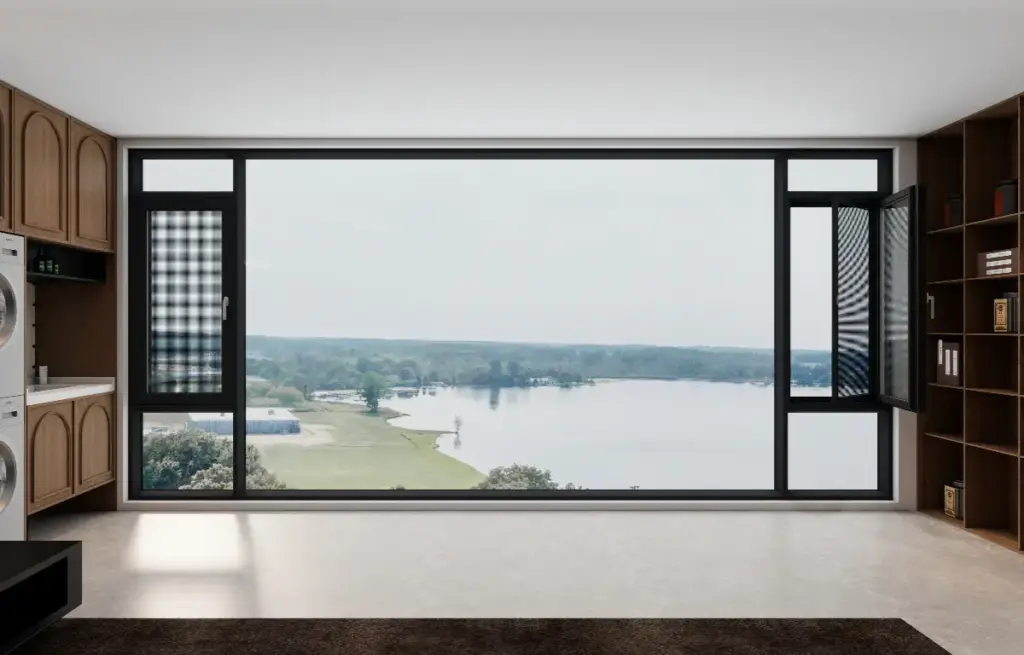
En fonction des types de fenêtres à battants en aluminium que vous avez fournis, voici une comparaison détaillée pour vous aider à comprendre quels types conviennent le mieux à votre public cible, en particulier pour les projets commerciaux B2B. Vous trouverez ci-dessous quelques-uns des types courants de fenêtres à battants et leurs caractéristiques., en mettant l'accent sur ce qui serait le plus pertinent pour les chefs de projet, architectes, et les équipes achats.
Battants ouvrant vers l’extérieur
Caractéristiques:
- Articulé sur le côté et pivotant vers l'extérieur comme une porte, permettant une ventilation maximale et des vues dégagées.
- Couramment actionné à l'aide d'un mécanisme à manivelle ou à vis sans fin.
Pertinence:
- Idéal pour les espaces nécessitant de grandes quantités de ventilation, comme les cuisines, lobbys, ou de grandes pièces. La conception à ouverture vers l'extérieur maximise le flux d'air et est particulièrement bénéfique dans les climats plus chauds.
- Cependant, à cause de la façon dont ces fenêtres s'ouvrent, ils ne sont peut-être pas idéaux pour les espaces étroits ou les immeubles de grande hauteur où les obstructions externes peuvent poser un défi.
Comparaison:
Les battants à ouverture vers l'extérieur offrent la meilleure ventilation par rapport aux battants à guillotine supérieure., qui offrent plus de protection contre la pluie mais sont moins ouverts à la circulation de l'air. Par rapport aux battants à cadre unique, les fenêtres s'ouvrant vers l'extérieur offrent une ventilation et un attrait esthétique bien supérieurs, bien qu'ils ne soient peut-être pas aussi adaptés aux petits espaces.
Battants français (Battants à double cadre)
Caractéristiques:
- Se compose de deux châssis à battants qui se rejoignent au milieu, sans meneau central, créer un grand, surface vitrée ininterrompue.
Pertinence:
- Idéal pour les grandes ouvertures comme dans les salons, chambres, ou des espaces où un large, une vue dégagée est souhaitée. Ils ajoutent également une touche élégante, aspect classique aux bâtiments résidentiels et commerciaux.
- Ce type est idéal pour les projets nécessitant de grandes surfaces vitrées pour apporter de la lumière et des vues naturelles., souvent trouvé dans les résidences de luxe ou les propriétés commerciales haut de gamme.
Comparaison:
Les battants français offrent un avantage plus esthétique et fonctionnel par rapport aux battants à ouverture vers l'extérieur., surtout pour les grandes ouvertures. Cependant, ils sont plus coûteux à installer en raison de la complexité de la conception et nécessitent un support structurel plus important. Ils offrent un meilleur attrait esthétique et une meilleure luminosité, mais ont un coût plus élevé que les plus simples., fenêtres à charnières latérales.
Battants à cadre unique
Caractéristiques:
- Un seul châssis de fenêtre dans un seul cadre, généralement avec une seule vitre.
Pertinence:
- Parfait pour les petits espaces comme les salles de bains, cuisines, ou toute pièce où une taille de fenêtre plus petite est nécessaire. La simplicité et la conception compacte le rendent idéal pour les espaces restreints.
- Ce type de fenêtre est généralement plus abordable et plus facile à entretenir, mais sa capacité à fournir une ventilation ou un attrait esthétique est limitée dans les grands espaces., plus d'espaces ouverts.
Comparaison:Les battants à cadre unique sont pratiques pour les petits, projets soucieux de leur budget, mais ils ne peuvent pas égaler les performances ou l'esthétique d'autres types comme les battants français ou les battants à triple cadre.. Ils conviennent moins aux grands projets commerciaux où l’esthétique et la performance sont une priorité.
Battants à guillotine
Caractéristiques:
- La fenêtre est articulée en haut et s'ouvre vers l'extérieur par le bas. Cette conception permet d'empêcher l'eau de pluie de pénétrer dans le bâtiment.
Pertinence:
- Idéal pour les projets dans les climats pluvieux ou les immeubles de grande hauteur où il est essentiel d'empêcher la pénétration de l'eau. La conception à guillotine est couramment utilisée dans les appartements résidentiels et les bâtiments commerciaux situés dans les régions humides..
- Ces fenêtres sont généralement plus petites et offrent moins de ventilation que les modèles à ouverture vers l'extérieur., mais ils sont particulièrement doués pour résister aux conditions météorologiques difficiles.
Comparaison:
Les battants à guillotine supérieure ont une résistance supérieure aux intempéries par rapport aux battants à ouverture vers l'extérieur., qui peut laisser tomber la pluie. Cependant, ils sont moins efficaces pour assurer la ventilation. Les battants à ouverture vers l'extérieur gagnent en termes de flux d'air mais peuvent ne pas convenir aux environnements humides, tandis que les battants à guillotine supérieure offrent plus de contrôle sur l'entrée de l'eau..
Battants à triple cadre
Caractéristiques:
- Composé de trois panneaux, généralement utilisé dans des ouvertures plus grandes pour des vues expansives, comme dans les salons ou les chambres.
Pertinence:
- Ces fenêtres conviennent mieux aux grands, des espaces ouverts où maximiser la lumière naturelle et améliorer les vues est une priorité. Ils sont souvent utilisés dans des projets résidentiels et commerciaux haut de gamme axés sur l’esthétique et l’efficacité énergétique..
- Compte tenu de la taille et du coût, Les battants à triple cadre sont idéaux pour les maisons de luxe ou les grands projets commerciaux, en particulier ceux qui cherchent à ajouter de la sophistication et à améliorer les performances énergétiques avec le triple vitrage.
Comparaison:
- Les battants à cadre triple offrent une esthétique et une lumière supérieures par rapport aux battants à cadre simple et aux battants à ouverture vers l'extérieur.. Cependant, leur coût et leur complexité les rendent moins adaptés aux projets soucieux de leur budget. Ils constituent le meilleur choix en termes de taille, conception, et la performance énergétique sont cruciales.
Battants minces
Caractéristiques:
- Des cadres plus minces qui permettent une plus grande surface vitrée, créer un contemporain, look minimaliste. Les cadres sont conçus pour s'intégrer parfaitement à l'esthétique des bâtiments modernes..
Pertinence:
- Particulièrement adapté aux projets qui nécessitent un design moderne, design élégant. La taille réduite du cadre permet des surfaces vitrées plus grandes et de meilleures vues, ce qui les rend idéaux pour les bureaux, appartements de grande hauteur, et maisons modernes.
- Alors que les battants Slimline peuvent améliorer l'esthétique globale d'un bâtiment, ils nécessitent plus d'attention à l'isolation thermique et à l'intégrité structurelle en raison de leurs cadres plus étroits.
Comparaison:
Les battants Slimline offrent une esthétique plus moderne que les battants à triple cadre traditionnels., offrant de plus grandes surfaces vitrées et un look plus contemporain. Cependant, ils peuvent ne pas offrir le même niveau de durabilité ou de support structurel pour les grandes ouvertures que les battants à triple cadre. Ils sont parfaits pour les bâtiments modernes mais pourraient ne pas être aussi robustes dans des conditions météorologiques difficiles..
Fenêtres à battants en aluminium par rapport aux autres matériaux dans la conception de fenêtres à battants
Intégrité structurelle & Avantages du cycle de vie
Fenêtres en aluminium, fabriqué à partir d'alliages comme EN AW-6063 T5/T6, offrent une solidité exceptionnelle, permettant des cadres plus minces et des surfaces vitrées plus grandes par rapport au PVC ou au bois. Par exemple, le Opumen F16 (3.0) Fenêtre externe en aluminium à pont cassé est conçu pour les immeubles de grande hauteur et les grandes fenêtres de balcon en verre. Sa structure de cadre robuste permet un vitrage expansif tout en préservant l'intégrité structurelle, améliorant à la fois l’esthétique et la lumière naturelle. Cette capacité à intégrer de grands panneaux de verre avec un profil mince est essentielle pour les, dessins minimalistes.
La durabilité de l’aluminium est inégalée. Avec revêtements en poudre résistant à la corrosion, l'aluminium surpasse le bois, qui a tendance à se déformer, pourrir, et dégâts causés par les termites, ainsi que le PVC, qui peut se déformer ou se décolorer sous une exposition prolongée aux UV. Les fenêtres à battants en aluminium nécessitent un entretien minimal, éliminant le besoin de finitions fréquentes ou de traitement des défaillances des joints couramment observées dans d'autres matériaux.
Performances avancées
Systèmes modernes en aluminium, dotés de ruptures de pont thermique comme le polyamide ou le polyuréthane, offrir d’excellentes performances thermiques, avec des facteurs U aussi bas que 0,30–0,37 Btu/h·ft²·°F. Les systèmes haut de gamme surpassent de nombreux produits haut de gamme en PVC ou en bois. Les battants en aluminium excellent également en termes de résistance à l'air et à l'eau, avec des systèmes de qualité commerciale répondant aux normes strictes AAMA/NAFS AW/CW, idéal pour les projets commerciaux et institutionnels exigeants.
Sécurité & Efficacité opérationnelle
La résistance de l’aluminium permet également l’intégration de fonctionnalités de sécurité avancées. Le Fenêtre inversée en aluminium Opuomen K90, avec sa capacité d'ouverture à 180°, offre des options de ventilation flexibles tout en garantissant une sécurité et une fonctionnalité améliorées, parfait pour les espaces qui nécessitent à la fois esthétique et sécurité.
Systèmes avancés de fenêtres en aluminium pour des projets mondiaux
Comment choisir la bonne fenêtre à battants en aluminium pour votre projet commercial
Lors de la sélection de fenêtres à battants en aluminium pour un projet commercial, aligner les spécifications sur les besoins du projet est crucial. Voici les facteurs clés à considérer:
Classe de performance et note
- Choisissez des fenêtres en fonction des classifications de performances (Par exemple, Classe P-AW-100, HC65) et les exigences spécifiques des normes FGIA/AAMA/WDMA/CSA 101/I.S.2/A440.
- Assurez-vous que les fenêtres répondent aux exigences de conception, chargement cyclique, et critères d'infiltration d'eau, crucial pour les applications de grande hauteur et commerciales.
Performance Thermique et Énergétique
- Cibler les valeurs U et SHGC qui correspondent aux codes énergétiques. Par exemple, viser des valeurs U pour toute la fenêtre autour 0.28 et SHGC ≤ 0.29.
- Utilisez du double ou du triple vitrage avec des revêtements Low-E et des remplissages de gaz inerte (Par exemple, argon) pour atteindre les objectifs d’efficacité énergétique.
Spécifications matérielles
- Optez pour les extrusions d'aluminium 6063-T5, avec des épaisseurs de paroi comprises entre 0,070" et 0,094", assurant durabilité et résistance pour les fenêtres de plus grande taille.
- Vérifier la conception à rupture de pont thermique pour minimiser le transfert de chaleur, comme des barrières rigides en polyuréthane dans les profilés.
Tailles des vitrages et des évents
- Sélectionnez des configurations de vitrage qui correspondent aux objectifs de performances (Par exemple, 1« IGU low-E, 1-3/8« triple vitrage).
- Assurez-vous que les dimensions des évents sont suffisamment grandes pour fournir le flux d'air nécessaire tout en préservant l'intégrité structurelle..
Matériel et accessoires
- Choisissez une quincaillerie adaptée à la fréquence d'utilisation et au poids du châssis, tels que des charnières robustes à 4 barres et des serrures multipoints pour un fonctionnement fréquent.
- Assurer la compatibilité avec les systèmes d'accessoires tels que les panoramiques et les sous-châssis, adhérant aux normes ASTM B221.
Options de personnalisation pour les fenêtres à battants en aluminium
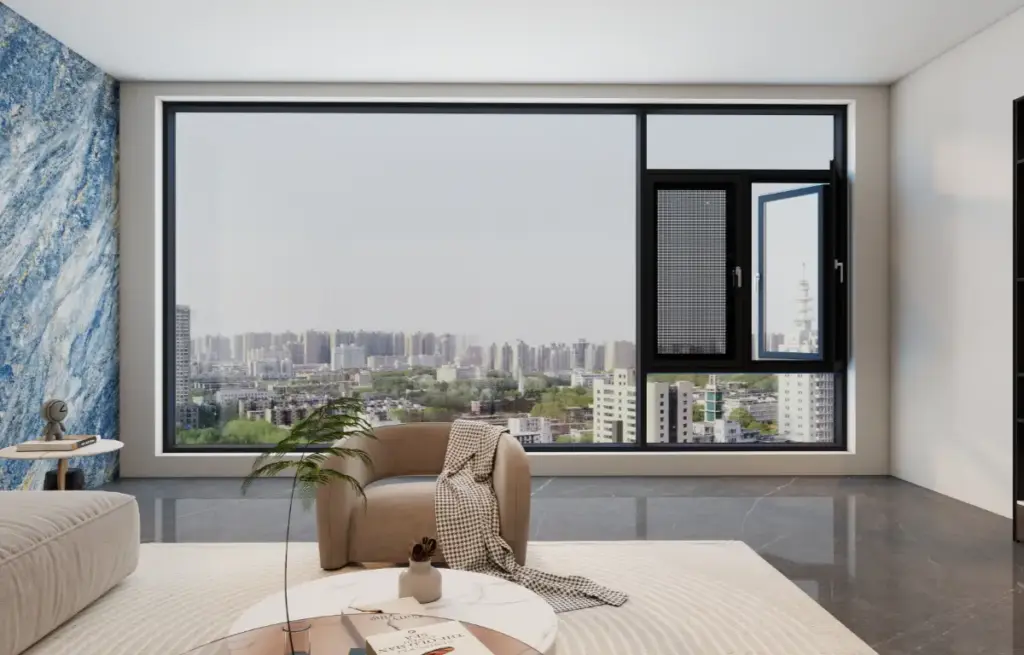
Les fenêtres à battants en aluminium offrent une personnalisation étendue pour répondre aux exigences spécifiques de tout projet. Vous pouvez adapter les systèmes de fenêtres aux conditions climatiques locales, niveaux de bruit, et les exigences de performance énergétique telles que la valeur U et la charge de vent.
- Matériau du profil & Dimensions du cadre: Construit avec des profilés en aluminium 6063-T5 durables, l'épaisseur du cadre varie de 48 mm à 109 mm, avec une épaisseur de profil de 1,8 mm. L'épaisseur du cadre/seuil est généralement de 0,125.″ (3.175mm), apportant force et résilience.
- Options de vitrage: Choisissez parmi une variété d'options de vitrage, y compris les unités à double vitrage (Par exemple, 5mm+27A+5mm), 1″ verre isolant avec revêtements Low-E, ou triple vitrage pour une meilleure isolation.
- Méthodes d'ouverture: Personnaliser le mécanisme d'ouverture, y compris battant vers l'extérieur, suspendu, et options d'inclinaison et de rotation, avec flexibilité pour célibataire, double, ou configurations multi-panneaux.
- Couleur & Finition: Sélectionnez parmi AAMA 2604 revêtement en poudre, finitions anodisées en noir, bronze, ou clair, ou finitions fluorocarbonées personnalisées en plus 50 extérieur et 14 options de couleurs intérieures.
- Matériel & Améliorations thermiques: Matériel haute performance comme les charnières à friction à 4 barres et le matériel Truth, ainsi que des améliorations thermiques telles que des ruptures thermiques en polyuréthane et des coupe-froid, améliorer l’efficacité énergétique et le confort.
Répartition des coûts des fenêtres à battants en aluminium dans les projets B2B
Investir dans des fenêtres à battants en aluminium de haute qualité garantit non seulement des performances supérieures, mais offre également une valeur à long terme., faire des coûts initiaux un investissement stratégique pour tout projet.
Coûts d'approvisionnement uniquement:
- Fenêtres à battants en aluminium standards: ~200 $ à 600 $
- Des systèmes performants: $50–100$ le pi²
Coûts d'installation:
- Supplémentaire ~ 70 $ à 150 $ par fenêtre
Matériau vs. Coûts de main-d'œuvre:
- Matériels: 85–95% du coût total
- Travail: 5–15% du coût total
Coûts de personnalisation:
- Options de vitrage spéciales (Par exemple, triple vitrage, Revêtements à faible émissivité)
- Des tailles plus grandes et des profils thermiques avancés
- Finitions personnalisées et correspondance des couleurs
Facteurs de performance:
- Valeur U plus élevée (performances thermiques) peut augmenter le prix
- L’isolation acoustique et les options de vitrage économes en énergie font grimper les coûts
Pensées finales
En conclusion, Les fenêtres à battants en aluminium offrent une combinaison de résistance, élégance, et des performances exceptionnelles, ce qui en fait un choix idéal pour les projets commerciaux B2B. Avec leur durabilité supérieure, entretien minimal, et des fonctionnalités économes en énergie, ces fenêtres offrent une valeur à long terme tout en répondant aux exigences esthétiques et fonctionnelles.
Opuomen's solutions de fenêtres en aluminium personnalisables offrir la qualité et la flexibilité nécessaires à une large gamme d’applications. Pour les architectes, développeurs, et chefs de projets à la recherche de solutions fiables, des fenêtres performantes, Opinion offre la solution parfaite. Investissez dans les fenêtres à battants en aluminium d'Opuomen pour améliorer la qualité de votre projet, efficacité, et durabilité. Contactez-nous aujourd'hui pour discuter de vos besoins spécifiques!