Spécification d'un système de fenêtre qui équilibre l'esthétique, performance, et l'efficacité opérationnelle est un défi clé pour les décideurs commerciaux dans les projets commerciaux et multifamiliaux. Au-delà de la simple fourniture d'une vue, les conceptions modernes exigent une sécurité accrue, optimisation énergétique, et peu d'entretien, le tout dans le cadre d'une réglementation stricte.
Ce guide explore les fonctionnalités avancées des fenêtres oscillo-battantes en aluminium, des systèmes de verrouillage multipoints aux performances thermiques exceptionnelles. Découvrez comment ces fenêtres offrent une sécurité inégalée, efficacité énergétique, et facilité d'entretien, en particulier dans les applications de grande hauteur.
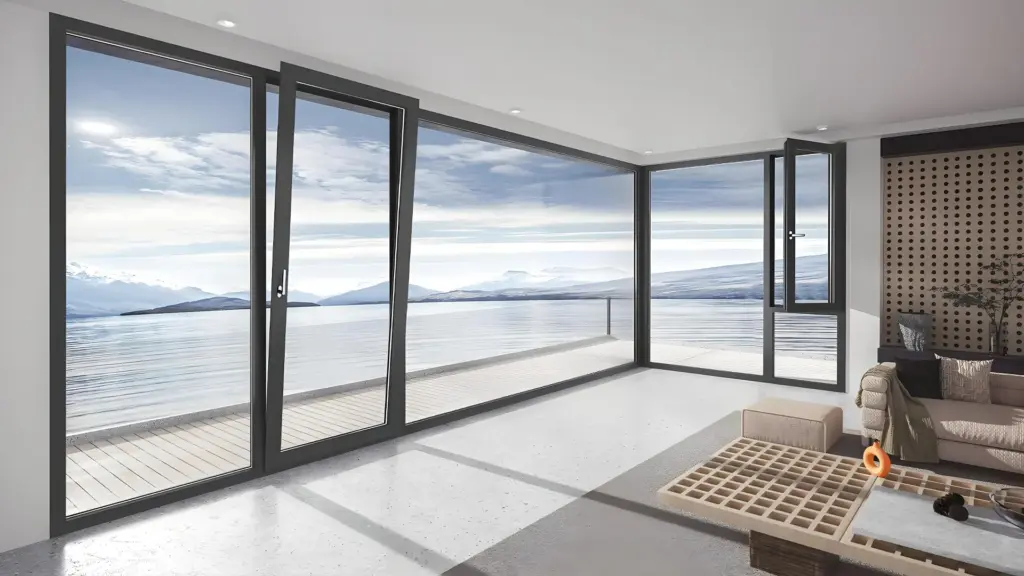
Que sont les fenêtres oscillo-battantes et comment fonctionnent-elles ??
Les fenêtres oscillo-battantes sont des unités polyvalentes à ouverture vers l'intérieur qui combinent deux modes de fonctionnement dans un seul vantail.
- Le mode « tourner » permet au châssis de pivoter vers l'intérieur sur des charnières verticales pour une ouverture complète, permettant un nettoyage facile de l'intérieur et une sortie dégagée.
- Le mode « inclinaison » ouvre le haut du vantail vers l'intérieur par un mouvement contrôlé 130 mm (≈5 pouces), assurer la sécurité, ventilation passive sans compromettre la sécurité.
Les deux modes sont actionnés par une seule poignée multi-positions qui engage un système matériel inclinable et rotatif dissimulé.. La rotation de la poignée d'environ 90° active le mode tour complet, tandis qu'environ 180 ° engage le mode d'inclinaison.
Les principales caractéristiques comprennent des systèmes de verrouillage multipoints autour du périmètre du vantail et des systèmes robustes., charnières de grande capacité, assurer une sécurité renforcée, étanchéité à l'air, et l'intégrité structurelle. Cette conception est particulièrement avantageuse pour les immeubles de grande hauteur et multifamiliaux, où l'accès externe pour le nettoyage ou l'entretien est limité.
Comment le mode d'inclinaison se compare-t-il au battant complet pour la ventilation?
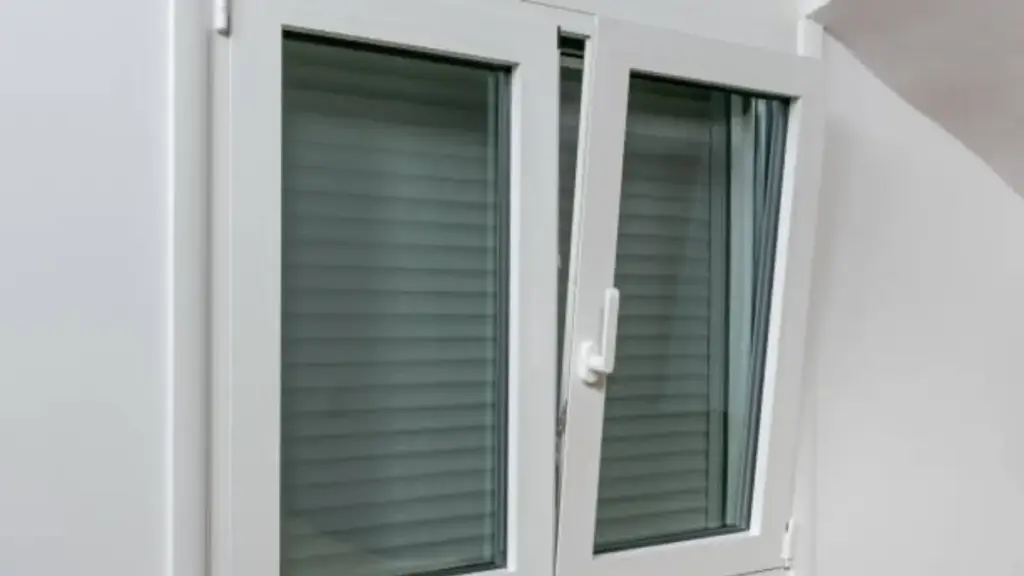
Pour les bâtiments modernes, Choisir la bonne ventilation revient souvent à comparer les fenêtres oscillo-battantes avec les fenêtres à battants pleins., car chacun offre des avantages distincts en matière de circulation d'air et de sécurité.
Débit d'air contrôlé
Les fenêtres oscillo-battantes offrent un contrôle, ventilation passive par une petite ouverture supérieure, généralement autour 150 mm (≈6 pouces). Cela permet un échange d'air continu tout en limitant les pertes de chaleur et les courants d'air., ce qui le rend idéal pour les immeubles multifamiliaux et les immeubles de grande hauteur où la sécurité et l'efficacité énergétique sont essentielles.
Certains systèmes offrent un réglage de micro-ventilation de 10 mm (≈3/8 po) pour très lent, flux d'air continu, convient pour une utilisation nocturne. L'ouverture restreinte du mode d'inclinaison assure une ventilation partielle sécurisée sans compromettre la sécurité.
Flux d'air rapide
En revanche, complet Windows à battements, ou le mode rotation des fenêtres oscillo-battantes, ouvrir l'ouvrant vers l'intérieur jusqu'à 90% de sa largeur, livraison rapide, débit d'air élevé. C'est excellent pour une ventilation à purge rapide ou pour le désenfumage, mais il offre moins de contrôle sur la perte de chaleur et la sécurité par rapport au mode inclinaison.
Le mode inclinaison est le plus couramment utilisé pour la ventilation quotidienne, offrant des solutions économes en énergie, flux d'air sécurisé. Le mode à battants complets ou tournants est idéal pour les occasions occasionnelles., ventilation à grand volume, donner la priorité à la vitesse plutôt qu'au contrôle.
Quelles fonctionnalités de sécurité distinguent les fenêtres inclinables et pivotantes?
Les fenêtres oscillo-battantes en aluminium offrent une sécurité robuste tout en permettant une ventilation contrôlée grâce au mode inclinaison. Leur force vient du verrouillage multipoint, cadres renforcés, et verre de sécurité avancé, combiné avec une quincaillerie précise qui sécurise le châssis en tous points. L'ouverture à inclinaison contrôlée assure la circulation de l'air sans compromettre la sécurité.
| Fonction de sécurité | Spécification clé / Description | Contribution de sécurité |
|---|---|---|
| Systèmes de verrouillage multipoints | Au moins 3 points de verrouillage ou 5 goupilles de verrouillage en métal fixant le châssis à plusieurs emplacements du cadre. | Empêche les indiscrets et les entrées forcées en répartissant la résistance sur tout le cadre de la fenêtre.. |
| Cadres renforcés & Ceintures | Construit avec des matériaux en acier ou en aluminium pour une résistance structurelle améliorée. | Augmente la résistance aux chocs et l'intégrité structurelle contre les brèches forcées. |
| Verre de sécurité | Verre feuilleté ou trempé d'une épaisseur minimale de 4 mm ou 5 mm. | Résiste à l'éclatement, maintient les fragments ensemble lors de l'impact, et dissuade les effractions violentes. |
| Ouverture d'inclinaison restreinte | 10-15 cm (4-6 pouces) plage d'ouverture pour la ventilation; espace de micro-ventilation de 1-2 mm. | Permet une ventilation sécurisée sans fournir suffisamment d'espace pour un accès humain non autorisé. |
| Poignée de verrouillage intégrée | Engage plusieurs points de verrouillage (haut, bas, côtés) avec un seul, fonctionnement intuitif. | Assure une répartition uniforme de la force et une étanchéité parfaite, éliminer les points faibles du périmètre pour les intrus. |
Cette combinaison de durabilité, verrouillage sécurisé, et la ventilation contrôlée rendent les fenêtres oscillo-battantes idéales pour les immeubles de grande hauteur et multifamiliaux, un objectif de performance reflété dans les systèmes de fenêtres en aluminium d'Opuomen.
Débloquez des performances supérieures avec les systèmes de fenêtres OPUOMEN
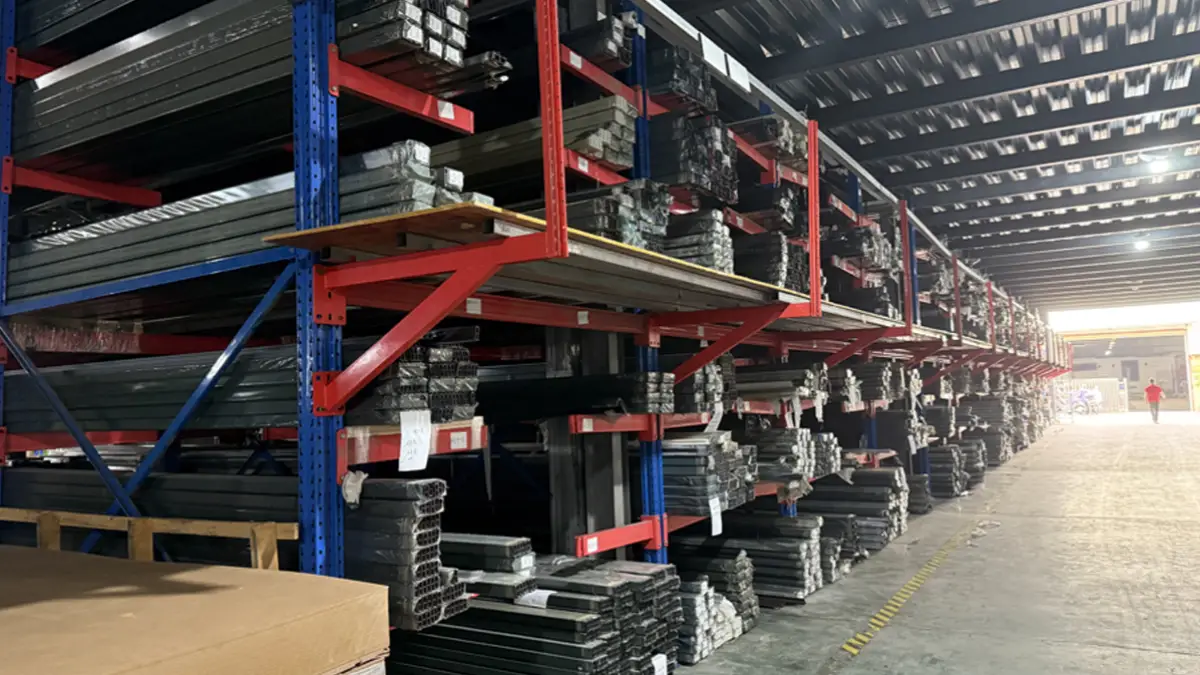
Dans quelle mesure l'entretien et le nettoyage sont-ils faciles pour les applications de grande hauteur?

Dans les immeubles de grande hauteur, la facilité de nettoyage et la sécurité de l’entretien sont des préoccupations constantes, surtout là où l'accès externe est limité ou coûteux. Les fenêtres oscillo-battantes sont conçues pour simplifier à la fois.
Conception à ouverture vers l'intérieur pour un nettoyage sûr en hauteur
En mode tour de rôle, le châssis s'ouvre complètement vers l'intérieur, permettant de nettoyer en toute sécurité les surfaces vitrées intérieures et extérieures depuis l'intérieur du bâtiment. Cela élimine le besoin d'échelles, échafaudage, ou équipement d'accès extérieur, réduisant considérablement les risques de sécurité et les coûts de maintenance.
Lorsqu'il est positionné en mode inclinaison, les bras de sécurité intégrés stabilisent le châssis pendant le nettoyage et aident à prévenir les mouvements brusques ou les claquements, améliorer encore la sécurité des utilisateurs.
Recommandé Calendriers d'entretien
- Un nettoyage régulier du verre est recommandé 2 fois par mois en utilisant de l'eau tiède et des agents non agressifs; évitez de vous tenir sur les cadres.
- Lubrifier les charnières, écluses, et mécanismes 2 fois par an avec lubrifiant en spray; inspecter le matériel tous les trimestres pour vérifier l'usure.
- Chaque 6 mois pour surfaces en aluminium peint
- Chaque 90 jours pour les finitions teintées; ne pas laver sous pression.
Ce qui rend le matériel des fenêtres oscillo-battantes unique?
Les fenêtres oscillo-battantes sont équipées d'une quincaillerie haute performance conçue pour supporter de grandes tailles de châssis, poids lourds, et des conditions environnementales exigeantes. Leur fonctionnement multifonctionnel combine une ventilation inclinable et une capacité d'ouverture totale dans un seul mécanisme., offrant à la fois sécurité et flexibilité.
| Composant/caractéristique | Spécification/capacité | Importance/Détails |
|---|---|---|
| AGB ø 34/4 raccords mm | Supporte un poids maximum de châssis de 278 livres (130 kilos) | Assure une portance robuste pour les applications lourdes à simple ou double vantail. |
| AL Designo cassé | Charnière invisible STS 180° | Gère les châssis jusqu'à 176 livres (80 kilos) avec ouverture à 180°; 304 SST; 14 profils de rainure mm. | Fournit une intégration esthétique, fonction fluide, et une résistance améliorée à la corrosion pour les systèmes en aluminium. |
| DEPUIS 18357 standard | Norme allemande pour la qualité du matériel et la résistance à la corrosion des matériaux. | Nécessite des attaches à travers au moins 2 Murs en PVC, garantissant une installation sécurisée et durable. |
| Dimensions du vantail | Largeur 480-1000 mm, hauteur 595-2600 mm | S'adapte à une large gamme de tailles de fenêtres, offrant une flexibilité de conception. |
| Angle de position d'inclinaison | Norme 15° pour espace de ventilation | Permet une ventilation contrôlée et sécurisée sans ouverture complète. |
| Pression de conception (DP) notes | 80 psf (Résidentiel, AAMA R80); 90 psf (commercial, AMA C90), testé à 1.5 fois DP. | Indique des performances structurelles élevées et une résistance aux conditions météorologiques extrêmes. |
| Limiteurs matériels intégrés | « Tourner seulement’ restricteur de retenue et ‘AL | ELLE’ limiteur d'ouverture avec verrouillage en fin de course. | Améliore la sécurité en empêchant une ouverture excessive et en fournissant des options de ventilation/nettoyage contrôlées. |
Quelles sont les performances des fenêtres oscillo-battantes en termes d’isolation thermique et acoustique ??
Quand il s’agit d’isolation thermique et acoustique, les fenêtres oscillo-battantes se distinguent par leurs performances exceptionnelles. Conçu pour une efficacité élevée, ces fenêtres sont équipées de systèmes d'étanchéité avancés et de caractéristiques d'isolation qui aident à maintenir le confort intérieur, quelles que soient les conditions extérieures.
Isolation thermique améliorée
- Les joints de compression sur tout le périmètre et les cadres multi-chambres assurent une excellente étanchéité à l'air.
- Peut atteindre des valeurs U aussi basses que 0.60-0.71 W/m²·K (R-8), surpassant considérablement les fenêtres standards.
Performance acoustique supérieure
- Vitrage isolant épais (jusqu'à 42 mm) et les systèmes d'étanchéité avancés réduisent le bruit.
- Cotes d'atténuation sonore (Rw) vont de 37-42 dB, idéal pour les environnements sensibles au bruit.
Normes et certifications de l'industrie
- Conforme à Passivhaus, ÉNERGIE STAR, ASHRAE 90.1, et plus.
- Répond à des critères stricts de performance énergétique et sonore, ce qui en fait un choix de premier ordre pour les bâtiments hautes performances.
Quand devriez-vous choisir des fenêtres à battants traditionnelles inclinables et rabattables?
Si étanchéité à l'air à long terme et sécurité sont vos principales priorités, les fenêtres oscillo-battantes sont le meilleur choix. Ils offrent des systèmes de verrouillage multipoints supérieurs (4-12 points), dépassant de loin le 1-2 serrures typiques des fenêtres à battants, ce qui les rend idéaux pour les immeubles de grande hauteur.
Si durabilité est crucial, les fenêtres oscillo-battantes durent plus longtemps que les types à battants. Ils conservent leur pleine fonction même après 40,000 cycles d'ouverture, tandis que les fenêtres à battants peuvent montrer de l'usure après seulement 10,000 cycles.
Si vous êtes préoccupé par sécurité des enfants ou besoin ventilation sécurisée, le mode d'inclinaison permet la ventilation sans ouvrir complètement la fenêtre, offrant à la fois circulation d’air et sécurité.
Si vous habitez dans endroits exposés à des vents violents ou, les fenêtres oscillo-battantes sont la meilleure option. Leur ceinture reste en grande partie à l'intérieur du cadre, offrant une résistance supérieure au vent.
Si vous avez besoin d'un solution personnalisée pour votre projet, les fenêtres oscillo-battantes peuvent être entièrement personnalisées avec différentes finitions de cadre, types de verre, et systèmes de verrouillage - choisissez Opuomen pour des options de personnalisation qui répondent à vos besoins spécifiques.
Dernièrement, si entretien facilee est une priorité, les fenêtres oscillo-battantes permettent un nettoyage extérieur de l'intérieur, ce qui les rend parfaits pour les zones de grande hauteur ou difficiles d'accès.
Pensées finales
En conclusion, Les fenêtres oscillo-battantes en aluminium offrent des performances inégalées pour les projets de construction modernes. Avec leur mécanisme double action, fonctionnalités de sécurité robustes, et une isolation thermique et acoustique exceptionnelle, ils surpassent les fenêtres traditionnelles. Leur durabilité, à faible entretien, et le respect des normes de construction les plus élevées telles que Passivhaus et ENERGY STAR garantissent une valeur et des économies à long terme.
Pour les architectes et les promoteurs, choisir OpuomenLes fenêtres oscillo-battantes, c'est investir dans une solution sécurisée, solution économe en énergie qui répond aux besoins complexes des bâtiments commerciaux et résidentiels. Découvrez notre gamme aujourd'hui pour élever votre projet avec une technologie de fenêtre supérieure.
Foire aux questions
Quelle est la durée de vie du mécanisme d'engrenage d'une fenêtre oscillo-battante standard?
Le mécanisme d'engrenage des fenêtres oscillo-battantes standard bénéficie d'une garantie de 10 ans comme norme de l'industrie., avec résistance à la corrosion testée selon 2,000+ heures de brouillard salin pour les finitions Activage et 1,000 heures pour les systèmes MACO TRICOAT.
Les fenêtres oscillo-battantes peuvent-elles être réalisées avec des profilés en aluminium minimalistes?
Oui, les fenêtres oscillo-battantes peuvent être réalisées avec des profilés en aluminium minimalistes, comme le système VR55 (55 mm largeur du cadre, 59 mm largeur d'ouvrant, 1.6–2 mm d'épaisseur de paroi) de Vision Art Aluminium et profilés étroits (1.4–2,0 mm d'épaisseur de paroi) en aluminium 6063-T5/6061-T6 de Yajia Aluminum.
Comment la position inclinée empêche-t-elle la pluie de pénétrer pendant la ventilation?
La position inclinée empêche la pluie de pénétrer pendant la ventilation en créant une petite ouverture vers l'intérieur en haut de la fenêtre (comme une trémie), qui dirige le flux d'air vers le haut et vers l'extérieur tandis que les joints inclinés et les coupe-froid en mousse EPDM bloquent la pénétration de l'eau sous pression.; cette conception atteint les niveaux d'étanchéité aux normes de l'industrie jusqu'à 600 Papier AS/NZS 4420.1.
Quelles sont les limites de taille pour un seul ouvrant oscillo-battant?
Les limites de taille standard de l'industrie pour un seul ouvrant oscillo-battant sont généralement une largeur maximale de 60 pouces (1524 mm), hauteur maximale de 84 pouces (2134 mm), et surface maximale du vantail de 2.5 m² (environ 27 pieds carrés), avec un poids maximum de 130 kilos (278-320 livres) selon le système; des configurations spécifiques limitent les tailles à des ratios tels que 60 en large x 48 en haute ou 40 en large x 84 en hauteur pour garantir la conformité NAFS et l’intégrité structurelle.