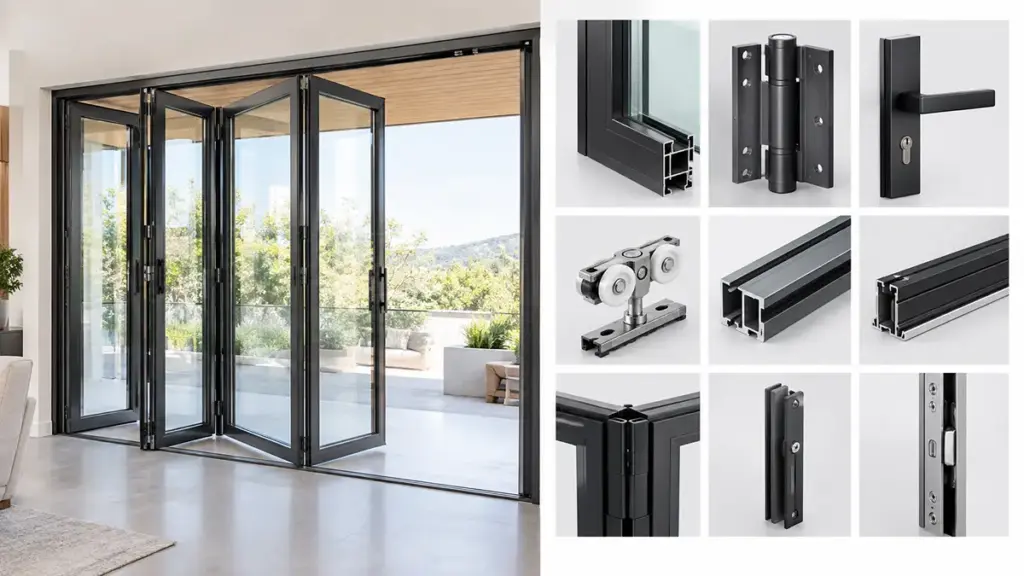
एल्युमीनियम ख़िड़की दरवाजा सोर्सिंग अक्सर तकनीकी जटिलता का सामना करती है, समयपूर्व रिसाव या संरचनात्मक शिथिलता से महत्वपूर्ण वारंटी दावों और परिचालन विफलताओं का जोखिम उठाना.
यह मार्गदर्शिका संरचनात्मक प्रोफ़ाइल मोटाई जैसी मुख्य विशिष्टताओं की जांच करती है, यू-फैक्टर प्रदर्शन के लिए थर्मल ब्रेक तकनीक, और मजबूत सुनिश्चित करने के लिए वायु/जल घुसपैठ रेटिंग को मान्य किया गया, अनुरूप परिणाम.
एल्युमीनियम ख़िड़की दरवाज़े का चयन करते समय मुख्य कारक
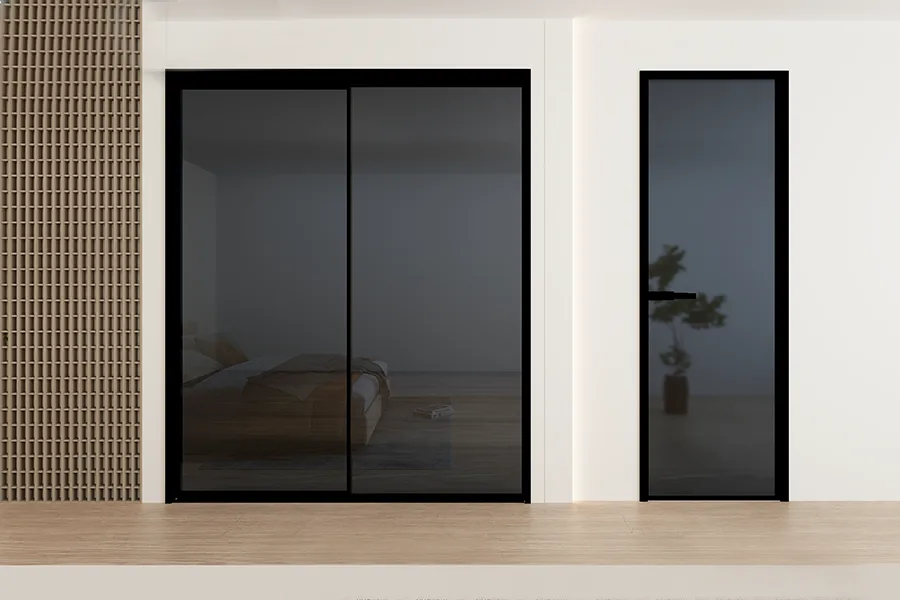
एल्युमीनियम ख़िड़की दरवाजे का चयन करने के लिए प्रदर्शन के संतुलन की आवश्यकता होती है, डिज़ाइन, और स्थायी मूल्य के लिए ठोस स्थापना और आपूर्तिकर्ता समर्थन के साथ स्थायित्व.
मुख्य प्रदर्शन और डिज़ाइन तत्व
आर्किटेक्चरल-ग्रेड एल्यूमीनियम प्रोफाइल का व्यापक रूप से उपयोग किया जाता है क्योंकि वे उत्कृष्ट ताकत-से-वजन अनुपात प्रदान करते हैं, विरूपण का विरोध करें, और दीर्घकालिक आयामी स्थिरता बनाए रखें. तटीय क्षेत्र में स्थायित्व सुनिश्चित करना, नमी, या कठोर वातावरण, प्रोफाइल में उच्च गुणवत्ता वाले एनोडाइज्ड या पाउडर-लेपित फिनिश होने चाहिए जो जंग से बचाते हैं, यूवी एक्सपोज़र, और सतह का ख़राब होना.
प्रोफ़ाइल डिज़ाइन से ऊर्जा दक्षता काफी हद तक प्रभावित होती है. थर्मल-ब्रेक सिस्टम, अक्सर इसे "टूटे हुए पुल" संरचनाओं के रूप में जाना जाता है, आंतरिक और बाहरी सतहों के बीच गर्मी हस्तांतरण को कम करें, इन्सुलेशन प्रदर्शन में सुधार और कम यू-फैक्टर मान प्राप्त करने में मदद करना. डबल-घुटा हुआ इंसुलेटेड ग्लास इकाइयों और निरंतर गैसकेट सिस्टम के साथ संयुक्त, ये डिज़ाइन ध्वनिक इन्सुलेशन और इनडोर आराम को भी बढ़ाते हैं.
मौसम प्रतिरोध फ़्रेम के बीच परस्पर क्रिया पर निर्भर करता है, कमरबंद, और सीलिंग घटक. मल्टी-लेयर ईपीडीएम या रबर सील, सटीक विनिर्माण सहनशीलता, और अनुकूलित जल निकासी प्रणालियाँ हवा की जकड़न को बेहतर बनाने में मदद करती हैं, पानी प्रतिरोध, और समग्र परिचालन विश्वसनीयता. स्वतंत्र प्रदर्शन परीक्षण, जिसमें वायु घुसपैठ के लिए एएसटीएम ई283 और जल प्रवेश के लिए एएसटीएम ई331 शामिल है, इन क्षमताओं का वस्तुनिष्ठ सत्यापन प्रदान करता है.
हार्डवेयर की गुणवत्ता भी उतनी ही महत्वपूर्ण है. मल्टी-पॉइंट लॉकिंग सिस्टम, हेवी-ड्यूटी टिका, संभालती है, और समर्थन घटक सुरक्षा में योगदान करते हैं, सुचारू संचालन, और दीर्घकालिक स्थायित्व. अच्छी तरह से डिजाइन किए गए एल्यूमीनियम ख़िड़की दरवाजे आकार में व्यापक अनुकूलन विकल्प प्रदान करते हुए पतली दृष्टि रेखाएं भी प्रदान करती हैं जो ग्लास क्षेत्र को अधिकतम करती हैं, खत्म करना, और रंग.
स्थापना गुणवत्ता, आपूर्तिकर्ता विश्वसनीयता, और जीवनचक्र मूल्य
यदि स्थापना की गुणवत्ता खराब है तो उच्चतम प्रदर्शन करने वाला दरवाजा सिस्टम भी विफल हो सकता है. उचित स्थापना फ्रेम संरेखण सुनिश्चित करती है, मौसम सीलिंग, जल निकासी प्रदर्शन, और गतिशील घटकों का सुचारू संचालन. स्थापना के बाद, गुणवत्ता निरीक्षण में कांच की अखंडता की पुष्टि होनी चाहिए, हार्डवेयर कार्यक्षमता, सैश संरेखण, और लॉकिंग प्रदर्शन.
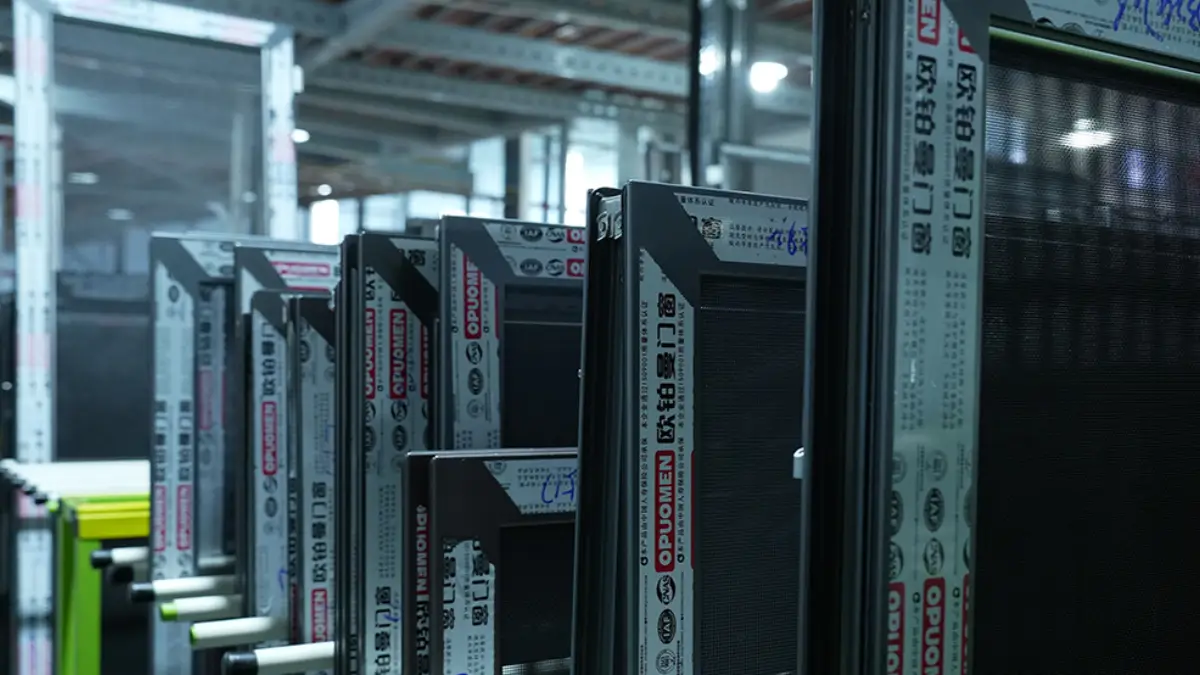
आपूर्तिकर्ता चयन दीर्घकालिक परियोजना की सफलता में महत्वपूर्ण भूमिका निभाता है. प्रतिष्ठित निर्माता लगातार मिश्र धातु संरचना बनाए रखते हैं, सटीक उत्पादन सहनशीलता, और संरचनात्मक प्रदर्शन के लिए अंतरराष्ट्रीय मानकों के अनुपालन का दस्तावेजीकरण किया गया, हवा का रिसाव, जल प्रवेश, और पवन-भार प्रतिरोध. स्पष्ट उत्पाद पहचान और पता लगाने की क्षमता गुणवत्ता आश्वासन को और अधिक समर्थन देती है.
प्रोफ़ाइल को कवर करने वाली व्यापक वारंटी, खत्म, हार्डवेयर, और ग्लेज़िंग अतिरिक्त सुरक्षा प्रदान करते हैं और उत्पाद की गुणवत्ता में निर्माता के विश्वास को दर्शाते हैं. जबकि प्रीमियम सिस्टम में उच्च अग्रिम लागत शामिल हो सकती है, उनकी विस्तारित सेवा जीवन, कम रखरखाव की आवश्यकताएं, और बेहतर ऊर्जा दक्षता के परिणामस्वरूप अक्सर जीवनचक्र लागत कम होती है.
संरचनात्मक भार के लिए सही प्रोफ़ाइल दीवार की मोटाई का निर्धारण
एल्युमीनियम ख़िड़की दरवाजों के लिए प्रोफाइल दीवार की मोटाई एक संरचनात्मक डिजाइन कार्य है. सामान्य सीमा 1.6-3.0 मिमी है, मुख्य सदस्यों के लिए ≥2.0 मिमी और हेवी-ड्यूटी दरवाजों के लिए ≈3.0 मिमी के साथ.
दीवार की मोटाई निर्धारण के लिए इंजीनियरिंग दृष्टिकोण
सही दीवार की गणना एल्यूमीनियम ख़िड़की दरवाजे के लिए मोटाई प्रोफाइल एक संरचनात्मक डिजाइन कार्य है. इसके लिए विभिन्न भारों पर विचार करना आवश्यक है, बिल्डिंग कोड, और दरवाजे की विशिष्ट व्यवस्था. एल्यूमीनियम दरवाजा प्रोफाइल के लिए सामान्य संरचनात्मक मोटाई 1.6-3.0 मिमी है. अधिकांश मुख्य दरवाजे के सदस्य ≥2.0 मिमी का उपयोग करते हैं, जबकि हाई-लोड या हेवी-ड्यूटी दरवाजों की आवश्यकता होती है 3.0 मिमी.
खिड़कियों और दरवाजों के लिए सामान्य उद्योग प्रोफ़ाइल आमतौर पर 1.2-3.0 मिमी मोटी होती हैं, एप्लिकेशन और डिज़ाइन लोड के आधार पर चुना गया. आवासीय ख़िड़की दरवाजे अक्सर 1.6-2.0 मिमी प्रोफाइल का उपयोग करते हैं, कई सिस्टम न्यूनतम सेटिंग के साथ 1.6 दरवाजा प्रोफाइल के लिए मिमी. व्यावसायिक, गगनचुंबी इमारत, या उच्च वायु भार से निपटने वाले उच्च प्रदर्शन वाले दरवाजे, बड़े उद्घाटन, या भारी कांच 2.0-3.0 मिमी मोटाई की ओर बढ़ता है. हेवी-ड्यूटी वाणिज्यिक एल्यूमीनियम दरवाजे में पोरथोल एक्सट्रूज़न की सुविधा हो सकती है 3.0 स्टाइल्स और रेल्स जैसे प्राथमिक भागों के लिए मिमी दीवार की मोटाई.
एल्यूमीनियम ख़िड़की दरवाजा प्रोफाइल के लिए सही दीवार की मोटाई का पता लगाने के लिए, इंजीनियर कई इनपुट पर विचार करते हैं:
- आवेदन का प्रकार: क्या यह आवासीय ख़िड़की दरवाज़ा है या व्यावसायिक/ऊँची इमारत का प्रवेश द्वार है?
- हवा का दबाव डिजाइन करें: बिल्डिंग कोड से सकारात्मक और नकारात्मक दबाव की मात्रा निर्धारित करें.
- द्वार ज्यामिति: पत्ती का आकार, फ़्रेम आयाम, और स्पैन की लंबाई सीधे आवश्यक ताकत और कठोरता को प्रभावित करती है.
- ग्लेज़िंग और इन्फिल: कांच की मोटाई, डबल/ट्रिपल ग्लेज़िंग, और पैनल वजन प्रभाव झुकने और समर्थन भार.
- संचालन आवश्यकताओं: अपेक्षित उपयोग तीव्रता (प्रकाश आवासीय बनाम. भारी वाणिज्यिक) और सुरक्षा आवश्यकताएँ (संघात प्रतिरोध, जबरन-प्रवेश प्रतिरोध) अक्सर मोटी प्रोफाइल या आंतरिक सुदृढीकरण के लिए दबाव डालते हैं.
व्यावहारिक मोटाई चयन दिशानिर्देश और चेकलिस्ट
एल्यूमीनियम ख़िड़की दरवाजों के लिए दीवार की मोटाई का चयन करते समय, एक व्यावहारिक दृष्टिकोण सामान्य दिशानिर्देशों को विशिष्ट जाँचों के साथ जोड़ता है.
आवासीय ख़िड़की दरवाजे
आवासीय उपयोग के लिए, मुख्य फ्रेम और लीफ प्रोफाइल के लिए दीवार की मोटाई ≥1.6-2.0 मिमी रखें. यह मध्यम आकार के दरवाज़ों के लिए काम करता है, मानक डबल-ग्लेज़िंग, और निम्न से मध्यम हवा वाले क्षेत्र. राष्ट्रीय द्वार प्रोफ़ाइल मानकों के अनुपालन की पुष्टि करें; यदि दरवाजे खिड़की के मानकों के अनुरूप होने चाहिए तो मुख्य प्रोफाइल के लिए ≥2.0 मिमी अपनाएं. यदि आपकी चुनी हुई मोटाई पर विक्षेपण सीमाएं लगभग पूरी हो जाती हैं, तो बड़े-स्पैन केसिंग पत्तों में स्टील सुदृढीकरण का उपयोग करें.
व्यावसायिक / ऊँचे-ऊँचे ख़िड़की दरवाज़े
व्यावसायिक अनुप्रयोगों के लिए, मुख्य प्रोफ़ाइल ≥2.0 मिमी होनी चाहिए, आमतौर पर बड़े दरवाजे या उच्च डिजाइन दबाव के लिए 2.5-3.0 मिमी तक बढ़ रहा है. हेवी-ड्यूटी उपयोग के लिए, पोरथोल एक्सट्रूज़न पर विचार करें 3.0 दरवाजे के स्टाइल और रेलिंग के लिए मिमी दीवार की मोटाई, विशेष रूप से उच्च-यातायात या उच्च-हवा वाले क्षेत्रों में. जहां आवश्यक हो, फ्रेम स्थिरता के लिए आंतरिक संरचनात्मक स्टील सुदृढीकरण का उपयोग करें. सख्त विक्षेपण मानदंड लागू करें, डिज़ाइन दबाव पर एल/175 की तरह 70 पीएसएफ, और तदनुसार मोटाई और सुदृढीकरण समायोजित करें.
उच्च प्रदर्शन / चरम मौसम के दरवाजे
विषम परिस्थितियों में, दीवार की मोटाई पर विचार करें 3.0 मिमी. ऊर्जा दक्षता के लिए इसे थर्मल ब्रेक के साथ मिलाएं, इस्पात सुदृढीकरण, और मजबूत कोने का निर्माण. इन दरवाजों को उच्च वायु भार के लिए विशेष रूप से डिज़ाइन करें, प्रभाव, और तापमान चरम सीमा. पुष्टि करें कि लोड के तहत सील की विफलता और रिसाव को रोकने के लिए ग्लास बाइट और फ्रेम की कठोरता पर्याप्त है.
प्रीमियम एल्युमीनियम-लकड़ी के दरवाजों के साथ परियोजनाओं को उन्नत करें
थर्मल ब्रेक टेक्नोलॉजी: ऊर्जा कोड अनुपालन सुनिश्चित करना
एल्युमीनियम ख़िड़की दरवाजों में थर्मल ब्रेक तकनीक ऊर्जा कोड अनुपालन के लिए महत्वपूर्ण है, बेहतर भवन प्रदर्शन के लिए गर्मी हस्तांतरण को काफी कम करना और संक्षेपण प्रतिरोध में सुधार करना.
थर्मल ब्रेक प्रदर्शन
एल्युमिनियम एक अत्यधिक सुचालक पदार्थ है. यह इनडोर और आउटडोर वातावरण के बीच तेजी से गर्मी हस्तांतरण की अनुमति देता है. इससे हीटिंग और कूलिंग लोड बढ़ जाता है, और इससे दरवाजे के फ्रेम पर संघनन का खतरा रहता है. एक थर्मल ब्रेक इस समस्या का समाधान करता है.
थर्मल ब्रेक एक गैर-धात्विक है, कम चालकता वाली इन्सुलेट सामग्री. बिल्डर्स रणनीतिक रूप से इसे दरवाजे के फ्रेम के आंतरिक और बाहरी एल्यूमीनियम खंडों के बीच रखते हैं. इससे ऊष्मा प्रवाह का मार्ग बाधित हो जाता है. पॉलियामाइड स्ट्रिप्स सबसे आम सामग्री हैं. वे उच्च शक्ति और कम तापीय चालकता प्रदान करते हैं. दरवाज़े का फ्रेम दो अलग-अलग एल्यूमीनियम प्रोफाइल के रूप में बनाया गया है, अंदर और बाहर. निर्माता इन्हें थर्मल ब्रेक स्ट्रिप के माध्यम से यांत्रिक रूप से जोड़ते हैं.
ब्रेक संरचनात्मक रूप से प्रोफाइल को थर्मल रूप से अलग करते हुए जोड़ता है. यह फ़्रेम के माध्यम से प्रवाहकीय ताप स्थानांतरण को बाधित करता है. यह थर्मल ब्रिजिंग को भी कम करता है, प्रत्यक्ष ताप पथ ऊर्जा हानि और ठंडी आंतरिक सतहों का कारण बनता है. यह डिज़ाइन आंतरिक फ़्रेम तापमान को कमरे की स्थितियों के करीब रखता है, ठंडे स्थानों को सीमित करना और आराम में सुधार करना.
सतत अनुपालन के लिए एकीकृत डिजाइन और स्थापना
दरवाज़े का फ्रेम प्रभावी ढंग से आंतरिक और बाहरी थर्मल ज़ोन में विभाजित होता है. पॉलियामाइड या मिश्रित थर्मल पट्टी इन क्षेत्रों को अलग करती है. यह ऊष्मा स्थानांतरण के लिए निरंतर धातु पथ को रोकता है. यह आंतरिक फ़्रेम तापमान को इनडोर वायु तापमान के करीब रखता है. यह ठंडी सतहों से दरवाजे के पास संवहन वायु की गति को भी कम करता है.
आधुनिक थर्मल ब्रेक डिज़ाइन जटिल एल्यूमीनियम एक्सट्रूज़न आकृतियों का समर्थन करते हैं. वे लॉकिंग विकल्पों और हार्डवेयर की एक विस्तृत श्रृंखला का भी समर्थन करते हैं. ख़िड़की दरवाजा प्रोफाइल में मल्टी-पॉइंट लॉकिंग तंत्र शामिल हो सकते हैं. उनके पास टिका और ऑपरेटिंग हार्डवेयर के लिए प्रबलित अनुभाग भी हैं. एकीकृत गैसकेट चैनल और जल निकासी पथ संभव हैं. थर्मल ब्रेक संरचनात्मक अखंडता बनाए रखता है. यह दशकों तक दरवाजा भार और परिचालन चक्र का समर्थन करता है.
पॉलियामाइड स्ट्रिप्स को उनकी उच्च यांत्रिक शक्ति और आयामी स्थिरता के लिए चुना जाता है. वे यूवी का भी विरोध करते हैं, तापमान चक्रण, और नमी. थर्मल रूप से टूटे हुए एल्युमीनियम उत्पाद अधिक सेवा जीवन प्राप्त कर सकते हैं 30 उचित विनिर्माण और स्थापना के साथ वर्ष. कठोर जलवायु में ख़िड़की के दरवाजे थर्मल ब्रेक इन्सुलेशन के साथ एल्यूमीनियम के संक्षारण प्रतिरोध से लाभान्वित होते हैं. इससे लचीलेपन और आराम में सुधार होता है.
मानक एल्यूमीनियम फ्रेम आम तौर पर आधुनिक यू-फैक्टर सीमाओं को पूरा करने में विफल रहते हैं. उनमें संक्षेपण प्रतिरोध भी कम होता है. थर्मल रूप से टूटे हुए एल्यूमीनियम ख़िड़की दरवाजे 0.35-0.65 रेंज में यू-फैक्टर कटौती प्रदान करते हैं. अनुपालन के लिए यह अक्सर आवश्यक होता है. वे संक्षेपण प्रतिरोध को 55-70 तक सुधारते हैं, आराम का समर्थन करना और स्वास्थ्य का निर्माण करना. वे समग्र भवन ऊर्जा उपयोग को भी कम करते हैं.
ग्लेज़िंग विशिष्टताओं का चयन करना: सुरक्षा और ध्वनिक अलगाव को संतुलित करना
एल्यूमीनियम ख़िड़की के दरवाजों के लिए इष्टतम ग्लेज़िंग ध्वनिक अलगाव गुणों के साथ सुरक्षा ग्लास को जोड़ती है, अक्सर थर्मली टूटे हुए फ़्रेमों में लेमिनेटेड इंसुलेटेड इकाइयों का अर्थ होता है.
सुरक्षा और ध्वनिक प्रदर्शन के लिए ग्लेज़िंग प्रकारों को समझना
The एल्यूमीनियम ख़िड़की दरवाजे के लिए सबसे अच्छा ग्लेज़िंग विकल्प इसमें अक्सर लेमिनेटेड इंसुलेटेड ग्लास इकाई शामिल होती है (मेरे लिए) थर्मली टूटे हुए एल्यूमीनियम फ्रेम में, उच्च गुणवत्ता वाले संपीड़न सील और बहु-बिंदु हार्डवेयर के साथ जोड़ा गया. यह सेटअप प्रभाव सुरक्षा में सुधार करता है, सीमा टूट रही है, और मानक सिंगल या बेसिक डबल ग्लेज़िंग की तुलना में ध्वनि अलगाव को बढ़ाता है.
सुरक्षा सबसे पहले आती है. जहां लोग दरवाजे से टकरा सकते हैं वहां सुरक्षा कांच का प्रयोग करें, विशेष रूप से बड़े दरवाजे की रोशनी और कम ग्लेज़िंग के लिए. टेम्पर्ड ग्लास छोटे कुंद टुकड़ों में टूट जाता है. लैमिनेटेड ग्लास टूटने के बाद भी टुकड़े बरकरार रखता है, जो इसे कुछ मामलों में बेहतर बनाता है. ध्वनिक प्रदर्शन संपूर्ण असेंबली पर निर्भर करता है: फ़्रेम डिज़ाइन, सील गुणवत्ता, कांच का श्रृंगार, और हार्डवेयर सभी शोर नियंत्रण को प्रभावित करते हैं. ध्वनि अलगाव केवल कांच की मोटाई पर निर्भर नहीं करता है. भी, एक थर्मल ब्रेक मायने रखता है. एल्युमीनियम ऊष्मा का अच्छे से संचालन करता है, इसलिए थर्मल रूप से टूटा हुआ फ्रेम फ्रेम के माध्यम से ध्वनि और गर्मी हस्तांतरण को कम कर देता है. अधिक कांच की परतें और बेहतर कैविटी डिज़ाइन आम तौर पर ध्वनि नियंत्रण में सुधार करते हैं.
टेम्पर्ड ग्लास आमतौर पर ख़िड़की दरवाजों के लिए निर्दिष्ट किया जाता है. इसके बारे में है 4-5 यह मानक कांच से कई गुना अधिक मजबूत होता है और छोटे-छोटे टुकड़ों में टूट जाता है, चोट के जोखिम को कम करना. जब आप सुरक्षा और ध्वनिकी दोनों चाहते हैं तो लेमिनेटेड ग्लास एक मजबूत विकल्प है. इंटरलेयर टूटने के बाद टुकड़ों को चिपकाए रखने में मदद करता है और ध्वनि कंपन को नम करने में भी मदद करता है. बड़ी ग्लास लाइटों और निचले सैश क्षेत्रों को आम तौर पर मजबूत सुरक्षा ग्लेज़िंग की आवश्यकता होती है क्योंकि प्रभाव जोखिम अधिक होता है. भी, कोड अनुपालन याद रखें. दरवाज़ों में ग्लेज़िंग के लिए अक्सर सुरक्षा-ग्लास प्रावधानों को पूरा करने और उचित लेबल लगाने की आवश्यकता होती है.
विशिष्ट परियोजना आवश्यकताओं के लिए ग्लेज़िंग चयन का अनुकूलन
अपने परिवेश के आधार पर ग्लेज़िंग चुनें. मध्यम सड़क शोर के लिए, डबल ग्लेज़िंग के साथ एक थर्मली टूटा हुआ एल्यूमीनियम ख़िड़की दरवाजा, कम से कम एक लेमिनेटेड फलक, और उच्च गुणवत्ता वाली सीलें अच्छी तरह से काम करती हैं. यदि आपकी सड़कें व्यस्त हैं, रेल, या हवाई अड्डे का प्रदर्शन, लैमिनेटेड आईजीयू को प्राथमिकता दें, बेहतर वायुरोधी, और संभवतः ट्रिपल ग्लेज़िंग या एक विशेष ध्वनिक प्रणाली. सुरक्षा-संवेदनशील अनुप्रयोगों के लिए, लैमिनेटेड सेफ्टी ग्लास या लैमिनेटेड टेम्पर्ड संयोजन का उपयोग करें. यह दरवाजे को टूटने के बाद टुकड़ों को बरकरार रखने की अनुमति देता है और ध्वनिक अलगाव में भी सुधार करता है. बड़े प्रारूप वाले दरवाजे के पत्तों के लिए, मोटे शीशे और मजबूत फ्रेम की अक्सर आवश्यकता होती है, चूंकि मोटे कांच बड़े स्पैन और उच्च वायु भार के लिए आम बात है.
यहां एल्यूमीनियम ख़िड़की दरवाजे के लिए एक विशिष्टता जांच सूची दी गई है:
- चौखटा: मजबूत अनुभाग गहराई और बहु-कक्ष डिजाइन के साथ थर्मली टूटी हुई एल्यूमीनियम प्रोफ़ाइल.
- काँच: न्यूनतम डबल ग्लेज़िंग; बेहतर सुरक्षा और शोर नियंत्रण के लिए लेमिनेटेड या लेमिनेटेड इंसुलेटेड ग्लास.
- फलक सुरक्षा: टेम्पर्ड या लेमिनेटेड ग्लास जहां प्रभाव या टूटने का जोखिम मौजूद हो.
- सील प्रणाली: ईपीडीएम या समकक्ष मल्टी-लेयर सीलिंग, सैश के चारों ओर कसकर संपीड़न के साथ.
- हार्डवेयर: सील दबाव को समान बनाए रखने के लिए मल्टी-पॉइंट लॉकिंग और टिकाऊ टिका.
- लक्ष्य प्रदर्शन: ग्लेज़िंग और फ़्रेम चयन को साइट के शोर स्तर के अनुसार संरेखित करें; बहुत शोर वाले स्थान उच्च एसटीसी/ओआईटीसी प्रदर्शन के साथ ध्वनिक-रेटेड असेंबली को उचित ठहरा सकते हैं.
हार्डवेयर स्थायित्व: हिंज और मल्टी-प्वाइंट लॉक रेटिंग का मूल्यांकन

एल्यूमीनियम ख़िड़की के दरवाजों में हार्डवेयर का स्थायित्व काज और मल्टी-पॉइंट लॉक सिस्टम पर निर्भर करता है. सामग्री का मूल्यांकन करें, यांत्रिक डिजाइन, और लोड के लिए प्रमाणित रेटिंग, जंग, और जीवन चक्र.
के लिए एल्यूमीनियम ख़िड़की दरवाजे, टिका और बहु-बिंदु ताले महत्वपूर्ण हैं. वे दरवाजे का भार उठाते हैं, इसके आंदोलन का प्रबंधन करें, और इसे सुरक्षित करें. कमजोर हार्डवेयर एक अच्छी तरह से डिज़ाइन की गई दरवाजा प्रणाली से भी समझौता कर लेता है. यहां हमारा ध्यान संरचनात्मक भार पर है, सुरक्षित लॉकिंग, संक्षारण प्रतिरोध, और चक्र जीवन प्रदर्शन.
| अवयव | मूल्यांकन पहलू | मुख्य मानदंड (2026 मानकों) |
|---|---|---|
| काज | सामग्री अनुकूलता | अल्युमीनियम, 304/316 एसएस के लिए 2026 बाहरी वातावरण; संक्षारण प्रतिरोध. |
| काज | भार वहन क्षमता | दरवाज़े के वज़न से मेल खाता है; सुरक्षा मार्जिन स्पष्ट हैं. |
| काज | यांत्रिक डिज़ाइन | सीलबंद बॉल बेयरिंग, तंग पोर का गठन, मजबूत पिन. |
| काज | मानक पालन | ANSI/BHMA grade standards and relevant 2026 आग की रेटिंग. |
| काज | स्थापना गुणवत्ता | गुणवत्ता फास्टनरों, तरीके समय से पहले ढीलेपन को रोकते हैं. |
| मल्टी-प्वाइंट लॉक | लॉकिंग प्वाइंट विश्लेषण | अंकों की संख्या एवं प्रकार (हुक, कैम) प्रभावी सैश स्थिरीकरण के लिए. |
| मल्टी-प्वाइंट लॉक | घटक सामग्री | स्टेनलेस स्टील, संक्षारण और घिसाव प्रतिरोध के लिए मजबूत प्लेटिंग 2026 मानकों. |
| मल्टी-प्वाइंट लॉक | संचालन संगति | चिकना, सभी बिंदुओं पर संतुलित संचालन और निरंतर जुड़ाव. |
| मल्टी-प्वाइंट लॉक | एंकरिंग सुरक्षा | प्रबलित कीप्स और स्ट्राइक प्लेटें एल्युमीनियम फ्रेम प्रोफाइल में सुरक्षित रूप से टिकी रहती हैं. |
| मल्टी-प्वाइंट लॉक | परिचालन संबंधी मांगें | अनुमानित चक्र के तहत समीक्षा चक्र जीवन प्रदर्शन और स्थिरता 2026 मांगों. |
हिंज प्रदर्शन और रेटिंग मानदंड
टिका दरवाजे के वजन और गति को संभालता है. उचित चयन सुचारू संचालन और लंबी सेवा जीवन सुनिश्चित करता है. सामग्री जैसे कारक, भार क्षमता, और डिज़ाइन विवरण प्रदर्शन के लिए मायने रखते हैं.
- सामग्री अनुकूलता का आकलन करें (जैसे, अल्युमीनियम, स्टेनलेस स्टील) के लिए 2026 बाहरी वातावरण और संक्षारण प्रतिरोध.
- दरवाज़े के वज़न के विरुद्ध भार-वहन क्षमता सत्यापित करें, सुरक्षा मार्जिन पर विचार करना.
- सीलबंद बॉल बेयरिंग के लिए यांत्रिक डिज़ाइन का निरीक्षण करें, तंग पोर का गठन, और मजबूत पिन.
- एएनएसआई/बीएचएमए ग्रेड मानकों और प्रासंगिक के पालन की पुष्टि करें 2026 आग की रेटिंग.
- समय से पहले ढीलापन रोकने के लिए फास्टनर की गुणवत्ता और स्थापना विधियों का मूल्यांकन करें.
मल्टी-प्वाइंट लॉक सिस्टम मूल्यांकन
मल्टी-पॉइंट ताले दरवाजे पर बल वितरित करके बेहतर सुरक्षा और सीलिंग प्रदान करते हैं. यह सुनिश्चित करने के लिए इन प्रणालियों का मूल्यांकन करें कि वे विभिन्न परिस्थितियों में विश्वसनीय रूप से कार्य करेंगे.
- लॉकिंग पॉइंट की संख्या और प्रकार का विश्लेषण करें (जैसे, हुक, कैम) प्रभावी सैश स्थिरीकरण के लिए.
- लॉक घटक सामग्री की पुष्टि करें (स्टेनलेस स्टील, मजबूत चढ़ाना) संक्षारण और पहनने के प्रतिरोध के लिए 2026 मानकों.
- चिकनाई के लिए परीक्षण करें, सभी बिंदुओं पर संतुलित संचालन और निरंतर जुड़ाव.
- सत्यापित करें कि प्रबलित कीप्स और स्ट्राइक प्लेटें एल्यूमीनियम फ्रेम प्रोफाइल में सुरक्षित रूप से लगी हुई हैं.
- अनुमानित के तहत चक्र जीवन प्रदर्शन और स्थिरता की समीक्षा करें 2026 परिचालन संबंधी मांगें.
भूतल उपचार विकल्प: संक्षारण और यूवी से बचाव
सही एल्यूमीनियम सतह उपचार का चयन करना महत्वपूर्ण है. एनोडाइजिंग जैसे विकल्प, पाउडर कोटिंग, और पीवीडीएफ विविध सुरक्षा प्रदान करते हैं, सावधानीपूर्वक चयन और निरंतर रखरखाव की मांग करना.
प्रमुख भूतल उपचार विकल्प और उनका सुरक्षात्मक प्रदर्शन
- एनोडाइजिंग (टाइप II आर्किटेक्चरल एनोडाइजिंग): एक टिकाऊ एल्यूमीनियम ऑक्साइड बनाता है (Al₂O₃) पतली परत (7-23 µm मोटा) विद्युत रासायनिक ऑक्सीकरण के माध्यम से. यह वायुमंडलीय संक्षारण और शहरी/औद्योगिक प्रदूषण के प्रति मजबूत प्रतिरोध प्रदान करता है. ऑक्साइड परत अकार्बनिक और अत्यधिक यूवी-स्थिर है; प्राकृतिक और हल्के रंग उत्कृष्ट दीर्घकालिक रंग स्थिरता प्रदान करते हैं. यह एक कठोर बनाता है, घर्षण प्रतिरोधी, धात्विक दिखने वाली सतह, मध्यम से उच्च संक्षारण जोखिम के लिए उपयुक्त.
- इलेक्ट्रोफोरेटिक कोटिंग (इलेक्ट्रोफोरेटिक छिड़काव): वर्दी लगाता है, विद्युत क्षेत्र में प्रोफाइल को डुबो कर पतली कार्बनिक फिल्म. यह प्रक्रिया अतिरिक्त बाधा सुरक्षा प्रदान करती है, संक्षारण प्रतिरोध में सुधार, और अक्सर मौजूदा एनोडाइज्ड परत पर लागू होता है.
- लकड़ी-अनाज स्थानांतरण का समापन: गर्मी और दबाव का उपयोग करके लकड़ी के पैटर्न को बेस पाउडर कोट पर स्थानांतरित करता है. इन फ़िनिशों का संक्षारण और यूवी प्रतिरोध अंतर्निहित पाउडर कोट की गुणवत्ता और एएएमए वर्ग पर निर्भर करता है. ये वास्तविक लकड़ी की रखरखाव आवश्यकताओं के बिना प्राकृतिक लकड़ी का स्वरूप प्रदान करते हैं.
दीर्घकालिक सुरक्षा के लिए रणनीतिक चयन और रखरखाव
- पूर्व-उपचार की महत्वपूर्ण भूमिका: पूरी तरह से सफाई, एचिंग, डिसम्यूटिंग, और रूपांतरण कोटिंग कोटिंग के नीचे समय से पहले छाले और जंग को रोकती है. अपर्याप्त पूर्व-उपचार अधिकांश प्रारंभिक कोटिंग विफलताओं का कारण बनता है.
- प्रदर्शन मानकों का पालन: अम्मा 2603 हल्के जलवायु वाले क्षेत्रों में मानक आवासीय दरवाजों के लिए उपयुक्त है और इसमें मध्यम यूवी प्रतिरोध और संक्षारण प्रतिरोध है. अम्मा 2604 हाई-एंड और मिड-रेंज वाणिज्यिक दरवाजों के लिए उपयुक्त है और बेहतर रंग स्थिरता के साथ-साथ नमी-प्रूफ और नमक स्प्रे प्रतिरोध प्रदान करता है. अम्मा 2605 तटीय क्षेत्रों के लिए उपयुक्त है, उच्च यूवी वातावरण और ऐतिहासिक वाणिज्यिक दरवाजे, शीर्ष-स्तरीय यूवी प्रतिरोध प्रदान करना, एंटी-फ़ेडिंग और एंटी-रंग परिवर्तन प्रदर्शन.
- समय के साथ सुरक्षा बनाए रखना: नियमित रूप से हल्के डिटर्जेंट से साफ करें और अपघर्षक क्लीनर का उपयोग करने से बचें. तटीय या प्रदूषित क्षेत्रों में, सफाई अधिक बार की जानी चाहिए. फ़्रेम को पोंछते समय, पानी के निशान और खनिज जमाव को रोकने के लिए इसे अच्छी तरह से सुखा लें. हार्डवेयर को सालाना चिकनाई दें और रबर सील का रखरखाव करें. क्षतिग्रस्त होने पर बदलें. छत के दरवाजे के तीव्र पराबैंगनी किरणों और नमी के संपर्क को कम करने के लिए बाहरी छायांकन सुविधाओं या छायादार छतरियों का उपयोग करें.
डायरेक्ट-फ़ैक्टरी सोर्सिंग: लीड टाइम्स और प्रोजेक्ट बजट का प्रबंधन करना
प्रत्यक्ष सोर्सिंग लागत में कटौती करती है लेकिन सावधानीपूर्वक नेतृत्व समय और बजट नियंत्रण की मांग करती है. समय-सीमा का कड़ाई से प्रबंधन करें, प्रारंभिक विनिर्देश से लेकर चरणबद्ध अनुमोदन तक, और परियोजना बजट की सुरक्षा के लिए रसद लागत को उत्पादन से अलग करें.
डायरेक्ट-सोर्स्ड दरवाजों के लिए लीड टाइम्स का प्रबंधन
लीड समय अनुकूलन स्तर जैसे कारकों से प्रभावित होता है, ऑर्डर की मात्रा, और घटक उपलब्धता. संभावित देरी को कम करने के लिए, प्रारंभिक चरण में उत्पाद विनिर्देशों को अंतिम रूप देना और स्पष्ट मील के पत्थर के साथ विस्तृत कारखाना उत्पादन कार्यक्रम का अनुरोध करना महत्वपूर्ण है.
विनिर्माण प्रक्रिया के दौरान, चरणबद्ध अनुमोदन लागू करना, प्रमुख उत्पादन चरणों में फोटो या वीडियो पुष्टिकरण सहित, गुणवत्ता नियंत्रण सुनिश्चित करने में मदद करता है और परियोजना को अपेक्षाओं के अनुरूप रखता है. इसके अलावा, उत्पादन के लिए सभी सहमत समय-सीमाएँ, शिपिंग व्यवस्था, और गलतफहमी से बचने और सुचारू वितरण सुनिश्चित करने के लिए किसी भी दंड या त्वरित शर्तों को स्पष्ट रूप से लिखित रूप में प्रलेखित किया जाना चाहिए.
प्रत्यक्ष सोर्सिंग में बजट नियंत्रण रणनीतियाँ
प्रत्यक्ष सोर्सिंग मध्यस्थ मार्कअप को समाप्त करके इकाई लागत को कम करने में मदद कर सकती है, लेकिन इसके लिए प्रोजेक्ट टीम को माल ढुलाई जैसे अतिरिक्त खर्चों के प्रबंधन की जिम्मेदारी भी लेनी होगी, प्रथाएँ, और निरीक्षण शुल्क. सटीक बजट नियंत्रण बनाए रखना, उत्पाद निर्माण लागत को लॉजिस्टिक्स और अन्य संबंधित खर्चों से अलग किया जाना चाहिए.
त्वरित उत्पादन के कारण होने वाली संभावित लागत वृद्धि पर विचार करना भी महत्वपूर्ण है, ऑर्डर के बाद विनिर्देशन में परिवर्तन, या परिवहन के दौरान अप्रत्याशित समस्याएँ. विविधताओं के लिए आकस्मिक बजट आवंटित करना, बदलने वाले भाग, और शिपिंग में देरी वित्तीय जोखिमों को कम करने और सुचारू परियोजना निष्पादन सुनिश्चित करने में मदद कर सकती है.
अंतिम विचार
एल्युमीनियम खिड़की और दरवाज़ा सिस्टम की शुरुआती लागत आकर्षक लग सकती है, लेकिन असत्यापित घटकों और खराब निर्माण गुणवत्ता से पानी का रिसाव हो सकता है, थर्मल ब्रिजिंग प्रभाव, और समय से पहले असफलता. परियोजना का दीर्घकालिक मूल्य और प्रतिष्ठा उन प्रणालियों को चुनने पर निर्भर करती है जिन्हें प्रदर्शन के लिए प्रमाणित किया गया है और विनिर्देश आवश्यकताओं का सख्ती से पालन किया जाता है. इन प्रमुख कारकों को नजरअंदाज करने से पुनः कार्य महंगा होगा और परिचालन संबंधी अक्षमताएं जारी रहेंगी.
हमारी व्यापक उत्पाद सूची ब्राउज़ करके या हमारे विशेषज्ञों के साथ सीधे परामर्श का समय निर्धारित करके, आप अपनी अगली विशिष्ट आवश्यकताओं को सत्यापित कर सकते हैं. हम प्रदान करेंगे सत्यापित एल्यूमीनियम दरवाजा समाधान और आपके प्रोजेक्ट की विशिष्ट विशिष्ट आवश्यकताओं के आधार पर अनुकूलित आपूर्ति श्रृंखला समाधान.