Choosing an aluminum door for a bedroom or living space requires balancing privacy, isolamento, durata, and visual consistency with the overall interior design. Poor selection sacrifices thermal comfort, privacy, and design continuity, impacting occupant satisfaction and property value.
This guide explains the key factors to consider when selecting aluminum doors, including thermal performance, opzioni di verniciatura, finiture, e hardware. We evaluate thermal break efficiency and coating longevity, ensuring balanced aesthetics and functionality for your project.
Modern Residential Aluminum Door Design Trends in 2026
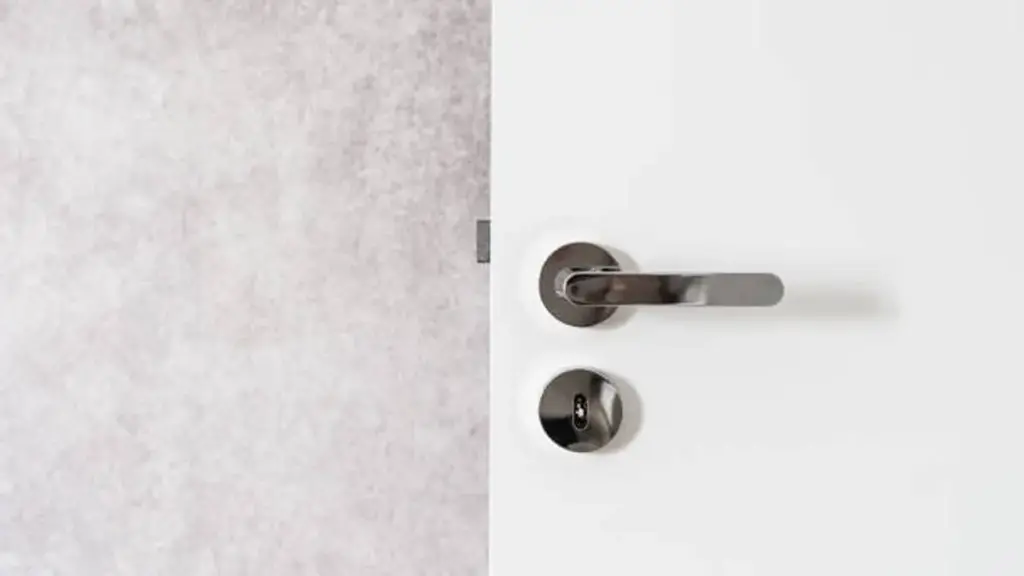
Modern residential designs increasingly combine clean aesthetics with energy efficiency and long-term durability. Aluminum doors fit this approach by offering slim profiles, large glazing areas, and customizable finishes.
Evolving Aesthetic: Embracing Warmth, Tactility, and Quiet Luxury
Minimalist architecture now shifts beyond just visuals. It acts as a performance framework. This means focusing on efficiency, environmental responsibility, and full system integration. In residential architecture, minimalist design now focuses on durable materials, efficient construction, and fewer visual distractions.
In 2026, minimalist homes feature authentic materials and textures. Think natural stone, cemento strutturato, legno massiccio, e tavolozze neutre. These add depth without needing extra ornamentation. Rough stone walls, brushed metals, pannelli in legno nervato, and fabric surfaces bring warmth and sensory richness while keeping lines clean. Metals, compreso l'alluminio, express their true character with tactile finishes instead of glossy, decorative profiles.
“Quiet luxury” defines today’s aesthetic, moving past stark, cold minimalism. Architecture focuses on poetic geometry, onestà materiale, e calma visiva. Designs convey prestige through restraint, proporzione, e forme senza tempo, not overt decorations. Homes integrate calm retreats, confort acustico, natural ventilation, and soothing spaces. Ciò supporta il benessere mentale e fisico. Spa-like areas, verde strutturato, water features, and controlled planting are all part of the standard minimalist luxury home language.
Functional Integration: Sostenibilità, Adaptability, and Smart Design
Sustainability is now built in from the start. Layout efficienti, materiali durevoli, and long-lasting designs reduce waste and energy use. Passive house standards are becoming common for prestige homes. Triple-glazed openings, integrazione solare avanzata, and geothermal climate control are fundamental parts of these houses. Architects prioritize low-carbon and recyclable systems, like recycled metals, modular prefabrication, and minimized structural redundancy. Recycled steel and other metals are chosen with embodied carbon in mind. This applies to aluminum framing and door systems.
Aluminum door designs meet passive, high-performance standards in minimalist homes. Large triple-glazed door systems fulfill passive house energy criteria, mitigating heat loss at major openings. Thermally broken aluminum profiles align with the demand for energy-efficient materials and long-term performance. Openings incorporate solar shading devices, deep overhangs, and strategic orientation to manage heat gain and glare. Aluminum doors often integrate external or built-in shading, schermi, or brise-soleil systems, consistent with minimalist geometry.
Future-focused home design favors materials that age well. Metals are chosen for corrosion resistance, bassa manutenzione, and long-term aesthetic stability. Aluminum comes with powder-coated, anodizzato, or textured finishes. These maintain visual integrity while supporting minimalist restraint. Prestige minimalist homes integrate hidden smart systems. Climate control, illuminazione adattiva, and energy monitoring work quietly in the background. Door systems include access control, sensori, e automazione senza dominare il design, Per esempio, concealed card readers or flush keypads. High-security features, such as controlled entry systems and integrated access control, are increasingly used in luxury minimalist homes. Aluminum doors are specified with reinforced frames, serrature multipunto, e vetri antiurto. They offer high security while maintaining a minimalist look.
Linee visuali ultrasottili ed estetica in vetro espansiva
Ultra-slim aluminum door systems minimize frame visibility, maximizing glass for unobstructed views and light, balancing sleek design with structural integrity and performance.
Ultra-slim sightlines in aluminum door designs focus on narrow visible frame widths, especially at the center meeting stile. The goal is to maximize natural light, views, and achieve a near-continuous glass appearance. This happens while retaining the strength needed for large-format openings.
| Caratteristica | Considerazione |
|---|---|
| Larghezza dell'interblocco visibile | How narrow is the frame where panels meet? |
| Visibilità del telaio perimetrale | How much frame shows at the head, stipite, and threshold? |
| Threshold Style | Is it flush, low-profile, or raised? |
| Concealed vs. Visible Tracks | Are tracks hidden for a cleaner look? |
| Panel Size and Weight Limits | What are the maximum dimensions and weight the system handles? |
| Glazing Build-up | What glass thickness and type are used? |
| Prestazioni termiche | What U-value does the system achieve? |
| Resistenza all'aria e all'acqua | How well does it seal against leaks and drafts? |
| Blocco e integrazione della maniglia | How are security and operation handled? |
Core Principles and Technical Specifications
Ultra-slim sightlines define these systems; the frames are barely visible, emphasizing the glass itself. Premio aluminum lift-slide door systems can achieve very narrow interlock profiles, with some specialized systems reaching around 20 mm depending on the design and hardware configuration. The primary aim is to get maximum natural light and unobstructed views, creating a continuous glass appearance.
Aluminum is the go-to material for this. Its high strength-to-weight ratio and inherent stiffness let manufacturers create these thin profiles, even for large glass panels. Premium systems also use details like flush thresholds and concealed tracks, integrating them smoothly into walls and ceilings. When you are specifying, look beyond just the interlock width. Check the head, stipite, and threshold frames. The best aesthetic minimizes frame at all edges.
Design Integration and Performance Advantages
These systems are crucial for modern homes that prioritize panoramic views and daylight. They create a “glass wall” effect without sacrificing operability. You must evaluate slim sightlines alongside other performance factors: Valore U, air and water tightness, locking methods, glazing thickness, and panel size/weight.
Larger glass panels give that expansive feel, but they also mean structural design, handling systems, and installation tolerances become more critical. Flush thresholds connect indoor and outdoor spaces smoothly. For exterior systems, proper drainage and sealing are always a must. Internal systems can focus more on looks since they do not face the same weather or thermal demands as exterior ones. Narrower sightlines and higher-performance requirements often increase cost. This reflects the complex engineering needed to maintain performance with reduced frame dimensions.
Customize High-Performance Aluminum Door Systems
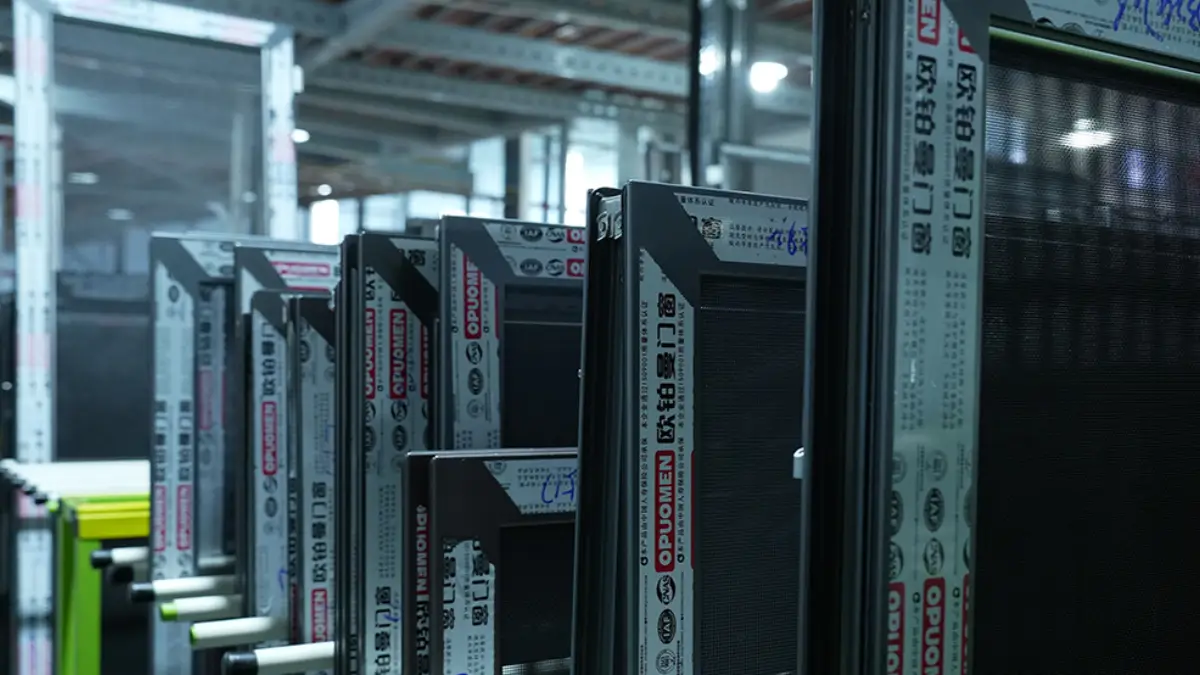
Grand Pivot Aluminum Doors for Luxury Homes
Grand pivot doors make a strong architectural statement. They are oversized aluminum systems, often floor-to-ceiling, and define luxury entrances with clean lines and striking visuals.
Architectural Impact and Design Principles
Grand pivot systems are oversized aluminum door assemblies built to make a bold architectural statement. These doors often become a defining feature of a façade in high-end homes and villas, moving beyond a simple entry point.
Luxury pivot doors are significantly larger than standard swing doors. You’ll often find them specified as full-height and extra-wide. This creates a grand entrance in modern residential architecture. They project an immediate sense of architectural pedigree.
These systems are common in modern, minimalista, and contemporary residential designs, representing one of the key options among different types of aluminum doors. While primarily used for entrances, oversized pivot doors can also be specified as statement transitions between living areas, terrazze, and open-plan spaces. They complement large-format glazing, muri di sipario, and clean aluminum cladding lines. Their design aligns with the broader aesthetic of quiet luxury, using poetic geometry and material honesty rather than overt ornamentation.
Design options focus on visual impact:
- Finiture: Powder-coated matte or gloss colors, metallico, and anodized finishes emphasize aluminum’s refined industrial aesthetic.
- Panel Compositions: Solid monolithic aluminum panels or aluminum frames with glass inserts (chiaro, colorato, smerigliato, or patterned) balance daylight and privacy.
- Design Motifs: Clean, flush surfaces align with modern walls. Integrated decorative elements like linear grooves, inlaid metals, or sculptural hardware enhance the statement.
- Hardware and Detailing: Oversized, sculptural handles match the door’s scale and signal luxury. Minimalist framing with slim sightlines maximizes openness. Concealed or low-profile thresholds create a seamless transition.
Advanced Functionality and Project Specification
Grand pivot systems combine robust aluminum construction, high-capacity pivot hardware, and multi-point locking. They offer tailored performance for thermal, acustico, and security needs in luxury residential projects.
Aluminum is the primary material for grand pivot systems. It provides a high strength-to-weight ratio, allowing for very large door leaf sizes while keeping the weight manageable for the hardware. L'alluminio resiste alla corrosione, making it a good choice for exterior residential environments.
High-end aluminum pivot doors integrate thermal and acoustic performance features:
- Profili a taglio termico: These separate internal and external aluminum to reduce heat transfer.
- Thermally insulated cores: Thermally insulated cores and multi-layer insulation designs can improve overall thermal performance compared with non-insulated aluminum doors.
- High-performance weather seals: Gaskets ensure air-tightness and acoustic attenuation.
Pivot hardware is central to the system’s function. Floor-to-ceiling hardware is embedded in the floor and ceiling, distributing loads more evenly than traditional side hinges. Heavy-duty pivot hardware is designed to support large door panels, with some residential systems handling several hundred kilograms depending on configuration. Hardware is often concealed to maintain a minimalist look. Precision bearings and engineered pivot points give a weightless feel, even on massive aluminum panels. Many systems also include soft-close or damped opening. This design reduces stress on frames, leading to longer lifespan and lower maintenance.
Security is a priority. Large pivot doors typically use multi-point lock systems, securing the door at multiple points along its height. Robust aluminum profiles and reinforced lock areas support high-security cylinders and advanced locking hardware. Integrated weather seals improve resistance to wind, piovere, e bozze. Door and frame design meet or exceed residential security norms when specified for the luxury segment.
Functionally, pivot doors create a distinctive opening experience and can accommodate large entrance openings, although their required swing clearance should be considered during planning. They serve as main front entrances, interior feature doors, or oversized patio/terrace doors, integrating well with open-concept designs.
For project specification, consider these key parameters:
- Door leaf size: Target clear opening height and width for grand proportions.
- Pivot offset: Position the pivot relative to the edge for the desired opening effect and usable clear width.
- Aluminum profile system: Define thermal break presence and type. Anche, ensure compatibility with glazing or solid infill panels.
- Hardware set: Specify pivot hardware load rating and adjustment features. Anche, choose multi-point locking and cylinder specification. Design handles and pulls to match the door’s scale.
- Performance targets: Set U-value/thermal transmittance objectives and air, acqua, and acoustic performance requirements based on residential standards.
- Finish and detailing: Specify external and internal aluminum finishes, along with threshold design and integration with flooring.
Multi-Slide Pocket Aluminum Doors for Flexible Spaces
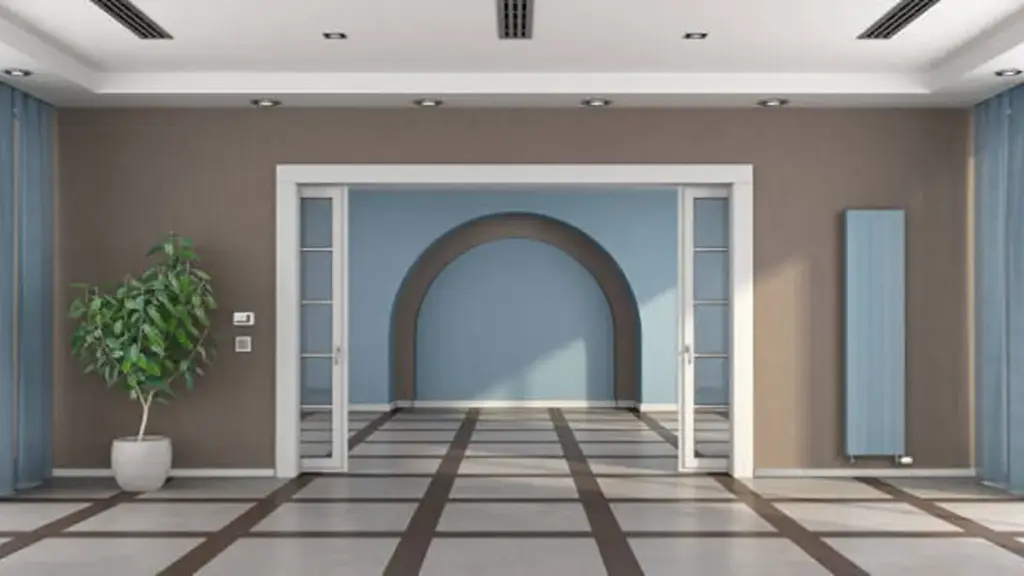
Multi-slide pocket doors offer maximum clear openings by disappearing into walls. This design frees up floor space, giving architects powerful options for tight layouts and indoor-outdoor connections.
Core Design Principles for Space Efficiency
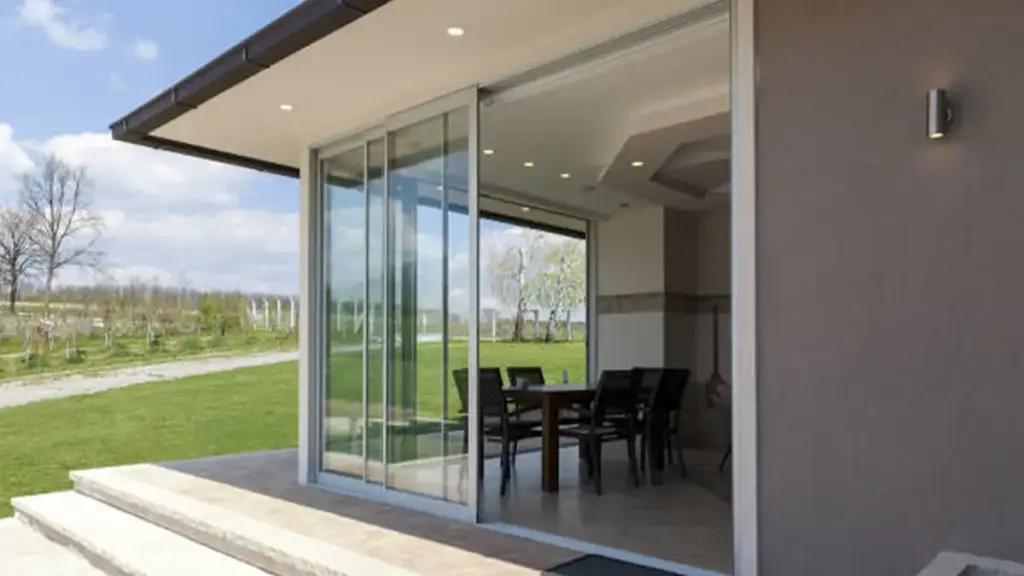
Multi-slide pocket aluminum doors are designed to vanish. Panels move horizontally on tracks and then retract into a framed cavity in the wall. A detailed sliding doors buying guide can help compare configurations, requisiti di prestazione, and installation considerations. This design eliminates visible stacked panels, maximizing the clear opening width.
Quando è completamente aperto, these doors ensure an unobstructed passage. They remove the need for swing clearance or interior stacking zones. This frees up adjacent floor area, making it ideal for placing furniture or using in tight corridors.
These systems often come with two or more panels operating on parallel tracks. Even a 2-panel system has both panels sliding into the wall pocket. This is specifically for layouts where you need to maximize usable doorway width and minimize operating space.
Aluminum frames are slim, boosting the glass-to-frame ratio. This keeps structural depth suitable for pocket integration and supports modern, minimal aesthetics. Aluminum’s strength-to-weight ratio handles tall and wide panels, maintaining stability for smooth multi-panel alignment.
For space optimization, plan furniture layouts to align with the clear opening. Consider if larger panels (longer pockets, fewer tracks) or smaller panels (shorter pockets, more complex tracks) better fit the design. In tight spots, full pocketing offers maximum clearance at the opening plane.
Practical Space Enhancement in Room Environments
Multi-slide pocket doors are useful in many building layouts. Indoors, they work well for partitions and tight corridors where swing doors would block movement. They can also serve as room dividers that fully retract, creating flexible spaces without permanent visual or physical barriers.
Per uso esterno, these doors create seamless transitions for patios, terrazze, and balconies. They stop stacked panels from encroaching on outdoor decks or interior floors, maintaining clear circulation. Large openings give unobstructed views and brighter rooms. Nei salotti, multi-slide pocket doors are especially valuable because they expand usable space and create a stronger connection between indoor seating areas and outdoor landscapes.
Manufacturers offer different configurations, including bi-part pocket systems where panels move into opposing wall pockets. Some advanced systems allow for corner pocket doors, removing the corner post to open entire room corners. Flush stacking is another option, keeping panels in line with the wall for minimal disruption.
Designing for wall pockets needs attention. The wall must fit the full panel width and structural depth. Pocket cavities require clear interior width, smooth surfaces, and accurate framing to avoid binding. For exterior doors, correct cavity insulation ensures thermal performance and prevents condensation.
Visivamente, concealed panels provide cleaner, more continuous transitions. Large multi-slide pocket systems improve views and daylight, making spaces feel bigger. Smooth gliding panels allow quick reconfiguration, changing a space from enclosed to open without dealing with swing paths or visible stacks.
This space-saving design fits modern aluminum door trends well. It includes expansive glass with minimal framing and flexible openings for indoor-outdoor living. These high-performance systems use corner and pocket configurations for dramatic openings, fitting contemporary interiors and exteriors that prioritize clean lines and efficient space use.
High-Strength Aluminum Materials for Durable Door Systems
High-strength aluminum alloys create slimmer door profiles, larger glass areas, and better security. They also extend door life, crucial for modern, high-performance architectural doors.
Leghe di alluminio ad alta resistenza: Types and Core Properties
These alloys provide structural strength for door frames, sashes, e hardware, keeping components lightweight. This allows larger door leaves and glazing without excessive frame thickness. They also support thin, minimalist profiles and improve security.
Key High-Strength Alloys
- Common architectural alloys:
- 6061 lega di alluminio: For sliding and swing door frames needing higher strength. It offers good strength, saldabilità, e resistenza alla corrosione.
- 6063 lega di alluminio: Common for extruded door frames. It extrudes well and has an attractive surface finish. Medium strength, used where extreme strength is not essential.
- High-strength structural alloys:
- 6082 lega di alluminio: Stronger than 6063, it supports heavier swing door leaves or large glazing.
- 5086 lega di alluminio: A strong, corrosion-resistant alloy for harsh environments like coastal or industrial areas. It handles humidity, sale, and chemicals well.
- Alloys for door hardware: Handles and accessories use strong, hardenable alloys. They are lightweight, resistente agli urti, and resist scratches, impatti, ruggine, e corrosione.
Mechanical Performance and Design Advantages
- Strength-to-weight ratio: Aluminum alloys have a high strength-to-weight ratio. Aluminum’s specific gravity is about 2.7 g/cm³, much lower than steel. This eases installation and reduces load on supporting structures. It also makes large-format sliding and tall entrance doors feasible without massive sections.
- Structural strength for large openings: High-strength alloys allow larger openings and wider glazed panels while keeping rigidity. Frames can support multi-panel systems with slim profiles. This is essential for modern facades featuring floor-to-ceiling glazed entries or movable wall segments.
Integrating High-Strength Alloys for Advanced Room Door Systems
Durability and Service Life
- Corrosion resistance: Aluminum forms a natural oxide layer protecting it from weather and chemicals. High-strength alloys maintain this resistance in demanding environments. This minimizes rust risk and ensures stable performance in humid, costiero, or polluted conditions.
- Vita utile: Well-manufactured aluminum doors can provide several decades of service life when properly finished, installato, and maintained. High-strength alloys reduce profile deformation and warping over decades. They also maintain the performance of hinges, serrature, and moving hardware.
- Surface durability: Many aluminum door systems use finishes resistant to scratches and discoloration. Hardware resists scratches and impacts. High-strength alloys support durable anodized or painted finishes.
Sicurezza, Sicurezza, and Fire Performance
- Security enhancement: High-strength aluminum frames improve impact resistance and property protection when paired with security glass and advanced locks. Rigid frames resist bending. Reinforced profiles and multiple locking points are possible with strong alloys.
- Fire performance: Aluminum itself is non-combustible, but the fire performance of a complete aluminum door depends on the profile design, glazing specification, and whether the system has been tested and certified for fire resistance.
Prestazioni termiche ed energetiche
- Modern aluminum door designs integrate thermal break materials like polyamide within high-strength aluminum profiles. This reduces heat transfer. With high-performance glazing, these doors maintain stable indoor temperatures and save energy. High-strength alloys keep structural integrity even with internal thermal breaks, allowing slim yet insulated frames.
Processing, Flessibilità di progettazione, and System Integration
- Extrudability and fabrication: Alloys like 6063 E 6061 extrude easily into complex door frame profiles. High-strength alloys can be cut, machined, and welded to form complete door systems. They shape into slim, multi-chamber profiles that support glazing, sigilli, and thermal barriers.
- Design variety: High-strength aluminum allows thin-framed modern entrance doors with multiple leaves. It supports sliding, oscillazione, and pivot systems using similar alloy families. Load-bearing features for large handles and heavy lock cases are possible without excessive reinforcement.
- Compatibility with smart security systems: Aluminum entrance doors integrate with intelligent security systems like electronic locks, cameras, and access sensors. Strong profiles facilitate secure mounting of devices without compromising structural performance.
Application-Specific Alloy Selection
- Standard residential and commercial doors: 6063 E 6061 are base alloys for typical sliding and swing doors. They offer adequate strength, good appearance, ed efficienza in termini di costi.
- Large-format and high-wind doors: 6061 O 6082 alloys may be selected where higher structural strength is required for large spans, vetri pesanti, or demanding environmental conditions.
- Harsh environment and heavy-duty use: 5086 and similar corrosion-resistant alloys are selected for humid, marine, or industrial settings. They combine high strength with superior durability.
Isolamento a taglio termico e doppi vetri ad alta efficienza energetica
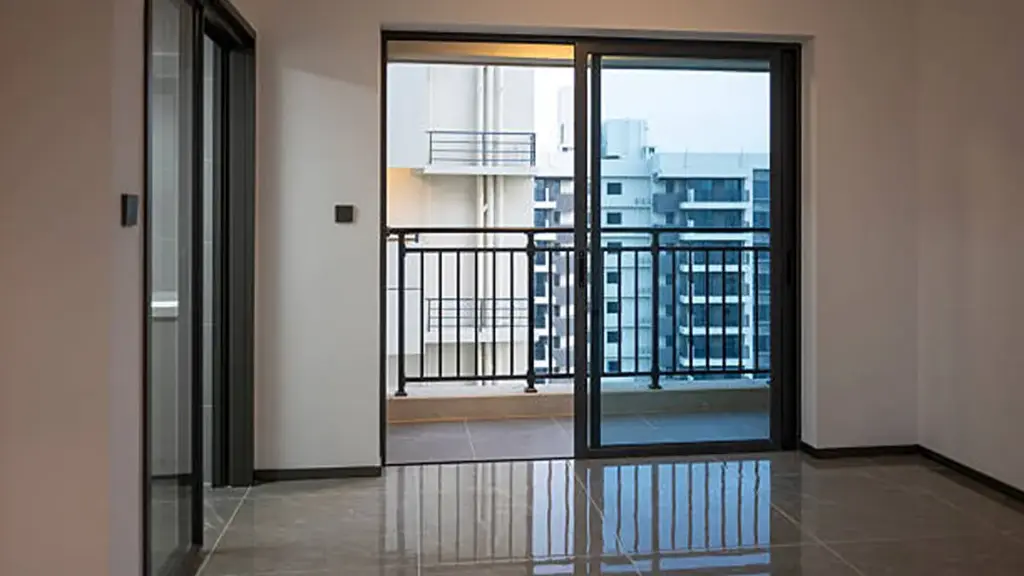
Thermal break frames with double glazing cut heat transfer, making rooms more comfortable and significantly reducing condensation risk.
Combined Performance of Thermal Break Frames and Energy-Efficient Glazing
Treating the aluminum frame and glazing as a single, integrated system ensures peak thermal performance.
A thermally broken aluminum frame, paired with double glazing, reduces heat transfer through both frame components and glass panes, which is essential for porte in alluminio ad alta efficienza energetica.
Warm-edge spacers within the double-glazed unit work with insulated frame-glass interfaces. This minimizes heat losses at the glass perimeter.
This integration leads to more uniform interior surface temperatures for the door, which boosts thermal comfort.
High-performance doors use a multi-layer thermal break strategy. The primary break is in the frame (polyamide strip), the secondary within the double-glazed unit (gas cavity and warm-edge spacer), and additional breaks are in thresholds and gaskets.
Enhanced Comfort and Energy Savings in Practice
Blocking conductive pathways means thermally broken double-glazed aluminum room doors significantly lower heating needs in winter. They also reduce cooling loads in summer.
Such doors create stable indoor temperatures. This reduces temperature swings despite outside conditions, making rooms like bedrooms and offices more comfortable.
Reduced cold-radiation from door surfaces helps with comfort, particularly near seating areas or beds.
The system also improves acoustic comfort. It dampens noise from adjacent corridors or outdoor environments.
Higher interior surface temperatures on frames and glass substantially reduce condensation risk, even in cold climates or high-humidity interior spaces.
This combination is most valuable for room doors connecting to outside environments, semi-exterior spaces, or in rooms where consistent comfort is critical across different climates.
Aluminum Door Finishes for Modern Residential Interiors
Matte black and earth-toned finishes on aluminum doors offer distinct aesthetic and functional benefits, critical for design integration and long-term durability in various architectural settings.
Aesthetic Principles and Design Integration
Matte black and earth-toned finishes serve different roles in design, creating specific visual effects in interior and exterior spaces.
- Matte black surfaces offer a non-reflective, deep black, creating strong contrast. This suits modern, industriale, and minimalist interiors.
- Earth-toned finishes provide a soft, warm, and subdued visual presence. They integrate well into natural, scandinavo, and organic modern designs.
- Matte black doors act as bold architectural elements. Earth tones visually recede, blending with natural materials like wood and stone.
- Finish choice impacts perceived door size, light reflection, and how doors coordinate with wall colors, pavimentazione, e hardware.
- Design continuity comes from matching doorware (per esempio., all-black for matte black; neutral or black for earth tones) and adjacent room elements.
Finish Technologies, Durabilità, and Maintenance
The technology behind these finishes directly influences their durability and how you maintain them over time.
- Powder coating is the main technology for both matte black and earth-toned finishes. It provides uniform color, high scratch resistance, and corrosion protection for daily use.
- Anodizing creates durable, UV-resistant earth tones like champagne, bronzo, and natural grey. This makes it suitable for areas with direct sunlight.
- Finishes form a protective barrier. This enhances aluminum’s inherent corrosion resistance and extends the door’s service life indoors.
- Durability matters for high-use rooms. Finishes must withstand repeated mechanical contact and protect against wear.
- Routine maintenance involves cleaning with mild detergent and a soft cloth. Avoid abrasive cleaners; they preserve the uniform matte or toned texture.
For residential projects that require aluminum doors tailored to specific room layouts, working directly with a specialized manufacturer can improve design flexibility and quality control. Opuo provides OEM and ODM aluminum door solutions for modern homes, including slim sliding doors, porte girevoli, and customized architectural systems for bedrooms, soggiorno, e grandi insediamenti residenziali.
With integrated capabilities covering aluminum profile processing, precision fabrication, surface finishing, glazing integration, and final inspection, Opuomen helps clients customize door dimensions, stili di cornice, finiture, opzioni di vetro, and hardware configurations according to project requirements.
From minimalist villas to multi-unit residential projects, Opuomen supports architects, sviluppatori, and distributors with reliable production capacity and technical guidance. By combining slim aluminum profiles, energy-efficient glazing solutions, e servizi di personalizzazione flessibili, Opuomen delivers door systems that balance aesthetics, comfort, durata, e prestazioni a lungo termine.
Custom Aluminum Door Solutions for Residential Projects
Direct factory sourcing for custom aluminum doors provides made-to-spec systems with precision, controlling quality and costs by bypassing intermediaries.
Custom Layout Definitions and Factory Input Requirements
Custom aluminum doors allow manufacturers to tailor sizes, opening types, and frame profiles to fit specific architectural drawings and wall openings. It also includes bespoke panel configurations, from single and double leaves to sidelight, transom, and full entrance systems. Manufacturers integrate glass types, thermal break profiles, and necessary accessory systems such as locks, maniglie, and sensors into these specific designs.
Factory input requirements for these custom layouts follow a precise workflow:
- Project teams provide detailed drawings, including floor plans, elevations, door schedules with sizes and quantities, and performance requirements for thermal, acustico, or security needs.
- The manufacturer’s engineering team selects suitable aluminum profiles and glass. They generate shop drawings and layout diagrams for approval, adapting standard systems to custom dimensions and configurations.
- Factories provide quick samples for finish and hardware verification. For large or complex entrance systems, they may offer physical mock-ups.
- Teams finalize exact dimensions, disposizione, color/finish codes, hardware packages, and glazing details. They confirm minimum order quantities, tempi di consegna, e logistica delle spedizioni.
- Production involves CNC cutting of profiles, assemblaggio, vetri, and quality checks. Factories also test for operation, adatto, and performance where required.
Direct Sourcing Process and Strategic Benefits
Direct-from-factory sourcing means purchasing directly from the manufacturer’s production line. This cuts out retail distributors and multiple middlemen, streamlining the supply chain. It also gives access to OEM/ODM services, where factories design or manufacture customized door systems under a client’s brand or specific project requirements.
Premium positioning results from using higher-grade aluminum alloys, durable hardware, and advanced finishing methods like powder coating or anodizing. This approach ensures compliance with energy and performance standards and offers enhanced design options, including smart locks and high-end aesthetics.
Strategic benefits from this direct sourcing model include:
- Design Control: You align doors precisely with the architectural concept and façade systems.
- Garanzia di qualità: Factory-controlled processes and certified performance ensure high standards.
- Efficienza dei costi: This model often leads to lower per-unit costs compared to retailer channels.
- Time and Logistics: Direct communication with the factory reduces misalignment and streamlines sampling and revision cycles.
Considerazioni finali
While generic aluminum doors might offer lower upfront costs, investing in proven, high-performance systems protects your project’s integrity and long-term value. Our commitment to advanced alloys, tagli termici, and meticulous manufacturing ensures you deliver comfort, stile, and uncompromising safety.
Ready to elevate your designs? Don’t just settle for specifications; experience the quality difference firsthand. Contact our team today to discuss custom layouts and OEM partnerships tailored to your unique project needs.
Domande frequenti
What are the most popular aluminum door designs for rooms in modern homes?
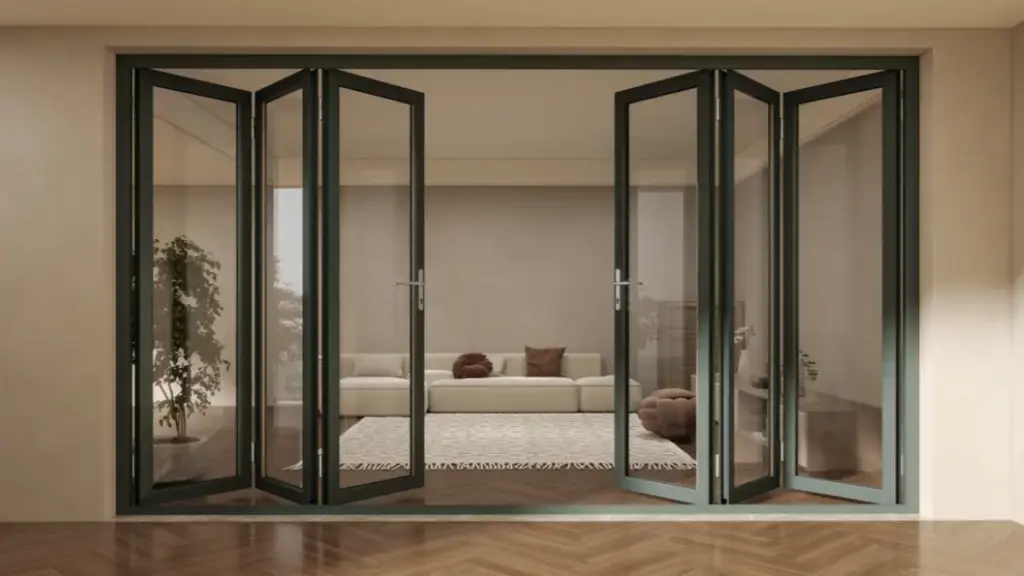
The most popular aluminum door designs for modern homes are slim-frame sliding doors, Porte a botte, and bi-fold or slide-and-fold systems. These styles are favored for their clean appearance, ampie superfici vetrate, and ability to improve natural light and indoor-outdoor connection.
Sliding aluminum doors are commonly used for living rooms, balconi, and open spaces because they save space, while casement doors suit areas requiring better sealing and privacy. Bi-fold systems are popular for creating wide openings to outdoor areas. Matte finishes, neutral colors, and energy-efficient glazing are also common choices in modern aluminum door designs.
How do modern thermal breaks add value to aluminum doors?
Modern thermal breaks add value to aluminum doors by reducing heat transfer through the metal frame. A thermal break uses an insulating material between the interior and exterior aluminum sections, helping improve energy efficiency and indoor comfort.
By reducing thermal bridging, thermal breaks help lower HVAC energy use, maintain more stable indoor temperatures, and minimize condensation on aluminum frames. They allow aluminum doors to keep their advantages of strength, durata, profili sottili, and modern aesthetics while achieving better insulation performance.
For exterior aluminum doors, thermally broken systems provide better long-term value, especially in climates with significant temperature changes.
Can minimalist aluminum room doors with glass accommodate integrated privacy frosting treatments?
SÌ, minimalist aluminum room doors with glass can accommodate integrated privacy frosting treatments. These solutions are applied directly to the glass panel and work well with slim aluminum frames without affecting the clean, aspetto moderno.
Common options include frosted privacy films, decorative films, etched-effect coatings, and smart glass systems. They allow natural light to pass through while reducing visibility and improving privacy.
Frosting treatments are ideal for bedrooms, Bagni, uffici, and other areas where privacy is needed. They provide a flexible way to enhance comfort and functionality without replacing the entire aluminum door system.
What is the expected lifespan of a powder-coated aluminum door for a room?
A powder-coated aluminum room door typically lasts 30–40+ years as a complete door system, while the powder-coated finish can maintain its appearance and protection for around 15–25 years under normal residential conditions.
The actual lifespan depends on coating quality, indoor or outdoor exposure, installazione, e manutenzione. Interior aluminum room doors usually last longer because they experience less UV, umidità, and weather exposure.
With regular cleaning, proper care, and occasional hardware replacement when needed, powder-coated aluminum doors can maintain their appearance, durata, and smooth operation for decades.