In the competitive landscape, specifying the wrong window system isn’t just an aesthetic lapse—it’s a budgetary and structural risk. From air infiltration issues to compromised thermal envelopes, the stakes for architects and project managers are high.
This technical guide breaks down Horizontal, Stacking, and Pocket aluminum sliding systems, providing the engineering metrics and application insights you need to ensure project profitability and client satisfaction.
How to Define the Different Types of Aluminum Sliding Window Systems
Selecting a sliding system involves more than choosing a frame; it defines how a building breathes and interacts with its environment. While our guide to スライドウィンドウタイプ covers the foundational aesthetics, technical selection hinges on the relationship between track geometry and structural loads.
The industry typically categorizes these systems by their movement logic and profile depth—factors that directly impact water penetration resistance and thermal breakage. Whether you are navigating the horizontal or vertical sliding windows debate or looking for high-velocity hurricane zone (HVHZ) パフォーマンス, the hardware configuration remains the primary differentiator. Let’s analyze the specific engineering behind the four dominant systems used in modern architecture to see how they manage air infiltration and expansive spans.
Horizontal Sliding Windows
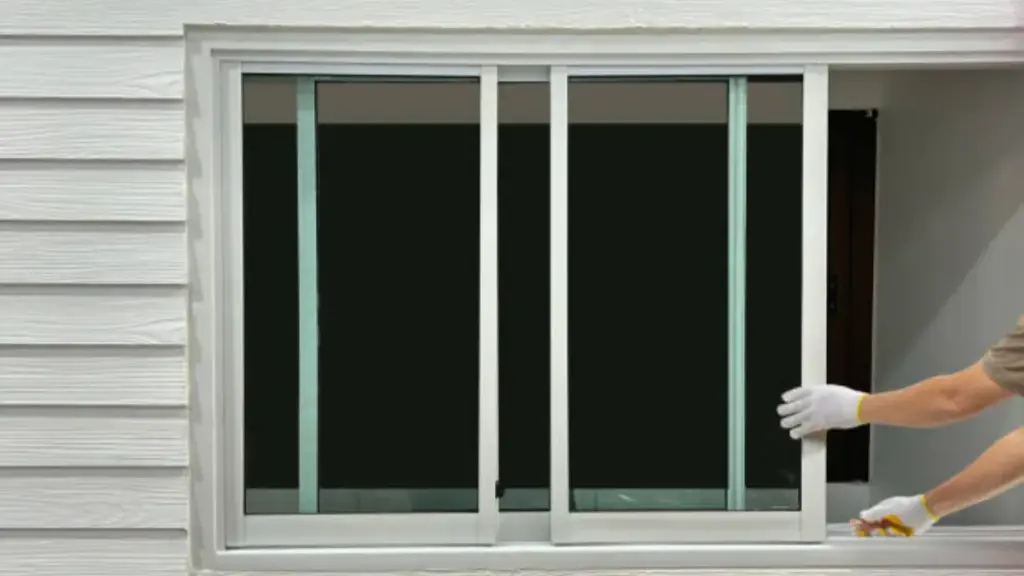
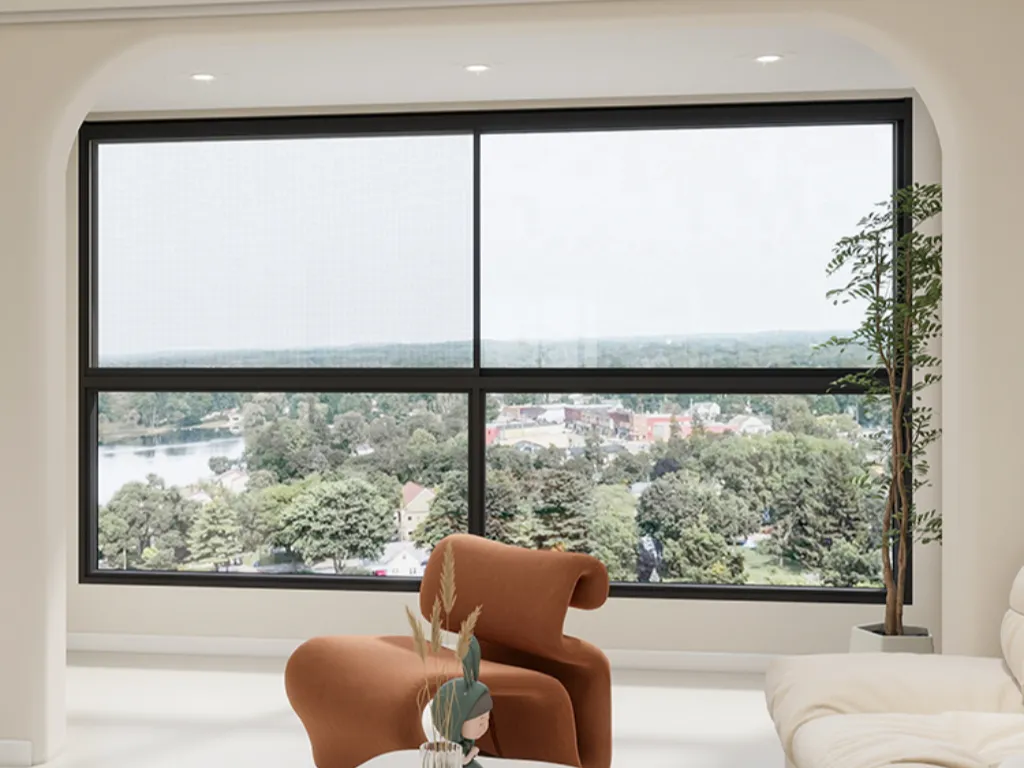
Often referred to simply as “sliders,” horizontal sliding windows are a staple in contemporary architecture. The system’s logic is elegantly simple: one or more sashes glide laterally within a single frame. This design is particularly valued in projects where outward-swinging windows would obstruct walkways, パティオ, or tight exterior envelopes. Because they can be engineered for significant widths, they act as “picture windows” that offer the added benefit of controlled ventilation.
Why Specify Horizontal Sliders?
- 洗練された, モダンな魅力: Their clean lines and wide-open glass areas maximize natural light, seamlessly fitting into minimalist or modern commercial aesthetics.
- Operational Longevity: With fewer mechanical moving parts than crank-operated casements, sliders offer a simpler life cycle with reduced long-term maintenance.
- 使いやすさ: Their intuitive “push-to-glide” motion makes them the ideal solution for hard-to-reach areas, such as over kitchen counters or in high-traffic office corridors.
Core Technical Specifications
- 構造の完全性: Built with 6063-T6 aluminum thermal-break profiles (例えば, シリーズ 2300) to provide a high strength-to-weight ratio.
- 耐風性: 特徴 18 ga. roll-formed galvanized steel interlocks to maintain performance under high wind-load deflection.
- Precision Hardware: Equipped with adjustable acetal or stainless steel rollers to ensure a “silent glide” even with heavy insulated glazing.
長所 & Cons Analysis
| System Advantages (長所) | Technical Limitations (短所) |
|---|---|
| スペース効率: Does not encroach on interior or exterior usable space. | メンテナンス: Horizontal tracks can accumulate debris, requiring periodic cleaning. |
| 費用対効果が高い: Simplistic design often leads to more budget-friendly procurement. | シーリング: Inherently higher air infiltration than compression-sealed windows. |
| 耐久性: Fewer mechanical components reduce the risk of hardware failure. | Exterior Access: Cleaning the outside of upper-floor fixed sashes may require specific tilt-in features. |
Stacking/Telescopic Sliding Windows
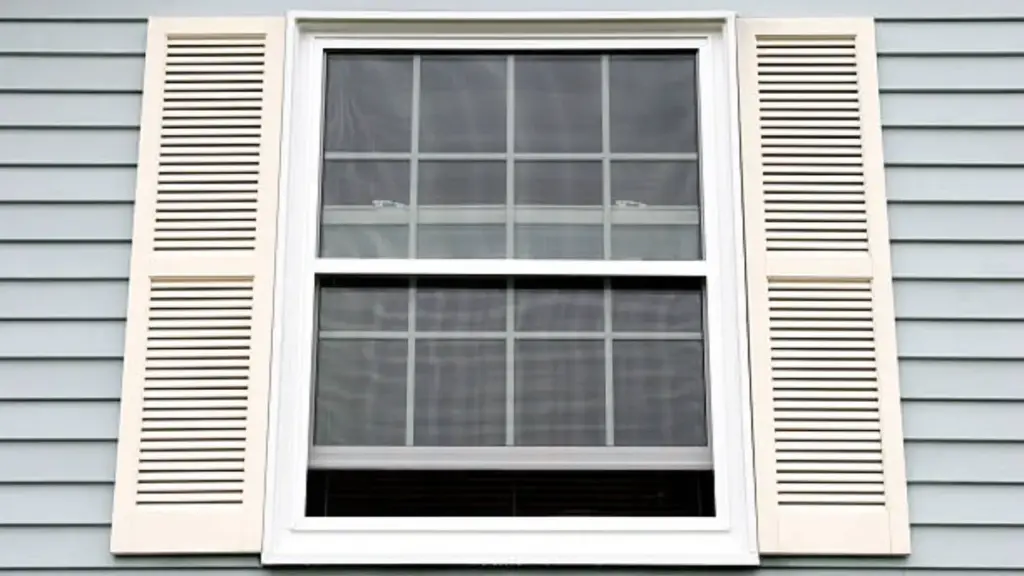
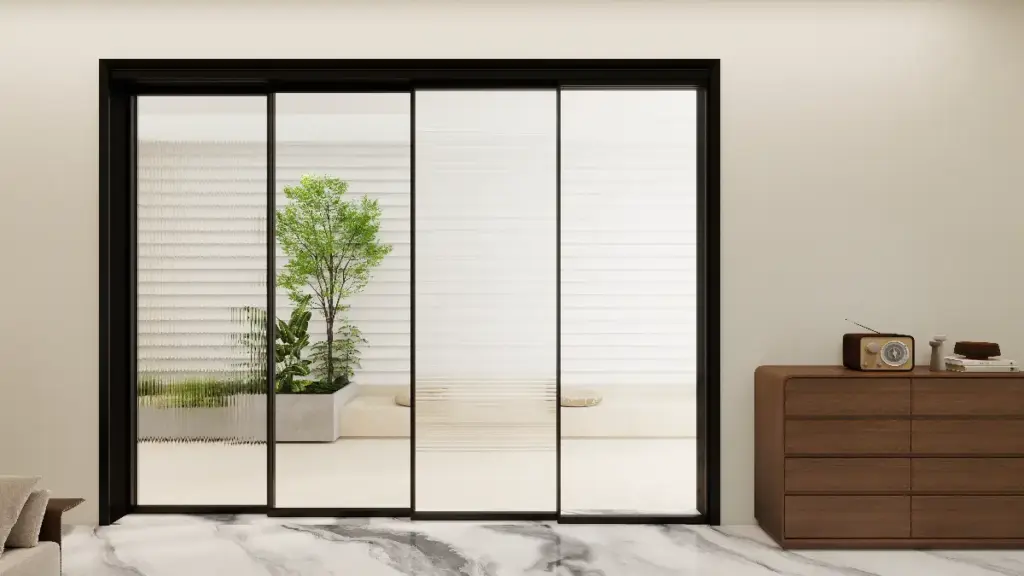
If horizontal sliders are the workhorse, Stacking and Telescopic systems are the “space transformers” of the architectural world. These systems utilize multiple parallel tracks to allow several operable panels to slide and stack neatly behind a fixed pane or into a wall pocket. This engineering feat enables massive, unobstructed openings—up to 50 feet wide—effectively blurring the line between indoor and outdoor environments in luxury residences and premium commercial venues.
Why Specify Stacking Systems?
- Massive Clear Openings: Unlike standard sliders that limit you to a 50% opening, stacking systems can clear up to 80% or more of the total span, creating a seamless transition for patios or storefronts.
- Architectural Versatility: They support extensive configurations, from simple 3-panel setups to complex 10-panel bi-parting designs that meet at a 90-degree corner without a fixed post.
- Heavy-Duty Mobility: Despite their size, these systems are engineered for “one-finger” operation, utilizing specialized carriage systems to distribute the weight of heavy, high-performance glass.
Core Technical Specifications
- 耐久性試験: Engineered to withstand wind gusts exceeding 130 km/hr and tested for over 50,000 operational cycles for long-term reliability.
- Load-Bearing Precision: Equipped with machined Delrin wheels and sealed stainless steel precision bearings to manage panels weighing up to 500kg or more.
- Thermal Integrity: Features 0.075” extra heavy-duty extruded aluminum with integrated thermal breaks and TrueWarm® Edge polymer spacers to combat energy loss.
長所 & Cons Analysis
| System Advantages (長所) | Technical Limitations (短所) |
|---|---|
| Panoramic Vistas: Eliminates visual barriers with spans up to 50 足. | Threshold Depth: Multi-track designs require wider floor sills (up to 250mm). |
| Superior Ventilation: Opens a significantly larger percentage of the wall area. | Complexity: Requires highly precise floor leveling and expert installation. |
| カスタマイズ: Highly flexible in panel counts and stacking directions. | 料金: Higher price point due to advanced hardware and multi-track extrusions. |
Pocket Sliding Windows
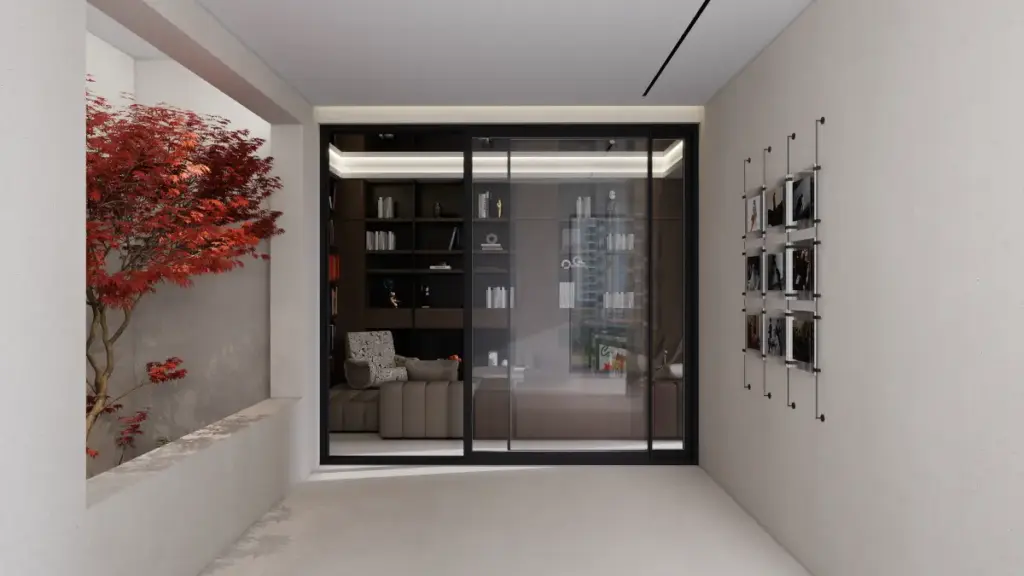
Pocket sliding windows are the ultimate design solution for projects that demand a total integration of indoor and outdoor environments. Unlike stacking systems where panels remains visible at the edge of the opening, pocket windows glide entirely into a recessed cavity within the wall. 全開時, the window “disappears,” 提供物 100% clear passage and an uninterrupted panoramic view that standard sliding systems simply cannot match.
Why Specify Pocket Systems?
- Total Spatial Merging: By concealing the sashes within the wall, you gain maximum floor space and an absolute transition between interior living areas and exterior landscapes.
- Minimalist Aesthetics: These systems often feature ultra-slim frame profiles (as narrow as 38mm) that can be further hidden behind wall finishes to create a “frameless” 見て.
- Luxury Versatility: Ideally suited for high-end residential balconies, luxury retail fronts, and hospitality venues where the view is the primary asset.
Core Technical Specifications
- Load-Bearing Engineering: Designed to support massive glass weights, with automated options (例えば, MOT 2000) capable of moving panels up to 1000kg with effortless precision.
- Advanced Track Geometry: Utilizes multi-track systems with depths up to 250mm, often incorporating 90-degree corner configurations without a fixed mullion.
- Performance Sealing: Despite the “open” pocket design, high-end units achieve elite ratings, including Air Permeability Class 4 and Water Resistance 7A (per EN standards).
長所 & Cons Analysis
| System Advantages (長所) | Technical Limitations (短所) |
|---|---|
| 100% Clear Opening: The only system that allows the entire window area to be open. | Wall Thickness: Requires a “pocket” 空洞, meaning significantly thicker wall construction. |
| Frameless Sightlines: Profiles can be recessed into floors and ceilings for zero-visibility. | Maintenance Access: The wall cavity must be designed for long-term hardware and track cleaning. |
| 資産価値の向上: Highly sought-after feature in luxury real estate developments. | Invasive Retrofitting: Difficult to install in existing structures; best for new builds. |
Precision-Engineered Aluminum Windows for Global Projects
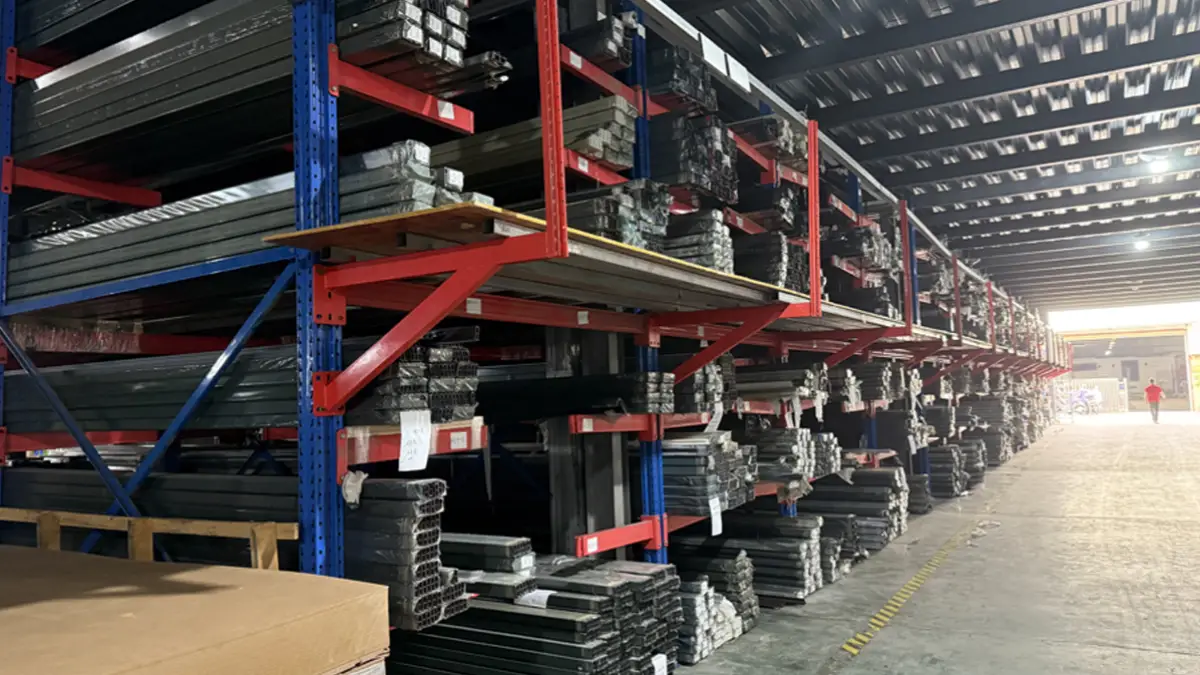
Heavy-Duty Sliding Systems
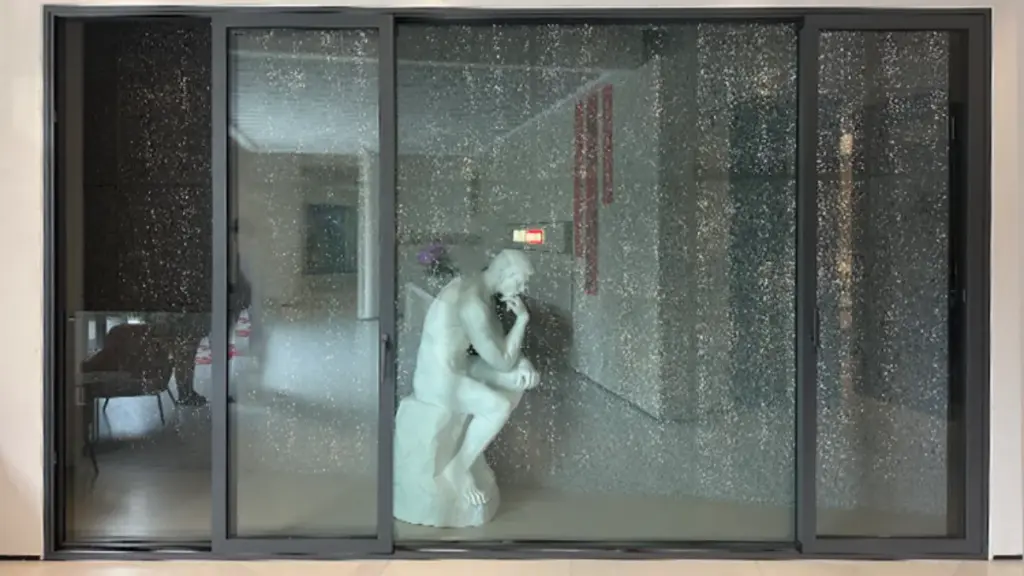
When a project demands more than standard residential capabilities, 耐久性の高い (HD) sliding systems step in. Engineered for the most rigorous commercial and institutional environments, these systems are built to withstand immense wind loads, support massive glazing weights, and endure high-frequency usage. In mid-to-high-rise developments or coastal regions prone to extreme weather, heavy-duty aluminum extrusions provide the necessary structural backbone that standard sliders simply cannot offer.
Why Specify Heavy-Duty Systems?
- Unmatched Structural Strength: Utilizing thickened 6063-T6 aluminum walls, these systems resist deflection under intense atmospheric pressure, making them the gold standard for high-rise safety.
- Enhanced Security: Beyond weather resistance, HD systems often incorporate multi-point stainless steel mortise locks and can even be fitted with ballistic-rated inserts for high-security facilities.
- Large-Scale Glazing Support: These frames are designed to hold heavy 1-inch (25mm) insulating glass units, providing superior acoustic insulation and thermal performance for urban environments.
Core Technical Specifications:
- Reinforced Extrusions: Features a minimum wall thickness of 0.100″ at the sill and deep frame profiles (up to 4″) to ensure maximum rigidity.
- Elite Performance Ratings: Frequently tested to achieve HS-HC70 or AW50 ratings (per AAMA standards), indicating resistance to wind gusts exceeding 130 時速マイル.
- Advanced Thermal Management: Often utilizes poured-and-debridged urethane thermal barriers, balancing extreme structural strength with modern energy efficiency requirements.
長所 & Cons Analysis
| System Advantages (長所) | Technical Limitations (短所) |
|---|---|
| Extreme Durability: Built for high-traffic institutional use and decades of operation. | Heavier Profiles: Wider and thicker frames may result in slightly larger sightlines. |
| Superior Weatherproofing: Best-in-class resistance to water penetration and air leakage. | Operation Weight: Sashes are significantly heavier, requiring high-end roller maintenance. |
| Security Options: Capable of supporting impact-resistant and ballistic glazing. | Higher Initial Investment: Premium materials and hardware increase upfront project costs. |
The Engine of the Window: Advanced Track System Technology
The smooth, nearly weightless glide of a premium aluminum sliding window is no accident—it is the result of sophisticated track engineering. Most high-end systems utilize anodized or mill-finish aluminum extrusions to ensure long-term corrosion resistance, especially in coastal projects. Whether using a single, ダブル (例えば, 1-3/16″ x 9/16″), or triple-track profile, the geometry of the channel must accommodate varied glass thicknesses—from 1/4″ monolithic panes to 1-1/8″ high-performance insulated units.
Beyond the rail itself, the integration of nylon rollers, shoes, and vinyl guides is what ensures quiet operation. For larger architectural systems, tracks must comply with rigorous standards like ANSI/BHMA A156.9-2003 to validate load-bearing durability. This technology allows even ultra-narrow 1” stiles to support expansive glass widths while maintaining perfect alignment over thousands of cycles.
Engineering for Silence: Overcoming Airtightness Challenges
A common misconception is that sliding windows are inherently “leaky” compared to compression-seal casements. While it’s true that sliding a sash past a frame is more challenging than pressing it against a gasket, modern precision engineering has closed this gap. Top-tier systems now achieve air infiltration rates as low as 0.074 cfm/ft²—surpassing many standard hinged windows.
To reach this level of performance, manufacturers employ a multi-layered sealing strategy:
- Active Compression: Side-pressure and multi-point locking mechanisms push the sash firmly into the gaskets when closed.
- Advanced Weather-stripping: Continuous pile-fin barriers with stiff vapor fins are used at every interface.
- Inflatable Seals: High-performance sliding facades now feature active air seals (like the air-lux システム) that expand when the window is closed to achieve 100% impermeability.
Selecting Systems Based on Space and Ventilation Needs
Selecting the right system requires balancing spatial constraints with long-term performance. Focus on these four critical dimensions to narrow down your choice:
- Spatial Footprint: Consider frame depth (例えば, 2-inch slim profiles) to maximize usable floor area and Stile Width (1-inch ultra-narrow) to enhance natural light.
- Structural Load: Evaluate the design pressure (DP) and alloy strength (6063-T6) if your project is in a high-wind or high-rise zone.
- Thermal Envelope: Look for low U-factors and advanced thermal breaks to reduce HVAC costs.
- Functional Limits: Factor in opening clearance (例えば, 4-inch safety limits) and maintenance access for track cleaning.
System Selection Matrix
To help you match the right technology to your project’s performance requirements, use this comparative checklist of key engineering metrics:
| Technical Metric | Horizontal Slider | Stacking System | Pocket Sliding | 耐久性の高い (HD) |
|---|---|---|---|---|
| Frame Depth | ~3-1/4″ (82mm) | Multi-track (up to 250mm) | Deep Wall Cavity Required | 4″ (102mm) Reinforced |
| Wall Thickness | ~1.6 – 1.8mm | 1.8 – 2.0mm Extrusion | 1.8 – 2.5mm (Slim Profile) | 0.125″ (3mm) 6063-T6 |
| 空気の浸透 | ≤0.30 cfm/ft² | ≤0.20 cfm/ft² | Elite (クラス 4 で) | Ultra-Low (≤0.074) |
| Glass Penetration | 5/8″ (16mm) | 3/4″ (19mm) Secure Bite | 3/4″ (19mm) Slim Sightline | 1″ (25mm) Deep Bite |
| Max Load (DP) | DP 50 (居住の) | DP 60+ (Large Span) | DP 70 (贅沢) | DP 96 PSF (Extreme) |
| Primary Use Case | Budget-Conscious / 省スペース | Panoramic Storefronts / パティオ | Luxury Minimalist / Hidden Walls | High-Rise / Coastal / Institutional |
最終的な考え
Navigating the technical nuances of aluminum sliding systems—from the space-saving horizontal slider to the high-performance heavy-duty and seamless pocket configurations—is essential for project longevity. By balancing frame geometry with certified airtightness and load ratings, you ensure both regulatory compliance and occupant comfort.
として leading manufacturer と 13+ years of ISO9001-certified expertise, we specialize in precision-engineered aluminum solutions tailored to global building codes. Whether you are specifying for a luxury resort or a coastal high-rise, our integrated manufacturing ensures reliable, cost-effective delivery.
Ready to elevate your project? Explore our full catalog.
よくある質問
How does a stacking sliding window differ structurally from a standard horizontal slider?
Stacking systems use multi-track frames to slide multiple panels, clearing up to 80% of the opening. Standard horizontal sliders typically use two tracks, limiting ventilation to 50% of the total window width.
What are the best tracks to use for minimizing friction and noise?
Specify anodized aluminum tracks paired with stainless steel tandem rollers. Precision-engineered bearings and nylon-coated wheels ensure a “silent glide” while maintaining durability under heavy glass loads over thousands of cycles.
Can a pocket sliding window achieve the same U-Value as a casement window?
Typically not. Casements use compression seals for superior insulation. Pocket sliders use brush/fin weatherstripping, which is effective but usually results in slightly higher U-values unless integrated with advanced high-performance thermal breaks.
What maintenance is required for the roller system on heavy sliding windows?
Vacuum tracks every 3–6 months to remove debris and apply silicone-based lubricant to bearings. Regular cleaning prevents roller flat-spots and ensures the system handles massive glazing weights without operational drag.