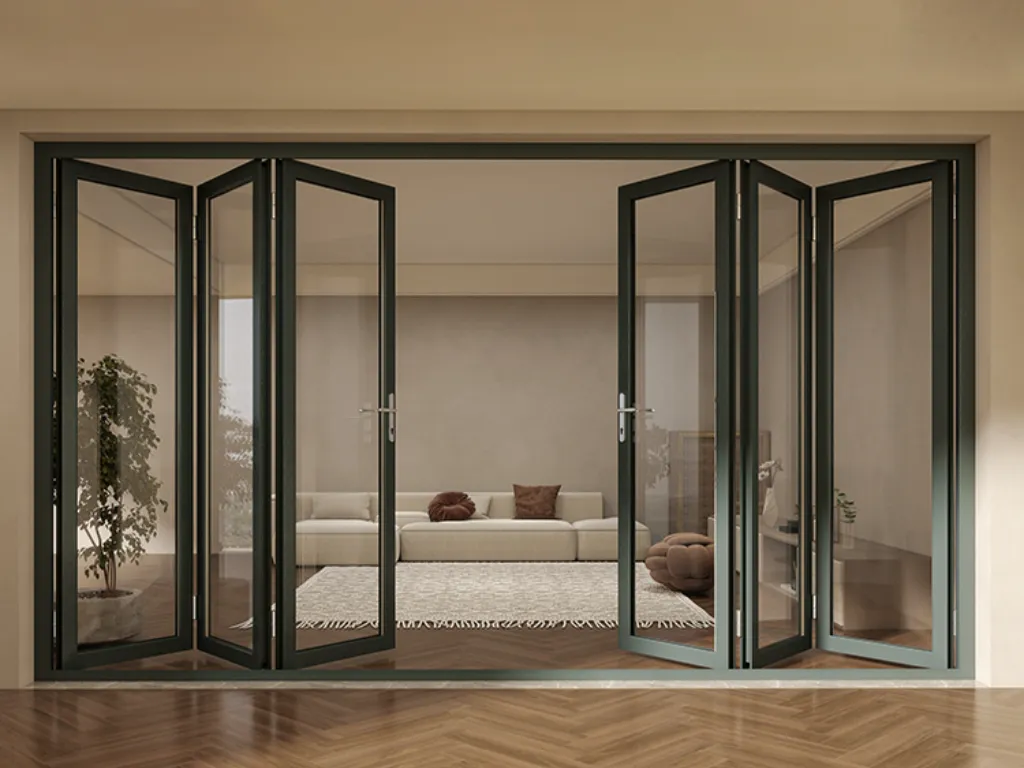
エネルギー効率の高いアルミニウム製ドアを EU および米国に輸出するには、厳しいエネルギー コンプライアンス基準をクリアする必要があります. EUのUdのような目標を掲げて (W/m²K) そして米国のUファクター (BTU/h・ft²・°F), これらの要件を満たさないと、コストのかかる遅延につながる可能性があります.
このガイドでは、コンプライアンスの重要な要素について説明します。, サーマルブレイク構造の役割も含めて, 高性能ガラス, および適切な取り付けテクニック. また、北米市場向けの NAFS などの必須認証にも焦点を当てています。, メーカーが世界的なエネルギー効率基準を満たし、輸出プロジェクトを成功裏に遂行できるようにする.
必須のエネルギー基準とは何ですか (U値) EU/米国のドア用?
EUでは, 屋外ドアのエネルギー効率は EPBD によって導かれます (リキャスト 2024), 必須の熱性能基準を満たす必要があります。 2026. 熱透過率 (ウド) EN ISO 10077‑1に従って計算されます, 典型的な規制対象には以下が含まれます 1.2 住宅用および 1.4 商業用ドア用 W/m²K. ポーランドの nZEB 規制では、最大 Ud が次のように指定されています。 1.3 W/m²K. 高性能ドアは、0.60 ~ 1.10 W/m²K という低い値を達成できます。.
米国では, Uファクター (BTU/h・ft²・°F) 使用されています, NFRC および IECC によって推進されるコンプライアンスに準拠, 気候帯によって異なる. Energy Star などの自主基準では、住宅用不透明ドアの U 係数を 0.17 ~ 0.25 に設定しています。. 欧州仕様のドアは、最低の U 係数に達することができます。 0.15, 米国の最低要件の多くを上回っている. 以下の表は、コンプライアンス文書に関する EU の Ud と米国の U-factor の違いをまとめたものです.
| 側面 | 欧州連合 (欧州連合) 規格 | 米国 (私たち) 規格 |
|---|---|---|
| メトリック & ユニット | ウド (熱透過率) W/m²Kで | U 係数 (BTU/h・ft²・°F) |
| 計算 / 評価方法 | EN ISO 10077‑1 (熱透過率計算用) | 全国開窓評価評議会 (NFRC) 方法論 |
| 規制の枠組み / 執行 | EPBD (リキャスト 2024), 全国の nZEB/ZEB 建築基準法 | 国際省エネルギー規範 (IECC), 州の建築基準法 |
| 製品規格 / 宣言 | EN 14351‑1 (Udの宣言が必要です) | NFRC 評価によるコンプライアンス, Energy Star 自主プログラム |
| 代表的な規制対象 | ≈1.4 W/m²K (産業用/商業用), ≈1.2 W/m²K (居住の) による 2026. ポーランド: 最大 1.3 W/m²K (から 2021). | 気候帯によって異なります (IECC). エナジースター: 例えば, 0.17–0.25 住宅用不透明ドアの U 係数. |
| 高効率性能 | 0.60–1.10 W/m²K (エネルギー効率の高い建物向け) | 〜0.15 BTU/h・ft²・°Fまで低下 (欧州仕様のドアで実現可能) |
サーマルブレーク構造でエネルギー損失を防ぐ仕組み?
サーマルブレークは、熱伝達の伝導経路を遮断することでエネルギー効率を向上させるために不可欠です. アルミニウムフレームなどの高導電性要素に低導電性材料を挿入することにより、, サーマルブレークにより熱ブリッジが減少し、熱損失が最小限に抑えられます。.
サーマルブレイクの原理: 熱の流れを遮断する
サーマルブレークは内部から外部への急速な熱放散を防ぎます。, エネルギーコストの削減と結露の防止に役立ちます, カビのリスクを減らす. 発泡ポリスチレンなどの低導電性素材, 熱硬化性ポリウレタン, 熱の流れを大幅に制限しながら、構造の完全性を維持するためにグラスファイバーが使用されています。.
性能と材質の仕様
サーマルブレーク材料の最小厚さは次のとおりです。 1 インチで大幅な熱損失の削減を実現. 発泡ポリスチレン, 例えば, は 98% コンクリートより導電性が低い, 一方、ステンレス鋼の鉄筋は 67% 炭素鋼より導電性が低い. サーマルブレークにより、熱損失を最大で削減できます 90% 具体的な用途では、 50% 鉄鋼間のシステムで.
熱遮断性能は熱伝導率によって測定されます (k) または熱抵抗 (r) 価値観. 関連する ASTM 規格, C177を含む (熱伝導率) とD1621 (圧縮強度), LEED やパッシブハウスなどの建築基準および認証への準拠を確保する.
断熱材の選択を比較する
断熱材の材料を選択する場合 アルミドア, いくつかのオプションは、パフォーマンス要件とアプリケーションの種類に応じて独自の利点を提供します.
ポリウレタン
北米ではポリウレタンが主流の選択肢です, を超える市場シェアを持つ 90% アルミ窓の場合. U値の低減に高い効果を発揮します, 多くの場合、以下のパフォーマンスを達成します 2.2 W/m²・K Low-E複層ガラスユニットと組み合わせた場合. ポリウレタンは、構造の完全性を損なうことなく強力な断熱性を必要とする用途に特に適しています。.
ポリアミドストリップ
ポリアミド ストリップはポリウレタンの一般的な代替品です, 特に北米以外の地域では. これらのストリップはアルミニウム プロファイルに挿入され、伝導熱経路を遮断し、熱性能を向上させます。. ポリアミドは、アルミニウム製の窓やドアにエネルギー効率の高い断熱材を作成するために広く使用されています。, パフォーマンスとコストのバランスを提供します.
イットリア安定化ジルコニア (YSZ)
極端な温度の用途向け, イットリア安定化ジルコニアなどのセラミック (YSZ) 例外的です. YSZは優れた断熱性を提供します, 熱伝導率の範囲は次のとおりです。 1.3 に 1.7 W/m・K 100~900℃, そして高い耐熱衝撃性を持っています. 主にガスタービンやディーゼルエンジンなどの高温産業で使用されますが、, 優れた耐熱性と安定性を必要とする特殊な建築用途に有益です。.
プレミアムアルミニウムのパートナー & アルミニウムと木材のシステム
どうやって ガラスの選択 (ローエ, アルゴン) 衝撃エネルギー性能?
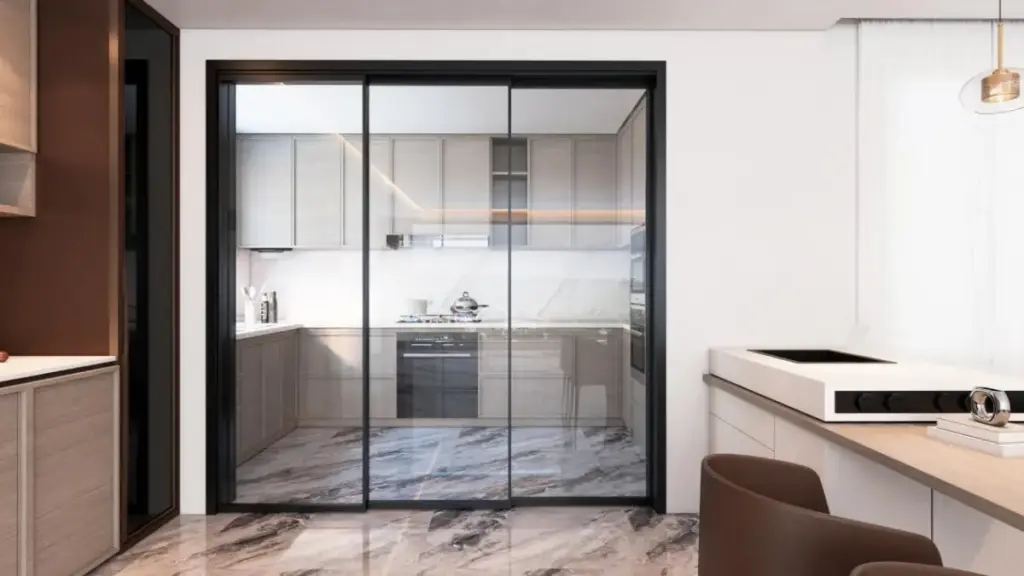
Low-E コーティング: 熱を反射して断熱性を向上
ローエ (低放射率) コーティングは極薄の金属層です, その周り 500 人間の髪の毛よりも何倍も細い, 長波赤外線を反射するように設計されています. これにより、ガラスを通る熱伝達が軽減されます。. 輻射熱を室内に反射することで, Low-E コーティングにより断熱性が向上し、エネルギー消費が削減されます. 特に効果があるのは、:
- U 係数を 0.40 ~ 0.50 に下げる (標準的な二重窓) 0.20~0.30まで (ENERGY STAR 最大効率).
- 反射する 40-70% 伝わる熱の, 単板窓と比較して 30 ~ 50% のエネルギー節約につながります.
アルゴンガス: ガラス間の断熱性を高める
アルゴンガス, 無色無臭の不活性ガス, 断熱ガラスユニットのガラス間にシールされています (IGU). ガラス層間の対流熱伝達を軽減します。, 全体的な熱効率の向上. Low-E コーティングとアルゴンガスのこの組み合わせは、熱伝達の 3 つの形式すべてに対応します。, 対流, および放射線 - 優れたエネルギー性能を確保.
パフォーマンス指標: U-ファクターと太陽熱取得係数 (SHGC)
- U-ファクター: Low-E コーティングは U 係数の低減に役立ちます, 熱伝達を測定する, 断熱性の向上. 標準的な複層ガラスの U 係数は通常 0.40 ~ 0.50 の範囲です。, 一方、Low-E ガラスはそれを 0.20 ~ 0.30 に下げることができます。.
- SHGC (太陽熱ゲイン係数): Low-E ガラスも SHGC を改善できる, 窓から入る太陽熱の量を測定します. Low-E コーティング付き, SHGC は 0.25 ~ 0.40 に改善, より優れた日射制御と冷却負荷の軽減を実現します。.
気候特有の用途のための戦略的配置
Low-E コーティングを特定のガラス表面に戦略的に配置して、気候ニーズに基づいてエネルギー性能を最適化できます。:
- 温暖な気候では, Low-E を表面に配置すると、短波太陽エネルギーを遮断するのに役立ちます, 冷却コストの削減.
- 寒冷地では, Low-E を表面に配置することで、建物内の熱を保持します。.
追加の特典: Low-E ストームパネル
二重窓に Low-E 防風パネルを追加すると、エネルギー効率がさらに向上します:
- U ファクターを 43 ~ 57% 削減できます.
- SHGC を 17 ~ 28% 減少させることができます, 全体的な熱性能の向上とエネルギーコストの削減.
熱定格の達成における設置の役割
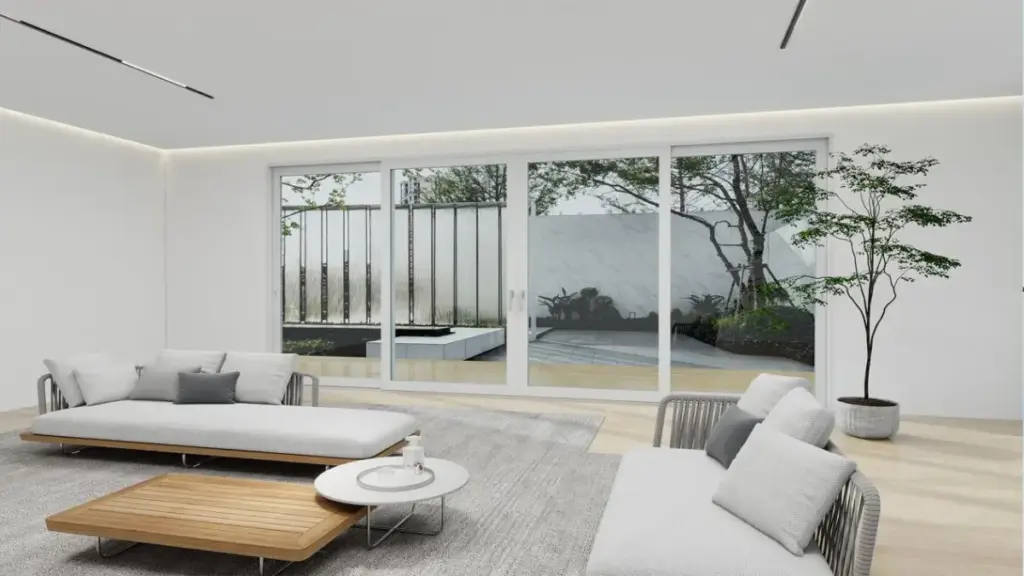
アルミニウム製ドアが定格熱性能を維持するには、適切な設置が重要です。. 不適切な設置方法, 顔面矯正など, 周囲のシールが不十分である, またはガスケットの圧縮が不適切, 熱ブリッジや空気漏れを引き起こす可能性があります, これにより、熱損失が大幅に増加し、ドアのエネルギー効率が損なわれます。.
設置が認定熱性能に及ぼす影響
熱定格, NFRC や ASHRAE など, 理想的な条件に基づいています, 正しく取り付けられていると仮定すると. 正しく取り付けられていない場合, 実効熱性能が低下する可能性があります:
- 顔の固定: 従来の面固定設置ではフレームがより多く露出します, 凹型または中央に固定された方法と比較して、熱損失が増加し、実効 R 値が減少します。.
- 周囲の断熱材: フレームの密閉性が低く、周囲の断熱材に隙間があると、熱損失が発生する可能性があります, U 係数に W/m²・K の数十分の 1 を加算, 公称 U 値が準拠している場合でも.
- エア漏れ: 密閉が不十分だとフレームから空気が漏れる可能性があります, ガスケット, としきい値, 熱損失が大幅に増加し、熱性能が低下します。.
鍵 インストールの実践 パフォーマンスを最大化するために
- 中央固定または埋め込み設置: ドアフレームを壁の断熱層と位置合わせすることで、フレームと壁の境界面での熱ブリッジが最小限に抑えられ、R 値がテスト値に近い状態が維持されます。.
- 連続シール: Aluminco D90 のような高性能システムは、継続的な動作に依存しています。, 気密性を確保し、指定された熱値を維持するために適切に圧縮された EPDM ガスケット.
- 露出フレームを最小限に抑える: ASHRAEなどの厳しい基準を満たすため 90.1 (U ≤ 0.5 W/m²・K 寒冷地用不透明アルミドア用), 設置では、露出したフレーム領域を最小限に抑え、必要に応じて熱で破損したサブフレームを組み込む必要があります。.
さまざまな気候に合わせたアルミニウムドアの設計
アルミドアの厚み 気候条件によって異なります. 温帯用, ドアの厚さは通常 2mm ~ 3mm です。. 極端な気候では, ドアはより厚く、暑い地域または寒い地域では 4mm から 5mm になります。, 産業用または高セキュリティ用途向けには 6mm 以上. カスタマイズされたエンジニアリングにより、最適な熱性能と構造的完全性が保証されます, 現地の条例と快適さの要件を満たす
- 暑い気候: 104°Fを超える地域の場合 (40℃), サーマルブレイクを組み込む, Low-E コーティング, および断熱ガラスユニット (IGU) ASHRAE に従って U-factor と SHGC を管理するためにアルゴン ガスを使用 90.1.
- 寒冷気候: 寒い地域では (アシュレイゾーン 5-8), 低いU係数を達成する (例えば, スイングドアの場合は ≤0.50) 熱損失を制限するために.
- 強風地帯: ドアが ASTM E330 構造試験に合格していることを確認する, 耐衝撃性ガラスと多点ロックで暴風雨からの回復力を強化.
- 湿気の多い地域/海岸地域: 耐紫外線性のあるものを使用する, 耐食性仕上げと耐水性基準を満たしています。 (ASTM E283/E547).
北米市場へのアクセスに関するパフォーマンス認証
北米市場にアクセスするには, アルミニウムのドアと窓は特定の性能基準を満たさなければなりません. 主な認定には次のものがあります。:
- NAFS (AAMA/WDMA/CSA 101/I.S.2/A440): 米国とカナダの屋外ドアと窓の中核性能基準, ヨーロッパの EN 14351‑1 に類似. 製品のラベル表示を義務付ける, 製品が必要な熱を満たしていることを確認する, 構造的な, および運用基準.
- NAFS-08 および CSA A440S1-09 (カナダ): カナダ市場へのアクセスのために, ドアは NAFS に準拠する必要があります-08 および CSA A440S1-09, 現地の建築基準を満たしていることを確認する.
- 試験所: すべての NAFS テストは、AAMA 承認または認証機関に登録されているラボによって実行される必要があります, ULなど, インターテック, とキーストーン. ローゼンハイムの場合 (ドイツ) ULと協力してNAFSテストも実施, 国際的に受け入れられるレポートを提供する.
- アマ 930 (ドア金具): NAFS-08/11 参考文献 AAMA 930, システム全体のコンプライアンスを確保するために、ドアのハードウェアのテスト要件を指定する.
- マネジメントシステム認証: メーカーは ISO を採用することが多い 9001 (品質管理), ISO 14001 (環境管理), およびISO 45001 (労働安全衛生) 一貫した製品品質と業務効率を実現.
- アルミニウム管理イニシアチブ (しかし) 性能基準: アルミニウム製品の責任ある調達を保証します, 北米における持続可能な建築慣行にとってますます重要性が高まっています.
最終的な考え
世界市場でアルミニウム ドアのエネルギー コンプライアンスを達成するには、熱性能についての深い理解が必要です, EU の Ud 基準への準拠から米国の U-factor への準拠. 高度なサーマルブレイクシステムの統合, ガラス選択の最適化, 特定の気候に合わせてデザインを調整することが成功には重要です. メーカーは高品質の素材に注力する必要がある, 正確な取り付け方法, 進化するエネルギー効率の要求を満たすための NAFS などの認証.
持続可能な建築ソリューションをリードしたい企業向け, オプオ コンプライアンスを確保する優れたアルミニウム製ドア システムを提供します, パフォーマンス, そして耐久性. 今すぐ当社のソリューションを検討し、世界市場で優位に進みましょう.
よくある質問
パッシブハウス認定ドアに必要な最小サーマルブレーク幅はどれくらいですか?
パッシブハウス規格には単一の「最小サーマルブレーク幅」はありません。. しかし, パッシブハウスレベルの U 値を達成する熱破壊アルミニウム/スチールドアシステムは、通常、13 ~ 25mm の範囲のポリアミドまたは同様の熱破壊を使用します。 (大きな構造上の破損では最大 ~50mm). 認定されたパッシブグレードのアルミニウム/スチールのドアと窓のフレーム全体の深さは、通常約 90 ~ 104mm です。. パッシブハウスレベルのドアは通常、UD を達成する必要があります (または Windows の場合は Uw) ≤0.80W/m²K.
アルミニウムドアの外面温度は内部温度とどのように相関しますか?
アルミニウム製ドアの外面温度は内面温度に直接影響しません。. その代わり, フレームの U 値とサーマル ブレーク設計により、パッシブ ハウスの基準を満たすように内部表面温度を制御します。, 重要な内部表面温度要素を確保し、設計上の冬季条件下での表面温度が約 17 ~ 18°C 未満になるのを回避します。.
ドアの U 値が認定ラボによってテストされたことを証明する文書は何ですか?
ドアの U 値が認定ラボによってテストされたことを証明するには, 指定者は、通知/認定機関からのテストおよび認証文書を探す必要があります。, EN 14351‑1 など / で 10077 / ISO 10077 またはNFRCテストレポート. パッシブハウスプロジェクト向け, パッシブハウス研究所からのコンポーネント証明書 (ファイ) 必要です, Uf/Uw/UD値と試験体の詳細が記載された「コンポーネント証明書 – パッシブハウスに適したコンポーネント」を含む.
ミニマルなフレーム設計のドアでも低い U 値を達成できますか?
はい, 非常にスリムでシンプルなフレーム設計のドアでも、低い U 値を達成できます。. これは、狭い視界と深い断熱プロファイルおよび高性能三重ガラスを組み合わせた、熱で壊れたスチールとアルミニウムのシステムによって実証されています。, 窓/ドア全体の U ファクターを ≈0.8W/m²K まで低減, パッシブハウスの要件に適合.