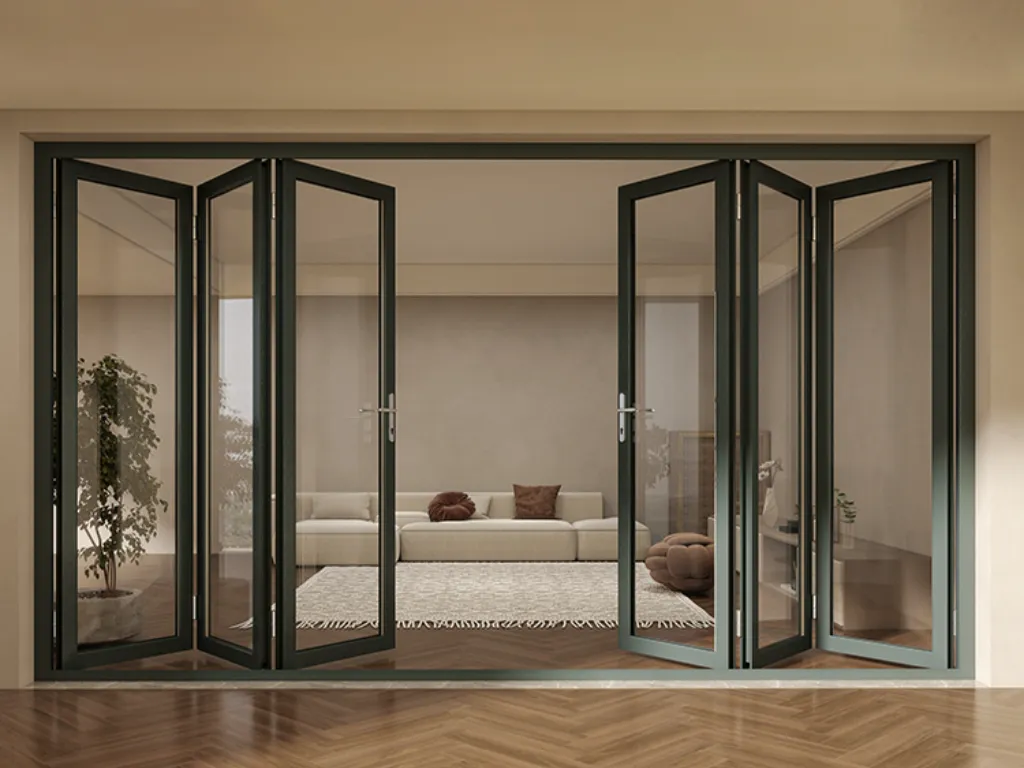
Ever wondered why some aluminum windows stand the test of time while others fade or corrode faster? The secret often lies in the finish. From the high-performance durability of PVDF coatings to the flexibility and cost-effectiveness of powder coating, each finish offers its own set of benefits.
이 안내서에서, we break down the top aluminum window finishes, their technical specs, performance benchmarks, and how they impact your project’s budget. Get the insights you need to choose the right finish for lasting beauty and strength.
Finish Type 1: Powder Coating
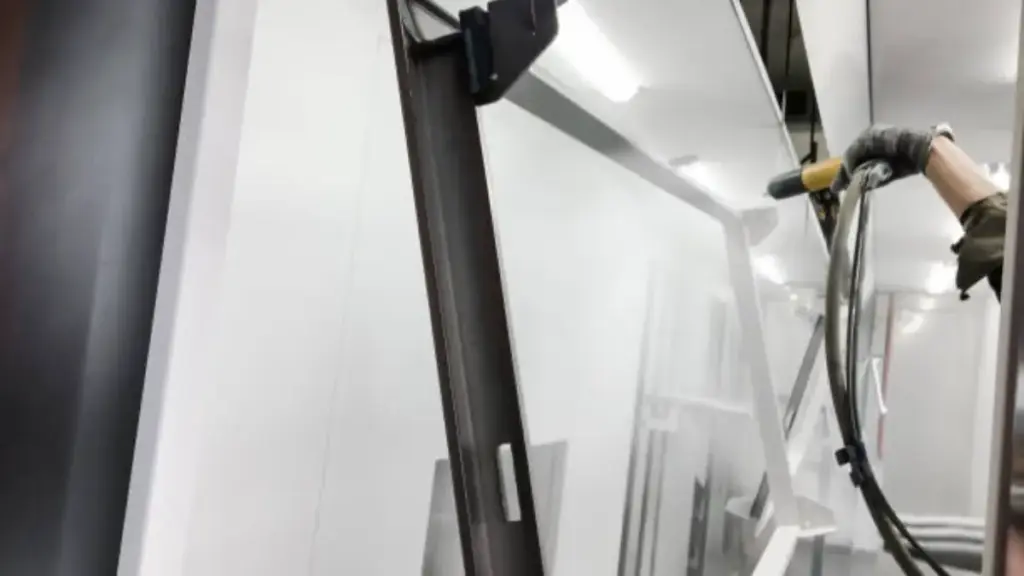
Powder coating is a high-performance, thermoset organic coating applied to aluminum extrusions. The process involves electrostatically spraying a dry powder onto the aluminum surface, which is then cured at high temperatures to create a tough, durable film. This finish typically ranges from 50 에게 125 microns in thickness, providing a smooth, protective layer that enhances both durability and aesthetics.
Advantages and Disadvantages of Powder Coating
- 장점:
⚡ High resistance to weather, 부식, 그리고 페이딩, making it ideal for long-lasting performance in various environments.
⚡ Customizable colors and textures, offering a wide range of aesthetic options.
⚡ Low maintenance with excellent durability, requiring less frequent touch-ups or repainting.
⚡ Eco-friendly with low VOCs, contributing to LEED certification.
- Limitations:
⚠️ Higher initial cost compared to simpler finishes like mill finish.
⚠️ Limited repairability; damage to the coating can be difficult to fix without complete re-coating.
⚠️ More susceptible to chipping and cracking in extreme conditions.
Applications and Certification Standards for Powder Coating
Powder coating is widely used for aluminum windows, 문, and cladding in both residential and commercial projects. It is suitable for environments that require durability and corrosion resistance, such as coastal areas or industrial settings.
Powder coating meets various AAMA standards, ensuring high performance and longevity:
- 아마마 2603: Residential applications with 1-year Florida exposure, offering moderate fade and gloss resistance.
- 아마마 2604: Provides superior performance, 헌금 3,000 hours of humidity resistance and 1,500-3,000 hours of salt spray protection, ideal for more demanding environments.
- 아마마 2605: A top-tier option for extreme conditions, offering up to 10 years of exposure with high resistance to UV, 습기, 부식, making it suitable for harsh climates.
Finish Type 2: 아노다이징
유형 2 아노다이징 처리, or sulfuric acid anodizing, is an electrolytic process that creates a durable oxide layer on aluminum surfaces, providing enhanced corrosion resistance and abrasion protection. It is commonly used in architectural applications like windows due to its cost-effectiveness and reliable performance.
Anodizing Process
- Pre-treatment: Clean aluminum surfaces by removing contaminants. A caustic etching step is used to achieve a satin or matte finish.
- 아노다이징: Aluminum is placed in a sulfuric acid electrolyte bath, where DC current forms a porous oxide layer, 일반적으로 5-30 micrometers thick.
- 씰링: The oxide layer is sealed by immersion in boiling deionized water or using nickel/cobalt acetate sealants, improving corrosion resistance.
장점 & Limitations
- 장점:
⚡ Provides excellent corrosion protection, ideal for humid or marine environments.
⚡ Offers high abrasion resistance, with a hardness of 300-400 Vickers.
⚡ Meets AAMA 611 and SSA-46 standards, providing a uniform metallic finish in silver or bronze tones. - Limitations:
⚠️ Limited color options, mostly metallic finishes.
⚠️ Porous before sealing, susceptible to staining.
⚠️ Not suitable for extreme wear applications; requires Type 3 anodizing for tougher environments.
Discover High-Performance Aluminum Window Systems
Finish Type 3: Fluorocarbon (PVDF)
PVDF (Polyvinylidene Fluoride) finishes are high-performance fluorocarbon resin coatings for aluminum windows and extrusions. Composed of at least 70% PVDF resin, these finishes provide outstanding durability, UV resistance, and color retention in demanding outdoor environments.
장점 & Limitations
- 장점:
⚡ Unmatched UV and sunlight resistance, significantly reducing fading over time.
⚡ Excellent corrosion resistance, with high durability even in harsh weather conditions.
⚡ Typically offers a service life of 10-15 years or more, ensuring long-term aesthetic integrity.
⚡ Ideal for high-end architectural projects, including building facades and curtain walls. - Limitations:
⚠️ Higher cost compared to other finishes like powder coating or anodizing.
⚠️ Limited color options, primarily focusing on a more uniform palette.
Applications of PVDF Coatings
- Architectural Exteriors: Ideal for building facades, 창, and curtain walls, ensuring durability and aesthetic longevity.
- Coastal and Harsh Environments: Highly resistant to salt spray and humidity, making it perfect for coastal buildings.
- High-End Projects: Common in luxury residential and commercial buildings requiring minimal maintenance and long-lasting performance.
Finish Type 4: Brushed and Polished Finishes
Brushed and polished finishes are mechanical surface treatments used to enhance the aesthetics of aluminum windows. Brushed finishes are created by directional sanding or wire brushing, resulting in a satin-like texture that helps conceal fingerprints and scratches.
대조적으로, polished finishes are achieved through buffing, producing a smooth, reflective, mirror-like sheen. These finishes are often used as a base for additional coatings, offering a refined appearance while providing moderate corrosion resistance.
장점 & Limitations
Brushed Finishes:
⚡ Conceals fingerprints and scratches, maintaining a clean appearance.
⚡ Provides a matte finish that is less prone to visible wear.
⚠️ Limited corrosion resistance; often requires additional coatings for high-exposure applications.
Polished Finishes:
⚡ Creates a high-gloss, reflective appearance for a premium aesthetic.
⚡ Offers a sleek and modern look.
⚠️ More prone to scratching and requires more maintenance to preserve its appearance.
Applications and Certification Standards
Brushed and polished finishes are commonly used for aluminum window frames, both in interior and protected exterior applications. These finishes are typically prepared for further coatings like AAMA 2603/2604/2605 or AAMA 611 아노다이징 처리.
- Brushed Finishes: Ideal for hiding scratches and providing a matte appearance, suitable for interior and sheltered exterior settings.
- Polished Finishes: Known for their high-gloss, reflective look, though more susceptible to scratching, commonly used in luxury and decorative applications.
Finish Type 5: Painted Finishes
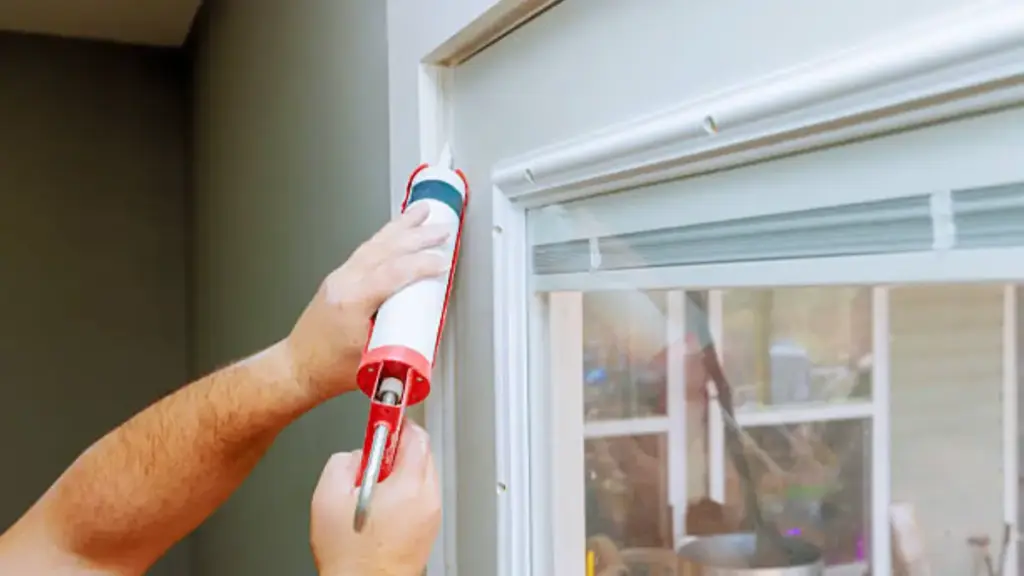
Painted finishes for 알루미늄 창문 offer both aesthetic appeal and protective qualities. Applied as either liquid or dry powder, these finishes cure to form a durable film that provides a wide range of colors and enhances resistance to environmental degradation. Different types of painted finishes include architectural powder coatings, PVDF liquid paint, and conventional liquid paint systems.
장점 & Limitations
- 장점:
⚡ Wide color range, offering versatility in design.
⚡ Enhances aluminum’s resistance to environmental factors like weathering and corrosion.
⚡ Durable and suitable for both residential and commercial applications. - Limitations:
⚠️ PVDF liquid paint systems are more expensive than conventional liquid paints.
⚠️ Conventional liquid paints offer moderate weathering resistance, making them less suitable for harsh, high-exposure environments.
Types and Performance Characteristics
- Architectural Powder Coating (아마마 2603, 2604, 2605): A thermoset organic coating offering excellent abrasion and weather resistance, with varying durability levels for residential to high-exposure projects.
- PVDF Liquid Paint Coating: Provides high UV, chemical, 그리고 부식 저항, ideal for harsh environments like coastal or industrial areas.
- Conventional Liquid Paint Systems: Includes polyester, polyurethane, and acrylic enamels, offering lower cost and moderate to good weather resistance, typically used in less exposed applications.
Performance Comparison Table
The following table compares five common aluminum window finishes based on fade resistance, scratch resistance, 그리고 비용.
| Finish Type | Fade Resistance | Scratch Resistance | 비용 | Key Advantages |
|---|---|---|---|---|
| Powder Coating | 높은 | 높은 | Medium | Excellent color range, 강한 내구성, 및 내후성. |
| 아노다이징 | 훌륭한 | 매우 높음 | 높은 | Superior corrosion resistance and natural metallic finish, ideal for harsh environments. |
| Fluorocarbon (PVDF) | 훌륭한 | 높은 | 높은 | Outstanding UV, chemical, 및 내후성, ideal for extreme outdoor conditions. |
| Brushed Finish | Medium | Medium | 낮은 | Unique textured look, but requires additional protective coatings. |
| Polished Finish | Medium | 낮은 | 낮은 | Glossy finish, aesthetically pleasing but prone to scratches. |
| Painted Finishes | Medium | Medium | Low to Medium | Customizable colors, decent durability, but may require frequent touch-ups. |
Pre-Treatment Processes: The Critical Step for Optimal Finish Adhesion
Pre-treatment ensures proper adhesion of finishes like anodizing, 분체 도장, and PVDF to aluminum window profiles. It removes contaminants such as oils, lubricants, and oxides, preventing bonding issues, 부식, and inconsistent coatings.
Key Pre-Treatment Steps:
- Degreasing/Cleaning: Alkaline or solvent baths remove oils and lubricants, allowing uniform powder coating adhesion.
- Etching/Chemical Milling: Acidic solutions smooth the surface and promote oxide layer formation, controlling film thickness (예를 들어, 7-23μm for anodizing).
- Desmutting/Rinsing: Nitric acid and deionized water neutralize residues, preventing spotting and ensuring a clean surface.
- Conversion Coating (Optional): Chromate or non-chromate coatings provide interim corrosion protection and improve paint adhesion.
Technical Importance:
- Surface Energy & Porosity: Pre-treatment increases surface energy, allowing finishes to bond at a molecular level.
- Uniform Coating Thickness: Achieving consistent thickness (예를 들어, 60-80μm for powder coating) depends on proper preparation.
- 내구성 & 품질 관리: Inadequate pre-treatment can lead to failures like salt spray or UV damage. Quality control tests, such as ASTM B117 and ASTM D3359, ensure optimal durability with a >4B rating.
opuo‘s Finishing Capabilities and Quality Control
At OPUOMEN, we combine cutting-edge finishing technologies with rigorous quality control to deliver aluminum profiles that not only meet but exceed industry standards, ensuring superior durability, 미적 매력, and long-lasting performance for every projec
Integrated Finishing Technologies
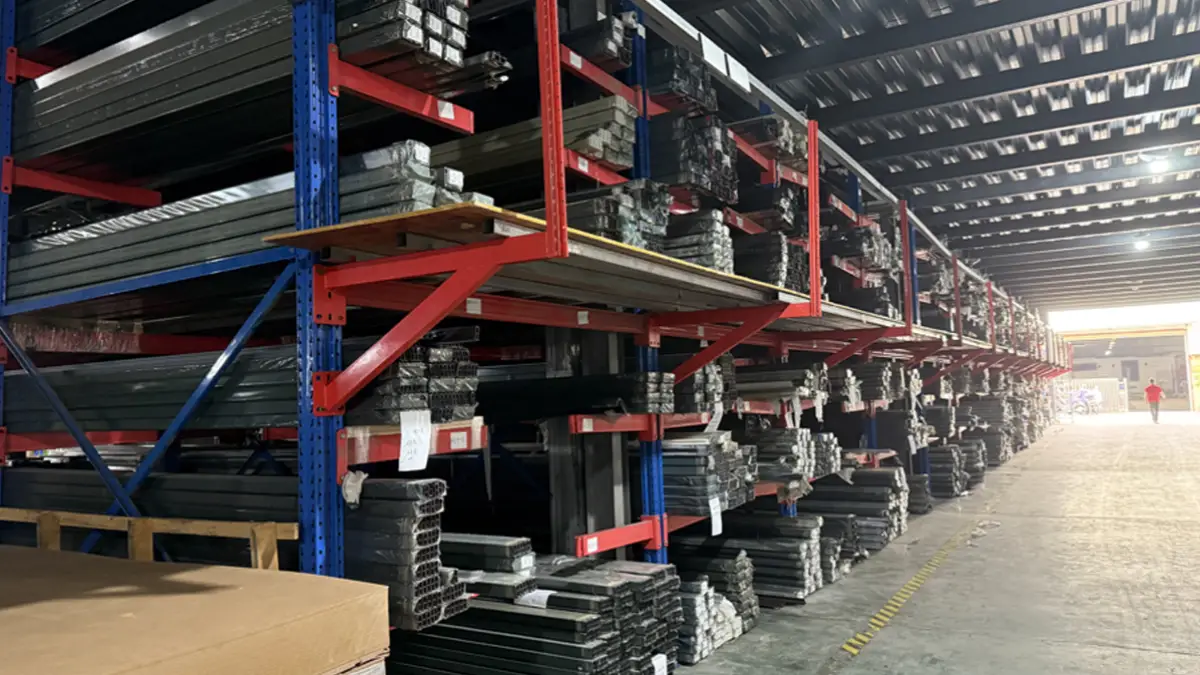
OPUOMEN operates in-house anodizing lines, applying 7–23 µm oxide layers to aluminum profiles, enhancing surface hardness and corrosion resistance, perfect for coastal and humid environments. The electrostatic powder coating process ensures uniform 60–80 µm thick films, offering high abrasion resistance and a broad range of RAL color options. For superior UV and chemical protection, OPUOMEN uses PVDF/fluoropolymer coatings, ideal for long-term color and gloss retention.
Wood-Grain Transfer Finishing
OPUOMEN’s wood-grain transfer technology combines aluminum’s durability with the natural appearance of wood, making it ideal for high-end decorative and heritage projects.
Comprehensive Quality Assurance
OPUOMEN employs rigorous quality control measures, from surface preparation (cleaning, degreasing, etching) to final coating processes, ensuring optimal adhesion and defect-free finishes. Mechanical and dimensional testing, along with accelerated weathering and salt-spray evaluations, ensure long-lasting durability and meet international standards for various environmental conditions.
최종 생각
Choosing the right aluminum window finish involves balancing technical performance with aesthetic appeal. From powder coating’s durability and wide color range to anodizing’s corrosion resistance and PVDF’s extreme weather protection, each finish is tailored to specific needs. Proper pre-treatment and stringent quality control ensure these finishes not only look great but stand the test of time.
OPUOMEN’s integrated capabilities, including precise surface preparation and advanced coating technologies, guarantee durable, visually stunning window solutions. Contact OPUOMEN today to explore finishes that align with your project’s needs and deliver lasting value.
자주 묻는 질문
What is the best finish for a window located near the ocean?
For aluminum windows near the ocean, several high-performance finishes are recommended. 에이 70% PVDF fluoropolymer coating certified to AAMA 2605 is considered highly durable. It resists salt spray, 자외선, chalking, and color fade, with testing exceeding 4,000 hours in harsh coastal conditions. 대안으로, 에이 Class I architectural anodized finish provides excellent abrasion and corrosion resistance for seacoast applications, particularly when combined with proper pretreatment and isolation from dissimilar metals. Marine-grade powder-coated aluminum windows, using polyester powder coating at a minimum thickness of 60 microns, offer resilience against salt-laden air and marine chemicals. 마지막으로, a robust defense system involves a chrome phosphate conversion coating pretreatment followed by a high-performance fluoropolymer paint, with chrome phosphate recognized as a superior pretreatment for aggressive coastal corrosion.
How does the thickness of the anodic layer affect corrosion resistance?
Thicker anodic layers on aluminum generally improve corrosion resistance by providing a more robust oxide barrier that protects the base metal from moisture, salts, pollutants, 그리고 풍화. Thicker layers (예를 들어, 20–30 microns) cover more of the aluminum surface, delaying exposure of bare metal and reducing pitting or failure in humid, salty, or coastal environments. They resist abrasion, wear, and long-term degradation better than thin layers (예를 들어, 아래에 15 microns). Environment-specific recommendations vary: 15–18 microns for indoor/dry, 20–25 microns for outdoor/building, and 25–30 microns for coastal/marine. For high-wear applications, sulfuric anodizing can reach 20–25 microns, or up to 60 microns with hard anodizing. While thickness generally boosts resistance, excessive thickness (예를 들어, over 25 microns for architectural aluminum windows) risks cracking or brittleness, potentially accelerating corrosion at flaws. Sealing the anodic layer often enhances protection more than thickness alone, especially for thinner coatings. For anodized aluminum extrusions in windows, 20–25 microns balances protection, 비용, and reliability. Type II sulfuric anodizing (common for windows) typically reaches 0.5–25 microns, with thicker builds yielding darker colors and better resilience; Type III hard anodizing (최대 75 microns) offers superior protection for demanding uses.
Is PVDF coating available in textured finishes?
예, PVDF coating is available in textured finishes for architectural aluminum, including options that imitate stone, 목재, or brushed metal. PVDF coatings offer versatile color options and design freedom, encompassing metallic, solid, and special effect finishes. These appearances mimic natural materials while maintaining high performance and longevity. These finishes enhance aesthetic flexibility for aluminum surfaces in facades, 커튼 벽, and window systems, with superior UV resistance, corrosion protection, and color retention. Standards like AAMA 2605 endorse 70% PVDF resin-based systems, which include multi-coat options for exotic colors and textures suitable for demanding projects. Available information emphasizes PVDF’s broad applicability for custom architectural designs, without limitations on textured finishes.
What are the cost implications of choosing Anodizing over Powder Coating in bulk?
For bulk aluminum window profiles, anodizing is generally more expensive per unit than powder coating. This is due to its more complex electrochemical process, specialized tanks, chemicals, and tighter process control requirements. Industry guidance notes that powder coating is typically the more cost‑effective option for large batch sizes. This is because line speed is higher, overspray powder can often be reclaimed, and labor and setup costs are spread over more parts. Anodizing’s bath time, pre‑treatment, racking, and wastewater handling keep per‑part costs relatively higher even at scale. Specifiers choosing anodizing over powder coating should expect a meaningful cost premium at bulk volumes, often on the order of several percentage points of the part cost (예를 들어, anodizing commonly adds about 5–15% to CNC part cost in industrial practice, whereas powder coating is described as the more economical architectural finish for large runs).