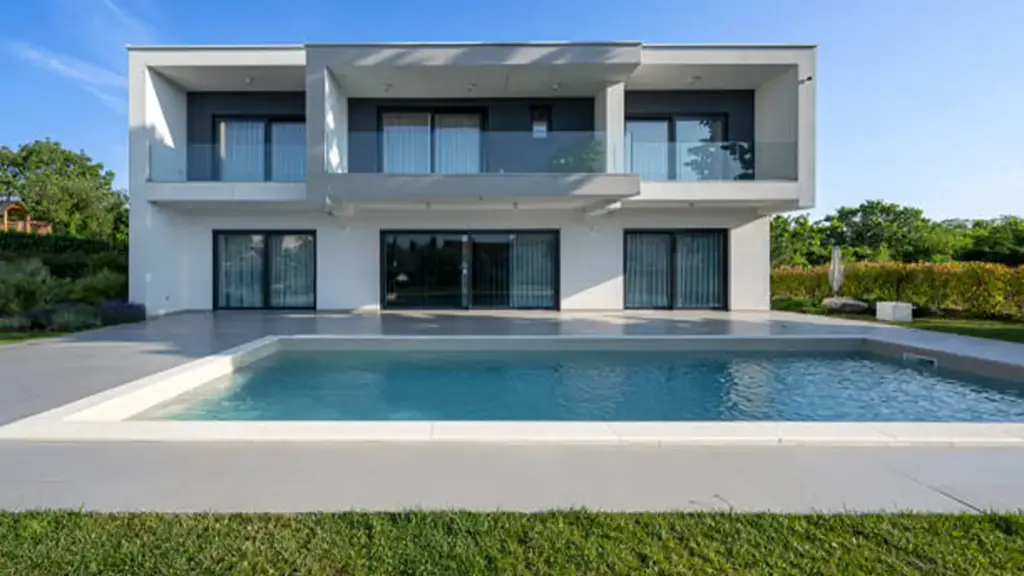
Sourcing luxury home windows and doors for projects in California, 플로리다, and Texas requires careful attention to local building codes, 기후 조건, and product performance.
This guide compares the thermal and structural requirements for architectural windows and doors in each region, with a focus on climate, wind exposure, and local code requirements.
Luxury Home Windows and Doors Across Three Markets
High-end residential builds in California, 플로리다, and Texas rely on structural engineering, strict climate-code compliance, and specialized local distribution networks rather than retail supply chains.
Regional Market Drivers and Architectural Demands in California, 플로리다, and Texas
Architects and builders face different structural and environmental requirements in each state. Local climate and site conditions should be considered early, before the final window and door specifications are decided.
- California Coastal Markets: In coastal areas such as La Jolla and Newport Beach, builders may use architectural aluminum systems with durable exterior finishes to handle salt-air exposure while maintaining large glazed openings and narrow sightlines.
- Florida Storm Protection: Tight building codes across South Florida force a heavy reliance on impact-resistant glass. In wind-borne debris regions, impact-resistant glazing can provide opening protection without relying on separate storm shutters, although approved shutters and other protection systems may also be used.
- Texas Contemporary Expansion: Luxury residential projects in Austin, Dallas, and Houston often use large-format steel or aluminum window and door systems to create wide openings and contemporary sight-lines. These materials support the massive structural spans common in modern residential designs.
- Renovation vs. New Build Dynamics: In established, mature luxury neighborhoods, high-end remodeling outpaces new construction. Wealthy homeowners are replacing outdated, inefficient windows with high-performance, energy-efficient panoramic glazing.
Performance Specifications, 재료 표준, and Distribution Channels
High-end projects need the frame, 유약, structural design, and installation requirements to work together from the start. Off-the-shelf products may not meet the size, 성능, or certification requirements of some custom luxury projects.
- Material Selection: Contemporary architectural trends demand steel and aluminum to achieve razor-thin sightlines. In high-humidity coastal zones, high-performance vinyl serves as a durable, 유지 관리가 적음, and corrosion-proof alternative.
- 에너지 효율 표준: Builders use multi-pane glass systems equipped with spectrally selective, 저방사율 (로이(low-E)) 코팅. This technology allows projects to meet stringent environmental codes while preserving expansive glass facades.
- Turn-Key Distribution Models: Ultra-luxury builders routinely bypass traditional retail channels. 대신에, they partner with specialized, full-service dealers who directly coordinate design, structural engineering, and manufacturer fabrication.
California Windows and Doors for Modern Homes
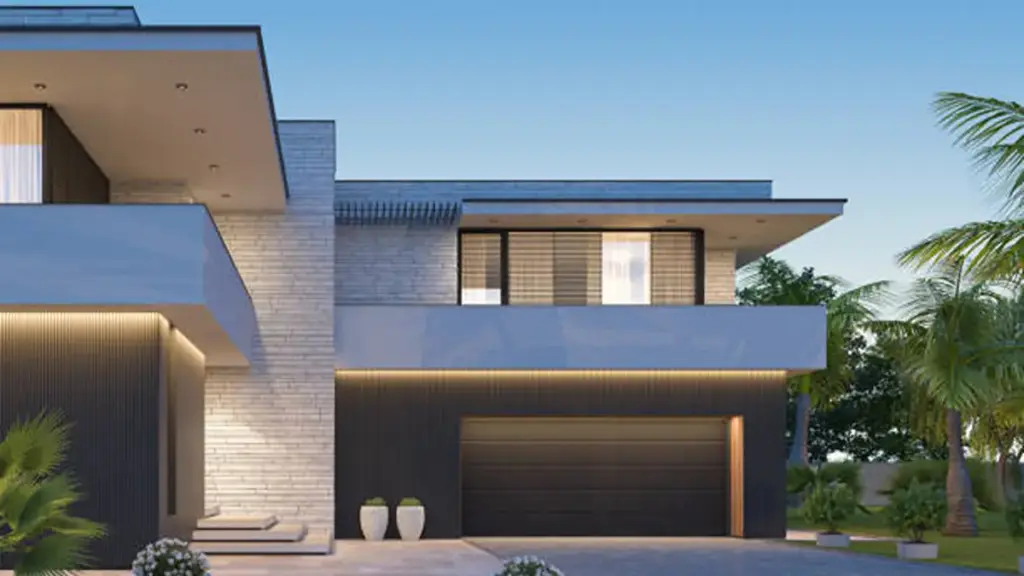
Meeting California’s strict Title 24 standards requires balancing massive glass spans with tight thermal limits.
California’s energy requirements make window and door performance an important part of early design decisions. Because requirements vary by climate zone, glazing and frame specifications need to be matched to the project’s location.
Energy Code Compliance and Thermal Performance Limits
Compliance with the state energy framework depends heavily on regional climate variations. Designers must analyze local microclimates to select glazing packages that satisfy specific code limits.
- Prescriptive Targets: Under California’s 2025 residential prescriptive standards, the maximum fenestration U-factor is 0.27 in Climate Zones 1–5, 11–14, 그리고 16, 그리고 0.30 in the remaining climate zones. SHGC requirements also vary by climate zone.
- 2026 Code Updates: 그만큼 2025 Building Energy Efficiency Standards (제목 24, 부분 6) take effect on January 1, 2026, introducing tighter rules for high-performance glazing.
- Solar Heat Gain Limits: SHGC requirements vary by California climate zone, with lower values applying in several warmer zones to help control solar heat gain.
- Fenestration Requirements: California’s residential energy standards also limit fenestration area and apply climate-zone-specific requirements for west-facing glazing and solar heat gain.
Framing Materials and Large-Format Glass Systems
Large glass walls and 파노라마 창문 are common in contemporary California homes. Larger openings, 하지만, require framing systems that can support the glass while also meeting the project’s thermal requirements.
- Thermally Broken Aluminum: This material provides the structural strength needed for heavy, oversized glass while maintaining narrow sightlines and supporting thermal performance. 맞춤형 알루미늄 창 can be specified in different configurations based on the project’s size and performance requirements.
- Fiberglass and Clad-Wood: These systems can offer good thermal performance and relatively low thermal movement, which may help reduce stress on glazing seals as temperatures change.
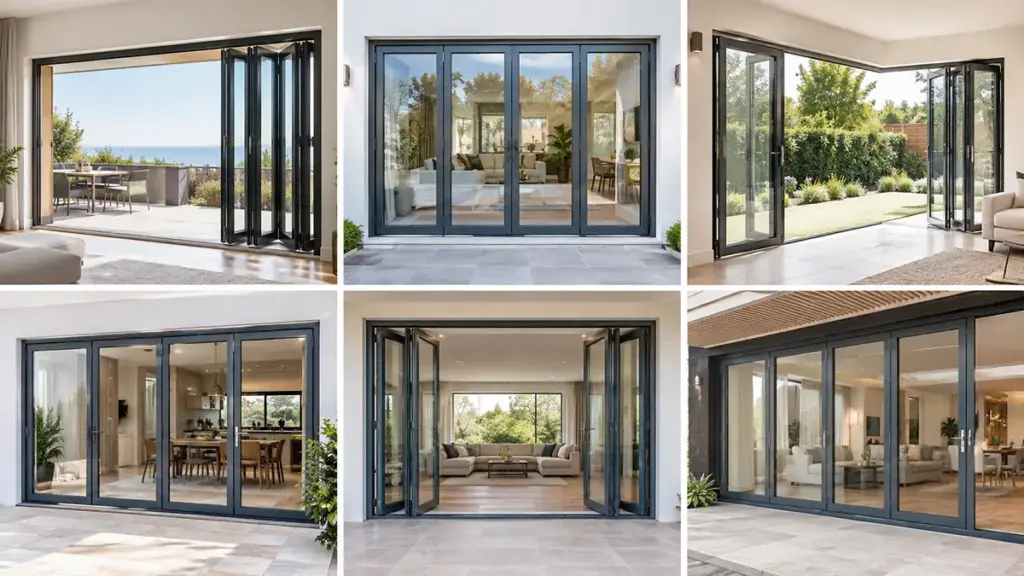
- Large-Format Doors: Specifying multi-slide and lift-and-slide door systems allows panels to pocket or stack cleanly, connecting indoor and outdoor spaces.
- Fenestration Classification: Any exterior door with 25% or more glazing must comply with the same rigorous energy standards as windows.
Premium Windows and Doors for Global Projects
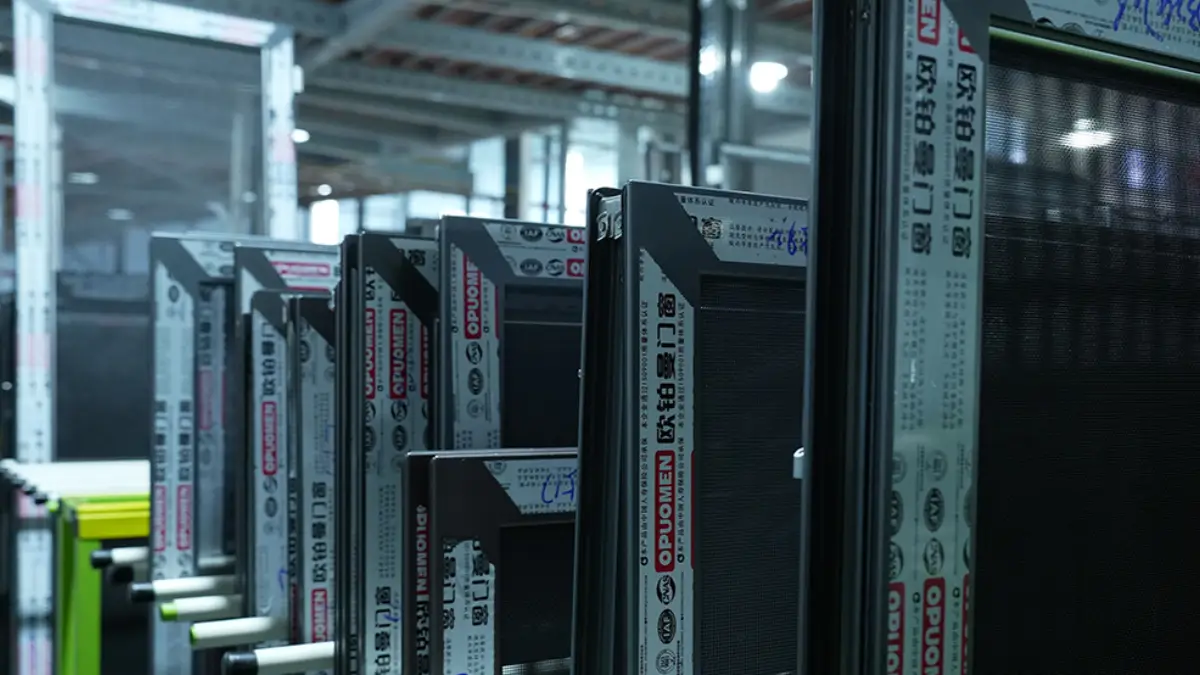
Florida Solutions for Heat, Storms, and Coastal Exposure
Florida coastal projects require window and door systems to be designed for local wind loads, impact exposure, solar heat, and coastal corrosion.
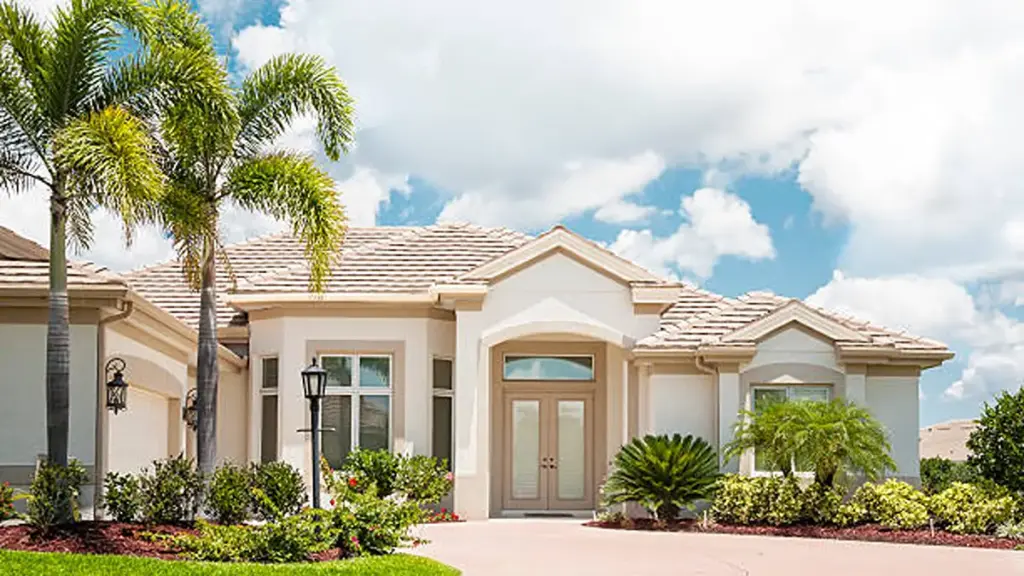
Structural Engineering and Code Compliance for Wind-Borne Debris Zones
Building along the Florida coast means designing against extreme physical forces. The Florida Building Code dictates strict structural thresholds that engineers must calculate before selecting any window or door system.
- Wind-Borne Debris Regions (WBDR): Certain areas of Florida require protected openings based on location and design wind speed. Approved impact-resistant glazing or impact-resistant coverings such as shutters may be used, depending on the project and code requirements.
- High Velocity Hurricane Zone (HVHZ): Projects in Miami-Dade and Broward must meet strict opening-protection and product-approval requirements, with impact-resistant glazing being one common solution.
- Testing Protocols: Impact-resistant products may be evaluated under applicable standards such as ASTM E1886 and E1996, with TAS 201, 202, 그리고 203 used for products subject to HVHZ requirements.
- 설계압력 (DP) 평가: Require engineered framing and anchorage to resist the design pressures calculated for the specific project, based on factors such as wind speed, exposure, building height, and opening size.
- 구조적 보강: Some large sliding, 접는, and pivot systems may incorporate reinforced chambers or other structural reinforcement to help resist project-specific wind loads.
For coastal custom homes, windows and doors need to be considered as part of the building envelope, with their structural and weather-performance requirements coordinated during design.
Thermal Performance and Corrosion Resistance in Humid Salt-Air Environments
Salt air and high humidity can accelerate corrosion and finish degradation, particularly when materials and coatings are not selected for coastal exposure. Coastal projects need finishes, 열교, 유약, and weather seals that are selected for both salt-air exposure and solar heat.
- Solar Heat Control: Employs spectrally selective low-E coatings and laminated insulating glass units (IGU) to drop solar heat gain coefficients (SHGC) 에게 0.23 이하.
- Thermally Broken Frames: Limits conductive heat transfer through aluminum or composite frames without compromising the physical strength of the envelope.
- Marine-Grade Hardware: 해안 환경에서, corrosion-resistant hardware such as 316 stainless steel components can help reduce the effects of salt-air exposure.
- High-Performance Finishes: 해안 환경에서, higher-performance architectural coating systems, including finishes meeting AAMA 2604 또는 2605 요구 사항, can provide improved resistance to weathering and UV exposure.
- Water and Air Seals: Employs EPDM weatherstripping and UV-stable gaskets to maintain tight boundaries during severe driving rain storms.
Near the coast, untreated or inadequately protected aluminum may be more vulnerable to corrosion and finish degradation, so the specified finish should be appropriate for the site’s exposure conditions and warranty requirements. Specifying marine-grade specs from day one protects the owner’s investment.
Texas Windows and Doors for Large Modern Openings
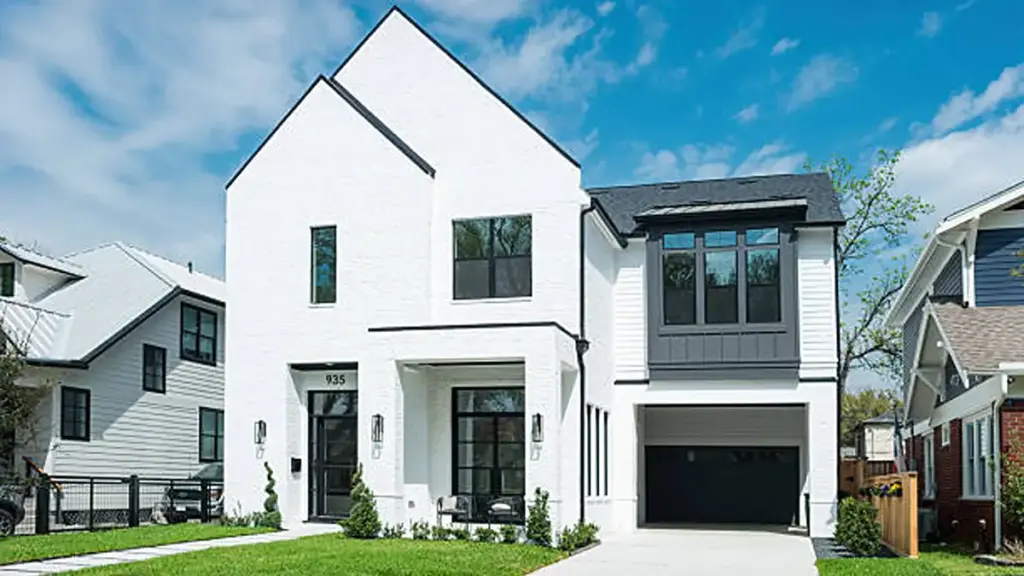
Texas luxury homes require large-format doors and high-performance glass engineered to frame expansive views while surviving extreme summer heat and Gulf storms.
Modern Texas homes often use large openings to connect interior living areas with patios, pool decks, and other outdoor spaces. These openings need framing and hardware sized for the weight and dimensions of the selected glass and door panels.
Large-Format Door Systems and Glazing Configurations
Oversized openings require specialized configurations to handle the sheer scale of the glass while maintaining effortless daily operation.
- Multi-Panel Sliders: Multi-panel sliding and lift-slide systems use two-, three-, or four-panel configurations that stack or pocket into walls to clear wide entertainment spans.
- Precision Roller Hardware: Precision hardware, including monorail tracks and adjustable tandem rollers, ensures smooth operation for heavy, oversized glass units.
- Architectural Entry Doors: Dramatic floor-to-ceiling pivot doors and steel-framed swinging doors serve as striking entry systems and primary architectural features.
- Continuous Window Walls: Continuous window walls combine fixed and operable units to construct expansive glass facades in great rooms, primary suites, and stairwells.
Early structural coordination is vital. Deflection in the overhead support beams can easily bind oversized doors and ruin rolling hardware over time.
Structural Materials and Thermal Performance Engineering
Large glazed elevations place greater demands on the frame, 유리, 하드웨어, and weather seals. Framing materials must provide extreme rigidity without acting as a thermal bridge that radiates heat indoors.
- Structural Metal Frames: Steel and aluminum framing can be used for large architectural openings, with the required profile and reinforcement determined by panel size, 풍하중, and system design.
- Thermally Broken Profiles: Thermally broken steel and aluminum profiles reduce thermal transfer, helping homes meet strict energy codes in hot Texas climates.
- High-Performance Glazing: High-performance insulated glass units utilize low-E coatings and gas fills to limit solar heat gain while preserving exterior views.
- Weather Defense Systems: Heavy-duty gasketing, robust weatherstripping, and engineered thresholds manage wind and rain exposure during intense regional storms.
Specifying insulated, low-E glass is only part of the thermal-performance equation. For aluminum systems, a well-designed thermal break can significantly reduce conductive heat transfer through the frame and help improve interior surface temperatures and condensation resistance.
유리, 액자, and Energy Performance Considerations
Optimizing luxury fenestration in California, 플로리다, and Texas requires matching climate-specific glass configurations with frame materials engineered to withstand severe wind, 열, and coastal corrosion.
| Region | Performance Focus | Thermal Performance Considerations | Solar-Control Considerations | Glazing Approach |
|---|---|---|---|---|
| 캘리포니아 | 제목 24 규정 준수, 태양광 제어 | Climate-zone-specific U-factor requirements based on the applicable compliance path | Climate-zone-specific SHGC requirements to help control solar heat gain | Double-pane Low-E glass, often paired with argon |
| 플로리다 | Hurricane resistance, 태양광 제어, coastal exposure | Thermal requirements vary by project, while opening systems may also need to meet project-specific wind-performance requirements | Low-SHGC glazing can help limit solar heat gain in hot, high-sun-exposure conditions | Laminated impact-resistant or other code-approved glazing systems, where required |
| 텍사스 | Extreme heat, solar exposure, 풍하중 | Energy and structural requirements vary by climate zone, 건물 유형, 및 프로젝트 조건 | Spectrally selective Low-E glazing can help reduce solar heat gain while maintaining daylight | Low-E insulated glazing matched to orientation and local climate conditions |
The California values below reflect the 2025 residential prescriptive requirements; actual project requirements may vary depending on the compliance path and climate zone.
Glass Performance and Climate-Specific Glazing Configurations
Oversized openings and panoramic views mean luxury glass must work harder to block heat and resist physical forces. Standard dual-pane configurations may not provide the required combination of thermal, solar-control, or impact performance for every project in these markets.
- Thermal Mitigation: Specifying spectrally selective Low-E coatings and argon gas fills secures a whole-window U-factor below 0.32 and an SHGC under 0.23, neutralizing intense radiant heat in California, 플로리다, and Texas.
- Structural Security: In hurricane-exposed areas of Florida and coastal Texas, impact-resistant glazing may be required or specified depending on the project’s local wind and opening-protection requirements.
- Visual Tuning: Calibrating visible light transmittance balances solar heat rejection and UV protection with high daylight clarity, preventing faded interiors while highlighting oceanfront or hillside views.
Frame Material Dynamics and Coastal Durability
Frame selection affects structural performance, 공기와 물에 대한 저항, 그리고 장기적인 유지보수. The frame material and finish should therefore be matched to the site’s climate and exposure.
- Thermal Expansion Control: Comparing fiberglass, 비닐, and thermally broken aluminum reveals critical performance gaps. Fiberglass has relatively low thermal expansion and can help reduce movement between the frame and glazing during temperature changes, which can support long-term seal performance.
- Corrosion Engineering: Severe coastal zones demand Class I anodized or high-durability powder-coated marine-grade aluminum finishes. Pairing these frames with 316 stainless steel hardware prevents rapid pitting and oxidation from salt-laden humidity.
- Deflection Resistance: Large-span multi-panel door systems require high structural load ratings. Air infiltration and structural testing help verify that sliding and pivot systems maintain the required performance under their rated wind loads.
Custom Door Manufacturing for Luxury Residential Projects
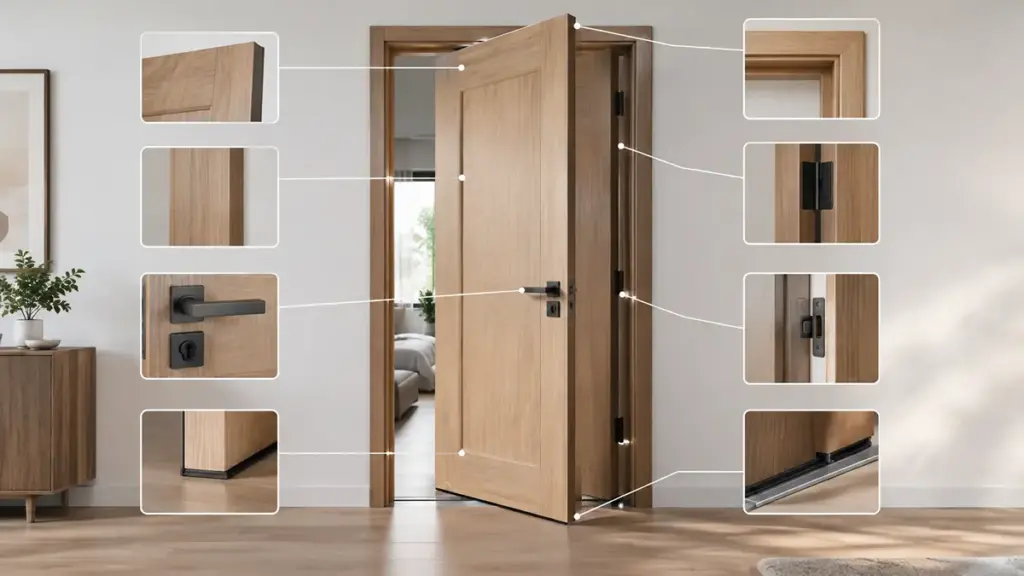
For luxury residential projects, the manufacturer needs to offer more than a standard catalog of door styles. opuo combines system manufacturing, engineering, and customization to support projects that require specific materials, 완료, 유약 옵션, and interior details. Its 60,000㎡ production facility and 200+ employees provide the manufacturing capacity for distributors, 계약자, and project buyers handling multiple residential units or larger villa developments. For aluminum-wood doors, buyers can also choose from different interior core materials, including ENF-grade environmental boards, carbon crystal boards, multi-layer boards, and fire-resistant options. 숨겨진 하드웨어, minimalist lock systems, and clean sightlines help the doors fit contemporary luxury interiors without making the hardware a dominant visual element. OPUOMEN also develops solutions for different climate and project requirements, allowing specifications to be adjusted according to the intended market rather than relying on a single standard configuration.
Planning Luxury Windows and Doors by Region
Luxury window and door planning must prioritize local code-mandated climate resilience—coastal storms, wildfires, or extreme solar loads—before finalizing aesthetic details.
Architects and builders across California, 플로리다, and Texas face vastly different environmental pressures. Designing high-performance envelopes requires localized engineering that treats regional climate hazards as baseline design parameters rather than optional upgrades.
Climate Adaptation Strategies for Coastal, 불, and High-Heat Zones
캘리포니아, 플로리다, and Texas have different climate and code requirements, so window and door specifications cannot be applied uniformly across all three states. Failing to account for local environmental stressors during the schematic design phase results in failed inspections, compromised structural integrity, or premature product failure.
- California Wildland-Urban Interface (WUI): California projects in designated wildfire-hazard or WUI areas may be subject to additional requirements for glazing, framing, and exterior assemblies, so the applicable local fire and building provisions should be checked during design.
- Florida Wind-Borne Debris Regions (WBDR): Structural codes dictate impact-rated laminated glass, reinforced framing systems, and heavy-duty anchors where design wind speeds exceed 130 시속.
- Texas Multi-Climate Zones: Texas projects span multiple climate zones, so glazing and shading strategies should be matched to the local code, orientation, and solar exposure.
프레임 엔지니어링, Material Selection, and Code Verification
Oversized glass openings and ultra-slim sightlines increase structural load requirements and thermal transfer. Selecting an appropriate frame system helps the project meet its structural and thermal requirements while supporting the overall code-compliance strategy.
- 재료 성능: 열에 의해 파손된 알루미늄, 유리섬유, and clad wood systems offer the necessary rigidity under high wind pressures while satisfying strict energy targets.
- Coastal Protection: Salt spray and intense humidity require specifying marine-grade, 316 stainless steel hardware and specialized exterior finishes to prevent premature oxidation.
- Proactive Coordination: Early design phase reviews must align the architectural vision, structural engineering, and local energy compliance pathways well before final procurement for 2026 installations.
자주 묻는 질문
What should you look for in windows for luxury homes?
Windows for luxury homes in California, 플로리다, and Texas should balance thermal performance, structural requirements, and architectural design. In Florida, especially for projects subject to HVHZ or local opening-protection requirements, window and door systems should have the approvals required for the specific project. Storm-exposed areas of Texas should also follow applicable local building and wind-load requirements. In California and inland Texas, double-glazed Low-E insulated glass can help improve energy performance and solar control, while thermally broken aluminum, 유리섬유, or other appropriately engineered frame systems can support different design and performance goals. These configurations can also accommodate large-format openings, floor-to-ceiling glazing, and slim sightlines commonly used in modern villa projects when the overall system is properly engineered and specified for the project.
What type of windows are used in luxury homes?
Luxury residences prioritize large-format architectural systems featuring premium materials. Common operating styles include fixed picture windows, casements, tilt-and-turn units, and expansive lift-and-slide door systems. Architects and builders specify thermally broken aluminum, architectural bronze, solid steel, and wood-clad frames to support these grand designs. These systems allow narrow sightlines and support massive glass spans. Advanced glazing options, like multi-pane insulating glass with spectrally selective Low-E coatings, provide the necessary energy efficiency and acoustic insulation.
What are the best doors for a modern luxury home?
Modern luxury entries benefit most from oversized pivot doors, while living areas transition seamlessly with large lift-and-slide or multi-slide glass systems. Thermally broken aluminum is commonly used in large architectural systems because it combines the structural advantages of aluminum with improved thermal resistance at the frame. For storm-prone areas like coastal Florida, doors require impact-rated laminated glass and official product approvals. California designs demand high-performance thermal breaks to comply with strict energy codes, while Texas applications focus heavily on solar control and heat rejection.
Are aluminum windows good for Florida homes?
예, but only if you select systems with coastal-grade finishes, marine-grade hardware, 그리고 열교. Aluminum can provide the structural strength needed for large Florida window and door systems, but compliance with HVHZ requirements depends on the performance and approval of the complete tested assembly. 열 차단 없이, aluminum conducts heat and corrodes quickly in salty coastal air. To prevent failure, choose systems with AAMA 2604/2605 분말 코팅, 316 stainless steel hardware, and deep thermal breaks.
What windows are best for Texas heat?
Texas heat demands high-performance, 더블- or triple-pane Low-E windows with a Solar Heat Gain Coefficient (SHGC) ~의 0.25 이하. In hot regions, lower-SHGC glazing on heavily exposed south- and west-facing elevations can help reduce solar heat gain and cooling demand. Premium vinyl, 유리섬유, or thermally broken aluminum frames prevent conductive heat transfer. For projects where air leakage is a concern, compare NFRC-rated air-leakage performance across the selected window and door products, particularly for operable units.
What type of glass is best for California homes?
California luxury homes often use dual-glazed Low-E insulated glass to achieve the thermal and solar-control performance required by Title 24. Under the 2025 prescriptive requirements for single-family homes, maximum fenestration U-factors vary by climate zone, with limits of 0.27 또는 0.30, while SHGC requirements also vary by climate zone. 예를 들어, the prescriptive maximum SHGC is 0.23 in several warmer zones and 0.20 in Climate Zone 15.
For large openings and doors, the appropriate safety glazing depends on the glass location, 크기, and applicable building-code requirements. Laminated glass can also provide benefits such as UV filtering, improved sound control, and added security while maintaining natural daylight. The final glass specification should be selected based on the home’s climate zone, orientation, 개구부 크기, energy-compliance path, and project-specific performance requirements.
최종 생각
Retail products may have a lower upfront cost, but luxury projects still need window and door systems that meet the applicable structural, 에너지, and local code requirements. In markets such as California, 플로리다, and Texas, overlooking thermal performance, impact protection, or coastal durability can increase the risk of higher energy use, product damage, or code-compliance issues. Investing in regional-grade manufacturing ensures your project satisfies strict state codes while maintaining the flawless performance expected of ultra-luxury estates.
Do not risk your project timeline on unverified specifications. We recommend starting with a technical design review to align your architectural drawings with local Title 24, HVHZ, or thermal standards before procurement begins. Contact our engineering team today to review your structural plans and request finish samples.