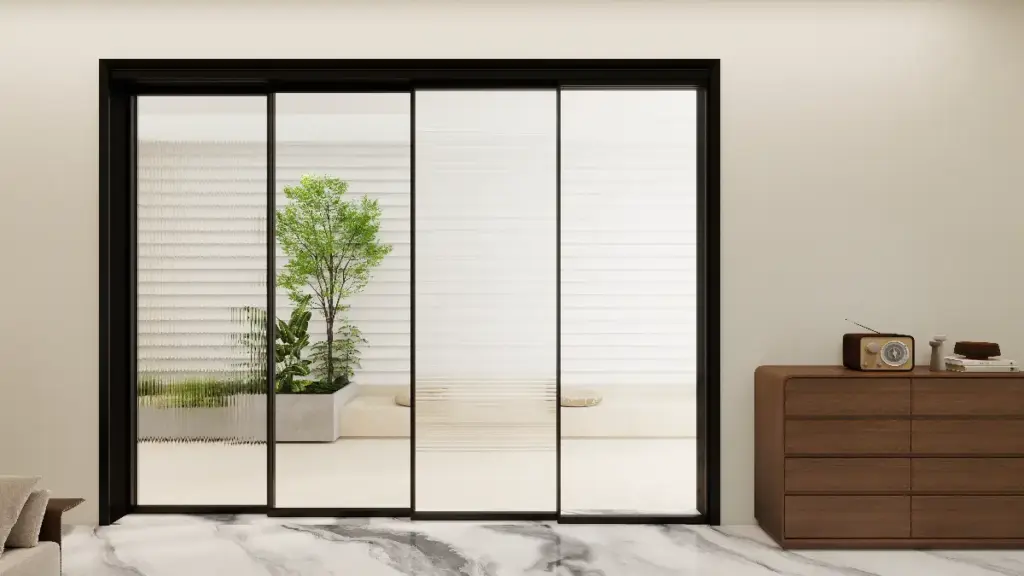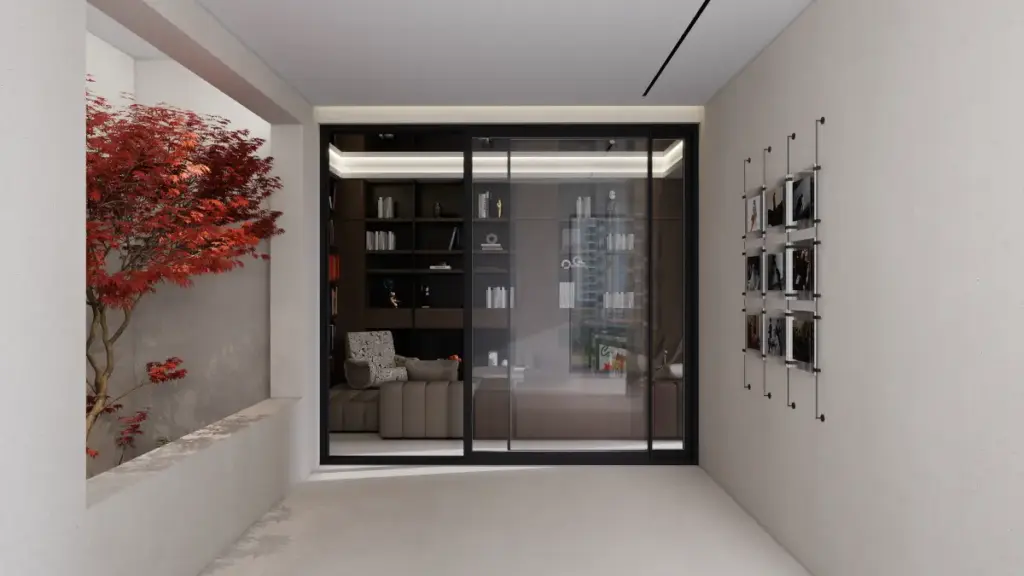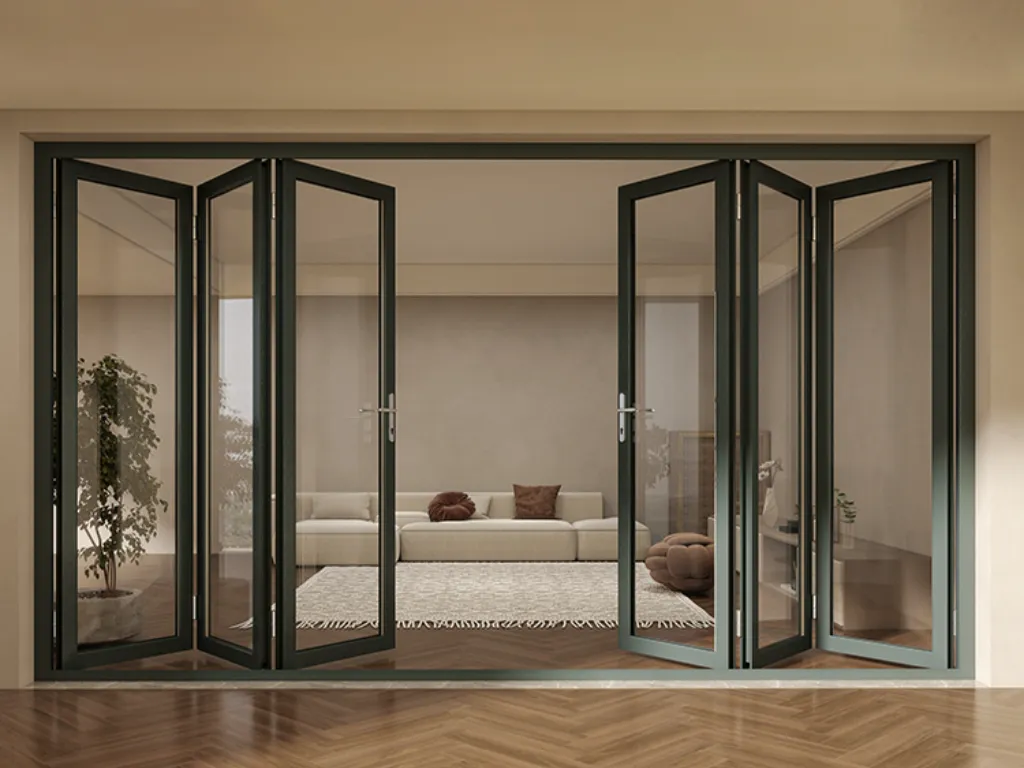
Janelas de alumínio e aço oferecem vantagens distintas dependendo dos objetivos do seu projeto. Este guia compara esses materiais em fatores-chave como resistência, desempenho térmico, requisitos de instalação, e custo. A resistência superior e a eficiência energética do aço contrastam com o preço acessível e a facilidade de instalação do alumínio, ajudando você a tomar uma decisão informada que atenda às suas necessidades de design e orçamento. No final, você estará preparado para escolher o material que melhor se alinha à visão e aos objetivos de longo prazo do seu projeto.
Pelo que são conhecidas as janelas de aço?

As janelas de aço são conhecidas pela sua excepcional resistência e perfis delgados, oferecendo rigidez superior, segurança, e flexibilidade de design. Feito de aços estruturais de baixo carbono (Por exemplo, ASTM A36/A528), eles permitem grandes aberturas com deflexão mínima sob cargas de vento. As janelas de aço normalmente apresentam linhas de visão estreitas, proporcionando um elegante, aparência moderna, mantendo a integridade estrutural.
Essas janelas se destacam em segurança, testado de acordo com os padrões ASTM F588 para resistência à entrada forçada, com sistemas como o W40 mostrando capacidades de carga vertical de pelo menos 600 N. Eles também atendem a padrões avançados de desempenho para aplicações térmicas, acústico, e resistência ao fogo. Sistemas termicamente quebrados alcançam baixos fatores U (0.8 W/m²·K), enquanto as classificações acústicas podem atingir Rw até 44 dB. Versões com classificação de fogo estão em conformidade com ASTM E152 e NFPA 80 para segurança.
A durabilidade é garantida com galvanização por imersão a quente e revestimento em pó de poliéster, fornecendo proteção duradoura contra corrosão e desgaste ambiental.
Como as janelas de alumínio se comparam em custo e desempenho?
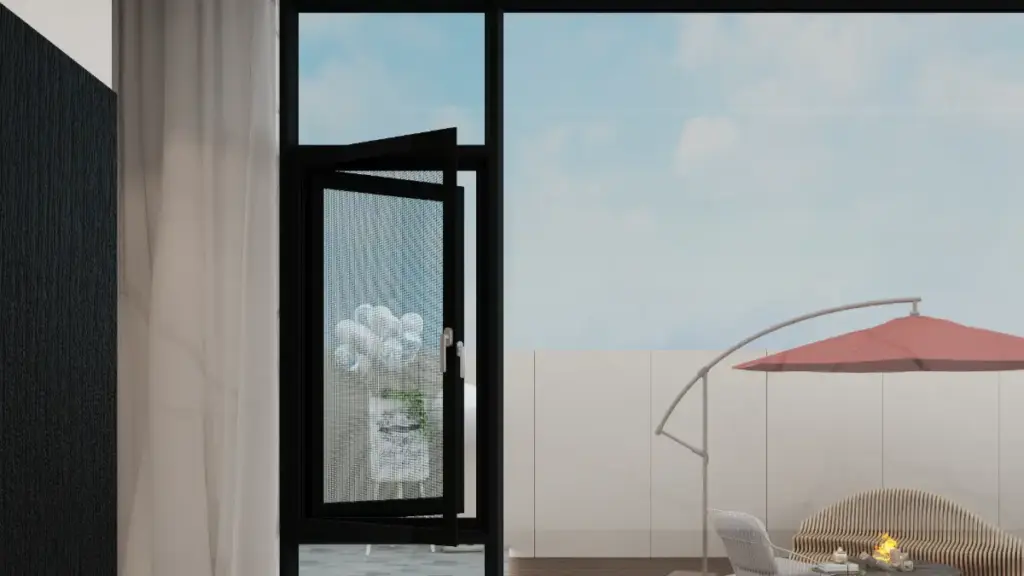
Menor investimento inicial e economia no ciclo de vida
As janelas de alumínio normalmente têm um custo inicial mais baixo em comparação com as de aço, devido a processos de fabricação mais simples, como crimpagem mecânica, em vez da soldagem intensiva necessária para o aço. O alumínio oferece uma opção mais econômica para projetos de alto desempenho que não exigem a extrema resistência do aço.
Apesar de ser posicionado como uma opção premium em comparação ao uPVC ou madeira, o alumínio ainda é mais econômico para a maioria dos projetos, com custos mínimos de manutenção ao longo de sua vida útil de 40 a 60 anos. A redução da necessidade de manutenção contribui para reduzir os custos do ciclo de vida.
Forte eficiência térmica e integridade estrutural
Em termos de desempenho térmico, janelas de alumínio geralmente atingem valores U entre 0,8–2,0 W/m²·K, oferecendo eficiência energética sólida, especialmente para designs de alta qualidade. Embora as ligas de alumínio sejam fortes (até 690 MPa), a resistência superior do material do aço permite que ele suporte linhas de visão ultrafinas e vãos maiores.
No entanto, molduras de alumínio podem exigir perfis ligeiramente mais grossos para corresponder ao desempenho estrutural do aço, especialmente para painéis de vidro maiores. O aço é excelente em durabilidade, mas requer mais manutenção devido aos riscos de corrosão.
Que oferece melhor resistência e linhas de visão?
Quando se trata de força e linhas de visão, as janelas de aço superam o alumínio com sua capacidade de carga superior e capacidade de suportar perfis mais finos.
Vantagem de resistência inerente ao aço
O aço é aproximadamente 3 vezes mais forte que o alumínio em aplicações de janelas, proporcionando capacidade de carga e integridade estrutural significativamente maiores.
Com a maior relação resistência/peso entre os materiais de estrutura comuns, o aço mantém a resistência com o mínimo de material.
Embora as ligas de alumínio tenham resistência à tração de até ≈690 MPa, o desempenho estrutural geral do aço é excelente em escalas maiores e em aplicações exigentes.
Alcançando linhas de visão ultraestreitas e painéis grandes
Em contraste, alumínio, mesmo com ligas de alta resistência, normalmente requer perfis mais grossos e reforços adicionais para alcançar vãos e rigidez semelhantes, resultando em linhas de visão mais volumosas.
Devido à resistência superior do aço, pode alcançar linhas de visão muito mais estreitas - muitas vezes o “mais fino” disponível na indústria – embora ainda suporte grandes painéis de vidro.
A vantagem de resistência 3x permite que estruturas de aço criem perfis enxutos, maximizando o vidro visível e reduzindo a proporção moldura-vidro, o que também pode melhorar a eficiência térmica.
Janelas de alumínio premium, Projetado para o sucesso global
Como o alumínio e o aço se comparam no desempenho térmico?

- O alumínio é significativamente mais condutor térmico (≈205 W/m·K) comparado ao aço (≈45–60 W/m·K), o que significa que o alumínio bruto é um isolante pobre e transfere calor com mais eficiência.
- A menor condutividade térmica do aço o torna a melhor escolha para minimizar a transferência de calor, proporcionando melhor isolamento.
As janelas de alumínio oferecem forte desempenho térmico através do uso de sistemas termicamente quebrados, normalmente alcançando valores U em torno 2.1 W/m²·K com vidro duplo. Embora um pouco mais volumoso em comparação com o aço, esses sistemas mantêm boas propriedades de isolamento, embora possam exigir reforço adicional para cumprir certos padrões de eficiência energética. Fabricantes como a Opumen fornecem soluções avançadas de janelas de alumínio com tecnologia de ruptura térmica, garantindo maior eficiência energética e melhor isolamento para projetos de alto desempenho.
Por outro lado, aço, com sua menor condutividade térmica, é naturalmente um melhor isolante. Os modernos sistemas de aço quebrado termicamente atingem fatores U tão baixos quanto 0,57–0,8 W/m²·K, oferecendo eficiência energética superior. Os perfis mais estreitos das molduras de aço permitem uma maior proporção entre vidro e moldura, que melhora o desempenho térmico geral, minimizando o impacto da estrutura na transferência de calor.
Quais são as diferenças de instalação e peso?
As janelas de alumínio são significativamente mais leves que as de aço, tornando-os mais fáceis de manusear e simplificando a montagem no local. Sua baixa densidade reduz a intensidade do trabalho, reduzindo potencialmente os custos de instalação em comparação com materiais mais pesados, como aço. A natureza leve do alumínio permite uma rápida, processos de instalação mais baratos.
Em contraste, as janelas de aço são muito mais pesadas e requerem instalação profissional devido ao seu peso e densidade. A construção robusta do aço proporciona resistência superior, habilitando grandes painéis não suportados, mas também adiciona carga morta substancial ao edifício. Isto requer ajuste e vedação precisos por profissionais qualificados para evitar distorções e garantir o alinhamento adequado.
Os arquitetos também devem considerar o aumento do peso do aço ao calcular as cargas do vento e garantir a conformidade sísmica., pois afeta o projeto estrutural geral do edifício. Apesar da alta resistência à tração do alumínio, o aço continua sendo a opção mais pesada, influenciando tanto a instalação quanto as considerações estruturais.
Por que o aço é mais caro que o alumínio?
Janelas de aço são mais caras devido ao maior custo da matéria-prima, processos de fabricação mais complexos, e a necessidade de tratamentos anticorrosivos. A resistência inerente do aço requer uma construção soldada que exige muita mão-de-obra, ao contrário do alumínio, que usa métodos mais simples de crimpagem e ranhura. Adicionalmente, estruturas de aço geralmente exigem variantes de galvanização ou aço inoxidável para evitar ferrugem, aumentando os custos de produção.
A resistência superior do aço permite materiais mais finos, molduras mais refinadas, tornando-o ideal para projetos arquitetônicos de alta qualidade. Esta capacidade de suportar maiores, painéis mais finos justificam o preço mais alto, especialmente para aplicações comerciais e de luxo. Uma janela de batente de aço padrão pode custar de 4 a 10 vezes mais do que uma janela de alumínio, com custos de instalação variando de £ 1.800 a £ 2.400 por metro.
Com o alto custo do aço, janelas de alumínio oferecem uma alternativa mais acessível sem comprometer a resistência ou a estética. Fabricantes como Opuo fornecer janelas de alumínio de alto desempenho com tecnologia avançada de ruptura térmica, tornando-os uma excelente escolha para projetos que buscam durabilidade, eficiência energética, e custo-benefício.
Quando você deve escolher alumínio ou aço?
A escolha entre janelas de alumínio e aço depende de vários fatores, incluindo orçamento, requisitos de desempenho, e preferências de design. Abaixo está uma comparação para ajudá-lo a decidir qual material melhor se adapta ao seu projeto.
| Recurso | Sistemas de janelas de aço | Sistemas de janelas de alumínio |
|---|---|---|
| Força & Máx.. Vãos | Resistência ao escoamento 235–275 MPa. Vão até 3,2 m H × 1,3 m W sem travessa. Aprox.. 3x mais forte que o alumínio. Ideal para painéis maiores. | Resistência à tração até ≈690 MPa (ligas). Excelente para grandes comércios, mas não vãos máximos absolutos de aço. |
| Linhas de visão típicas | Aço sólido: ≈30 mm de profundidade do perfil (soldado). Linha de visão do quadro 53 milímetros; luz fixa 36 milímetros; barra de vidro 19–23 mm. | Linha de visão do quadro 58 milímetros; luz fixa 33 milímetros; barra de envidraçamento 20–25 mm. |
| Desempenho térmico (Vocêc-valores) | TB de última geração: ≈0,57 W/m²K (triplo) para 1.2 W/m²K (dobro). Outro sólido: 1.7–2,9 W/m²K. Folha dobrada: 1.3 W/m²K (triplo) para 1.6 W/m²K (dobro). | TB moderna: ≈0,8–2,0 W/m²K. Avançado com aerogel: ≈0,6 W/m²K. Não-TB: 4.0–6,0 W/m²K. |
| Resistência à corrosão & Manutenção | Requer manutenção regular & proteção (galvanização, pintar). Propenso a enferrujar se não for protegido, especialmente em zonas costeiras/industriais. | Alta resistência à corrosão inerente devido à película protetora de Al₂O₃. Manutenção mínima necessária na maioria dos ambientes. |
| Vida útil | 50+ anos com revestimentos e manutenção adequados. | 40–60 anos com especificação apropriada. |
| Relação de custo (contra. Alumínio) | Normalmente 4–5x o custo de configurações de alumínio comparáveis. | Significativamente mais econômico, tipicamente 1/4 para 1/5 o custo do aço. |
| Peso & Manuseio | Densidade ~7,8 g/cm³. Mais pesado, logística de transporte e instalação mais complexa. | Densidade ~2,7 g/cm³. Significativamente mais leve, simplificando o transporte, manipulação do site, e instalação. |
Considerações Finais
Em última análise, a escolha entre janelas de alumínio e aço depende das demandas exclusivas do seu projeto. O aço oferece excepcional resistência e flexibilidade de design, tornando-o ideal para high-end, minimalista, e projetos de grande porte. Por outro lado, o alumínio fornece uma solução econômica com excelente desempenho térmico e durabilidade, tornando-o perfeito para a maioria das aplicações residenciais e comerciais.
Em Opuomen, nós nos especializamos em janelas de alumínio de alto desempenho que combinam estética elegante com eficiência energética, garantindo que seu projeto atenda às metas funcionais e de design. Pronto para explorar os benefícios das janelas de alumínio? Contate-nos hoje para encontrar a solução perfeita para o seu próximo projeto!
Perguntas frequentes
Compreendendo a escolha fundamental: Alumínio versus. Consultas de aço
Os clientes muitas vezes perguntam sobre o equilíbrio entre o investimento inicial e os custos operacionais de longo prazo, incluindo manutenção. Frequentemente surgem dúvidas sobre resultados estéticos, especificamente relacionado às linhas de visão do quadro (Por exemplo, perfis finos para máxima área de vidro) e flexibilidade de design. Uma área chave de investigação é a adequação de cada material para vários estilos arquitetônicos e escalas de projeto., desde aplicações residenciais até grandes aplicações comerciais.
Métricas de desempenho e questões de adequação do projeto
Perguntas comuns giram em torno da integridade estrutural e durabilidade, como a resistência à tração superior do aço (3x mais forte que o alumínio puro) para aplicações exigentes. O desempenho térmico e a eficiência energética são críticos, levando a perguntas sobre valores U (alumínio quebrado termicamente: 0.6-2.0 C/(m²K); aço: 1.5-2.5 C/(m²K)) e prevenção de condensação. Perguntas sobre expectativa de vida útil e manutenção são frequentes, considerando o alumínio 40-60 vida útil do ano (manutenção mínima) contra o aço 50+ anos (exigindo proteção contra corrosão). Conformidade de segurança (Por exemplo, Padrões PAS24) e adaptação ambiental (Por exemplo, desempenho em temperatura fria do alumínio, resistência à corrosão em áreas úmidas) também formular perguntas significativas dos clientes.
O alumínio é mais fácil de manter do que o aço em ambientes costeiros??
Sim. Para projetos costeiros, As esquadrias de alumínio com revestimento em pó ou anodizado são materialmente mais fáceis de manter do que as janelas de aço carbono, que requerem prevenção periódica contra ferrugem, repintura, e inspeção de revestimento em exposição marítima. A camada de óxido natural do alumínio mais o revestimento em pó de fábrica normalmente limitam a manutenção ao enxágue e à limpeza leve, Considerando que as estruturas de aço expostas ao ar salgado devem ser verificadas regularmente quanto a danos no revestimento e corrosão, e revestido novamente em um ciclo definido. Os caixilhos das janelas costeiras de alumínio normalmente têm uma vida útil de 40 a 60 anos com manutenção mínima em comparação com. aço que requer regular, manutenção proativa e tratamentos protetores para alcançar 50+ anos em ambientes de ar salgado.
Quais são as limitações na personalização de janelas de aço em comparação com o alumínio?
As janelas de aço permitem maior personalização para formas complexas, painéis maiores, e perfis mais finos (Por exemplo, 30perfis de mm que suportam painéis de até 3,2 m de altura por 1,3 m de largura sem travessas) devido à força inerente. O alumínio é limitado por perfis mais grossos, menor resistência exigindo suportes adicionais, e menos adequação para projetos superdimensionados ou complexos em comparação com perfis de aço sólido.
Como se compara a espessura da ruptura térmica em janelas de aço de alta qualidade?
Os sistemas de janelas de aço termicamente quebradas de alta qualidade normalmente usam uma barreira térmica de poliamida ou poliuretano em torno de 3–5 mm (aproximadamente 1/8″) espesso. Alguns sistemas premium de perfil estreito especificam uma espessura de ponte térmica de exatamente 1/8″ (3.2 milímetros) para manter linhas de visão muito estreitas (tão baixo quanto 1‑5/16″ / 32 milímetros) ao mesmo tempo em que atende às metas do código de energia, como IECC/ASHRAE 90.1.
Qual sistema é melhor para integrar projetos complexos de paredes cortina?
O sistema stick é melhor para integrar projetos complexos de paredes cortina devido à sua flexibilidade superior no local para formas e modificações personalizadas. Isto o torna ideal para projetos arquitetônicos de alto nível, apesar de geralmente ter tempos de instalação mais longos em comparação com sistemas unitizados..