Selecting an aluminum door system requires careful consideration of thermal performance, privacidade, design requirements, e durabilidade a longo prazo. This guide reviews modern aluminum door solutions, focusing on system design, material performance, and practical applications in residential architecture.
A evolução da arquitetura residencial minimalista em 2026
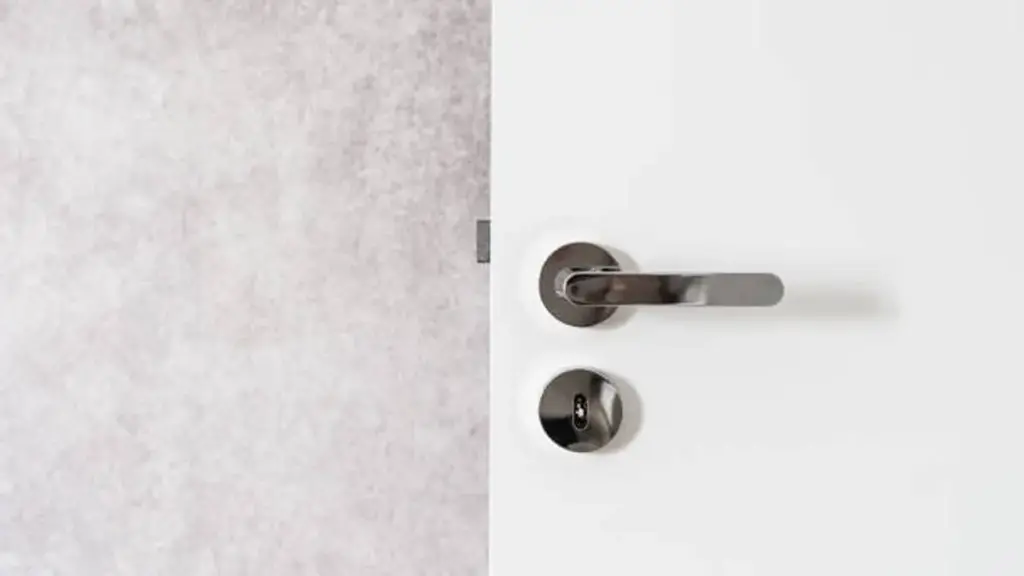
Em 2026, minimalist residential architecture continues to focus on energy efficiency, qualidade do material, and seamless integration between indoor and outdoor spaces. Aluminum doors support these goals through energy efficiency, durabilidade, and refined architectural aesthetics.
Evolving Aesthetic: Warmth, Tactility, and Quiet Luxury
Modern minimalism has evolved beyond visual simplicity into a design philosophy focused on performance, material authenticity, e valor a longo prazo. “Less” now means optimized material use, menor carbono incorporado, and durable construction.
O 2026 aesthetic embraces natural textures and refined finishes. Materials such as stone, madeira, textured concrete, brushed metals, and aluminum create warmth without excessive decoration. In residential architecture, “quiet luxury” is expressed through precise proportions, refined finishes, high-quality materials, and carefully integrated details rather than excessive decoration.
Functional Integration: Sustentabilidade, Adaptability, and Smart Design
Sustainability is integrated through efficient layouts, materiais duráveis, and high-performance building systems. Premium minimalist homes increasingly incorporate passive design, energy-efficient glazing, controle solar, and recyclable materials.
Aluminum door systems support these requirements with thermally broken profiles, energy-efficient glazing, durable finishes, hardware oculto, and smart access solutions. They provide thermal performance, segurança, and design continuity while maintaining minimalist aesthetics.
Ultra-Slim Sightlines and Expansive Glass Aesthetics
Ultra-slim aluminum door systems are designed with reduced frame visibility, creating larger glazed areas and cleaner architectural lines while maintaining required structural performance.
Ultra-slim designs focus on minimizing visible frame sections, especially at the center meeting stile where sliding panels connect. The objective is to create a near-continuous glass appearance without compromising the strength required for large-format openings.
| Recurso | Consideração |
|---|---|
| Visible Interlock Width | How narrow is the frame where panels meet? |
| Perimeter Frame Visibility | How much frame shows at the head, jamb, and threshold? |
| Threshold Style | Is it flush, low-profile, or raised? |
| Concealed vs. Visible Tracks | Are tracks hidden for a cleaner look? |
| Panel Size and Weight Limits | What are the maximum dimensions and weight the system handles? |
| Glazing Build-up | What glass thickness and type are used? |
| Desempenho térmico | What U-value does the system achieve? |
| Air and Water Resistance | How well does it seal against leaks and drafts? |
| Locking and Handle Integration | How are security and operation handled? |
Core Principles and Technical Specifications
Ultra-slim systems are engineered to minimize visual barriers and emphasize the glass itself. Premium sliding systems may achieve interlock widths of around 20–21 mm, creating a cleaner architectural appearance.
Aluminum enables these narrow profiles because of its high strength-to-weight ratio and structural rigidity. Advanced systems may also incorporate flush thresholds and concealed tracks to create seamless transitions between spaces.
When specifying ultra-slim doors, evaluate the complete frame system rather than only the interlock width. Head, jamb, and threshold dimensions directly influence the overall visual effect.
Design Integration and Performance Advantages
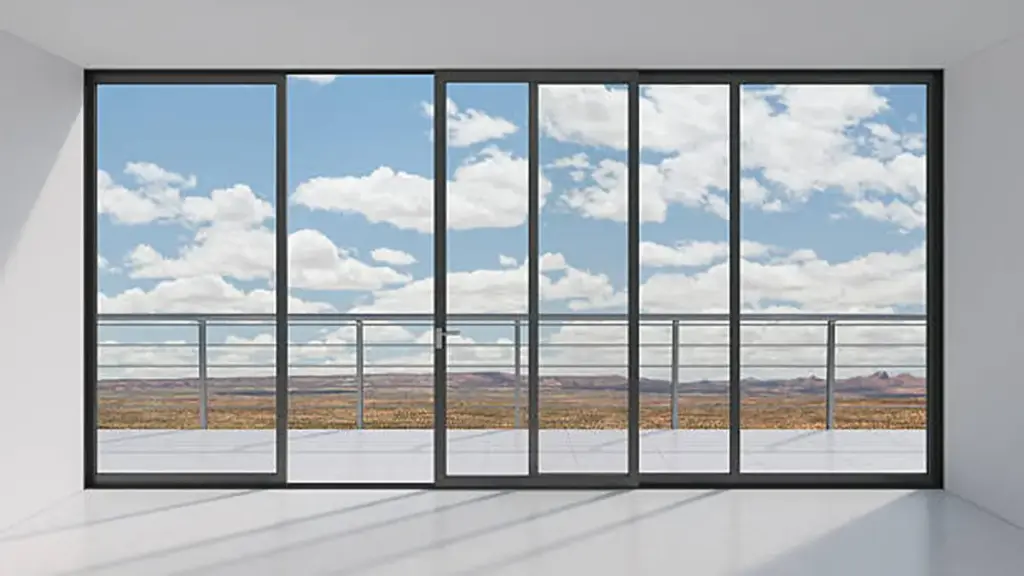
Ultra-slim aluminum doors are ideal for residences that prioritize daylight, views, and indoor-outdoor connections. They create a glass-wall effect while maintaining practical operation.
No entanto, slimmer sightlines require careful engineering. Large glass panels increase structural loads and installation requirements, while exterior applications must consider drainage, vedação, desempenho térmico, e resistência às intempéries.
For interior applications, aesthetic considerations often take priority because weather exposure is limited. For exterior systems, achieving minimal sightlines with high performance typically requires more advanced materials, hardware, and manufacturing precision.
Elevate Your Projects with Premium Aluminum Solutions
Sistemas Grand Pivot para entradas residenciais de luxo
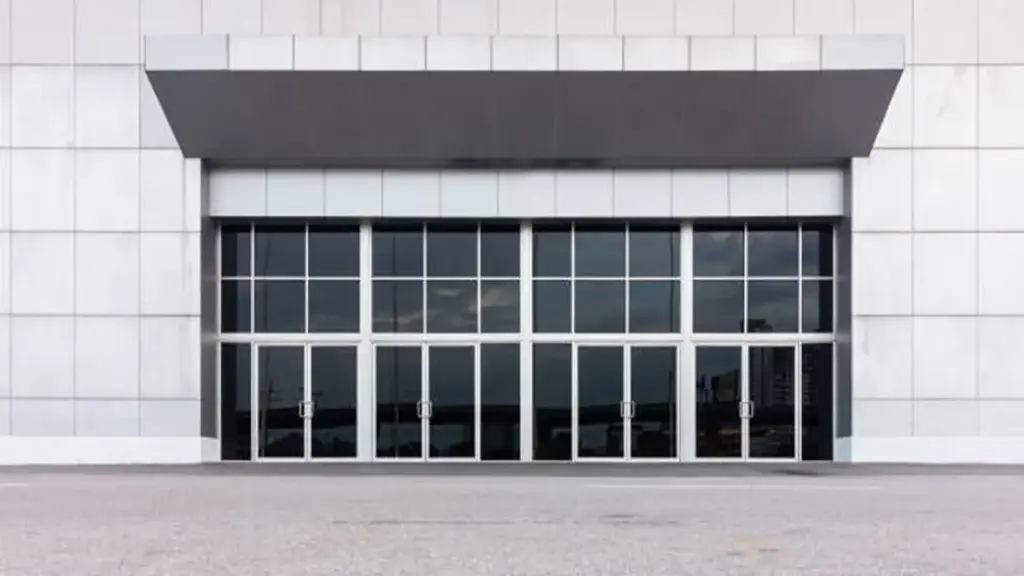
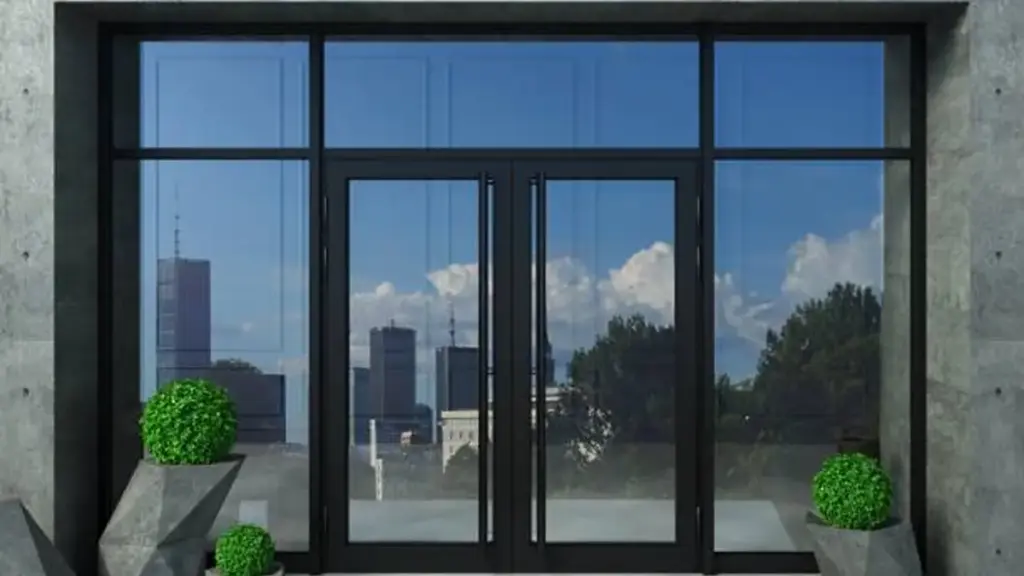
Grand pivot doors are large-format aluminum entrance systems designed for luxury residences where scale, proportion, and entrance impact are important design considerations. Often specified as full-height and extra-wide doors, they combine large-scale proportions with minimalist detailing to create dramatic residential entrances.
Architectural Impact and Design Principles
Unlike standard swing doors, grand pivot systems use a central or offset pivot mechanism to support larger door leaves while maintaining a clean, balanced appearance. They are commonly integrated with modern façades, large-format glazing, and aluminum cladding systems, reinforcing contemporary architectural styles based on simplicity, proportion, and material expression.
Key design options include:
- Acabamentos: Powder-coated, anodizado, metálico, and matte textures highlight aluminum’s refined appearance and durability.
- Panel configurations: Solid aluminum panels or glazed inserts provide different levels of privacy, luz do dia, and visual impact.
- Hardware and detailing: Oversized handles, concealed pivot hardware, molduras finas, and low-profile thresholds maintain a seamless luxury aesthetic.
Advanced Functionality and Performance
Grand pivot systems combine high-strength aluminum profiles, heavy-duty pivot hardware, and advanced locking systems to support large door dimensions while maintaining smooth operation and long-term reliability.
Aluminum provides the structural strength, resistência à corrosão, and dimensional stability required for oversized entrance doors. High-performance systems typically include:
- Perfis de ruptura térmica to reduce heat transfer between interior and exterior surfaces.
- Insulated glazing and weather seals to improve thermal, acústico, and air-tightness performance.
- Sistemas de bloqueio multiponto to enhance security for large residential entrances.
The pivot mechanism transfers the door load through dedicated top and bottom pivot hardware, allowing oversized panels to operate smoothly with proper engineering. Premium hardware may include concealed bearings, adjustable pivot points, and soft-close functions to improve user experience and reduce long-term maintenance.
Project Specification Considerations
When specifying aluminum grand pivot doors, key factors include:
- Door size and weight: Confirm maximum panel dimensions and structural requirements.
- Pivot configuration: Select pivot position to achieve the desired opening effect and clear passage width.
- Profile system: Verify thermal break design, glazing compatibility, e desempenho estrutural.
- Hardware package: Specify pivot load capacity, sistemas de bloqueio, alças, e integração de controle de acesso.
- Requisitos de desempenho: Define U-value, ar, água, acústico, and security targets according to project standards.
- Finish and threshold design: Coordinate aluminum finishes and floor integration for a seamless architectural result.
Grand pivot aluminum doors provide a balance of dramatic scale, estética minimalista, and engineered performance, making them a preferred choice for premium residential entrances where architectural impact and long-term durability are equally important.
Designs que economizam espaço com configuração de bolso com vários slides
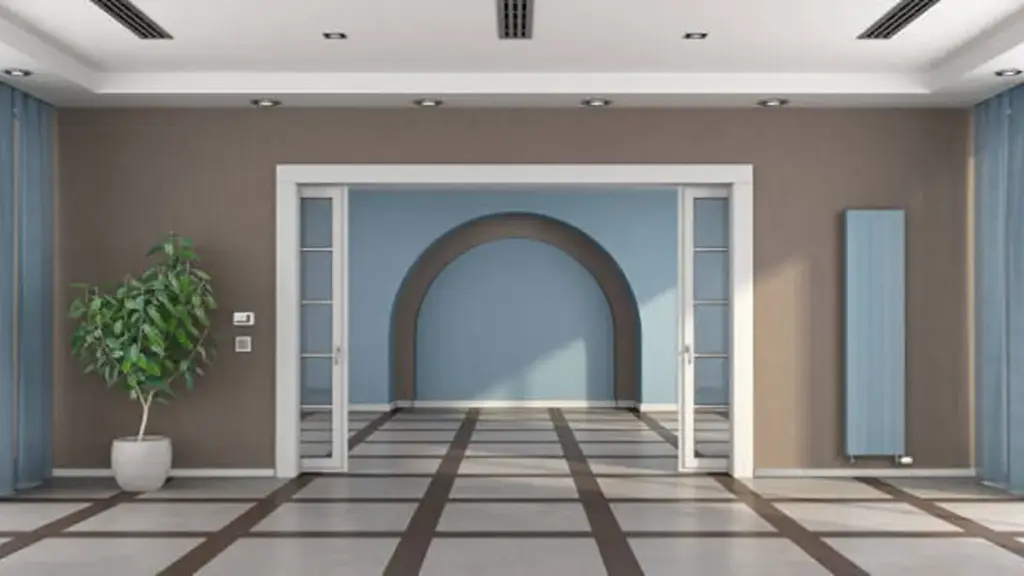
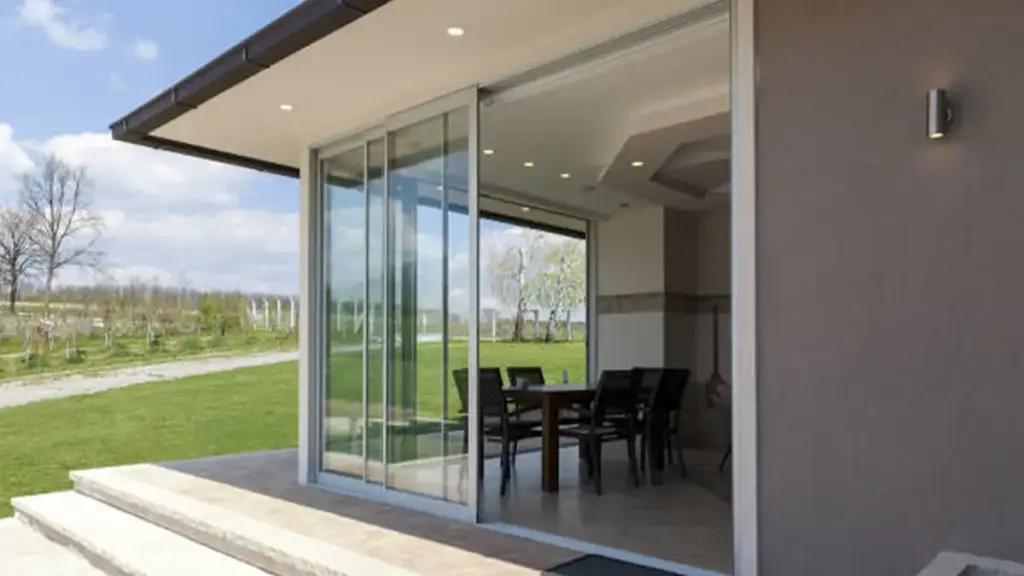
Multi-slide pocket doors create wider clear openings by allowing panels to slide completely into concealed wall cavities. This creates wide, unobstructed openings while maintaining a clean minimalist appearance, making them ideal for modern residential layouts and indoor-outdoor connections.
Core Design Principles for Space Efficiency
Multi-slide pocket aluminum doors operate by sliding panels horizontally into concealed wall pockets. Unlike traditional sliding systems, the panels disappear completely when opened, eliminating visible stacking areas and maximizing the clear opening width.
This configuration is especially effective where floor space is limited. Without swing clearance or exposed door panels, rooms can maintain flexible layouts with fewer circulation restrictions.
Aluminum frames support large glass panels while maintaining slim profiles and structural stability. The combination of minimal framing and concealed operation creates a seamless glass-wall effect suited to contemporary architecture.
When planning pocket systems, designers should consider wall cavity dimensions, panel weight, track configuration, and access requirements. Proper coordination ensures smooth operation and long-term reliability.
Practical Applications and Design Considerations
Multi-slide pocket doors are commonly used as room dividers, patio openings, terrace connections, and large exterior transitions. Fully retractable panels allow spaces to transform between enclosed and open configurations without visual barriers.
Available configurations include single-wall pocket systems, bi-part designs with panels moving in opposite directions, and corner pocket systems that open larger areas by removing corner posts. These options provide flexibility for different architectural concepts.
For exterior applications, wall pockets require careful detailing. Structural space, drenagem, isolamento, and weather sealing must be considered to maintain thermal and operational performance.
By combining expansive glazing, minimal framing, e opções de abertura flexíveis, multi-slide pocket aluminum doors provide a practical solution for projects that prioritize space efficiency, luz do dia, and modern architectural continuity.
Inovação de Materiais: Ligas de alumínio de alta resistência
High-strength aluminum alloys enable slimmer door profiles, larger glazed areas, and improved structural performance while maintaining long-term durability. They are essential for modern architectural doors that require minimal framing, grandes aberturas, e desempenho confiável.
Ligas de alumínio de alta resistência: Types and Applications
Aluminum alloys provide the strength needed for door frames, sashes, and hardware while keeping overall weight low. This allows manufacturers to create larger panels and slimmer profiles without excessive frame thickness.
Common architectural alloys include:
- 6063 liga de alumínio: The most widely used alloy for extruded door and window frames. It offers excellent surface finish, boa resistência à corrosão, and efficient extrusion performance.
- 6061 liga de alumínio: Provides higher strength than 6063 and is commonly used where additional structural capacity is required for sliding and entrance door systems.
- 6082 liga de alumínio: A stronger structural alloy suitable for large door panels, heavy glazing, and applications requiring higher load resistance.
- 5086 liga de alumínio: Known for excellent corrosion resistance, making it suitable for coastal, úmido, and industrial environments.
- 7075 liga de alumínio: An ultra-high-strength alloy used in specialized applications where maximum strength-to-weight performance is required.
The selection of alloy depends on door size, condições ambientais, cargas estruturais, and performance requirements rather than strength alone.
Mechanical Performance and Design Advantages
Architectural aluminum alloys provide several advantages for modern door systems:
Slim profiles with larger openings:
The high strength-to-weight ratio of aluminum allows large-format sliding doors, pivot entrances, and floor-to-ceiling glazing systems to maintain rigidity without oversized frames.
Durability and dimensional stability:
Aluminum naturally forms a protective oxide layer, providing corrosion resistance and reducing the risk of rust, deformação, or long-term deterioration. With proper finishes, aluminum doors can maintain performance for decades with minimal maintenance.
Design flexibility:
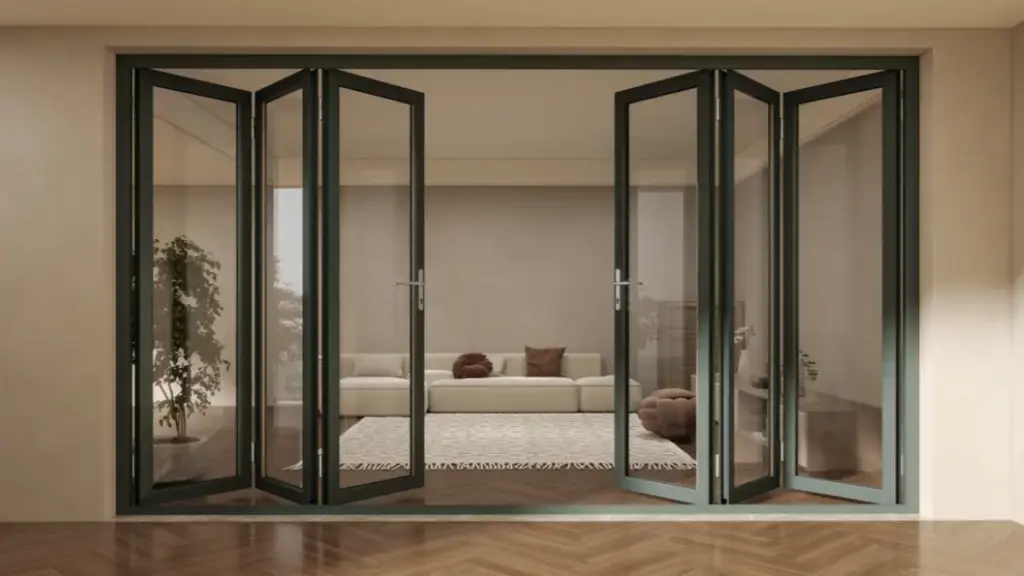
Extrusion technology allows aluminum alloys to be formed into complex multi-chamber profiles that integrate glazing, vedações, rupturas térmicas, and hardware components. This supports a wide range of systems, incluindo deslizamento, balanço, dobra dupla, e portas pivotantes.
Integration with Modern High-Performance Door Systems
High-strength aluminum works together with other door technologies to improve overall performance:
- Thermal efficiency: Thermal break materials, such as polyamide strips, can be incorporated into aluminum profiles to reduce heat transfer and improve energy performance.
- Segurança: Rigid aluminum frames support reinforced locking areas, sistemas de bloqueio multiponto, and advanced access-control hardware.
- Surface durability: Powder coating and anodized finishes enhance resistance to weathering, scratches, and discoloration while maintaining the architectural appearance.
Application-Specific Alloy Selection
For most residential and commercial aluminum doors, 6063 e 6061 ligas provide the best balance of strength, aparência, fabrication efficiency, e custo.
Para large-format doors, high-wind areas, ou sistemas de envidraçamento pesados, stronger alloys such as 6082 ou 7075 may be selected to improve structural performance.
Para costeira, marine, ou ambientes agressivos, corrosion-resistant alloys such as 5086 offer enhanced durability and long-term reliability.
By selecting the appropriate alloy based on project requirements, architects and manufacturers can achieve thinner profiles, larger glass areas, and durable aluminum door systems without compromising performance.
Isolamento com Ruptura Térmica e Vidros Duplos com Eficiência Energética
Thermal break frames with double glazing cut heat transfer, making rooms more comfortable and significantly reducing condensation risk.
Combined Performance of Thermal Break Frames and Energy-Efficient Glazing
Treating the aluminum frame and glazing as a single, integrated system ensures peak thermal performance.
A thermally broken aluminum frame, paired with double glazing, reduces heat transfer through both frame components and glass panes.
Warm-edge spacers within the double-glazed unit work with insulated frame-glass interfaces. This minimizes heat losses at the glass perimeter.
This integration leads to more uniform interior surface temperatures for the door, which boosts thermal comfort.
High-performance doors use a multi-layer thermal break strategy. The primary break is in the frame (polyamide strip), the secondary within the double-glazed unit (gas cavity and warm-edge spacer), and additional breaks are in thresholds and gaskets.
Enhanced Comfort and Energy Savings in Practice
Blocking conductive pathways means thermally broken double-glazed aluminum room doors significantly lower heating needs in winter. They also reduce cooling loads in summer.
Such doors create stable indoor temperatures. This reduces temperature swings despite outside conditions, making rooms like bedrooms and offices more comfortable.
Reduced cold-radiation from door surfaces helps with comfort, particularly near seating areas or beds.
The system also improves acoustic comfort. It dampens noise from adjacent corridors or outdoor environments.
Higher interior surface temperatures on frames and glass substantially reduce condensation risk, even in cold climates or high-humidity interior spaces.
This combination is most valuable for room doors connecting to outside environments, semi-exterior spaces, or in rooms where consistent comfort is critical across different climates.
Matte Black and Natural Earth-Toned Surface Finishes
Matte black and earth-toned finishes on aluminum doors offer distinct aesthetic and functional benefits, critical for design integration and long-term durability in various architectural settings.
Aesthetic Principles and Design Integration
Matte black and earth-toned finishes serve different roles in design, creating specific visual effects in interior and exterior spaces.
- Matte black finishes create a low-reflection surface that provides strong contrast and a refined appearance in contemporary interiors. This suits modern, industrial, and minimalist interiors.
- Earth-toned finishes provide a soft, warm, and subdued visual presence. They integrate well into natural, escandinavo, and organic modern designs.
- Matte black doors act as bold architectural elements. Earth tones visually recede, blending with natural materials like wood and stone.
- Finish choice impacts perceived door size, light reflection, and how doors coordinate with wall colors, piso, e hardware.
- Design continuity comes from matching doorware (Por exemplo, all-black for matte black; neutral or black for earth tones) and adjacent room elements.
Finish Technologies, Durabilidade, and Maintenance
The technology behind these finishes directly influences their durability and how you maintain them over time.
- Powder coating is the main technology for both matte black and earth-toned finishes. It provides uniform color, high scratch resistance, and corrosion protection for daily use.
- Anodizing creates durable, UV-resistant earth tones like champagne, bronze, and natural grey. This makes it suitable for areas with direct sunlight.
- Finishes form a protective barrier. This enhances aluminum’s inherent corrosion resistance and extends the door’s service life indoors.
- Durability matters for high-use rooms. Finishes must withstand repeated mechanical contact and protect against wear.
- Routine maintenance involves cleaning with mild detergent and a soft cloth. Avoid abrasive cleaners; they preserve the uniform matte or toned texture.
You will find the HTML content below based on the provided `SECTION DATA`.
Fornecimento de layouts personalizados premium direto das linhas de fábrica
Direct factory sourcing allows project owners, empreiteiros, and distributors to obtain customized aluminum door systems based on specific architectural and performance requirements. By working directly with manufacturers, clients gain greater control over specifications, qualidade, and production efficiency.
Custom Layout Development and Factory Process
Custom aluminum door layouts can include tailored dimensions, abrindo configurações, frame systems, opções de vidros, acabamentos, and hardware packages. Manufacturers adapt standard aluminum systems to meet architectural drawings, requisitos de desempenho, and project conditions.
The typical process includes:
- Providing project drawings, door schedules, dimensões, e requisitos de desempenho.
- Selecting suitable aluminum profiles, vidros, acabamentos, and hardware solutions with factory engineering teams.
- Reviewing shop drawings, amostras, and technical details before production.
- Completing CNC fabrication, conjunto, vidros, and quality inspections.
This approach ensures that customized door systems match the architectural concept while maintaining consistent manufacturing standards.
Benefits of Direct Factory Sourcing
Working directly with an aluminum door manufacturer reduces unnecessary intermediaries and improves communication throughout the project. It also provides access to OEM/ODM services for customized designs, private labeling, and large-scale project supply.
Key advantages incluir:
- Design flexibility: Tamanhos personalizados, configurações, acabamentos, and hardware options can be developed according to project needs.
- Controle de qualidade: Factory-managed production ensures consistency in materials, fabricação, and performance testing.
- Cost efficiency: Direct sourcing can reduce supply chain costs while improving production coordination.
- Project reliability: Faster communication helps streamline approvals, revisões, and delivery planning.
For premium residential and commercial projects, direct factory partnerships provide a balance of customization, suporte técnico, and long-term supply stability.
For global residential and commercial projects, choosing the right manufacturing partner is as important as selecting the right aluminum door system. Opuo provides customized aluminum door and window solutions for architects, desenvolvedores, e distribuidores, combining design flexibility with professional manufacturing capabilities.
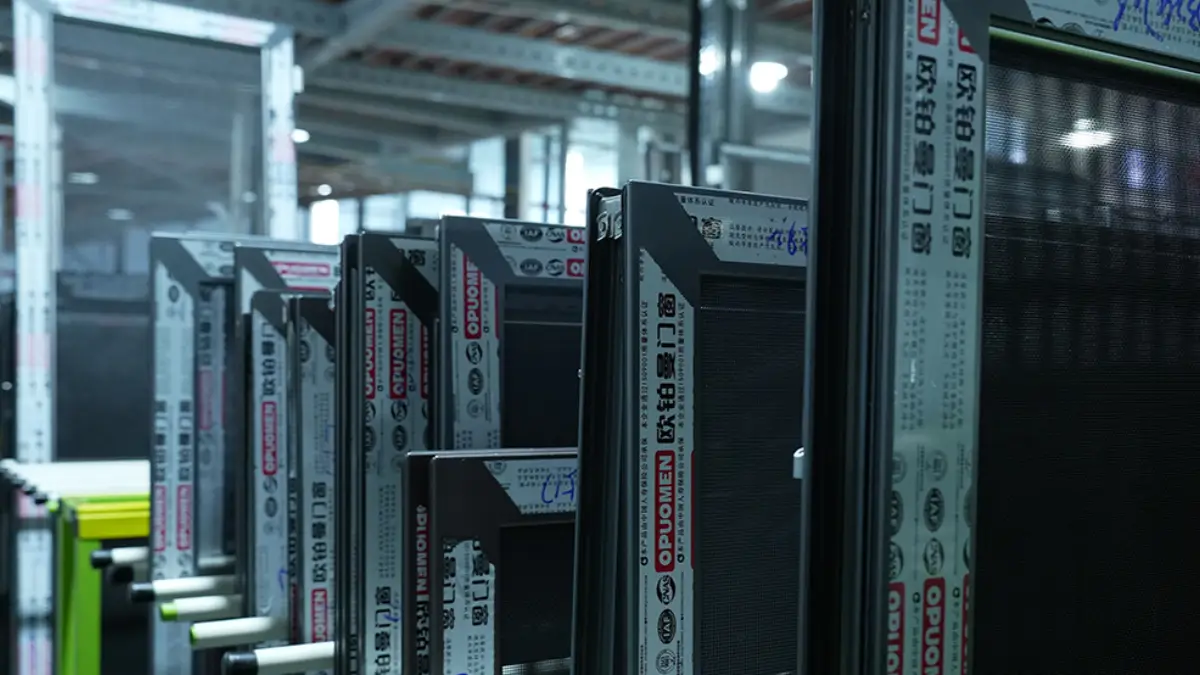
With a 60,000㎡ production facility, experienced engineering teams, and more than 200 funcionários, OPUOMEN supports OEM and project-based customization from initial design consultation to final production. The company uses high-quality 6063-T5 aluminum profiles and applies strict quality-control processes throughout fabrication to ensure consistent performance across different applications.
OPUOMEN offers a wide range of aluminum systems, incluindo portas deslizantes, portas dobráveis, portas de alumínio, portas de alumínio-madeira, and other customized solutions for residential and commercial projects. Its production capabilities allow adjustments in dimensions, configurações, acabamentos, opções de vidros, and hardware packages according to specific architectural requirements.
Supported by certifications including CE, Rohs, ALCANÇAR, and ISO9001, OPUOMEN focuses on reliable quality management and long-term project cooperation. With flexible customization, efficient production, and OEM/ODM support, the company helps international partners deliver modern aluminum door solutions that meet both aesthetic expectations and performance requirements.
Considerações Finais
Selecting a reliable aluminum door system helps ensure consistent performance, qualidade de instalação, and long-term project value. Our commitment to advanced alloys, rupturas térmicas, and meticulous manufacturing ensures you deliver comfort, estilo, and uncompromising safety.
Ready to elevate your designs? Don’t just settle for specifications; experience the quality difference firsthand. Contact our team today to discuss custom layouts and OEM partnerships tailored to your unique project needs.
Perguntas frequentes
Which aluminum door designs are popular for modern minimalist homes?
Modern minimalist homes commonly use slim-frame sliding doors, large-format glass doors, bi-fold systems, and pivot entrances. Slim sliding doors are especially popular because they maximize daylight, create wider views, and connect indoor and outdoor spaces with minimal framing.
For premium projects, ultra-slim systems with narrower interlock profiles provide a stronger glass-wall effect. No entanto, the best choice depends on project requirements, including panel size, desempenho térmico, resistência às intempéries, e orçamento. A well-designed aluminum door system should balance visual openness with structural stability and long-term performance.
Are minimalist aluminum doors suitable for high-rise residential buildings?
Sim. Properly engineered minimalist aluminum doors can be suitable for high-rise residential applications. Performance depends on the complete system, including aluminum profiles, vidros, hardware, vedações, e qualidade de instalação.
High-rise projects should consider wind-load resistance, air and water tightness, impact performance, security hardware, and thermal requirements. Thermally broken profiles, vidros isolados, and reinforced locking systems allow slim aluminum doors to achieve both modern aesthetics and reliable performance.
Can aluminum glass doors include privacy frosting treatments?
Sim. Privacy solutions can be integrated into minimalist aluminum glass doors without affecting the clean appearance of the system. Options include frosted glass, decorative films, etched finishes, and smart glass technologies.
These treatments are commonly used for bedrooms, banheiros, escritórios, and entrance areas where natural light and privacy are both important. They allow designers to maintain the transparency and simplicity of glass while controlling visibility and glare.
How long does a powder-coated aluminum door last?
A high-quality powder-coated aluminum door can provide decades of service with proper maintenance. The aluminum frame itself is highly durable, while architectural-grade powder coatings help maintain color stability and surface protection against weathering.
Actual lifespan depends on coating quality, environmental exposure, seleção de hardware, and maintenance practices. Regular cleaning and periodic inspection of seals and hardware help preserve both appearance and performance over time.