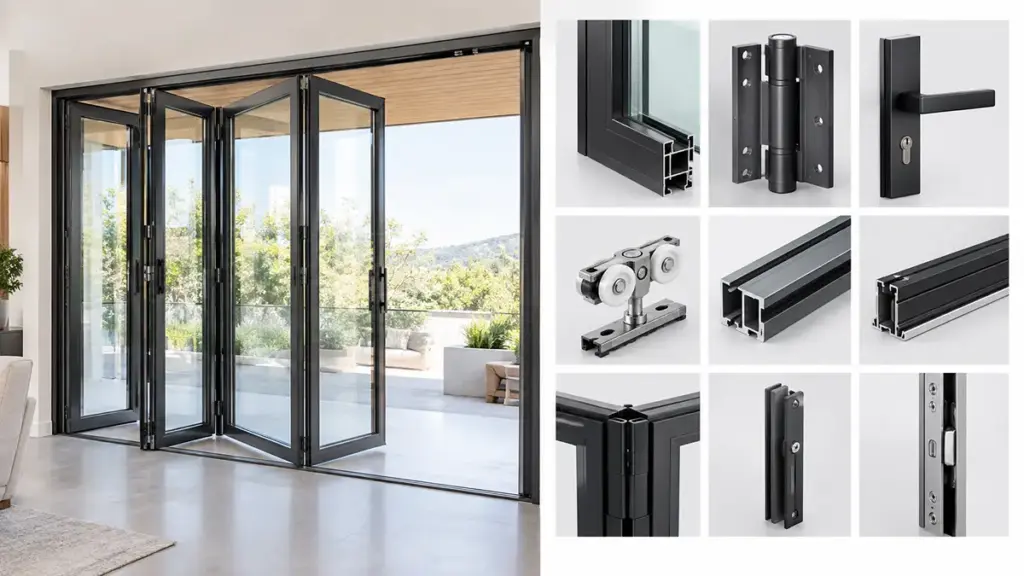
Ao selecionar portas para empreendimentos residenciais, projetos de hospitalidade, edifícios comerciais, ou casas personalizadas de alto padrão, a durabilidade é muitas vezes um dos fatores de tomada de decisão mais importantes. Enquanto a estética, desempenho térmico, e o orçamento influenciam as escolhas de especificações, os proprietários do projeto querem, em última análise, portas que mantenham sua aparência, funcionalidade, e integridade estrutural a longo prazo.
Este artigo explora a durabilidade no mundo real da porta de alumínio versus porta de madeira, examinando o desempenho de cada material ao longo dos anos de uso e por que as soluções modernas de portas de alumínio e madeira estão atraindo cada vez mais atenção em projetos de construção contemporâneos.
Métricas Básicas de Durabilidade da Porta em Uso Real
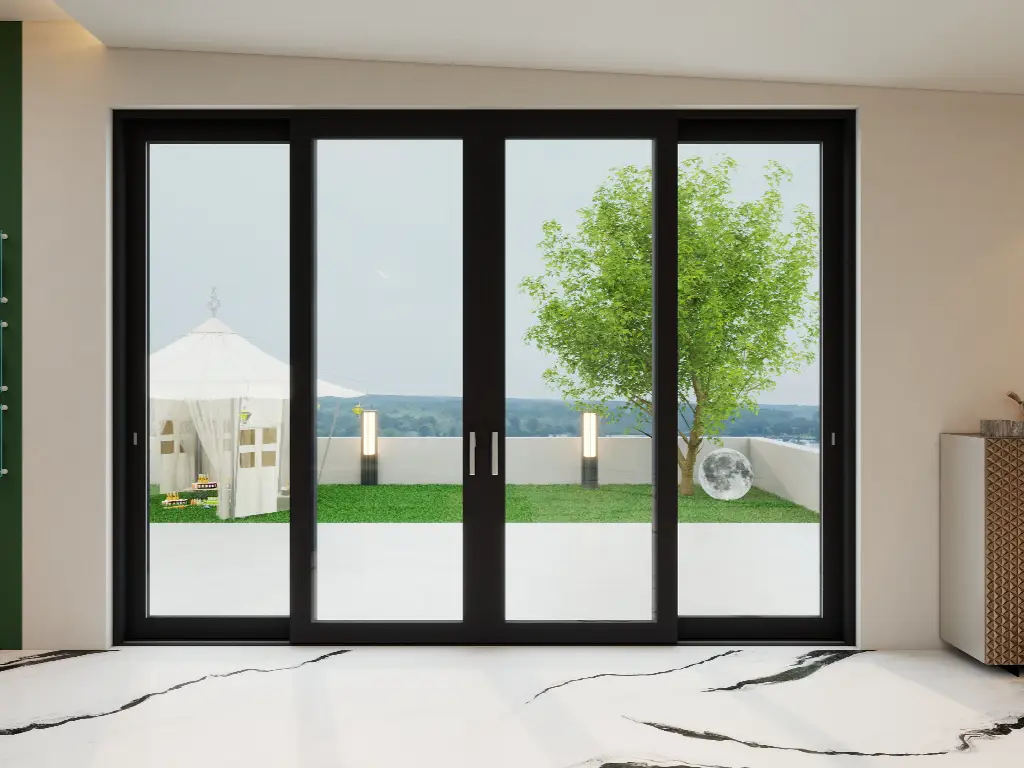
Antes de comparar materiais específicos, é importante definir o que realmente significa durabilidade no contexto dos sistemas de portas arquitetônicas. A durabilidade vai além da simples vida útil. Inclui quão bem uma porta mantém a estabilidade estrutural, suavidade operacional, aparência, resistência às intempéries, e desempenho geral ao longo dos anos de uso diário.
Compreendendo os principais fatores por trás do desempenho a longo prazo
Ao avaliar porta de alumínio versus porta de madeira, a durabilidade deve ser avaliada através de múltiplos critérios em vez de uma única medição. Uma porta que permanece visualmente atraente, mas enfrenta problemas operacionais, pode não agregar verdadeiramente valor a longo prazo.
Considerações importantes sobre durabilidade incluem resistência à umidade, estabilidade dimensional sob mudanças de temperatura, compatibilidade de hardware, resistência estrutural, Requisitos de manutenção, e desempenho climático. Esses fatores determinam coletivamente o desempenho de uma porta ao longo do tempo.
Para proprietários e desenvolvedores de projetos, focar nessas métricas de durabilidade mais amplas fornece uma compreensão mais realista do desempenho do ciclo de vida.
Exposição Ambiental como Teste de Durabilidade
As portas estão continuamente expostas a mudanças nas condições ambientais. Luz solar, chuva, umidade, vento, flutuações de temperatura, e contaminantes transportados pelo ar contribuem para o envelhecimento do material.
A comparação entre porta de alumínio e porta de madeira torna-se particularmente importante em regiões onde as condições ambientais são exigentes. Propriedades costeiras, climas úmidos, áreas com temperaturas extremas sazonais, e locais com chuvas fortes muitas vezes colocam maior pressão sobre os materiais das portas.
A capacidade de um material resistir a estas condições influencia diretamente a sua fiabilidade a longo prazo..
Por que o desempenho do ciclo de vida é importante para projetos comerciais
Edifícios comerciais, empreendimentos residenciais, instalações de hospitalidade, e projetos com múltiplas unidades normalmente avaliam produtos com base no valor do ciclo de vida, em vez de apenas no preço inicial de compra.
Na discussão entre porta de alumínio versus porta de madeira, compreender a durabilidade a longo prazo ajuda as partes interessadas do projeto a reduzir despesas de manutenção, minimizar ciclos de substituição, e melhorar o retorno geral do investimento.
Vida útil e possíveis falhas estruturais das portas de madeira tradicionais
As portas de madeira tradicionais têm um comprimento mais curto, vida útil mais sensível à manutenção e falhas estruturais específicas que afetam o desempenho e a eficiência.
Fatores que influenciam a vida útil das portas de madeira tradicionais
Vários fatores determinam o tempo de desempenho de uma porta de madeira tradicional. A exposição ambiental desempenha um papel importante; a madeira é altamente sensível à umidade e umidade. Em climas úmidos ou úmidos, portas de madeira têm muito mais probabilidade de apodrecer, inchar, e crack em comparação com alternativas de alumínio. A exposição UV também degrada os acabamentos de madeira, causando desbotamento e microfissuras, que então deixa a água entrar. As flutuações de temperatura contribuem para fazer a madeira se expandir e contrair, levando à deformação, verificando, e movimento articular.
A intensidade da manutenção é outro fator crítico. Portas de madeira precisam de cuidados regulares, incluindo limpeza e vedação ou repintura a cada poucos anos. Em climas severos, isso pode significar renovar acabamentos a cada 6-12 meses. Ignorar esta manutenção leva rapidamente ao apodrecimento, rachaduras profundas, e falha estrutural, encurtando significativamente a vida funcional da porta.
A qualidade do material e a construção também são importantes. Madeiras maciças de alta qualidade, como carvalho, devidamente projetado e acabado, pode durar 30-50+ anos com cuidado consistente. Madeira de qualidade inferior, ou portas com marcenaria deficiente e adesivos inadequados, são muito mais suscetíveis a amassados, absorção de umidade, e separação conjunta. Isso acelera falhas estruturais e reduz a vida útil, especialmente ao enfrentar ciclos repetidos de umidade.
Falhas estruturais comuns em portas de madeira tradicionais
As portas de madeira tradicionais enfrentam várias falhas estruturais comuns. A podridão e a degradação biológica são as principais preocupações. Quando os revestimentos protetores falham, madeira absorve umidade, levando ao crescimento de fungos, amolecimento, e colapso estrutural. Isso geralmente acontece no trilho inferior, degraus inferiores, e grão final exposto. Portas de alumínio não apodreça, evitando este grande ponto de falha.
Deformação, torcendo, e reverenciar também são predominantes. Absorção irregular de umidade, secagem diferencial, ou tensões internas na madeira fazem com que as portas emperrem, arrastar, ou esfregue contra a moldura. Isso cria lacunas, leva a correntes de ar e vazamento de água, e coloca carga extra no hardware. As armações de alumínio mantêm uma geometria consistente, tornando a deformação causada pela umidade essencialmente inexistente.
Rachaduras e rachaduras se desenvolvem à medida que as fibras da madeira se movem com a umidade e a temperatura. As verificações de superfície permitem a entrada de umidade, acelerando danos estruturais mais profundos. Rachaduras mais profundas sinalizam séria perda de integridade, muitas vezes exigindo a substituição da porta. O inchaço e o encolhimento causam mudanças dimensionais sazonais; alta umidade faz com que as portas emperrem, baixa umidade cria lacunas. Esses ciclos repetidos tensionam juntas e acabamentos.
Eleve seus projetos com portas premium de alumínio e madeira
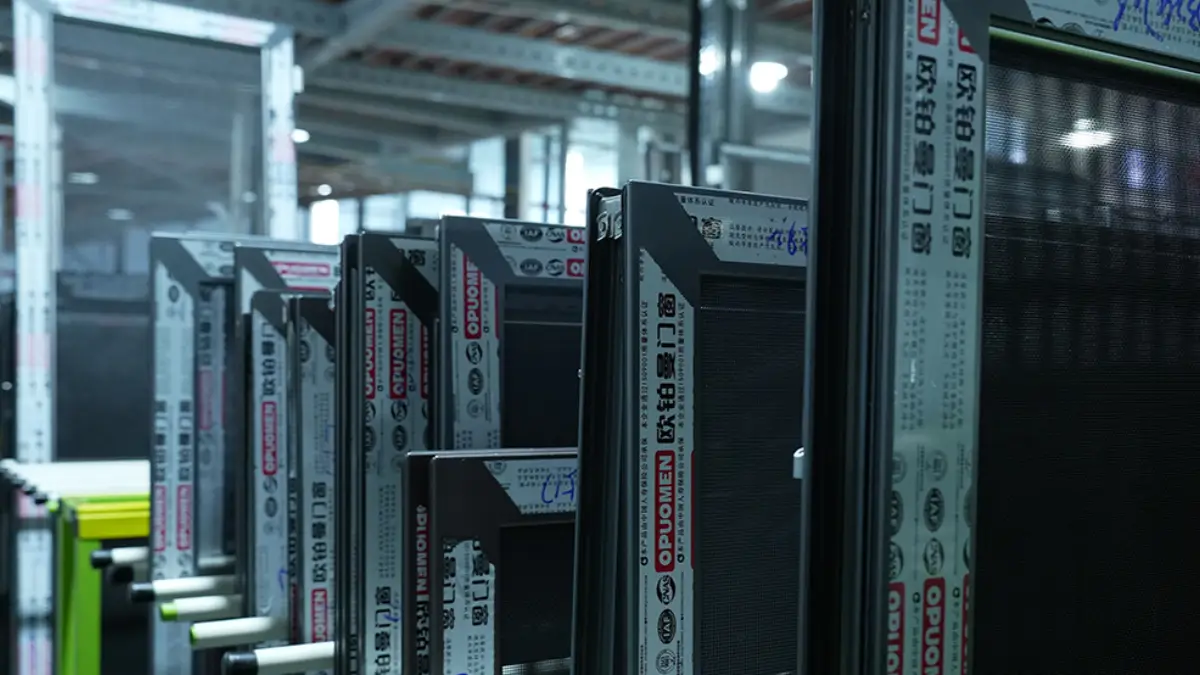
Benefícios materiais das portas de alumínio contra elementos climáticos severos
Os modernos sistemas de portas de alumínio ganharam popularidade devido à sua capacidade de desempenho confiável em condições ambientais exigentes.. Suas características de durabilidade os tornam adequados para uma ampla gama de projetos residenciais e comerciais..
Resistência à umidade e exposição ambiental
Uma das vantagens mais significativas na comparação entre portas de alumínio e portas de madeira é a resistência do alumínio à deterioração relacionada à umidade..
Ao contrário dos materiais orgânicos, o alumínio não absorve água. Esta característica ajuda a reduzir preocupações relacionadas ao inchaço, apodrecendo, e alterações dimensionais induzidas pela umidade. Como resultado, portas de alumínio são frequentemente especificadas para projetos localizado em ambientes úmidos, regiões costeiras, ou áreas com chuvas frequentes. A capacidade de resistir à exposição ambiental contribui diretamente para a durabilidade a longo prazo.
Desempenho sob variações de temperatura
As flutuações de temperatura podem colocar uma pressão considerável nos materiais de construção. Na discussão entre porta de alumínio versus porta de madeira, a estabilidade dimensional do alumínio geralmente oferece uma vantagem prática.
Os modernos sistemas de portas de alumínio são projetados para acomodar as mudanças ambientais, mantendo o desempenho estrutural. Isto ajuda a suportar uma operação consistente em diferentes estações e condições climáticas.
Para empreendimentos comerciais e residenciais que buscam desempenho previsível a longo prazo, esta estabilidade pode ser particularmente valiosa.
Apoiando Requisitos Arquitetônicos Contemporâneos
Além dos benefícios de durabilidade, o alumínio permite que os fabricantes criem perfis elegantes e áreas envidraçadas maiores. Esta combinação de desempenho estrutural e flexibilidade de design contribuiu para a crescente adoção de sistemas de portas de alumínio na arquitetura moderna..
Ao avaliar porta de alumínio versus porta de madeira, as equipes de projeto consideram cada vez mais não apenas a longevidade, mas também a capacidade de apoiar os objetivos de design contemporâneos.
Detalhamento dos custos de manutenção: Nova vedação periódica versus manutenção praticamente zero
Os requisitos de manutenção podem afetar significativamente o custo total de propriedade de um sistema de porta. Para proprietários de projetos que gerenciam múltiplas propriedades ou grandes empreendimentos, considerações de manutenção geralmente influenciam a seleção do material.
Requisitos de cuidados contínuos para portas de madeira
As portas de madeira normalmente requerem inspeção e manutenção periódicas para preservar sua aparência e desempenho. Os acabamentos protetores podem precisar de retoques ao longo do tempo para ajudar a proteger o material da umidade, luz solar, e exposição ambiental.
Na comparação entre porta de alumínio e porta de madeira, a madeira geralmente envolve atividades recorrentes de manutenção, como selar novamente, repintura, retoque, ou reparar danos superficiais. Esses requisitos de manutenção contribuem para o custo geral de propriedade do ciclo de vida.
Demandas de manutenção reduzidas de alumínio
Uma das vantagens mais frequentemente citadas na discussão entre portas de alumínio e portas de madeira é a natureza de baixa manutenção do alumínio..
Porque o alumínio não requer o mesmo nível de tratamento protetor que a madeira, as demandas de manutenção são geralmente reduzidas. A limpeza de rotina e as inspeções ocasionais são muitas vezes suficientes para manter a aparência e a funcionalidade.
Avaliando custos de manutenção em vários projetos
O impacto financeiro da manutenção torna-se cada vez mais importante na gestão de empreendimentos de grande escala ou de carteiras multipropriedades.
Ao comparar porta de alumínio com porta de madeira, menores demandas de manutenção geralmente contribuem para melhorar a economia do ciclo de vida, particularmente durante longos períodos de propriedade.
Impacto das taxas de empenamento e expansão na suavidade da operação a longo prazo
O empenamento e a expansão do material diferem significativamente entre portas de alumínio e madeira. Essas diferenças impactam diretamente a suavidade operacional a longo prazo, alinhamento, e desempenho de hardware.
Respostas materiais: Comportamentos de deformação e expansão
As portas de alumínio mantêm a estabilidade a longo prazo sem deformar sob condições residenciais e comerciais normais. O alumínio resiste à umidade e não incha com a umidade ou chuva. Também não corrói, mantendo a integridade estrutural em climas adversos. Enquanto o alumínio se expande e contrai com a temperatura, sistemas de portas modernos gerenciam esse previsível, movimento uniforme com folgas adequadas e rupturas térmicas. Isso evita curvaturas ou torções localizadas que afetam o bom funcionamento.
Portas de madeira são vulneráveis à umidade, inchando e encolhendo conforme a umidade muda. Alta umidade, chuva forte, e flutuações constantes de temperatura fazem com que as portas de madeira deformem, inchar, ou desaparecer. Portas de madeira maciça entortam mais facilmente do que madeira projetada. A deformação ocorre devido à absorção irregular de umidade, exposição diferencial ao sol, ou vedação inadequada nas bordas. A exposição prolongada à umidade e aos raios UV faz com que as portas de madeira inchem, urdidura, ou apodrecer.
Longevidade operacional e manutenção para suavidade
As portas de alumínio funcionam consistentemente sem problemas ao longo do tempo. Não deformam e oferecem alta resistência mecânica, mantendo a geometria do quadro estável por décadas. As portas permanecem quadradas, mantendo lacunas consistentes, engate confiável para travas e fechaduras, e fechamento suave. Estruturas estáveis também reduzem cargas laterais em dobradiças e travas, evitando desgaste prematuro e desalinhamento. Juntas e calafetagens mantêm compressão uniforme. Com instalação correta, uma porta de alumínio dura décadas sem deformar ou apodrecer, mantendo a operação suave e segura.
As portas de alumínio praticamente não necessitam de manutenção estrutural além de verificações periódicas de juntas e gaxetas. A limpeza ocasional e a lubrificação básica das ferragens mantêm-nas abrindo e fechando suavemente.
O funcionamento das portas de madeira perde progressivamente a suavidade à medida que se deformam. Inchaço ou empenamento muitas vezes faz com que as portas esfreguem no chão ou na moldura, precisando de força extra para abrir ou fechar. Travas ou fechaduras desalinhadas dificultam o travamento. Ciclos repetidos de umidade causam distorção cumulativa ao longo dos anos, especialmente em portas exteriores de madeira.
Geral, as taxas de empenamento e expansão afetam as portas de madeira de forma mais negativa do que as portas de alumínio em uso residencial e comercial típico. Isto leva a uma perda mais frequente de bom funcionamento e a uma maior carga de manutenção corretiva ao longo da vida útil da porta..
| Aspecto | Porta de alumínio | Porta de madeira |
|---|---|---|
| Risco de deformação | Muito baixo (não deforma sob uso normal) | Médio-alto (vulnerável à umidade e temperatura) |
| Vida útil | Aprox.. 50–60 anos com degradação estrutural mínima | Aprox.. 25–30 anos, fortemente dependente da manutenção e das condições |
| Suavidade de operação ao longo do tempo | Consistentemente alto; a geometria e o alinhamento do hardware permanecem estáveis com pequenas verificações de rotina | Degrada se o empenamento/inchaço não for gerenciado ativamente; trabalho corretivo periódico frequentemente necessário |
| Manutenção para um bom funcionamento | Baixo; limpeza e ajustes ocasionais de hardware | Alto; vedação, pintura/envernizamento, gerenciamento de umidade, e possível aplainamento/reforço |
Insonorização, Térmico, e comparação de vedação
A durabilidade não é o único fator que influencia a seleção do material. O conforto dos ocupantes e o desempenho do edifício também desempenham papéis importantes.
Considerações acústicas
O controle de som é um requisito importante em residências, hospitalidade, educacional, e ambientes comerciais.
Na discussão entre porta de alumínio versus porta de madeira, o desempenho acústico depende de vários fatores, incluindo a construção da porta, especificações de vidros, qualidade de vedação, e design geral do sistema.
Ambos os materiais podem ser incorporados em configurações que suportam uma redução sonora eficaz quando projetados adequadamente.
Desempenho Térmico e Eficiência Energética
A eficiência energética continua a ser uma prioridade na construção moderna. O desempenho térmico é influenciado pelo isolamento, vidros, vedação contra intempéries, e design de moldura.
Ao comparar porta de alumínio com porta de madeira, é importante avaliar sistemas de portas completos em vez de focar apenas no material de base.
Os sistemas avançados de alumínio podem incorporar tecnologias térmicas que apoiam os objetivos de gestão de energia, mantendo ao mesmo tempo a durabilidade e a flexibilidade do design.
A importância da vedação eficaz
A vedação contra intempéries contribui significativamente para o conforto e o desempenho. Vedações adequadamente projetadas ajudam a reduzir a infiltração de ar, intrusão de umidade, e perda de energia.
Na comparação mais ampla entre porta de alumínio e porta de madeira, o desempenho da vedação geralmente depende da precisão da fabricação e da estabilidade dimensional a longo prazo. A geometria consistente ajuda a manter a compressão eficaz da vedação ao longo do tempo.
ROI de longo prazo e contabilidade de custos totais do ciclo de vida para projetos
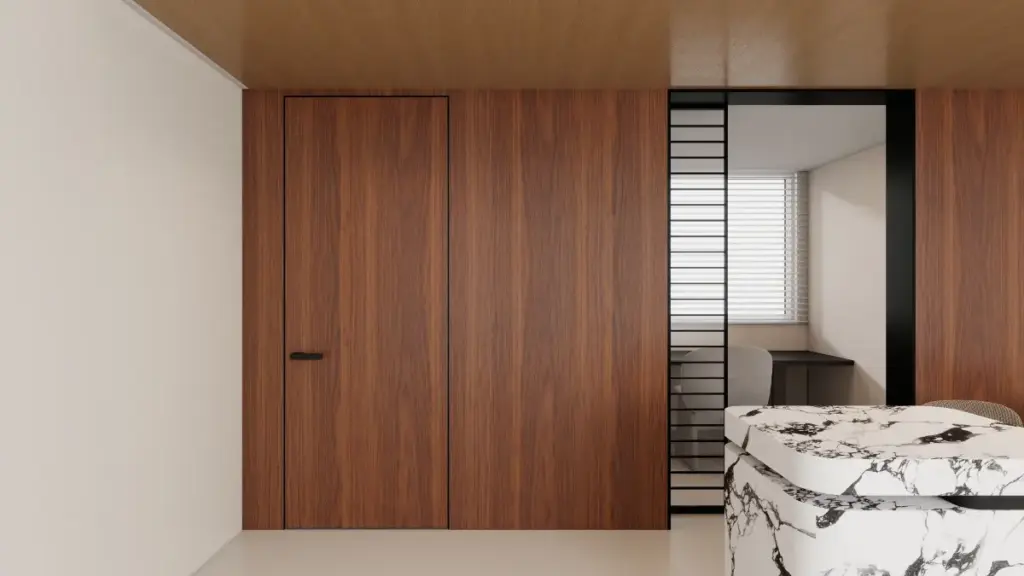
As portas de alumínio oferecem um ROI superior a longo prazo devido à vida útil prolongada e manutenção mínima, reduzindo significativamente os custos totais do ciclo de vida em comparação com portas de madeira.
Fatores Fundamentais que Impulsionam Valor e Custos de Longo Prazo
Ao avaliar portas, olhe além do preço inicial. O verdadeiro valor a longo prazo vem de vários fatores essenciais. Isso afeta diretamente a economia geral do projeto.
- Vida útil e ciclos de substituição: As portas de alumínio duram 50-60 anos, madeira dupla 25-30 anos. Isso significa menos substituições, transferindo gastos iniciais mais elevados para um custo de capital único.
- Carga de manutenção: A madeira requer vedação regular, pintura, e reparos, gerando altos custos operacionais. O alumínio precisa de limpeza mínima, manter as despesas operacionais baixas.
- Estabilidade de desempenho: O alumínio mantém a integridade contra empenamento, intemperismo, e corrosão em climas adversos. A madeira degrada, precisando de reforma ou substituição antecipada.
- Eficiência energética: O alumínio termicamente quebrado moderno reduz a transferência de calor e mantém a vedação por mais tempo. Isto reduz as cargas de aquecimento e refrigeração ao longo de décadas. O isolamento natural da madeira pode degradar-se com movimentos e lacunas.
- Durabilidade e resistência às intempéries: O alumínio se destaca em alta umidade, Exposto aos raios UV, e ambientes costeiros. A madeira é vulnerável ao apodrecimento e falha no acabamento nessas condições.
Esses elementos se combinam para influenciar o custo total de propriedade, impulsionando a proposta de valor do alumínio em relação à madeira para muitos projetos.
Estrutura Prática para Avaliação de Custos do Ciclo de Vida
Para comparar com precisão portas de alumínio e madeira, use um modelo estruturado de custo de ciclo de vida e ROI. Isso vai além da cotação inicial.
- Despesas de capital (CapEx): Calcule os custos de compra e instalação de unidades de alumínio e madeira. Considere rupturas térmicas ou vidros especiais, se aplicável.
- Custo de manutenção planejada: Para madeira, leve em conta a frequência e o custo da pintura, coloração, vedação, e pequenos reparos (mão de obra e materiais). Para alumínio, considere a limpeza de rotina, frequentemente absorvido pelos orçamentos gerais, e raros reparos de acabamento.
- Custo e prazo de substituição: As portas de madeira normalmente precisam de uma substituição completa a cada 25-30 anos. O alumínio geralmente dura 50-60 anos sem substituição. Este é um diferencial crítico.
- Falhas e tolerâncias de risco: Orçamento para reparos não planejados de empenamento, podridão, ou falha de vedação na madeira. O alumínio normalmente requer uma contingência menor aqui.
Vantagens exclusivas das portas ecológicas de alumínio e madeira
Portas ecológicas de alumínio-madeira combinam a estética da madeira com a resistência do alumínio, oferecendo melhor durabilidade, menor manutenção, e melhor desempenho ambiental do que a madeira tradicional.
Maior durabilidade e desempenho
As portas ecológicas de alumínio-madeira oferecem uma construção híbrida. O revestimento exterior de alumínio protege a porta da chuva, vento, Radiação UV, e poluentes, reduzindo significativamente a degradação da superfície. A moldura de madeira interior confere resistência estrutural, rigidez, e um calor, superfície tátil, equilibrando a sensação mais fria do alumínio. Isso cria uma interface interior confortável.
Os componentes de alumínio proporcionam alta estabilidade estrutural. Eles resistem à expansão, contração, e empenamentos que são problemas comuns em portas de madeira maciça. O núcleo de madeira permanece protegido da exposição direta às intempéries. Isso reduz os riscos de inchaço, deformação, ou apodrecimento comum em portas de madeira tradicionais em ambientes com alta umidade.
Valor a longo prazo e design sustentável
Em comparação com portas de madeira tradicionais, portas ecológicas de alumínio-madeira requerem manutenção reduzida. Portas de madeira precisam de lixamento regular, repintura, coloração, e vedação para proteger contra umidade, Exposição UV, e ataque biológico. Portas ecológicas de alumínio-madeira mudam a maior parte da exposição para o exterior de alumínio, que necessita apenas de limpeza periódica com detergente neutro e água. Nenhuma repintura de rotina é necessária se forem usados acabamentos de fábrica. O interior de madeira protegida geralmente precisa apenas de limpeza ocasional e pequenos retoques.
O investimento inicial para sistemas híbridos alumínio-madeira pode ser superior ao de algumas portas de madeira padrão. Apesar disso, o custo total de propriedade é menor. Isto resulta de menos ciclos de repintura, um menor risco de empenamento ou apodrecimento, e melhor desempenho energético. Portas de alumínio e híbridas são projetadas para décadas de vida operacional com degradação mínima, oferecendo forte desempenho econômico para projetos.
Considerações Finais
O debate em torno da porta de alumínio versus porta de madeira depende, em última análise, das prioridades do projeto, condições ambientais, expectativas de manutenção, e metas de investimento de longo prazo. As portas de madeira continuam a oferecer uma beleza intemporal e um apelo arquitetónico tradicional, mas muitas vezes requerem manutenção contínua e maior atenção à exposição ambiental.
Se você estiver avaliando materiais de portas para sua próxima residência, hospitalidade, ou desenvolvimento comercial, explorar Opuodas coleções de portas de alumínio e alumínio-madeira para descobrir soluções que combinam estética, desempenho, e valor a longo prazo em um único sistema.