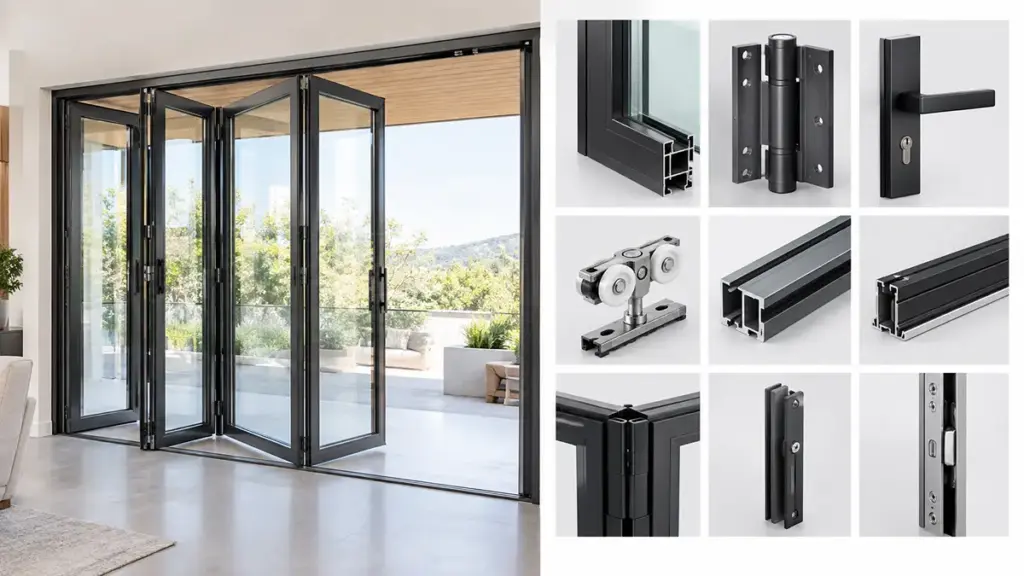
When selecting doors for residential developments, hospitality projects, commercial buildings, or high-end custom homes, durability is often one of the most important decision-making factors. While aesthetics, thermal performance, and budget all influence specification choices, project owners ultimately want doors that maintain their appearance, functionality, and structural integrity over the long term.
This article explores the real-world durability of aluminum door vs wood door, examining how each material performs over years of use and why modern aluminum-wood door solutions are attracting growing attention in contemporary construction projects.
Core Metrics of Door Durability in Real Use
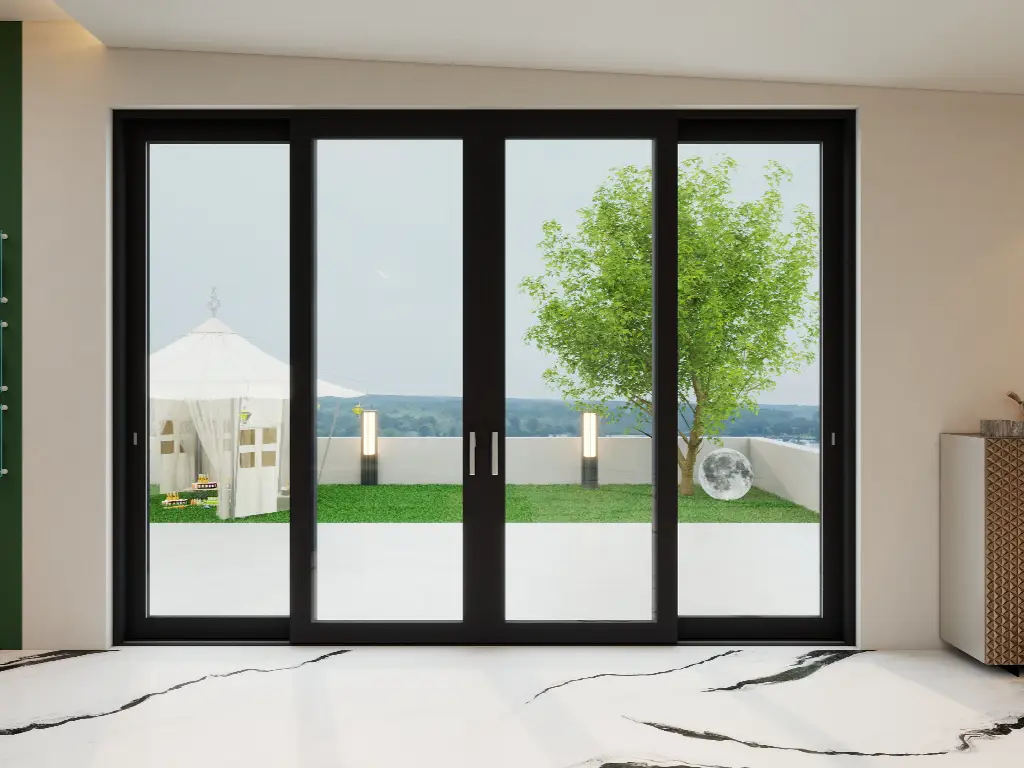
Before comparing specific materials, it is important to define what durability actually means in the context of architectural door systems. Durability extends beyond simple lifespan. It includes how well a door maintains structural stability, operational smoothness, appearance, weather resistance, and overall performance throughout years of daily use.
Understanding the Key Factors Behind Long-Term Performance
When evaluating aluminum door vs wood door, durability should be assessed through multiple criteria rather than a single measurement. A door that remains visually attractive but experiences operational issues may not truly deliver long-term value.
Important durability considerations include resistance to moisture, dimensional stability under temperature changes, hardware compatibility, structural strength, maintenance requirements, and weather performance. These factors collectively determine how well a door performs over time.
For project owners and developers, focusing on these broader durability metrics provides a more realistic understanding of lifecycle performance.
Environmental Exposure as a Durability Test
Doors are continuously exposed to changing environmental conditions. Sunlight, rain, humidity, wind, temperature fluctuations, and airborne contaminants all contribute to material aging.
The comparison of aluminum door vs wood door becomes particularly important in regions where environmental conditions are demanding. Coastal properties, humid climates, areas with seasonal temperature extremes, and locations with heavy rainfall often place greater stress on door materials.
A material’s ability to withstand these conditions directly influences its long-term reliability.
Why Lifecycle Performance Matters for Commercial Projects
Commercial buildings, residential developments, hospitality facilities, and multi-unit projects typically evaluate products based on lifecycle value rather than initial purchase price alone.
In the discussion of aluminum door vs wood door, understanding long-term durability helps project stakeholders reduce maintenance expenses, minimize replacement cycles, and improve overall return on investment.
Lifespan and Potential Structural Flaws of Traditional Wood Doors
Traditional wood doors have a shorter, more maintenance-sensitive lifespan and specific structural flaws that impact performance and efficiency.
Factors Influencing the Lifespan of Traditional Wood Doors
Several factors dictate how long a traditional wood door performs. Environmental exposure plays a major role; wood is highly sensitive to moisture and humidity. In humid or wet climates, wood doors are far more likely to rot, swell, and crack compared to aluminum alternatives. UV exposure also degrades wood finishes, causing fading and micro-cracking, which then lets water in. Temperature fluctuations contribute by making wood expand and contract, leading to warping, checking, and joint movement.
Maintenance intensity is another critical factor. Wood doors need regular care, including cleaning and resealing or repainting every few years. In harsh climates, this can mean renewing finishes every 6-12 months. Skipping this maintenance quickly leads to rot, deep cracks, and structural failure, significantly shortening the door’s functional life.
Material quality and construction also matter. High-quality solid hardwoods like oak, properly engineered and finished, can last 30-50+ years with consistent care. Lower-grade timber, or doors with poor joinery and inadequate adhesives, are far more susceptible to denting, moisture uptake, and joint separation. This accelerates structural flaws and shortens lifespan, especially when facing repeated moisture cycles.
Common Structural Flaws in Traditional Wood Doors
Traditional wood doors face several common structural flaws. Rot and biological degradation are primary concerns. When protective coatings fail, wood absorbs moisture, leading to fungal growth, softening, and structural breakdown. This often happens at the bottom rail, lower stiles, and exposed end grain. Aluminum doors do not rot, avoiding this major failure point.
Warping, twisting, and bowing are also prevalent. Uneven moisture absorption, differential drying, or internal timber stresses cause doors to stick, drag, or rub against the frame. This creates gaps, leads to drafts and water leakage, and puts extra load on hardware. Aluminum frames maintain consistent geometry, making warping from moisture essentially non-existent.
Cracking and checking develop as wood fibers move with humidity and temperature. Surface checks allow moisture in, accelerating deeper structural damage. Deeper cracks signal serious integrity loss, often requiring door replacement. Swelling and shrinkage cause seasonal dimensional changes; high humidity makes doors jam, low humidity creates gaps. These repeated cycles stress joints and finishes.
Elevate Your Projects with Premium Aluminum-Wood Doors
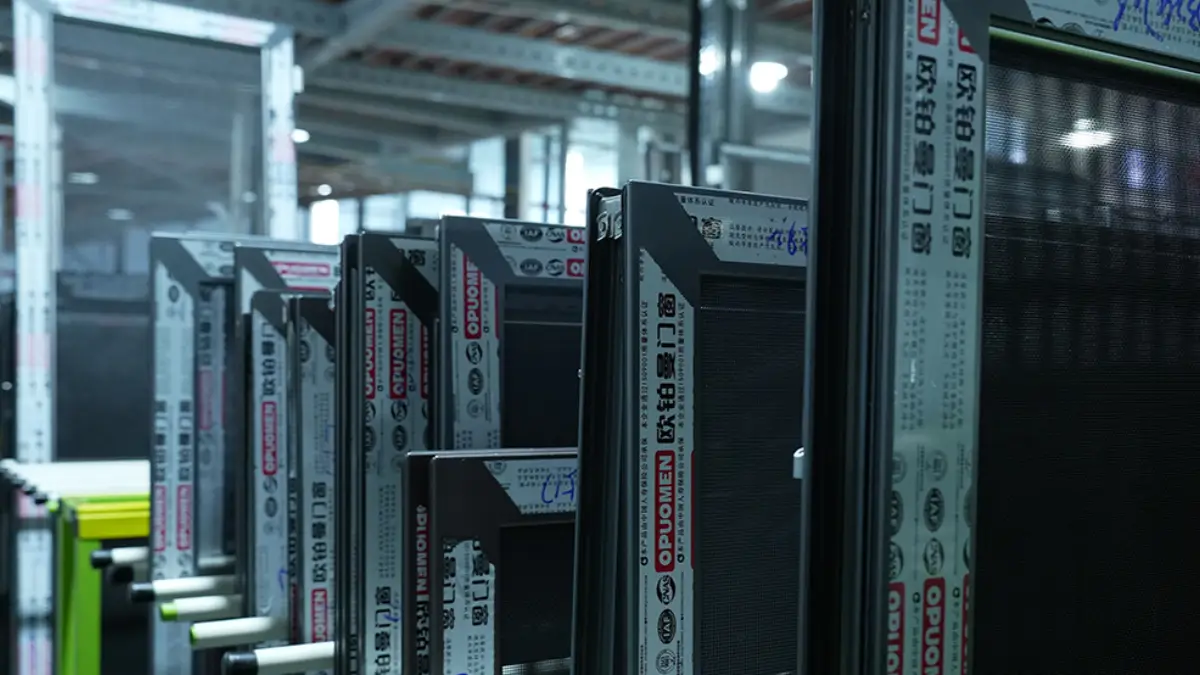
Material Benefits of Aluminum Doors Against Severe Weather Elements
Modern aluminum door systems have gained popularity because of their ability to perform reliably in demanding environmental conditions. Their durability characteristics make them suitable for a wide range of residential and commercial projects.
Resistance to Moisture and Environmental Exposure
One of the most significant advantages in the aluminum door vs wood door comparison is aluminum’s resistance to moisture-related deterioration.
Unlike organic materials, aluminum does not absorb water. This characteristic helps reduce concerns related to swelling, rotting, and moisture-induced dimensional changes. As a result, aluminum doors are often specified for projects located in humid environments, coastal regions, or areas with frequent rainfall. The ability to withstand environmental exposure contributes directly to long-term durability.
Performance Under Temperature Variations
Temperature fluctuations can place considerable stress on building materials. In the discussion of aluminum door vs wood door, aluminum’s dimensional stability often provides a practical advantage.
Modern aluminum door systems are engineered to accommodate environmental changes while maintaining structural performance. This helps support consistent operation across different seasons and climate conditions.
For commercial and residential developments seeking predictable long-term performance, this stability can be particularly valuable.
Supporting Contemporary Architectural Requirements
In addition to durability benefits, aluminum allows manufacturers to create sleek profiles and larger glazing areas. This combination of structural performance and design flexibility has contributed to the growing adoption of aluminum door systems in modern architecture.
When evaluating aluminum door vs wood door, project teams increasingly consider not only longevity but also the ability to support contemporary design objectives.
Maintenance Costs Breakdown: Periodic Resealing vs Virtually Zero Upkeep
Maintenance requirements can significantly affect the total ownership cost of a door system. For project owners managing multiple properties or large developments, maintenance considerations often influence material selection.
Ongoing Care Requirements for Wood Doors
Wood doors typically require periodic inspection and maintenance to preserve their appearance and performance. Protective finishes may need refinishing over time to help shield the material from moisture, sunlight, and environmental exposure.
In the comparison of aluminum door vs wood door, wood often involves recurring maintenance activities such as resealing, repainting, refinishing, or repairing surface damage. These maintenance requirements contribute to the overall lifecycle cost of ownership.
Reduced Maintenance Demands of Aluminum
One of the most frequently cited advantages in the aluminum door vs wood door discussion is aluminum’s low-maintenance nature.
Because aluminum does not require the same level of protective treatment as wood, maintenance demands are generally reduced. Routine cleaning and occasional inspections are often sufficient to maintain appearance and functionality.
Evaluating Maintenance Costs Across Multiple Projects
The financial impact of maintenance becomes increasingly important when managing large-scale developments or multi-property portfolios.
When comparing aluminum door vs wood door, lower maintenance demands often contribute to improved lifecycle economics, particularly over extended ownership periods.
Impact of Warping and Expansion Ratios on Long-Term Operation Smoothness
Warping and material expansion differ significantly between aluminum and wood doors. These differences directly impact long-term operational smoothness, alignment, and hardware performance.
Material Responses: Warping and Expansion Behaviors
Aluminum doors maintain long-term steadiness without warping under normal residential and commercial conditions. Aluminum resists moisture and does not swell from humidity or rain. It also does not corrode, maintaining structural integrity in harsh climates. While aluminum expands and contracts with temperature, modern door systems manage this predictable, uniform movement with proper clearances and thermal breaks. This prevents localized bowing or twisting that affects smooth operation.
Wooden doors are vulnerable to moisture, swelling and shrinking as humidity changes. High humidity, heavy rain, and constant temperature fluctuations cause wooden doors to warp, swell, or fade. Solid wood doors warp more easily than engineered wood. Warping happens due to uneven moisture absorption, differential exposure to sun, or inadequate sealing on edges. Prolonged exposure to moisture and UV causes wood doors to swell, warp, or rot.
Operational Longevity and Maintenance for Smoothness
Aluminum doors consistently operate smoothly over time. They do not warp and offer high mechanical strength, keeping frame geometry stable for decades. Doors stay square, maintaining consistent gaps, reliable engagement for latches and locks, and smooth closing. Stable frames also reduce side loads on hinges and locks, preventing premature wear and misalignment. Gaskets and weatherstrips maintain uniform compression. With correct installation, an aluminum door lasts decades without warping or rotting, keeping operation smooth and secure.
Aluminum doors need virtually no structural maintenance beyond periodic checks of joints and gaskets. Occasional cleaning and basic hardware lubrication keep them opening and closing smoothly.
Wooden door operation progressively loses smoothness as they warp. Swelling or warping often makes doors rub on the floor or frame, needing extra force to open or close. Misaligned latches or deadbolts make locking difficult. Repeated humidity cycles cause cumulative distortion over years, especially on exterior wooden doors.
Overall, warping and expansion ratios affect wooden doors more negatively than aluminum doors in typical residential and commercial use. This leads to more frequent loss of smooth operation and higher corrective maintenance burden over the door’s lifespan.
| Aspect | Aluminum door | Wood door |
|---|---|---|
| Warping risk | Very low (does not warp under normal use) | Medium–high (vulnerable to moisture and temperature) |
| Service life | Approx. 50–60 years with minimal structural degradation | Approx. 25–30 years, strongly dependent on maintenance and conditions |
| Operation smoothness over time | Consistently high; geometry and hardware alignment remain stable with minor routine checks | Degrades if warping/swelling is not actively managed; periodic corrective work often required |
| Maintenance for smooth operation | Low; cleaning and occasional hardware adjustments | High; sealing, painting/varnishing, humidity management, and possible planing/reinforcement |
Soundproofing, Thermal, and Sealing Comparison
Durability is not the only factor influencing material selection. Occupant comfort and building performance also play important roles.
Acoustic Considerations
Sound control is an important requirement in residential, hospitality, educational, and commercial environments.
In the discussion of aluminum door vs wood door, acoustic performance depends on multiple factors including door construction, glazing specifications, sealing quality, and overall system design.
Both materials can be incorporated into configurations that support effective sound reduction when properly engineered.
Thermal Performance and Energy Efficiency
Energy efficiency continues to be a priority in modern construction. Thermal performance is influenced by insulation, glazing, weather sealing, and frame design.
When comparing aluminum door vs wood door, it is important to evaluate complete door systems rather than focusing solely on the base material.
Advanced aluminum systems can incorporate thermal technologies that support energy management objectives while maintaining durability and design flexibility.
The Importance of Effective Sealing
Weather sealing contributes significantly to both comfort and performance. Properly designed seals help reduce air infiltration, moisture intrusion, and energy loss.
In the broader comparison of aluminum door vs wood door, sealing performance often depends on manufacturing precision and long-term dimensional stability. Consistent geometry helps maintain effective seal compression over time.
Long-Term ROI and Total Lifecycle Cost Accounting for Projects
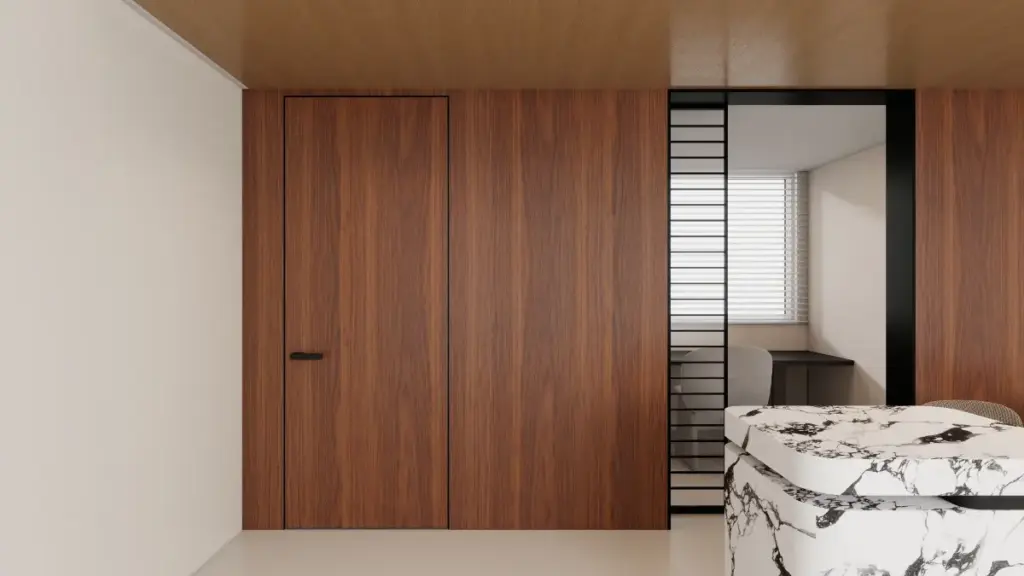
Aluminum doors offer superior long-term ROI due to extended service life and minimal maintenance, significantly reducing total lifecycle costs compared to wood doors.
Core Factors Driving Long-Term Value and Costs
When evaluating doors, look beyond initial price. True long-term value comes from several core factors. These directly affect overall project economics.
- Service Life and Replacement Cycles: Aluminum doors last 50-60 years, double wood’s 25-30 years. This means fewer replacements, shifting higher initial spend into a one-time capital cost.
- Maintenance Burden: Wood requires regular sealing, painting, and repairs, generating high operational costs. Aluminum needs minimal cleaning, keeping operational expenditure low.
- Performance Stability: Aluminum maintains integrity against warping, weathering, and corrosion in harsh climates. Wood degrades, needing refurbishment or early replacement.
- Energy Efficiency: Modern thermally broken aluminum reduces heat transfer and maintains seals longer. This cuts heating and cooling loads over decades. Wood’s natural insulation can degrade with movement and gaps.
- Durability and Weather Resistance: Aluminum excels in high-moisture, UV-exposed, and coastal environments. Wood is vulnerable to rot and finish failure in these conditions.
These elements combine to influence the total cost of ownership, driving aluminum’s value proposition over wood for many projects.
Practical Framework for Lifecycle Cost Assessment
To accurately compare aluminum and wood doors, use a structured lifecycle cost and ROI model. This goes beyond the initial quote.
- Capital Expenditures (CapEx): Calculate the purchase and installation costs for both aluminum and wood units. Factor in thermal breaks or specialty glazing if applicable.
- Planned Maintenance Cost: For wood, account for the frequency and cost of painting, staining, sealing, and minor repairs (labor and materials). For aluminum, consider routine cleaning, often absorbed into general budgets, and rare finish repairs.
- Replacement Cost and Timing: Wood doors typically need a full replacement every 25-30 years. Aluminum often lasts 50-60 years without replacement. This is a critical differentiator.
- Failure and Risk Allowances: Budget for unplanned repairs from warping, rot, or seal failure in wood. Aluminum typically requires a lower contingency here.
Unique Advantages of Aluminum-Wooden Eco Doors
Aluminum-wooden eco doors blend wood aesthetics with aluminum strength, offering better durability, lower maintenance, and improved environmental performance than traditional wood.
Enhanced Durability and Performance
Aluminum-wooden eco doors offer a hybrid construction. Exterior aluminum cladding protects the door from rain, wind, UV radiation, and pollutants, significantly reducing surface degradation. The interior wood frame gives structural strength, stiffness, and a warm, tactile surface, balancing aluminum’s colder feel. This creates a comfortable interior interface.
The aluminum components provide high structural stability. They resist expansion, contraction, and warping that are common problems in solid wood doors. The wood core stays protected from direct weather exposure. This lowers risks of swelling, warping, or rot common in traditional wooden doors in high-moisture settings.
Long-Term Value and Sustainable Design
Compared to traditional wood doors, aluminum-wooden eco doors require reduced maintenance. Wood doors need regular sanding, repainting, staining, and sealing to protect against moisture, UV exposure, and biological attack. Aluminum-wooden eco doors shift most exposure to the aluminum exterior, which only needs periodic cleaning with mild detergent and water. No routine repainting is needed if factory finishes are used. The protected wood interior generally needs only occasional cleaning and minor touch-ups.
Initial investment for aluminum-wood hybrid systems can be higher than some standard wood doors. Despite this, the total cost of ownership is lower. This comes from fewer refinishing cycles, a lower risk of warping or rot, and improved energy performance. Aluminum doors and hybrids are designed for decades of operational life with minimal degradation, offering strong economic performance for projects.
Final Thoughts
The debate surrounding aluminum door vs wood door ultimately depends on project priorities, environmental conditions, maintenance expectations, and long-term investment goals. Wood doors continue to offer timeless beauty and traditional architectural appeal, but they often require ongoing maintenance and greater attention to environmental exposure.
If you are evaluating door materials for your next residential, hospitality, or commercial development, explore Opuomen’s aluminum and aluminum-wood door collections to discover solutions that combine aesthetics, performance, and long-term value in a single system.