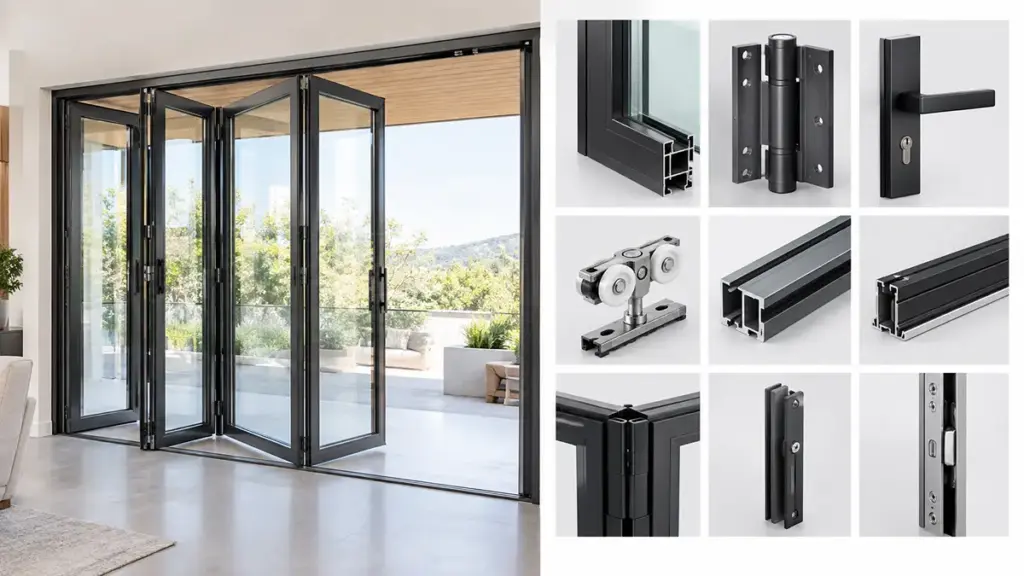
Shipping high-value aluminum doors comes with its challenges—damaged goods, delays, and complex customs requirements can disrupt timelines and erode profits. In this guide, we break down the essential logistics steps for a smooth journey from factory to final destination. Learn how to choose the right containers, implement effective packaging, navigate customs clearance with CE marking, and take advantage of rapid production schedules. With insights on streamlining every step, you’ll ensure your shipments arrive safely, on time, and compliant.
Choosing the Best Container for Bulk Door Orders

The first step in logistics is selecting the right container for your bulk door shipments. Key factors like door dimensions, payload weight, and internal volume play a pivotal role in ensuring a smooth and efficient transit process.
Key Factors Determining Container Choice for Doors
When choosing a container for bulk door orders, three critical elements must be considered: door opening size, internal container dimensions (length and height), and payload weight. These factors determine the maximum packed height and width of door pallets or custom stillages, affecting how many units can be efficiently loaded and transported.
Specific Container Dimensions, Payload, and Use Cases
40 ft High-Cube (HC) Variant
- Dimensions: Height 2.70 m, door opening 2.58–2.60 m, volume 76–86 m³.
- Use Cases: Ideal for lighter doors such as hollow-core or MDF interior doors, where maximizing volume is key. The extra vertical space allows for a higher count per shipment.
40 ft Standard Container
- Dimensions: Length 12.03 m, Width 2.35 m, Height 2.39 m,
- Door opening: 2.34 m x 2.28 m
- Volume: 67–68 m³
- Use Cases: Best suited for general door shipments where volume is the main consideration, but the doors are not excessively tall. Ideal for moderately heavy doors like aluminum or lightweight wood doors, where the payload capacity of 26,300–28,800 kg is sufficient.
20 ft Standard Container
- Dimensions: Height 2.39 m, internal length 5.87 m–5.90 m
- Volume: 28–33 m³.
- Payload weight: approximately 26,300–28,200 kg
- Use Cases: Perfect for heavier, denser doors like steel security or blast doors, where weight is the limiting factor. The smaller volume makes it ideal for such products when axle weight or stacking stress is a concern.
These container options, all complying with ISO standards, ensure safe, efficient, and cost-effective shipping for your aluminum doors.
Standard Packaging Methods to Prevent Damage
The next step in logistics is ensuring proper packaging to prevent damage during transit. Effective packaging for doors and windows is built on three key principles: validated performance, load stability, and component protection.
Core Principles for Secure Door & Window Transit
The fundamental approaches ensuring structural integrity and cosmetic protection during shipping are:
- Units must be transported and stored upright with temporary cross-bracing to avoid undue stress on insulated glass and frames; laying units flat is prohibited.
- The entire sill length must be fully supported during storage and transit to prevent bowing or deformation.
- Ventilated covers and polyethylene film are used to protect units from dust, dirt, and moisture until final installation.
Advanced Materials & Regulatory Standards
Specific packaging materials, engineering techniques, and compliance standards crucial for damage prevention include:
- Compliance with ASTM D4169 for performance testing of shipping containers and systems (drop, vibration, compression).
- Adherence to 49 CFR Part 178 (U.S. DOT) for manufacturing and testing specifications, including stacking and pressure tests.
- Use of edge and corner protectors around vulnerable areas such as corners, edges, protruding handles, and glass.
- Load stabilization achieved with correct stretch film gauge and containment force, alongside stretch-resistant polyester (PET) strapping to maintain tension.
- Interior cushioning like foam, paper-based honeycomb, bubble wrap, and corrugated inserts absorb shock and prevent surface damage.
- Application of polyethylene protective films and shipping blocks on sills protects finishes and maintains frame geometry during shipment.
Managing Customs Clearance and Compliance
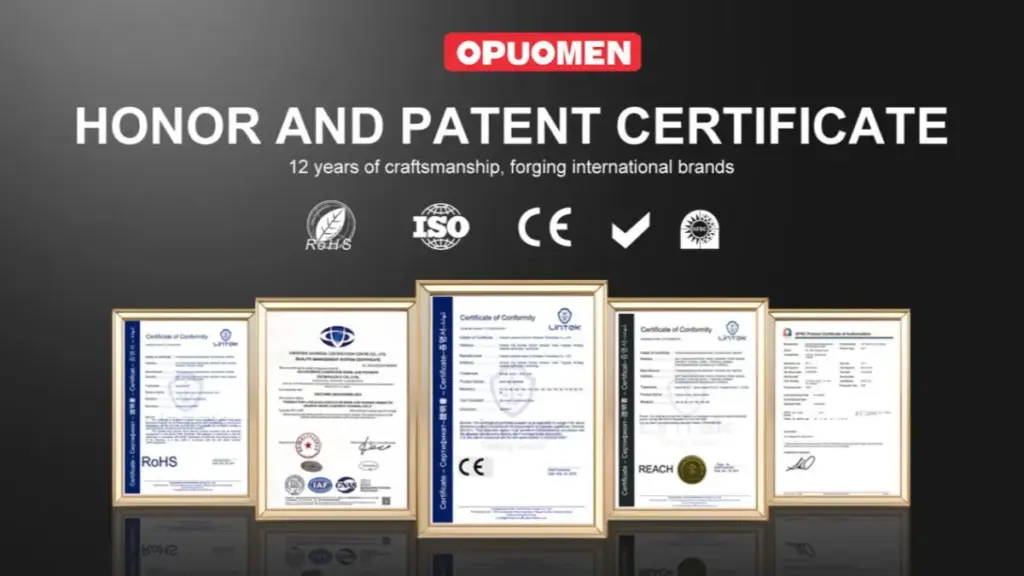
Customs clearance and compliance requirements vary by region. CE marking and REACH compliance are crucial certifications for construction products. Let’s dive into why these standards matter.
CE Marking
CE marking, required under the Construction Products Regulation (CPR 2011/305/EU), certifies that doors and windows meet essential safety and performance standards for the EEA. It includes a Declaration of Performance (DoP) detailing key product characteristics, ensuring legal market access within the EEA.
REACH Compliance
REACH compliance ensures that construction products, like PVC-U profiles, do not emit harmful substances. This certification protects both consumer health and the environment, preventing customs delays and ensuring safe market entry in the EEA.
Quick Overview of Key Certifications
To help you navigate these differences, we’ve outlined the key certifications and regulations you need to know for smooth market entry. Here’s a quick overview.
| Standard/Regulation | Description | Key Features/Examples |
|---|---|---|
| EN 14351-1 | Harmonised European Standard (hEN) for windows and external pedestrian doorsets. | Covers thermal transmittance (e.g., UK min u-values: 1.6 W/m²K windows, 1.8 W/m²K doors), load-bearing capacity, dangerous substances (REACH). |
| EN 16034 | Standard for doorsets and windows with fire resistance and/or smoke control characteristics. | Applies to pedestrian, industrial, commercial, garage doors; fully enforced post-2016. |
| BS EN 14600 | Requirements and classification for doorsets and openable windows with fire-resisting and/or smoke control characteristics. | Provides criteria for classification and performance of these products. |
| Test Standards (Annex E, EN 14351-1) | Specific tests for performance characteristics of windows and doors. | Includes Air permeability (EN 1026), water permeability (EN 1027), wind resistance (EN 12210), mechanical strength (EN 1191), release ability for escape route doors. |
| AVCP Systems | Assessment and Verification of Constancy of Performance Systems. | System 1 (external doors on escape routes); System 3 (external doors/windows not on escape routes); Systems 1/3/4 for roof windows. |
| CPR 2011/305/EU | Legal framework mandating Declaration of Performance (DoP) and CE marking. | Applies to construction products like doors/windows placed on the EEA market. |
OPUOMEN holds CE, RoHS, and REACH product certifications, demonstrating adherence to international technical and regulatory standards for global market access.
Premium Aluminum Doors for Global Projects

Optimizing Loading Strategy for Maximum Efficiency
Efficient loading strategies are essential for minimizing downtime and maximizing throughput. One key factor is reducing dock door open times, achieved by using high-speed doors to limit energy loss and accelerate material handling.
The Role of High-Speed Doors
High-speed doors play a critical role by reducing exposure to external elements, helping maintain temperature control in warehouses, which is essential for sensitive materials. For example, the ASTA 400HP/800HP series opens at 24 inches per second, speeding up the loading and unloading process, thus improving overall workflow.
Performance Metrics and Equipment
Maximizing throughput involves tracking key performance metrics such as dock door utilization, on-time service rates, and average turnaround time. Using high-speed doors like the Raynor RapidCoil™ RC300HD (up to 96 inches per second) can significantly cut operational downtime.
Additionally, Edge of Dock (EOD) levelers improve forklift transitions, reduce gaps during loading, and enhance safety while speeding up the entire process.
Guide to Freight Insurance and Claims

Freight insurance and claims management are essential for protecting shipments, especially high-value items like doors and windows, from damage or loss beyond standard carrier liability.
Carrier Liability and Limits
Carrier liability for U.S. shipments is primarily governed by the Carmack Amendment via FMCSA guidelines.
Standard U.S. carrier maximum liability limits range from $0.25-$25 per pound, often capped at $100k per truckload or declared value (whichever is less).
A clean Proof of Delivery (POD), signed without notation of damage, typically closes the carrier’s liability for both visible and concealed damage.
Effective Freight Claim Procedures and Documentation
- For visible damage, it is crucial to immediately note the damage on the Proof of Delivery (POD) and take comprehensive photos at the time of delivery.
- For concealed damage, notification to the carrier is typically required within 5 days of delivery, although the maximum timeframe to file a claim under the Carmack Amendment is 9 months.
Required documentation for a freight claim includes the Shipment ID, copy of the Bill of Lading (BOL), signed delivery receipt with notations, photos of damage, itemized loss invoice, repair estimates, and a survey report if applicable.
Pre-Shipment Final Inspection Checklist
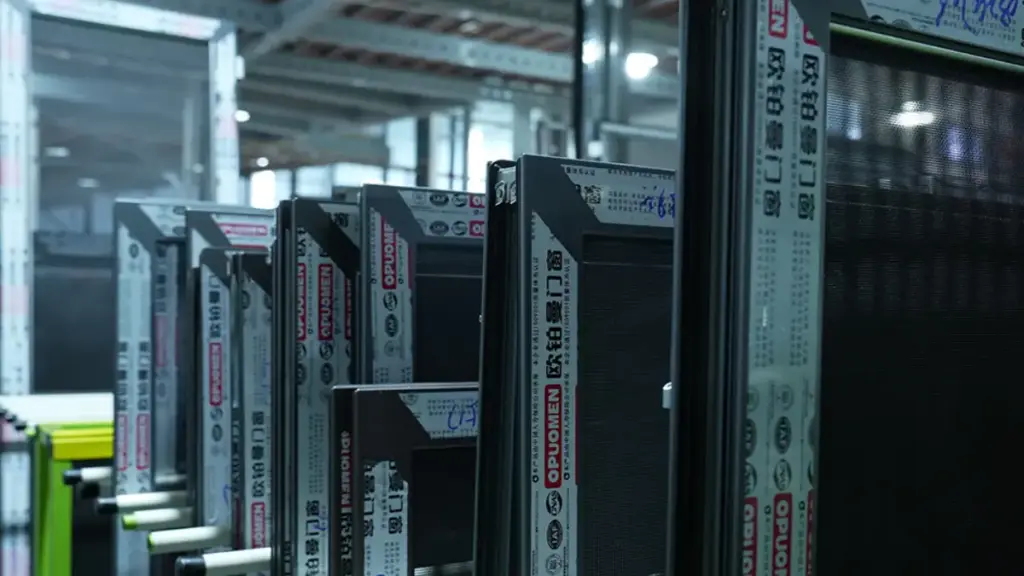
A pre-shipment inspection ensures that doors and windows meet quality and regulatory standards, preventing delivery issues and ensuring compliance with import requirements. It focuses on verifying alignment, secure components, intact seals, and adherence to safety standards like ANSI and CRC R609.3.
Dimensional & Structural Integrity: Confirm doors/windows are level and plumb, and all fasteners (screws/bolts) are securely tightened, checking for any operational obstructions. Use tools like spirit levels and tape measures to confirm dimensional accuracy.
Weatherproofing & Sealing: Verify weatherproof seals are intact for water infiltration prevention and ensure flashing/counter-flashing aligns with manufacturer specifications.
Safety & Code Compliance: Inspect for ANSI-rated/tempered glass in hazardous locations (e.g., CRC Section R609.3), and ensure emergency escape dimensions are met for applicable units.
Documentation & Quality Assurance: Confirm components match the Window/Door Schedule in permit documents, check for visible damage/defects, and ensure photos/notes are taken for QA records.
Regulatory Adherence: Ensure products comply with import standards, supported by relevant certifications like CE, RoHS, REACH, and the factory’s ISO9001 quality management system.
OPUOMEN’s 15-Day Lead Time: Impact on Your Project
OPUOMEN’s 15-25 day lead time significantly undercuts industry averages of 4-8 weeks for standard aluminum windows, providing a critical advantage for your project .
The OPUOMEN 15-Day Advantage: What it Means for Projects
OPUOMEN‘s stated delivery window for aluminum doors and windows is an efficient 15-25 days following deposit and drawing confirmation. This rapid production schedule offers a substantial competitive edge, significantly undercutting the general industry norm of 4-8 weeks for standard aluminum production.
For specialized products like impact windows, lead times can be considerably longer, historically ranging from 6-12 weeks (pre-2020) and escalating to 4-7 months or even 6-12 months post-COVID due to prevalent supply chain disruptions. OPUOMEN’s accelerated timeline directly translates into a reduced risk of project delays, providing a crucial benefit for business clients and importers managing demanding project schedules.
Operational Efficiencies & Project Planning Implications
OPUOMEN achieves its expedited lead times through robust operational efficiencies. The company boasts a 60,000 sqm factory, staffed by over 200 employees, exclusively focused on the production of high-quality aluminum alloy systems. This specialization enables streamlined manufacturing processes, utilizing efficient 6063-T5 aluminum profiles and standard 5mm+20A+5mm double-glazed glass configurations, optimized for rapid fabrication without compromising quality.
Customization is supported by ISO9001 certified processes, which further streamline workflows and mitigate common sources of delay. This integrated approach allows OPUOMEN’s model to effectively reduce the typical 2-3 month pre-installation lead times often observed within the broader industry landscape.
However, it is important for project planners to note that potential lead time extensions can occur under specific conditions. These include incomplete documentation from the client, requests for non-standard colors (e.g., custom powder-coated or anodized finishes), or the need for specialized glass types such as low-E or tempered glass, which may necessitate additional procurement and processing time.
Final Thoughts
Effective global logistics for aluminum doors requires careful container selection, robust packaging, and compliance with standards like CE and REACH. Streamlining loading strategies and conducting thorough pre-shipment inspections further reduce risks and ensure reliable delivery.
With OPUOMEN’s 15-25 day lead times, quality commitment, and certifications, you can confidently meet project deadlines and budgets. Trust us to deliver high-value aluminum doors safely and on time. Contact OPUOMEN today to optimize your aluminum door shipments.