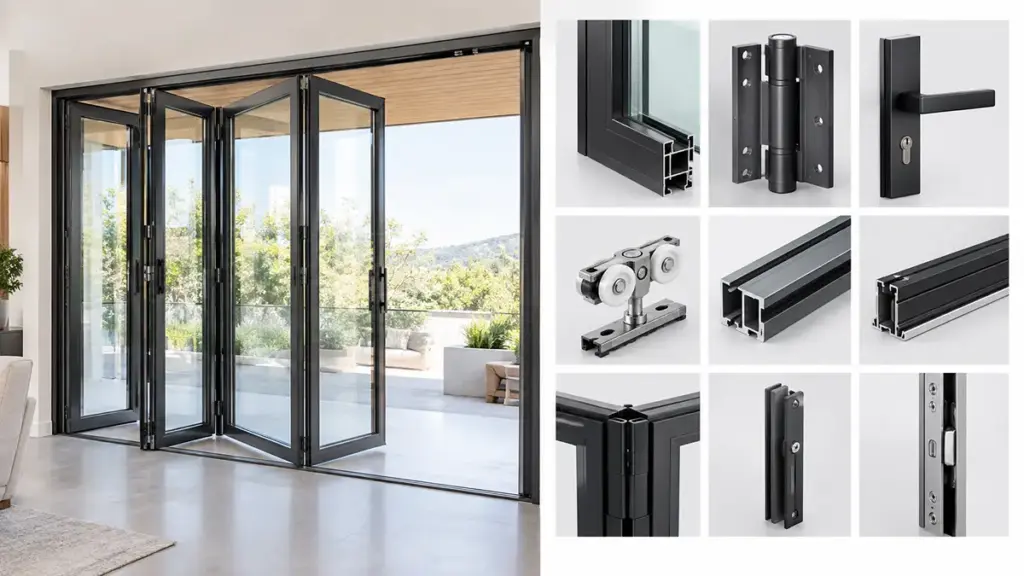
Sourcing reliable acoustic & soundproof sliding windows is a critical defense against failed municipal noise inspections. While standard single-chamber units reduce upfront costs, they routinely fail strict urban decibel mandates, exposing architects to severe retrofitting expenses and compliance delays.
We evaluate solutions on multi-chamber aluminum profiles, asymmetric laminated glazing, and airtight EPDM sealing structures to help you secure compliant systems for high-noise development projects.
Why Most Sliding Windows Fail the Soundproof Test
Standard sliding windows fail at soundproofing because their tracks create air gaps, their frames lack decoupling, and identical glass panes cannot break acoustic frequencies effectively.
Acoustic Limitations in Standard Track Designs
Sound waves travel exactly where air travels. Standard sliding tracks and rollers create unavoidable micro-gaps that serve as open channels for exterior noise to enter a building.
Basic window frames actively capture exterior noise. Because manufacturers do not build these frames with structural decoupling, they transmit sound vibrations directly from the outside environment into the interior space.
Most suppliers construct standard double-pane units using two identical glass thicknesses. This setup provides thermal insulation but does almost nothing to confuse or break down acoustic wave frequencies.
Configuring Glass and Sealing Structures for Acoustic Control
Acoustic control requires a physical barrier against micro-gaps. Installers apply specific sealing structures alongside thermal break profiles to close the gaps that typical weatherstripping misses.
High-noise environments and strict building codes demand precise engineering. Purpose-built systems, including the 120, TS5, and TS6 sliding window series, incorporate specialized structural configurations to stop sound transfer:
- Asymmetrical pane thicknesses: Multiple glass specifications inside the unit aggressively degrade sound waves before they breach the interior.
- Thermal break profiles: Internal structural separators block vibrations from traveling through the window frame.
- Advanced sealing structures: Engineered barriers tightly seal the track and roller pathways to eliminate air infiltration.
Effective Soundproofing Techniques for Sliding Windows
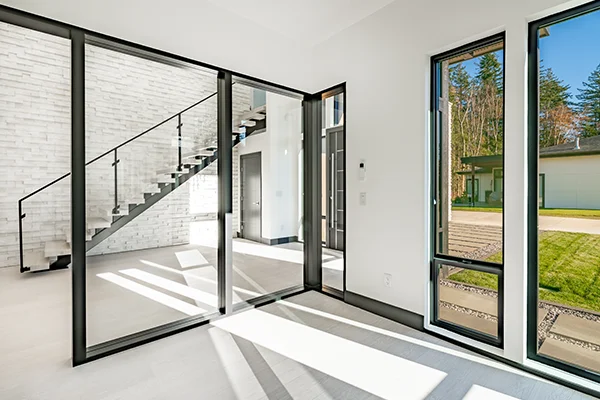
Standard sliding windows fail acoustic tests due to air leaks and glass vibration. Upgrading to multi-chamber frames, EPDM seals, and laminated glass delivers measurable STC improvements for commercial applications.
| Technique | Primary Material | Core Benefit | Target Market |
|---|---|---|---|
| Multi-Chamber Frames | Aluminum | Enhanced rigidity and noise disruption | Commercial & residential builds |
| Acoustic Sealing | EPDM Rubber | ~5 dB noise reduction | Retrofit and sliding systems |
| Specialized Glazing | Laminated Glass (PVB/EVA) | 50-95% noise reduction | Urban environments & airports |
Multi-Chamber Aluminum Frames
Standard sliding windows prioritize thermal performance over acoustic isolation. Sound waves easily penetrate single-chamber frames through continuous structural vibrations. Multi-chamber aluminum frames disrupt this exact pathway. Manufacturers design these profiles with multiple internal cavities that break up sound wave transmission and improve the overall rigidity of the window unit.
- Standard Configuration: 2 to 3 internal chambers for baseline performance.
- High-Performance Models: Up to 10+ chambers tailored for severe cold or high-noise zones.
- Primary Applications: Commercial architecture, storefront systems, and LEED-compliant construction.
While manufacturing complexity increases slightly compared to single-chamber designs, the resulting mass and decoupled internal structures deliver measurable drops in noise transmission. Buyers sourcing for modernization projects actively seek these multi-chamber profiles to meet stricter urban noise codes.
EPDM Seals for Better Soundproofing
Air leaks around tracks and sashes ruin the acoustic performance of any sliding window. Sound travels through the exact same micro-gaps as air. Rollers and tracks inevitably accumulate grime over time, pushing sashes out of alignment and destroying the factory seal. EPDM rubber weatherstripping provides a durable, self-adhesive fix that actively compresses to fill these structural voids.
- D-Type Profiles: 9x6mm standard sizing engineered for primary frame gaps.
- T-Type Profiles: Edge trim specifically shaped for sliding window tracks.
- Acoustic Impact: Delivers approximately 5 dB of measurable noise reduction.
Installers must verify frame clearances before applying thicker profiles. Oversized EPDM strips can interfere with the sliding mechanism, causing the door or window to bind. When sized correctly, this low-cost material significantly reduces noise transmission and energy loss simultaneously.
Laminated Glass for Urban Soundproofing
Upgrading the frame and seals accomplishes nothing if the glass itself acts as a vibrating speaker. Standard double-pane windows often use identical glass thicknesses, allowing specific sound frequencies to pass straight through the unit. Laminated glass solves this structural flaw by sandwiching a specialized dampening core between the panes to absorb acoustic energy before it enters the room.
- Interlayer Materials: Polyvinyl butyral (PVB) or ethylene-vinyl acetate (EVA) dampening cores.
- Acoustic Performance: Achieves 50% to 95% noise reduction depending on the exact assembly.
- Target STC Ratings: Custom assemblies frequently push past STC 55 for commercial regulatory compliance.
Procurement teams specify this glass heavily for hotels, recording studios, and residential buildings positioned near airports or high-traffic corridors. The dual benefit of thermal efficiency and acoustic isolation justifies the higher manufacturing costs and extended lead times required for these specialized glazing units.
High-Performance Aluminum Windows for Global Projects

Comparing STC Ratings of Sliding vs. Casement Windows
Casement windows achieve higher STC ratings through airtight compression seals, while specialized glass and frame configurations significantly upgrade sliding window acoustics.
Compression Seals Versus Sliding Tracks
Operational design dictates a window’s airtightness and acoustic performance. Sound travels the exact same path as air. When you lock a casement window, it pulls the sash firmly against the frame. This creates a tight compression seal that actively blocks airborne noise from entering a building.
Sliding windows operate differently. They rely on overlapping sashes and brush seals to move smoothly along their tracks. This mechanical requirement naturally creates micro-gaps, allowing sound-carrying air to pass through the framing system. We see this difference clearly in baseline performance metrics:
- Single-pane units: STC 26 to 28
- Standard dual-pane units: STC 26 to 32
Acoustic Configurations in F16 Casement and TS5 Sliding Systems
Contractors must hit exact STC ratings to meet local noise level requirements. You achieve this by pairing the right structural framing with customized glass specifications. Specific product series allow installers to bridge the acoustic gap between window types.
- Casement Series (F16, Q35, X11): These units maximize airtightness for projects demanding strict sound insulation alongside high energy efficiency.
- Sliding Series (120, TS5, TS6): These systems utilize tailored thermal break profiles and custom sealing structures to boost acoustic performance in applications where space constraints require a sliding mechanism.
- Custom Glazing: Adjusting glass specifications allows project contractors to target exact STC ratings regardless of the base frame style.
Engineering Tips for Airport-Adjacent Residential Projects

Airport-adjacent projects require interior noise levels of 45 dB DNL. Engineering teams achieve this using specialized structural materials, upgraded HVAC systems, and precisely installed acoustic windows.
Acoustic Requirements for Airport-Proximity Homes
Meeting residential compatibility guidelines near airports means hitting specific decibel targets. The FAA sets the standard interior noise level for these projects at 45 dB DNL or lower. To achieve this, engineers rethink the entire building envelope rather than relying on standard residential construction methods.
Crews must upgrade several structural elements to block low-frequency aircraft rumble effectively. Standard building practices leave too many acoustic vulnerabilities.
- Dense wall assemblies: Adding mass to exterior walls disrupts sound wave transmission.
- Solid core doors: Replacing standard exterior doors with heavy, acoustically rated alternatives prevents sound leaks.
- Ceiling modifications: Upgrading roof and ceiling insulation creates a comprehensive barrier against overhead flight noise.
- Centralized HVAC systems: Installing ducted climate control eliminates the need for window AC units, which notoriously allow extreme noise penetration.
Window System Configurations and Installation Tolerances
Windows represent the weakest acoustic link in any building facade. Standard thermal double-glazing fails against high-decibel aircraft noise. You need specific acoustic window systems engineered to decouple vibrations and degrade sound waves.
- Specialized structural profiles: Multi-chambered frames require dedicated thermal and acoustic breaks.
- Multiple glass layers: Asymmetric glass configurations use varying pane thicknesses to prevent sympathetic vibration.
- Heavy-duty sealing structures: Deep acoustic gaskets and wide air gaps block sound transmission pathways.
Buying high-STC windows only covers half the job. Construction teams must enforce strict installation tolerances on site. Even a millimeter gap in the frame fitting degrades the entire noise barrier. Once the build finishes, acoustic specialists execute post-construction testing to verify the structural assembly actually blocks external noise and meets the 45 dB mandate.
Maintenance and Long-Term Performance of Soundproof Windows
Consistent upkeep like biannual cleaning and seal inspections prevents noise leakage and extends the acoustic lifespan of your sliding and casement windows.
Core Routine Cleaning and Inspection Practices
Acoustic windows require specific seasonal care to maintain their sound-blocking capabilities. Dirt and grime accumulation compromises the tight tolerances needed for optimal noise reduction.
- Biannual Cleaning: Wash glass and frames at least twice a year using a soft cloth and mild detergent. Abrasive cleaners damage specialized soundproofing coatings.
- Visual Inspections: Check frames and acoustic seals regularly. Look for visible wear, surface cracks, or micro-gaps that allow external noise to penetrate the barrier.
- Winter Preparation: Audit windows for drafts before cold weather arrives. Apply weatherproofing sealant to stop both heat loss and noise infiltration.
Catching small gaps early prevents minor wear from escalating into major sound leaks. Proactive inspections keep the structural integrity intact and ensure the airtight environment remains uncompromised.
Hardware Lubrication and Acoustic Seal Replacement
Moving parts and airtight seals bear the brunt of daily operation. Maintaining these mechanical components directly influences how well the window physically blocks sound waves.
- Hardware Maintenance: Apply a greaseless lubricant to hinges, tracks, and locking mechanisms twice a year. This keeps components moving smoothly and ensures the sash pulls tightly against the frame.
- Seal Replacement: Identify failing components immediately. Swap out flattened or cracked weatherstripping with fresh, tight-fitting silicone or rubber seals.
- Airtight Execution: Verify that all new replacement seals sit perfectly flush against the frame. Any misalignment creates flanking paths for noise.
You can handle basic seal replacement in-house by removing the old material, cleaning the track, and seating the new rubber firmly. Properly seated seals lock out airborne noise and secure the acoustic lifespan of the installation.
How to Choose the Best Soundproofing Solution for Your Project
Effective soundproofing requires analyzing your specific noise source and combining mass, damping, decoupling, and absorption across your building’s vulnerable points.
Evaluating Airborne and Structural Noise Types
You must first identify the exact type of noise attacking the structure. Airborne noise, like street traffic or voices, travels differently than low-frequency structural vibrations caused by machinery or heavy footsteps. Treating both requires entirely different material profiles and installation strategies.
Once you isolate the noise profile, match the treatment to the specific application area to ensure maximum acoustic efficiency:
- Floors: Install high-density rubber underlayment to absorb structural impacts and dissipate standing waves before they travel into the joists.
- Walls: Mount resilient sound channels to decouple the drywall from the studs, paired with damping compounds to convert physical vibration into trace amounts of heat.
- Vulnerabilities: Seal all existing gaps around utilities and window fenestrations using flexible acoustic caulk. Standard caulks harden and fail acoustically, while acoustic sealants stay pliable to block sound leaks permanently.
Matching Acoustic Materials with Custom Configurations
Achieving serious noise reduction means engineering the entire building envelope. You need to pair general room treatments with specialized window and door configurations to eliminate flanking paths where sound easily bypasses heavy walls.
To balance performance with project budgets, contractors rely on specific material combinations:
- Wall and Window Integration: Combine heavy barriers like mass-loaded vinyl (MLV) inside the wall cavities with custom-fitted soundproof window systems to ensure comprehensive coverage without weak links.
- Glass Specifications: Select asymmetric glass thicknesses and engineered sealing structures to disrupt sound waves based on the exact external noise levels of the project site.
- Budget Allocation: Optimize costs by packing wall cavities with affordable acoustic mineral wool insulation. Reinvest those savings into high-performance thermal break aluminum profiles and premium acoustic sealants.
Frequently Asked Questions
Do sliding windows effectively reduce noise?
Yes. Properly designed sliding windows cut external noise by 50 to 90 percent. Manufacturers achieve this using multiple panes, laminated acoustic glass, optimized air gaps, and high-density frames to block sound transmission. Top-tier soundproof sliding models consistently hit STC (Sound Transmission Class) ratings between 45 and 50.
How do I make existing sliding windows soundproof?
Start by sealing air leaks around the frame with acoustic caulk and weatherstripping. For moderate noise reduction, install soundproof curtains, mass-loaded vinyl, or magnetic window seal kits. If you want maximum results without a full tear-out, install custom acrylic sound barriers or upgrade the existing sash with acoustic glazing.
What is the best glass thickness for soundproofing?
The optimal setup pairs 6mm to 8mm laminated acoustic glass in an asymmetric configuration—like a 6mm pane facing a 4mm pane. This prevents the two glass layers from vibrating at the identical frequency. Disrupting this resonance improves noise reduction across a much wider range of pitches compared to standard symmetrical glass.
Are sliding windows as soundproof as casement windows?
Casement windows generally create a tighter seal because the locking hardware pulls the sash firmly against the frame. Sliding windows operate on tracks, naturally allowing slightly more air and sound infiltration. Despite this structural difference, acoustic sliding windows engineered with specialized compression seals and laminated glass still deliver STC ratings capable of handling severe urban noise.
Does the window frame material impact sound insulation?
Yes. Frame density and mass directly dictate acoustic performance. Heavy materials like wood and fiberglass naturally block sound waves. Aluminum frames conduct noise more readily, but engineers optimize them by integrating thermal breaks, damping compounds, and specialized acoustic seals to achieve premium sound insulation.
What are the best soundproof windows for apartments?
The most effective apartment solutions feature triple-pane construction built with laminated acoustic interlayers. This design forces sound waves through multiple barriers of glass and inert gas, absorbing low-frequency urban noise like street traffic. Pairing this specialized glass with multi-chambered uPVC or thermally broken aluminum frames maximizes the total sound-blocking capability.
Final Thoughts
While standard single-chamber sliding windows offer lower upfront costs, investing in multi-chamber aluminum profiles and asymmetrical laminated glass is the only way to safeguard your projects against failed municipal noise inspections. Cutting corners on acoustic sealing inevitably leads to costly tear-outs and tenant complaints in high-density urban developments. Specifying purpose-built acoustic systems protects your margins and ensures long-term regulatory compliance.
Do not leave your building’s acoustic performance to chance. We recommend requesting a physical section sample of our multi-chamber extrusion to verify the structural rigidity and EPDM seal quality firsthand. Contact our engineering team today to review your exact STC targets and discuss custom glazing configurations for your next commercial project.