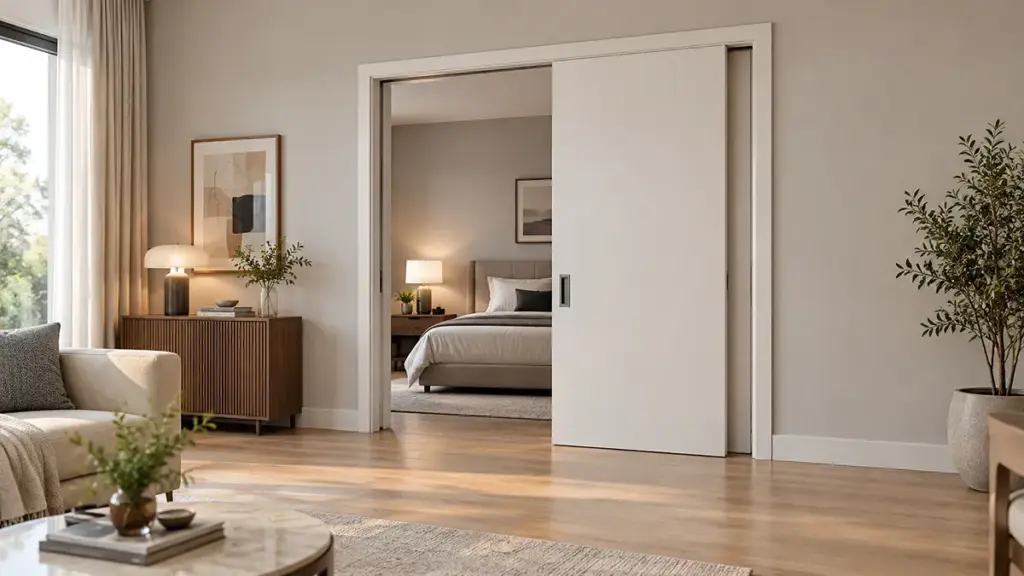
Choosing between aluminum and uPVC doors can be a tough decision, especially when you’re sourcing at scale. With both materials offering distinct advantages, understanding their differences is key. This guide covers the core features, pros, and cons of aluminum and uPVC doors,helping you decide which option best aligns with your business needs.
What Are Aluminum Doors?
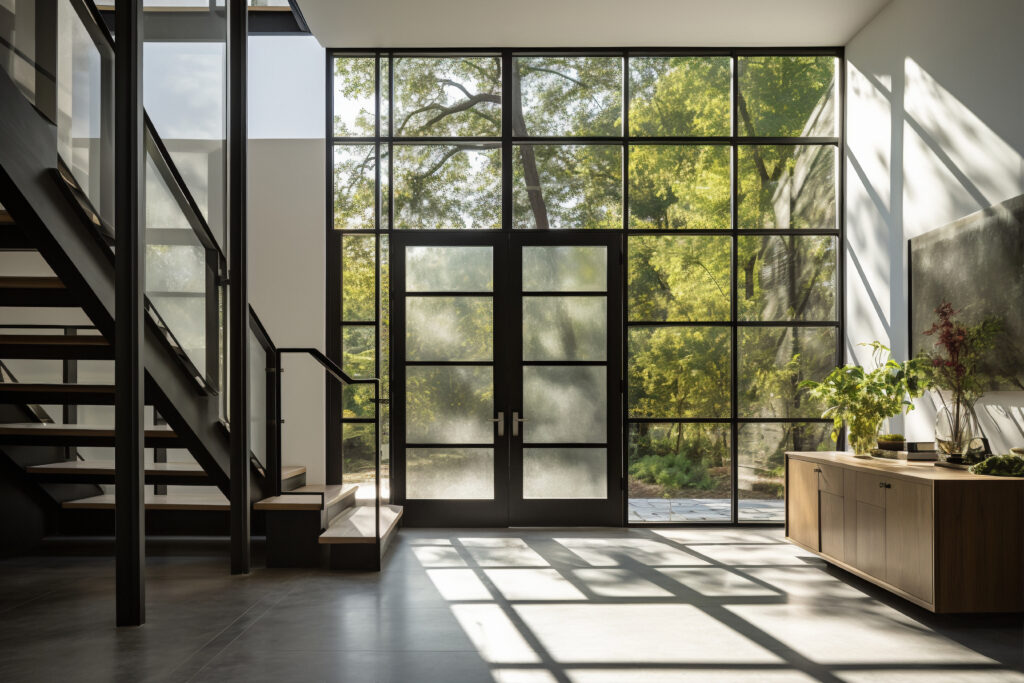
image source freepik
Aluminum doors are constructed from aluminum, as the designation implies. They are known for their strength and durability, offering a modern aesthetic that can seamlessly blend with different architectural styles.
With their lightweight yet robust structure, aluminum doors are often used in both residential and commercial settings.
Types of aluminum doors

With the perfect blend of timeless aesthetics and reliable functionality, Opuomen’s casement doors are ideal for residential and commercial spaces.
A top choice for premium custom door solutions and trusted suppliers.
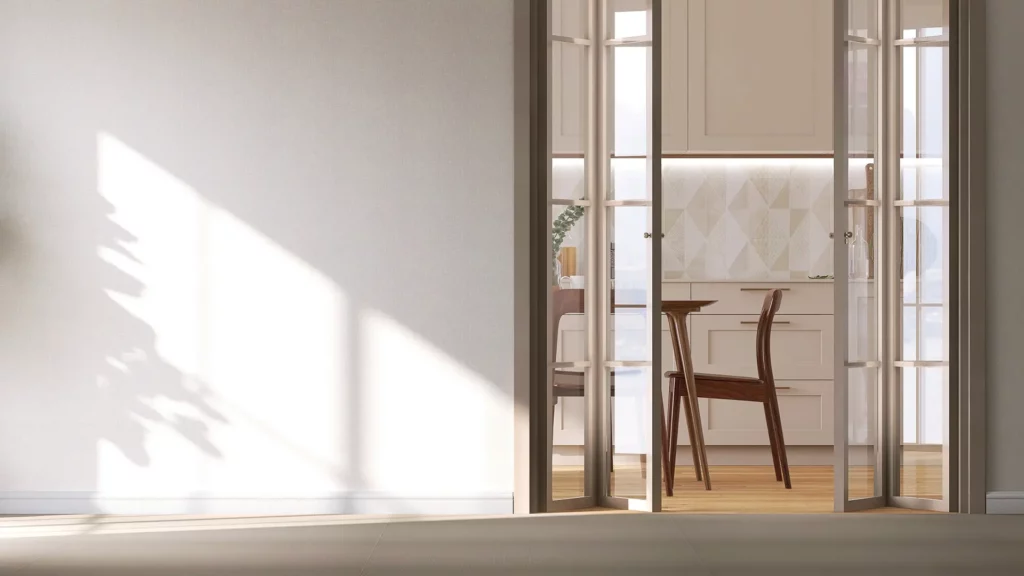
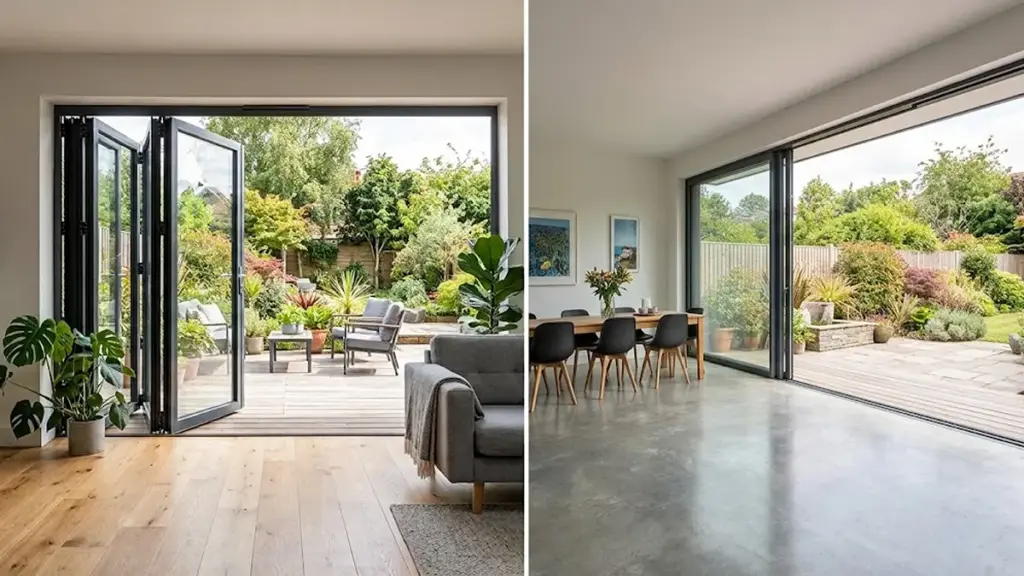
Opuomen’s custom bifold doors deliver the perfect blend of space optimization and elegant aesthetics. As leading manufacturers and top suppliers, we specialize in wholesale bifold doors.
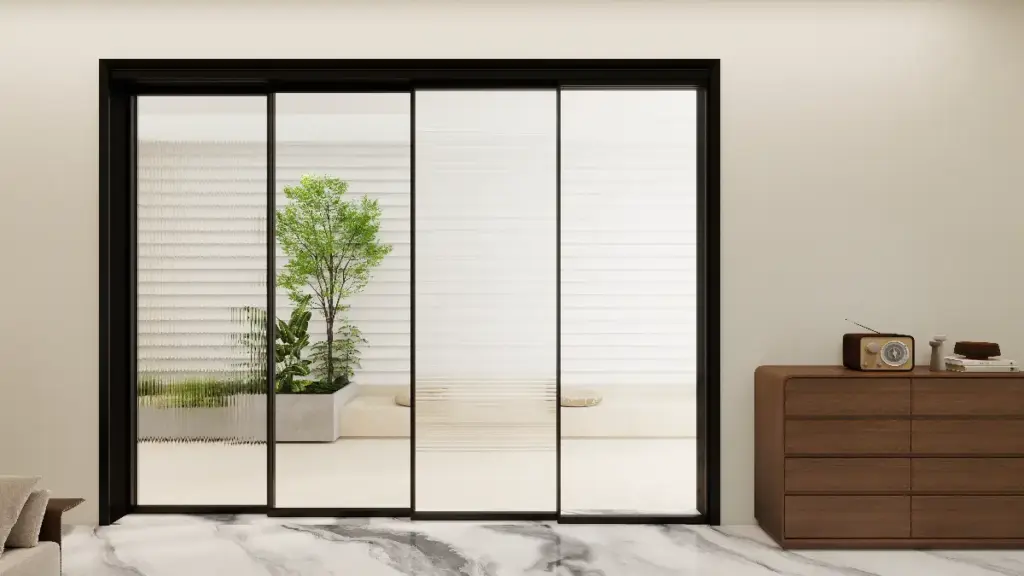
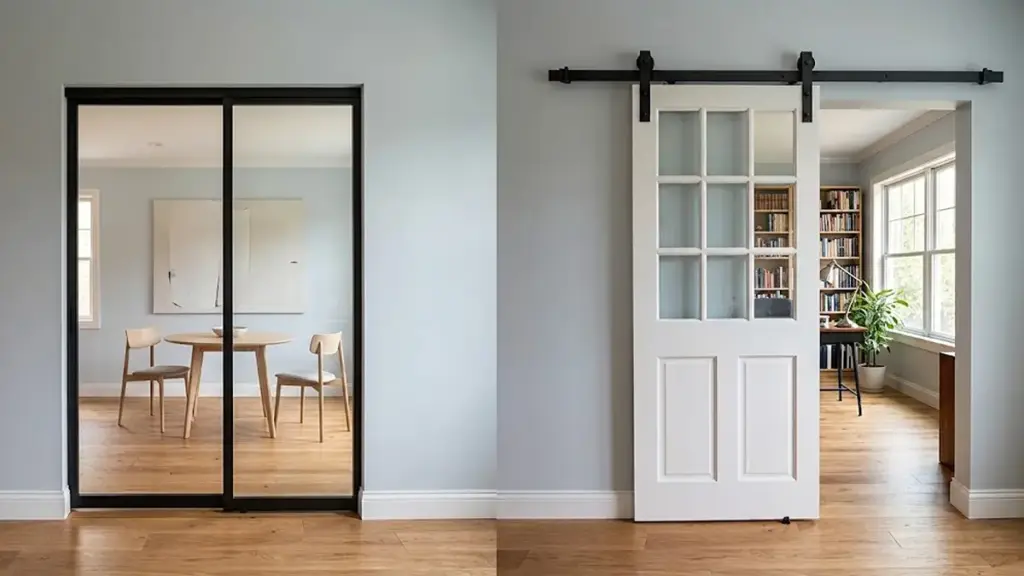
Delivering a perfect blend of space-saving functionality and modern aesthetics, Opuomen’s custom sliding doors provide sliding doors solutions for both residential and commercial spaces as leading manufacturers and suppliers.
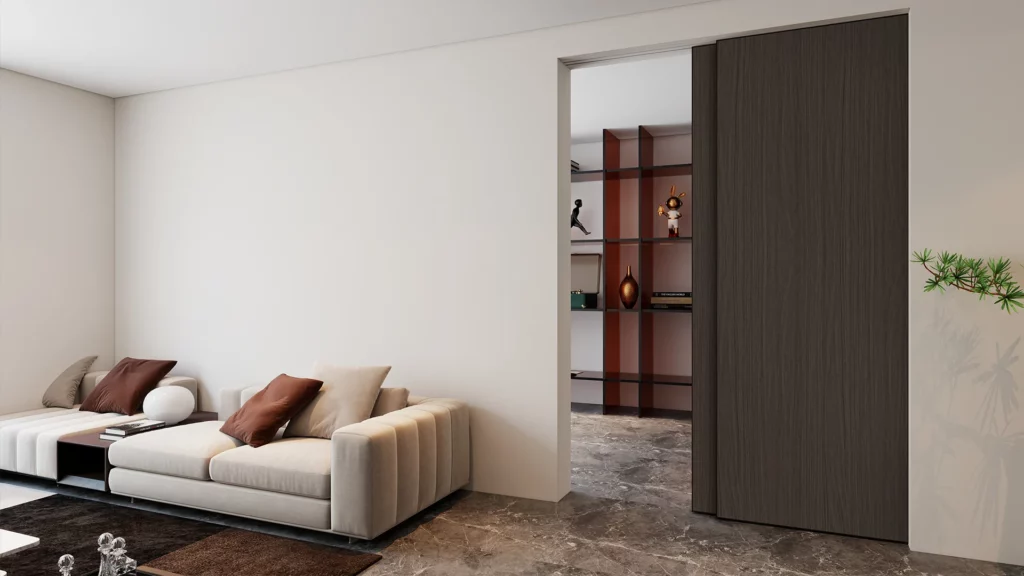
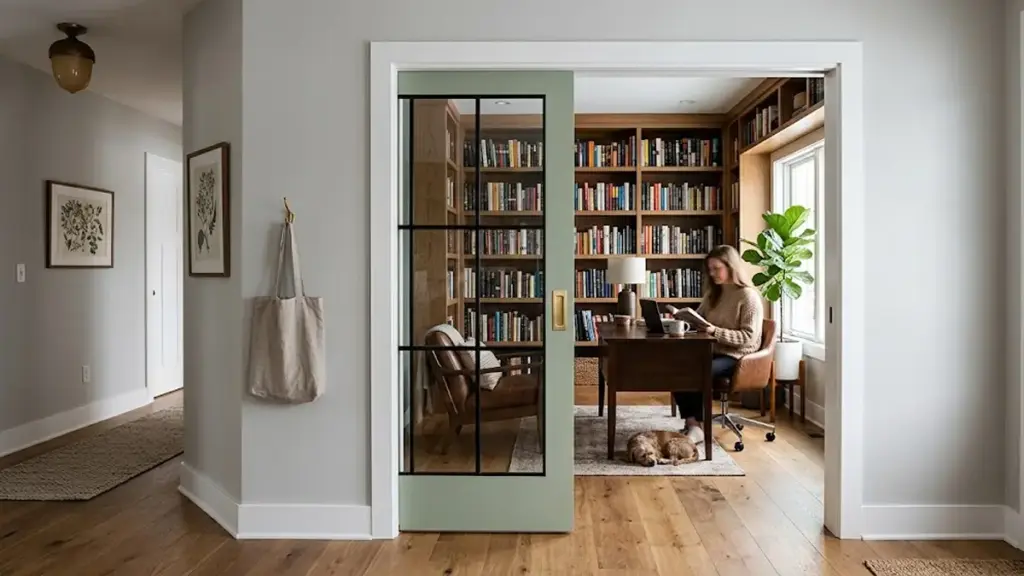
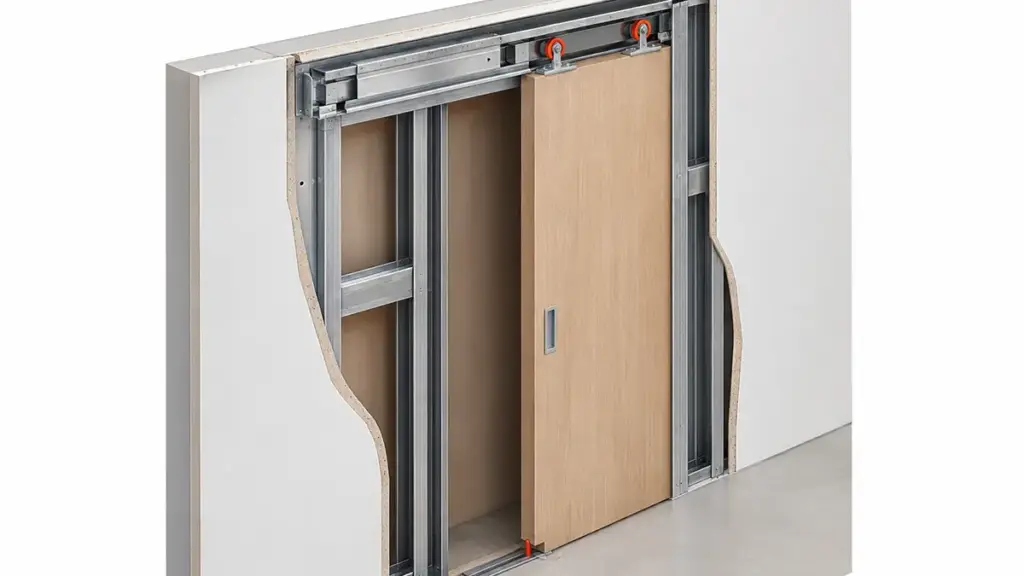
Combining practicality and modern aesthetics, Opuomen’s custom pocket doors deliver tailored solutions for both residential and commercial spaces as a top-tier manufacturer and supplier.
What Are uPVC Doors?
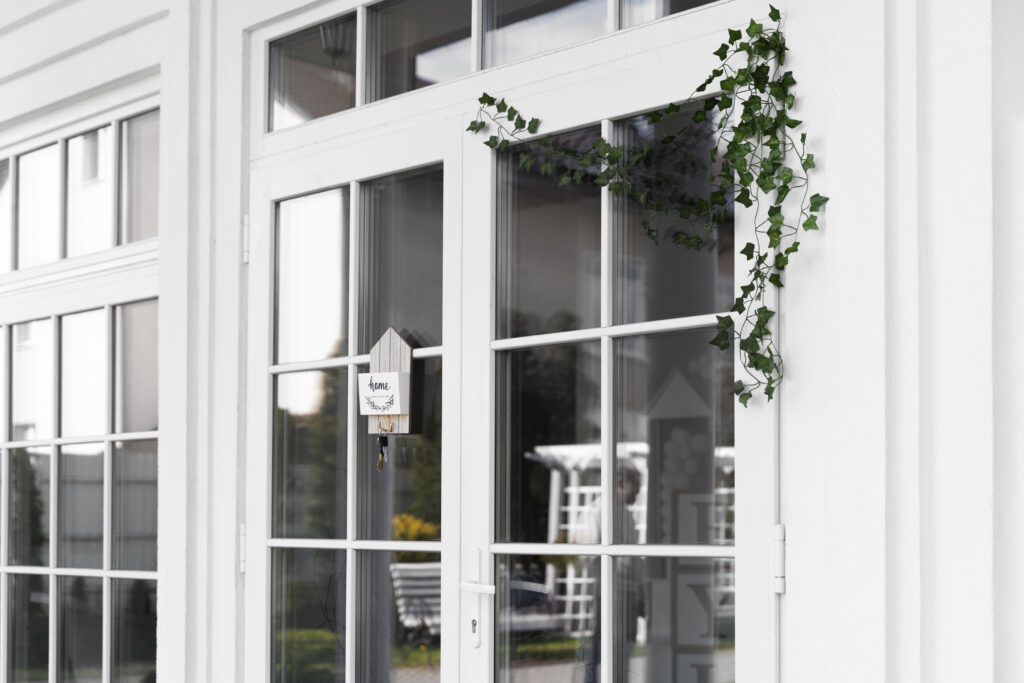
Image source freepik
uPVC, or unplasticized polyvinyl chloride, is a popular material for door frames. Unlike traditional PVC, uPVC is more rigid and doesn’t warp or expand, making it a reliable choice for exterior doors.
uPVC doors come in various styles and colors, typically featuring an insulated core that helps with energy efficiency.
Types of uPVC doors
uPVC doors are highly versatile and come in several popular configurations suitable for different home layouts and needs:
- Bifold Doors: Ideal for creating wide openings that fold neatly to one side, perfect for seamlessly connecting indoor and outdoor living spaces.
- Patio Doors: Classic hinged doors that swing open, offering a traditional look with excellent weather sealing.
- Sliding Doors: Space-saving design that glides horizontally, making them a great choice for rooms where swing space is limited.
Pros and Cons of Aluminum Doors
Advantages of Aluminum Doors
- Durability: Aluminum is naturally resistant to rust, corrosion, and weathering, giving it an exceptionally long lifespan even in harsh conditions.
- Aesthetic Appeal: With their slim, sleek profiles and modern finish, aluminum doors can instantly elevate a home’s contemporary look.
- Low Maintenance: They require minimal upkeep, occasional cleaning being all that’s needed.
- Security: High-strength construction combined with robust locking systems makes them a secure option for external doors.
Disadvantages of Aluminum Doors
- Price: Aluminum doors can be more expensive than their uPVC counterparts.
- Thermal Efficiency: Without thermal breaks, aluminum conducts heat and cold easily, which can reduce energy efficiency in extreme climates.
- Denting and Scratching – Aluminum is softer than some metals, making it more prone to dents and scratches over time, especially in high-traffic areas or harsh weather conditions.
- Condensation Risk – In cold climates, aluminum doors without proper insulation can attract condensation, potentially leading to moisture issues over time.environments.
Pros and Cons of uPVC Doors
Advantages of uPVC Doors
Affordability: Significantly more budget-friendly than aluminum, making them an attractive option for cost-conscious homeowners.
Energy Efficiency: Superior insulating properties help keep homes warmer in winter and cooler in summer, lowering energy bills.
Variety: Available in a wide selection of colors, wood-grain finishes, and styles to complement almost any architectural design.
Low Maintenance: Highly resistant to rot, peeling, and fading; they need very little upkeep beyond regular cleaning.
Disadvantages of uPVC Doors
- Durability: While they can resist weathering, they might not be as durable as aluminum in the long run.
- Appearance: Some people feel that uPVC can look less modern compared to aluminum.
- Thermal Expansion: uPVC can expand and contract with temperature changes, which may affect the door’s fit and sealing over time, especially in extreme climates.
- Thermal Expansion: uPVC can expand and contract with temperature changes, which may affect the door’s fit and sealing over time, especially in extreme climates.
- Limited Customization: Unlike wood or some other materials, uPVC doors often come in limited colors and finishes, making it harder to match specific aesthetic preferences.
Aluminum vs uPVC Doors
Pros and Cons Comparison
Aluminum Doors
Advantages
- Durability: Naturally resistant to rust and corrosion, ensuring long lifespan
- Aesthetic Appeal: Sleek and modern style enhances home appearance
- Low Maintenance: Requires only occasional cleaning
- Security: Strong material provides excellent security features
Disadvantages
- Price: More expensive than uPVC options
- Thermal Efficiency: Without thermal breaks, not as energy-efficient in extreme environments
- Denting/Scratching: Softer than some metals, prone to surface damage in high-traffic areas
- Condensation Risk: In cold climates, may develop moisture issues without proper insulation
uPVC Doors
Advantages
- Affordability: More budget-friendly option for homeowners
- Energy Efficiency: Excellent insulating properties reduce energy bills
- Variety: Available in wide range of colors and styles
- Low Maintenance: Requires very little upkeep
Disadvantages
- Durability: Not as long-lasting as aluminum in extreme conditions
- Appearance: Some find uPVC less modern looking than aluminum
- Thermal Expansion: Expands/contracts with temperature changes, affecting fit over time
- Customization: Limited colors and finishes compared to some materials
Applications of Aluminum Doors
Aluminum doors are highly versatile and widely used in both residential and commercial settings. They are a popular choice for modern homes, luxury apartments, office buildings, hotels, and retail spaces.
Their slim profiles and sleek design make them especially suitable for large glass openings, patio doors, and entrance systems where a contemporary aesthetic is desired. Thanks to excellent customization options, aluminum doors can be tailored to complement a wide range of architectural styles — from ultra-modern and minimalist to sophisticated contemporary designs.
Applications of uPVC Doors
uPVC doors are most commonly used in residential properties. They are a favorite among homeowners seeking a cost-effective yet reliable solution for front entrance doors, patio doors, garden doors, and conservatories.
Their strong thermal insulation, weather resistance, and solid security features make them particularly well-suited for family homes in various climates.
Is Aluminum Door Better Than uPVC Door?
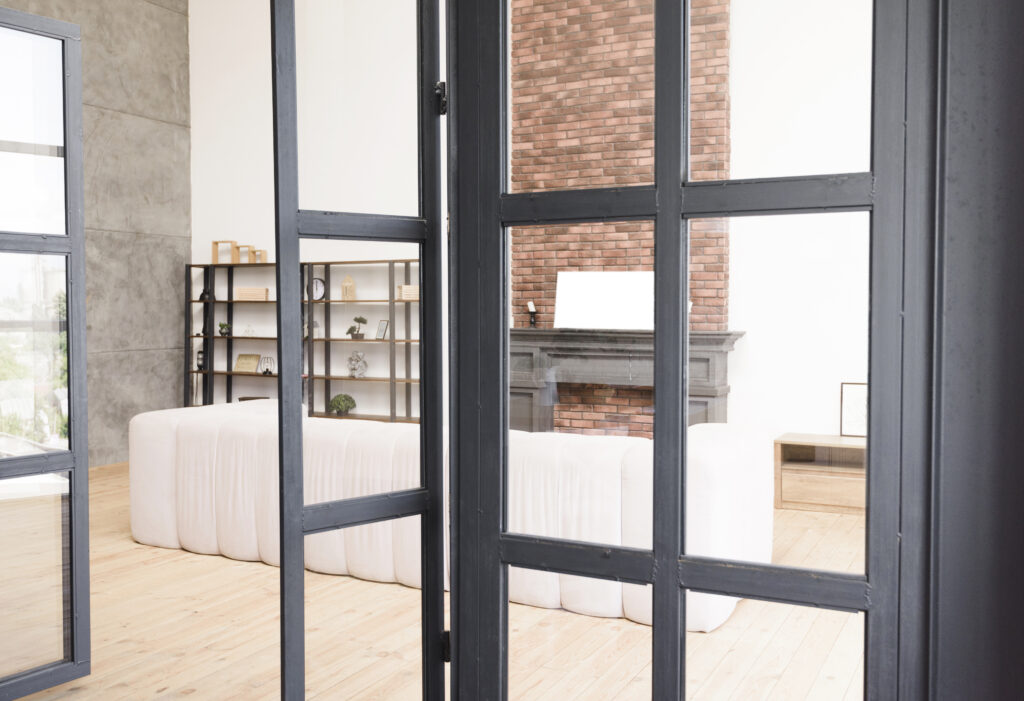
Image source freepik
Choosing between an aluminum door and a uPVC door ultimately depends on your specific requirements.
- Choose Aluminum Doors if you value sleek modern aesthetics, superior durability, and a premium look. They are ideal for high-end projects where style and long-term strength are key considerations.
- Choose uPVC Doors if you are looking for excellent energy efficiency, lower upfront costs, and low-maintenance performance. They offer outstanding value for most standard residential applications.
Wr suggest you carefully weigh the pros and cons of each material against your lifestyle, climate, budget, and design preferences. Many homeowners also consult with windows and doors suppliers to see samples before making a final decision.
Frequently asked questions
1. Is uPVC More Expensive Than Aluminium?
No, uPVC frames are generally more affordable than aluminium, making them a budget-friendly choice for homeowners and DIY renovators. While the initial cost is lower, uPVC also offers long-term energy savings due to its superior insulation properties, enhancing its overall cost-effectiveness.
2. What Is a Major Disadvantage of Using uPVC for Doors?
The biggest drawback of uPVC doors is their lower strength compared to composite or aluminium doors. They may not provide the same level of security or aesthetic appeal, making them less ideal for high-security needs or premium home designs.
3. What Is the Lifespan of an Aluminium Door?
Aluminium doors typically last around 50 years, and with high-quality materials and professional installation, their lifespan can extend even further. Their durability makes them a long-term investment for homeowners.
4. Is uPVC Stronger Than Aluminium?
No, uPVC windows rely on steel reinforcements for strength, which can make them bulkier and reduce natural light entry. Aluminium, on the other hand, is inherently stronger and can withstand higher wind pressures, making it a better choice for coastal areas and high-rise buildings.
Making the Right Choice between aluminum door and uPVC door
In summary, both aluminum and uPVC doors offer distinct advantages and drawbacks. By carefully considering factors such as your budget, style preferences, and the specific purpose of the doors, you can confidently make a choice that elevates both the functionality and beauty of your home. If you find yourself with any lingering questions or need personalized guidance, don’t hesitate to reach out to us. We’re more than happy to assist you on this journey!
Contact with us today
Opuomen is a global leader in aluminum doors, merging precision engineering with premium 6063-T5 aluminum alloys to craft durable, stylish, and energy-efficient solutions. Our doors combine strength, corrosion resistance, and contemporary aesthetics—available in minimalist, classic, or custom designs to suit any architectural vision.
For details on our custom aluminum doors, connect with us or explore our full range of sliding, folding, and hinged door systems.