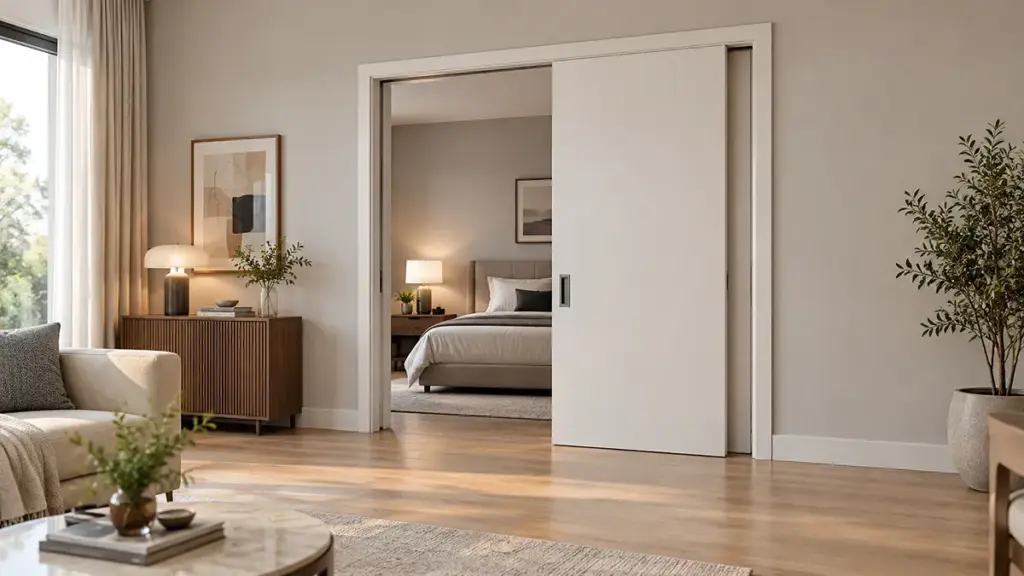
يمثل الاختيار بين الأبواب المنزلقة المصنوعة من الألومنيوم والفينيل قرارًا حاسمًا بشأن مصادر المواد. يؤدي عدم تطابق أنواع الأبواب مع مواصفات المشروع إلى تكاليف مستقبلية كبيرة وعدم رضا العملاء.
يقوم هذا التحليل بقياس كلا الخيارين من حيث القوة الهيكلية للمساحات الكبيرة والأداء الحراري مقابل ميزانية المشروع. نحن نقارن الألمنيوم 30-50 عمر سنة و 30-50% تكلفة أعلى للفينيل 20-30 عمر عام وانخفاض الاستثمار مقدما, توجيه الاختيار الأمثل للمواد.
الألومنيوم مقابل مواد الفينيل
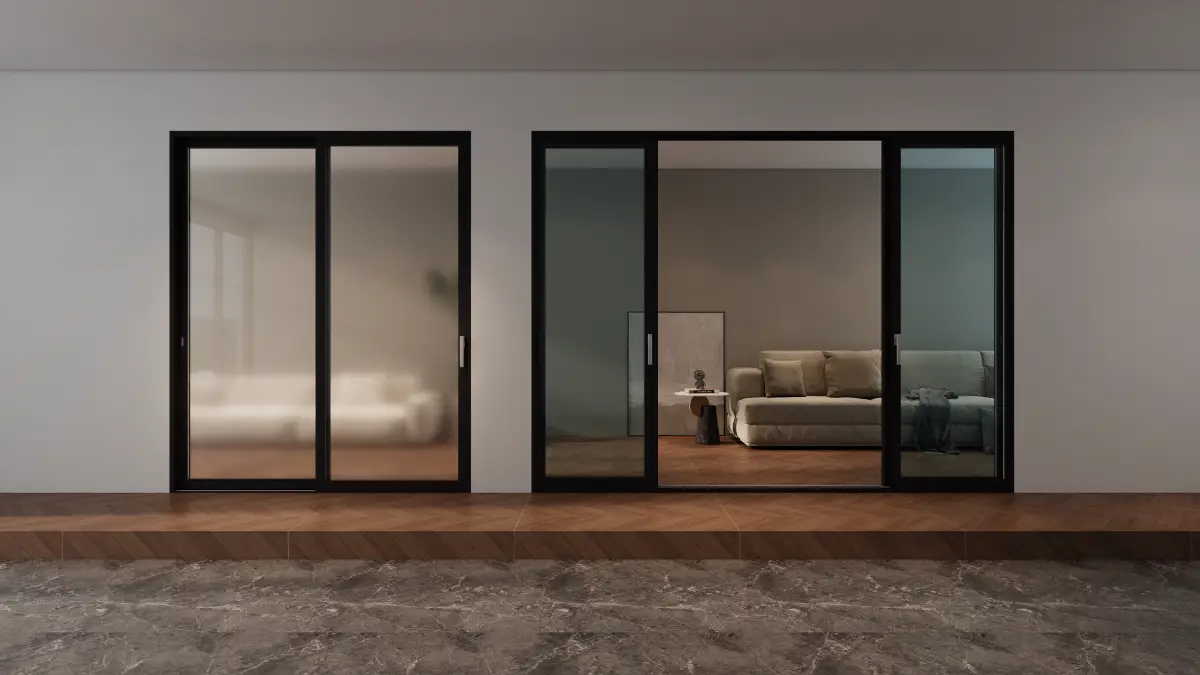
الألومنيوم يتفوق في القوة, تصميم, وطول العمر للفتحات الكبيرة. يقدم الفينيل بأسعار معقولة, خيار موفر للطاقة للأبواب السكنية القياسية.
الخصائص الأساسية ومقاييس الأداء
إطارات من الألومنيوم, مصنوعة من المعدن المبثوق, توفير قوة هيكلية عالية وصلابة. وهذا يجعلها مثالية للفتحات الزجاجية الكبيرة والتعامل مع أحمال الرياح العالية. الألومنيوم أيضًا غير قابل للاحتراق, لا تشوه, وهو 100% قابلة لإعادة التدوير.
إطارات الفينيل تستخدم PVC, بوليمر لدن بالحرارة. لديهم قوة هيكلية متأصلة أقل, تحتاج إلى تعزيز داخلي لفترات أكبر. يلين الفينيل في درجات الحرارة العالية ويصبح هشًا في الظروف شديدة البرودة. يمكن أن تتشوه هذه المادة عند التعرض للحرارة لفترة طويلة.
عادة ما تكون ألواح الأبواب المنزلقة المصنوعة من الألومنيوم موجودة 1 بوصة سميكة, يضم أرق, ملفات تعريف أكثر نحافة. أنها تدعم مناطق زجاجية أكبر, بما في ذلك الأنظمة الممتدة من الأرض إلى السقف والأنظمة المتعددة الألواح. ألواح الفينيل أكثر سمكًا, حول 1.5 بوصة, مع إطارات أكبر حجمًا ومسارات أوسع, أكثر ملاءمة للأبواب السكنية القياسية.
توفر قوة الإنتاج العالية للألمنيوم دعمًا أفضل للفتحات الكبيرة جدًا وأحمال الرياح العالية. إنه خيار شائع للأنظمة التجارية أو واسعة النطاق حيث تكون المتطلبات الهيكلية كبيرة. يوفر الفينيل قوة كافية للنموذجي أبواب منزلقة سكنية وأحجام الفتح المشتركة. غالبًا ما تتطلب الألواح كبيرة الحجم أو مناطق الرياح الشديدة مزيدًا من التعزيز أو قيودًا محددة على الشركة المصنعة.
تدوم منتجات الألومنيوم عمومًا أكثر من الفينيل بسبب قوة المادة واستقرارها الفائق. يقاومون الصدأ, يتساقط, والتقشير عند الانتهاء بشكل صحيح, إثبات منخفضة الصيانة وطويلة الأمد. يحتفظ الألومنيوم بشكله تحت الحرارة ويتعامل مع المناخات القاسية بشكل جيد.
مرونة التصميم, يكلف, وأفضل حالات الاستخدام
يوفر الألومنيوم المزيد من المرونة في التصميم والتخصيص. يتضمن ذلك ملفات تعريف رفيعة, أنظمة التراص متعددة الألواح, وجدران زجاجية ممتدة من الأرض حتى السقف. يحدد المصممون الألومنيوم للحداثة, جمالية متميزة في العمارة المعاصرة, السماح بمساحات أكبر مع الحد الأدنى من عرض الإطار.
عادةً ما يقدم الفينيل مظهرًا قياسيًا للأبواب السكنية بملامح أكثر سمكًا وتنوعات أسلوبية محدودة. خيارات الألوان مقيدة بشكل أكبر, عادة إلى اللون الأبيض أو البرتقالي الفاتح, لأن الفينيل الداكن يمكن أن يلين أو يتدلى بسبب الحرارة. إنها أقل مرونة بالنسبة للتكوينات المعقدة متعددة اللوحات أو التكوينات المفتوحة الكبيرة جدًا.
تعتبر أبواب الفينيل المنزلقة عمومًا الخيار الأكثر بأسعار معقولة. إنها تمثل حلاً فعالاً من حيث التكلفة مع أداء جيد للطاقة وأقل قدر من الصيانة, خاصة بالنسبة للأبواب السكنية القياسية بميزانية محدودة. تحمل الأبواب المنزلقة المصنوعة من الألومنيوم تكلفة أولية أعلى من تكلفة الفينيل, وضعهم في فئة السعر متوسطة المدى.
مقارنة القوة والمتانة
يوفر الألومنيوم سلامة هيكلية فائقة لفترات كبيرة. يوفر الفينيل متانة موثوقة للاستخدام السكني القياسي ومقاومة قوية للرطوبة.
القوة المادية والمقاومة البيئية
توفر إطارات الألومنيوم بطبيعتها قوة هيكلية عالية وصلابة. وهذا يسمح بفتحات زجاجية أكبر وتعامل أفضل مع أحمال الرياح. إنه معدن, لذلك لا تتشوه أو تتشقق في ظل الظروف السكنية العادية. يحافظ الألومنيوم أيضًا على شكله في الحرارة ويقاوم الصدأ عند الانتهاء منه بشكل صحيح. وهذا يجعلها مناسبة للتطبيقات الهيكلية الصعبة.
فينيل, مصنوعة من PVC, لديه قوة هيكلية متأصلة أقل. ويعتمد بشكل أكبر على التعزيز الداخلي لتحقيق الاستقرار لمسافات أكبر. الفينيل مقاوم للغاية للرطوبة ولا يتقشر, قشر, أو الصدأ. هذه فائدة حقيقية. لكن, يمكن أن يلين الفينيل ويتشوه في الحرارة العالية, من المحتمل أن تكون فتحات غير مناسبة. في درجات حرارة شديدة البرودة, يمكن أن تصبح هشة, زيادة خطر التشقق.
الأداء على المدى الطويل وملاءمة التطبيق
أبواب انزلاقية من الألومنيوم عموما تدوم منتجات الفينيل. غالبًا ما يستمر نظام الألمنيوم عالي الجودة 30 ل 50 سنوات أو أكثر. إنه يصمد بشكل جيد في المناخات القاسية وتحت الاستخدام المتكرر. ويعني استقرارها الهيكلي ضغطًا أقل على الأختام والأجهزة بمرور الوقت. يعتبر الألومنيوم هو الخيار الأمثل للمشاريع التي لا يمكن فيها التفاوض على طول العمر والأداء القوي, مثل المباني التجارية أو الفتحات السكنية الكبيرة في المناطق شديدة الرياح.
أبواب الفينيل المنزلقة توفر مادة صلبة 20 ل 30 سنوات من الخدمة في البيئات السكنية النموذجية. إنها تؤدي أداءً جيدًا بالنسبة لأحجام أبواب الفناء القياسية حيثما تكون الميزانية, كفاءة الطاقة, والصيانة المنخفضة هي المفتاح. الفينيل متين في المناخات المعتدلة. لكن, درجات الحرارة القصوى, الحرارة العالية لفترة طويلة أو البرد الشديد, يمكن أن يقلل من عمره العملي مقارنة بالألمنيوم. هذا بسبب التخفيف المحتمل, التقصف, وفشل الختم اللاحق.
احصل على قيمة متفوقة في أبواب الألومنيوم والخشب
اختلافات المظهر وحجم الإطار
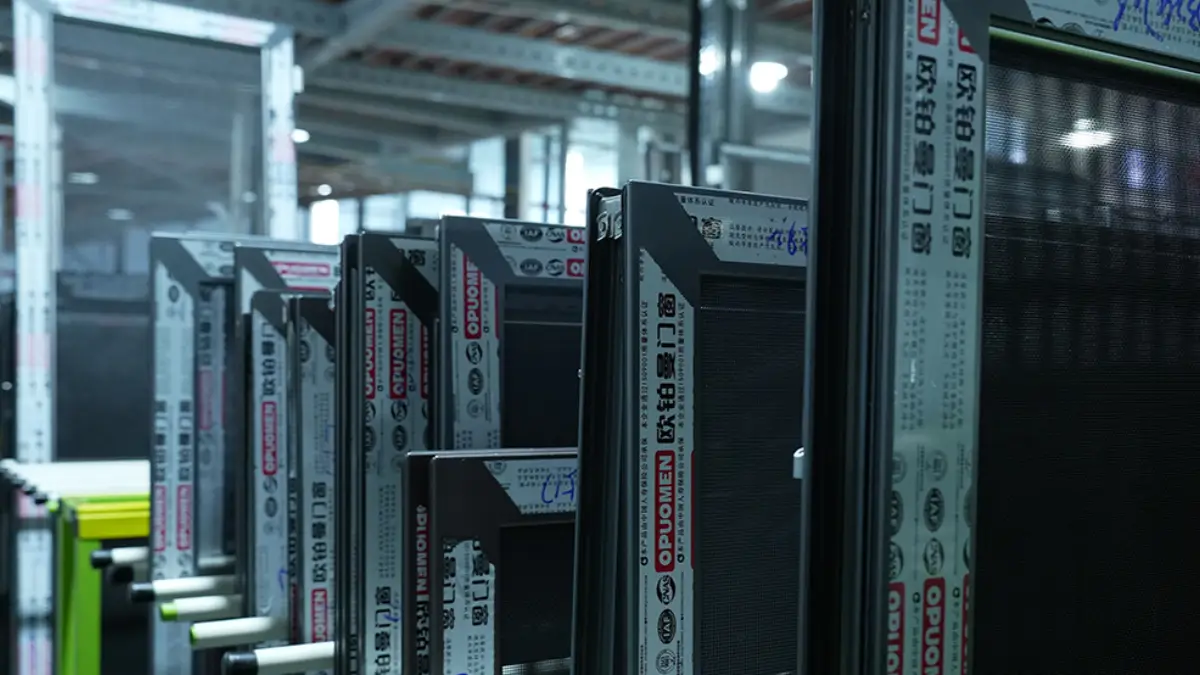
أبواب الألمنيوم توفر مظهرًا أنيقًا, جماليات حديثة مع إطارات رفيعة تزيد من الزجاج. أبواب الفينيل تمثل حجمًا أكبر, مظهر أكثر تقليدية مع إطارات أكثر سمكًا, نموذجي للافتتاحات السكنية القياسية.
الجاذبية الجمالية وخصائص التصميم
توفر الأبواب المنزلقة المصنوعة من الألومنيوم مظهرًا معاصرًا, جمالية متميزة. تتميز بخطوط نظيفة وحواف حادة. يفضل المصممون الألومنيوم لمرونته وخيارات التخصيص, والتي تسمح الحديثة, أنماط بسيطة وألواح زجاجية كبيرة. يرى الكثيرون أن هذه الأبواب راقية, بفضل التشطيبات المعدنية, خطوط الرؤية الضيقة, والعناصر المعمارية التفصيلية.
تأتي إطارات الألومنيوم عادة بطبقة مسحوقية متينة أو تشطيبات مؤكسدة. هذه التشطيبات ثابتة اللون وتوفر مجموعة واسعة من الألوان, بما في ذلك الظلام, نغمات مشبعة مثل الأسود, برونزية, والفحم. يتعامل الألومنيوم مع هذه التشطيبات دون مشاكل تليين الحرارة التي تؤثر على الفينيل. تتيح عملية بثق الألومنيوم الحصول على حواف واضحة, تفاصيل دقيقة, والأشكال الشخصية المعقدة. وهذا يعزز المعاصرة, نظرة معمارية, مع ميزات مثل خطوط الظل الضيقة والمخففات الحادة.
غالبًا ما تتمتع أبواب الفينيل المنزلقة بمعايير أكثر, نظرة السكنية. تبدو ملفاتهم الشخصية أكثر نعومة وأكثر سمكًا. عادة ما يربطها الناس بأبواب الفناء التقليدية وبناء المنازل النموذجية. السطح أملس وموحد بشكل عام. يأتي مظهرها الأكبر حجمًا من الحاجة إلى المزيد من المواد في الإطار لتحقيق القوة الهيكلية.
أبعاد الإطار وتأثير الرؤية
الألومنيوم مادة هيكلية أقوى بكثير, غالباً 4 ل 11 أقوى مرات من الفينيل في تطبيقات الأبواب. تتيح لنا هذه القوة استخدام ملفات تعريف إطار أضيق وقوائم أقل حجماً. يمكننا دعم كبير, ألواح زجاجية ثقيلة, بما في ذلك أنظمة متعددة اللوحات. يعد هذا أمرًا أساسيًا لإنشاء جدران نوافذ منزلقة ممتدة من الأرض حتى السقف وفتحات واسعة جدًا حيث تكون الإطارات الرفيعة والمساحات الزجاجية الكبيرة ضرورية. يتم قياس ألواح الأبواب المصنوعة من الألومنيوم النموذجية حولها 1 بوصة سميكة.
لأن إطارات الألومنيوم أرق, أنها تخلق مناطق زجاجية أعلى وضوحًا. وهذا يعني المزيد من ضوء النهار في الداخل ومناظر أكثر اتساعًا, مهم بشكل خاص للعقارات ذات الإطلالات الخلابة. يحافظ الألومنيوم على جوانب ضيقة حتى مع زيادة حجم اللوحة, تقدم مفتوحة, نظرة المهيمنة الزجاج.
أداء الطاقة والطقس
تقدم كل مادة أداءً متميزًا للعزل, متانة, واستجابة الطقس.
خصائص الأداء المقارنة
يوفر الفينيل عمومًا عزلًا متأصلًا أفضل لأن PVC موصل سيئ للحرارة, تقليل انتقال الحرارة من خلال الإطار. للأجواء الباردة, يُظهر الفينيل عادةً قيم عامل U أقل (0.25-0.35) مقارنة بالألمنيوم القياسي (0.50-0.70). يعمل الألمنيوم العازل للحرارة على تحسين كفاءة الطاقة, تضييق الفجوة مع الفينيل, ولكن عادةً بتكلفة أعلى من الألومنيوم القياسي. تعمل وحدات الألومنيوم المزودة بمقاومة الطقس المزدوج وقضبان الاجتماعات المتشابكة على تعزيز الكفاءة من خلال الحد من تسرب الهواء.
يعمل الألومنيوم جيدًا في حالات التعرض القاسية نظرًا لقوته ومتانته. يستخدمه المصنعون لفترات أكبر أو للصلابة الهيكلية. الانتهاء بشكل صحيح من الألومنيوم, بما في ذلك العلاجات بأكسيد, يقاوم التآكل. الفينيل مقاوم للرطوبة ولن يصدأ, تقشر, أو قشر, مما يساعد في الظروف الرطبة أو الرطبة. لكن, يمكن أن ينخفض أداء الفينيل في درجات الحرارة القصوى. قد يلين في الحرارة أو يصبح هشًا في الظروف شديدة البرودة. قد يتشوه الفينيل فوق 140 درجة فهرنهايت, عامل مهم للتعرضات المظلمة أو المناخات الحارة جدًا.
يقلل الفينيل عمومًا من تيارات الهواء بشكل أكثر فعالية نظرًا لانخفاض الموصلية الحرارية وشكل العزل الأكثر إحكامًا. تعمل أبواب الألمنيوم المنزلقة بشكل جيد مع الفواصل الحرارية, أختام الجودة, وتجريد الطقس متعدد النقاط. إطارات الألومنيوم الأساسية توصل المزيد من الحرارة. الألومنيوم أكثر مقاومة للتأثيرات الجسدية وانحراف الإطار, المساعدة في الحفاظ على سلامة الختم وتشغيله مع مرور الوقت. الفينيل متين للاستخدام السكني العادي, لكن التمدد والانكماش المرتبطين بدرجة الحرارة قد يؤثران على الملاءمة والختم على المدى الطويل.
كلتا المادتين’ يعتمد الأداء على جودة الزجاج, الأختام, والتركيب. التثبيت السيئ يضر بالنتائج. عادة ما يكون لأبواب الفناء المصنوعة من الفينيل شكل أكثر سمكًا, بما يتوافق مع ميزة العزل الخاصة بهم. غالبًا ما تُفضل أبواب الألمنيوم للمقاطع الأقل حجماً والمساحات الزجاجية الأكبر حجمًا, حتى مع عزل الإطار السفلي.
المناخ الخاص بك, الاحتياجات الهيكلية, وأولويات التصميم توجه الاختيار بين أبواب الألومنيوم والفينيل.
التوصيات والاختيارات الخاصة بالمناخ
غالبًا ما يُفضل الفينيل في المناخات الباردة والمشاريع السكنية ذات الميزانية المحدودة نظرًا لأدائه الحراري القوي وتكلفته المنخفضة. الدعاوى الألومنيوم الساخنة, رطب, الساحلية, أو بيئات الرياح العاتية حيث المتانة, خطوط الرؤية ضئيلة, والفتحات الكبيرة هي الأولويات. للمناخات المختلطة, يوفر الألومنيوم العازل للحرارة حلاً متوازنًا عندما تفوق متطلبات التصميم أو الامتداد أداء الطاقة للألمنيوم القياسي.
يوفر الفينيل أفضل كفاءة حرارية بين الخيارات. يوفر الألومنيوم أفضل متانة هيكلية وطقسية. يوفر الألومنيوم العازل للحرارة توازنًا جيدًا بين كفاءة الطاقة والقوة الهيكلية. الفينيل هو الأنسب لتوفير الطاقة السكنية القياسية. الألومنيوم هو الأنسب للمساحات الكبيرة أو الحديثة, تصميمات رفيعة المستوى.
اختر أبواب الفينيل المنزلقة لأولويات مثل تقليل فقدان الحرارة, انخفاض المسودات, وتكلفة أولية أقل. يختار أبواب انزلاقية من الألومنيوم للقوة الهيكلية, فتحات أكبر, إطارات ضيقة, أو صلابة الطقس على المدى الطويل. عند اختيار أي من المواد, تحقق من عامل U لأداء العزل وتقييمات تسرب الهواء للتحكم في المسودة. لإطارات الألومنيوم, تأكيد وجود فواصل حرارية. لجميع الأبواب, التحقق من جودة التجوية, تصميم عتبة, وبناء الختم.
أفضل سيناريوهات التطبيق لكل مادة
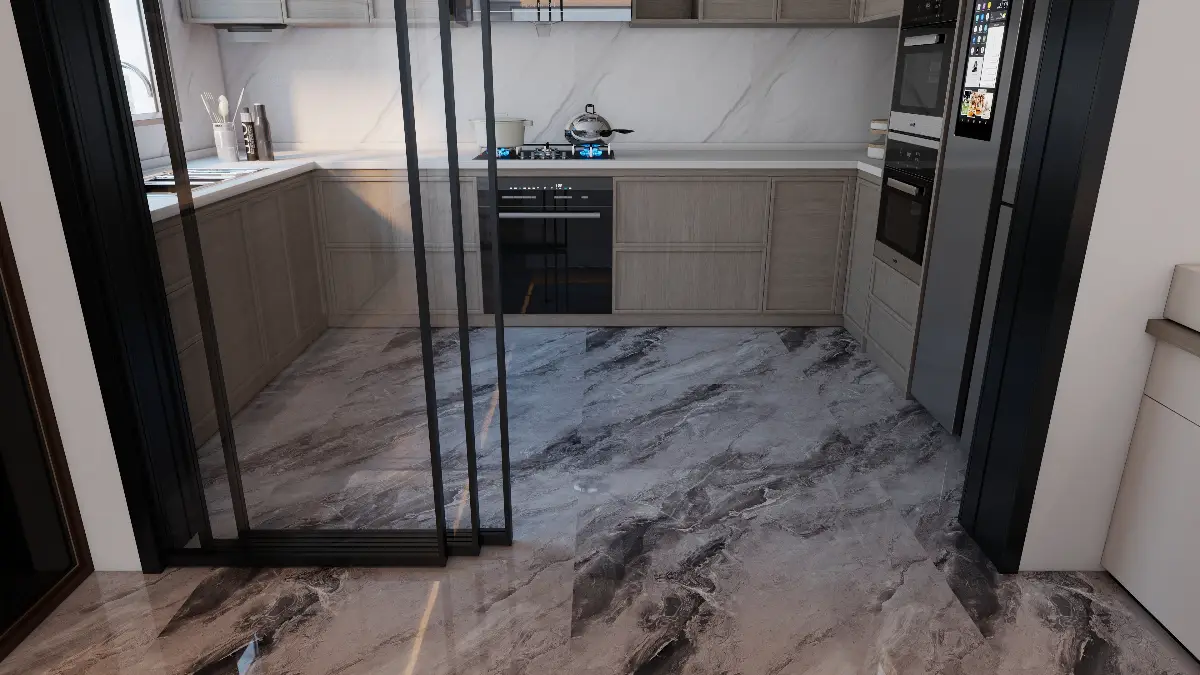
إن اختيار مادة الباب المنزلق المناسبة يعني مطابقة احتياجات المشروع مع نقاط القوة الكامنة في المواد. الألومنيوم يخدم بشكل أفضل في الطلب, السيناريوهات التي تركز على التصميم, بينما يتفوق الفينيل في التكلفة الفعالة, التطبيقات القياسية الموفرة للطاقة.
| سيناريو التطبيق | أبواب انزلاقية من الألومنيوم | أبواب الفينيل المنزلقة |
|---|---|---|
| حجم الافتتاح & جماليات | فتحات كبيرة, مناظر بانورامية, أنظمة السكك الحديدية المتعددة, التصميم الحديث, إطارات ضئيلة, أقصى مساحة زجاجية. | أحجام سكنية قياسية, مظهر تقليدي نظيف, إطارات سمكا مقبولة. |
| أداء & متانة | أحمال الرياح العالية, المناخات الصعبة (الساحلية, شمس عالية), الاستخدام التجاري عالي الحركة, طول العمر الهيكلي. | مناخات معتدلة, المتانة الأساسية, مقاومة جيدة للرطوبة, الاستخدام السكني القياسي. |
| يكلف & كفاءة | تكلفة أولية أعلى, قيمة طويلة الأجل, أداء دورة الحياة, أولوية الاستدامة (100% قابلة لإعادة التدوير). | أقل تكلفة مقدما, كفاءة الطاقة الكامنة القوية, المشاريع التي تركز على الميزانية. |
| ميزات التخصص | خالية من العوائق, عملية بمحركات, تكوينات مخصصة, التكامل المعماري. | متطلبات صيانة منخفضة, حلول الخصوصية العملية (الستائر / الأفلام). |
سيناريوهات التطبيق لأبواب الألومنيوم المنزلقة
تتفوق الأبواب المنزلقة المصنوعة من الألومنيوم في المواقف التي تتطلب أداءً قويًا, جماليات راقية, ومرونة التصميم. إنهم يتعاملون جيدًا مع الألواح الزجاجية الكبيرة وأنظمة القضبان المتعددة, تعظيم وجهات النظر والضوء الطبيعي. تحافظ مقاطع الألمنيوم على الدقة, خطوط نظيفة, دعم التصاميم المعاصرة والحد الأدنى. وهذا يجعلها مثالية للسكن الراقي, تجاري, والظروف البيئية الصعبة.
فتحات كبيرة, مناظر بانورامية, وأنظمة السكك الحديدية المتعددة
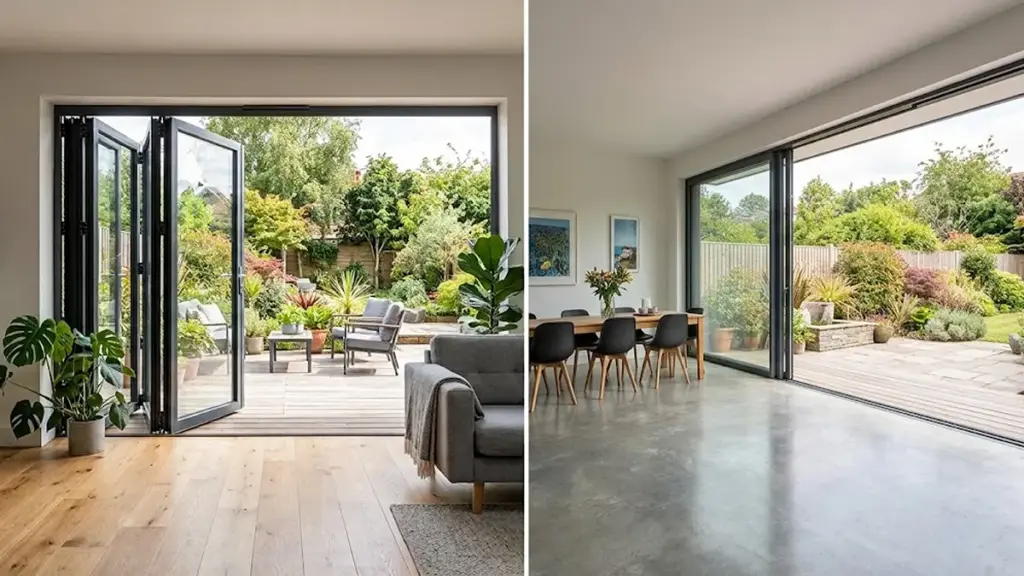
لغرف المعيشة, المدرجات, والشرفات التي تحتاج إلى مساحات واسعة والحد الأدنى من العوائق البصرية, الألومنيوم هو الخيار الأفضل. تسمح قوتها الهيكلية العالية بمقاطع رفيعة وألواح زجاجية كبيرة دون مرونة مفرطة. هذا النهج يخلق كبيرة, الأسطح الزجاجية المستمرة وتكوينات الفتح المرنة. نرى هذا في المساكن الراقية ذات الزجاج الممتد من الأرض حتى السقف, شقق فاخرة, ومساحات الضيافة التي تربط بين الداخل والخارج.
تصميمات داخلية وخارجية معاصرة ومبنية على التصميم
الألومنيوم يعمل بشكل جيد في الحديث, تصاميم الحد الأدنى. وهذا يشمل أبواب منزلقة من الألومنيوم الهياكل والزجاج المقسى المصنفر لأسلوب معاصر. غالبًا ما يحدد المهندسون المعماريون إطارات من الألومنيوم المطلي باللون الأسود أو الأبيض, مقترنة بزجاج غير لامع أو ألواح زخرفية. هذه الخطوط الدقيقة وخيارات التشطيب المتعددة, مثل الأسود, أبيض, ومعدني, تسهيل مجموعات متطورة. هذا شائع في الأقسام الداخلية الحديثة, مكاتب الشركات, وصالات العرض.
البيئات التجارية وحركة المرور العالية
يعمل الألومنيوم بشكل موثوق في البيئات التجارية مثل متاجر البيع بالتجزئة, مراكز التسوق, وردهات المكاتب. تتناسب قوتها الميكانيكية وصلابتها مع الفتح والإغلاق المتكرر. يمكننا دمج أنظمة الفتح الآلية والعتبات الخالية من العوائق, الحفاظ على محاذاة موثوقة. تسمح الملامح المعدنية أيضًا بتكامل أسهل للأجهزة المخصصة, أقفال, وأنظمة الوصول.
سيناريوهات التطبيق لأبواب الفينيل المنزلقة
توفر أبواب الفينيل المنزلقة تكلفة فعالة, حل موفر للطاقة, خاصة للاستخدام السكني القياسي. إنها توفر عزلًا حراريًا جيدًا وصيانة منخفضة, التي يقدرها أصحاب المنازل. يعمل الفينيل أيضًا بشكل جيد مع حلول الخصوصية والراحة العامة دون الحاجة إلى مرونة شديدة في التصميم.
السكن السكني فعال من حيث التكلفة
بالنسبة للمشاريع السكنية القياسية، يتم إعطاء الأولوية للتحكم في الميزانية والأداء الحراري الأساسي الجيد, الفينيل ممتاز. يوفر الفينيل تكاليف مناسبة للأبواب المنزلقة ذات الأبعاد القياسية مقارنة بالألمنيوم. يوفر العزل الحراري المناسب للمنازل النموذجية, تحسين الراحة وتوفير الطاقة. وهذا أمر شائع في منازل الأسرة الواحدة, منازل, ومشاريع التجديد التي تكون فيها الميزانية والترقيات الحرارية مهمة.
مشاريع تركز على كفاءة الطاقة بمساحات قياسية
المشاريع مدفوعة بالأداء الحراري, دون الحاجة إلى فتحات كبيرة جدًا أو إطارات رفيعة جدًا, الاستفادة من الفينيل. إطارات الفينيل تقلل بشكل طبيعي من التجسير الحراري. جنبا إلى جنب مع الزجاج المزدوج أو الثلاثي, تعمل أبواب الفينيل على تقليل فقدان الحرارة بشكل كبير وتحسين معدلات الطاقة. ونحن نرى هذا في التعديلات التحديثية السكنية التي تهدف إلى خفض تكاليف التدفئة والتبريد, خاصة في المناخات الباردة أو المعتدلة ذات امتدادات الأبواب المعتدلة.
منازل الضواحي والريف منخفضة الصيانة
الفينيل مناسب للمنازل المنفصلة أو المباني الصغيرة التي تحتاج إلى الحد الأدنى من الصيانة المستمرة. الفينيل لا يتطلب الطلاء ويقاوم التآكل. التنظيف البسيط يكفي; ليست هناك حاجة إلى إعادة التشطيب الدوري. وهذا يجعلها مثالية لأبواب الفناء في الحدائق والساحات الخلفية, أو مخارج ثانوية في المنازل النموذجية.
الأفكار النهائية
يمثل الألومنيوم الاختيار الحاسم للمشاريع التي تتطلب السلامة الهيكلية, الجماليات الحديثة, والمتانة على المدى الطويل, وخاصة بالنسبة للتطبيقات واسعة النطاق أو عالية الأداء. الإفراط في إعطاء الأولوية لأقل تكلفة مقدما, خاصة بالنسبة للبنيات الطموحة, غالبًا ما يقدم مخاطر مستقبلية ويعرض رؤية التصميم للخطر.
للتحقق من صحة هذه الأفكار لمشاريعك القادمة, التعامل مباشرة مع فريقنا. Opuo يمكن أن تساعدك على مواءمة المواد المناسبة بدقة مع متطلبات مشروعك الفريدة وأهدافك التجارية.
الأسئلة المتداولة
هل أبواب الألمنيوم المنزلقة أفضل من أبواب الفينيل المنزلقة؟?
ولا يوجد أي منهما أفضل على المستوى العالمي; الألومنيوم يتفوق على الفتحات الكبيرة, جماليات متميزة, والمتانة على المدى الطويل, في حين أن الفينيل متفوق في انخفاض التكلفة الأولية وكفاءة الطاقة في الأحجام السكنية القياسية.
وهو أكثر دواما, الألومنيوم أو الفينيل?
كلاهما متين, لكن الألومنيوم يوفر عمومًا عمرًا هيكليًا أكبر, خاصة بالنسبة للفتحات الكبيرة, بينما يوفر الفينيل مقاومة ممتازة للعوامل الجوية والحد الأدنى من الصيانة للأحجام السكنية النموذجية.
هل أبواب الألمنيوم المنزلقة تدوم لفترة أطول من الفينيل؟?
نعم, تدوم أبواب الألمنيوم المنزلقة بشكل عام لفترة أطول من الفينيل, في كثير من الأحيان بواسطة 10-20+ سنين (30-50+ سنوات للألمنيوم مقابل. 20-30+ سنوات للفينيل), بسبب قوة المواد متفوقة, استقرار الأبعاد, ومقاومة الأشعة فوق البنفسجية والتدهور المرتبط بدرجات الحرارة.
ما هي المواد الأفضل للفتحات الكبيرة؟?
تعتبر الأبواب المنزلقة المصنوعة من الألومنيوم أفضل بشكل عام للفتحات الكبيرة, بما في ذلك واسعة, طويل, أو تكوينات من الأرض إلى السقف, بسبب صلابتها الهيكلية الفائقة, خطوط الرؤية ضئيلة, والقدرة على التعامل مع الألواح الثقيلة والأداء طويل الأمد.
هل أبواب الألمنيوم المنزلقة أغلى من أبواب الفينيل؟?
نعم, عادةً ما تكون الأبواب المنزلقة المصنوعة من الألومنيوم أكثر تكلفة مقدمًا من الفينيل, خاصة بالنسبة للكبيرة, مخصص, أو أنظمة عالية الأداء. في حين أن الفينيل هو الخيار الأكثر بأسعار معقولة بشكل عام, يمكن أن يضيق فرق السعر أو يتداخل مع منتجات الفينيل عالية الجودة أو منتجات الألومنيوم المبتدئة.
وهو أسهل للمحافظة عليه, أبواب منزلقة من الألومنيوم أو الفينيل?
كلاهما منخفض الصيانة, لكن الفينيل بشكل عام أسهل يومًا بعد يوم, تتطلب في الغالب تنظيفًا عرضيًا دون الاهتمام بإعادة الطلاء أو التآكل. يتطلب الألومنيوم أيضًا القليل من الصيانة ولكنه يستفيد من عمليات فحص استباقية أكثر قليلاً للتشطيبات والأختام من أجل عمر أطول.