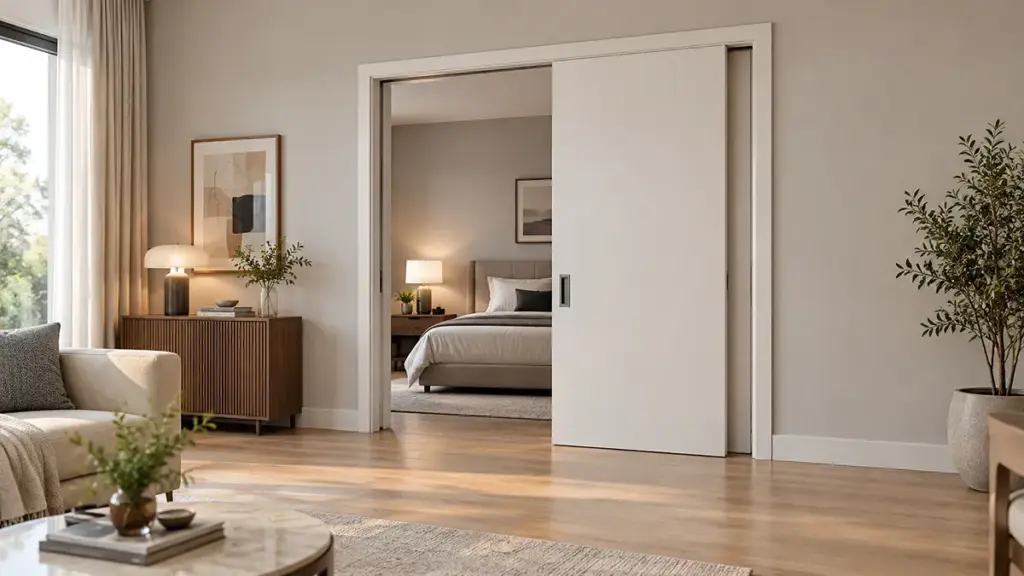
Elegir entre puertas corredizas de aluminio o de vinilo presenta una decisión crítica sobre el abastecimiento de materiales. No coincidir los tipos de puertas con las especificaciones del proyecto genera costos futuros sustanciales y la insatisfacción del cliente..
Este análisis compara ambas opciones en cuanto a resistencia estructural para grandes luces y rendimiento térmico con el presupuesto del proyecto.. Comparamos el aluminio 30-50 años de vida útil y 30-50% mayor costo para los vinilos 20-30 vida útil de un año y menor inversión inicial, guiar la selección óptima del material.
Materiales de aluminio versus vinilo
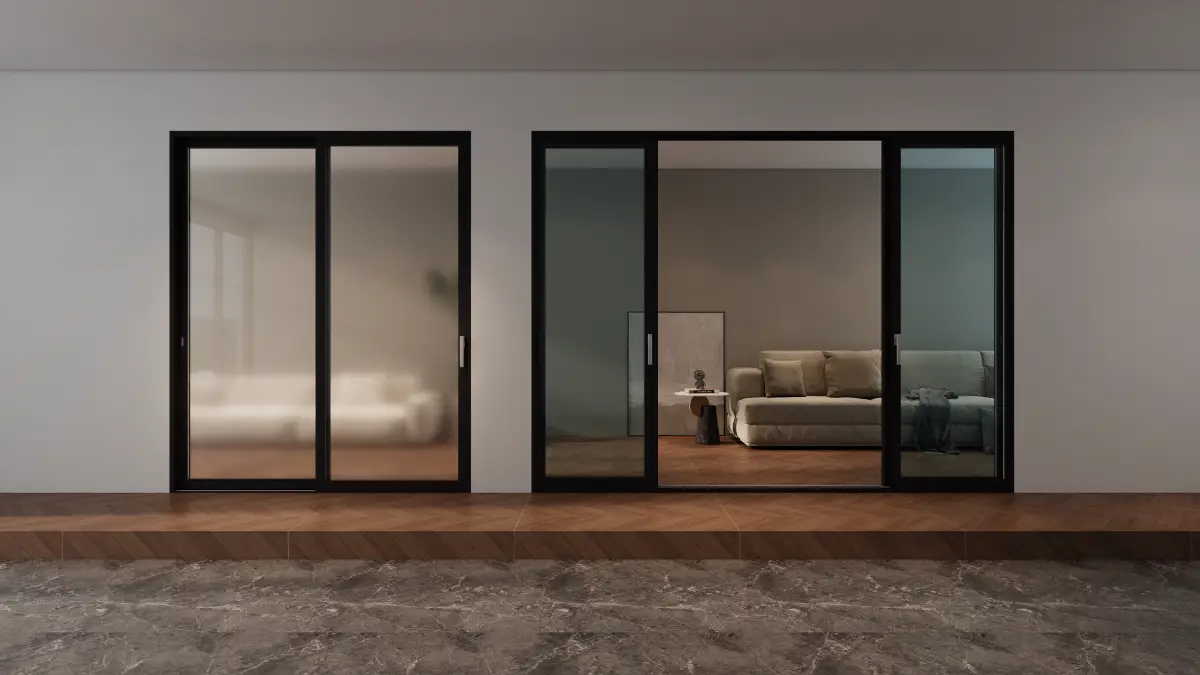
El aluminio destaca por su resistencia, diseño, y longevidad para grandes aberturas. El vinilo ofrece un precio asequible., opción energéticamente eficiente para puertas residenciales estándar.
Propiedades principales y métricas de rendimiento
Marcos de aluminio, hecho de metal extruido, Proporcionar alta resistencia estructural y rigidez.. Esto los hace ideales para grandes aberturas de vidrio y para soportar cargas de viento más altas.. El aluminio también es incombustible., no se deforma, y es 100% reciclable.
Los marcos de vinilo utilizan PVC., un polímero termoplástico. Tienen menor resistencia estructural inherente., Necesita refuerzo interno para luces más grandes.. El vinilo se ablanda con altas temperaturas y se vuelve quebradizo en condiciones de mucho frío.. Este material puede deformarse bajo exposición prolongada al calor..
Los paneles de puertas corredizas de aluminio suelen tener aproximadamente 1 pulgada de espesor, con más delgado, perfiles más delgados. Soportan áreas de vidrio más grandes, incluidos sistemas de piso a techo y de paneles múltiples. Los paneles de vinilo son más gruesos., alrededor 1.5 pulgadas, con marcos más voluminosos y orugas más anchas, más adecuado para puertas residenciales estándar.
El mayor límite elástico del aluminio proporciona un mejor soporte para aberturas muy grandes y cargas de viento elevadas.. Es una opción común para sistemas comerciales o de gran envergadura donde las demandas estructurales son significativas.. El vinilo ofrece la resistencia adecuada para las típicas puertas correderas residenciales y tamaños de apertura comunes. Los paneles de gran tamaño o las zonas de viento extremo a menudo requieren más refuerzo o limitaciones específicas del fabricante..
Los productos de aluminio generalmente duran más que el vinilo debido a la resistencia y estabilidad superiores del material.. Resisten el óxido, descamación, y pelar cuando esté correctamente terminado, demostrando un bajo mantenimiento y una larga duración. El aluminio mantiene su forma bajo calor y resiste bien los climas severos..
Flexibilidad de diseño, Costo, y mejores casos de uso
El aluminio ofrece más flexibilidad de diseño y personalización.. Esto incluye perfiles delgados., sistemas de apilamiento de paneles múltiples, y paredes de vidrio del piso al techo. Los diseñadores especifican el aluminio para un estilo moderno., Estética premium en la arquitectura contemporánea., permitiendo luces más grandes con un ancho de marco mínimo.
El vinilo generalmente presenta una apariencia de puerta residencial estándar con perfiles más gruesos y variaciones estilísticas limitadas.. Las opciones de color son más restringidas, generalmente a blanco o beige claro, ya que el vinilo oscuro puede ablandarse o hundirse con el calor. Es menos flexible para configuraciones complejas de múltiples paneles o de aperturas muy grandes..
Las puertas correderas de vinilo son generalmente la opción más económica.. Representan una solución rentable con buen rendimiento energético y mínimo mantenimiento., especialmente para puertas residenciales estándar con un presupuesto estricto. Las puertas corredizas de aluminio tienen un costo inicial más alto que las de vinilo., posicionándolos en un nivel de precios de rango medio.
Comparación de resistencia y durabilidad
El aluminio ofrece una integridad estructural superior para grandes luces. El vinilo proporciona una durabilidad confiable para uso residencial estándar y una fuerte resistencia a la humedad..
Resistencia del material y resistencia ambiental
Los marcos de aluminio ofrecen inherentemente alta resistencia estructural y rigidez.. Esto permite aberturas de vidrio más grandes y un mejor manejo de las cargas de viento.. es metalico, para que no se deforme ni se agriete en condiciones residenciales normales. El aluminio también mantiene su forma con el calor y resiste la oxidación cuando se termina correctamente.. Esto lo convierte en una opción para aplicaciones estructurales exigentes..
Vinilo, hecho de PVC, tiene menor resistencia estructural inherente. Se basa más en el refuerzo interno para lograr estabilidad en tramos más grandes.. El vinilo es muy resistente a la humedad y no se descascarilla, cáscara, o óxido. Ese es un beneficio real. Sin embargo, El vinilo puede ablandarse y deformarse a altas temperaturas., aberturas potencialmente inadaptadas. En temperaturas muy frías, puede volverse quebradizo, aumentando el riesgo de agrietamiento.
Rendimiento a largo plazo e idoneidad de la aplicación
puertas correderas de aluminio generalmente duran más que los productos de vinilo. Un sistema de aluminio de alta calidad suele durar 30 a 50 años o más. Se mantiene bien en climas severos y bajo uso frecuente.. Su estabilidad estructural significa menos tensión en los sellos y el hardware con el tiempo.. El aluminio es la opción para proyectos donde la longevidad y el rendimiento sólido no son negociables., como edificios comerciales o grandes aberturas residenciales en áreas de fuertes vientos.
Las puertas corredizas de vinilo ofrecen una sólida 20 a 30 años de servicio en entornos residenciales típicos. Funcionan bien para tamaños de puertas de patio estándar donde el presupuesto, eficiencia energética, y el bajo mantenimiento son clave. El vinilo es duradero en climas moderados.. Sin embargo, temperaturas extremas, calor intenso especialmente prolongado o frío extremo, puede reducir su vida útil en comparación con el aluminio. Esto se debe al potencial ablandamiento, fragilidad, y posteriores fallas en el sello.
Obtenga un valor superior en puertas de aluminio y madera
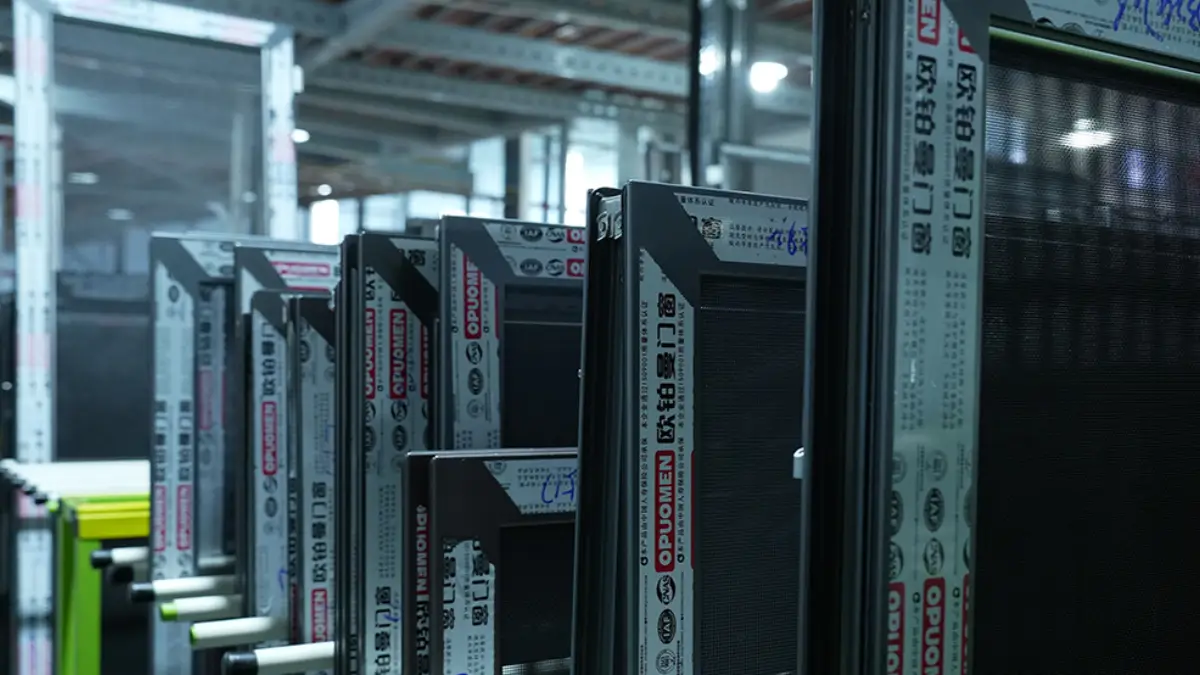
Diferencias de apariencia y tamaño de marco
Las puertas de aluminio ofrecen elegancia, Estética moderna con marcos delgados que maximizan el vidrio.. Las puertas de vinilo presentan un aspecto más voluminoso., Aspecto más convencional con marcos más gruesos., típico de aberturas residenciales estándar.
Atractivo estético y características de diseño.
Las puertas correderas de aluminio ofrecen un estilo contemporáneo., estética premium. Presentan líneas limpias y bordes afilados.. Los diseñadores prefieren el aluminio por su flexibilidad y opciones de personalización., que permiten la modernidad, estilos minimalistas y grandes paneles de vidrio. Muchos perciben estas puertas como de alta gama., gracias a los acabados metálicos, líneas de visión estrechas, y elementos arquitectónicos detallados.
Los marcos de aluminio generalmente vienen con acabados anodizados o con recubrimiento en polvo duraderos.. Estos acabados son de color estable y ofrecen una amplia gama de colores., incluyendo oscuro, tonos saturados como el negro, bronce, y carbón. El aluminio maneja estos acabados sin los problemas de ablandamiento por calor que afectan al vinilo.. El proceso de extrusión del aluminio permite obtener bordes nítidos, detalles finos, y formas de perfil complejas. Esto refuerza una visión contemporánea, aspecto arquitectónico, con características como líneas de sombra estrechas e ingletes afilados.
Las puertas correderas de vinilo suelen tener un diseño más estándar., aspecto residencial. Sus perfiles parecen más suaves y gruesos.. La gente comúnmente los asocia con puertas de patio tradicionales y construcciones típicas de viviendas.. La superficie es generalmente lisa y uniforme.. Su apariencia más voluminosa proviene de la necesidad de más material en el marco para lograr resistencia estructural..
Dimensiones del marco e impacto en la visibilidad
El aluminio es un material estructural mucho más resistente., a menudo 4 a 11 veces más fuerte que el vinilo en aplicaciones de puertas. Esta resistencia nos permite utilizar perfiles de marco más estrechos y montantes más delgados.. Podemos soportar grandes, paneles de vidrio pesados, incluyendo sistemas multipanel. Esto es clave para crear paredes de ventanas corredizas de piso a techo y aberturas extra anchas donde los marcos delgados y las grandes áreas de vidrio son esenciales.. Los paneles de puertas de aluminio típicos miden alrededor 1 pulgada de espesor.
Porque los marcos de aluminio son más delgados, Crean áreas de vidrio más visibles.. Esto significa más luz natural en el interior y vistas más amplias., especialmente importante para propiedades con vistas panorámicas. El aluminio mantiene perfiles estrechos incluso cuando aumenta el tamaño del panel., ofreciendo una apertura, aspecto dominante de vidrio.
Rendimiento energético y meteorológico
Cada material ofrece un rendimiento distinto para el aislamiento., durabilidad, y respuesta climática.
Características de rendimiento comparativas
El vinilo generalmente ofrece un mejor aislamiento inherente porque el PVC es un mal conductor del calor., Reducir la transferencia de calor a través del marco.. Para climas fríos, El vinilo comúnmente muestra valores de factor U más bajos. (0.25–0,35) en comparación con el aluminio estándar (0.50–0,70). El aluminio con rotura de puente térmico mejora la eficiencia energética, reduciendo la brecha con el vinilo, pero normalmente a un costo más alto que el aluminio estándar. Las unidades de aluminio con burletes dobles y rieles de unión entrelazados mejoran la eficiencia al limitar las fugas de aire.
El aluminio funciona bien en exposiciones duras debido a su resistencia y durabilidad.. Los fabricantes lo utilizan para luces más grandes o rigidez estructural.. Aluminio correctamente acabado, incluyendo tratamientos anodizados, resiste la corrosión. El vinilo es resistente a la humedad y no se oxida., escama, o pelar, lo que ayuda en condiciones húmedas o mojadas. Sin embargo, El rendimiento del vinilo puede disminuir en temperaturas extremas.. Puede ablandarse con el calor o volverse quebradizo en condiciones de mucho frío.. El vinilo puede deformarse por encima de los 140 °F, un factor importante para exposiciones oscuras o climas muy cálidos.
El vinilo generalmente reduce las corrientes de aire de manera más efectiva debido a su menor conductividad térmica y su perfil aislante más ajustado.. Las puertas corredizas de aluminio funcionan bien con roturas de puente térmico, sellos de calidad, y burletes multipunto. Los marcos de aluminio básicos conducen más calor. El aluminio es más resistente al impacto físico y a la deflexión del marco., ayudando a mantener la integridad y el funcionamiento del sello a lo largo del tiempo. El vinilo es duradero para uso residencial normal., pero la expansión y contracción relacionadas con la temperatura podrían afectar el ajuste y el sellado a largo plazo.
Ambos materiales’ El rendimiento depende de la calidad del vidrio., focas, e instalación. Una mala instalación compromete los resultados. Las puertas de vinilo para patio suelen tener un perfil más grueso., consistente con su ventaja de aislamiento. Las puertas de aluminio suelen ser las preferidas para perfiles más delgados y áreas de vidrio más grandes., incluso con aislamiento del marco inferior.
Tu clima, necesidades estructurales, y las prioridades de diseño guían la elección entre puertas de aluminio y vinilo.
Recomendaciones y selección climáticas específicas
El vinilo suele preferirse para climas fríos y proyectos residenciales con un presupuesto limitado debido a su fuerte rendimiento térmico y su menor costo.. Trajes de aluminio calientes, húmedo, costero, o ambientes con mucho viento donde la durabilidad, líneas de visión delgadas, y las grandes aperturas son prioridades. Para climas mixtos, El aluminio con rotura de puente térmico ofrece una solución equilibrada cuando los requisitos de diseño o amplitud superan el rendimiento energético del aluminio estándar..
El vinilo proporciona la mejor eficiencia térmica entre las opciones.. El aluminio ofrece la mejor robustez estructural y climática.. El aluminio con rotura de puente térmico proporciona un buen equilibrio entre eficiencia energética y resistencia estructural. El vinilo es la mejor opción para el ahorro de energía residencial estándar. El aluminio es la mejor opción para luces grandes o modernas., diseños de perfil delgado.
Elija puertas corredizas de vinilo para prioridades como una menor pérdida de calor, borradores reducidos, y menor costo inicial. Seleccionar Puertas correderas de aluminio para mayor resistencia estructural., aberturas más grandes, marcos estrechos, o resistencia a la intemperie a largo plazo. Al elegir cualquiera de los materiales, Verifique el factor U para el rendimiento del aislamiento y las clasificaciones de fuga de aire para el control de corrientes de aire.. Para marcos de aluminio, confirmar la presencia de roturas térmicas. Para todas las puertas, comprobar la calidad de los burletes, diseño de alféizar, y construcción de sellos.
Mejores escenarios de aplicación para cada material
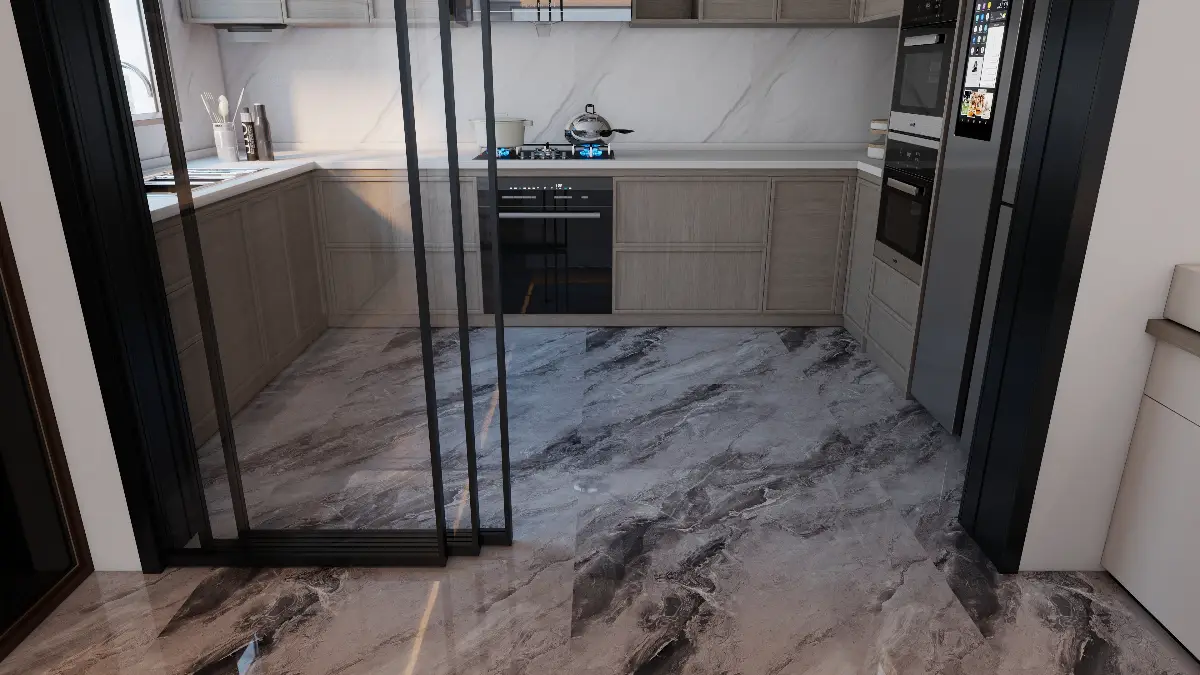
Seleccionar el material correcto para la puerta corredera significa adaptar las necesidades del proyecto a las resistencias inherentes del material.. El aluminio sirve mejor en situaciones exigentes., escenarios centrados en el diseño, mientras que el vinilo destaca por su rentabilidad, aplicaciones estándar energéticamente eficientes.
| Escenario de aplicación | Puertas correderas de aluminio | Puertas corredizas de vinilo |
|---|---|---|
| Tamaño de apertura & Estética | Grandes aberturas, vistas panorámicas, sistemas multirraíl, diseño moderno, marcos delgados, área máxima de vidrio. | Tamaños residenciales estándar, aspecto limpio y convencional, marcos más gruesos aceptables. |
| Actuación & Durabilidad | Cargas de viento fuertes, climas exigentes (costero, sol alto), uso comercial de alto tráfico, longevidad estructural. | Climas templados, durabilidad básica, buena resistencia a la humedad, uso residencial estándar. |
| Costo & Eficiencia | Mayor costo inicial, valor a largo plazo, rendimiento del ciclo de vida, prioridad de sostenibilidad (100% reciclable). | Costo inicial más bajo, fuerte eficiencia energética inherente, proyectos centrados en el presupuesto. |
| Funciones especiales | Sin barreras, operación motorizada, configuraciones personalizadas, integración arquitectónica. | Bajos requisitos de mantenimiento, soluciones prácticas de privacidad (persianas/películas). |
Escenarios de aplicación para puertas corredizas de aluminio
Las puertas corredizas de aluminio destacan en situaciones que exigen un rendimiento robusto, estética refinada, y flexibilidad de diseño. Manejan bien grandes paneles de vidrio y sistemas multirraíl, maximizar las vistas y la luz natural. Los perfiles de aluminio mantienen una precisión, lineas limpias, apoyando diseños contemporáneos y minimalistas. Esto los hace ideales para viviendas residenciales de alto nivel., comercial, y ambientes ambientales exigentes.
Grandes aberturas, vistas panorámicas, y sistemas multirraíl
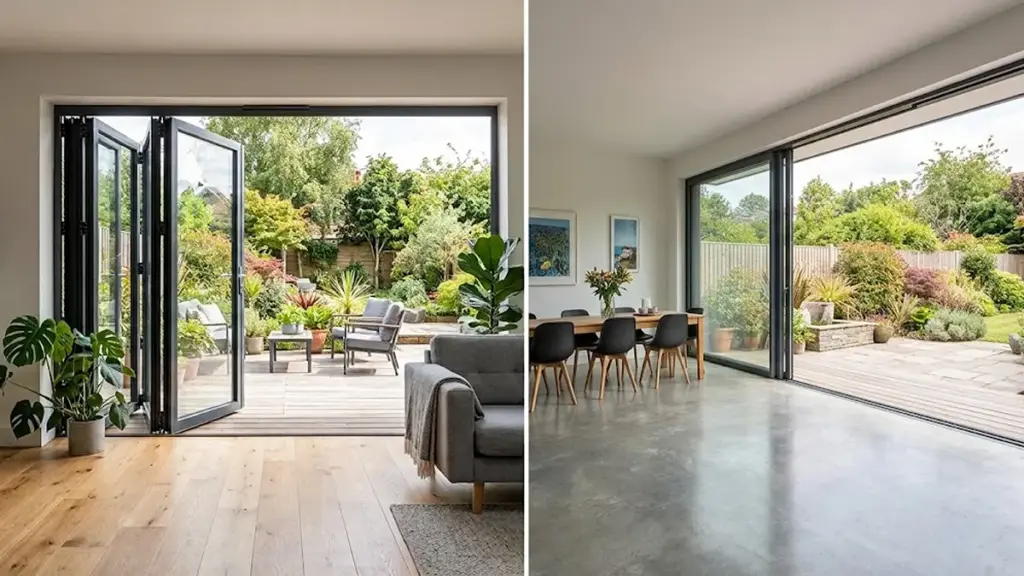
Para salas de estar, gradas, y balcones que necesitan luces amplias y mínima obstrucción visual., el aluminio es la mejor opción. Su alta resistencia estructural permite perfiles delgados y grandes paneles de vidrio sin una flexión excesiva.. Este enfoque crea grandes, superficies acristaladas continuas y configuraciones de apertura flexibles. Esto lo vemos en residencias de alto nivel con vidrios del piso al techo., apartamentos de lujo, y espacios de hospitalidad que conectan el interior y el exterior.
Interiores y exteriores contemporáneos y de diseño.
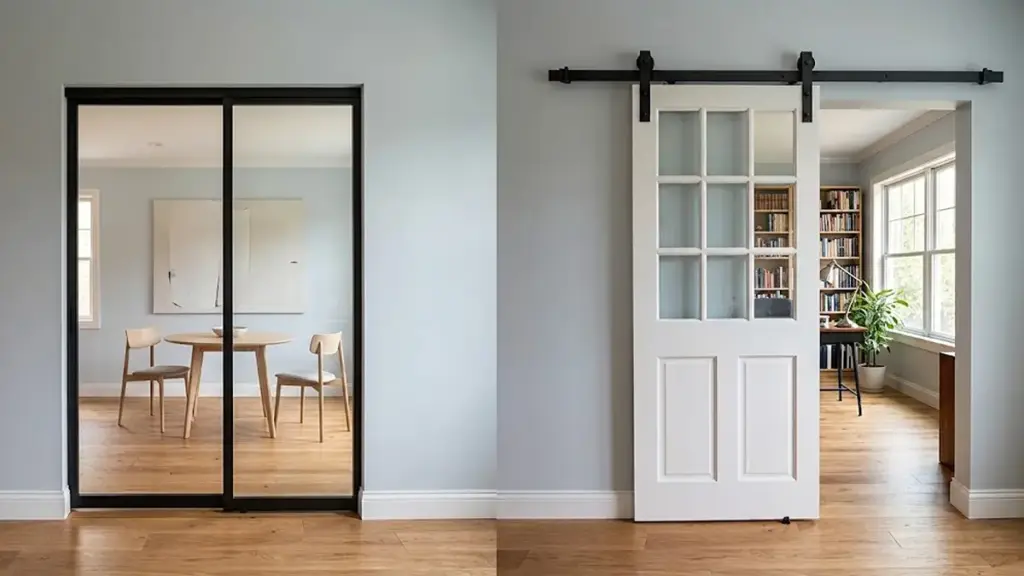
El aluminio funciona bien en la modernidad., diseños minimalistas. Esto incluye puertas correderas con aluminio Estructuras y vidrio templado esmerilado para un estilo contemporáneo.. Los arquitectos suelen especificar marcos de aluminio lacados en blanco o negro., combinado con vidrio mate o paneles decorativos. Estas líneas precisas y múltiples opciones de acabado, como negro, blanco, y metalico, facilitar combinaciones sofisticadas. Esto es común en las particiones interiores modernas., oficinas corporativas, y salas de exposición.
Entornos comerciales y de alto tráfico
El aluminio funciona de manera confiable en entornos comerciales como tiendas minoristas., centros comerciales, y vestíbulos de oficinas. Su robustez mecánica y rigidez se adaptan a aperturas y cierres frecuentes.. Podemos integrar sistemas de apertura motorizados y umbrales sin barreras., manteniendo una alineación confiable. Los perfiles metálicos también permiten una integración más sencilla de hardware personalizado., cabellos, y sistemas de acceso.
Escenarios de aplicación para puertas corredizas de vinilo
Las puertas corredizas de vinilo ofrecen una opción rentable, solución energéticamente eficiente, especialmente para uso residencial estándar. Ofrecen buen aislamiento térmico y bajo mantenimiento., que valoran los propietarios. El vinilo también funciona bien para soluciones comunes de privacidad y comodidad sin exigir una flexibilidad de diseño extrema..
Vivienda residencial rentable
Para proyectos residenciales estándar que priorizan el control presupuestario y un buen rendimiento térmico básico., el vinilo es excelente. El vinilo ofrece costes favorables para puertas correderas de dimensiones estándar en comparación con el aluminio.. Proporciona un aislamiento térmico adecuado para viviendas típicas., mejorando el confort y el ahorro energético. Esto es común en viviendas unifamiliares., casas adosadas, y proyectos de renovación donde el presupuesto y las mejoras térmicas son importantes.
Proyectos centrados en la eficiencia energética con luces estándar
Proyectos impulsados por el rendimiento térmico, sin necesidad de aberturas muy grandes ni marcos ultradelgados, beneficiarse del vinilo. Los marcos de vinilo reducen naturalmente los puentes térmicos. Combinado con doble o triple acristalamiento, Las puertas de vinilo reducen significativamente la pérdida de calor y mejoran las calificaciones energéticas.. Esto lo vemos en modernizaciones residenciales destinadas a reducir los costos de calefacción y refrigeración., especialmente en climas fríos o templados con luces de puerta moderadas.
Viviendas suburbanas y rurales de bajo mantenimiento
El vinilo es adecuado para casas unifamiliares o edificios pequeños que necesitan un mantenimiento continuo mínimo.. El vinilo no requiere pintura y resiste la corrosión.. Una limpieza sencilla es suficiente; no es necesario un acabado periódico. Esto lo hace ideal para puertas de patio en jardines y patios traseros., o salidas secundarias en casas típicas.
Pensamientos finales
El aluminio se erige como la opción decisiva para proyectos que exigen integridad estructural, estética moderna, y durabilidad a largo plazo, especialmente para aplicaciones a gran escala o de alto rendimiento. Priorizar demasiado el costo inicial más bajo, particularmente para construcciones ambiciosas, A menudo introduce riesgos futuros y compromete la visión del diseño..
Para validar estos conocimientos para sus próximos proyectos, interactuar directamente con nuestro equipo. Opuo puede ayudarle a alinear con precisión el material adecuado con los requisitos únicos de su proyecto y sus objetivos comerciales..
Preguntas frecuentes
¿Son mejores las puertas correderas de aluminio que las puertas correderas de vinilo??
Ninguno de los dos es universalmente mejor; el aluminio destaca por las grandes aberturas, estética premium, y durabilidad a largo plazo, mientras que el vinilo es superior por su menor costo inicial y eficiencia energética en tamaños residenciales estándar..
cual es mas duradero, aluminio o vinilo?
Ambos son duraderos, pero el aluminio generalmente ofrece una mayor longevidad estructural, especialmente para grandes aberturas, mientras que el vinilo proporciona una excelente resistencia a la intemperie y un mantenimiento mínimo para tamaños residenciales típicos..
¿Las puertas corredizas de aluminio duran más que las de vinilo??
Sí, Las puertas corredizas de aluminio generalmente duran más que las de vinilo., a menudo por 10-20+ años (30-50+ años para aluminio vs. 20-30+ años para el vinilo), debido a la resistencia superior del material, estabilidad dimensional, y resistencia a los rayos UV y a la degradación relacionada con la temperatura.
¿Qué material es mejor para aberturas grandes??
Las puertas correderas de aluminio son generalmente mejores para aberturas grandes., incluyendo ancho, alto, o configuraciones de piso a techo, debido a su superior rigidez estructural, líneas de visión delgadas, y capacidad para manejar paneles pesados y rendimiento a largo plazo.
¿Las puertas correderas de aluminio son más caras que las de vinilo??
Sí, Las puertas corredizas de aluminio suelen ser más caras por adelantado que las de vinilo., especialmente para grandes, costumbre, o sistemas de alto rendimiento. Si bien el vinilo es generalmente la opción más asequible, la diferencia de precio puede reducirse o superponerse con productos de vinilo de gama alta o de aluminio de nivel básico.
¿Cuál es más fácil de mantener?, puertas correderas de aluminio o vinilo?
Ambos son de bajo mantenimiento., pero el vinilo suele ser más fácil en el día a día., Requiere una limpieza mayoritariamente ocasional sin preocuparse por el repintado o la corrosión.. El aluminio también requiere poco mantenimiento, pero se beneficia de controles ligeramente más proactivos de acabados y sellos para prolongar su vida útil..