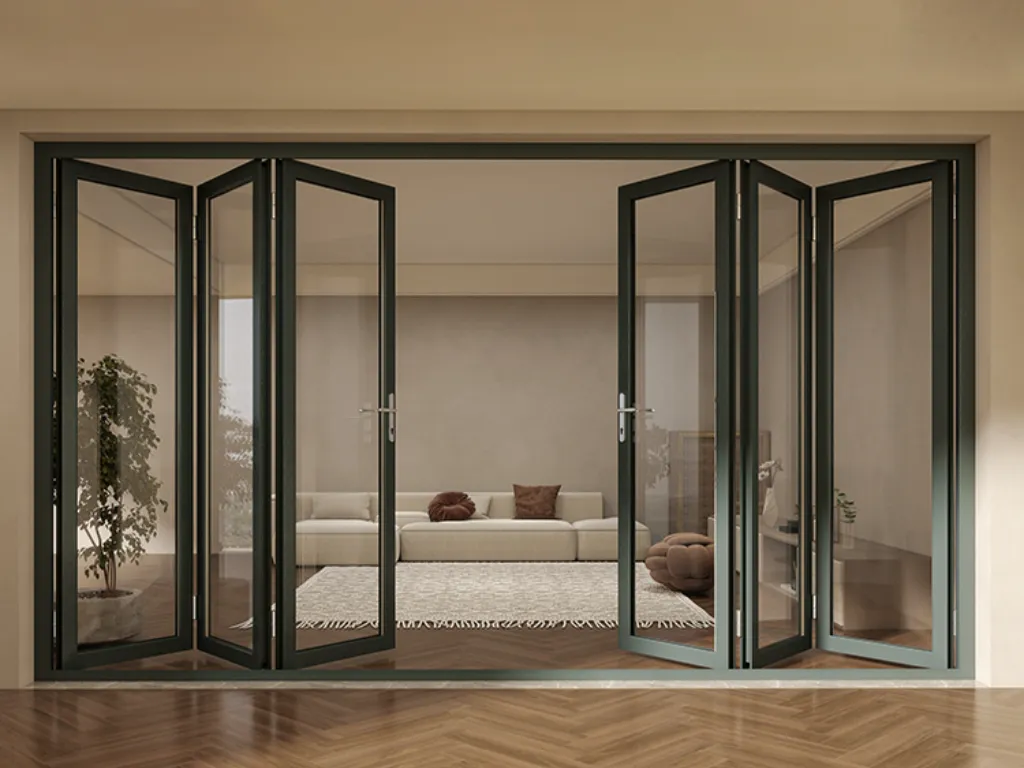
Looking for the perfect windows for your next project? This article compares French and casement windows, helping you understand their key differences in terms of design, performance, and cost. We explore how French windows excel in aesthetics and ventilation, while casement windows offer superior energy efficiency, security, and durability. Whether you’re designing a residential or commercial space, the right window choice can impact both functionality and long-term costs.
What Are French Windows?
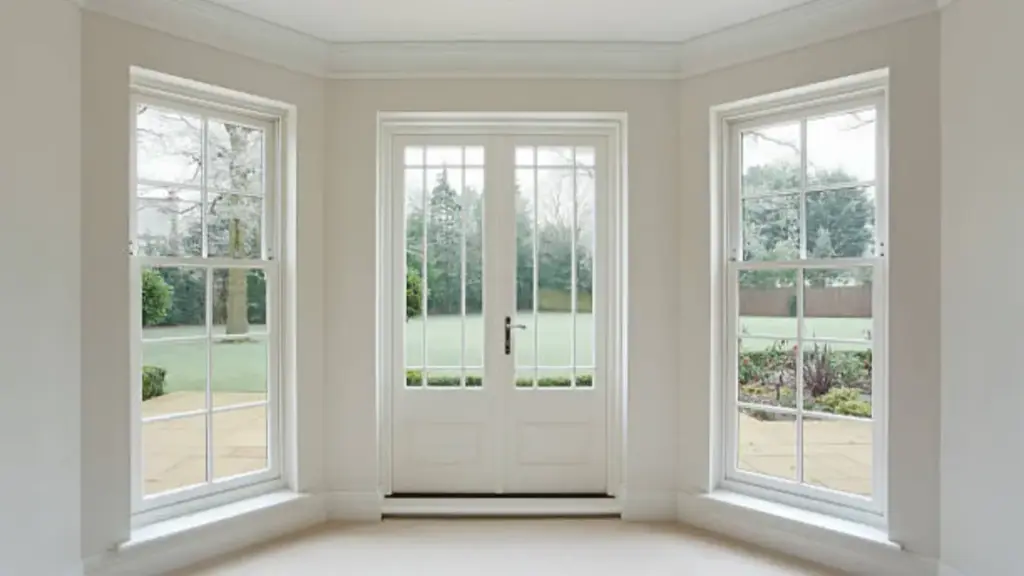
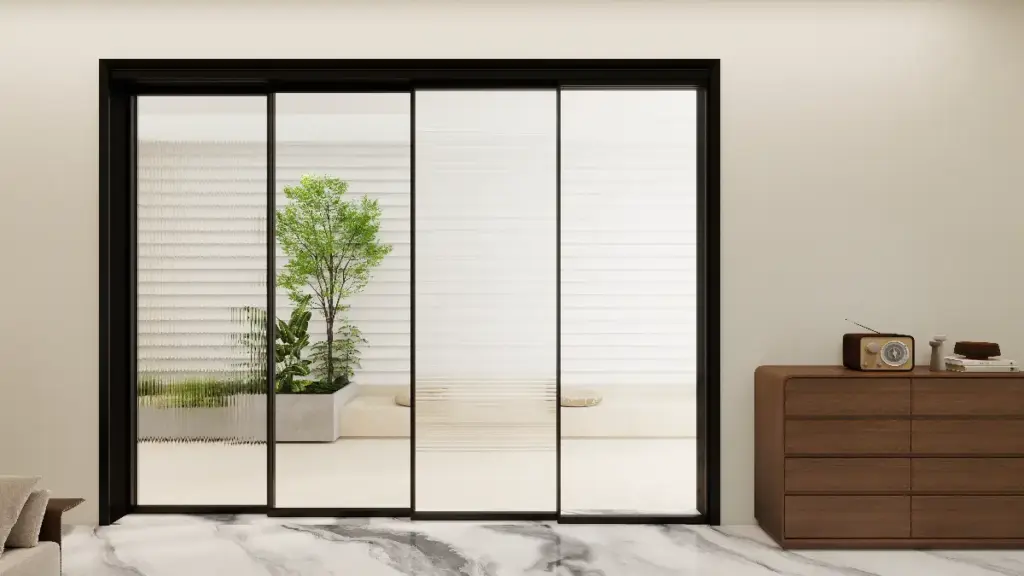
French windows, or French casement windows, are side-hinged windows with paired sashes that meet in the center without a fixed vertical mullion. This design allows for a full-height, unobstructed opening, similar to French doors, maximizing natural light and offering improved ventilation. They are commonly used in spaces where a wide, clear opening is desired, blending indoor and outdoor areas seamlessly.
Key Features:
- Paired side-hinged sashes
- Mullionless central meeting
- Full-height, unobstructed opening
- Ideal for large openings and indoor-outdoor flow
What Are Casement Windows?
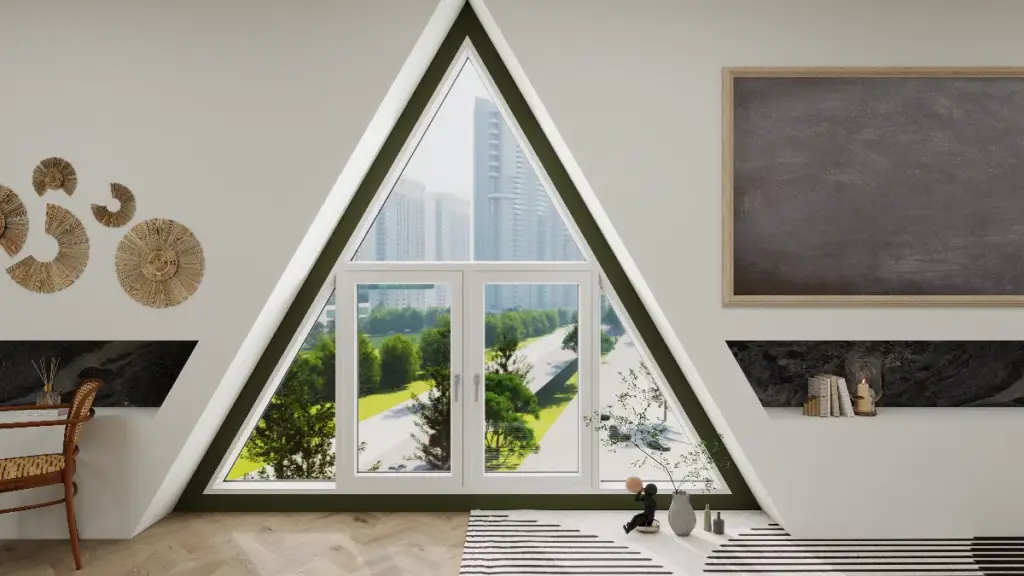
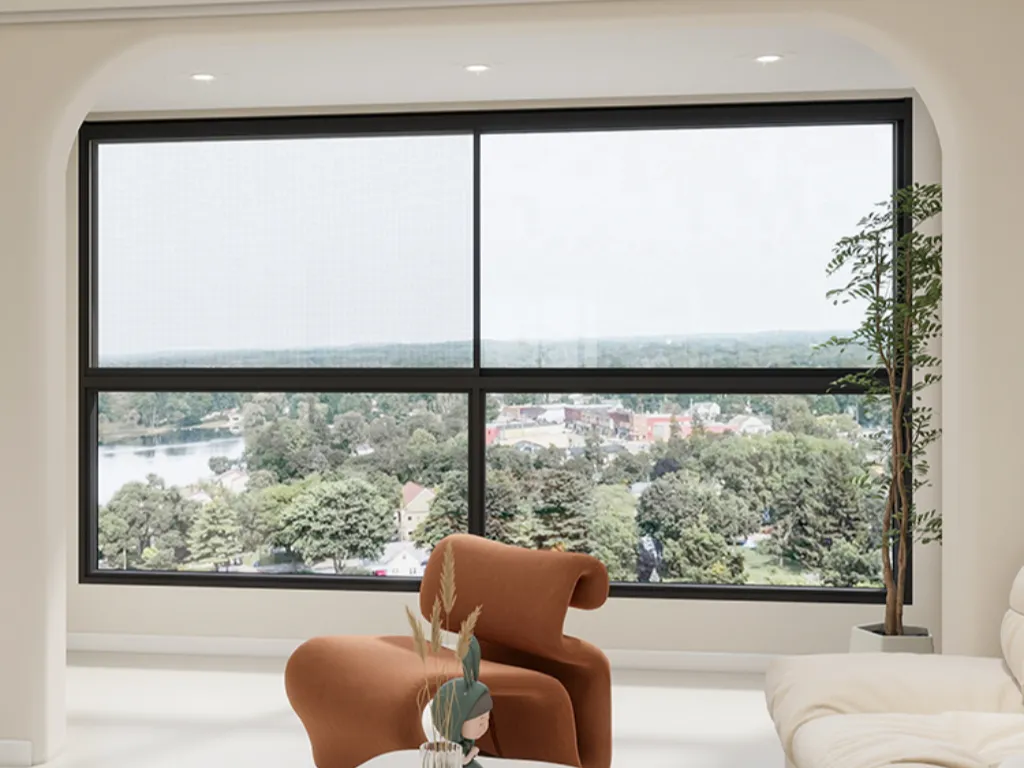
Casement windows are side-hinged units that open outward, usually operated with a crank mechanism. This design allows for full sash ventilation, making them highly effective in providing fresh air and energy efficiency. Their tight, multi-point seals enhance air and water resistance, making them ideal for weather-resistant applications. Casement windows are commonly taller than wide, making them suitable for various architectural styles where performance and ventilation are a priority.
Key Features:
- Side-hinged, outward-opening design
- Crank-operated mechanism
- Superior ventilation and energy efficiency
- Tight multi-point seals for improved air/water resistance
Performance Comparison
Water Resistance
Casement windows typically feature a single sash with a simpler, multi-point locking system, offering better watertightness with a continuous compression seal. French windows, with their dual sashes and meeting stile joint, require more robust gaskets to achieve similar water resistance. Both can meet high performance standards, such as EN 12208 for watertightness, but French windows may require careful sealing to perform optimally.
Air Resistance
Both French and casement windows use side-hinged sashes that compress tightly when closed, reducing air leakage. Casements, with their single sash and straightforward sealing path, generally perform better in air infiltration resistance. However, high-quality French window systems with strong meeting stile gaskets and multi-point locking can achieve comparable results.
Wind Resistance
Casement windows tend to excel in wind resistance due to their simpler sealing system and fewer potential failure points. Premium French windows, when equipped with robust locking systems and tight meeting stile designs, can achieve similar wind resistance ratings (Class C5/B5, up to 2000 Pa). For high-exposure applications, specifying the tested system and its EN/NAFS class ensures the best performance regardless of style.
Discover Premium Aluminum Window Solutions for Your Global Projects
Security Features
Both casement and French casement windows are equipped with multi-point locking systems, which secure multiple points around the sash perimeter, enhancing resistance to forced entry. Casement windows are known for their security, as the sash tightly pulls into the frame, making them resistant to being levered open from the outside. French casements feature a flying mullion, interlocking the two sashes, which maintains security while allowing for a full opening.
Advanced security features for French casements can include multi-point locks and laminated safety glass, achieving Resistance Class 2 (RC2) under EN 1627 standards. Casement windows may also offer additional safety features, such as fall-prevention devices in certain models. Both window types can be reinforced with custom glazing and high-friction stainless steel hinges to improve security, durability, and wind resistance. Manufacturers often use aluminum or composite cladding to enhance long-term performance and protect critical components.
Unit Cost Comparison
Casement window costs vary based on design, size, and materials, with single-frame casements starting at around $224, while double-frame or French casements range from $445–$585. The price difference is mainly due to the dual sashes and additional materials for wider openings. Material choice plays a significant role, with vinyl frames offering the most affordable option at $475, while wood frames can cost up to $1,145, and fiberglass frames typically range from $535–$1,575.
Key Cost Factors:
- Design & Size: Double-frame and larger windows cost more due to increased material and glass requirements.
- Materials: Vinyl is budget-friendly, while wood and fiberglass offer superior insulation and durability, increasing the price.
- Features: Adding features like double or triple glazing, low-emissivity coatings, or inert gas fills can add $150–$950 to the cost, improving energy efficiency.
- Brand: Prices also vary based on the brand, with well-known names like Andersen and Pella generally priced higher due to custom options and durability.
Casement windows can range from $224 for basic vinyl models to $2,000 for premium wood models, reflecting the material, size, and features selected. The price range provided below is for reference, but the actual cost may vary depending on specific requirements.
| Type/Category | Cost Range | Average Cost |
|---|---|---|
| Single-frame Casement Window | $224–$370 | $297 |
| Double-frame/French Casement Window | $445–$585 | $515 |
| Casement Window (24×36 inches) | $262–$354 | $308 |
| Casement Window (36×60 inches) | $337–$626 | $482 |
| Vinyl Frame Casement | $200–$750 | $475 |
| Wood Frame Casement | $290–$2,000 | $1,145 |
| Aluminum Frame Casement | $300–$950 | $625 |
| Fiberglass Frame Casement | $535–$1,575 | $1,055 |
When to Choose French Windows Over Casement Windows?
Choosing French Windows
Opt for French windows when you prioritize maximum ventilation and unobstructed views. The dual-sash design of French windows, opening outward from the center, provides ideal airflow and cross-breezes, making them perfect for large openings or spaces that aim to blend indoor and outdoor areas. They are particularly suitable for mild climates where superior ventilation is required. French windows, especially models like the E-Series with no center stile, offer clear, unobstructed views, enhancing the aesthetic flow of your space.
Choosing Casement Window
On the other hand, Opuomen Customized Aluminum Frame Double-Layer Glass Casement Windows are better suited for projects that require energy efficiency and security. The single-sash design of casement windows creates a tighter seal, offering superior draft prevention and the potential for lower U-values. Additionally, these windows come with multi-point locking systems, enhancing security and making them harder to pry open. Opuomen casement windows are ideal for high-wind areas or locations where energy efficiency and durability are top priorities, as their design ensures optimal performance and resilience.
The following table compares these two window types across key performance factors:
| Feature | French Windows | Casement Windows |
|---|---|---|
| Ventilation & Airflow | Prioritize maximum ventilation and airflow; dual sashes open from the center creating cross-breezes. Ideal for large openings. | Precise control; single side-hinged sash opens up to 95° for targeted ventilation. |
| Unobstructed Views | Excellent, especially E-Series French casement windows with no center stile, enabling completely unobstructed views. | Generally good, but the single sash frame can be more restrictive than French styles without a center stile for very wide openings. |
| Energy Efficiency & Seal | Good, with U-values below 1.0 W/m²K achievable. Requires precise installation to ensure proper sash meeting and sealing. | Generally superior due to a tighter seal and better draft prevention. Can achieve lower U-values, often with triple-pane glass options. |
| Security Features | Dual-sash designs may offer less inherent security compared to multi-point locked casements, requiring robust locking mechanisms. | Enhanced security through multi-point locking mechanisms, making them harder to pry open. |
| Ideal Applications | Merging indoor and outdoor spaces, large openings, aesthetic symmetry, and creating expansive feels in mild climates. | High-wind areas, stringent energy codes, minimalist modern facades, and where enhanced security is a primary concern. |
Installation Tips
Proper installation directly impacts the performance, longevity, and warranty of your windows. Follow these essential steps to ensure a smooth and efficient installation process:
Sealing & Insulation: Apply perimeter flashing tape, fill gaps with low-expansion foam, and finish with interior and exterior caulking to ensure airtightness and long-term durability.
Preparation: Place the window unit exterior-side down on a clean surface to avoid damage. For French casements, ensure the unit is secured before unlocking to prevent frame twist.
Opening & Frame: Prepare the rough opening with a treated 2x lumber buck frame, sealed with UV-resistant exterior sealant. Avoid fastening through the factory-applied exterior finish without weatherproof sealing to maintain the warranty.
Positioning & Fastening: Position installation clips 4 inches from jamb ends and 12 inches apart. Use waterproof shims (¼ inch thickness) at the bottom and secure clips with #10 x 1 inch fasteners.
Final Thoughts
In conclusion, the decision between French and casement windows ultimately depends on your project’s specific needs. While French windows excel in design and airflow, casement windows, offering unmatched energy efficiency, security, and durability. Opuomen’s windows are the perfect choice for projects that demand both high functionality and cost-effectiveness. With a focus on long-lasting quality, we ensures that every installation meets rigorous standards, making it the ideal partner for your next project.
Get in touch with Opuomen today to find the right solution for your needs.