Sourcing reliable Window Handles & Cranks dictates your defense against rising warranty claims and interior clearance complaints. When standard rotary mechanisms snap under heavy sash weights or scrape against expensive window treatments, the resulting replacement costs and negative reviews destroy dealer margins.
This technical analysis benchmarks hardware configurations against strict 11/32-inch spline compatibility and ISO9001 manufacturing standards. We evaluate operator mechanisms on PVD coating durability and low-profile folding designs to help you secure scalable, climate-adapted components for your architectural projects.
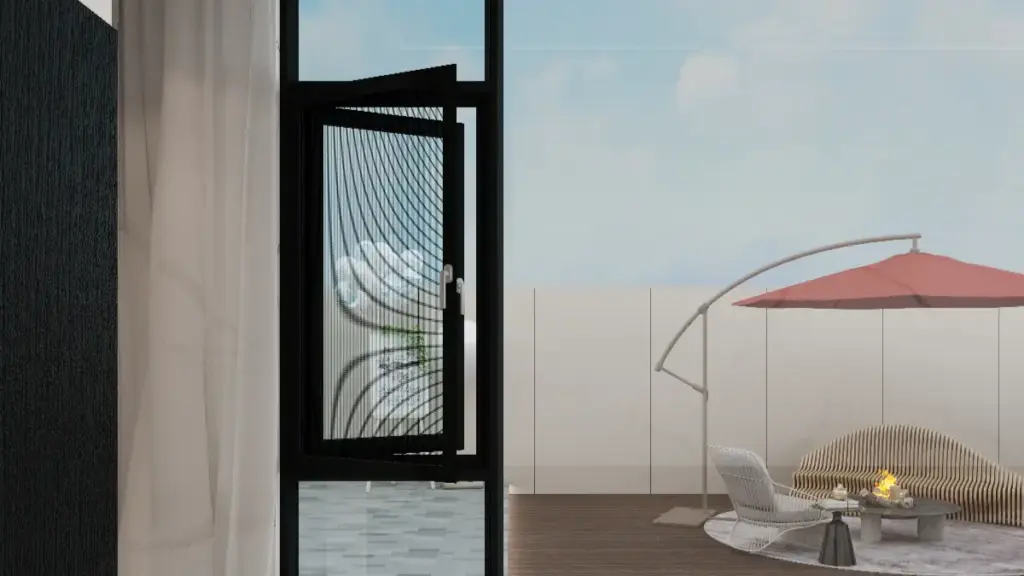
Types of Casement Window Handles
The window handle market relies on specific designs like fold-away, T-handle, and crank styles to balance leverage, blind clearance, and aesthetic requirements for commercial and residential applications.
| Handle Type | Primary Application | Spline Compatibility | Typical Price Point |
|---|---|---|---|
| Fold-Away | Salvaspazio, blind clearance | 11/32″, 5/16″, 3/8″ | $18.00 – $70.00 |
| T-Handle | Ultra-compact footprint | Universal Inserts | $7.00 – $15.00 |
| Crank | Low-force mechanical operation | Brand-specific matching | Varies by manufacturer |
| Leva | Cam and multi-point locking | Varies by configuration | Varies by manufacturer |
Fold-Away Handles
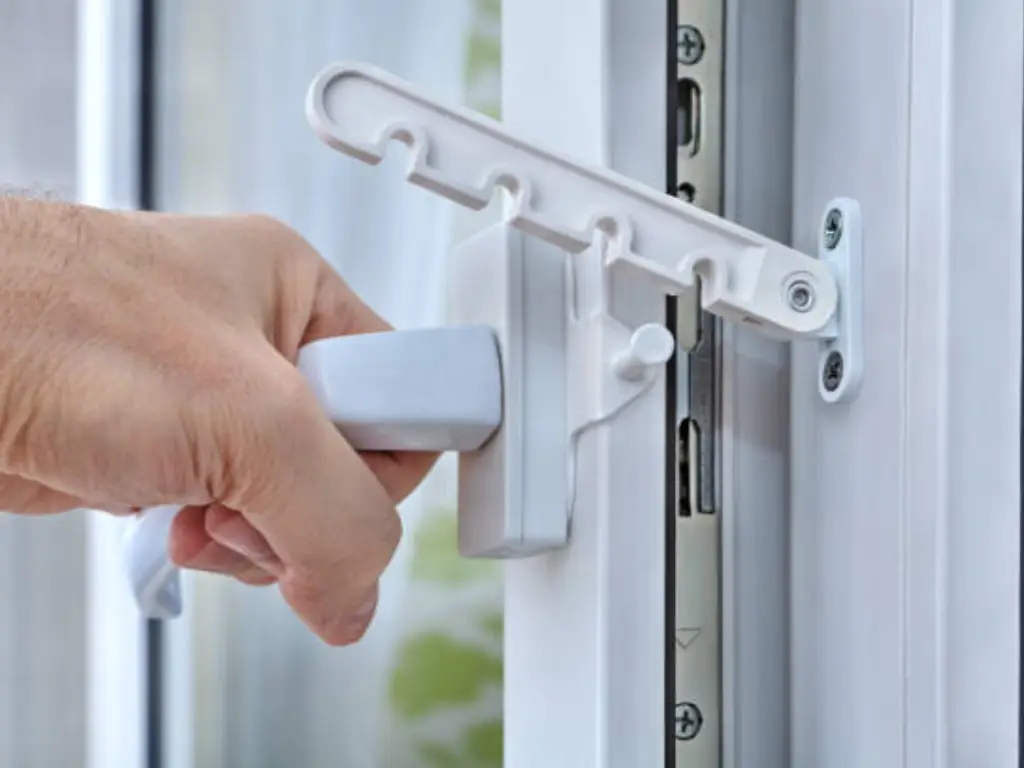
Fold-away crank handles feature a collapsible lever mechanism that tucks against the window frame when not in use. This design prevents the handle from protruding into the room and interfering with window treatments like roller shades or drapes.
Manufacturers build these specifically for residential casement and awning windows, prioritizing ergonomics for difficult-to-reach openings like those above kitchen counters. Key hardware specifications include:
- Spline Adapters: Ships with multi-fit jaws for 11/32″, 5/16″, and 3/8″ shafts
- Available Finishes: Standardized across Bronze, Alluminio, Coppertone, Beige, and White
- Market Pricing: Retail units range from $18.79 A $70.95 depending on material quality
T-Handles
T-Handles provide mechanical leverage while maintaining an ultra-compact profile. The T-shaped metal grip directly addresses the common problem of standard cranks hitting interior blinds, shades, or plantation shutters.
These handles dominate the window replacement and retrofit market because suppliers design them for universal fitment. Instead of requiring users to match specific manufacturer geometries, these units rely on interchangeable spline inserts. Notable traits include:
- Durabilità: Solid metal construction resists stripping, fading, and breaking
- Cost-Effectiveness: Highly affordable at $7 A $15 per unit for retail consumers
- Safety Limitation: The small operator size makes them unsuitable for use by children under five
Crank Handles
Standard crank handles serve as the traditional mechanical operator for casement and awning windows. They utilize a gear and arm mechanism that converts rotary motion into the linear force required to open or close the sash smoothly.
Suppliers offer these in multiple configurations to meet specific accessibility requirements and window weights. Product variations include:
- Standard Operators: Fixed handles designed for basic residential and commercial installations
- Specialty Pole Cranks: Extended designs offering 8 A 11 feet of reach for high or clerestory windows
- Fitment: Requires precise matching with specific 5/16″, 3/8″, or 11/32″ splines based on the window brand
Maniglie a leva
Lever handles operate as manual mechanisms for casement systems, encompassing locking handles, cam handles, and ring-pull designs. Unlike standard rotary cranks, levers require a distinct push, pull, or 90-degree turn to disengage the window lock and swing the sash outward.
The supply chain for lever handles remains highly fragmented with no single standardized specification. Buyers must navigate multiple mounting configurations and sizes to ensure accurate fitment across legacy window brands like Pella, Andersen, and Peachtree.
Non-Electric Motorized Handles
Il termine “non-electric motorized handle” represents a conceptual category rather than a commercially available product line. Industry suppliers do not manufacture or brand window hardware under this specific designation.
Buyers searching for alternative mechanical leverage solutions typically rely on high-ratio manual gearboxes or extended operator poles to reduce the physical force required, rather than seeking powerless motorization.
How Does a Window Crank Handle Impact Internal Clearance?
Window crank handles dictate internal clearance through gear mechanisms. The assembly must match specific installation footprints to ensure smooth operation without obstructing interior elements.
Mechanical Operation and Spatial Footprint
Window cranks operate using a gear and arm system that converts the handle’s rotational movement into the linear motion needed to control the window sash. This mechanical translation requires a specific spatial footprint on the window sill. The crank assembly must match the existing hardware footprint exactly. Proper sizing ensures unrestricted movement and prevents the handle from scraping against blinds, shades, or interior trim finishes.
Clearance Tolerances in Custom Hardware Configurations
Custom hardware configurations rely on precise installation techniques to establish the correct operating space. Installers must align the nylon rollers directly with the track keyhole slots. This alignment sets the functional baseline and prevents mechanical binding during operation. The internal hardware design dictates the exact distance between all moving parts. Because these dimensions vary by brand and model, builders and installers need exact manufacturer specifications to determine the precise operational clearance for any specific window setup.
Energy-Efficient Casement Windows for Global Projects
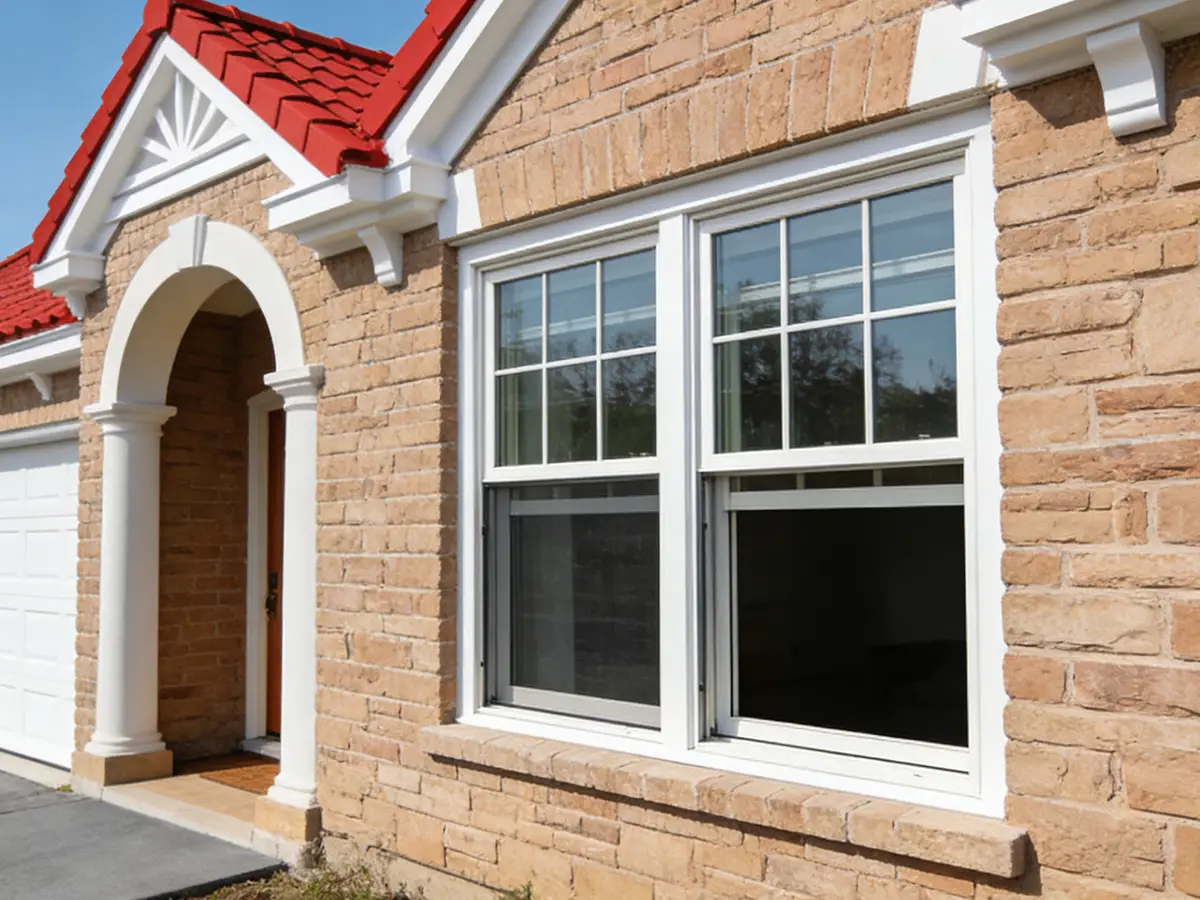
Materials Matter: Alluminio contro. Zinc Alloy vs. Stainless Steel Hardware
Stainless steel delivers ultimate strength for harsh climates, zinc alloy provides cost-effective durability, and aluminum balances lightweight design with natural rust resistance.
| Materiale | Resistenza alla corrosione | Strength Level | Cost Profile | Migliore applicazione |
|---|---|---|---|---|
| Stainless Steel | Superiore (Chromium layer) | Highest overall | Premio | Coastal and marine projects |
| Zinc Alloy | Moderare | High shear strength | Economical | Interior and residential |
| Alluminio | Eccellente (Natural oxide) | Standard | Di fascia media | Humid outdoor zones |
Comparing Corrosion Resistance, Forza, and Cost
Each hardware material brings distinct physical properties to window manufacturing.
Stainless steel relies on a chemical reaction to form an invisible layer of chromium oxide. This provides maximum rust resistance and overall structural strength, making the metal ideal for demanding environments that easily degrade weaker alloys.
Zinc alloy gives manufacturers an economical option without sacrificing basic performance. The material features a low melting point, which supports intricate hardware designs and reduces production tooling costs. It also boasts high shear strength, outperforming standard carbon steels in load-bearing capacity for everyday window operations.
Aluminum offers a completely different mechanical advantage. When exposed to air, the metal creates a natural oxide layer that stops corrosion upon contact. This self-sealing property provides excellent outdoor rust protection while keeping the hardware significantly lighter than steel alternatives.
Adapting Hardware Choices to Regional Climates
Project location dictates your material specifications. Builders must match window hardware configurations directly to local environmental factors to prevent premature mechanical failure. You must evaluate these specific site conditions:
- Temperature fluctuations: Extreme heat and cold cause metals to expand and contract, impacting hardware alignment.
- Humidity levels: High ambient moisture rapidly accelerates rust formation on unprotected standard steel components.
- Wind loads: Storm-prone areas demand metals with superior shear strength to keep heavy sashes securely locked.
Coastal and marine projects require stainless steel or treated aluminum to withstand long-term exposure to salt and moisture. For interior applications and budget-sensitive residential projects, builders rely heavily on the balanced cost and structural performance of zinc alloy.
Integrating Multi-Point Locking Into the Handle Design
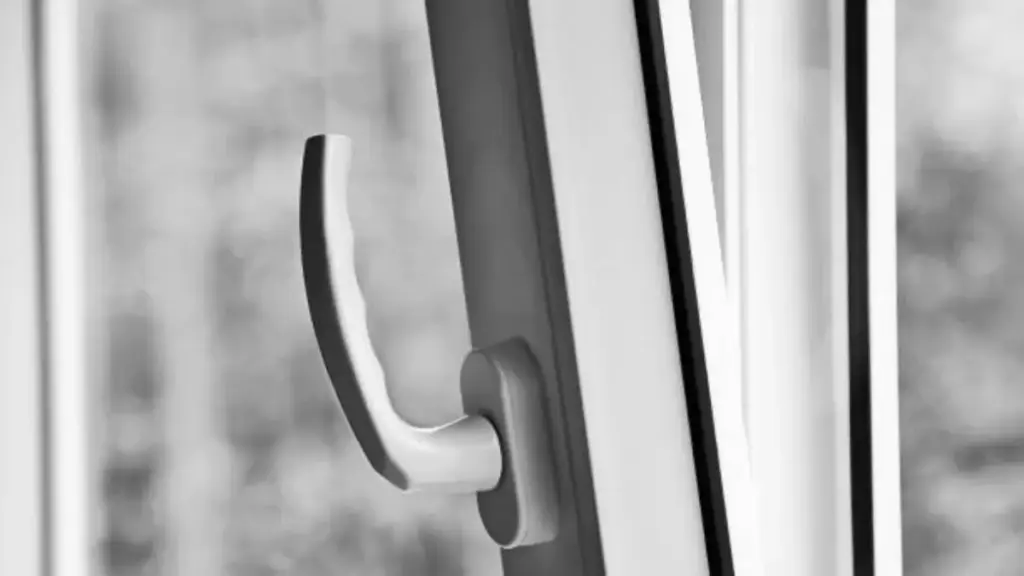
Multi-point locks use a gear box drive blade connected to the handle. One rotation engages multiple shoot bolts simultaneously, maximizing weatherstrip compression and securing against forced entry.
Mechanical Operation of Multi-point Systems
Multi-point systems rely on coordinated mechanical linkages to secure the window. At the core of this setup is a gear box drive blade system that synchronizes movement across the entire sash perimeter. When the operator turns the handle, the internal gears translate that manual force into immediate action across the frame.
- Activation angles: Specific 90-degree or 360-degree handle rotations trigger the mechanism.
- Simultaneous locking: The system engages locking hardware at the top, metter il fondo a, and mid-sash positions at the exact same time.
- Clamping force: Shoot bolts deploy immediately upon handle movement to distribute pressure evenly along the entire perimeter.
Alignment with Energy and Security Standards
European energy directives push manufacturers to build tighter building envelopes. Multi-point locking handles directly answer this demand by addressing thermal efficiency, physical security, and architectural design in a single hardware package.
- Isolamento termico: Optimal weatherstrip compression actively seals the frame to prevent drafts and meet stringent European energy standards.
- Forced-entry resistance: Multiple engagement points distribute physical stress, actively resisting breaches better than standard single-point configurations.
- Aesthetic integration: Low-profile designs cast in zinc or stainless steel maintain clean sightlines on modern aluminum frames, though installation requires precise pre-drilling alignment.
Why Do Window Cranks Fail? (And How OPUOMEN Prevents It)
Forced operation, frame misalignment, and poor maintenance destroy window cranks. OPUOMEN prevents these failures through climate-adapted hardware, strict ISO9001 quality control, and a solid 5-year warranty.
Common Causes of Window Crank Failure
Operators face intense mechanical stress daily. When a handle stops turning smoothly, the root cause usually points to one of four mechanical or environmental failures.
- Excessive Force: Applying heavy pressure to stuck windows places extreme stress on the crank arm and internal gears.
- Frame Misalignment: Warped or poorly fitted frames cause uneven pressure. This warps the gears over time and accounts for a large percentage of total operator failures.
- Contamination and Friction: Sporco, detriti, and rust create immediate resistance. Failing to apply silicone-based lubrication regularly leaves gears vulnerable to stripping.
- Substandard Assembly: Low-quality materials and poor installation habits, especially over-tightening components, accelerate mechanism deterioration.
How Opuo Hardware Configurations Resist Wear and Misalignment
Stopping premature crank failure requires building the mechanism to handle real-world stress from day one. OPUOMEN engineers tackle this problem by focusing heavily on environmental durability and precise manufacturing standards.
- Climate-Adapted Engineering: We customize hardware configurations to withstand specific regional climates, humidity levels, and wind loads, actively preventing rust and environmental degradation.
- ISO9001 Precision: Our factory strictly enforces ISO9001-certified quality management. QA and QC teams inspect every production stage to catch faulty parts or alignment errors before shipping.
- 5-Year Warranty: We back all aluminum casement window hardware with a 5-year guarantee, securing long-term reliability for both residential and light commercial projects.
Customizing Handle Finishes to Match Architectural Hardware
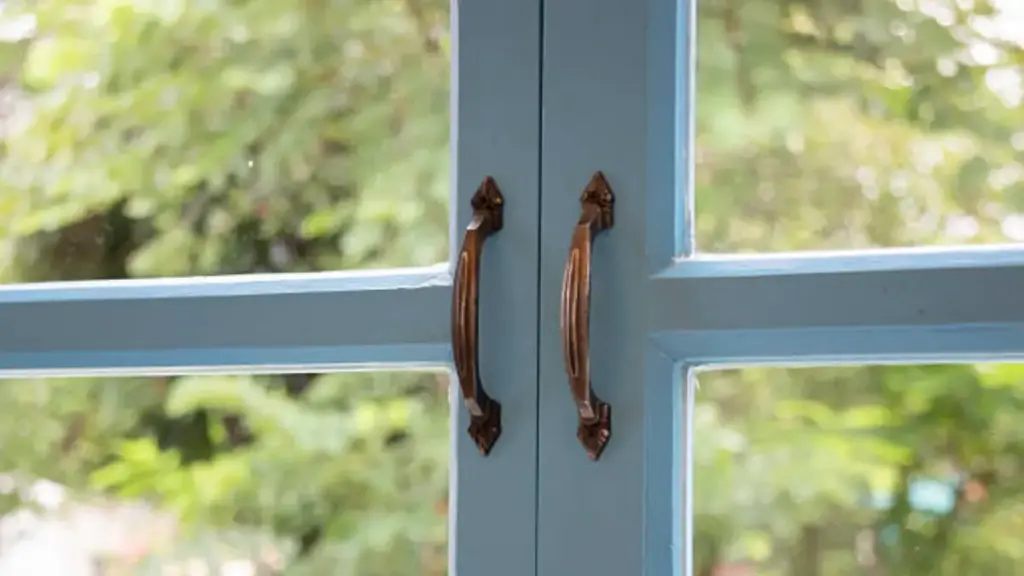
Mixing architectural hardware finishes requires a dominant metal paired with complementary accents. Deposizione fisica di vapore (PVD) offers the highest durability for harsh environments.
Selecting Hardware Finishes for Cohesive Design
Architects and builders increasingly mix hardware finishes to build a personalized aesthetic without breaking room harmony. The most effective approach relies on a clear hierarchy of metals rather than random selection.
- Dominant finishes: Assign the primary metal to high-touch elements like door handles and main window cranks.
- Secondary accents: Use smaller hardware pieces to introduce a complementary finish and create visual contrast.
- Color pairing: Apply color wheel principles to balance the palette. Pair warm metals like brass or bronze with cool accents like satin nickel.
Applying PVD Coatings for Long-term Durability
Standard metal finishes often fail against severe environmental conditions, particularly in coastal zones with heavy salt exposure. To solve this, manufacturers apply Physical Vapor Deposition (PVD) rivestimenti. This finishing technology creates an ultra-durable, corrosion-resistant layer directly bonded to the hardware, extending its lifespan in demanding climates.
The PVD process accommodates a wide range of aesthetic requirements, from modern commercial projects to strict historic preservation mandates. Suppliers offer several categories of finishes:
- Standard metals: Polished Chrome, Antique Brass, and Satin Nickel.
- Specialized tones: Titanium matte, Champagne, and grey-brown for contemporary facades.
- Historic replications: Identical aesthetic matching of original handles using advanced coating techniques for preservation work.
In addition to finishes and coatings, it’s essential to consider whether you’re opting for crank-out or push-out casement windows. This choice significantly impacts where and how the handles are installed. Crank-out windows typically require a more robust handle mechanism, while push-out windows may allow for a simpler, less bulky handle design.
Considerazioni finali
While generic window handles offer lower upfront costs, specifying ISO9001-certified hardware with PVD coatings is the only way to safeguard your reputation against premature mechanical failure and rust claims. Upgrading to climate-adapted metals like stainless steel guarantees smooth operation and eliminates costly warranty callbacks. Sourcing reliable inventory builds long-term dealer trust and protects your commercial margins.
Stop guessing on hardware reliability and verify the quality directly. We recommend requesting a physical sample kit to test our fold-away clearance, multi-point engagement, and architectural finishes firsthand. Contact the OPUOMEN engineering team today to discuss your coastal climate specifications or custom OEM integration needs.
Domande frequenti
What are the best window treatments for casement windows with cranks?
The best options are low-profile or externally mounted treatments that keep the handle clear. Roller shades, Roman shades, drapes, and honeycomb shades work perfectly. You should mount these treatments outside the window frame to guarantee enough clearance for the crank to operate without catching on the fabric.
How do I replace a casement window crank handle?
Start by checking your existing handle’s spine size and how it attaches—usually either a snap-on fitting or a set-screw. Remove the old handle by gently prying it off or loosening the screw. Clean out any debris in the housing, align the new handle or operator mechanism onto the spline, and secure it with the screws. We recommend matching your existing hardware finish to keep the window looking cohesive.
Why is my window handle spinning but not opening?
A spinning handle points straight to a mechanical failure. You are likely dealing with stripped gears inside the crank mechanism, a disconnected operator arm, a loose connecting screw, or a broken internal spindle. Try tightening the handle screw first. If the handle keeps spinning, you need to replace the entire operator or gearbox.
Are low-profile window cranks available?
SÌ, low-profile and folding window cranks are easy to find. Manufacturers design these with a compact projection to fit spaces with limited clearance. They are exactly what you need if your current handle constantly hits your blinds or curtains. Most feature durable diecast zinc or aluminum construction.
What is a folding window crank handle?
A folding window crank uses a collapsible lever that folds down flat against the window sill when you finish using it. This clever design cuts down on visual clutter and stops the handle from poking into your window treatments. It also lowers the chance of someone accidentally bumping and operating the window, while giving you excellent leverage to open and close the sash smoothly.
How do I fix a loose casement window handle?
Grab a screwdriver and tighten the existing screws holding the handle in place. If the screws just keep spinning or loosen up again a week later, swap them out for slightly larger ones. If the wood holes are completely stripped out, fill them with wood dowels and wood glue. Let the glue dry to rebuild a solid base, drill fresh pilot holes, and reinstall the hardware.