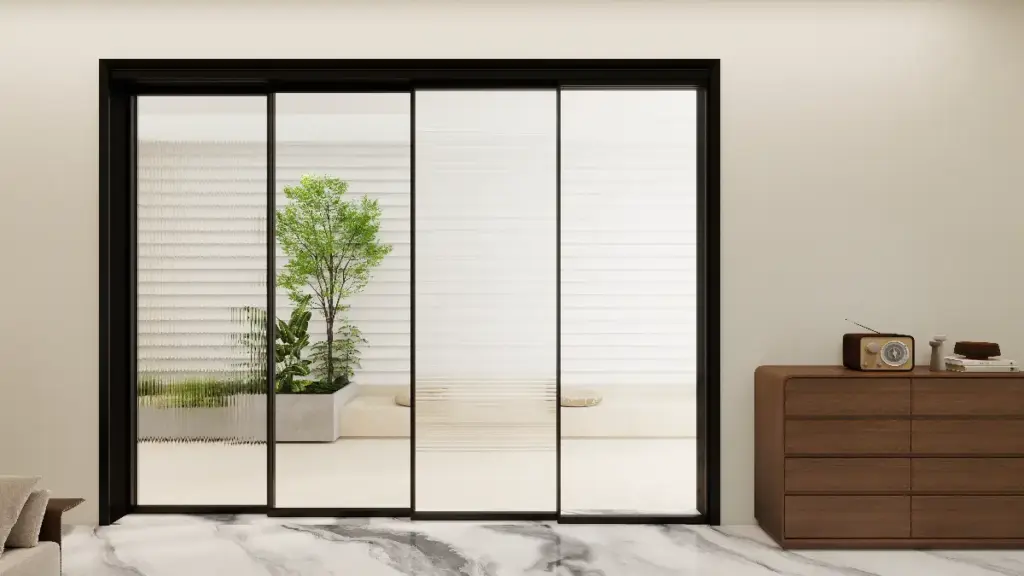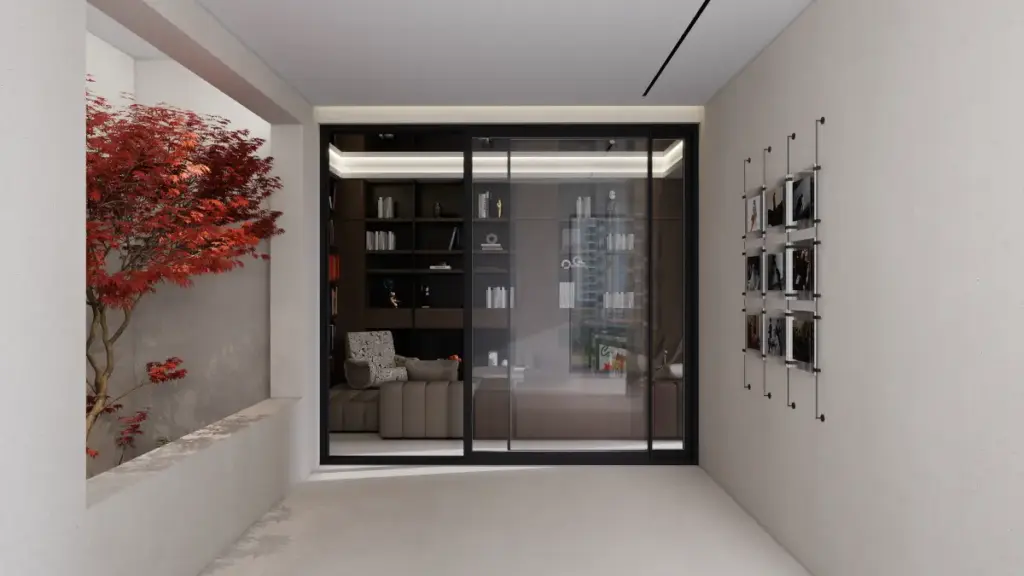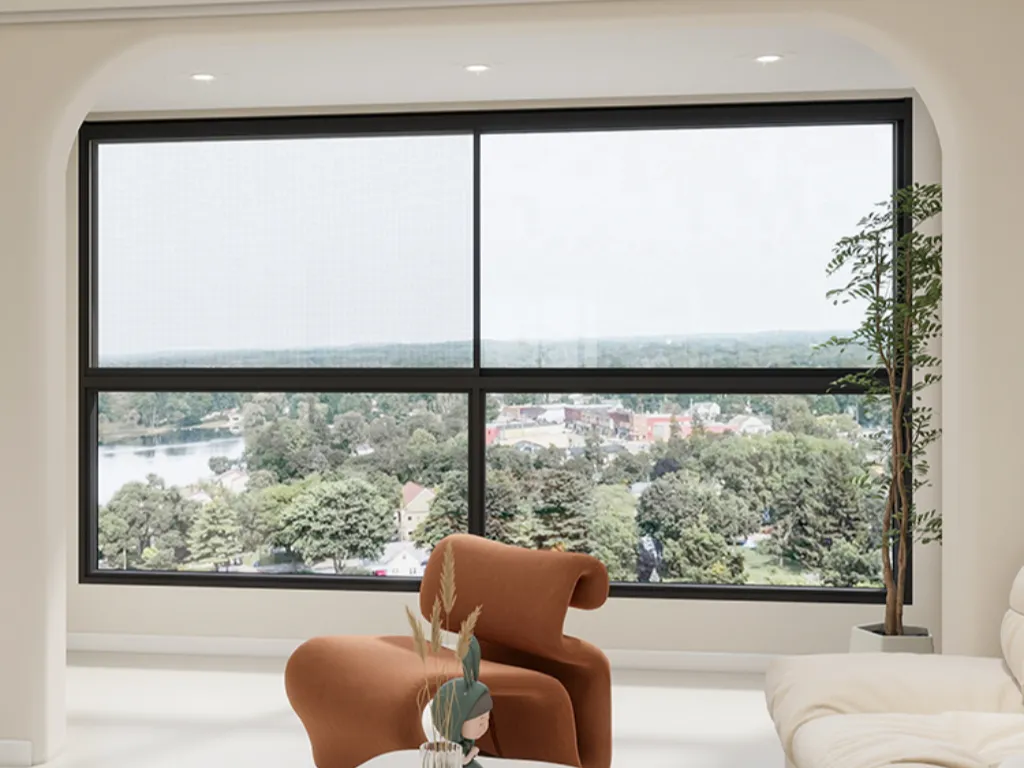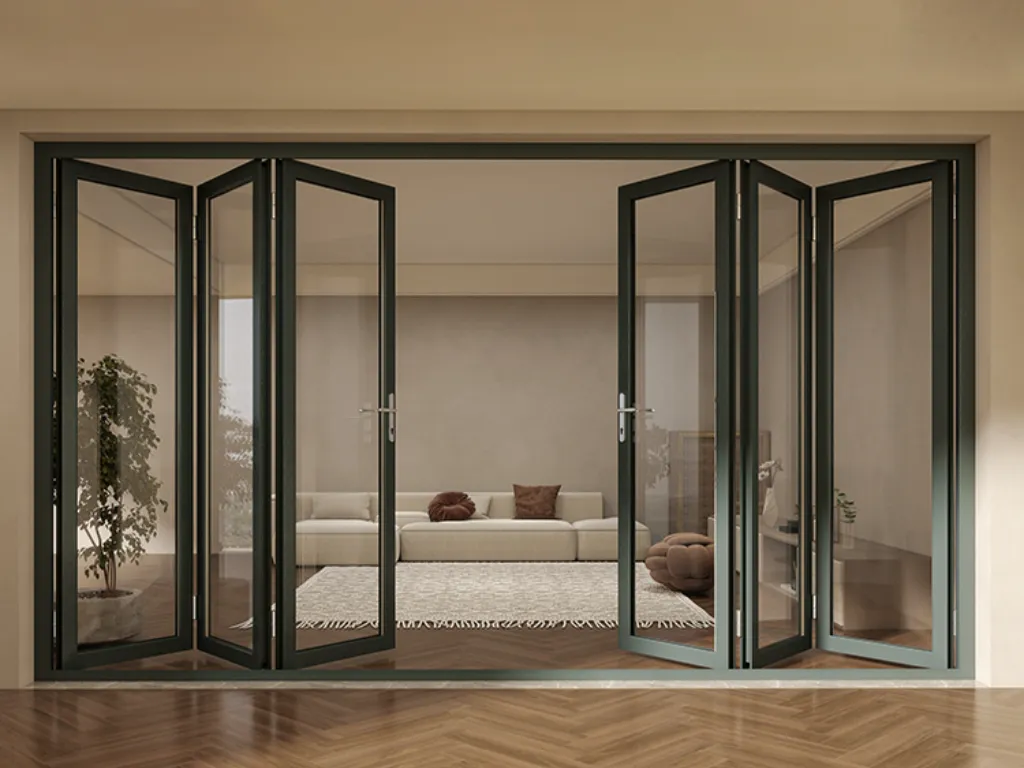
The choice of window material directly impacts the performance and cost-efficiency of any construction project. Two of the most common materials, fiberglass and aluminum, each offer unique benefits.
This article dives into a detailed comparison of these two options, covering critical aspects like thermal efficiency, 구조적 강도, and lifecycle costs. You’ll discover how fiberglass provides superior insulation with U-factors as low as 0.15, while aluminum’s higher modulus of elasticity offers advantages for large spans. 결국, you’ll be equipped to make an informed decision that balances energy efficiency with long-term durability.
What Are Fiberglass Windows?
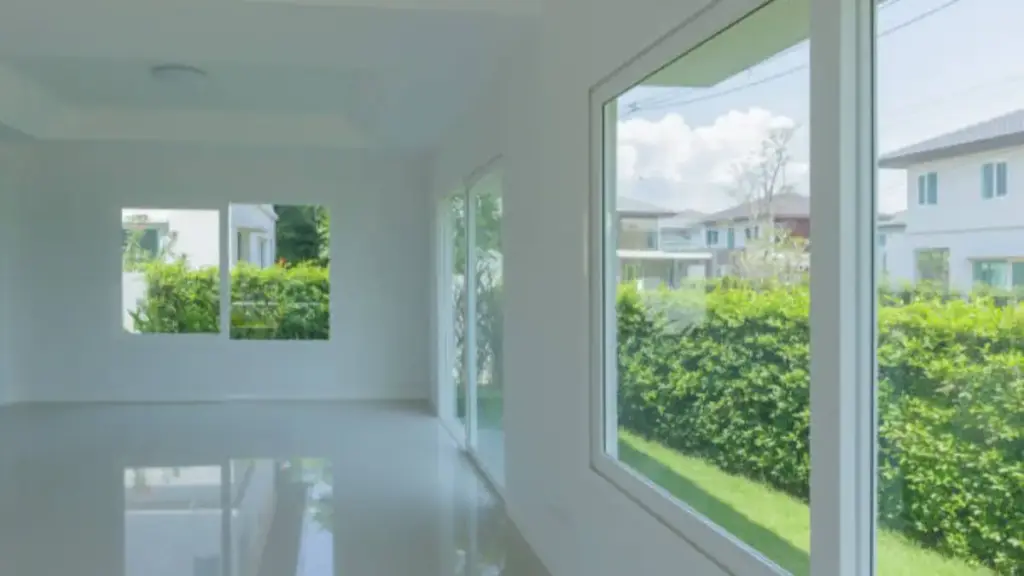
Fiberglass windows are constructed from pultruded frames, which integrate continuous glass fibers within a polymer resin. This combination offers a lightweight, durable material that excels in energy efficiency and weather resistance. Fiberglass is an ideal choice for projects requiring strong, low-maintenance windows with excellent thermal performance.
주요 특징:
- 에너지 효율: Low thermal conductivity, 단열 개선.
- 내구성: Resists moisture, temperature fluctuations, 부식.
- Slim Design: Allows for narrower frames without sacrificing strength.
- 유지 보수가 적습니다: Requires minimal upkeep due to its resistant properties.
- Long Lifespan: Provides extended performance in a variety of climates.
What Are Aluminum Windows?
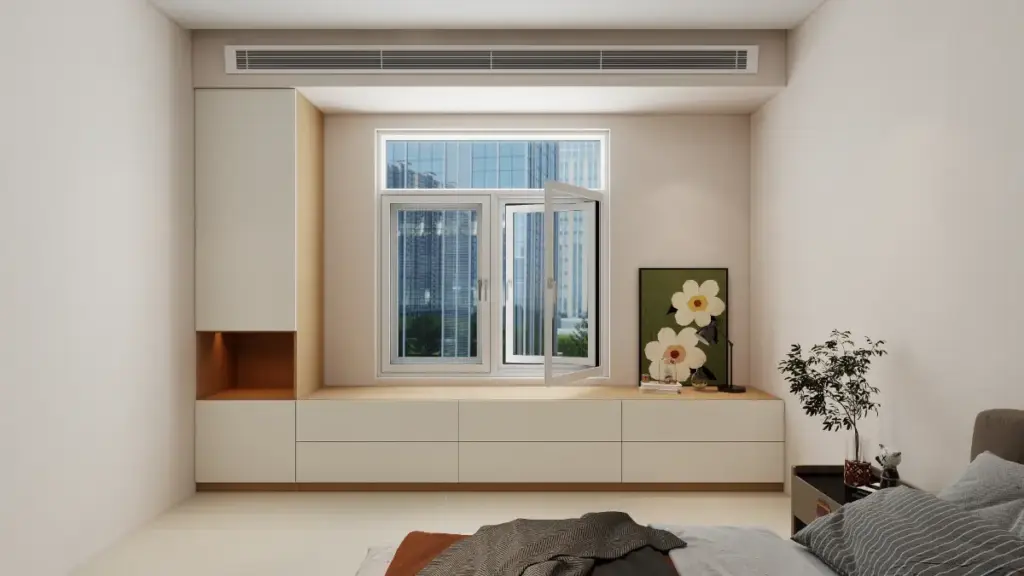
Aluminum windows are known for their exceptional durability and design flexibility. Made from extruded aluminum frames, these windows are lightweight yet strong, offering a high strength-to-weight ratio that allows for larger glass areas and slimmer profiles. Aluminum windows are a popular choice for modern and commercial architecture due to their sleek appearance, 내식성, and long-lasting performance.
주요 특징:
- 내구성: Resistant to corrosion and extreme weather conditions.
- 디자인 유연성: Allows for large, slim profiles with expansive glass areas.
- 에너지 효율: Can achieve high thermal performance when paired with thermal breaks.
- 유지 보수가 적습니다: Requires minimal upkeep due to its corrosion-resistant properties.
- Long Lifespan: Provides reliable performance for 30–50 years with proper care.
열효율
The U-factor measures heat transfer, with lower values indicating better insulation. The ‘whole-window’ U-factor accounts for the combined thermal performance of the frame, 유리, and edge effects, providing a complete assessment of energy efficiency.
Fiberglass windows outperform aluminum in thermal efficiency due to their significantly lower thermal conductivity. Pultruded fiberglass is approximately 500 times less conductive than aluminum, which means it naturally provides superior insulation. 예를 들어, a single-pane aluminum window typically has a high U-value of about 1.25 Btu/hr·ft²·°F, whereas fiberglass and wood frames can reduce the whole-window U-value by about 50% when used in double-pane systems.
High-performance fiberglass frames with triple-pane glass can achieve U-factors as low as 0.25, offering exceptional thermal efficiency (equivalent to R ≈ 4). 대조적으로, 알루미늄 프레임, even with thermal breaks, require additional engineering to achieve similar thermal performance, making fiberglass a more energy-efficient option for projects prioritizing insulation.
System-Engineered Aluminum Windows for Peak Performance
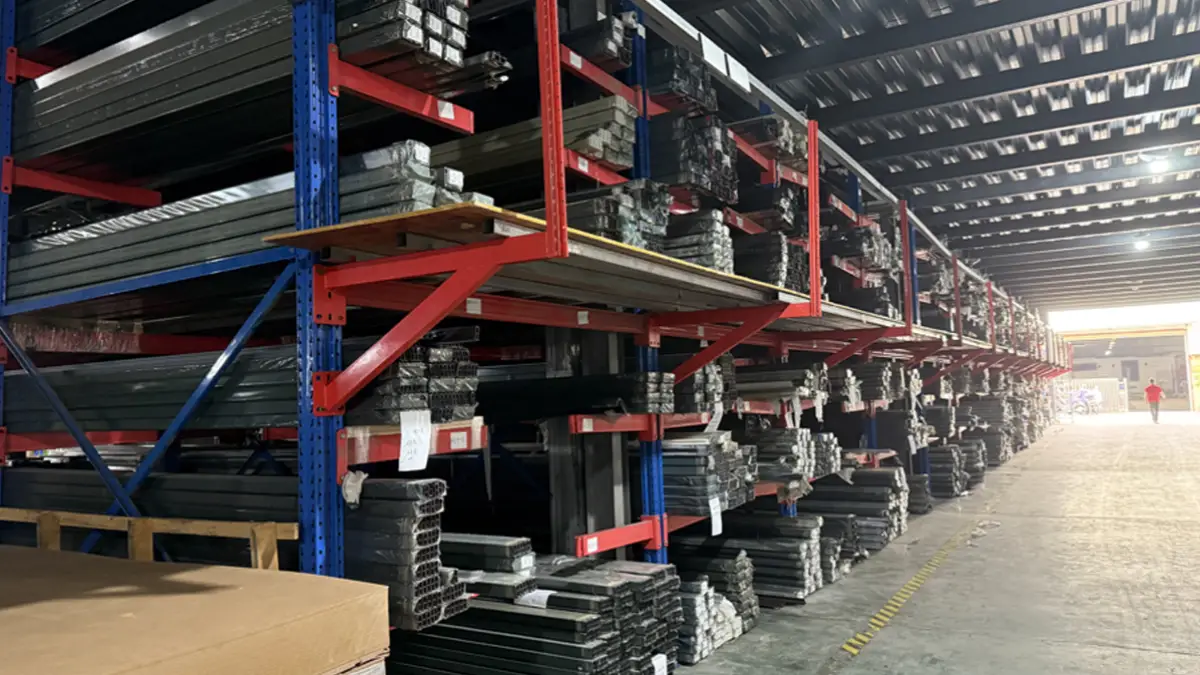
Structural Performance
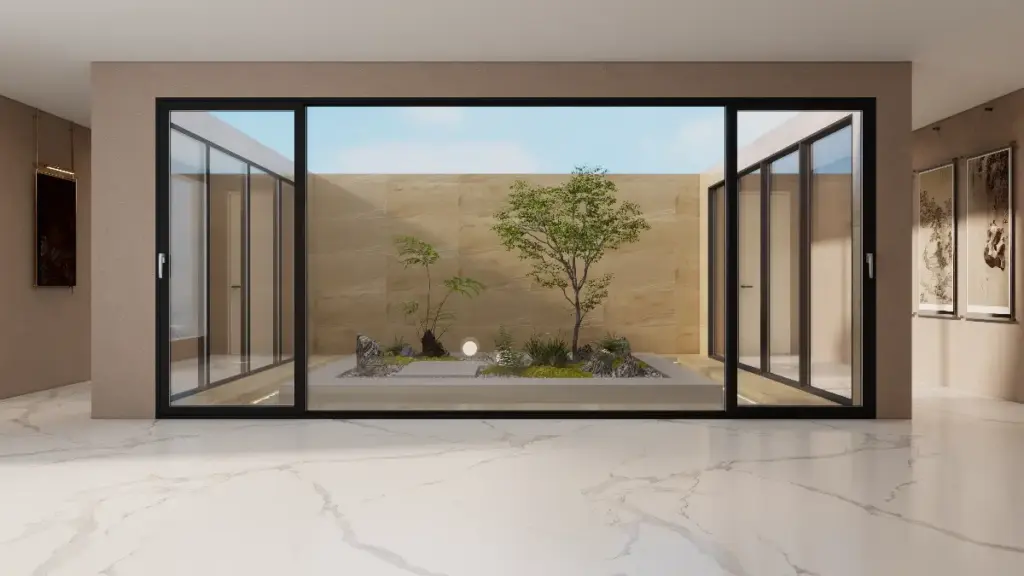
Stiffness and Load Capacity
Aluminum frames offer superior stiffness with a modulus of elasticity of around 69 GPa, making them ideal for large spans and high-load applications. This higher stiffness ensures that aluminum can handle extreme loads, making it a top choice for commercial and high-rise buildings. While fiberglass has a lower modulus, it compensates with a higher strength-to-weight ratio, making it suitable for less demanding applications.
Profile Thickness and Design Flexibility
Aluminum’s inherent stiffness allows for the creation of slimmer profiles, which is crucial for architectural projects that require larger glass areas. 하지만, aluminum’s high thermal conductivity necessitates multi-chamber profiles and thermal breaks to achieve energy efficiency. 유리섬유, 반면에, requires fewer thermal breaks, allowing for slimmer frames while maintaining strong structural integrity.
적용 적합성
Aluminum is preferred for projects involving large spans, high wind loads, or heavy glazing systems, such as commercial or residential facades. Fiberglass is more suitable for residential or light-commercial applications, where energy efficiency and durability in varying climates are the key considerations.
Design and Color Flexibility
Aluminum windows offer exceptional design flexibility with precise extrusion of alloys like 6063, which allows for intricate profiles and a wide range of customization options. Key options include:
Shape and Configuration: Customizable frame shapes, including fixed, 여닫이창, 슬라이딩, and tilt-turn designs, with large fixed lites up to 60 평방피트.
Profile Widths: Available from 55mm to 120mm, accommodating various design requirements.
Color Palette: Choose from a vast range of colors, including black, anthracite, 청동, silver, 회백색, and cream.
Finishes: Advanced powder coating and anodized finishes ensure durability and resistance to fading, scratching, 그리고 풍화. Options include matte, 광택있는, and textured finishes.
유리 옵션: Double or triple glazing, low-E coatings, and argon gas fill for enhanced energy efficiency.
Longevity and Maintenance
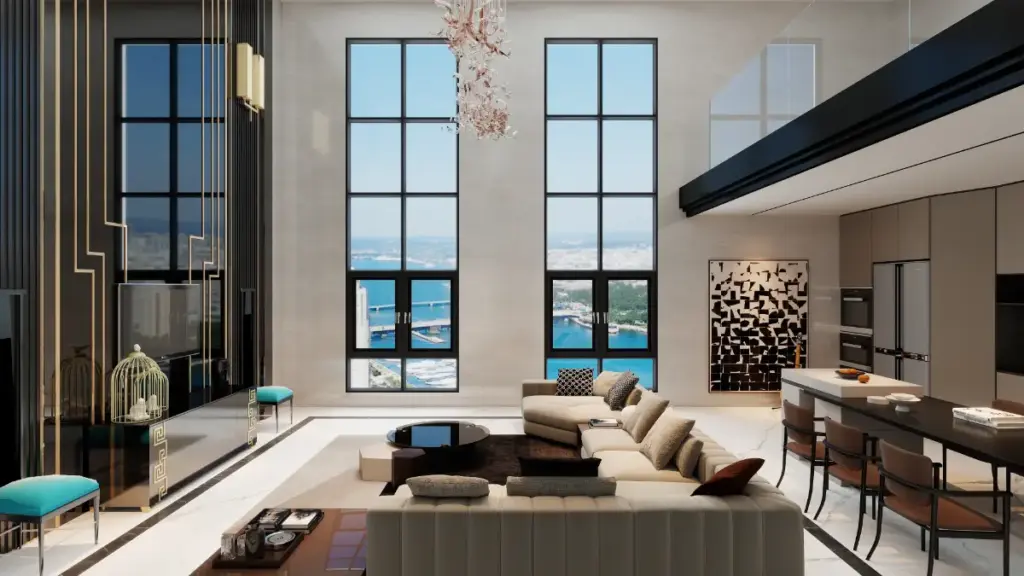
내구성과 유지관리
Aluminum windows are highly durable, offering a service life of 15-30 연령, with proper maintenance. While aluminum is resistant to wear and tear, it is more susceptible to corrosion, especially in coastal areas or environments with high humidity. Regular maintenance is required to prevent finish degradation, particularly in the form of scratches or chips, which can expose the metal to moisture. To maintain its appearance and longevity, aluminum windows often need periodic touch-ups.
대조적으로, fiberglass windows are virtually maintenance-free, with superior resistance to corrosion, UV damage, 그리고 뒤틀림, ensuring long-term performance with minimal upkeep.
Lifecycle Cost Analysis
Although fiberglass windows have a 15-30% higher initial cost, their durability, 에너지 효율, and low maintenance lead to lower overall lifecycle costs. Fiberglass is more than 100% more thermally efficient than aluminum, which translates into energy savings and a reduced need for repairs, making it a cost-effective option over 20-30 연령.
Project Selection: The Ideal Environment for Each Material
Based on the comparison above, we’ve summarized the key points in the table to help guide your decision:
| Property | Fiberglass Windows | 알루미늄 창 |
|---|---|---|
| Thermal conductivity | 500 times less conductive than aluminum, enabling >100% better thermal efficiency. | Highly conductive, requires engineered thermal breaks to mitigate heat transfer. |
| Temperature range | Withstands -40°F to 350°F without brittleness or softening. | Susceptible to thermal bridging; engineered breaks necessary for stability in cold climates. |
| Lifespan | 50-80 연령. | 20-50 연령 (requires maintenance and coatings). |
| Thermal expansion | Expands/contracts at a rate nearly identical to glass, reducing seal stress. | High thermal expansion, requires engineered breaks to mitigate. |
| Standards/Finishes | Uses pultrusion and acrylic capping for durability. | Finishes validated to AAMA 2605 for high-UV, fade/chalk resistance. |
| Impact/hail resistance | Resists normal impact but may chip under severe hail. | Offers superior dent resistance in hail-prone areas. |
| U-value performance | Inherently lower conductivity, achieves excellent whole-window U-values. | Achieves excellent whole-window U-values with insulated glass/engineered thermal breaks. |
| Structural specs | High strength-to-weight ratio, supports slender frames/expansive glass. | 무거움, needs robust hardware; often chosen for structural load/rigidity. |
Choose Fiberglass Windows:
- 에너지 효율성을 위해, with superior thermal insulation and lower U-values.
- 극한 기후에서, from cold to hot temperatures, as fiberglass withstands a broad range.
- When longevity and minimal maintenance are priorities, with a lifespan of 50-80 연령.
- For residential or light-commercial applications where durability and energy savings are key.
- For projects that require structural strength, such as high-wind or high-impact areas (예를 들어, hail-prone zones).
- When you need large glass areas and slim profiles, ideal for commercial or urban settings.
- For applications where design flexibility and aesthetic variety are essential, with a wide range of color options and finishes.
최종 생각
결론적으로, choosing between fiberglass and aluminum windows depends on balancing thermal performance with structural needs. Fiberglass excels in energy efficiency, 장수, and minimal maintenance, making it ideal for energy-conscious projects. 반면에, aluminum offers design flexibility and strength, particularly for large spans and high-impact areas.
을 위한 tailored solutions, OPUOMEN provides high-performance window systems that combine durability, 에너지 효율, and customizable options. Whether you prioritize insulation or design, opuo can help you select the best window solution for your project, ensuring long-term value and sustainability.
자주 묻는 질문
Does fiberglass maintain its structural integrity better than aluminum in extreme heat?
예. Pultruded fiberglass window frames maintain structural integrity through roughly −40°F to about 350°F (≈175°C) without loss of stiffness or significant deformation. 알루미늄 프레임, in contrast, soften and lose strength rapidly once metal temperatures approach ~400–500°F (≈200–260°C) due to a lower melting point and a steep drop in yield strength with heat. Fiberglass remains dimensionally stable in typical building “extreme heat” exposures, maintaining seals, while aluminum relies on thermal breaks and is more prone to heat conduction, expansion mismatch, and energy performance loss rather than outright structural failure.
What are the limitations on the size of operable fiberglass windows?
Operable fiberglass windows, such as casement and hopper types, have typical maximum sizes. Casement windows are generally limited to 4′-5″ width x 7′-4″ 키 (32.29 sq ft or 3.0 m²), and hopper windows to 3′-8″ width x 6′-7″ 키 (23.68 sq ft or 2.2 m²), based on Passive House certified fiberglass window specifications.
How is the surface of fiberglass windows typically finished for B2B projects?
For commercial and multifamily B2B projects, pultruded fiberglass window frames are usually factory-finished with an acrylic or acrylic‑urethane coating system. These coatings are tested and certified to AAMA 613 (now 613/615) standards for organic coatings on fiberglass. They are typically baked‑on, UV‑stable, water‑borne or solvent‑borne topcoats designed not to crack or peel, often in medium‑gloss colors, with a limited standard palette and optional custom colors available.
What is the cost difference between fiberglass and thermal break aluminum?
Industry sources indicate that fiberglass window frames are typically about 15–30% more expensive than comparable aluminum frames, even when the aluminum includes a thermal break. Examples of installed costs show black aluminum units can be several hundred dollars less per opening than fiberglass for the same size and configuration, positioning aluminum (including thermally broken systems) as the lower first-cost option.