Is your fire safety strategy solid, or is it just waiting to melt? While aluminum is a modern architectural favorite, standard frames can soften at just 200°C—a nightmare in a high-stakes fire event.
In this expert guide, we strip away the regulatory jargon to decode E, EW, and EI classifications, 그만큼 “magic” of intumescent seals, and why the right glass choice is a lifesaver. Whether you’re an architect or a contractor, let’s ensure your next project stays cool when things get hot.
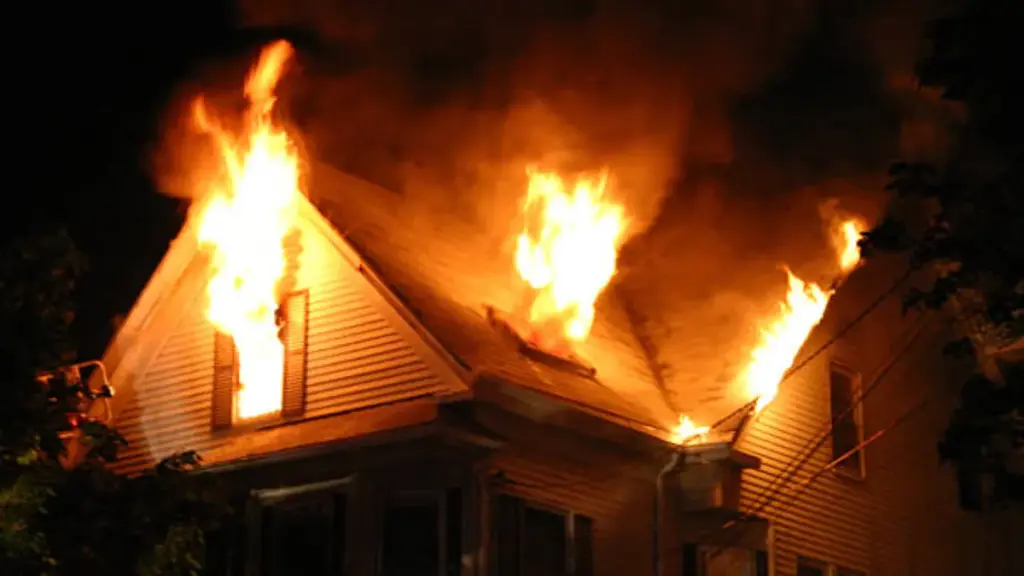
What Are E, EW, and EI Fire Rating Classifications?
Think of fire ratings as your building’s defensive hierarchy. Under the EN 13501-2 기준, choosing the right “letter” determines how a window survives a 1,000°C furnace:
E (Integrity): The Barrier. This is the baseline. It keeps flames and toxic smoke at bay but doesn’t stop the heat. On the “cool” side, temperatures can still skyrocket, potentially igniting nearby furniture. Best for low-occupancy zones where only smoke containment is required.
EW (Integrity + Radiation): The Heat Shield. E-rated plus a crucial extra: it limits radiant heat to less than 15 kW/m². It protects people passing by from “feeling the burn,” making it a smart choice for non-critical corridors or plant rooms.
EI (Integrity + 격리): The Safe Zone. The gold standard. It keeps the unexposed side below a strict average rise of 140°C. Even if a hellish fire rages on the other side, you can safely touch the glass. This is non-negotiable for escape routes and stairwells.
How Do Composite and Monolithic Fire-Resistant Glass Compare?
When specifying fire-rated windows, you aren’t just buying glass—you’re buying time. Here is how the two primary technologies stack up:
Monolithic vs. 합성물
| 특징 | Monolithic Glass (예를 들어, Borosilicate) | Composite Glass (Laminated) |
|---|---|---|
| Mechanism | Single-layer high-heat resistance | Multi-layer with intumescent interlayers |
| Fire Class | E Class (Integrity Only) | EI Class (Integrity + 격리) |
| Core Performance | Ultra-long duration (최대 180 min) | Blocks heat; turns opaque in fire |
| 가장 좋습니다 | Exterior facades & large spans | Escape routes & interior safety zones |
| Added Perks | Lightweight & cost-effective | Superior noise & UV reduction |
Other Types of Fire-Resistant Glass
Beyond these two, Ceramic Glass (like FireLite) is the “indestructible” alternative, offering 20x the thermal shock resistance of standard glass without needing a laminate.
For industrial retrofits, you might still encounter Wired Glass, but its “prison-grid” look and low impact safety are quickly making it obsolete.
제조업체로서, we emphasize that Monolithic glass acts as a “transparent radiator”—it stops flames but lets heat through. For human-centric spaces, Composite glass is the true hero, creating a physical and thermal shield that saves lives.
How Does Profile Treatment Impact Fire Safety?
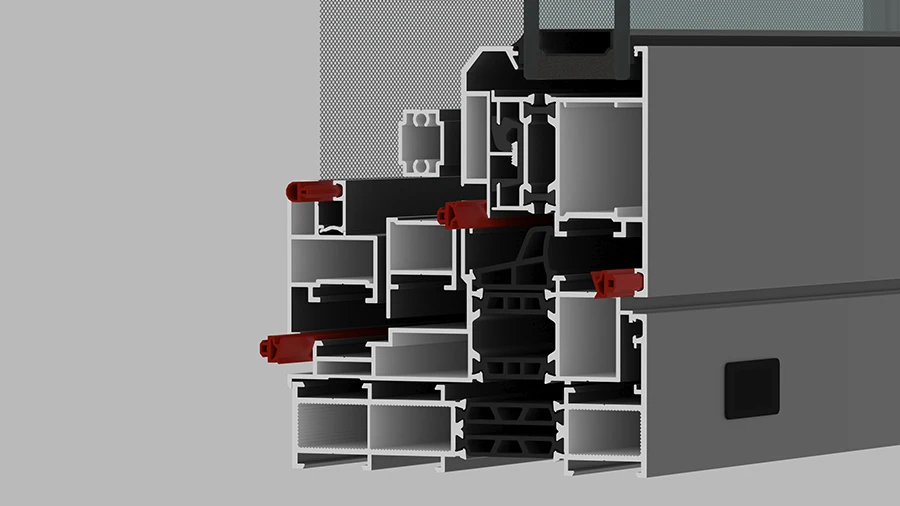
Standard aluminum begins to lose structural integrity at approximately 200°C. To bridge the gap between this low melting point and the 1,000°C+ requirements of fire safety, specialized architectural engineering is mandatory.
Structural Reinforcement & Multi-Chamber Design
그만큼 “skeleton” of a fire-rated window relies on a multi-chamber profile strategy. Unlike hollow residential frames, these systems feature internal steel reinforcement inserts and fire-resistant insulating cores. This hybrid construction ensures that even if the outer aluminum skin softens, the internal steel spine maintains the window’s geometry, preventing the glass from falling out—a critical factor OPUOMEN prioritizes in its EI-rated assemblies.
열 파손 & Integrated Barriers
To achieve insulation (I) 평가, the frame must act as a thermal dam. High-performance thermal breaks and fire-retardant infill materials are integrated within the profile to decouple the hot exposed side from the protected side. This meticulous layering is what keeps unexposed surface temperatures below the critical 140°C threshold, a standard OPUOMEN meets through precision-fitted thermal gaskets.
The Synergy of Hardware and Intumescent Seals
Fire protection is a dynamic process. Integrated intumescent seals and specialized fire-rated hardware (such as steel hinges and multi-point locks) work in tandem. When temperatures rise, the seals expand to choke off oxygen, while the hardware ensures the sash remains hermetically pressed against the frame. 이것 “active” defense prevents the warping that typically causes standard aluminum windows to fail within minutes.
Discover OPUOMEN: High-Performance Aluminum Window Systems
Why Are Intumescent Seals Essential for Fire Windows?
In the event of a fire, the greatest threat to a building’s compartmentation isn’t just the intensity of the heat—it is the differential expansion of materials. As aluminum frames and fire-rated glass react to rising temperatures, microscopic gaps inevitably open. Intumescent seals are the only components capable of closing these gaps in real-time.
How Intumescent Seals Work to Prevent Fire Spread
Unlike static gaskets, intumescent materials remain dormant until they reach a “trigger temperature” (typically between 150°C and 190°C). Upon activation, the material undergoes a chemical reaction, swelling up to 20 times its original volume. This rapid expansion creates a dense, carbonaceous “char foam” that occupies every void within the frame profile.
Material Synergy: Graphite, Sodium Silicate, and EPDM
Not all seals are created equal. A high-performance fire window relies on a “hybrid” sealing strategy to handle both daily use and fire emergencies:
Expandable Graphite (High-Pressure Defense): This is the “high-pressure” specialist. It expands 15–20x its original volume, forming a robust, flexible char foam. It is ideal for aluminum systems because it handles the dynamic movement of the metal as it expands in heat.
Hydrated Sodium Silicate (The Early Shield): Often used for glazing seals, this material provides a rigid, “hard foam” barrier. It expands at lower temperatures (above 100°C), providing an early-stage shield against smoke before the fire fully takes hold.
EPDM Rubber (The Daily Performer): Standard EPDM is essential for daily weatherproofing, 방음, and air-tightness. 하지만, in a fire, EPDM is “sacrificial”—it will melt or degrade as temperatures climb. Advanced systems use Fire-Retardant EPDM to prevent early flame spread while the internal intumescent cores prepare to expand.
Durability and Life Expectancy
A fire seal is only useful if it works 20 years after installation. To ensure long-term compliance, these components must meet rigorous standards such as UL 10C or EN 1363-1 aging protocols.
What Are the Regulatory Fire Window Certification Standards?
For specifiers and buyers, navigating fire window regulations is about ensuring legal compliance and project safety. Certification is not just a test of the glass, but a verification of the entire assembly—including frames, 물개, and hardware—under specific thermal stress.
Global Regulatory Frameworks
The two primary benchmarks for fire window performance are the North American (UL/NFPA) and European (안에) 표준. While both ensure safety, they categorize performance differently:
- 북아메리카: Focuses on Fire-Protective (NFPA 257/UL 9) and Fire-Resistive (ASTM E119/UL 263) 평가. A key requirement here is the Hose Stream Test, which measures the system’s ability to withstand thermal shock from firefighting efforts.
- Europe: Utilizes the EN 13501-2 classification. It breaks performance into Class E (Integrity), Class EW (Integrity + Radiation Control), and Class EI (Integrity + Full Insulation).
Decoding Mandatory Labels (그만큼 “ID” of Safety)
To pass building inspections, every window must carry a permanent, accredited label (예를 들어, from UL, 인터텍, or TUV). This label acts as a “passport” that confirms:
- Classification: Whether it is marked “OH” (Opening Heat/Protective) 또는 “여” (Wall/Resistive).
- Duration: The exact time-rating (예를 들어, 45, 60, 또는 120 분).
- Size Compliance: Confirmation that the window does not exceed the maximum tested dimensions, as oversized units automatically void their fire-rating.
Critical Compliance Red Lines
Regulatory standards dictate that substitutions are strictly forbidden. If a window was tested with a specific intumescent seal or anchoring pattern, using an alternative on-site constitutes a failure of compliance. Always verify that the manufacturer’s listing report aligns perfectly with the local AHJ (Authority Having Jurisdiction) requirements. compliance. Always verify that the manufacturer’s listing report aligns perfectly with the local AHJ (Authority Having Jurisdiction) requirements.
What Are the Installation Requirements for Fire-Rated Windows?
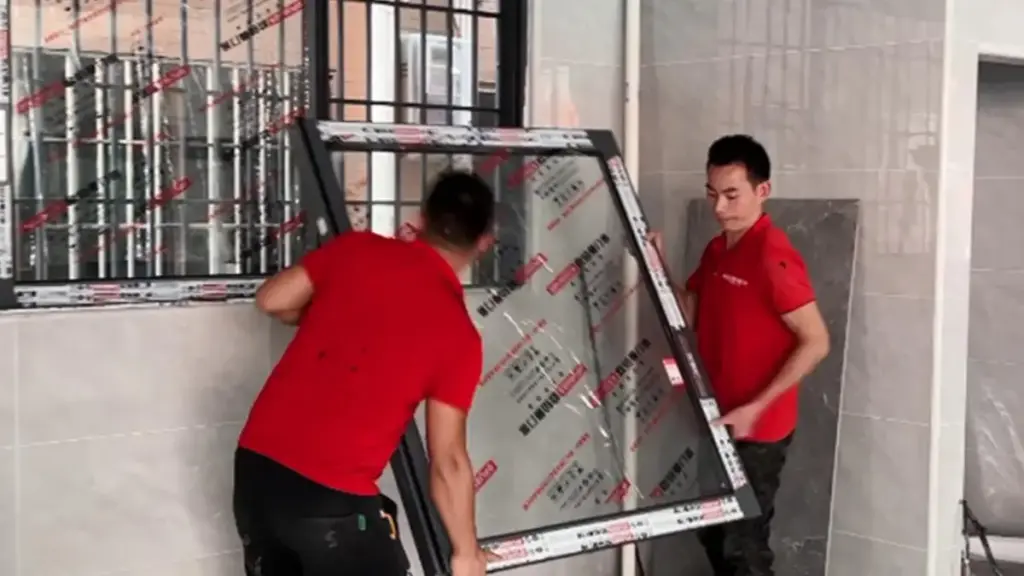
To maintain a window’s certified rating, installation must strictly adhere to the following “as-tested” configurations:
- System Configuration & Wall Construction: Windows must be integrated into specific wall constructions (masonry or steel stud) for which they were listed. The frame profile type and thickness (예를 들어, 2-1/2″–3″ 알류미늄) must remain consistent with the original test report to ensure structural stability.
- Glazing & Component Consistency: Only the designated fire-rated glazing make-up and thickness may be used. All system-supplied components—including anchorage patterns, setting blocks, and fire/smoke seals—must be implemented as a complete kit; unauthorized substitutions typically void the certification.
- Structural Alignment: Frames and sashes must be installed plumb, 수준, and true to line. This precision allows for thermal expansion and dimensional distortion, enabling the assembly to resist up to 1.5 × design wind load (ASTM E330) while maintaining life-safety functions.
- Multi-Performance Verification: Proper perimeter joint detailing ensures the unit retains its daily performance ratings, such as air infiltration (수업 4), 물 침투 (E 1500 아빠), 그리고 바람 저항 (Class C5) according to EN standards.
Given the complexity of perimeter fire sealing and expansion joints, we recommend contacting OPUOMEN during the specification and onsite phases for professional technical service.
OPUOMEN High-Performance Fire Solutions
At OPUOMEN, our advanced R&D team works closely with project architects to provide tailored solutions for various fire-resistance durations.
Our Commitment to Excellence:
Customized System 다재: Beyond standard configurations, we offer to match specific project aesthetics. Our engineering team adapts opening styles and thermal breaks to ensure fire-rated integrity aligns perfectly with your unique design requirements.
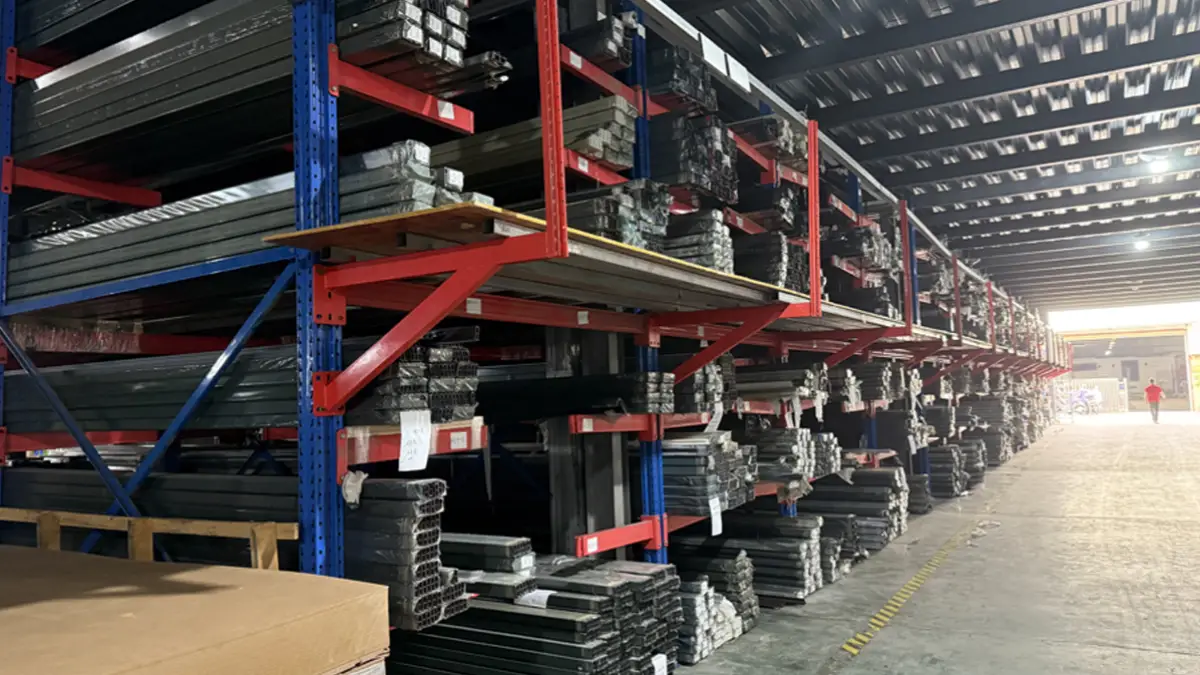
Superior Manufacturing Craftsmanship: Our utilizes high-precision CNC machining and Class A1 non-combustible powder coatings. By maintaining strict tolerances in profile thickness and intumescent grooves, we guarantee that site performance mirrors laboratory test results.
Factory-Direct Advantage: We streamline project timelines with optimized lead times and flexible MOQ for specialized builds. Every unit undergoes rigorous Quality Control (QC), from raw material purity to final assembly, ensuring reliable protection and long-term durability.
최종 생각
Mastering fire-rated aluminum windows requires a precise balance of material science, certified engineering, and rigorous installation. From selecting the correct E/EI classification to integrating advanced intumescent seals, every detail is vital for preserving life and property.
At OPUOMEN, we bridge the gap between architectural design and regulatory compliance through precision manufacturing and expert technical support. Our high-performance systems ensure your building envelope remains resilient under extreme conditions.
Ready to secure your next project with certified fire-rated solutions? 문의하기 for a professional technical consultation.
자주 묻는 질문
What is the difference between integrity (E) 그리고 단열재 (I) fire ratings?
In European fire-resistance classifications, integrity (E) prevents flames, hot gases, and smoke passage, while insulation (I) additionally limits the temperature rise on the unexposed face to a maximum of 140 K average and 180 K at any single point above ambient. An ‘E’ rating (예를 들어, E30) guarantees flame-tightness, whereas an ‘EI’ rating (예를 들어, EI30) provides both flame-tightness and thermal protection for the specified duration, as defined in EN 1634‑1 and classified under EN 13501‑2.
Is a standard thermal break aluminum frame suitable for fire-rated glazing?
아니요, a standard thermal break aluminum frame is not suitable for fire-rated glazing on its own. Fire-rated applications require specialized modifications such as intumescent seals, fire-resistant fillers, or steel sub-frames to meet stringent standards like ASTM E119 or UL fire ratings, typically ranging from 45 에게 120 분.
What is the maximum allowed size for a fire-rated aluminum window?
There is no universal maximum; fire-rated aluminum window systems are limited by their maximum tested and listed size in certification (예를 들어, UL 9 / NFPA 257). Modern systems can achieve individual lite sizes up to about 95 in x 95 in and overall frame areas up to approximately 152 ft² for 45-minute rated aluminum window assemblies.
How often must a fire-rated window be inspected after installation?
Fire-rated windows, categorized as “other opening protectives” under NFPA 80, must undergo periodic inspections and testing at least annually by a qualified inspector. This is in addition to initial inspections immediately after installation and routine maintenance to ensure ongoing compliance.