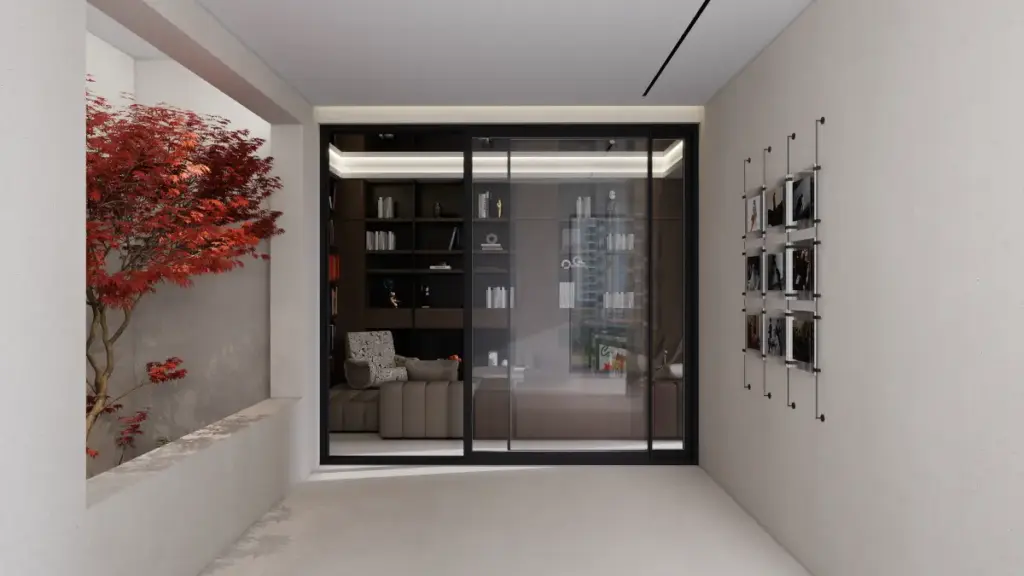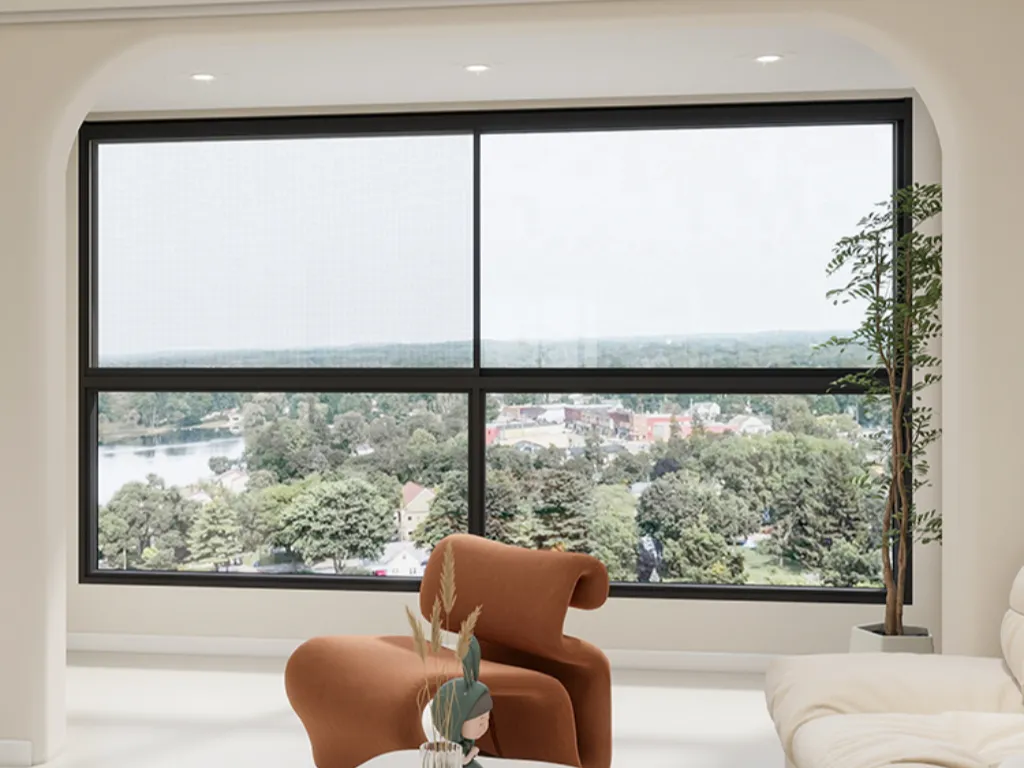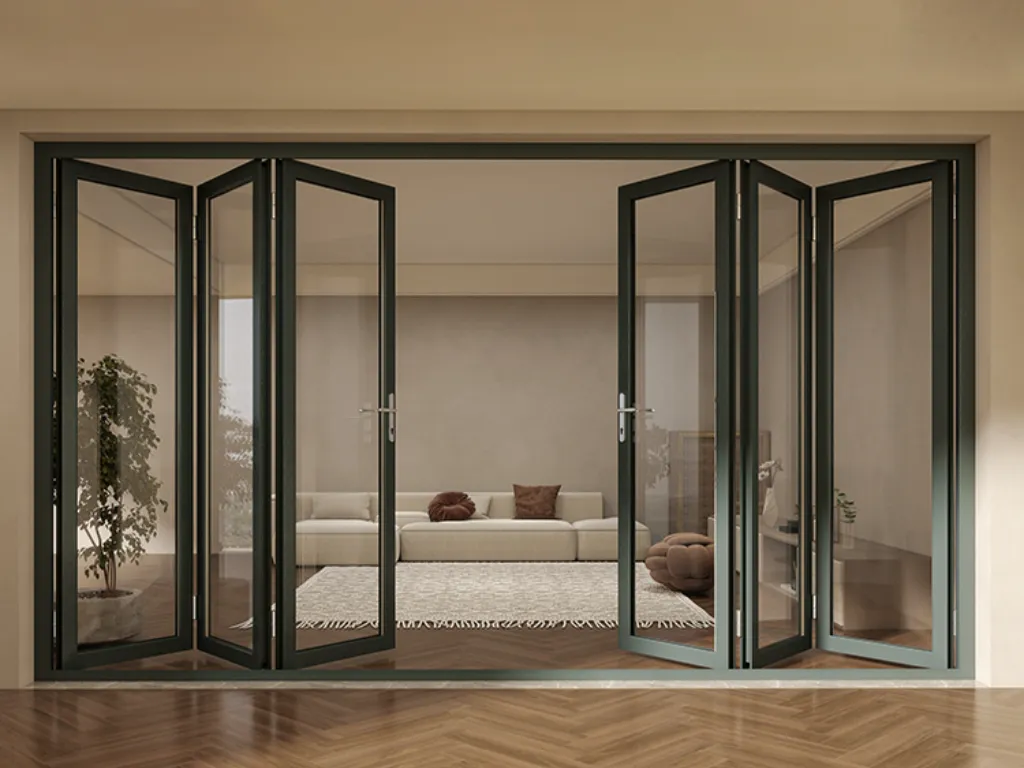
When it comes to selecting sliding patio doors, many homeowners and builders often face a choice between different panel configurations. The most common options are 2-panel, 3-painel, and 4-panel sliding doors. While they all serve the same purpose—providing access to outdoor spaces while maximizing natural light—they differ in terms of size, funcionalidade, e estética. Understanding these differences is essential for choosing the right type of sliding patio door for your home or commercial project.
Neste artigo, we will explore the characteristics of each door configuration, compare their performance in terms of space, luz, isolamento, segurança, e à prova de som, and discuss important installation and cost considerations. No final, you’ll have a clear understanding of which option best fits your needs.
What Are 2, 3, and 4-Panel Sliding Patio Doors?
2-Panel Sliding Patio Doors
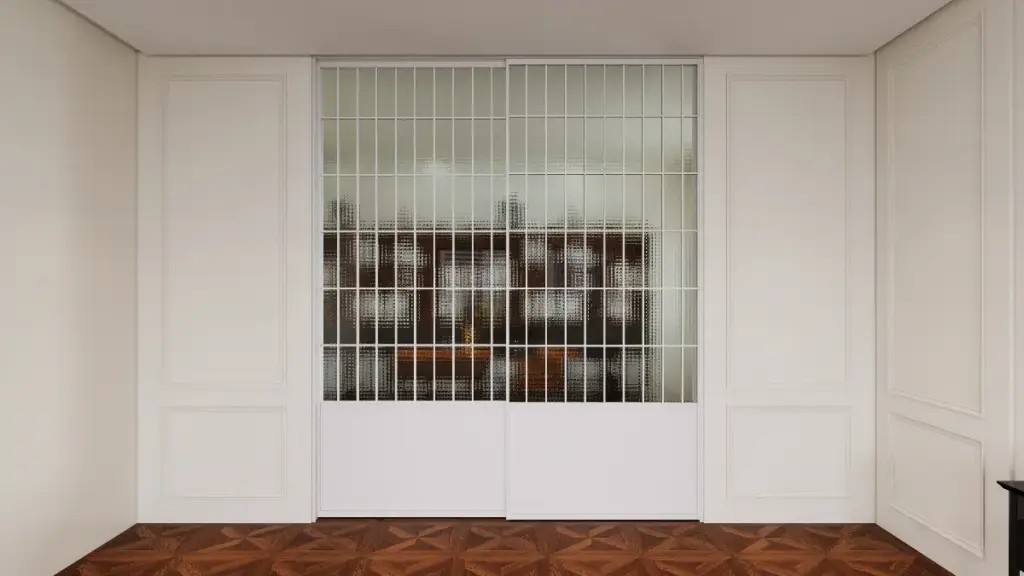
A 2-panel sliding patio door is the most common and simplest design. It consists of two panels—one fixed and one that slides open. This configuration is ideal for smaller spaces or where the opening is not too wide. These doors are easy to install and offer a clean, minimalistic look.
The fixed panel remains in place, while the sliding panel can be moved to allow access to the outside. Because of the smaller size, 2-panel doors are often more affordable compared to their multi-panel counterparts. They also tend to be more energy-efficient, as they have fewer seams and less exposed area for air infiltration.
3-Panel Sliding Patio Doors
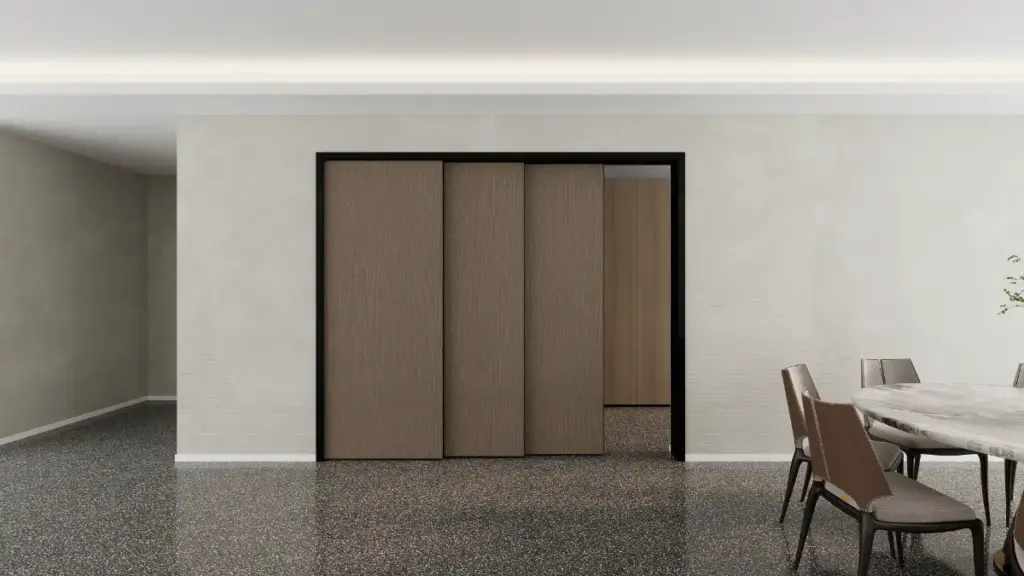
A 3-panel sliding patio door consists of three panels: two fixed panels on either side and one middle panel that slides open. This configuration is perfect for larger openings and can create a more dramatic, visual moderno. The larger expanse of glass allows for more natural light to flow into the room, giving a more expansive feel to the space.
The middle sliding panel is typically designed to slide to either side, providing greater flexibility in how you use the space. These doors offer a balance between the compactness of a 2-panel door and the expansive feel of a 4-panel door.
4-Panel Sliding Patio Doors
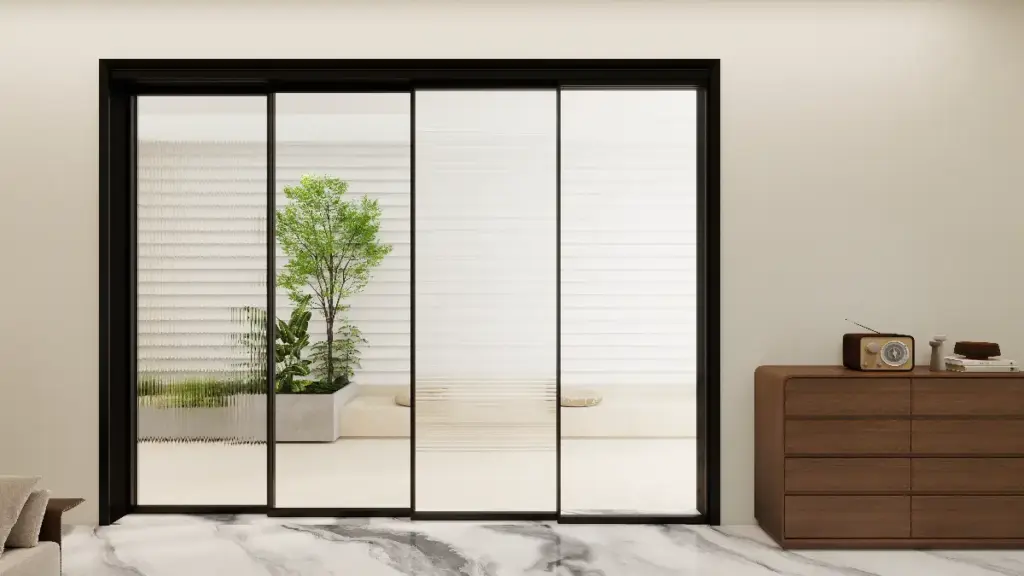
A 4-panel sliding patio door features four panels—two fixed panels and two sliding panels. This configuration offers the widest opening and the most unobstructed views, making it a popular choice for homeowners who want to create a seamless connection between their indoor and outdoor living areas. The two sliding panels give you flexibility in terms of how much space you want to open up at any given time.
This configuration is particularly suited for large homes, high-end residences, or commercial properties that require maximum access and visibility. With a 4-panel system, you can let in a great deal of natural light while still maintaining strong security and insulation properties.
Performance Comparison Between 2, 3 & 4-Panel Sliding Patio Doors
When choosing a sliding patio door, it’s important to consider the performance of each type. Here’s a breakdown of how 2-panel, 3-painel, and 4-panel doors compare in several key areas.
Space Impact
The size of the door directly influences how much space is available for other elements of your home. A 2-panel sliding door is the most compact, taking up the least space when opened. This makes it ideal for smaller homes or apartments where maximizing available space is a priority.
Em contraste, 3-panel and 4-panel doors take up more space when opened. No entanto, they provide a wider opening, making them more suitable for larger homes or spaces where you need better access to outdoor areas. The 4-panel option, in particular, can create a visually impressive transition between your indoor and outdoor spaces, but it also requires a larger footprint.
Natural Light Impact
All sliding patio doors are designed to let in natural light, but the amount they allow varies depending on the number of panels. A 2-panel sliding door offers a reasonable amount of light through the larger fixed panel, but a 3-panel or 4-panel sliding door brings in significantly more light. The larger the glass area, the more light you’ll have in your living space.
In homes with limited natural light or those that face restrictive layouts, a 3-panel or 4-panel door can drastically improve the brightness of your space. This is especially beneficial for rooms that rely heavily on natural light, such as living rooms or kitchens.
Insulation Efficiency
Quando se trata de eficiência energética, insulation is one of the most important factors to consider. Both 2-panel and 3-panel sliding patio doors are generally more energy-efficient than 4-panel doors, due to the smaller glass area and fewer moving parts. Less glass means less opportunity for heat loss during the winter or unwanted heat gain in the summer.
4-panel sliding doors tend to be less energy-efficient because they cover a larger surface area, which may allow for greater heat transfer. No entanto, modern sliding patio doors often come with energy-efficient glass options such as Low-E coatings and double glazing, which help improve their insulation properties. It’s important to check for energy efficiency ratings (such as the U-factor) when choosing your door type.
Security Capacity
Security is always a top priority when selecting exterior doors. All sliding patio doors, regardless of the panel configuration, come with robust locking mechanisms. No entanto, the security of 3-panel and 4-panel doors can be a bit more complex, as they require more mechanisms to secure all the sliding panels.
2-panel sliding doors tend to have a simpler locking system, and because only one panel slides, there is less opportunity for break-ins. Dito isso, high-quality locks, reinforced frames, and other security features can help improve the security of any type of sliding door.
Soundproofing Impact
Noise reduction is another factor that can vary depending on the door configuration. A 2-panel sliding door, with its smaller surface area and fewer gaps, can offer better soundproofing compared to larger sliding doors. No entanto, 3-panel and 4-panel doors allow for larger expanses of glass, which can result in more sound transmission.
If soundproofing is a significant concern, consider opting for doors with acoustic glass or other noise-reducing features, especially for larger configurations.
Installation and Maintenance Considerations
Instalação
Installation complexity varies depending on the panel configuration. 2-panel sliding doors are relatively easy to install, especially in standard-sized openings. They are often the quickest option for contractors to install, which can save on labor costs.
3-panel and 4-panel doors require more preparation and a larger opening, making them more complex to install. Adicionalmente, 4-panel doors, due to their size and weight, may require extra support during installation. Always consult with a professional installer to ensure the doors are properly fitted and secure.
Manutenção
Maintenance needs are largely similar for all types of sliding patio doors, but larger doors may require more attention over time. The tracks for 3-panel and 4-panel doors can accumulate dirt and debris more easily due to their increased number of moving parts. Regular cleaning and lubrication of the tracks will help maintain smooth operation.
Adicionalmente, checking for air or water leaks around the seals is important to ensure energy efficiency and longevity. Weatherstripping may need to be replaced more frequently in larger doors due to the increased exposure.
Cost Considerations Between 2, 3 & 4-Panel Sliding Patio Doors
Cost is often a deciding factor when choosing between different types of sliding patio doors. In general, the larger the door, the higher the cost—both for the initial purchase and for installation.
A 2-panel sliding door is the most affordable option, with prices ranging from $500 para $1,500, depending on the material and features. A 3-panel door will typically cost between $1,500 e $3,000, while a 4-panel sliding door can range from $3,000 para $6,000 or more. The price variation depends on the material (vinil, alumínio, ou madeira), the quality of the glass, and any additional features such as energy-efficient coatings or custom sizes.
How to Choose the Right Sliding Patio Door for Your Home
Choosing the right sliding patio door depends on several factors, including space, estética, orçamento, e funcionalidade. If you’re working with a smaller space or want a more cost-effective option, a 2-panel door might be the best choice.
Por outro lado, if you have a larger space and want to create a more luxurious feel, a 3-panel or 4-panel door can offer greater openness and natural light.
Here’s a quick summary of what to consider:
| Fator | 2-Panel Sliding Door | 3-Panel Sliding Door | 4-Panel Sliding Door |
|---|---|---|---|
| Melhor para | Smaller spaces, cost-conscious | Medium-sized openings, balance of space and light | Large openings, luxury, maximum light |
| Space Impact | Compactar, minimal | Balanced space, visual moderno | Expansive, dramatic |
| Luz Natural | Moderate light | More light | Maximum light |
| Eficiência energética | Alto | Moderado | Mais baixo (without special coatings) |
| Segurança | Simpler locking | More complex, more security | Complex but secure |
| Custo | Low to moderate | Moderate to high | Alto |
Conclusão
Choosing the right sliding patio door—whether 2, 3, or 4-panel—depends on your space, orçamento, and desired aesthetics. Each configuration offers unique benefits, from space efficiency to enhanced natural light and views. For a modern, expansive feel, a 3-panel or 4-panel door is ideal, while a 2-panel door provides a more compact, budget-friendly solution.
If you’re looking for high-quality sliding patio doors, Opuo offers a variety of customizable options to suit your needs. Contate-nos hoje to find the perfect solution for your home.