Entre os vários materiais, a madeira é uma escolha popular pelo seu apelo natural e propriedades sustentáveis. No entanto, nem todos os tipos de madeira são criados iguais. Neste artigo, compararemos dois tipos de madeira comuns – grau ENF e grau E0 – para ajudá-lo a determinar qual deles é mais adequado para o seu projeto ecológico.
Iremos mergulhar nas definições dessas notas, discutir suas emissões de formaldeído, veja as diferenças de preços, e considere padrões de certificação. Com uma comparação abrangente, você poderá tomar uma decisão informada para seu próximo projeto.
O que é madeira de grau ENF?
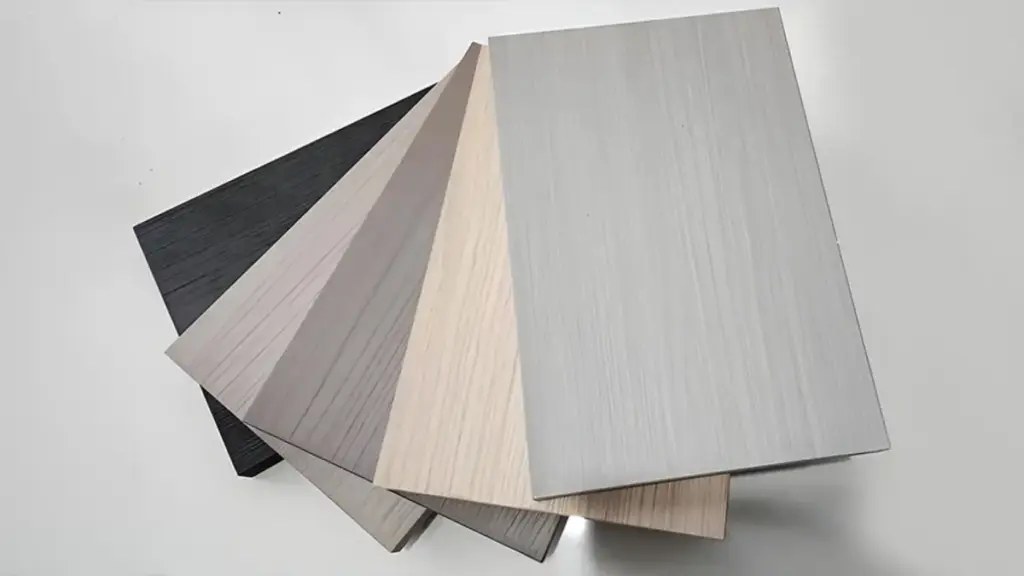
A madeira de grau ENF é um tipo de madeira tratada especificamente para atender aos rigorosos padrões de emissão de formaldeído. Formaldeído, um produto químico comum usado em adesivos e revestimentos de madeira, é conhecido por seus riscos potenciais à saúde. A madeira de grau ENF foi projetada para minimizar esses riscos, garantindo que as emissões de formaldeído estejam bem abaixo dos limites legais, tornando-o uma opção mais segura para o meio ambiente e para a saúde humana.
Prós:
- Emissões de formaldeído extremamente baixas (≤ 0.025 mg/m³), muito abaixo dos limites regulatórios.
- Seguro para uso interno, incluindo casas, escritórios, e espaços comerciais.
- Versátil com diversas espécies de madeira disponíveis
Contras:
- Um pouco mais caro que os tipos de madeira padrão
Melhor caso de uso:
- Construção residencial de alto padrão
- Interiores comerciais onde a qualidade do ar é importante
- Móveis e armários em ambientes sensíveis
O que é madeira grau E0?
A madeira de grau E0 é um tipo de madeira ecológico conhecido por suas emissões ultrabaixas de formaldeído. Como uma das categorias mais rigorosas para emissões de formaldeído, especialmente na China, A classe E0 tornou-se o padrão ouro para materiais de madeira “verdes”. Este grau garante que as emissões de formaldeído sejam extremamente baixas, tornando-o uma das opções mais seguras disponíveis para ambientes internos.
Prós:
- Baixas emissões de formaldeído (menor que 0.5 mg/L)
- Atende aos mais altos padrões ambientais e de saúde
Contras:
- Custo mais elevado em comparação com outras classes de madeira
Melhor caso de uso:
- Aplicações interiores: uso interno geral
- Projetos comerciais com restrições orçamentárias
Emissões de formaldeído
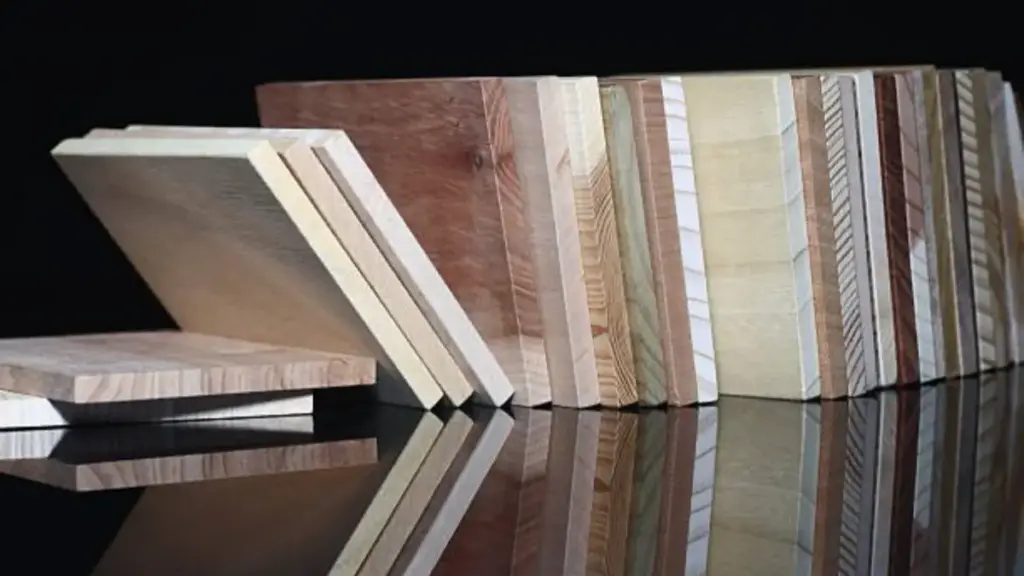
Acreditamos que a pergunta mais importante em sua mente é, “Qual tipo de madeira é mais seguro?” Vamos comparar suas emissões de formaldeído para descobrir.
O formaldeído é um composto orgânico volátil (COV) que podem ter efeitos prejudiciais na qualidade do ar interior e na saúde humana. A exposição prolongada ao formaldeído pode causar problemas respiratórios, reações alérgicas, e até mesmo certos tipos de câncer. Por causa desses riscos à saúde, muitos países estabeleceram regulamentações sobre os níveis máximos permitidos de formaldeído em produtos de madeira.
- Madeira de grau ENF tem emissões de formaldeído de ≤ 0.025 mg/m³, tornando-o o mais rigoroso dos dois padrões, especialmente em termos de proteção ambiental.
- Madeira grau E0 tem emissões de formaldeído de ≤ 0.050 mg/m³, que ainda é um nível de emissão muito baixo, mas não é tão rigoroso quanto ENF. É o segundo padrão mais alto da China e o mais rigoroso de Singapura.
As madeiras de grau ENF e E0 são seguras, opções de baixas emissões. Para uso doméstico diário, Madeira de grau ENF é a escolha certa. Para quem procura uma variedade de opções ecológicas, Opuomen oferece uma ampla seleção de várias placas ecologicamente corretas de grau ENF.
Processo de produção
De uma perspectiva ambiental, o tipo de adesivo usado em madeira de grau ENF e E0 é outro fator importante a considerar.
ENF-grade: A madeira de grau ENF geralmente usa adesivos sem formaldeído, tornando-o um dos materiais de madeira ecológicos com menor emissão disponíveis. Este recurso permite que a madeira de grau ENF atenda aos mais altos padrões de qualidade do ar interno, tornando-o ideal para ambientes onde a qualidade do ar é extremamente importante, como hospitais e escolas.
Grau E0: Embora a madeira de grau E0 seja produzida com adesivos ecológicos, esses adesivos ainda podem liberar uma quantidade muito pequena de formaldeído. No entanto, o valor liberado está muito abaixo dos limites legais, e a madeira ainda atende aos rígidos padrões de emissão de formaldeído. Apesar disso, A madeira grau E0 ainda é uma ótima opção para projetos que priorizam sustentabilidade e saúde, embora seja um pouco menos rigoroso do que o grau ENF em termos de emissões.
Qual série é mais acessível?
Tanto a madeira de grau ENF como a de grau E0 tendem a ter preços mais elevados do que os produtos de madeira convencionais devido aos seus tratamentos e certificações ecológicos.. No entanto, existem diferenças notáveis no custo entre os dois:
Madeira grau E0 é normalmente mais acessível do que a madeira de grau ENF. O processo de produção do grau E0 é mais barato, tornando-o uma opção mais econômica para projetos que exigem materiais ecológicos.
Madeira de grau ENF, devido aos seus processos de tratamento mais avançados e padrões mais elevados de proteção ambiental, tende a ter um preço premium. Embora mais caro, A madeira de grau ENF oferece maiores benefícios ambientais, tornando-o ideal para projetos de alto nível onde a sustentabilidade e a segurança são prioridades fundamentais.
Certificação e Padrões
Tanto a madeira de grau ENF como a de grau E0 estão sujeitas a várias certificações e normas para garantir que cumprem os níveis de emissão de formaldeído exigidos..
Madeira de grau ENF normalmente atende CARBONO Fase 2 e padrões europeus E1, garantindo que as emissões de formaldeído estejam dentro dos limites seguros para uso interno. Além dessas certificações amplamente reconhecidas, A madeira de grau ENF também pode cumprir outros padrões de produção ecológicos, como o FSC (Conselho de Manejo Florestal) certificação, que garante que a madeira provém de florestas geridas de forma sustentável. Esta certificação, junto com outras práticas de fabricação ecológicas, fortalece ainda mais a posição da madeira de grau ENF como uma escolha responsável para projetos ambientalmente conscientes.
Madeira grau E0, também atende à Fase CARB 2 e padrões europeus E1, mas normalmente carrega o Padrão Nacional da China para E0, que é um padrão de emissão de formaldeído mais rigoroso na China. No entanto, A madeira de grau ENF supera em termos de controle de formaldeído, com limite inferior.
Grau ENF vs grau E0: Tabela de comparação
Para resumir, as principais diferenças podem ser descritas na tabela a seguir:
| Fator | Madeira de grau ENF | Madeira grau E0 |
|---|---|---|
| Emissão de formaldeído | ≤ 0.025 mg/m³ (Limite de emissões mais rigoroso) | ≤ 0.05 mg/m³ (Ainda muito baixo, mas ligeiramente superior ao ENF) |
| Tipo de adesivo | Frequentemente usa adesivos sem formaldeído, garantindo emissões mínimas | Usa adesivos ecológicos, mas ainda pode liberar uma quantidade muito pequena de formaldeído |
| Processo de produção | Avançado, métodos de produção com baixas emissões | Atende a padrões de emissão rigorosos, mas menos rigorosos que o ENF |
| Preço | Normalmente mais caro devido a processos de tratamento avançados | Mais acessível devido a métodos de produção um pouco menos rigorosos |
| Melhores casos de uso | Residencial de alto padrão, interiores comerciais com altos requisitos de qualidade do ar, ambientes sensíveis como hospitais | Uso interno geral, projetos comerciais com restrições orçamentárias |
| Saúde & Impacto Ambiental | Fornece o mais alto nível de controle de qualidade do ar, ideal para ambientes sensíveis | Ainda é uma opção muito segura, mas um pouco menos rigorosa para requisitos de emissões ultrabaixas |
Como escolher madeira de grau ENF para seu projeto ecológico
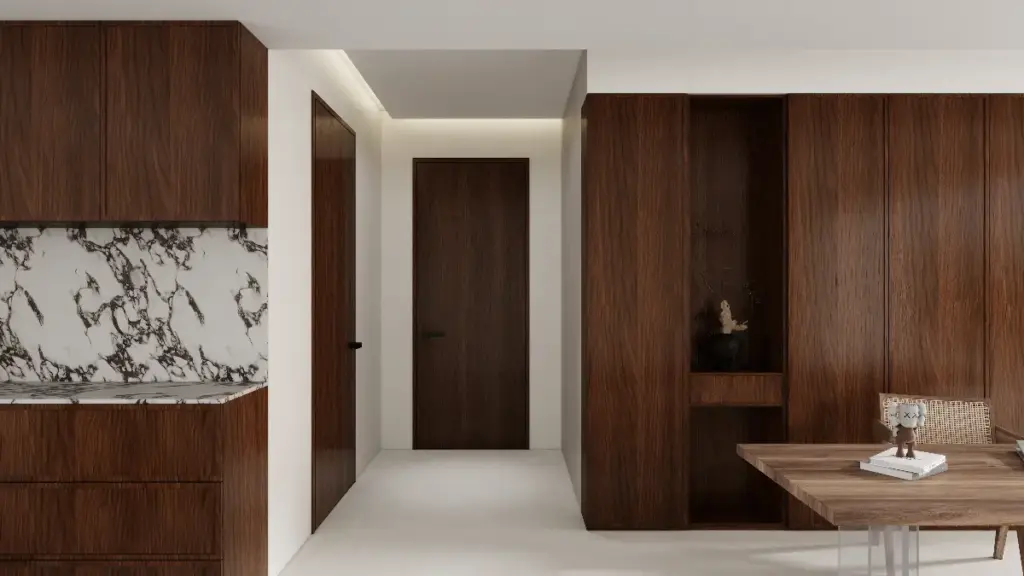
Agora que você está ansioso para encontrar um fornecedor confiável de madeira ecológica de grau ENF, considere os seguintes fatores-chave para garantir que você esteja obtendo material de alta qualidade que atenda aos padrões ambientais e de custo-benefício:
Verifique se há certificações
Certifique-se de que a madeira de grau ENF que você está considerando atende a certificações reconhecidas internacionalmente, como CARB Phase 2, E1 europeu, e possivelmente FSC (Conselho de Manejo Florestal). Estas certificações confirmam que a madeira cumpre os mais rigorosos padrões de emissão de formaldeído e é proveniente de fontes sustentáveis.
Examine os níveis de emissão de formaldeído
A madeira de grau ENF foi projetada para ter emissões de formaldeído abaixo 0.025 mg/m³, que está bem dentro dos limites seguros. Verifique a certificação do fabricante para confirmar esses níveis de emissão, especialmente se você estiver usando madeira em ambientes sensíveis como escolas, escritórios, ou ambientes de saúde.
Avalie os adesivos usados
Procure materiais que utilizem adesivos sem formaldeído para garantir que a madeira seja o mais ecológica possível. Alguns fabricantes ainda podem usar adesivos com baixo teor de formaldeído, então sempre confirme os detalhes.
Avalie a durabilidade e a longevidade
A madeira de grau ENF é conhecida por sua resistência e durabilidade, mas é essencial confirmar se a madeira é adequada para a aplicação pretendida. Verifique se a madeira foi tratada para resistência à umidade, pragas, e outros fatores ambientais, especialmente se você estiver usando-o para móveis ou aplicações externas.
Considerações orçamentárias
A madeira de grau ENF pode ser valiosa devido ao seu processamento avançado e tratamentos de baixa emissão. Certifique-se de que o preço esteja alinhado com o orçamento do seu projeto e considere os benefícios a longo prazo, como melhoria da qualidade do ar e sustentabilidade, que vêm com o uso de material de alta qualidade.
Reputação do fornecedor
Escolha um fornecedor confiável como Opuo com um histórico comprovado no fornecimento de madeira de grau ENF de alta qualidade. Pesquise avaliações de clientes, amostras de produtos, e pergunte sobre quaisquer garantias ou garantias que eles oferecem. Isso o ajudará a evitar produtos abaixo da média que podem não atender aos padrões de emissão exigidos.
Conclusão
A escolha entre madeira de grau ENF e de grau E0 depende, em última análise, dos requisitos do seu projeto. Para produtos ecológicos de alta qualidade, Opuomen oferece uma variedade de soluções de grau ENF. Pronto para tornar seu projeto mais verde e seguro? Explorar Alcance do Opuomen hoje e encontre os materiais perfeitos para suas necessidades!