Вы когда-нибудь задумывались, почему некоторые алюминиевые окна выдерживают испытание временем, а другие быстрее выцветают или ржавеют?? Секрет часто кроется в финише. От высокой долговечности покрытий из ПВДФ до гибкости и экономичности порошкового покрытия., каждая отделка предлагает свой набор преимуществ.
В этом руководстве, разбираем верхнюю алюминиевую оконную отделку, их технические характеристики, тесты производительности, и как они влияют на бюджет вашего проекта. Получите информацию, необходимую для выбора правильного покрытия для долговечной красоты и прочности..
Тип отделки 1: Порошковое покрытие
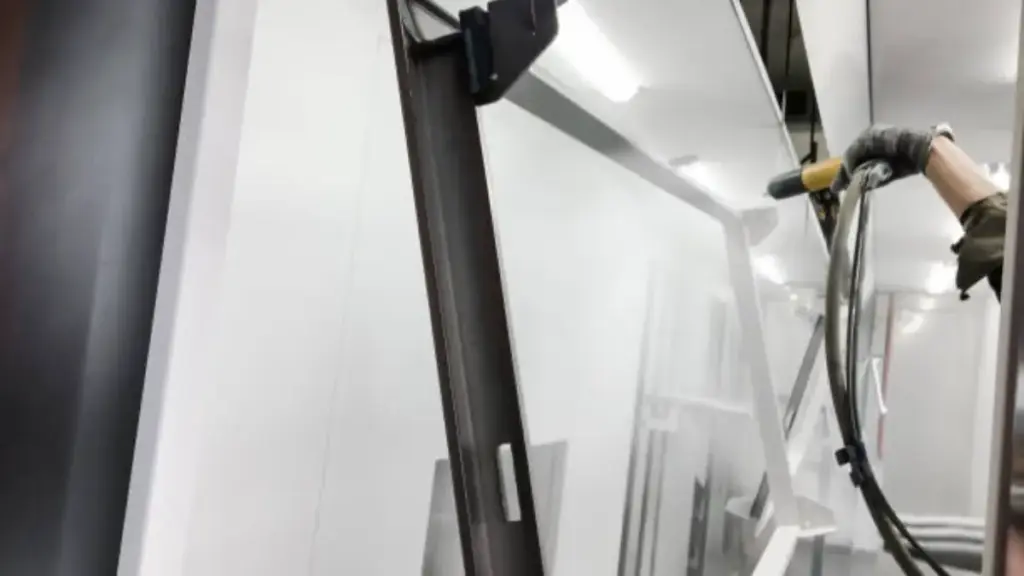
Порошковая покраска – это высокоэффективное, термореактивное органическое покрытие, наносимое на алюминиевые профили. Процесс включает электростатическое распыление сухого порошка на алюминиевую поверхность., который затем отверждается при высоких температурах для создания прочного, прочная пленка. Эта отделка обычно варьируется от 50 к 125 микроны толщиной, обеспечение плавного, защитный слой, который повышает долговечность и эстетику.
Преимущества и недостатки порошковой окраски
- Преимущества:
⚡ Высокая устойчивость к погодным условиям., коррозия, и угасание, что делает его идеальным для длительной работы в различных средах.
⚡ Настраиваемые цвета и текстуры., предлагая широкий спектр эстетических возможностей.
⚡ Низкие эксплуатационные расходы и превосходная долговечность., требующие менее частых подкрасок или перекраски.
⚡ Экологичность с низким содержанием ЛОС., участие в сертификации LEED.
- Ограничения:
⚠️ Более высокая первоначальная стоимость по сравнению с более простыми вариантами отделки, такими как фрезерная отделка..
⚠️Ограниченная ремонтопригодность; повреждение покрытия может быть трудно исправить без полной замены покрытия..
⚠️ Более подвержен сколам и растрескиванию в экстремальных условиях..
Стандарты применения и сертификации порошковых покрытий
Порошковая покраска широко используется для алюминиевых окон., двери, и облицовка как жилых, так и коммерческих проектов. Подходит для сред, требующих долговечности и коррозионной стойкости., например, прибрежные районы или промышленные районы.
Порошковое покрытие соответствует различным стандартам AAMA., обеспечение высокой производительности и долговечности:
- АМАМА 2603: Приложения для жилых помещений с возможностью воздействия на Флориду сроком на 1 год, обеспечивает умеренную стойкость к выцветанию и блеску.
- АМАМА 2604: Обеспечивает превосходную производительность, предложение 3,000 часы влагостойкости и 1,500-3,000 часы защиты от солевого тумана, идеально подходит для более требовательных сред.
- АМАМА 2605: Вариант высшего уровня для экстремальных условий., предлагая до 10 годы воздействия с высокой устойчивостью к УФ-излучению, влажность, и коррозия, что делает его пригодным для сурового климата.
Тип отделки 2: Анодирование
Тип 2 анодирование, или анодирование серной кислотой, это электролитический процесс, который создает прочный оксидный слой на алюминиевых поверхностях., обеспечивает повышенную коррозионную стойкость и защиту от истирания. Он широко используется в архитектурных приложениях, таких как окна, благодаря своей экономичности и надежности..
Процесс анодирования
- Предварительная обработка: Очистите алюминиевые поверхности, удалив загрязнения.. Этап каустического травления используется для достижения атласного или матового покрытия..
- Анодирование: Алюминий помещают в ванну с сернокислым электролитом., где постоянный ток образует слой пористого оксида, обычно 5-30 микрометры толщиной.
- Уплотнение: Оксидный слой герметизируют погружением в кипящую деионизированную воду или с использованием герметиков из ацетата никеля и кобальта., улучшение коррозионной стойкости.
Преимущества & Ограничения
- Преимущества:
⚡ Обеспечивает превосходную защиту от коррозии., идеально подходит для влажной или морской среды.
⚡ Обладает высокой стойкостью к истиранию., с твердостью 300-400 Викерс.
⚡ Соответствует ААМА 611 и стандарты SSA-46, обеспечение однородного металлического покрытия серебристых или бронзовых тонов. - Ограничения:
⚠️Ограниченное количество цветов., в основном металлическая отделка.
⚠️ Пористая перед герметизацией, подвержен окрашиванию.
⚠️ Не подходит для применения в условиях сильного износа.; требуется Тип 3 анодирование для более жестких условий эксплуатации.
Откройте для себя высокопроизводительные алюминиевые оконные системы
Тип отделки 3: Флюорокарбон (ПВДФ)
ПВДФ (Поливинилиденфторид) Отделка представляет собой высокоэффективное покрытие из фторуглеродной смолы для алюминиевых окон и профилей.. Состоит как минимум из 70% ПВДФ смола, эти покрытия обеспечивают исключительную долговечность, устойчивость к ультрафиолетовому излучению, и сохранение цвета в сложных условиях эксплуатации на открытом воздухе.
Преимущества & Ограничения
- Преимущества:
⚡ Непревзойденная устойчивость к ультрафиолетовому излучению и солнечному свету., значительное уменьшение выцветания с течением времени.
⚡ Отличная коррозионная стойкость., высокая прочность даже в суровых погодных условиях.
⚡ Обычно срок службы составляет 10-15 лет или больше, обеспечение долгосрочной эстетической целостности.
⚡ Идеально подходит для элитных архитектурных проектов., включая фасады зданий и навесные стены. - Ограничения:
⚠️ Более высокая стоимость по сравнению с другими видами отделки, такими как порошковое покрытие или анодирование..
⚠️Ограниченное количество цветов., в первую очередь ориентируясь на более однородную палитру.
Применение покрытий ПВДФ
- Архитектурный Экстерьер: Идеально подходит для фасадов зданий., окна, и навесные стены, обеспечение долговечности и эстетического долговечности.
- Прибрежная и суровая среда: Высокая устойчивость к соляному туману и влажности., что делает его идеальным для прибрежных построек.
- Элитные проекты: Обычно используется в роскошных жилых и коммерческих зданиях, требующих минимального обслуживания и долговечной работы..
Тип отделки 4: Матовая и полированная отделка
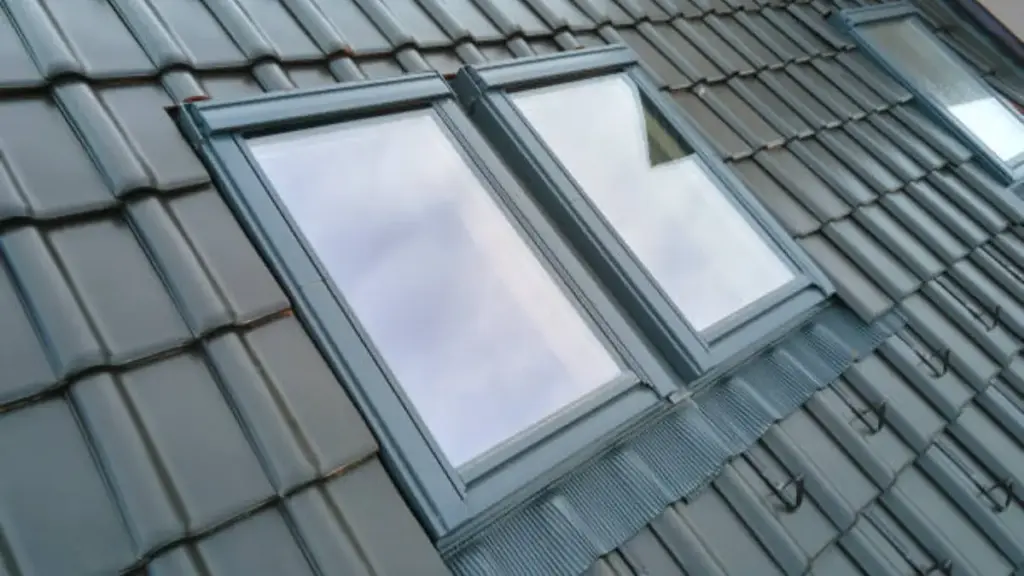
Матовая и полированная отделка — это механическая обработка поверхности, используемая для улучшения эстетики алюминиевых окон.. Матовая отделка создается путем направленного шлифования или проволочной щетки., в результате получается атласная текстура, которая помогает скрыть отпечатки пальцев и царапины..
В отличие, Полированная поверхность достигается путем полировки, производство гладкого, отражающий, зеркальный блеск. Эти отделки часто используются в качестве основы для дополнительных покрытий., предлагая изысканный внешний вид, обеспечивая при этом умеренную коррозионную стойкость.
Преимущества & Ограничения
Матовая отделка:
⚡ Скрывает отпечатки пальцев и царапины., поддержание чистоты внешнего вида.
⚡ Обеспечивает матовое покрытие, менее подверженное видимому износу..
⚠️ Ограниченная коррозионная стойкость; часто требует дополнительных покрытий для применений с высокой экспозицией.
Полированная отделка:
⚡ Создает глянцевый блеск., светоотражающий внешний вид для превосходной эстетики.
⚡ Имеет элегантный и современный вид..
⚠️ Более склонен к царапинам и требует большего ухода для сохранения внешнего вида..
Приложения и стандарты сертификации
Для алюминиевых оконных рам обычно используются матовая и полированная отделка., как для внутреннего, так и для защищенного наружного применения. Эти покрытия обычно готовятся к нанесению дальнейших покрытий, таких как AAMA. 2603/2604/2605 или ААМА 611 анодирование.
- Матовая отделка: Идеально подходит для сокрытия царапин и придания матового вида., подходит для внутренних и закрытых наружных помещений.
- Полированная отделка: Известные своим глянцевым блеском, отражающий взгляд, хотя более подвержен царапинам, обычно используется в роскошных и декоративных целях.
Тип отделки 5: Окрашенная отделка
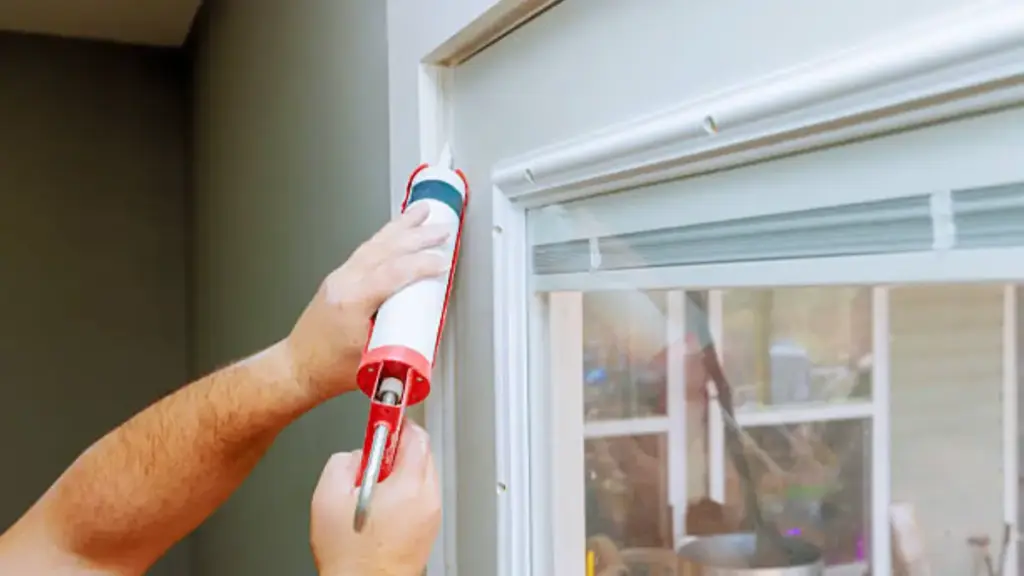
Окрашенная отделка для алюминиевые окна обладают как эстетической привлекательностью, так и защитными качествами. Наносится в виде жидкого или сухого порошка., эти покрытия затвердевают, образуя прочную пленку, которая обеспечивает широкий спектр цветов и повышает устойчивость к деградации окружающей среды.. Различные виды окраски включают архитектурные порошковые покрытия., Жидкая краска ПВДФ, и обычные системы жидкой окраски.
Преимущества & Ограничения
- Преимущества:
⚡Широкая цветовая гамма., предлагая универсальность в дизайне.
⚡ Повышает устойчивость алюминия к таким факторам окружающей среды, как погодные условия и коррозия..
⚡ Прочный и подходит как для жилых, так и для коммерческих помещений.. - Ограничения:
⚠️ Системы жидкой окраски ПВДФ дороже обычных жидких красок..
⚠️ Обычные жидкие краски обладают умеренной устойчивостью к атмосферным воздействиям., что делает их менее подходящими для суровых условий, среда с высоким уровнем воздействия.
Типы и эксплуатационные характеристики
- Архитектурное порошковое покрытие (АМАМА 2603, 2604, 2605): Термореактивное органическое покрытие, обеспечивающее превосходную стойкость к истиранию и атмосферным воздействиям., с различными уровнями долговечности для жилых помещений и проектов с высокой степенью воздействия.
- Жидкое лакокрасочное покрытие ПВДФ: Обеспечивает высокий уровень УФ, химический, и коррозионная стойкость, идеально подходит для суровых условий, таких как прибрежные или промышленные районы.
- Традиционные системы жидкой окраски: Включает полиэстер, полиуретан, и акриловые эмали, предлагая более низкую стоимость и устойчивость к погодным условиям от умеренной до хорошей., обычно используется в менее уязвимых приложениях.
Таблица сравнения производительности
В следующей таблице сравниваются пять распространенных видов отделки алюминиевых окон по устойчивости к выцветанию., устойчивость к царапинам, и стоимость.
| Тип отделки | Устойчивость к выцветанию | Устойчивость к царапинам | Расходы | Ключевые преимущества |
|---|---|---|---|---|
| Порошковое покрытие | Высокий | Высокий | Середина | Отличная цветовая гамма, сильная долговечность, и устойчивость к атмосферным воздействиям. |
| Анодирование | Отличный | Очень высокий | Высокий | Превосходная коррозионная стойкость и естественная металлическая отделка., идеально подходит для суровых условий. |
| Флюорокарбон (ПВДФ) | Отличный | Высокий | Высокий | Выдающийся УФ, химический, и устойчивость к атмосферным воздействиям, идеально подходит для экстремальных условий на открытом воздухе. |
| Матовая отделка | Середина | Середина | Низкий | Уникальный текстурированный вид, но требует дополнительных защитных покрытий. |
| Полированная отделка | Середина | Низкий | Низкий | Глянцевая отделка, эстетичен, но подвержен царапинам. |
| Окрашенная отделка | Середина | Середина | От низкого до среднего | Настраиваемые цвета, приличная долговечность, но может потребоваться частая доработка. |
Процессы предварительной обработки: Критический шаг для оптимальной адгезии отделки
Предварительная обработка обеспечивает правильную адгезию покрытий, таких как анодирование., порошковое покрытие, и ПВДФ к алюминиевым оконным профилям. Удаляет загрязнения, такие как масла., смазочные материалы, и оксиды, предотвращение проблем со связью, коррозия, и неоднородные покрытия.
Ключевые этапы предварительной обработки:
- Обезжиривание/Очистка: Щелочные ванны или ванны с растворителем удаляют масла и смазки., обеспечивает равномерную адгезию порошкового покрытия.
- Травление/Химическое фрезерование: Кислотные растворы выравнивают поверхность и способствуют образованию оксидного слоя., контроль толщины пленки (НАПРИМЕР., 7-23мкм для анодирования).
- Удаление мути/промывка: Азотная кислота и деионизированная вода нейтрализуют остатки, предотвращение пятен и обеспечение чистой поверхности.
- Конверсионное покрытие (Необязательный): Хроматные или нехроматные покрытия обеспечивают временную защиту от коррозии и улучшают адгезию краски..
Техническая важность:
- Поверхностная энергия & Пористость: Предварительная обработка увеличивает поверхностную энергию, позволяя отделке сцепляться на молекулярном уровне.
- Равномерная толщина покрытия: Достижение постоянной толщины (НАПРИМЕР., 60-80мкм для порошкового покрытия) зависит от правильной подготовки.
- Долговечность & Контроль качества: Недостаточная предварительная обработка может привести к таким неисправностям, как солевой туман или повреждение УФ-излучением.. Тесты контроля качества, такие как ASTM B117 и ASTM D3359, обеспечить оптимальную долговечность благодаря >4Рейтинг B.
ОпуоОтделочные возможности и контроль качества
В ОПУОМЕН, мы сочетаем передовые технологии отделки со строгим контролем качества, чтобы поставлять алюминиевые профили, которые не только соответствуют отраслевым стандартам, но и превосходят их., обеспечение превосходной долговечности, эстетическая привлекательность, и длительная производительность для каждого проекта
Комплексные технологии отделки
OPUOMEN управляет собственными линиями анодирования., нанесение оксидного слоя толщиной 7–23 мкм на алюминиевые профили, повышение твердости поверхности и коррозионной стойкости, идеально подходит для прибрежных и влажных сред. Процесс электростатического порошкового покрытия обеспечивает получение однородных пленок толщиной 60–80 мкм., обеспечивает высокую стойкость к истиранию и широкий выбор цветов RAL. Для превосходной защиты от ультрафиолета и химикатов., OPUOMEN использует покрытия из ПВДФ/фторполимера., идеально подходит для длительного сохранения цвета и блеска..
Трансферная отделка под дерево
Технология переноса текстуры древесины OPUOMEN сочетает в себе долговечность алюминия с естественным внешним видом дерева., что делает его идеальным для высококачественных декоративных и исторических проектов..
Комплексная гарантия качества
OPUOMEN применяет строгие меры контроля качества., от подготовки поверхности (уборка, обезжиривание, травление) к окончательному процессу нанесения покрытия, обеспечение оптимальной адгезии и бездефектной отделки. Механические и размерные испытания, наряду с ускоренными оценками выветривания и солевого тумана, обеспечивают длительный срок службы и соответствуют международным стандартам для различных условий окружающей среды..
Заключительные мысли
Выбор правильной отделки алюминиевых окон предполагает баланс технических характеристик и эстетической привлекательности.. От долговечности порошкового покрытия и широкого цветового диапазона до коррозионной стойкости анодирования и защиты ПВДФ от экстремальных погодных условий., каждая отделка адаптирована к конкретным потребностям. Правильная предварительная обработка и строгий контроль качества гарантируют, что эта отделка не только великолепно выглядит, но и выдержит испытание временем..
Интегрированные возможности OPUOMEN, включая точную подготовку поверхности и передовые технологии нанесения покрытий, гарантия долговечности, визуально потрясающие оконные решения. Связаться с ОПУОМЕН сегодня, чтобы изучить варианты отделки, которые соответствуют потребностям вашего проекта и обеспечивают непреходящую ценность.
Часто задаваемые вопросы
Какая лучше отделка для окна, расположенного возле океана?
Для алюминиевых окон у океана, рекомендуется несколько высокоэффективных отделок. А 70% Покрытие из фторполимера ПВДФ, сертифицированное AAMA. 2605 считается очень прочным. Устойчив к соляному туману, УФ, меление, и цвет тускнеет, с тестированием, превышающим 4,000 часов в суровых прибрежных условиях. Альтернативно, а Архитектурное анодирование класса I обеспечивает превосходную стойкость к истиранию и коррозии при использовании на морском побережье., особенно в сочетании с надлежащей предварительной обработкой и изоляцией от разнородных металлов.. Окна из морского алюминия с порошковым покрытием, с использованием полиэфирного порошкового покрытия минимальной толщиной 60 микроны, обеспечивают устойчивость к насыщенному солью воздуху и морским химикатам. Окончательно, надежная система защиты предполагает предварительная обработка конверсионного покрытия хромфосфатом за которым следует высокоэффективная фторполимерная краска, с фосфатом хрома, признанным лучшим средством предварительной обработки от агрессивной береговой коррозии.
Как толщина анодного слоя влияет на коррозионную стойкость?
Более толстые анодные слои на алюминии обычно улучшают коррозионную стойкость. обеспечивая более прочный оксидный барьер, защищающий основной металл от влаги, соли, загрязняющие вещества, и выветривание. Более толстые слои (НАПРИМЕР., 20–30 микрон) покрыть большую часть алюминиевой поверхности, задержка воздействия голого металла и уменьшение точечной коррозии или поломок во влажной среде., соленый, или прибрежная среда. Они устойчивы к истиранию, носить, и долговременная деградация лучше, чем тонкие слои (НАПРИМЕР., под 15 микроны). Рекомендации по охране окружающей среды различаются.: 15–18 микрон для помещений/сухих помещений, 20–25 микрон для наружного применения/зданий, и 25–30 микрон для прибрежных/морских зон.. Для применений с высокой степенью износа, серное анодирование может достигать 20–25 микрон., или до 60 микроны с жестким анодированием. Хотя толщина обычно повышает сопротивление, чрезмерная толщина (НАПРИМЕР., над 25 микроны для архитектурных алюминиевых окон) риск растрескивания или хрупкости, потенциально ускоряет коррозию дефектов. Герметизация анодного слоя часто усиливает защиту не только по толщине., особенно для тонких покрытий. Для анодированных алюминиевых профилей в окнах, 20–25 микрон балансирует защиту, расходы, и надежность. Серное анодирование типа II (обычное дело для окон) обычно достигает 0,5–25 микрон, с более толстой структурой, обеспечивающей более темные цвета и лучшую устойчивость; Жесткое анодирование типа III. (до 75 микроны) обеспечивает превосходную защиту для требовательных применений.
Доступно ли покрытие ПВДФ в текстурированной отделке??
Да, Покрытие ПВДФ доступно в текстурированной отделке архитектурного алюминия., в том числе варианты, имитирующие камень, древесина, или матовый металл. Покрытия ПВДФ предлагают универсальные варианты цвета и свободу дизайна., охватывающий металлический, твердый, и отделка со специальными эффектами. Внешний вид имитирует натуральные материалы, сохраняя при этом высокую производительность и долговечность.. Эти отделки повышают эстетическую гибкость алюминиевых поверхностей фасадов., занавесные стены, и оконные системы, с превосходной устойчивостью к ультрафиолетовому излучению, защита от коррозии, и сохранение цвета. Такие стандарты, как AAMA 2605 одобрять 70% Системы на основе смолы ПВДФ, включая варианты многослойного покрытия экзотических цветов и текстур, подходящих для требовательных проектов.. Имеющаяся информация подчеркивает широкую применимость ПВДФ для индивидуальных архитектурных проектов., без ограничений по фактурной отделке.
Каковы финансовые последствия выбора анодирования вместо порошкового покрытия оптом??
Для объемных алюминиевых оконных профилей, анодирование обычно дороже за единицу, чем порошковое покрытие.. Это связано с более сложным электрохимическим процессом., специализированные танки, химикаты, и ужесточение требований к контролю процесса. В отраслевых руководствах отмечается, что порошковое покрытие обычно является более экономичным вариантом для больших партий.. Это потому, что скорость линии выше, распыленный порошок часто можно утилизировать, а затраты на рабочую силу и установку распределяются на большее количество частей. Время ванны анодирования, предварительная обработка, стеллажи, и очистка сточных вод удерживают затраты на деталь относительно выше даже в больших масштабах.. Специалисты, выбирающие анодирование вместо порошкового покрытия, должны рассчитывать на значительная надбавка к издержкам при больших объемах, часто порядка нескольких процентных пунктов от стоимости детали (НАПРИМЕР., анодирование обычно добавляет около 5–15% к стоимости детали с ЧПУ в промышленной практике., тогда как порошковая покраска считается более экономичной архитектурной отделкой для больших тиражей.).